REVIEW · HIKING & TREKKING
7-Day: Inca Trail Trek to Machu Picchu Group Tour
Book on Viator →Operated by Valencia Travel Agency S.a.c. · Bookable on Viator
Four days of climbing, then Machu Picchu at sunrise.
I like that this trip keeps the big moving parts under control—Machu Picchu at sunrise is the payoff, timed so you’re not scrambling. I also love that the tour sets you up with the things that can quickly turn into a headache on your own: permissions, transport connections, and day-by-day meals so you can focus on walking.
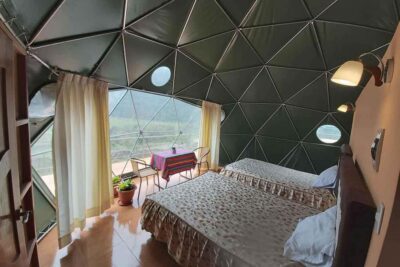
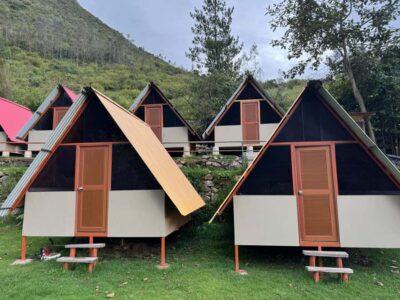
On top of that, the included camp setup is built for a real trek pace, not a comfort vacation. You get dining tent meals prepared by a professional chef, plus foam sleeping mattresses and porters for the company equipment—huge when you’re adjusting to altitude and cold nights.
One thing to plan for: this is physically demanding. You’re starting early (meeting around 4:30 am for the trail day), you’ll be climbing high passes, and you still carry your own personal items—sleeping bags are not included.
In This Review
- Key things that make this Inca Trail tour worth your attention
- Why the Inca Trail feels easier with everything bundled
- Cusco arrival and the free day that actually helps your body
- Day 1 and Day 2: What you’ll do in Cusco (and what you should skip)
- Day 3 start: Piscacucho, passport checks, and your first camp near Wayllabamba
- Day 4: Dead Woman’s Pass (Abra de Warrmihuañusca) to Runkuracay
- Day 5: Phuyupatamarca (Town in the Clouds) and the Winay Wayna finish
- Day 6: Sun Gate before sunrise, Machu Picchu tour, and down to Aguas Calientes
- Day 7: Leisure time and your flight home via Lima
- Camp comfort, food, and what’s included (and what you must bring)
- Guides, group size, and how the trek stays manageable
- Price and logistics: is $1,145 good value for this route?
- Who should book this Inca Trail trek (and who should skip it)
- Should you book this Inca Trail to Machu Picchu group tour?
- FAQ
- How long is the Inca Trail trek to Machu Picchu on this tour?
- What is the tour price per person?
- Where does the tour start and end?
- What time is the meeting point to start the trek?
- Is pickup and drop-off included?
- What camping comfort is included, and what do I still need to bring?
- What meals are included on the trail?
- How do you travel back from the Machu Picchu area to Cusco?
- Is a vegetarian option available?
- What group size and minimum age should I expect?
Key things that make this Inca Trail tour worth your attention
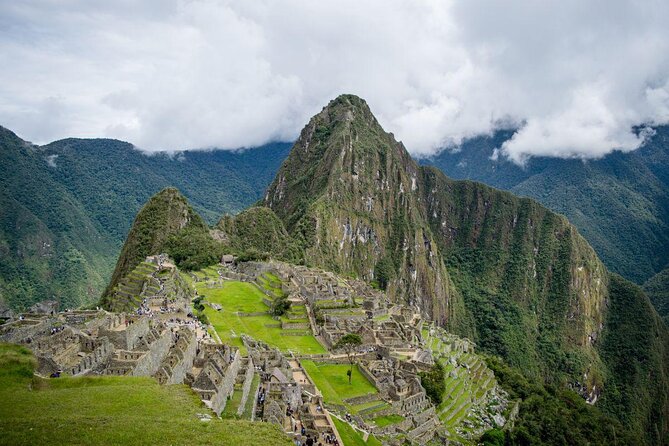
- Sunrise timing at Intipuncu (Sun Gate): you’re positioned for early views of Machu Picchu rather than arriving after the main rush
- A group that maxes at 16: small enough to feel organized, big enough to keep the trek fun and social
- Chef-led meals in camp: breakfast, lunch, dinner counts are built into the schedule, so you’re not hunting food
- Tents + foam mattresses included: camp comfort is handled, but you’ll still need a sleeping bag rental or personal one
- Limited-access control checkpoints: passport and documents are handled at the start, with restrooms and prep time built in
- Safety extras on the trail: oxygen bottles and a first aid kit are included
Why the Inca Trail feels easier with everything bundled
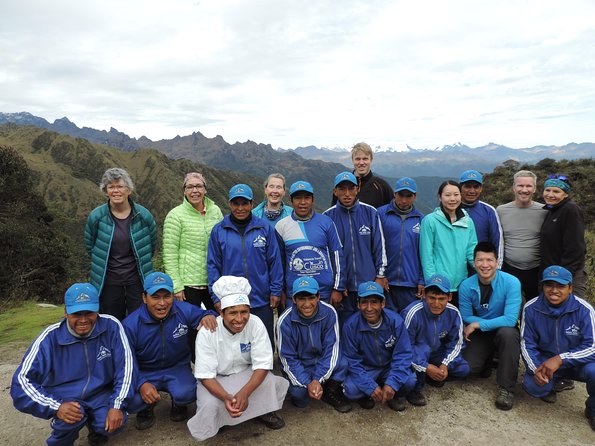
If you’ve tried planning the Inca Trail yourself, you already know the trap: it’s not just tickets. You’re juggling permits, entry rules, multiple transport steps, where you’ll sleep, what you’ll eat, and how you’ll coordinate it all around altitude and limited access.
That’s why I like a group format here. This tour is built so you show up, do the trek, and let the itinerary take care of the logistics from Cusco airport transfers through the chain of transport to Machu Picchu and back. The price (listed at $1,145 per person) looks steep until you count what’s actually included: a professional guide (and an assistant for groups of 9+), chef and camp setup, key buses and trains, water, plus a lot of meals.
You can also read our reviews of more hiking tours in Cusco
Cusco arrival and the free day that actually helps your body
Your experience starts in Cusco. Day 1 is arrival with a transfer to your hotel, then a welcome meeting for a quick briefing. Day 2 is intentionally free time. That matters, because you’re going to be walking at high altitude very soon.
Use this time to do two practical things:
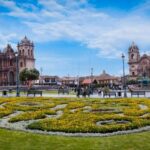
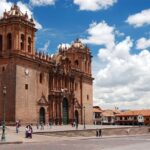
- Get your bearings fast—Cusco is built on layers, with Spanish churches and mansions standing beside Inca remains.
- Take it easy. This is not the day for big climbs or long, exhausting wandering.
Even if you feel great, plan for the “altitude math.” The trail starts at high elevation and keeps pushing upward.
Day 1 and Day 2: What you’ll do in Cusco (and what you should skip)
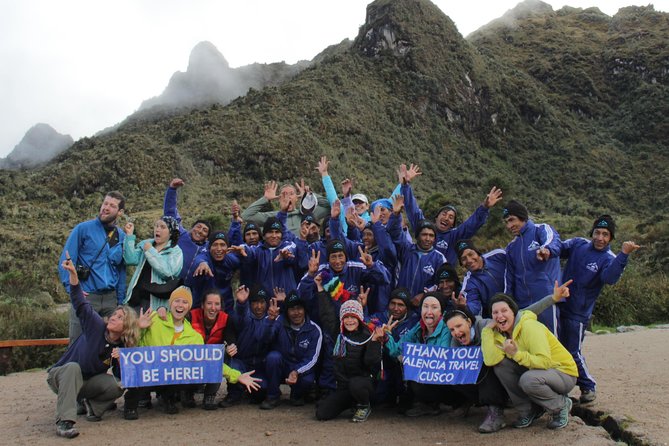
Day 1 gives you the basic setup: transfer, orientation, then you’re free to explore. Day 2 is on your schedule. I’d treat Day 2 like the warm-up week for the rest of the trip—not a free-for-all.
What you should do:
- Eat normally and hydrate.
- Walk around at an easy pace to loosen up.
- Keep your plans flexible. Your body is adjusting.
What you should avoid:
- Long, hard sightseeing runs that leave you tired.
- Booking anything that forces you to sprint back for shuttles or check-ins.
Day 3 start: Piscacucho, passport checks, and your first camp near Wayllabamba
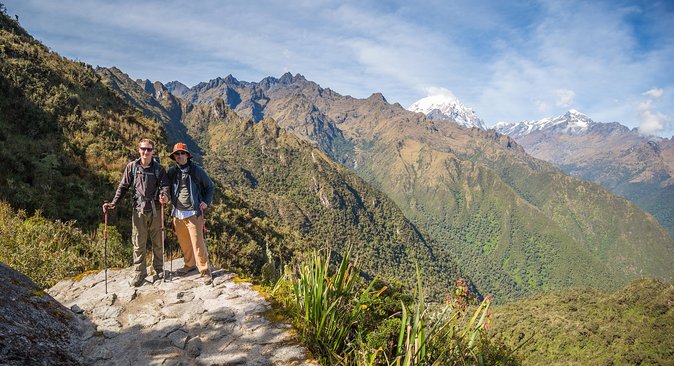
Day 3 is when the trek energy kicks in, and it starts early. You meet at 4:30 am and move toward Piscacucho for check-in. This is the moment where your passport and tickets are checked at a control point—important because the Inca Trail is limited access.
This day also includes a practical planning habit: they build in time for you to use restrooms, apply sunscreen and insect repellent, and get ready before trail walking begins.
Then you start climbing into the Inca Valley route. The official trail start is listed at 2,720 m / 8,923 ft, and you cross the Vilcanota River. From there, you head toward your first campsite near the small village of Wayllabamba at about 3,000 m.
Expect it to feel like you’ve begun a real mountain routine, not a casual hike. Night temperatures at camp are listed around 5°C depending on the month, so bring your layers mindset.
Day 4: Dead Woman’s Pass (Abra de Warrmihuañusca) to Runkuracay
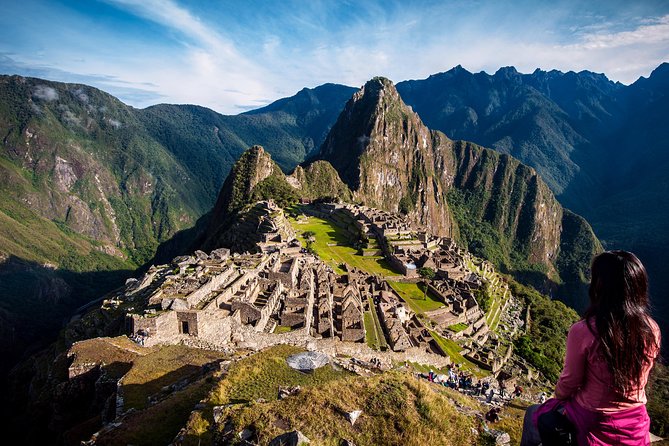
This is the day most people remember, because it takes real effort. After breakfast, you start around 5:30 am. The climb is steep, and the itinerary points out the pilgrimage aspect too—this route was sacred for the Inca, tied to becoming one with the Apus, the mountains/gods believed to guard the Andes.
You reach the highest pass listed: Abra de Warrmihuañusca, also called Dead Woman’s Pass, at 4,200 m / 13,779 ft. That number is a reality check. It’s not a “power through with enthusiasm” type of day—you’ll feel altitude and fatigue in your body.
After that, you descend to lunch at Pacaymayu (3,550 m / 11,646 ft). This section is also where you might spot hummingbirds and a variety of native plants, including polylepis, which only grows in the cloud forest at around 3,650 m.
Then you climb again to reach Runkuracay pass near 4,000 m, and set up camp by around 5 pm. Night temperatures at this campsite are listed around 4°C.
You can also read our reviews of more tours and experiences in Cusco

Day 5: Phuyupatamarca (Town in the Clouds) and the Winay Wayna finish
Day 5 continues the rhythm: start after breakfast, then walk, with archaeological stops that feel connected to what you’ve already struggled for.
You head toward Phuyupatamarca, meaning Town in the Clouds, at about 3,680 m. This is described as a gentle climb, and the views are a big part of why this stop works. You’re looking out at mountains and canyons as you move between Inca sites.
From there, you continue to the next Inca area and then walk through cloud forest along a section described as about 3,000 steps to Intipata. If you like the moment when the air feels different and your pace slows because you’re watching every detail, this is a good day for that.
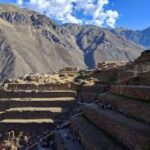
By later in the day, you reach camp at Wiñay Wayna around 2,680 m / 8,792 ft. This is also close to the Inca site of the same name—Wiñay Wayna, described as a must-see as you get near the end of the trek.
Day 6: Sun Gate before sunrise, Machu Picchu tour, and down to Aguas Calientes
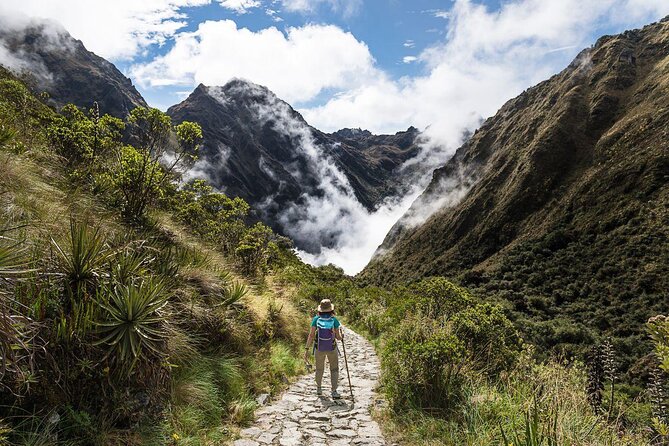
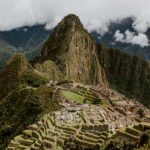
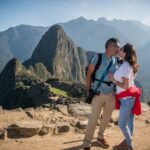
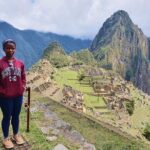
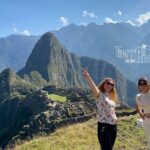
Day 6 is your big finale, and the timing is why a sunrise-focused tour is worth it. After an early breakfast, you move toward Intipuncu (Sun Gate) at 2,730 m / 8,792 ft before sunrise. The itinerary also notes that this is where you get your first great view of Machu Picchu (listed at 2,400 m / 7,873 ft).
Once sunrise viewing happens, the day continues with a guided experience:
- You walk down the last part of the trail to a classic postcard viewpoint spot.
- Then you get a guided tour of the citadel, with time afterward to explore on your own.
- You may also choose to hike toward Machu Picchu Mountain or Huayna Picchu Mountain if you want the extra climb (this is offered as an option during the visit).
After Machu Picchu, you meet your guide in Aguas Calientes. Lunch happens there, and then your guide gives you tickets back to Cusco. The return routing is listed as the first train to Poroy, then bus back to Cusco.
This is also where being on a managed schedule pays off. You’re exhausted, it’s busy, and ticket timing matters. Let the plan handle it.
Day 7: Leisure time and your flight home via Lima
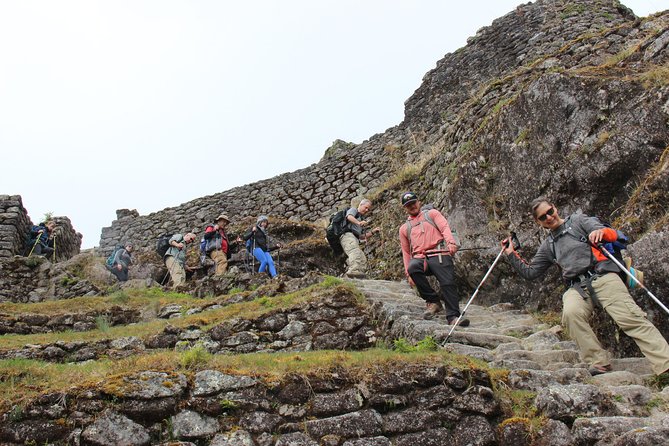
Day 7 is more relaxed. After breakfast, you get leisure time before transferring to the airport for your return flight home via Lima.
It’s a good “exhale day.” You’ll still feel the trek in your legs, but you won’t have to make decisions about how to get from Machu Picchu area to transport hubs. The tour handles the handoffs.
Camp comfort, food, and what’s included (and what you must bring)
This tour takes the edge off camp logistics. You get:
- A dining tent with tables and chairs
- A professional chef and scheduled meals
- 4-man tents (listed as per 2 people)
- Foam sleeping mattresses
- Water
- Porters for company equipment
- Oxygen bottles and a first aid kit
But you should also notice what’s not included. Sleeping bags are not included, and inflatable mattresses are not included. Walking sticks aren’t included either. The tour data also notes you’re responsible for carrying your own personal belongings and for sleeping bags or extra rentals.
So pack smart:
- Bring warm layers for camp (night temps are listed around 4°C to 5°C on multiple nights).
- Plan to rent or bring a sleeping bag.
- Expect to walk with your personal day items while porters handle the heavy company gear.
The meal setup is a big practical win. The schedule includes 5 breakfasts, 3 lunches, and 3 dinners (as listed). That structure keeps energy steadier and reduces decision fatigue.
Guides, group size, and how the trek stays manageable
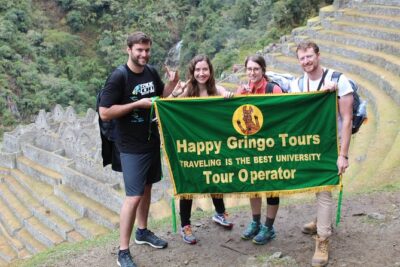
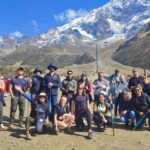
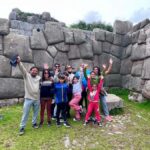
The group has a maximum of 16 people, and there’s an assistant tour guide when the group is 9 people or more. That matters for a trek like this. Higher altitude and crowded trail sections aren’t the time to wait for one person to handle everything.
One strong detail tied to the operator: the guide named Alex is specifically praised for being friendly, accommodating, and knowledgeable, and the porters are praised for doing a terrific job. That combination matters because the Inca Trail is tough. A guide who can explain what you’re seeing—and keep you moving safely—turns stress into progress.
Price and logistics: is $1,145 good value for this route?
At first glance, $1,145 for 7 days can sound like a lot. But the included items are doing real work:
- Airport pickup and drop-off
- Professional guide + assistant support structure
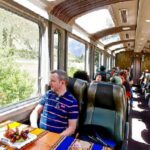
- The chain of transport steps (buses to KM 82, bus from Machu Picchu to Aguas Calientes, and train from Aguas Calientes to Ollantaytambo, plus bus back to Cusco)
- Camp tents and foam mattresses
- Chef-led meals and water
- Oxygen bottles and a first aid kit
- Porters for company equipment
If you tried to assemble that yourself, you’d likely spend time chasing details and risk mismatches in timing—especially with limited-access trail rules and the need to be at key points before sunrise.
One caution: this experience is listed as non-refundable and cannot be changed for any reason. If your calendar is uncertain, you’ll want to think hard before paying.
Who should book this Inca Trail trek (and who should skip it)
This tour fits best if:
- You have strong fitness and you’re comfortable with early starts and steep climbs.
- You want the Inca Trail experience without the organizational stress.
- You value guided archaeological time at Machu Picchu, plus camp structure and meals.
You might want to skip (or look for a gentler alternative) if:
- You’re not ready for passes like Dead Woman’s Pass at 4,200 m.
- Cold nights and sleeping outdoors are a deal-breaker for you (since you’ll need your own sleeping bag).
- You prefer fully DIY travel with zero group schedule.
Also note the minimum age is 10 years, so this is generally geared toward travelers who can handle the trek demands.
Should you book this Inca Trail to Machu Picchu group tour?
I’d book it if you want a high-success plan: sunrise at Machu Picchu, organized transport, chef meals, and camp gear that covers the big logistical gaps. The small max group size and assistant support are good signs for a trek this physically and mentally demanding.
But book only if your dates are firm and you’re honest about your fitness. This is not a casual hike. If you’re ready for steep climbs, cold camps, and an early-morning routine, this kind of bundled tour can turn the Inca Trail from a planning project into a real journey.
FAQ
How long is the Inca Trail trek to Machu Picchu on this tour?
The duration is listed as 7 days (approx.).
What is the tour price per person?
The price is listed as $1,145.00 per person.
Where does the tour start and end?
It starts and ends at Cusco airport, with round-trip travel from Alejandro Velasco Astete International Airport.
What time is the meeting point to start the trek?
The meeting point start time is listed as 4:30 am.
Is pickup and drop-off included?
Yes. Airport pickup and drop-off are included.
What camping comfort is included, and what do I still need to bring?
Tents and foam sleeping mattresses are included. Sleeping bags are not included, and you are responsible for carrying your personal belongings.
What meals are included on the trail?
The tour includes 5 breakfasts, 3 lunches, and 3 dinners (as listed).
How do you travel back from the Machu Picchu area to Cusco?
The return routing is listed as bus from Machu Picchu to Aguas Calientes, train from Aguas Calientes to Ollantaytambo, then bus from Ollantaytambo to Cusco.
Is a vegetarian option available?
Yes. A vegetarian option is available if you advise at time of booking.
What group size and minimum age should I expect?
The maximum group size is 16 travelers, and the minimum age is 10 years.