REVIEW · INCA TRAIL TREKS
Inca Jungle Premium to Machu Picchu 4-Day and 3-Nights
Book on Viator →Operated by Conde Travel · Bookable on Viator
Machu Picchu starts before you even arrive. This 4-day, 3-night Inca Jungle Premium route turns the long trip from Cusco into an action-packed mix of biking, jungle walks, and mountain thermal pools. I like that the tour keeps logistics handled with included guides, tickets, meals, and gear, so you can focus on the doing instead of the planning. The main drawback to weigh is the early start (5:30 am) and the fact you’ll need moderate fitness for hours of walking, cycling, and getting in and out of transport.
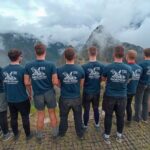
I also like the small-group feel—max 15 travelers—because it stays personal without feeling like you’re on an assembly line. On the trip, you’ll meet a bilingual guide who’s specialized in this region; one guide I’ve seen highlighted is Stif, who paired upbeat energy with clear explanations about Peru and local life. If you’re allergic to speed, the optional rafting and the zip line day may feel like a lot, but you can also treat them as optional choices rather than mandatory stunts.
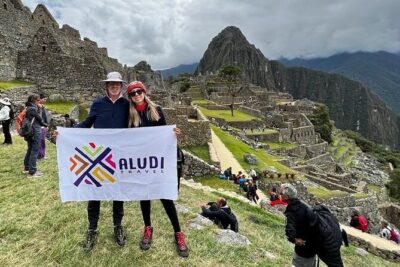
From Málaga Pass to the thermal pools of Cocalmayo, this is the kind of trip where you earn your Machu Picchu time. You’ll do a guided visit (about 2 hours), then you’ll have room to wander on your own—before the train and bus bring you back toward Cusco.
In This Review
- Quick highlights that actually matter
- Day-by-day: what you’ll do (and why it feels worth it)
- Day 1: Cusco pickup, Málaga Pass biking, and dinner at Bella Victoria
- Day 2: High-forest Inca route hiking and the payoff of Cocalmayo Hot Springs
- Day 3: Hydroelectric to Aguas Calientes trekking plus Santa Teresa zip line
- Day 4: Sunrise approach, guided Machu Picchu, and the train/bus back to Cusco
- Price and logistics: what $550 really covers
- Fitness, timing, and the real-life pace you should expect
- What to pack so you don’t suffer later
- Who should book this Inca Jungle Premium tour (and who should think twice)
- Should you book this trip?
- FAQ
- How long is the Inca Jungle Premium to Machu Picchu tour?
- What time does the tour start in Cusco?
- What’s the maximum group size?
- What activities are included besides Machu Picchu?
- Are meals included, and which ones?
- How do you get to Machu Picchu?
- Where do you stay during the trip?
- What fitness level do you need?
Quick highlights that actually matter
- Málaga Pass (around 4,350 masl) biking and a big descent to Santa Maria—one of the most dramatic parts of the route
- Small group (max 15) with a private bilingual guide and included equipment
- Cocalmayo Hot Springs after a high-forest hike—warm-water recovery when your legs want payback
- Zip line in Santa Teresa (six cables, about 800 m each; up to 80 km/h noted) plus a suspension bridge and light rock climb
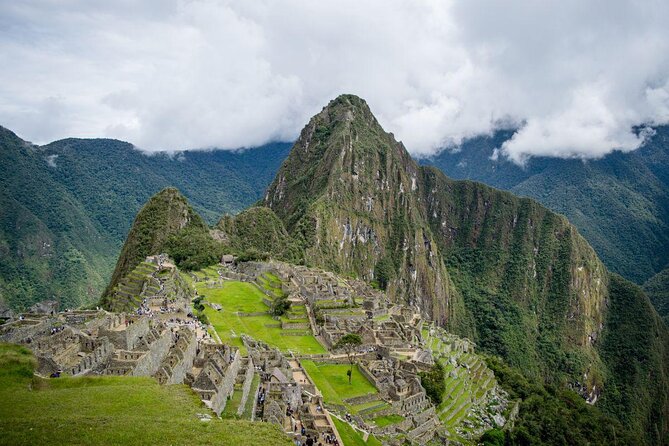
- Guided Machu Picchu time (about 2 hours) with a chance to catch sunrise on the approach
Day-by-day: what you’ll do (and why it feels worth it)
You can also read our reviews of more tours and experiences in Cusco
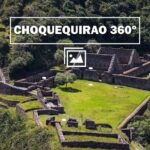
Day 1: Cusco pickup, Málaga Pass biking, and dinner at Bella Victoria
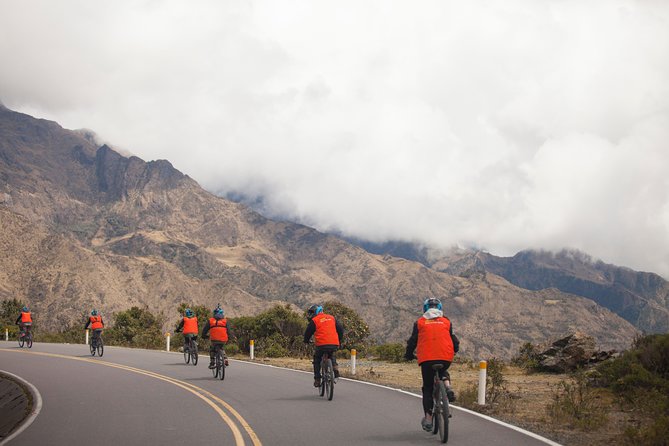
Your day starts early, with pickup from your Cusco accommodation around 5:30 am. From there, you head toward Ollantaytambo for breakfast, then continue by bus to the high point of the route: Málaga Pass (about 4,350 masl) near the Verónica snowy area. Even if you’ve traveled in the Andes before, that altitude jump is noticeable—more fresh air, more cold mornings, and that sense of “okay, we’re really going for it.”
The signature action here is the bicycle descent. You’ll bike down from about the pass area to Huaman Marca / Santa Maria (around 1,890 masl). The physical effort is real, but you’re not doing it alone—your included equipment and guide support make this feel like a guided adventure, not a DIY risk.
After the bike portion, you’ll have lunch and a short break, then the route can include rafting on the Urubamba River. The phrasing here matters: rafting is described as optional. If you want a more adrenaline-heavy day, go for it; if you’d rather save your energy for later hiking, you still get a full day without it.
The day closes with a walk to Bella Victoria, a local house where you share dinner with a native family. This is one of those moments that adds personality to the trip. You’ll also get a coffee-and-achiote experience (achiote is a beloved local flavor), which is a nice change from the typical “tour dinner” vibe where everything tastes the same anywhere in the world.
What to consider: it’s a long day—bus time, bike time, optional rafting, then dinner—so plan to eat well and sleep fast. If you tend to get carsick on mountain roads, pack that head space early.
Day 2: High-forest Inca route hiking and the payoff of Cocalmayo Hot Springs
Day 2 is where the trip feels like “Inca Jungle” in the truest sense. After breakfast, you start walking for about 4 hours on the Inca route through a high forest. The goal isn’t speed; it’s atmosphere. Expect lots of flora and fauna, and the description specifically calls out orchids and birds. Even if you’re not chasing wildlife on purpose, this kind of forest hike tends to make you slow down and look around—especially because the air is cooler and the plant life feels thick.
Lunch is made by a local community using native fruits and tubers. This matters for value and authenticity. You’re not just filling calories; you’re eating what people grow nearby, in a setting tied to the land.
Then comes the moment many people remember most: Cocalmayo Hot Springs. After hiking, warm water hits like a reset button. The trip frames this as a trophy stop, and it makes sense: when you’ve been walking, your joints don’t want more walking—they want warmth, slow breathing, and time to let your muscles stop complaining.
What to consider: you should expect damp or changeable weather in this part of the route. Bring your rain gear seriously (not “maybe later”). A good rain jacket can keep the hike feeling fun instead of miserable.
Day 3: Hydroelectric to Aguas Calientes trekking plus Santa Teresa zip line
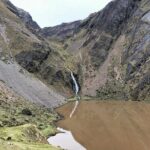
Day 3 starts with breakfast and a trek from Hydroelectric to Aguas Calientes (Machu Picchu Town). This portion is described as a flat trail and takes about 3 hours. You’ll pass waterfalls and see wildlife near the Urubamba River, with the scenery changing along the way as you move closer to the town.
You’ll stop for lunch at a restaurant, then have dinner and a briefing for the next day’s Machu Picchu visit. Then you get the flexibility of free time in Aguas Calientes—time to explore the town streets or simply rest up.
Then comes Santa Teresa. The plan includes the option to take a zip line service with six cables about 800 meters long each, reaching a maximum speed of 80 km/h (as noted). After the cables, you cross a suspension bridge and finish with a light rock climb. After that, the bus takes you back toward Hydroelectric, where you can have lunch again and then continue trekking to Aguas Calientes.
That pacing is a lot on paper, and it can feel like a “two-day day.” But it’s also the reason the tour earns its name. You’re stacking different types of effort: forest walking, a fast thrill, and then back to trekking. If you love variety, this day delivers.
What to consider: if heights or high speed make you tense, treat the zip line as a decision, not an obligation. Also, keep an eye on footwear—mud or slick spots can happen with river-adjacent routes and rainforest weather.
Day 4: Sunrise approach, guided Machu Picchu, and the train/bus back to Cusco
The morning is early again. You’ll get up early to head to Machu Picchu, using an ascending route through high forest. The description highlights a chance to see sunrise, which is one of the best reasons to start before the crowds feel fully awake.
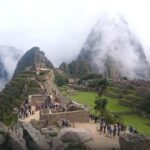
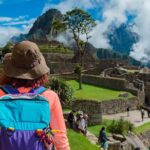
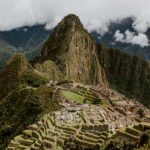
Once you reach the sanctuary, your guide shows Machu Picchu for about 2 hours. After that, you’re free to explore on your own. That mix—guided foundation, then independent wandering—is smart. You’ll understand what you’re looking at, and then you can spend time exactly where you want (views, photos, quiet corners, whichever fits your style).
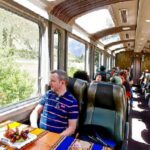
When you finish, you return by train back to Ollantaytambo, then transfer back to Cusco. You also have round-trip bus to Machu Picchu included, so you’re not figuring out transport with a tired brain at the worst possible time.
What to consider: sunrise is weather-dependent. If clouds roll in, you’ll still get Machu Picchu—just with different light. Keep expectations flexible and bring that thick layer the packing list suggests.
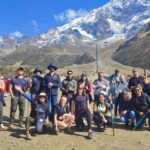
Price and logistics: what $550 really covers
At $550 per person, this isn’t a bare-bones “get there somehow” option. The best value comes from how much is packaged:
- Private bilingual professional guide specialized in the Inca jungle
- All equipment required for the activities (so you’re not shopping for gear under pressure)
- 1 night in an Ecolodge plus 2 nights hotel accommodation
- Entrance to Machu Picchu
- Train back to Ollantaytambo and transfers to Cusco
- Round-trip bus to Machu Picchu
- Meals included: 3 breakfasts, 3 lunches, 3 dinners
- Activities included: biking, rafting (optional in practice), and Cocalmayo Hot Springs
What’s not included is also clearly stated. You don’t get breakfast on the first day, and you don’t get lunch and dinner on the last day. Snacks and water are also on you, and you’ll want to bring your own light backpack for personal items. Finally, gratuities for the guide are not included, which is standard but still worth budgeting for.
The small-group size (max 15) matters here too. You’ll get more attention when you’re switching activities—bikes to rafting to hiking to zip line—especially when timing is tight.
Practical takeaway: if you’d otherwise pay separately for a guided trek, Machu Picchu tickets, and transport between zones, this pricing starts to make sense. You’re buying convenience, guidance, and an organized flow through several different landscapes of effort.
Fitness, timing, and the real-life pace you should expect
This tour asks for moderate physical fitness. That doesn’t mean you must be a marathoner. It does mean you should be comfortable with:
- Long travel days and early mornings
- Hiking blocks (about 4 hours on Day 2, plus a 3-hour trek on Day 3)
- A biking descent after a high pass
- Getting in and out of transport without losing your cool
You’ll also want to move with care on wet ground. The jungle route is praised for biodiversity and big sensory changes, but that also means conditions can change fast.
One more note: the tour start time is 5:30 am, and you should assume you’ll be up early on more than one day. Plan your night before like a pro—pack everything, charge electronics, and don’t leave packing decisions for the last minute.
What to pack so you don’t suffer later
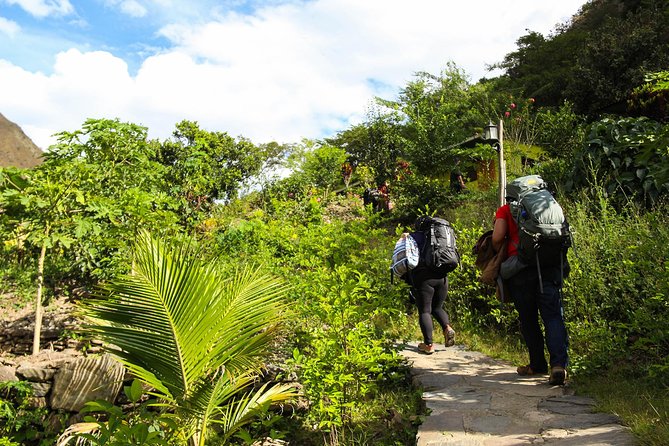
The tour’s own packing suggestions are solid, and I’d follow them closely:
- Strong walking shoes or tennis shoes
- Sweater and a thick jacket
- Hat or cap
- Proper clothing for walking and riding
- Just one bottle of water (you can buy more as needed)
- Good rain coat
- Long sleeves, long and short pants
- Insect repellent and sunscreen (UV factor 40+)
- Toilet paper, lantern, sunglasses, plastic bags
- Lightweight backpack per person
- Camera and charger, plus some cash in change
- Medical/personal items you rely on
If you’re wondering about safety nets, the tour includes a complete first aid box and you’ll have a guide specialized in this setting—still, you should take your own packing and footwear seriously. A “small” mistake like the wrong shoes can turn a fun day into a sore one.
Who should book this Inca Jungle Premium tour (and who should think twice)
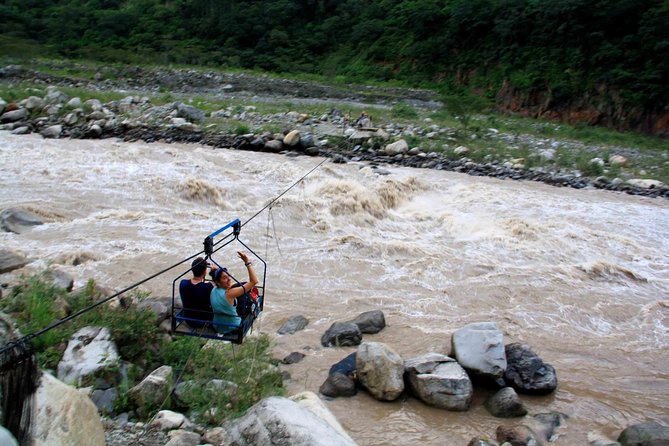
Book this if you want Machu Picchu to be the finish line of an adventure—not the only highlight. This is ideal for you if you like:
- A mix of walking + biking + water-based excitement + a zip line day
- Comfort with early starts and a busy schedule
- A small group with personal guidance
- Meals and logistics taken care of, including Machu Picchu entry
Think twice if you’re:
- Sensitive to altitude effects or long activity days
- Afraid of heights/speed (zip line is described with high speeds up to 80 km/h)
- Looking for a slow, recovery-focused trip
Also remember: this experience is listed as non-refundable and cannot be changed for any reason. That’s a big deal. If your schedule is uncertain or you’re traveling with tight connections, plan carefully.
Should you book this trip?
I think this tour is a strong choice when you want the full “work your way to Machu Picchu” story. You get a structured route with included transport, guide, gear, and tickets, plus the kind of stops that make the days feel like more than logistics: Málaga Pass biking, Cocalmayo Hot Springs, and a Santa Teresa zip line day before your Machu Picchu sunrise approach.
If your idea of a perfect Peru trip is slow streets and long museum breaks, then this may feel like too much. But if you’re excited by active travel and want to feel genuinely challenged (in a guided, organized way), this is the right style of tour.
FAQ
How long is the Inca Jungle Premium to Machu Picchu tour?
It’s a 4-day experience with 3 nights.
What time does the tour start in Cusco?
The start time listed is 5:30 am.
What’s the maximum group size?
The group is limited to a maximum of 15 travelers.
What activities are included besides Machu Picchu?
Biking, rafting (listed as optional in the day description), and Cocalmayo Hot Springs are included. The route also includes hiking and a zip line service in Santa Teresa.
Are meals included, and which ones?
Breakfast (3), lunch (3), and dinner (3) are included. The tour notes that breakfast on the first day is not included, and lunch and dinner on the last day are not included.
How do you get to Machu Picchu?
The tour includes round-trip bus to Machu Picchu, and the route includes a train back to Ollantaytambo plus a transfer to Cusco afterward.
Where do you stay during the trip?
You’ll have 1 night in an Ecolodge and 2 nights in a hotel.
What fitness level do you need?
You should have a moderate physical fitness level, since the days include several hours of walking and other active components.