REVIEW · 7-DAY EXPERIENCES
7 Day Exploration Tour from Cusco to Lima
Book on Viator →Operated by Peru Top Experience · Bookable on Viator
Two places, one plan, and a lot of big sights in a short time. You get Lima coastal highlights plus the Inca core around Cusco and Machu Picchu, with transport and tickets handled for you. It is interesting because you move from desert and sea wildlife to high-altitude archaeology without the guesswork.
What I like most is the way this route stacks major stops with the right kinds of breaks: Magic Water Circuit + old Lima churches and catacombs on day one, then sea life at Islas Ballestas and the sand playground at Huacachina on day two. I also like the logistics around the altitude days, including early starts and support gear like an oxygen balloon.
One thing to consider: the schedule is packed and the days on mountain time are early and physically demanding. If you hate long travel days or you get altitude symptoms easily, you’ll want to pace yourself and drink water like it is your job.
In This Review
- Key points you’ll feel on the ground
- How this 7-day route is really paced (Lima first, then the Inca zone)
- Lima’s day-one mix: pre-Inca ruins, the plaza, and San Francisco underworld
- Magic Water Circuit: the kind of night activity that actually works
- Paracas by yacht: Islas Ballestas and the wildlife-focused payoff
- Pisco Nietto and Huacachina: tasting and sand time in one day
- Day 3 in Cusco: arrival, Cathedral, Qorikancha-style time, then the fortress sites
- Sacred Valley day: viewpoints, Pisaq, Urubamba lunch, and train staging
- Machu Picchu day: early bus, guided enclosures, then train back
- Rainbow Mountain (Mountain of Colors): the early grind with oxygen support
- The transport web: trains, buses, and hotel nights that actually line up
- Price and value: what $1,129 buys in this kind of week
- Who this tour suits best (and who should reconsider)
- Should you book this Cusco-to-Lima 7-day package?
- FAQ
- Are flights included between Lima and Cusco?
- What is included for Machu Picchu?
- Are hotel nights included?
- Is the train included for the Aguas Calientes and Ollantaytambo route?
- What activities are included in Huacachina?
- Do I get any meals besides breakfast?
- What admissions are included in Lima?
- Is there free cancellation?
Key points you’ll feel on the ground
- Lima hits hard in one day with Huaca Pucllana, Plaza de Armas, San Francisco catacombs, and the Magic Water Circuit lighting show
- Paracas and Ballestas are built for views with a yacht boat trip and a nature-focused stop that includes the main wildlife spots
- Huacachina comes with real activity time (sandboarding and buggy rides), not just a photo stop
- Machu Picchu includes the guided core plus round-trip train segments tied to Aguas Calientes and Ollantaytambo
- Rainbow Mountain is planned with altitude support and a very early departure, plus entry to the Mountain of Colors
- On-the-ground coordination has real names attached, including Steven as a frequently cited coordinator in the feedback, along with guides named like Elvis, Clara, Jhanet, and Carlos
How this 7-day route is really paced (Lima first, then the Inca zone)
Even though the tour is branded as Cusco to Lima, the flow you’ll experience is basically Lima first (days 1–2), then a flight to Cusco (day 3), then deeper time in the Sacred Valley and Machu Picchu area. By the end, you’re back in Cusco for your airport transfer.
That matters because you’ll acclimate in two stages. You start at sea level in Lima, then you climb into Cusco once the itinerary turns toward the Andes. Your longest altitude pressure days are concentrated on Machu Picchu (day 5) and Rainbow Mountain (day 6), and the plan builds in early starts to reduce waiting and maximize daylight.
This is not a slow, stay-in-one-neighborhood kind of trip. It is a “big checklist, tightly run” style week. If you like having a plan that drives you from one landmark to the next, this will feel efficient. If you hate being on the move, you may want to add extra free days elsewhere in Peru.
You can also read our reviews of more tours and experiences in Cusco



Lima’s day-one mix: pre-Inca ruins, the plaza, and San Francisco underworld
Lima can feel like a city you either love fast or bounce off. Here, you get a fast orientation with three layers of Lima in one go.
First is Huaca Pucllana, a pre-Inca archaeological complex in the Miraflores district, built by the Lima culture between about 200 and 700 AD. The name is tied to a Quechua idea of play or fun, which adds a human note to a place that otherwise sounds purely academic. This stop is also a useful mental warm-up: Lima is not only colonial buildings and big museums. There were cities and ceremonies here long before the Spanish arrived.
Then you hit Plaza de Armas, the iconic center of Lima tied to the city’s 1535 founding under Francisco Pizarro. You’ll see colonial buildings surrounding the square, which helps you understand why Lima still feels like the administrative heart of old Peru.
Next comes Museo Convento San Francisco y Catacumbas. The convent’s baroque facade is the obvious highlight, but the catacombs are what make the stop feel real: underground spaces that connect you to historical funerary practices, with religious art and old manuscripts also in the mix. If you like your history in physical spaces rather than just text on a wall, this is a strong choice.
Practical tip: wear shoes that handle indoor-to-outdoor walking. Lima days can include a mix of sidewalks, museum floors, and moving stairways.
Magic Water Circuit: the kind of night activity that actually works
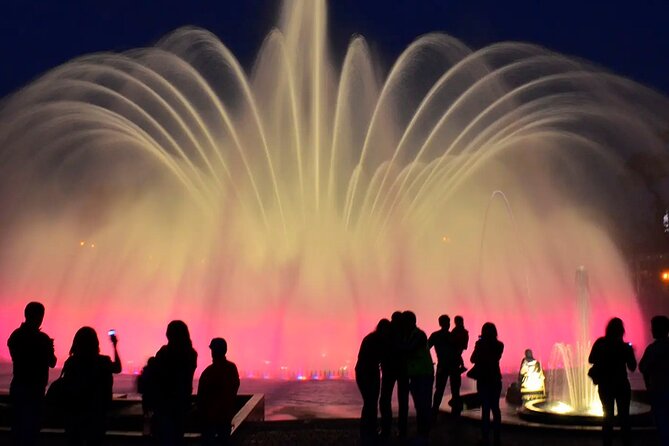
After daytime ruins and churches, you finish with Circuito Magico Del Agua (Magic Water Circuit). This is an illuminated fountain show with music and effects, including the Fountain of Fantasy and the Tunnel of Surprises.
Why it is valuable in a multi-day plan: it is a low-effort way to see Lima’s modern entertainment side without scheduling yourself. It is also a great transition between the heavy daytime history stops and the next day’s nature travel.
What to know: you’ll want to dress for evening cool-down. Even in Lima, nights can feel brisk once the sun drops. If you’re the type who likes clear photos, come ready to hold still during a few key moments, but don’t stress over getting every shot—this show is timed and designed for crowds.
Paracas by yacht: Islas Ballestas and the wildlife-focused payoff
Day two starts with Islas Ballestas, often called the Galapagos of Peru. The nature reserve sits off Paracas and is known for sea lions, guano birds, and Humboldt penguins. You also get rock formations from the boat, which is a big part of why this excursion is worth doing with a guide and on a scheduled trip.
This is not a land-hike adventure. It is a “views first” day, and the yacht element makes a difference: you’re positioned to see the coastline and animal activity without the effort of walking through everything.
A consideration: sea conditions can affect how comfortable you feel. Bring whatever you use for motion on boats, and keep expectations flexible. You’re there for wildlife moments and cliff scenery, not a gentle stroll.
Pisco Nietto and Huacachina: tasting and sand time in one day
After the islands, the itinerary shifts from wildlife to spirits at Pisco Nietto. You’ll see the artisanal process of making Pisco and other products since 1856. The tasting section is where this becomes more than a tour bus stop: you can try wines, piscos, pisco creams, macerados, and mistelas.
Why I like adding this on a route like this: Peru often gets reduced to Inca ruins. A distillery visit reminds you the country has a full living food-and-drink culture right now. Even if you don’t buy anything, it helps you place what you’ve been eating and tasting in Peru’s current industries.
Then you head to Huacachina Oasis, an oasis in the Ica desert framed by palm trees and surrounded by dunes. This is where the trip turns playful: you get sandboarding and buggy rides.
If you’re wondering whether it feels touristy, here’s the honest take: it is a popular activity, but you still get real movement and real dune time. It is one of the few stops in the week that doesn’t feel like you’re “walking through monuments.” It’s closer to an adventure day.
Tip: bring layers. Desert sun is intense, but wind during dune play can make you wish you had something extra.



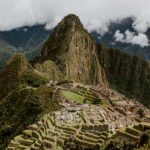
Day 3 in Cusco: arrival, Cathedral, Qorikancha-style time, then the fortress sites
Cusco arrives with a different feel: mountain air, steeper streets, and a schedule that starts pushing you to pay attention. You’ll pick up from your hotel and transfer to the airport in Lima, fly to Cusco, then transfer to your Cusco hotel and join the group later in the afternoon.
Your sightseeing block starts with Cusco Cathedral and then the Temple of the Sun (often connected with Qorikancha in how sites are described in tours). This is a practical pairing: you get Catholic-era grandeur and then the sense that the Inca sacred landscape has been layered with later traditions.
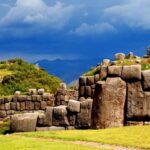
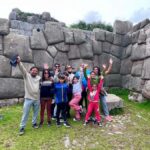
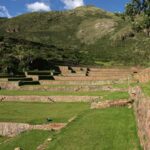
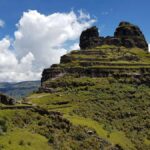
After that, you head into the upper part of the city and tour Saqsayhuaman with a guide. Then you continue on to other archaeological sites such as Qenqo, Puka Pukara, and Tambomachay.
Why this day works even if you’re a little tired: it is a gentle-to-moderate entry into Inca-world geography. You’re not forced into the longest hike yet, but you’re given a map of where the big sites live and how they relate to Cusco’s hills and stonework.
Altitude note: you’ll feel it on stairs. Slow your pace, take breaks, and don’t judge your energy level until after you’ve had an evening meal and water.
Sacred Valley day: viewpoints, Pisaq, Urubamba lunch, and train staging
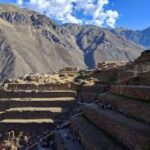
The Sacred Valley day starts early with pickup and a drive that includes a Taray viewpoint stop for free time. Then you go to the archaeological center of Pisac and the artisan town.
Here’s what you should pay attention to: Pisac isn’t just stones. The setting is dramatic, and the artisan town can help you understand how people still make a living in this region. If you like walking markets, this is where it fits.
Lunch is in Urubamba (buffet lunch included), followed by time for sightseeing and food. Then you head to Ollantaytambo, visit the archaeological center, and get ready for the next transport step.
The train is key: Ollantaytambo to Aguas Calientes is included. This is what takes pressure off you. Planning this part on your own is doable, but it is also where people burn time and end up with wrong train times. Having it staged properly helps your Machu Picchu day run smoother.
Machu Picchu day: early bus, guided enclosures, then train back
This is the day most people plan their entire Peru trip around, so let’s make it practical.
You start with a rise and a bus ride from Aguas Calientes to Machu Picchu. The timing is early and built for entry before crowds peak too much. You then get a guided tour of the Inca citadel, focusing on the main enclosures from about late morning to around mid-morning.
After the guided section, you return along the same route to Aguas Calientes. You’ll have time to walk around town and have lunch on your own, then it is back to the train station.
You return by train to Ollantaytambo, then take a bus to Cusco. That last leg matters: it gets you off your feet without requiring a complicated set of independent connections.
What I like about this structure: it gives you both guidance and flexibility. You learn the core story from the guide, then you can still wander in town and recharge before the next altitude day on the calendar.
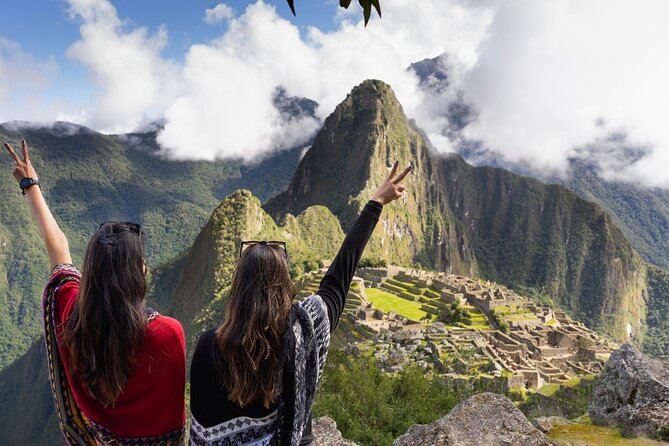
A note for expectation management: Machu Picchu is photogenic from nearly every angle. Still, don’t treat it like a checklist of perfect shots. Treat it like a place. Walk, look at stone alignment, and let the scale hit you once without rushing.
Rainbow Mountain (Mountain of Colors): the early grind with oxygen support
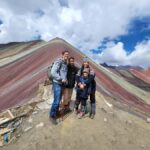
Rainbow Mountain is scheduled as a full early-morning operation: pickup around 4:00–4:30, drive to Cusipata for a buffet breakfast, then a drive to the base and a guided ascent along a marked path.
The ascent is timed to reach the top by late morning, followed by a talk about the mountain’s origin, then free time for photos. Then you head back down along the same path, return to Cusipata for buffet lunch, and drive back to Cusco.
This is the most physically demanding day in the week after Machu Picchu logistics. It’s also the day where altitude stress can sneak up even if you handled Cusco fine.
That is why I appreciate that the tour includes an oxygen balloon and a first aid kit. It doesn’t remove risk, but it does signal that the operator plans for real conditions at altitude.
Tips that help most people succeed:
- Start slower than you think you need on the ascent.
- Eat the Cusipata breakfast. It is scheduled for a reason.
- Bring a hat and something for wind. The higher you go, the more the weather changes.
The transport web: trains, buses, and hotel nights that actually line up
A big part of the value here is not just the sights—it is the way the transport segments connect.
You’ll spend three hotel nights in Cusco (breakfast included), plus two hotel nights in Lima (breakfast included). You also get one hotel night in Aguas Calientes (breakfast included). The plan uses city-to-airport transfers, Lima-to-Paracas-to-Ica and back transport, and Cusco-to-Cusipata and back transport.
You also get the Machup Picchu bus ticket cycle: Hot Water to Machu Picchu and back. And you have train tickets for Aguas Calientes to Ollantaytambo included.
When those pieces fit, you avoid the most common trip-killer: scrambling at the end of the day when you’re tired. This itinerary is designed to keep you moving forward on schedule.
Price and value: what $1,129 buys in this kind of week
At $1,129 per person, this tour sits in the mid-to-higher range for Peru. The reason is simple: you are not paying just for entry fees and guide time. You are paying for a package of hard-to-manage pieces.
Included items with real cost weight:
- Machu Picchu entry and the Machu Picchu guided tour
- Train tickets tied to Ollantaytambo and Aguas Calientes
- Rainbow Mountain entry (Mountain of Colors)
- Boat excursion for Ballestas Islands
- Multiple Lima admissions, including San Francisco catacombs and Magic Water Circuit
- Sandboarding and buggy rides in Huacachina
- Several hotel nights plus breakfasts
- Support items like an oxygen balloon and first aid kit
If you were to piece this together yourself, you’d likely spend many hours on logistics and still run into timing problems. Here, you pay for the convenience plus the reduced stress of having everything coordinated.
The value question comes down to you: do you want to manage trains, buses, and timed entry yourself? If not, this is the kind of week where a packaged plan can be worth it.
Who this tour suits best (and who should reconsider)
This tour is a strong match if you:
- want a one-week overview from coastal Peru to the Inca heartland
- like having daily structure so you do not waste time planning
- are okay with early starts and long travel legs
- have moderate physical fitness, especially for the Rainbow Mountain climb and Machu Picchu day
It may be less ideal if you:
- want lots of unstructured free time
- struggle with altitude and prefer slower acclimation across multiple days
- get easily upset by tight schedules
Should you book this Cusco-to-Lima 7-day package?
I’d book it if you want a well-run week that hits Lima’s top sights, adds Paracas and Huacachina adventure, then delivers Machu Picchu and Rainbow Mountain with transport and tickets handled. The big selling point is the way the plan connects boat, train, and guided site time without forcing you to think about every timing detail.
If you’re on the fence, I’d make the call based on two things:
1) Are you comfortable with early mornings and an active pace?
2) Do you want altitude days supported with practical extras like oxygen and first aid planning?
If yes, this is a solid value for a trip that would otherwise be complicated to assemble cleanly.
FAQ
Are flights included between Lima and Cusco?
No. National flights between Lima and Cusco are not included, and you can consult the flight separately.
What is included for Machu Picchu?
Machu Picchu entry is included, along with a guided tour of the Inca citadel and the tourist bus ticket cycle from Hot Water to Machu Picchu and back.
Are hotel nights included?
Yes. You get 2 hotel nights in Lima (with breakfast), 3 hotel nights in Cusco (with breakfast), and 1 hotel night in Aguas Calientes (with breakfast).
Is the train included for the Aguas Calientes and Ollantaytambo route?
Yes. Train tickets from Ollantaytambo to Aguas Calientes are included, plus the return train ticket from Aguas Calientes to Ollantaytambo.
What activities are included in Huacachina?
Sandboarding and sand cart (buggy) activities are included.
Do I get any meals besides breakfast?
Yes. The tour includes buffet lunch at Urubamba (Sacred Valley) and buffet breakfast and lunch related to Rainbow Mountain in Cusipata.
What admissions are included in Lima?
Included admissions cover Huaca Pucllana, Plaza de Armas, San Francisco Convent and Catacombs, and the Magic Water Circuit.
Is there free cancellation?
Yes. You can cancel for a full refund if you cancel at least 24 hours before the experience start time.