REVIEW · CYCLING TOURS
07 Day: Inca Jungle Adventure with Mountain Bike, Rafting, Zipline & Trek
Book on Viator →Operated by Inkayni Peru Tours · Bookable on Viator
You can’t really do Peru like this in one neat day. This 7-day Inca Jungle adventure mixes high-energy sports with classic Andean stops and ends at Machu Picchu. It’s built for people who like their vacation with motion, not just museum speed.
I especially like that the week handles the annoying parts: pickup, transport, guide, and entrance fees are wrapped into the price. I also like that the adrenaline is real and varied: full-suspension mountain biking, Class II–III rafting with a safety kayaker, and a zipline ride are all included.
One thing to think about: you’ll move early and often, with a moderate fitness requirement and altitude starting in Cusco (3,400 m / 11,000 ft). If you’re hoping for a slow, cushy pace, this will feel like work.
In This Review
- Quick Take: What This Tour Does Really Well
- Why This 7-Day Inca Jungle Route Works for Adventure Plus Culture
- Cusco Arrival and Acclimation: Day 1 at 3,400 Meters
- Sacred Valley Day: Moray, Maras Salt Mines, and Chinchero
- Malaga Pass Mountain Biking: Full Suspension and Big Descent Energy
- Rafting the Class II–III Rapids With a Safety Kayaker
- Zipline Time in the Jungle Segment
- Trek to Santa Teresa: Inca Trail Sections, Tropical Fruit, and Hammocks
- Hiking to Aguas Calientes: Aobamba Valley and the Intihuatana Sector
- Machu Picchu Morning: Guided Citadel Tour and Optional Mountain Views
- Price and Logistics: What You’re Actually Getting for $1,129
- Safety, Pacing, and What to Expect Day to Day
- Who Should Book This Inca Jungle Adventure (and Who Should Skip It)
- Should You Book This Inca Jungle Adventure to Machu Picchu?
- FAQ
- Is airport pickup included?
- How many days is the tour?
- What activities are included?
- Is mountain bike gear provided?
- Are meals included?
- Are entrance fees included?
- How does the Machu Picchu part work?
- Can I add Huayna Picchu?
- What’s not included?
- Is this a private tour?
- What if I cancel or change plans?
Quick Take: What This Tour Does Really Well
- Real multi-sport days: biking, rafting, zipline, plus trekking that actually brings you to Machu Picchu.
- Safety-forward guidance: a professional safety kayaker for rafting, and gear provided for the bike days.
- Strong culture stops before the jungle: Moray, Maras Salt Mines, and Chinchero in the Sacred Valley.
- Machu Picchu with a guide: a guided citadel tour, with the option to add Huayna Picchu or Machu Picchu Mountain for an extra fee.
- Meals + lodging included in the rhythm: breakfasts are included at accommodations, with select lunches and dinners built in.
- You’re not juggling logistics: drivers and transfers handle the moving parts from Cusco to the jungle areas and back.
Why This 7-Day Inca Jungle Route Works for Adventure Plus Culture
This tour is for you if you want Peru to feel like a living place, not a checklist. You start in Cusco, spend time in the Sacred Valley, then drop into the Inca Jungle for biking, rafting, and trekking. By the end, you’re at Machu Picchu with a guide who helps you read the site instead of just taking photos from the obvious spots.
The best part is how the activities connect. You’re not bouncing between unrelated day trips. The jungle sports gradually set you up for the walking days, so the final arrival at Aguas Calientes and then Machu Picchu feels earned.
It’s also a value play. At $1,129 per person, you’re paying for transportation, guides, lodging across several bases, and the entrance fees that add up quickly in Peru. If you tried to cobble this together on your own, the hardest parts would be coordinating timing, safety equipment, and the Machu Picchu transport flow.
You can also read our reviews of more cycling tours in Cusco
Cusco Arrival and Acclimation: Day 1 at 3,400 Meters
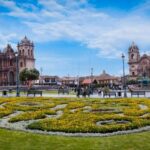
Your first day is intentionally low-pressure. After you land at Alejandro Velasco Astete Airport, a representative from Inkayni Peru Tours greets you and transfers you to your hotel in Cusco.
Then you get the most underappreciated travel gift: time to adjust. Cusco sits at about 3,400 meters / 11,000 feet, so the tour reserves the day for rest. You can explore at an easy pace, grab a coffee, and let your body catch up.
In the evening, you meet your group to go over what’s next. This helps a lot, because the rest of the week is packed. I like this setup because you show up to the action day already oriented, not scrambling.
Sacred Valley Day: Moray, Maras Salt Mines, and Chinchero
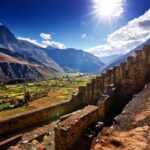
After pickup around 8:00 AM, you drive through the Sacred Valley scenery on the way to your first major stops. This day is a nice bridge between Cusco and the more physical Inca Jungle days.
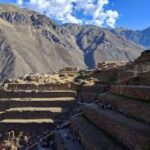
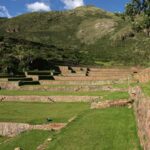
You’ll visit Moray, where those circular terraces look almost like an earth-made set. The terraces are interesting because they’re tied to how the Incas experimented with agriculture using different microclimates.
Next comes Maras Salt Mines. You’re looking at an active salt-extraction area with over 3,000 salt pools still in use today. It’s not just ruins-watching. You see a working tradition.
Finally, Chinchero rounds out the day. You’re going up in elevation as you move through the route, so expect big views and cooler air. Also, remember this is part of the same week as bike and trek days. The best mindset is: enjoy it, but don’t burn yourself out with extra side stops.
Malaga Pass Mountain Biking: Full Suspension and Big Descent Energy
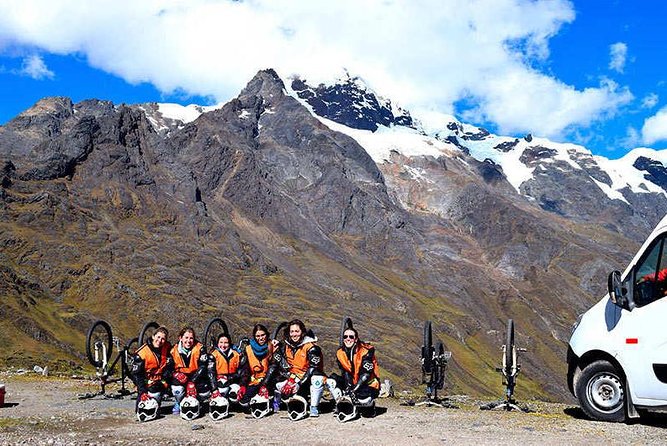
On the Inca Jungle adventure day, you get an early start with pickup around 6:00 AM (time confirmed closer to departure). Then comes a roughly 3-hour drive to Malaga Pass (4,350 m / 15,190 ft.), where the real fun begins.
The biking section is the star for a reason. You ride down for about three hours, passing villages, orchards, and rushing rivers. The route is scenic, yes, but it’s also varied—meaning you’re not just rolling down a single smooth road.
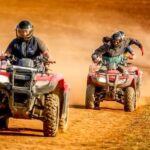
A practical win: you get full-suspension bikes, plus helmets and gloves. That matters because your arms and hands will remember the difference between a basic bike and one built for uneven terrain.
You end in Huamanmarca (1,800 m / 5,906 ft.) around early afternoon, then take a private bus down to Santa María (1,200 m / 3,937 ft.). I like that structure. The ride is long and then the day resets before the next adrenaline activity.
Rafting the Class II–III Rapids With a Safety Kayaker
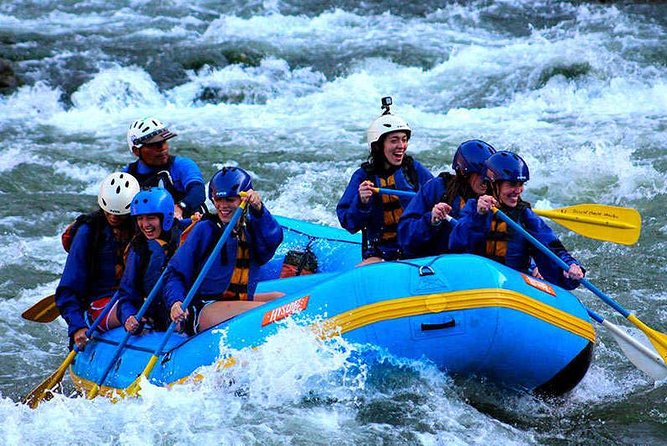
Later the same day, you do rafting for about 2 hours. The rapids are described as Class II and III, which is a good sweet spot: exciting enough to feel like you’re in the action, but not so extreme that it turns into a survival situation.
Another detail I like: you’re not on your own. You paddle under the supervision of a professional safety kayaker. It’s one of those behind-the-scenes choices that makes the whole experience feel more controlled.
After rafting, you return to Santa María for dinner and rest. This is important. Many multi-activity tours throw you into the next day without recovery time. Here, you get a meal and sleep so you can handle the trek later.
You can also read our reviews of more hiking tours in Cusco
Zipline Time in the Jungle Segment
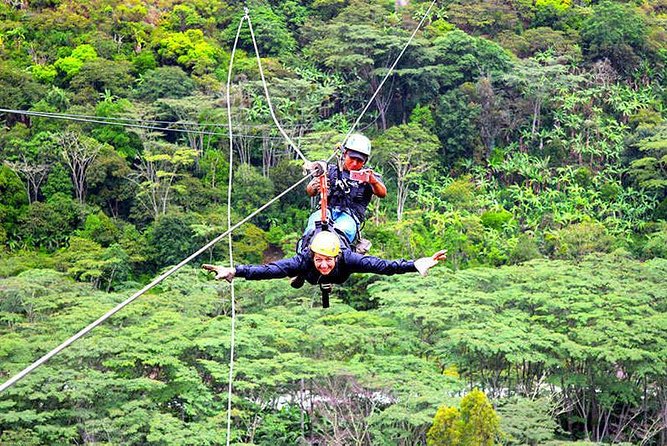
You’ll also include a zipline ride as part of the week’s activities. The exact day isn’t spelled out in the information I have, but it’s clearly listed as included in the package.
What matters for you: ziplining fits the overall design. You’re already lowering altitude and switching from high passes to jungle terrain. The zipline adds that flying sensation without replacing the bigger “earned” experiences like rafting and trekking.
If you like adrenaline but want it to feel safe and staged, this is a good addition. It breaks up the schedule and gives you a different kind of memory than just hiking photos.
Trek to Santa Teresa: Inca Trail Sections, Tropical Fruit, and Hammocks
The next morning starts with breakfast and a 6:00 AM trek to Santa Teresa. The first two hours are uphill, and you’ll have stops along the way.
One of the more human touches here is a stop at a local family’s home. You’ll rest, enjoy fresh tropical fruit, and refill your water supplies. It’s the kind of moment that makes the jungle feel real instead of tour-only.
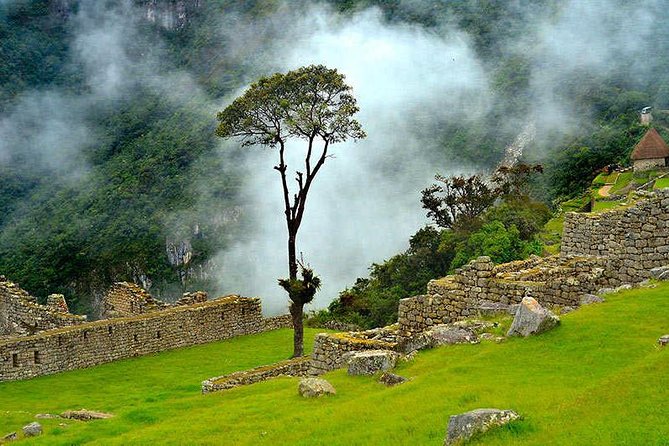
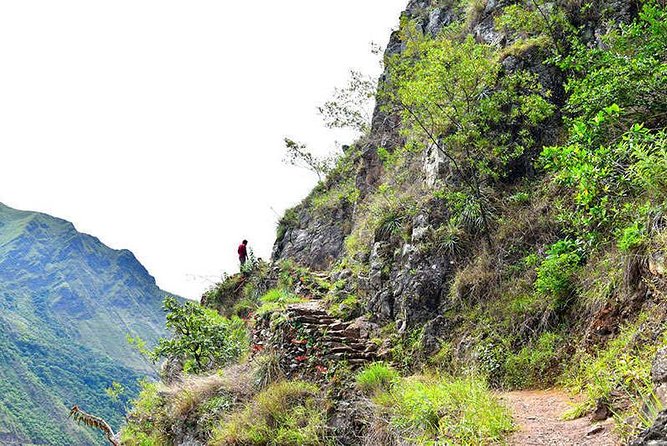
As you continue, you walk along a historic section linked to the Inca Trail network, described as connecting Machu Picchu and Vilcabamba. Your guide shares stories about Inca history and communications systems, and you’ll take in views from the Huancarccasa Canyon area.
Then comes the payoff: descending to Quellomayo, where lunch is served and you can relax in hammocks. That hammock break is exactly what you want after an early uphill start.
One caution: trekking here is not a gentle walk in the park. It’s part hike, part endurance day. Plan your expectations around that, and you’ll enjoy it more.
Hiking to Aguas Calientes: Aobamba Valley and the Intihuatana Sector
Day 5 shifts into a longer walking rhythm. After an early breakfast, you start around 6:00 AM for the trek to Aguas Calientes.
The journey begins with a 3-hour walk through the Aobamba Valley, where you’re surrounded by dense jungle vegetation and mountain views. You’ll also pass the Intihuatana sector, described as a government control post.
Lunch is provided en route, which helps a lot on a day like this. There’s also a chance to see an ancient astronomical sundial used by the Incas, plus other structures nearby. Even if you’re not a trivia person, it adds meaning to the walk. You’re not only working your legs—you’re learning what you’re stepping through.
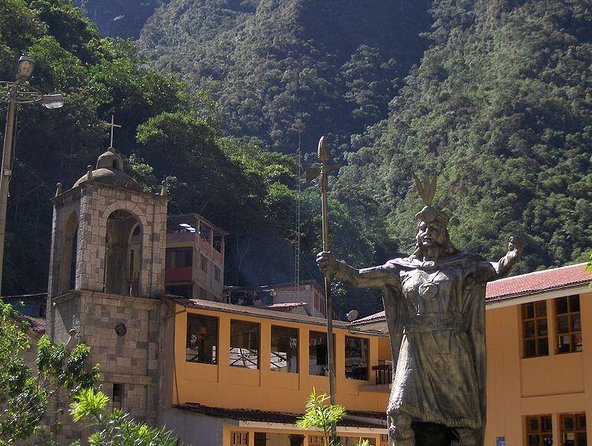
This trek ends with you reaching Aguas Calientes, the base town for Machu Picchu.
Machu Picchu Morning: Guided Citadel Tour and Optional Mountain Views
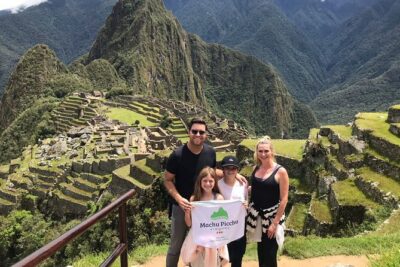
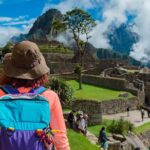
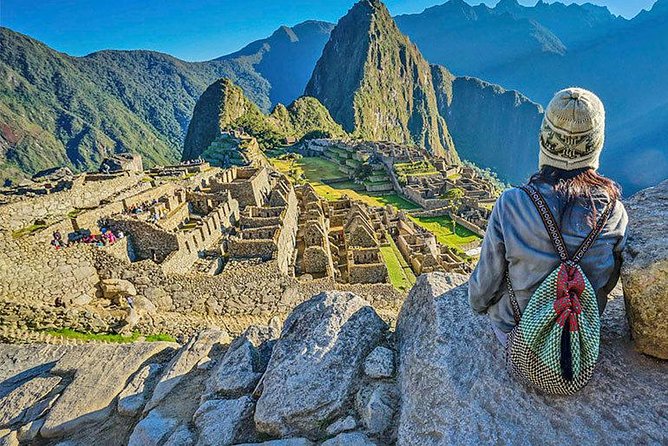
Machu Picchu starts early. After breakfast, you board a morning bus up to the citadel area. Your guide leads an in-depth tour, pointing out temples, ceremonial areas, terraces, and storage structures.
This is where a good guide pays off. With the guide’s explanations, you’re more likely to understand why certain paths, viewpoints, and building clusters are arranged the way they are.
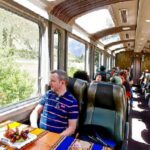
After the guided tour, you return to Aguas Calientes for a brief rest and lunch that’s not included. Then you take transport back to Cusco using train and bus as the return flow described.
If you want extra views, there’s an optional ticket: Huayna Picchu costs $85 extra. You may also be able to explore Machu Picchu Mountain for an additional ticket, but the specific fee for that option isn’t stated here, so plan around the known $85 Huayna Picchu add-on.
Price and Logistics: What You’re Actually Getting for $1,129
Let’s talk value without pretending this is cheap. At $1,129 per person, you’re buying a full bundle:
- Multi-day lodging: 3 nights in 3-star hotels, plus 2 nights in hostels (Santa María and Santa Teresa), plus 1 night in Aguas Calientes.
- Breakfasts included at accommodations.
- Transportation across the entire route, including bus to Machu Picchu and the return by train and bus.
- A professional English-speaking tour guide.
- Entrance fees included.
- Adventure equipment: mountain bike, helmets, gloves, plus rafting equipment, and zipline included.
What I think makes the price make sense is that the logistics are heavy. This is not a single-day tour that’s easy to DIY. The combination of altitude changes, transport timing, and activity gear makes it expensive if you hire it all separately.
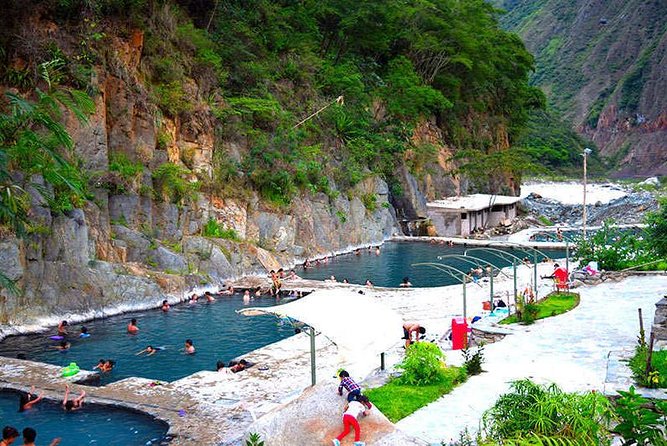
The only costs to watch on top are listed clearly: single supplement ($270) if you’re traveling alone, hot springs in Santa Teresa extra (listed as $5), and optional Huayna Picchu ($85). Food beyond what’s included is also on you when it’s not stated.
Safety, Pacing, and What to Expect Day to Day
This week is built around early starts and physical effort. You’ll see early starts on multiple days, with pickups around 6:00 AM during the trekking and jungle segments.
The good news is that the tour includes safety structure where it matters most. Rafting is supervised by a professional safety kayaker, and bike gear is provided. That reduces the guesswork you’d otherwise deal with in Peru.
From the feedback I’ve seen, the guide experience is a standout. Names that come up often include Jonathan, Wilbert, Freddy (sometimes called Papa Freddy), and Percy. People also mention rafting instructor Gustavo. The common thread is that guides don’t just talk. They help the trip feel smooth and safe, and they adjust when real-life timing changes happen.
One practical consideration: you’ll want to listen to your body on altitude day one and keep a steady pace on the climbs. If you push too hard early, you’ll pay for it later.
Who Should Book This Inca Jungle Adventure (and Who Should Skip It)
Book it if you want a high-energy Peru trip that ends at Machu Picchu, and you’re okay with structured days that run early. It’s a great match for active travelers who like variety: biking one day, rafting the next, then walking into the Machu Picchu gateway.
You should think twice if:
- You want a relaxed vacation with minimal exertion.
- You’re sensitive to altitude and prefer a slower acclimation plan than a single rest day in Cusco.
- You don’t enjoy long travel days and early starts.
There’s also a note about fitness level: the tour expects moderate physical fitness. That usually means you can handle uphill trekking and a full day of biking/rafting intensity, even if you’re not an ultra-athlete.
Should You Book This Inca Jungle Adventure to Machu Picchu?
If your dream is a Peru trip that mixes adrenaline with iconic sites, I think this one is worth serious consideration. The structure is smart: acclimate in Cusco, see the Sacred Valley, then stack the jungle sports and trekking so Machu Picchu doesn’t feel like a random finish line.
I’d book it if you like your logistics handled and you’re comfortable with effort. I wouldn’t book it if you want downtime between activities or if you’re hoping for a purely scenic, low-impact itinerary.
FAQ
Is airport pickup included?
Yes. You’re greeted at Alejandro Velasco Astete Airport and transferred to your hotel in Cusco.
How many days is the tour?
It’s described as a 7-day adventure, approximately.
What activities are included?
Included activities are mountain biking, rafting, zipline, and trekking, ending with a guided visit to Machu Picchu.
Is mountain bike gear provided?
Yes. You get a full suspension mountain bike, plus helmets and gloves.
Are meals included?
Breakfast is included at the accommodations. The package also includes lunch (3 times) and dinner (3 times). Lunch on the Machu Picchu day after the guided tour is not included.
Are entrance fees included?
Yes. Entrance fees are included in the tour price.
How does the Machu Picchu part work?
You take a morning bus to Machu Picchu for a guided tour. Afterward, you return to Aguas Calientes for rest and then travel back toward Cusco using train and bus as described.
Can I add Huayna Picchu?
Yes. If you have the additional ticket in advance, Huayna Picchu entrance costs $85 extra.
What’s not included?
Not included items listed are the single supplement ($270), travel insurance, international and intra flights, meals not stated in the package, the hot springs entrance in Santa Teresa (extra $5), and any optional extras like Huayna Picchu.
Is this a private tour?
Yes. It’s described as private, meaning only your group participates.
What if I cancel or change plans?
This experience is non-refundable and cannot be changed for any reason. If you cancel or ask for an amendment, the amount paid is not refunded.