REVIEW · HIKING & TREKKING
Salkantay Trek Challenge – 3 Days / 2 Nights
Book on Viator →Operated by Salkantay Trekking · Bookable on Viator
Salkantay in a hurry, still worth the strain. This 3-day/2-night version gets you from Cusco over Abra Salkantay and down toward the cloud-forest side, then lands you at Machu Picchu with a guided visit. I like how much is handled for you: pickup in Cusco at 2:30 a.m., meals, camping setup, and even a horse that carries your duffel bag (up to 5 kg / 11 lb). Another big plus for me is the route variety—high Andes to warmer rainforest country to Aguas Calientes, before the Machu Picchu day.
The trade-off is that this is intense. You’ll feel the altitude at the Salkantay Pass (4,630 m / 15,190 ft), and you should expect little sleep over consecutive trekking days. If you’re coming off a sedentary routine, you’ll need extra caution and pacing.
This trek caps at 12 travelers, and it builds in safety gear (first aid, oxygen supply, walkie-talkies, emergency satellite phones). In other words, it’s a challenge, but it’s managed like a real operation—so you can focus on the trek and the payoff: Machu Picchu.
In This Review
- Key Things to Know Before You Go
- A 3-Day Salkantay Route That Still Hits the Pass
- Cusco at 2:30 a.m.: Soraypampa and the Road to Abra Salkantay
- Mountain Sky View to Santa Teresa Valley, Then Coffee and Urubamba River
- The Machu Picchu Morning: Bus Up, a Guided Circuit, and the Train Back
- Price and Logistics: What $680 Really Buys You
- Altitude, Fitness, and Sleep: The Reality Check
- Packing Smart: What You Get (and What You Must Bring)
- Who Should Book This Salkantay Trek Challenge
- Should You Book the Salkantay Trek Challenge (3 Days / 2 Nights)?
- FAQ
- How long is the Salkantay Trek Challenge, and where does it start?
- What is the maximum group size?
- What is the highest altitude on the trek?
- What nights are included for sleeping?
- Does the tour include Machu Picchu tickets?
- Is the train included?
- What meals and snacks are included?
- What is carried by horses, and how much gear can you pack?
- Do I need to arrive in Cusco early for altitude?
Key Things to Know Before You Go
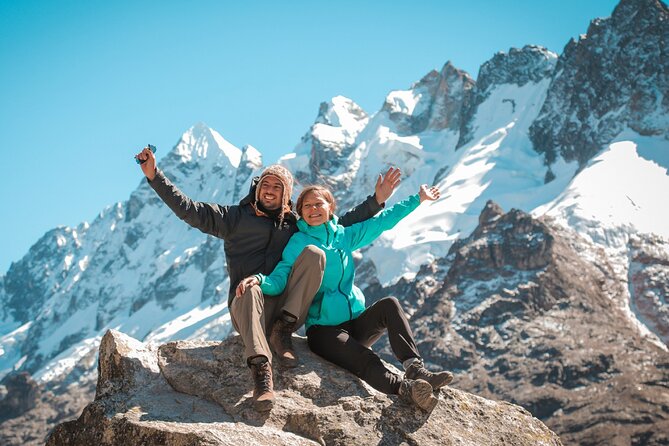
- Altitude is the main event: you’ll crest Abra Salkantay at 4,630 m / 15,190 ft.
- You sleep in two different styles: one night in an Andean hut/camp and one in a hotel at Aguas Calientes.
- Horses carry your duffel: up to 5 kg / 11 lb for personal gear, so you can hike lighter.
- Food and trail snacks are included: water, tea time, snacks, plus breakfast/lunch/dinners during most of the trek.
- Machu Picchu circuit depends on timing: Circuit 2 is for 3-month bookings; backups are Circuit 3, then Circuit 1.
- Small group feel: the max is 12 travelers, which usually means less waiting and more attention.
A 3-Day Salkantay Route That Still Hits the Pass
The classic Salkantay Trek is known for taking its time. This “Challenge” version is shorter, which means you trade extra hiking days for a more compressed push. For me, that’s the point: you get the core Salkantay experience—Andean altitude drama, glacier scenery near the pass, and a big finish at Machu Picchu—without needing a full week off work.
You’ll also get a sense of how Peru changes with elevation. The route starts high, then drops you into warmer Amazon-adjacent terrain, and by day 2 you’re moving through valleys and into areas known for coffee and rivers. That mix is one reason this trek feels more like a journey than a single long climb.
The big reality check: it’s still hard. Even with horses carrying your duffel and cooks handling meals, you’re going to be hiking through thin air. The itinerary is built around getting you to the pass and then down to the next step—no lingering, no slack time.
You can also read our reviews of more hiking tours in Cusco
Cusco at 2:30 a.m.: Soraypampa and the Road to Abra Salkantay
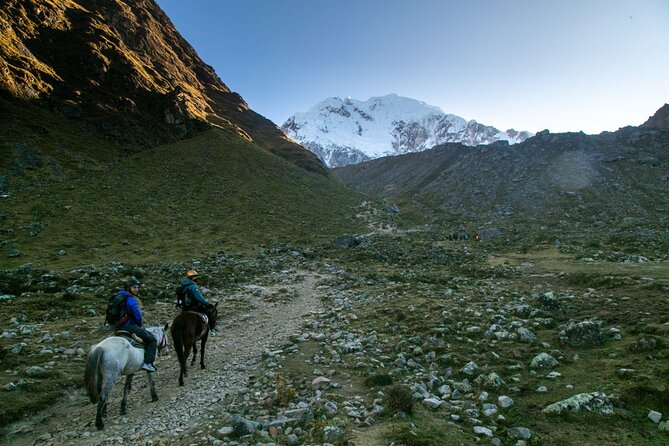
The adventure starts early enough to make your breakfast feel like a plot twist. You’ll be picked up in Cusco at 2:30 a.m. and head toward Soraypampa at 3,900 m / 12,795 ft. Then you begin building altitude right away—so don’t plan on easing into it later.
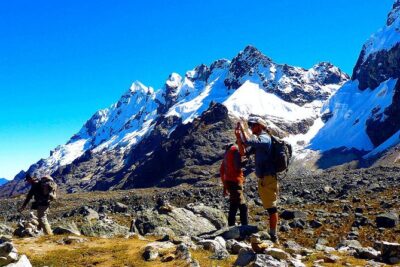
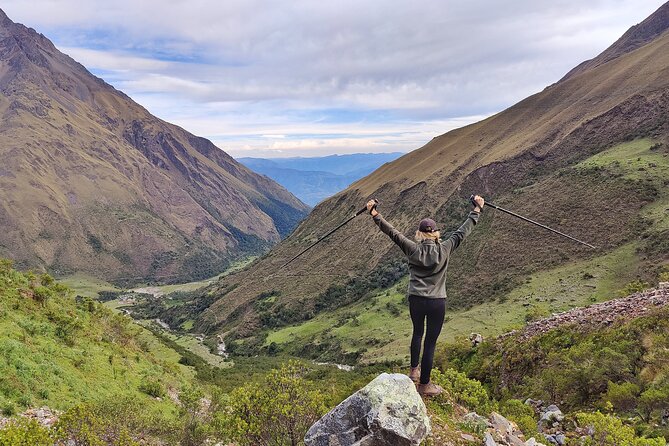
From there, the trek runs toward Abra Salkantay via the 7 Serpents Trail, with a proper energy-packed breakfast first. This is the section where you’ll notice your breathing and your pace. At 4,630 m / 15,190 ft, you’re at the high point of the experience, and the environment is glacier-and-mountain serious—imposing peaks, steep gradients, and that high-altitude feeling in your legs.
After lunch in Wayracmachay, you’ll start the descent. This matters because the descent is where most people finally feel some relief—but it’s also where you’ll need good foot control. Then the route transitions into high Amazon rainforest country, where the climate warms up. That temperature shift is part of the magic: you go from “cold altitude world” to “down toward green world” over the course of a day.
You finish day 1 at Mountain Sky View camp in Collpapampa (2,950 m / 9,678 ft). Dinner under the stars is the reward, but you should go into camp expecting that you won’t suddenly feel fully recovered. This is still day 1 of a compressed challenge.
Practical tip: if your stomach is sensitive at altitude, keep your water going but sip steadily. The more you zig-zag between dry mouth and overdrinking, the faster you’ll tire.
Mountain Sky View to Santa Teresa Valley, Then Coffee and Urubamba River
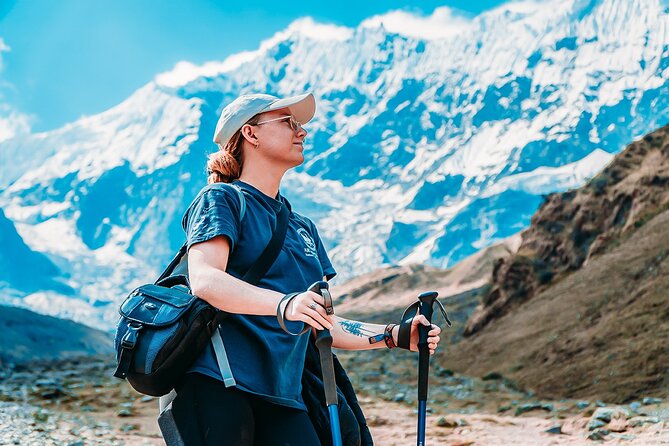
Day 2 starts with the sound of the forest and a homemade breakfast. It’s a lighter start in timing, but not necessarily in effort. You’ll hike through the Santa Teresa Valley for about an hour, then continue onward into scenic country where you’re not just walking—you’re learning.
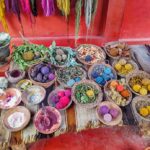
One standout stop is the Lucmabamba Coffee Experience. You’ll walk through a landscape with waterfalls, orchids, and coffee plantations, then reach the village of La Playa. Lunch is made with local products, and there’s a demonstration of artisanal coffee making.
Why I think this part is valuable: it breaks up the mental monotony of altitude trekking. After the pass, your brain probably wants a new kind of input. Coffee country gives you that. It also helps you understand what “downhill” means here—less about relief, more about a whole new way of living and farming at lower elevations.
After lunch, you’ll travel to Hidroeléctrica, then continue on foot along the Urubamba River. This is your jungle-and-river stretch into evening, and it sets you up for the arrival in Aguas Calientes, where you’ll rest in a hotel. You’ll also share dinner with the group, which is a smart moment: it gives you a calm base to prepare for Machu Picchu the next day.
A small note that can catch people off guard: you’re traveling and walking, but also dealing with the emotional energy of the upcoming Machu Picchu morning. If you’re the type who gets nervous the night before a big day, plan to keep things simple—hydration, early sleep if possible, and no hero moves.
The Machu Picchu Morning: Bus Up, a Guided Circuit, and the Train Back
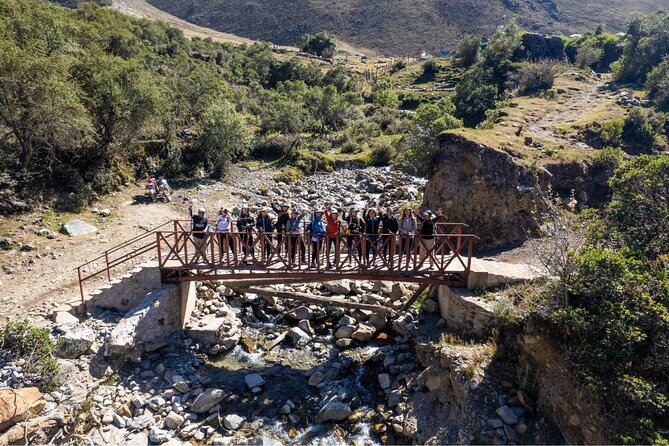
Day 3 begins in Aguas Calientes with a light breakfast, then a bus ride up to Machu Picchu. As you ascend, you’ll pass through cloud-forest mist—this part is made for patience. The scenery changes fast up there, and you’ll feel that shift between “getting there” and “arriving inside history.”
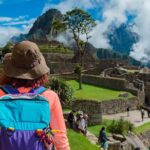
Once you reach Machu Picchu, you’ll have a two-hour guided tour covering temples, terraces, and sacred sites. The guide experience matters because Machu Picchu can feel like a maze of stone unless someone gives you the logic of how it was used.
Here’s an important booking detail: your Machu Picchu ticket is set as Circuit 2 if your booking was made for 3-month timing. If Circuit 2 isn’t available, the tour uses Circuit 3, and if that’s not available either, then Circuit 1. This is one of those small policy notes that becomes big when you’re traveling—so plan your expectations with a bit of flexibility.
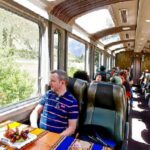
After the guided time, you’ll have lunch back in Aguas Calientes, then board a train to Ollantaytambo. Finally, private transportation returns you to Cusco, with spectacular views on the way back.
For me, the train step is more than just transport. It turns the “big day” into something you can digest. It’s the difference between finishing Machu Picchu and actually processing what you saw.
Price and Logistics: What $680 Really Buys You
At $680 per person, this trek isn’t the cheapest way to get to Machu Picchu. But it’s also not trying to be. The value comes from how many moving parts are included:
- Entrance fees to the Salkantay trek elements and Machu Picchu entry
- 1 night at the Mountain Sky View camp and 1 night in a hotel at Aguas Calientes
- A one-way bus from Aguas Calientes to Machu Picchu
- A tourist class train from Aguas Calientes to Ollantaytambo
- A mountain guide
- Private transport and transfers during the tour
- Camping facilities (dining room, kitchen, tables, chairs)
- Experienced cooks, horsemen, and porters
- Duffel bag transfer by horse (up to 5 kg / 11 lb)
- Trail support: water, tea time, snacks
- Safety equipment: first aid kit, oxygen supply, walkie-talkies, and emergency satellite phones
- Gear support: sleeping bag and trekking poles, plus a backpack cover and rain poncho
- Pre-departure briefing
- Hotel pickup/drop-off
What this means for you: you’re paying for a team and a system. Instead of budgeting for a bunch of separate transport legs, guide coordination, and lodging quirks, you get a packed schedule that runs with less friction.
Where you might see extra costs:
- The itinerary notes that an optional Hidroeléctrica to Aguas Calientes train transfer can be paid directly to the operator.
- An optional return bus from Machu Picchu to Aguas Calientes can be paid on site.
- Lunch and dinner on the last day are not included.
- You’ll still need your own personal hiking clothing and gear.
- Travel insurance is recommended.
- Tips are optional.
If you want a trip that feels handled end-to-end, this price starts making sense. If you love controlling every detail yourself, you may find it less flexible than DIY travel—but the trade is time and stress.
You can also read our reviews of more tours and experiences in Cusco
Altitude, Fitness, and Sleep: The Reality Check
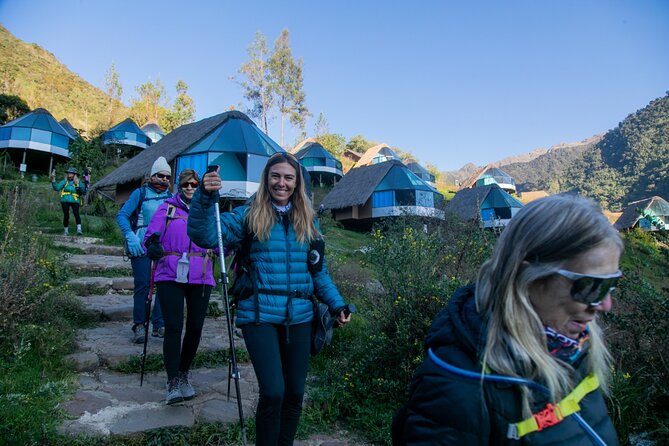
This isn’t marketed as an easy walk. The tour explicitly says you should have strong physical fitness. And the elevation numbers back that up: you’re going from 3,900 m to a pass at 4,630 m and then down again, over and over in a short time frame.
Also, don’t underestimate the “sleep factor.” The info you’re given is honest: you won’t sleep much. That’s normal on mountain circuits where you’re eating, moving, and then moving again. The practical move is to treat each night as a recharge session, not a full reset.
To reduce risk, the tour recommends arriving in Cusco at least two days before the trek. That’s not a luxury step. It’s your best chance to adjust to altitude so day 1 doesn’t feel like it hits you out of nowhere.
One more confidence builder: safety tools are included—oxygen supply, first aid kit, walkie-talkies, and emergency satellite phones. That doesn’t erase the challenge, but it does mean the team is prepared for real-world issues.
If you want an example of what good guidance can feel like, guide names like Marco, Guido, and Cesar Quispe come up in the experience stories as people who keep groups calm, moving safely, and informed.
Packing Smart: What You Get (and What You Must Bring)
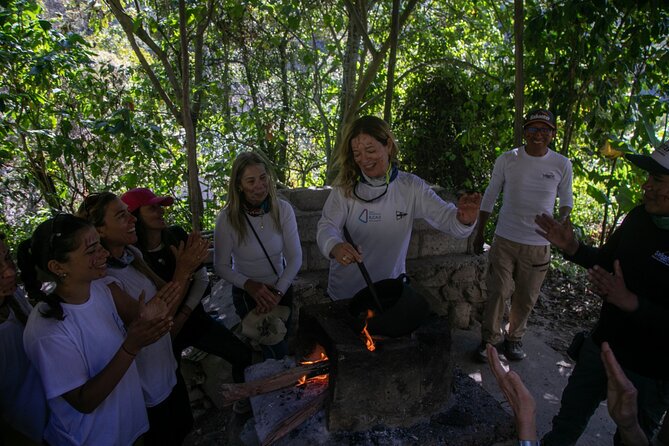
This trek sets you up with several core items, which saves money and head-scrambling.
Included gear:
- Sleeping bag
- Trekking poles
- Backpack cover
- Rain poncho
And your personal duffel gear:
- The duffel you give the team can weigh up to 5 kg / 11 lb, carried by the horses.
What you still need:
- Your personal hiking clothing and gear
- Your own water habits (the tour provides water and snacks, but you still manage your intake)
If rain is in your mental forecast (and in the Andes it often is), the rain poncho is useful, but so are layers that dry fast. Choose clothing that won’t turn into a cold sponge after humidity changes between the high pass and the warmer rainforest side.
Also, your passport details are required at booking for all participants—passport name, number, expiry, and country. Keep it ready and up to date.
Finally: vegetarian or vegan options are available if you tell the operator when booking. If you have strong dietary needs, don’t wait until the day before. Get it settled early.
Who Should Book This Salkantay Trek Challenge
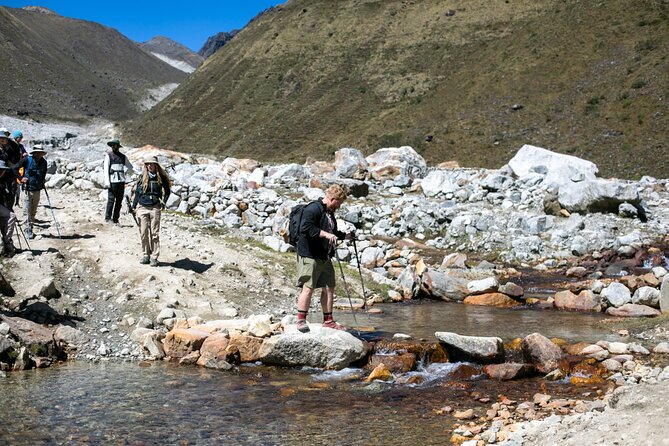
This is a great fit if:
- You want a shorter trek that still reaches Abra Salkantay and ends with Machu Picchu
- You don’t want to piece together lodging, transfers, and guides on your own
- You’re physically ready to work through altitude and long hiking days
- You like nature variety and want a route that moves between environments
It may not be the best fit if:
- You’re looking for a relaxed, low-effort hike
- You’re expecting comfortable, long nights of sleep
- Your altitude experience is limited and you don’t plan to acclimatize in Cusco first
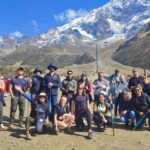
Group size is capped at 12, so you’ll get the social energy of a small unit without a huge crowd. For many people, that hits the sweet spot.
Should You Book the Salkantay Trek Challenge (3 Days / 2 Nights)?
I’d book it if you want the Salkantay story in three days: early Cusco pickup, the pass moment, and the Machu Picchu payoff with guided time and train return. The included elements are the biggest reason to choose it—your guide, entrances, lodging, camping support, and safety gear are all part of the package.
Book early for one reason that matters in real life: Machu Picchu spots can sell out fast. The guidance is to book at least three months in advance to secure spaces.
If you’re willing to prepare—show up with fitness, acclimatize in Cusco, and pack smart—this is one of those trips that feels intense during it and worth it afterward.
FAQ
How long is the Salkantay Trek Challenge, and where does it start?
It runs for 3 days (approximately) and includes 2 nights. The adventure starts with a pickup in Cusco at about 2:30 a.m., and the trek moves toward Soraypampa and the Salkantay route, finishing back in Cusco after Machu Picchu.
What is the maximum group size?
The tour has a maximum of 12 travelers.
What is the highest altitude on the trek?
The route reaches the Salkantay Pass at 4,630 m / 15,190 ft.
What nights are included for sleeping?
You get one night in the Mountain Sky View camp (Andean hut/camping area) and one night in a hotel in Aguas Calientes.
Does the tour include Machu Picchu tickets?
Yes. Machu Picchu entry is included, using Circuit 2 for 3-month bookings; if unavailable, it switches to Circuit 3, then Circuit 1.
Is the train included?
Yes. You’ll take a tourist class train from Aguas Calientes to Ollantaytambo (Voyager or Expedition), and then private transport back to Cusco.
What meals and snacks are included?
The tour includes breakfast (3), lunch (2), and dinner (2) during the trek, plus water, tea time, and snacks on the trail. Lunch and dinner on the last day are not included.
What is carried by horses, and how much gear can you pack?
Your duffel bag up to 5 kg / 11 lb is carried by horses. You’ll still manage your own personal hiking clothing and gear.
Do I need to arrive in Cusco early for altitude?
Yes. It’s recommended you arrive in Cusco at least 2 days before the trek to adjust to altitude.