REVIEW · MARAS & MORAY SALT MINE TOURS
Cusco: Sacred Valley, Pisac, Ollantaytambo, Salt Mines Moray
Book on GetYourGuide →Operated by Tour Valle Sagrado Vip · Bookable on GetYourGuide
Cusco’s Sacred Valley feels different when you see it in one day. This trip strings together Inca farming experiments, salt ponds, weaving traditions, and major ruins with just enough time to absorb the vibe instead of getting lost in logistics.
I love that the schedule covers the big hitters with a real guide, often people like Victor, Edith, Samuel, or Rudy, so the stops make sense as a story rather than random photo ops. I also like that lunch in Urubamba is built into the day, with a buffet and a scenic setting that keeps energy up for the long bus ride.
One consideration: this is a time-managed tour, so some sites get shorter walks than you’d do on your own. If you need lots of lingering time, you might feel a bit rushed.
In This Review
- Key highlights worth caring about
- A one-day Sacred Valley route that really adds up
- Timing, pickup, and how the day feels in real life
- Chinchero textiles: natural dyes and the craft you can actually see
- Moray’s terraces: an Inca agricultural experiment you can map in your head
- Maras salt mines: spring-fed ponds and a trade system that still runs
- Urubamba lunch and market time: refuel, then reset
- Ollantaytambo: a fortress, plus cobblestone town energy
- Pisac ruins and market: the final Sacred Valley hit
- Price and value: what you’re really paying for
- What to bring (and what to skip) for this schedule
- Who this tour is best for
- Should you book Valle Sagrado Vip?
- FAQ
- How long is the Cusco to Sacred Valley day trip?
- Where do we meet in the morning?
- What’s included in the price?
- Do I need to pay entrance tickets separately?
- What languages are the guides available in?
- Can the tour end in Ollantaytambo for Machu Picchu?
- What should I bring, and what is not allowed?
Key highlights worth caring about
- Bilingual guidance (English and Spanish) that keeps the day moving without losing key context
- Textiles at Chinchero, focused on natural fibers and traditional dye sources
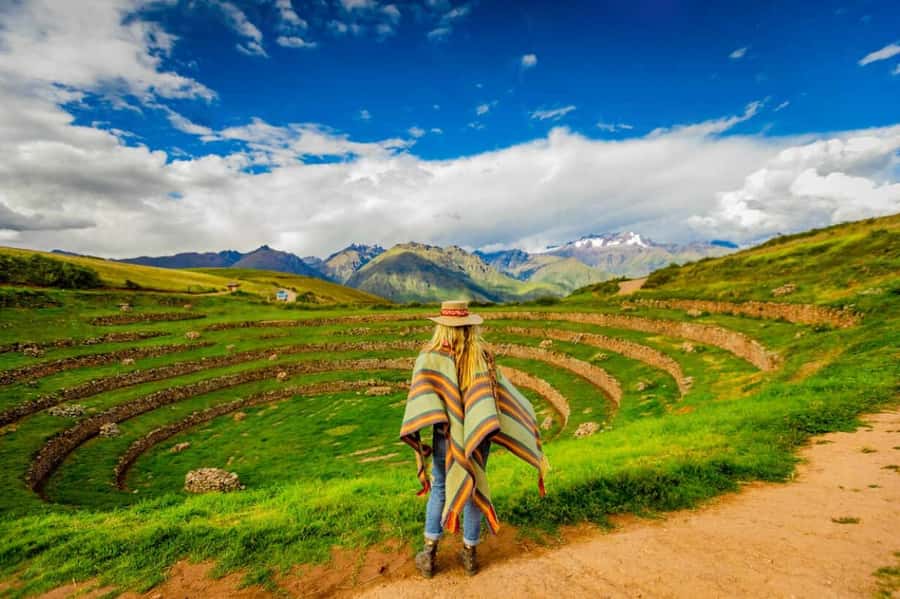
- Moray’s circular terraces, explained as an Inca agricultural laboratory
- Maras salt mines, thousands of spring-fed salt pools that are still active
- Ollantaytambo as a living town, not just a ruin, plus an optional 3:00 p.m. Machu Picchu train ending
- Urubamba buffet lunch included, with hot drinks included and cold drinks sold separately
A one-day Sacred Valley route that really adds up
If you only have a day around Cusco, this tour is built for that reality. You start early, ride between valley highlights, and hit the Sacred Valley’s core themes: how people grew food, how they made textiles, how they traded salt, and how they organized life in stone towns.
The value here is not that everything is “more.” It’s that you’re buying back time and decision-making. Instead of planning transport between towns, figuring out which stops are worth it, and trying to coordinate entrance tickets, you get a structured loop that lands you back in Cusco after a full day.
You’ll notice the tone is “guided focus.” The guide is there to explain what you’re seeing and what to look for as you move through each area. Many groups mention guides such as Victor, Luis, Edith, Samuel, Rudy, and Joel by name, and that fits the pattern: clear interpretation, good pacing, and helpful directions on where to go next.
You can also read our reviews of more tours and experiences in Cusco.

Timing, pickup, and how the day feels in real life
The tour runs about 12 hours, starting with an early pickup window. Some options meet at the Plaza de Armas of Cusco at 7:20 a.m., while hotel pickup is described as an option (VIP pickup can happen about 15 minutes before departure). In other words, your morning timing depends on which pickup style you choose.
Expect a lot of bus time, but also frequent context stops. The trip moves quickly between districts: roughly 40 minutes to Chinchero, another 40 minutes to Moray, then shorter hops through Maras, Urubamba, Ollantaytambo, and finally Pisac.
A few real-world notes you should plan for:
- The day is long and can feel tiring, especially with cool mountain mornings and lots of steps at ruins.
- Bus seating may not feel roomy for everyone. One common complaint is small legroom on the vehicle.
- In tight Cusco streets, you might be asked to walk a short distance to where the bus can reach.
- Ollantaytambo has steep steps, so keep an eye on your comfort level if you have asthma or mobility limits.
The best way to enjoy this style of tour is to go in with the right mindset: you’re collecting highlights, not doing a slow museum-like visit of every terrace and doorway.
Chinchero textiles: natural dyes and the craft you can actually see
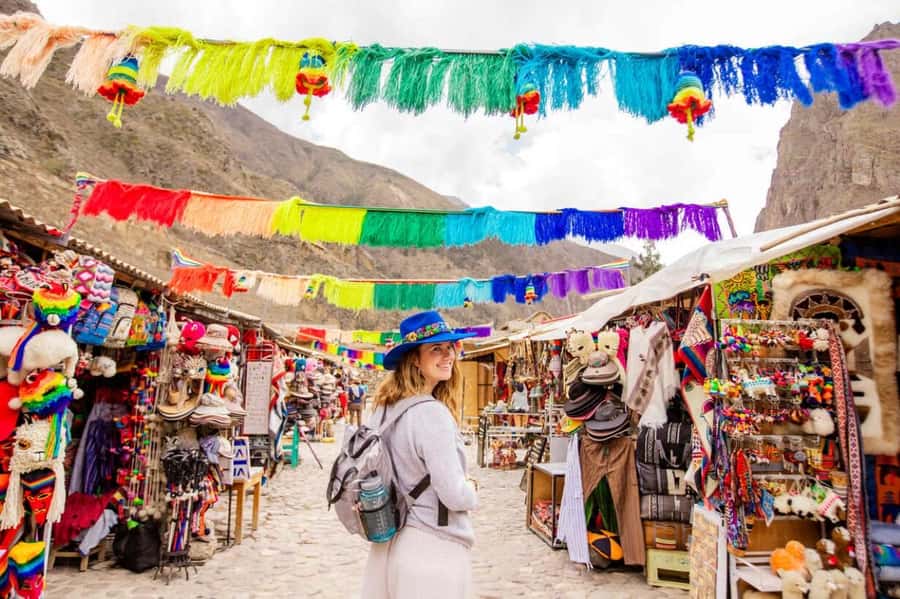
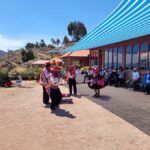
Chinchero is one of the places where the tour feels most “human.” You’re not just looking at stones. You’re watching a living tradition at work.
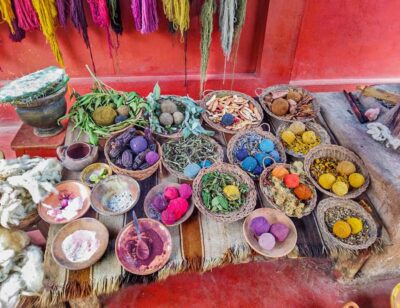
You’ll start with a photo stop and guided time at the textile center of Chinchero. The emphasis is on how Andean weaving draws from local resources: natural fibers and dyes sourced from plants and minerals. It’s the kind of explanation that makes the finished products make more sense, because you learn about the inputs and the process behind the colors.
Time here is limited (around 25 minutes including guided time and shopping), so you’ll want to decide quickly what you want. If you care about textiles, go in with a plan:
- Focus on understanding the materials and dye sources rather than scanning every rack.
- If shopping is part of your plan, compare quality carefully, since craft stops are also selling opportunities.
Moray’s terraces: an Inca agricultural experiment you can map in your head
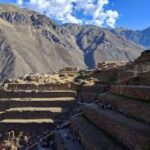
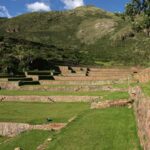
Moray is one of those “wait, what am I looking at?” stops until a guide puts it in context. The site features circular terraces that the Incas used as an agricultural laboratory. The idea is microclimates: different temperatures and growing conditions created by the structure.
The guided explanation is what makes Moray click. Without it, you’d see impressive circles and move on. With it, you start to picture how someone could test crops across small climate changes without moving far.
You’ll have about 20 minutes for Moray, including a photo stop and sightseeing. That’s enough to walk the key areas and get the concept, but not enough to treat it like a long hike. Wear shoes you trust on uneven ground, and keep your camera ready, because the terrace geometry is very photogenic from a few angles.
Maras salt mines: spring-fed ponds and a trade system that still runs
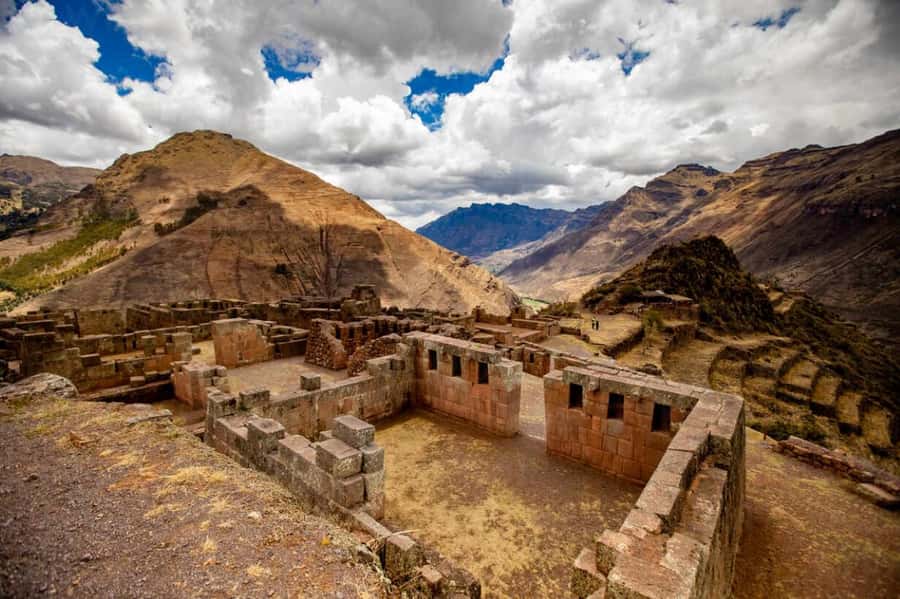
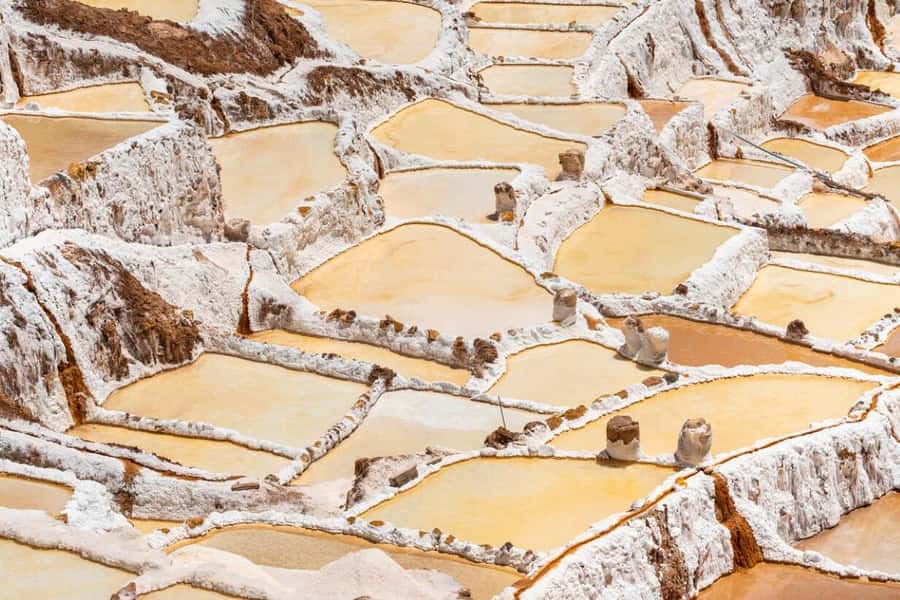
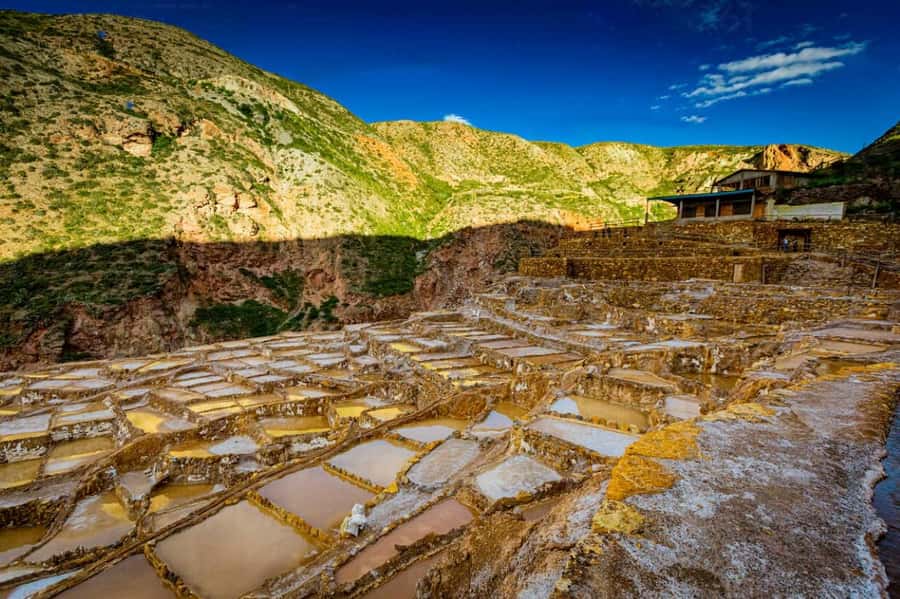
Maras Salt Mines are the place where the Sacred Valley turns from “ancient idea” into “still-in-use industry.” The salt ponds are fed by an underground spring, creating thousands of small pools that are still active.
The tour includes time for a photo stop, a guided visit, and a bit of shopping (about 30 minutes). That mix is practical: you’ll want photos, you’ll want to understand what you’re seeing, and then you’ll have a chance to buy souvenirs if you want them.
One shopping tip is worth your attention. Some people recommend skipping the impulse buys at the Maras workshop/gift-shop stop and shopping elsewhere. The reason is simple: you can often find similar salt products and chocolate for less in Cusco’s markets, such as San Pedro and San Blas, instead of paying the higher Maras stop prices.
If you’re sensitive to cold, bring a layer for this area. Salt mines can feel breezy, and your morning energy might be running on fumes by this point.
Urubamba lunch and market time: refuel, then reset
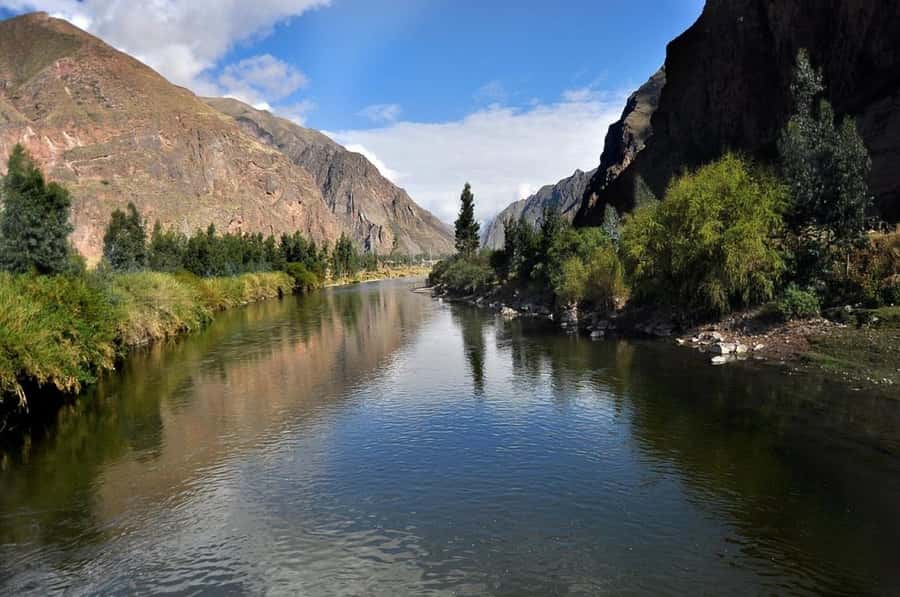
Urubamba is a smart middle stop. It breaks up the archaeology and gives you a chance to eat without rushing directly from one site to the next.
You’ll get a buffet lunch here, and the venue is commonly described as scenic. A few practical details matter:
- Hot beverages are included.
- Cold drinks are available to purchase separately.
- There’s time to enjoy the local market scene and regional products.
This is about refueling your body and your mood. After Maras, your legs and your attention both need a reset. Use the time to stretch, drink water, and think through what you want to prioritize at Ollantaytambo and Pisac.
Ollantaytambo: a fortress, plus cobblestone town energy
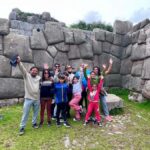
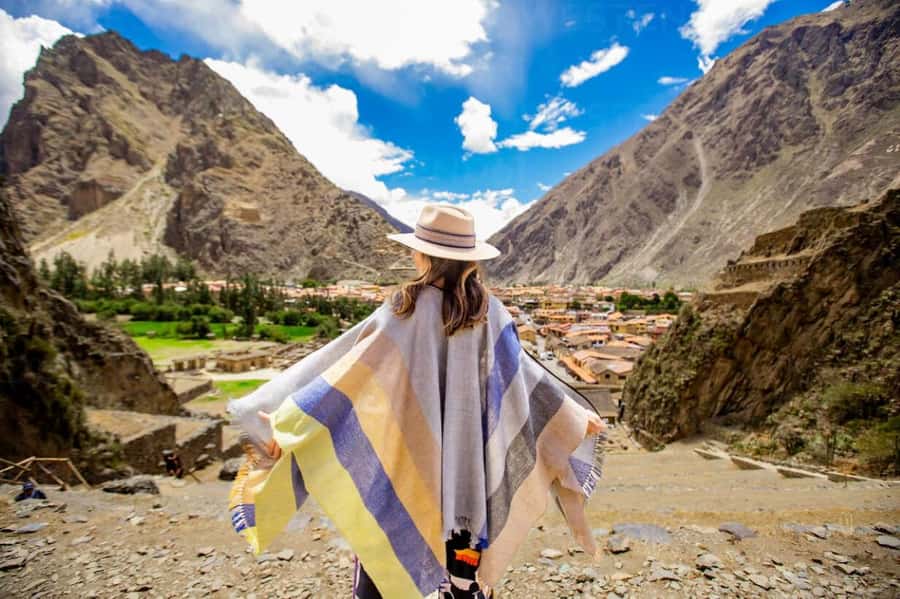
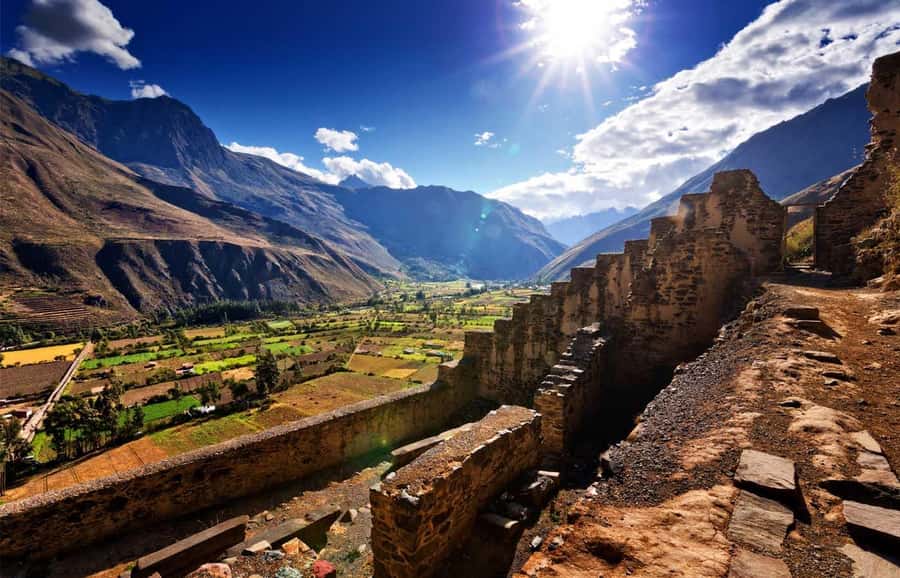
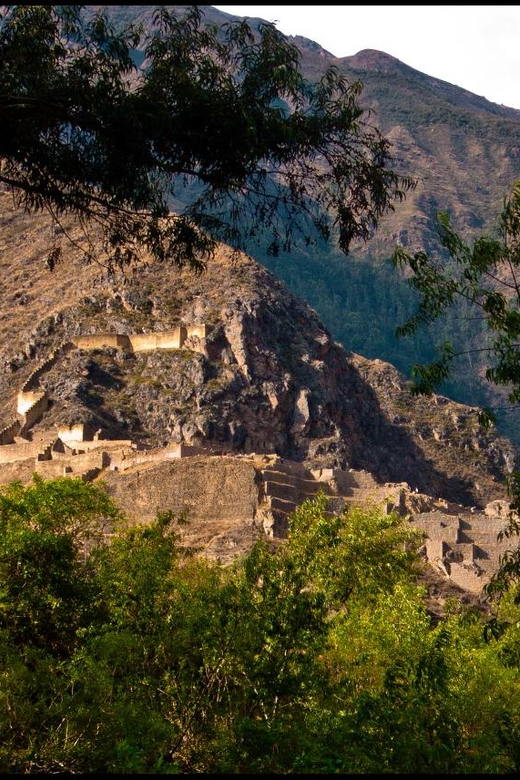
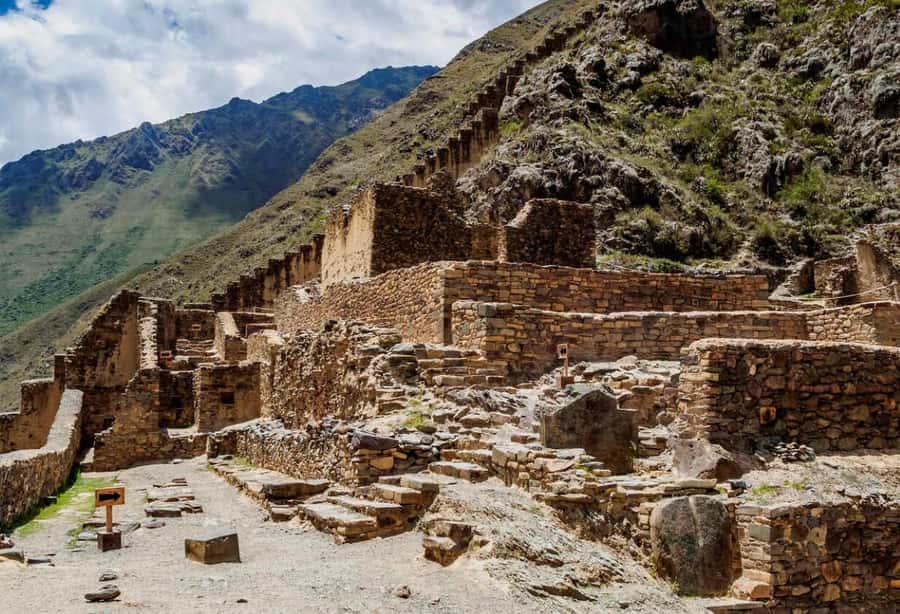
Ollantaytambo is one of the most rewarding stops on this kind of circuit because it’s not only ruins. It’s a living Inca town layout, with cobblestone streets and stone structures that feel like they’re still part of daily life.
You’ll get guided time (about 1 hour including visit and free time). Expect photo time plus a quick guided walkthrough. The big caution is pace and stairs: the site involves steep steps, and some people found the movement a bit fast depending on their comfort level. If you know stairs can be an issue for you, plan to take slower breaks and tell your guide if you need a minute.
There’s also a useful option if your next step is Machu Picchu. If you’re continuing, the tour can end in Ollantaytambo around 3:00 p.m., so you can board the train to Aguas Calientes. If you’re not doing Machu Picchu next, you’ll stay within the standard loop and still have time to finish the day in Pisac.
Pisac ruins and market: the final Sacred Valley hit
Pisac combines two experiences: hillside Inca ruins and a colonial-town feel below, with a strong artisan market vibe. The tour includes a guided visit (about 1 hour) and time that helps you connect the ruins with the everyday market life happening in the valley.
This stop is great for travelers who want something tactile and not only architectural. You can look up at the ruins and then look down at the streets, textiles, and local goods.
The day’s rhythm matters here. By the time you reach Pisac, you’ve already seen a lot of stone and terraces. Pisac works because it adds variety: ruins plus market culture, and it’s a strong way to end the circuit before heading back to Cusco.
Price and value: what you’re really paying for
The listed price is $28 per person for a full day, about 12 hours, including hotel pickup (optional), shared transport, a professional guide (English/Spanish), a buffet lunch in Urubamba, and the Chinchero textile center visit.
What’s not included is where you should budget carefully:
- Entrance ticket: 70 soles
- Salt mines entrance: 20 soles
- Drinks (lunch cold drinks cost extra)
So the real comparison is not $28 vs another tour. It’s the whole package: you’re paying for structured transport across multiple districts, a bilingual guide, and an included meal. If you tried to recreate this day on your own—finding transport, entry coordination, and guide services—you’d likely spend more time and often more money.
This is why the tour is a good value for people with limited days. It’s basically “pay for convenience and timing,” then spend your energy on the sites themselves.
What to bring (and what to skip) for this schedule
Bring:
- Passport
- Sunscreen
- Cash
- Biodegradable insect repellent
Also, for comfort:
- Layers for the early morning and breezy high-valley stops
- Good walking shoes for stairs and uneven ground
- A light bag that’s easy to carry all day
Skip:
- Drones
- Weapons or sharp objects
- Alcohol and drugs
If you tend to get cold easily, the mountains can surprise you even when the sun is out. I’d rather pack one extra layer than buy one later.
Who this tour is best for
This is ideal if:
- You have only one day (or very limited time) and want major Sacred Valley highlights in one pass.
- You want a guide who explains not only what you’re seeing, but how the Inca system worked across farming, textiles, and town planning.
- You like guided structure because your day includes multiple sites, markets, and transport segments.
You might choose something slower instead if:
- You need long, quiet time in each ruin.
- You’re very sensitive to stairs or you want to control your pace tightly at Ollantaytambo.
- You prefer to explore markets with more freedom and less time pressure.
Should you book Valle Sagrado Vip?
Book it if you want a practical, high-yield Sacred Valley day. The combination of Chinchero textiles, Moray’s terraces, Maras salt ponds, Urubamba lunch, Ollantaytambo, and Pisac adds up in a way that’s hard to replicate solo without planning stress. The bilingual guide support, plus the fact that lunch is included, makes it feel like you’re paying for fewer decisions and better flow.
Skip or consider another option if you’re the type who needs to wander a site at your own speed and take your time with every corner. In this format, you get the core story fast. It’s great for highlights, not for slow wandering.
FAQ
How long is the Cusco to Sacred Valley day trip?
It runs for about 12 hours, starting early in the morning and returning to Cusco around 6:30 p.m. (or earlier if you choose the Machu Picchu train option ending at Ollantaytambo).
Where do we meet in the morning?
One meeting point is the Plaza de Armas of Cusco at 7:20 a.m. Hotel pickup is also described as optional, including a VIP-style pickup that happens about 15 minutes before departure.
What’s included in the price?
Included are hotel pickup (optional), shared transportation, a professional guide in English/Spanish, a buffet lunch in Urubamba, and a visit to the textile center of Chinchero.
Do I need to pay entrance tickets separately?
Yes. The tour does not include entrance tickets. The general entrance ticket is listed as 70 soles, and the Salt Mines entrance is listed as 20 soles.
What languages are the guides available in?
The guide provides interpretation in English and Spanish.
Can the tour end in Ollantaytambo for Machu Picchu?
Yes. There’s a special option where the tour can end in Ollantaytambo at 3:00 p.m. so you can board the train to Aguas Calientes.
What should I bring, and what is not allowed?
Bring your passport, sunscreen, cash, and biodegradable insect repellent. Drones and weapons/sharp objects are not allowed, and alcohol and drugs are not allowed.