REVIEW · MACHU PICCHU BY TRAIN
2-Day Sacred Valley & Machu Picchu Tour by Train from Cusco
Book on Viator →Operated by Cosmo Expeditions · Bookable on Viator
Two days, one jaw-drop day. I like the round-trip Cusco transfers that keep the logistics simple, and I like the max-9 small group feel with guides like Ruben, Julio Cesar, and Edward helping you keep pace. One consideration: your Machu Picchu circuit depends on availability, which can affect how many stairs you’ll tackle, and there are a couple extra site fees (like Maras salt ponds).
This tour blends classic Sacred Valley stops with the practical luxury of going by train. Day 1 is a full loop of handcrafts, Inca agricultural experiments, salt pans, and major ruins, then you sleep in Aguas Calientes. Day 2 starts early, rides the bus up to Machu Picchu, and gives you guided time plus room to explore at your own speed.
In This Review
- Key highlights before you go
- Sacred Valley logistics that actually feel easy from Cusco
- Chinchero weaving: alpacas, handwork, and real local rhythm
- Moray and Maras: Inca science in terraces, plus salt still made today
- Tunupa buffet lunch: a full meal break that keeps you moving
- Ollantaytambo ruins, then the train to Aguas Calientes
- Machu Picchu at 7:00 AM: guided circuit first, then your own wander time
- Train, hotel, and the real value of $599 per person
- Who should book this Sacred Valley and Machu Picchu tour
- Should you book it?
- FAQ
- What time does this tour start in Cusco?
- Where is the meeting point?
- How many people are in the group?
- What meals are included?
- Where do we stay overnight?
- Are Machu Picchu entrance tickets included?
- What train and bus transportation is included?
- Do I have to pay anything at Maras?
- Is the Wayna Picchu hike included?
- What time will we return to Cusco on Day 2?
Key highlights before you go
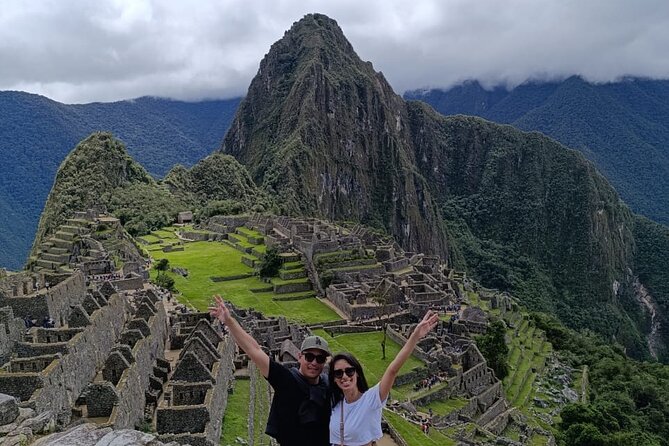
- Small group of up to 9 means fewer waiting games and more attention from your guide.
- Cusco pickup and drop-off removes the usual “which taxi now” stress.
- Guided stops in Chinchero, Moray, Maras, and Ollantaytambo help you understand what you’re looking at (and why it matters).
- Machu Picchu entrance included with a guided circuit, plus extra time to roam after the tour.
- Train timing built around a night in Aguas Calientes so you’re not rushing back and forth.
- Flexible support is part of the company vibe, including adding help for mobility needs in at least one real-world case.
Sacred Valley logistics that actually feel easy from Cusco
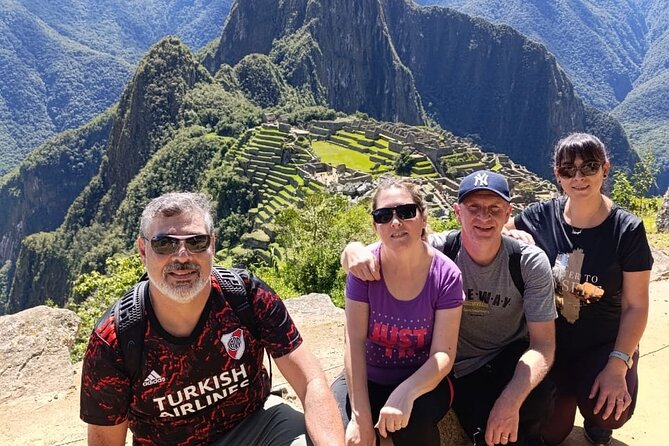
Cusco mornings can be chaotic. This itinerary’s design is basically the antidote: you start with hotel pickup at 7:45 AM and then you’re in a vehicle heading straight for the Sacred Valley. That matters more than it sounds, because you’re saving time and decision-making, and in high-altitude travel, “easy” helps you stay comfortable.
Day 1 is laid out like a moving checklist, but it’s not a frantic sprint. You get structured stops with guided context, then a real meal break, then the big payoff: you end by getting to the train station and traveling to Aguas Calientes for the night.
The other practical advantage: you’re not juggling different tour companies, multiple tickets, and separate transfers. The tour includes hotel-to-vehicle transfers in Cusco and the round-trip train and bus routing Ollantaytambo – Machu Picchu – Aguas Calientes. You still want to be punctual, but the system is there to catch you when schedules get tight.
One more detail I appreciate: the tour is run as a true small-group operation (max 9). You’ll spend less time squeezed into a crowd and more time asking questions, getting photo help, and adjusting your pace when sites have steps or uneven ground.
You can also read our reviews of more tours and experiences in Cusco
Chinchero weaving: alpacas, handwork, and real local rhythm
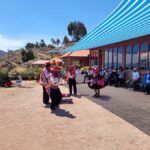
Your first major stop is Chinchero, reached after about an hour’s drive from Cusco. This is where the Sacred Valley tour stops feeling like a museum conveyor belt and starts feeling human.
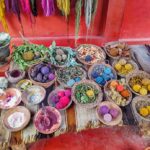
You’ll visit a local family that preserves ancient weaving traditions. Expect handwork done with natural ingredients and knowledge passed down through generations. The alpacas and llamas are a big part of the charm too. Yes, they’re cute. But the bigger value is that you see the process behind the fabric, not just the finished souvenir.
This stop is also a nice pacing tool. Chinchero gives you a cultural anchor early in the day. It’s a good moment to slow down, look closely, and learn why the patterns and dyes matter. If you’re the type who likes to understand what you’re buying (or at least avoid impulse buys that fall apart after one wash), this is one of the best-value stops.
The potential drawback is simple: it’s still a site visit with time in the sun and time walking around the area. Bring a hat, water, and shoes you’re comfortable standing in. The tour handles the guiding, but you’ll be on your feet.
Moray and Maras: Inca science in terraces, plus salt still made today
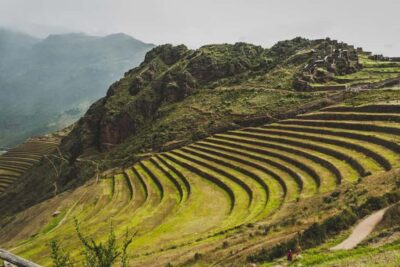
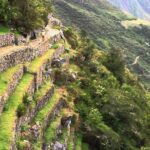
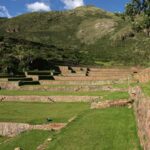
Moray is one of those places that makes you go quiet. You arrive to Inca terraces with a dramatic view of the surrounding Andes. Your guide explains how the Incas used these terraces like an agricultural laboratory, creating different microclimates so crops could be tested and grown under varying conditions.
Why this stop is worth it: it shows a side of the Inca world that isn’t just monuments and battles. It’s engineering. It’s experimentation. And it’s smart use of elevation, which you’ll appreciate even more when you realize you’re traveling through the same altitude-driven realities today.
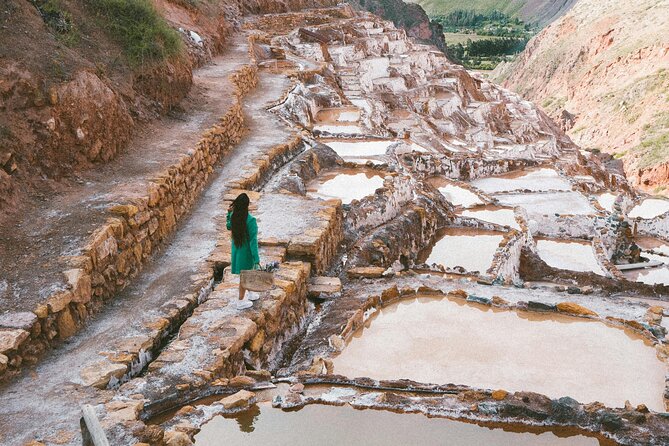
Then you move to Salinas de Maras, famous for the thousands of salt ponds that are still in use. This is one of the easiest places to take that classic “standing in front of something iconic” photo. Your guide also helps you time the shot, which is handy because the best angles depend on where the light is hitting the ponds.
Important practical note: Maras salt mines entrance is not included and costs PEN 10 in cash. If you don’t want to scramble, bring some soles just for this stop.
Tunupa buffet lunch: a full meal break that keeps you moving
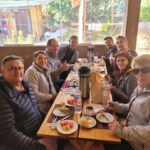
Lunch is handled at Restaurante Tunupa, and it’s a real sit-down buffet with over 50 Peruvian dishes. You’ll find salads, soups, main courses, and desserts, and vegetarian options are available.
I like lunch like this on a packed itinerary for one reason: you can eat without negotiating. Sacred Valley days often run on tight timing around trains and connections, so having a set place where you know you’ll get fed matters.
Also, this lunch is included. That’s a value win compared to piecing together your own meals across multiple stops. You’re not only paying for food—you’re paying for time saved. On a 2-day schedule, time is the hidden cost.
If you have dietary needs beyond what’s commonly offered (for example, strict allergies), you should still plan ahead. But based on what’s offered here, there’s enough variety to handle typical vegetarian preferences.
Ollantaytambo ruins, then the train to Aguas Calientes
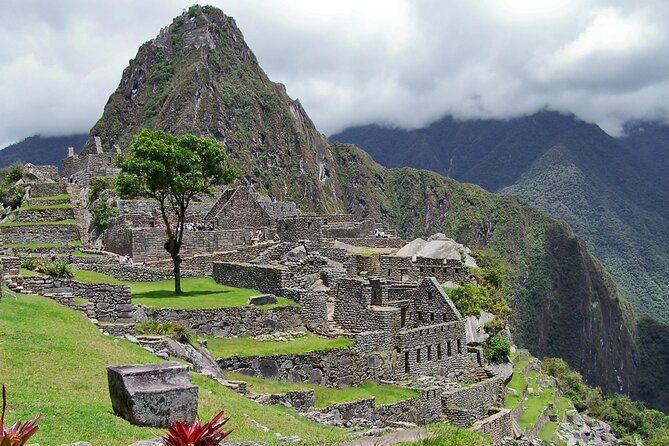
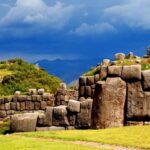
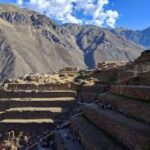
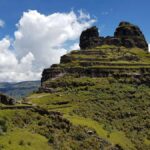
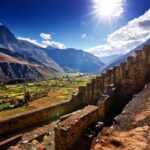
After lunch, you’ll visit Ollantaytambo, including its impressive terraces and ruins. This site was strategically important, guarding access to the route toward Machu Picchu. It also ties into the Spanish invasion era, so your guide will likely connect what you see on the ground to why it was built this way.
What I like about doing Ollantaytambo late in the day is the transition. It’s a historic anchor right before you shift into the travel part of the program.
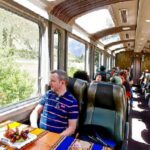
Then comes the big shift: you head to the train station and board your train to Aguas Calientes. The tour includes round-trip train service in Expedition or Voyager class (the exact option depends on your booking availability). The ride itself is timed as part of the experience, giving you mountain views and getting you positioned for an early Machu Picchu morning.
Once you arrive in Aguas Calientes, the team escorts you to your hotel for a comfortable night—included as a 3-star hotel stay. You’ll check in, and your evening is free so you can reset. If you want a quiet walk, this is the time.
Machu Picchu at 7:00 AM: guided circuit first, then your own wander time
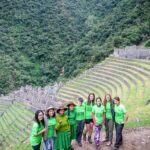
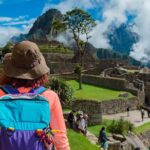
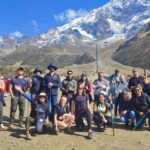
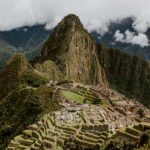
Day 2 is built around an early start. After breakfast, you’re taken to the bus station for the ride up to Machu Picchu’s main gate. Your guide then leads you through the major ruins: ancient streets, city squares, and stone staircases.
The key thing here is the rhythm. A guided walkthrough helps you connect the layout to the purpose of the site, and it’s especially useful when you’re trying to make sense of elevations and routes. Your included entrance ticket is based on circuit availability, and that’s where the one real “watch the details” point comes in.
Some circuits involve more climbing than others. In real-world cases, guests have been able to choose between options like an easier circuit 3 and a more step-heavy circuit 2 when availability allowed. So if stairs are a concern, ask before you finalize your plans and confirm what circuit you’re getting.
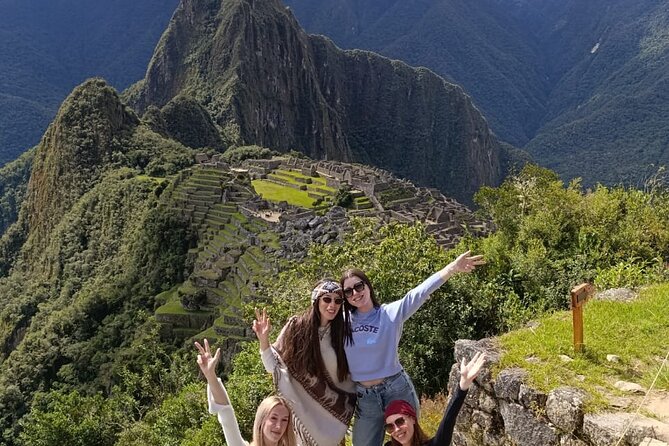
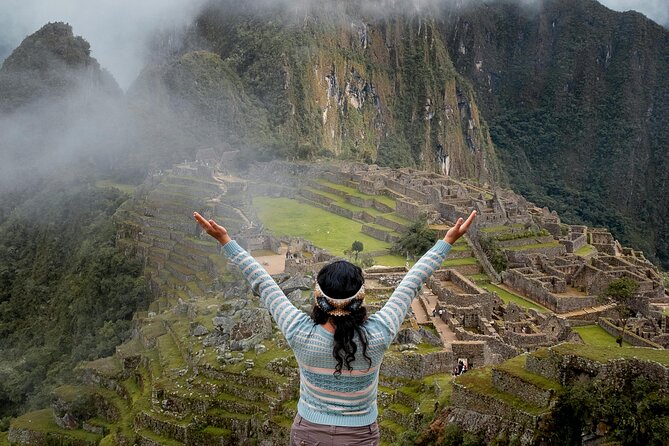
After the guided tour finishes, you get time to explore on your own. This is where Machu Picchu turns from a lesson into a personal memory: slow photos, looking for symmetry, and finding the quiet corners when your legs finally agree to stop complaining.
Later, you take the bus back down to Aguas Calientes. Lunch is available there but not included.
Then it’s back to the train: you return to Ollantaytambo and your transport brings you back to Cusco, with an estimated arrival of 6:00 PM.
Train, hotel, and the real value of $599 per person
At $599 per person, the question is less “Is it expensive?” and more “Does it remove the expensive mistakes?” This tour’s value comes from bundling the hard parts:
- Train logistics (Ollantaytambo to Aguas Calientes and back)
- Bus transport for Machu Picchu
- A 3-star hotel night in Aguas Calientes
- Machu Picchu entrance ticket
- Guides for the big Sacred Valley and Machu Picchu segments
- Breakfast and at least one included lunch
When you price this separately yourself, the costs add up fast—especially the train, the hotel night near Machu Picchu, and the entrance fees. This is why the packaged format makes sense for most people: you’re not only paying for sights, you’re paying for someone to manage timing and routing.
What’s not included also affects your true budget:
- Sacred Valley entrance fee: PEN 80 per person
- Maras salt mines entrance: PEN 10 cash
- Optional Wayna Picchu hike: USD 40
- Dinner and personal expenses
- Tips (optional)
If you budget for those extras, $599 looks a lot more reasonable. If you don’t, you may feel surprised after the fact.
One more value point from the tone of real experiences: people felt safe and well taken care of. That’s not a line item you can buy elsewhere. It’s the difference between “a tour” and “a system that works.”
Who should book this Sacred Valley and Machu Picchu tour
I’d point you to this tour if you want:
- A structured 2-day plan without planning the train and transfers yourself
- A small group (max 9) where the guide can actually help
- Guided context for Chinchero, Moray, Maras, and Ollantaytambo
- The convenience of Cusco pickup and drop-off
- The comfort of a hotel night in Aguas Calientes
It’s also a reasonable choice for people who like to set a pace but still need flexibility. In one real case, Cosmo arranged additional support (an extra guide) so a guest using crutches could keep going and also choose among Machu Picchu circuit options when available.
I’d be more cautious if:
- You have very limited mobility and stairs are a hard no (because even “easier” circuits can still involve uneven terrain and steps)
- You hate early mornings (Day 2 starts early and includes a bus ride up)
- You don’t want to manage a couple cash/extra fees on the day
Should you book it?
Yes, if you want a smooth, small-group run through Sacred Valley highlights and a guided Machu Picchu day that’s organized around the train. The biggest win is that the itinerary handles the parts that usually go wrong for independent travelers: transfers, timing, and getting you to Aguas Calientes for the right kind of rest.
Before you book, do two quick checks:
1) Confirm which Machu Picchu circuit is included with your ticket and how it compares for step levels.
2) Plan for the extra fees you’ll pay on-site: PEN 80 for Sacred Valley and PEN 10 cash for Maras.
If you line those up, this tour is a strong value way to see the Sacred Valley and then hit Machu Picchu without turning your vacation into a logistics project.
FAQ
What time does this tour start in Cusco?
It starts at 7:45 AM with pickup in Cusco.
Where is the meeting point?
The meeting point is Plaza Regocijo F2 M9+5X2, Cusco 08002, Peru.
How many people are in the group?
This experience is a small-group tour with a maximum of 9 travelers.
What meals are included?
The tour includes breakfast and lunch (plus your hotel stay for the night in Aguas Calientes).
Where do we stay overnight?
You get 1-night stay in a 3-star hotel in Aguas Calientes.
Are Machu Picchu entrance tickets included?
Yes, the tour includes Machu Picchu entrance ticket based on circuit availability.
What train and bus transportation is included?
Round-trip transportation is included: train and bus Ollantaytambo – Machu Picchu – Aguas Calientes. Train class is Expedition or Voyager based on what you book.
Do I have to pay anything at Maras?
Yes. Maras Salt Mines entrance is PEN 10 (cash).
Is the Wayna Picchu hike included?
No. The Wayna Picchu hike is optional, USD 40, and is available on request.
What time will we return to Cusco on Day 2?
The estimated arrival time in Cusco is 6:00 PM.