REVIEW · CHINCHERO VILLAGE TOURS
Sacred Valley Pisac Ollantaytambo and Chinchero Full-Day Tour
Book on Viator →Operated by Willka travel Cusco · Bookable on Viator
Cusco is the perfect base for a big Inca day. This tour strings together Sacred Valley highlights with village stops, viewpoints, and two major ruins sites in one long day. I especially like how much you get for the money, and I like that lunch is included without nickel-and-diming you.
What I truly like: the Inca ruins pacing feels logical, with time built in for both walking and looking. I also like the human side of the day, from Pisac’s Indian market stop to Chinchero’s alpaca-wool dye demonstration using natural plants.
One possible drawback: the day runs about 10.5 hours, and if your priority is extra free time at each site, you may feel a bit rushed (especially later in the afternoon).
In This Review
- Key things to know before you go
- Why This Sacred Valley Loop Works When You Want a Lot in One Day
- Morning Start From Cusco: Pickup Timing and How to Avoid a Stress Spiral
- Mirador Views and Pisac Archaeology: Terraces, Cemeteries, and Royal Power
- The Pisac Market Stop: A Cultural Breather You’ll Appreciate More Later
- Urubamba River Bridge and Buffet Lunch: Fuel for the Afternoon Rush
- Ollantaytambo: The Inca Stronghold Vibe You Can Feel Immediately
- Chinchero and Tupac Inca Yupanqui’s Royal Estate Remains
- Iglesia Colonial de Chinchero and the Alpaca Wool Dye Stop
- Transportation, Group Size, and Guide Quality: Why the Day Can Vary
- Price and Value: What $28 Covers and What You Must Bring
- Should You Book This Sacred Valley Full-Day Tour?
- FAQ
- How long is the Sacred Valley Pisac Ollantaytambo and Chinchero tour?
- What is included in the tour price?
- Is the Sacred Valley entrance fee included?
- Does the tour include drinks at lunch?
- Where is pickup if I’m staying in a private apartment?
- Is there a vegetarian option?
- Does the tour end with hotel drop-off?
- How big is the group?
- What is the cancellation policy?
Key things to know before you go
- Views before the ruins: you get Sacred Valley views from a mirador before touring the archaeological site area.
- A strong Inca concentration: Pisac + Ollantaytambo + Chinchero are the core of the day.
- Lunch is included as a buffet once you reach the Urubamba area.
- Some costs aren’t included: Sacred Valley entry is a cash payment (PEN70.00 per person).
- Small group size: capped at 19 travelers, which usually means a calmer experience than the huge buses.
Why This Sacred Valley Loop Works When You Want a Lot in One Day
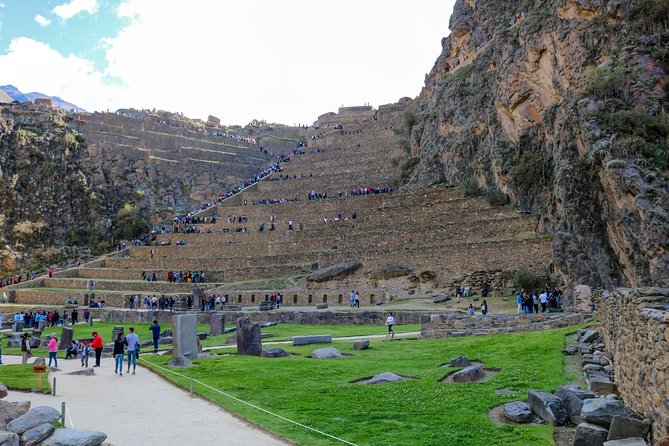
If you’re short on time in Cusco, this kind of full-day route makes a lot of sense. You’re not just hitting one site—you’re seeing how the Incas built for defense, agriculture, and royal power across the valley. It’s a good way to connect the dots between different sacred places without spending nights on the road.
I also like the balance here: you get big stone history at Pisac and Ollantaytambo, then you shift to daily life in towns like Pisac and Chinchero. That mix helps the ruins feel less like isolated “checkpoints” and more like part of a living landscape and culture.
Just keep your expectations grounded. This is a high-coverage day, not a slow wandering retreat. If you want maximum photo time at one single site, you may prefer a shorter, more focused tour.
You can also read our reviews of more tours and experiences in Cusco
Morning Start From Cusco: Pickup Timing and How to Avoid a Stress Spiral
The tour begins with hotel pickup in the historical center of Cusco. You’ll meet your group via Willka Travel, and the plan is for a pickup around 7:00–7:10am based on how the day is described for most guests.
That early start matters because travel time in and around the Sacred Valley isn’t “fast.” Roads climb, weather can shift, and parking adds time. The upside is you usually arrive at archaeological sites earlier in the day, which helps with both light and crowd intensity.
If you’re staying in a private apartment where pickup can’t happen, the meeting point is listed as Calle Garcilaso 265 Of 3. To keep the day smooth, I’d set two reminders: one for pickup location and one for where you’ll be leaving from at the end (the tour ends in the city center of Cusco, and hotel drop-off isn’t included).
Mirador Views and Pisac Archaeology: Terraces, Cemeteries, and Royal Power
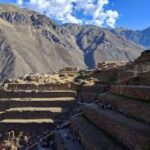
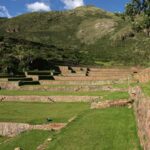
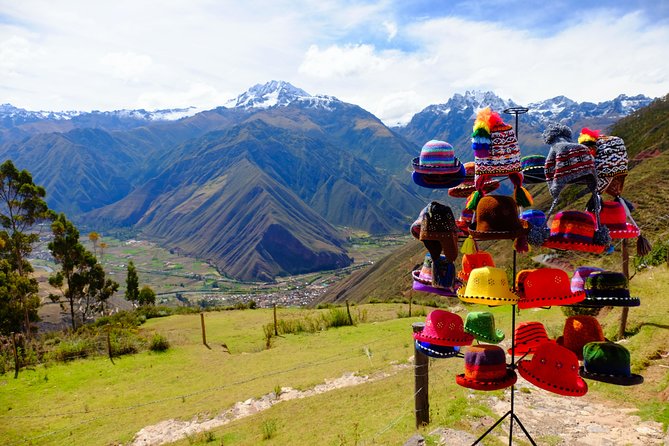
After pickup, the day feeds you right into one of the valley’s best “first impressions”: Pisac archaeological area. Before you walk, the highlight notes that you’ll enjoy views from a mirador—that’s a small thing that pays off. You get the valley’s scale, and suddenly the terraces and stone structures make more sense.
At Pisac, expect to see:
- agricultural terraces built for farming on steep terrain
- areas associated with Inca cemeteries
- royal Inca buildings tied to power and organization
This is where you start to understand the Inca genius for engineering. Even if you don’t memorize names, you can still read the site as a system: water control, farming zones, and sacred spaces placed in deliberate relationships.
The duration for this stop is about 1 hour, with no specific admission ticket included in the tour price for this part. Give yourself permission to move at the guide’s pace. If you find you’re really into stonework and agricultural design, you might want to take extra photos and ask one good question—otherwise time disappears fast.
The Pisac Market Stop: A Cultural Breather You’ll Appreciate More Later
After the ruins, the tour shifts into town mode with the Pisac Market stop. This one is practical: it’s scheduled for about 1 hour, and it’s marked as free admission.
What makes this stop worthwhile is that you’re not just walking through souvenir aisles. You’re stepping into a working market scene—enough to pick up how locals live, shop, and move through the day. If you’ve been mainly focused on stone sites so far, this is a reset for your brain.
Two tips that help here:
- Bring small cash so you can browse without awkward exchanges.
- If you want to buy textiles or crafts, compare prices quickly, then go back later if something really fits your style.
One more thing: market stops can feel chaotic if you’re shopping and photographing at the same time. I’d choose one goal (photos or shopping) for this hour, and keep it simple.
Urubamba River Bridge and Buffet Lunch: Fuel for the Afternoon Rush
By the time you reach the Urubamba area, lunch is the main event. The day description places a buffet lunch at about the time you arrive near the Urubamba River area, with a scheduled stop of around 1 hour.
This is the point where a tour either feels civilized or feels rushed. Here, the tour includes the buffet, which is a big value. You avoid hunting for food on your own while also fighting altitude fatigue.
In a day like this, the goal isn’t a fancy meal. The goal is fuel:
- eat a real plate, not just a snack
- drink water even if you don’t feel thirsty
- leave time to relax so your afternoon walking feels easier
If you tend to get hungry late in the day, you’ll be glad lunch is built in rather than “maybe you’ll find something later.”
Ollantaytambo: The Inca Stronghold Vibe You Can Feel Immediately
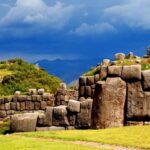
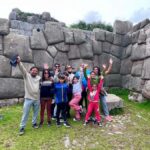
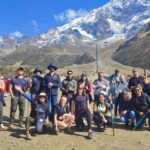
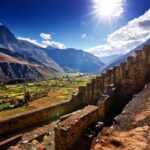
Ollantaytambo is the stop most people think about first for Sacred Valley, and it’s easy to see why. This was built to guard an entrance route tied to what led travelers toward Machu Picchu, and it also served as protection for Incas against possible invasions.
The experience here works because you’re walking through a place that still feels like a town. You’ll move through streets of Ollantaytambo and then into the archaeological park itself, getting a clear idea of how it functioned as a military, religious, and cultural center.
Your scheduled time at Ollantaytambo is about 1 hour. That’s enough for the essentials, but not enough for endless wandering. If you want the best photos, arrive ready to pick spots quickly: look for stairways, doorways, and the way stone blocks sit against each other.
I also like this stop for context. After Pisac’s terraces and royal spaces, Ollantaytambo shows a different side of Inca planning—defense and settlement design in one package.
Chinchero and Tupac Inca Yupanqui’s Royal Estate Remains
After Ollantaytambo, the tour heads to Chinchero, another strong Sacred Valley stop with a village feel. You’ll visit the archaeological complex and the remains connected to the royal estate of Tupac Inca Yupanqui.
Chinchero is about 40 minutes in the plan. That means it’s not trying to be all-day museum time. Instead, it’s a focused look at how royal power shaped where people lived and worked.
If you enjoy Inca architecture, this stop can be especially satisfying because you’re comparing it directly to what you saw earlier. You’ll notice different building styles and how each site’s purpose shows up in the layout.
Iglesia Colonial de Chinchero and the Alpaca Wool Dye Stop
Chinchero also gives you a rare “then and now” mix. First comes the Iglesia Colonial de Chinchero, built on top of the Inca estate. That layering—Inca ground beneath colonial architecture—is a reminder that history didn’t freeze after the conquest.
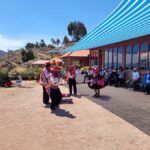
Next is the Mercado de Artesanias, where the tour describes how local people dye alpaca wool with natural plants from the region. You’ll get about 25 minutes here, which is enough time to understand the idea and see the process without rushing too hard.
This part is valuable because it’s not just shopping. You’re watching a craft tied to local resources. Even if you don’t buy anything, the practical detail makes the day feel less like a “ruins tour” and more like an everyday culture tour.
Transportation, Group Size, and Guide Quality: Why the Day Can Vary
The tour includes tourist transportation and professional guiding. Group size is capped at 19 travelers, which generally helps keep things organized and less chaotic than bigger departures.
That said, the day depends heavily on your guide’s pace and communication style. In feedback, guides such as Luigi and Jonathan get singled out for being positive, helpful, and knowledgeable, which tells me something important: a good guide can make a long day feel smoother and clearer.
Here’s my practical take: if you speak only English, you should still be prepared for stories shared in more than one language. The tour description doesn’t guarantee bilingual delivery, but some guides do handle both languages. If you want to maximize understanding, write down one or two questions before you go—something you actually care about, like how terraces were farmed or what the defense design at Ollantaytambo protected.
Also, keep your energy in mind. With so many stops, you’ll do best if you eat lunch well, hydrate, and plan for a late return.
Price and Value: What $28 Covers and What You Must Bring
At $28.00 per person, this tour is priced like a budget-friendly way to see major Sacred Valley sites. The big value pieces already built into the price are hotel pickup, a professional guide, tourist transportation, and a buffet lunch.
But a realistic cost checklist matters:
- Sacred Valley partial entrance fee: PEN70.00 per person, and you’ll need cash
- drinks: not included
- gratuities/tips: not included
- certain archaeological site admissions can be listed as not included
So yes, $28 sounds low. The better question is: can you handle the cash entrance fee and optional extras without getting surprised? If you arrive with the PEN70 and plan for water and snacks, this feels like a strong value day.
One more budgeting tip: if you’re the kind of traveler who stops for sodas, juice, or big snack runs, those costs add up fast on a 10.5-hour day. Bring water when you can and keep drinks simple.
Should You Book This Sacred Valley Full-Day Tour?
I’d book this tour if you want a well-packed day from Cusco that hits the big three Sacred Valley anchors: Pisac, Ollantaytambo, and Chinchero. It’s also a smart choice if you want a single guide to connect the ruins and local culture, and if having lunch included matters to you.
I’d think twice if your top priority is extra time at one specific ruin, or if you have zero patience for long days. This is a “see a lot” format, and the schedule can feel tight—especially once you’re juggling walking time, viewpoints, and village stops.
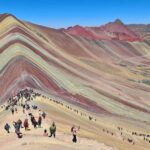
Also, consider this: if you’re relying on a very specific side attraction shown in promotional photos, confirm what’s actually included on your date. Some people report days where certain expected stops didn’t happen, and the only safe move is to verify before you commit.
If you’re flexible, energized, and okay with a busy day, this is an efficient way to understand why Sacred Valley still feels like the Incas planned it for both power and daily life.
FAQ
How long is the Sacred Valley Pisac Ollantaytambo and Chinchero tour?
The duration is listed at about 10 hours 30 minutes (approx.).
What is included in the tour price?
Included items are hotel pickup in the historical center of Cusco, a professional guide, lunch buffet, and tourist transportation.
Is the Sacred Valley entrance fee included?
No. A partial entrance fee to Sacred Valley is listed as PEN70.00 per person, paid with cash.
Does the tour include drinks at lunch?
Drinks are not included.
Where is pickup if I’m staying in a private apartment?
If pickup service won’t be possible, the meeting point is Calle Garcilaso 265 Of 3.
Is there a vegetarian option?
Yes, a vegetarian option is available if you advise at booking.
Does the tour end with hotel drop-off?
No. The trip ends in the city center of Cusco, and hotel drop-off is not included.
How big is the group?
The tour is listed with a maximum of 19 travelers.
What is the cancellation policy?
Free cancellation is available up to 24 hours in advance for a full refund. Cancellation made less than 24 hours before the start time isn’t refunded.