REVIEW · SACSAYHUAMAN & INCA RUINS
City Tour Cusco Qoricancha Sacsayhuaman y Tambomachay
Book on GetYourGuide →Operated by World Explorer Peru · Bookable on GetYourGuide
Cusco’s ruins feel like a living textbook. This 5-hour city tour ties together the big Inca religious sites and the strategic fortress on the edge of town, with a real guide who helps you read what you’re seeing. I like the way the route connects Qorikancha (the Temple of the Sun) to the later stone-and-water ritual sites, so the Inca story doesn’t feel random.
I also love the pacing: you get guided time where it matters, plus photo stops and breathing room so the day doesn’t turn into a stampede at altitude. The one watch-out: Qorikancha and the Cusco Tourist Ticket cost extra, so your total day budget will be higher than the headline price.
In This Review
- Key Things I’d Prioritize on This Tour
- Start at Plaza de Armas: Cusco’s Center of Gravity
- Qorikancha: The Temple of the Sun and the Church Built on Top
- Sacsayhuamán: Big Stones, Ceremonial Purpose, and Lookout Views
- Qenqo: Rock Altars, Underground Passages, and Ritual Space
- Tambomachay: The Inca Baths and Worship of Water
- Puka Pukara: A Control Post With Terraces and Defensive Lines
- Getting the Timing Right: Two Shifts, Shared Transport, and Photo Stops
- What the $13 Price Really Means (and What’s Extra)
- Guide Style Matters: English/Spanish, Q&A, and Photo Help
- What to Bring for a Comfortable Cusco Ruins Day
- Who Should Book This Tour (and Who Might Feel Frustrated)
- Should You Book This Cusco Qorikancha Sacsayhuaman Tambomachay Tour?
- FAQ
- What time does the morning tour start and end?
- What time does the afternoon tour start and end?
- Where is the meeting point?
- How long is the tour?
- What’s included in the tour price?
- What language is the guide?
- Are entrance tickets included?
- What should I bring with me?
- Are drones allowed?
- Can I cancel and get a full refund?
Key Things I’d Prioritize on This Tour
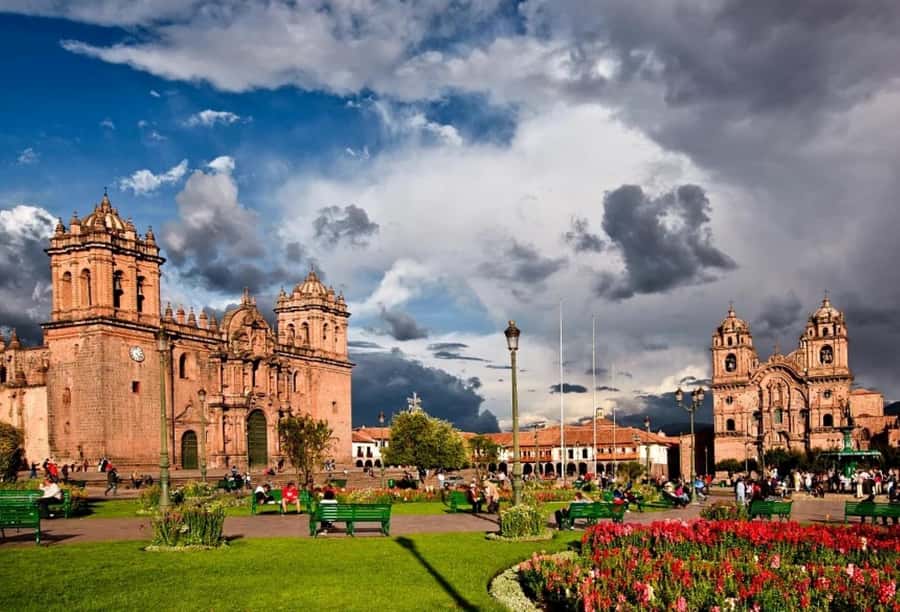
- Qorikancha + Santo Domingo Convent layers: you’ll see how Inca stone foundations relate to the Spanish-era church built on top.
- Sacsayhuamán fortress views: massive blocks plus panoramic lookouts over Cusco.
- Ritual sites in a smart loop: Qenqo, Tambomachay, and Puka Pukara keep the theme consistent—religion, ceremony, control.
- Professional local guide in English or Spanish: several guides (including Nilo, Luis, Sergio, and Erick) are reported as energetic and answer questions.
- Shared transport that keeps walking reasonable: you’ll be out on foot sometimes, but buses handle most of the hopping.
Start at Plaza de Armas: Cusco’s Center of Gravity
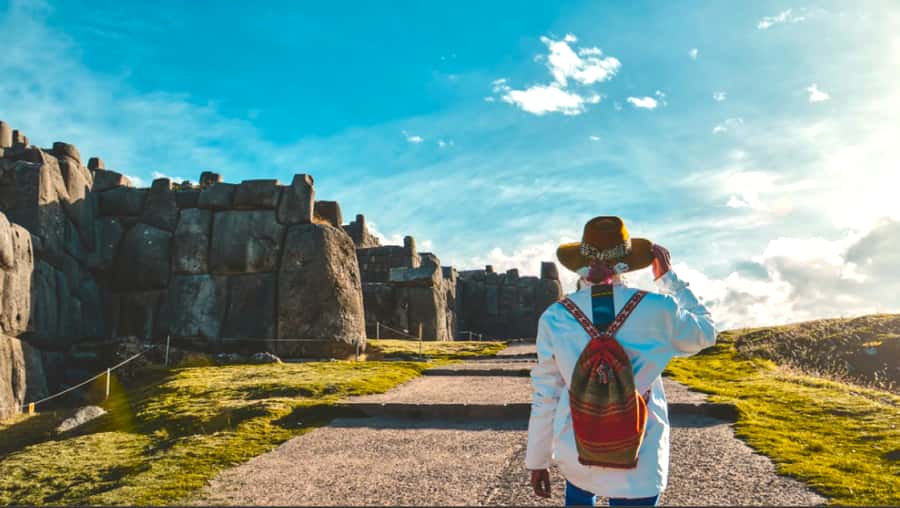
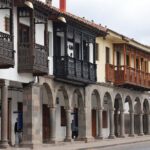
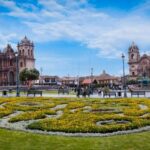
You meet at Cusco’s Main Square (Plaza de Armas), next to the central fountain. It’s an easy landmark to find, and it’s also the right “first beat” in the city: from here, Cusco’s Inca and Spanish layers make sense faster.
Arrive about 10 minutes early so you’re not rushed at the start. Then your guide kicks things off with an intro and sets the tone for the day—what to look for, how the sites connect, and how the stones and layouts link to Inca life. If you’re newly arrived, doing a tour like this early can help you get your bearings quickly and make later exploring feel less like guesswork.
One practical note: Cusco altitude is real. This tour is structured with a mix of walking, photo stops, and time for breaks, which helps you keep your pace steady and enjoy the view instead of white-knuckling every uphill step.
You can also read our reviews of more city tours in Cusco
Qorikancha: The Temple of the Sun and the Church Built on Top
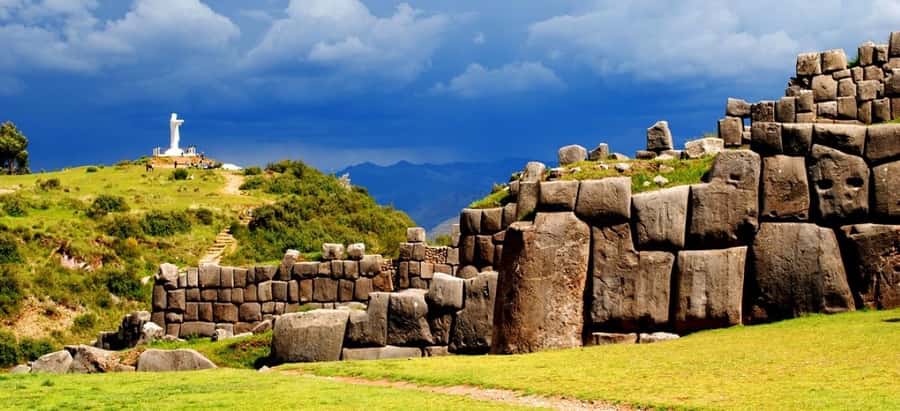
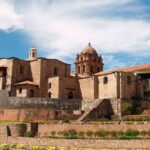
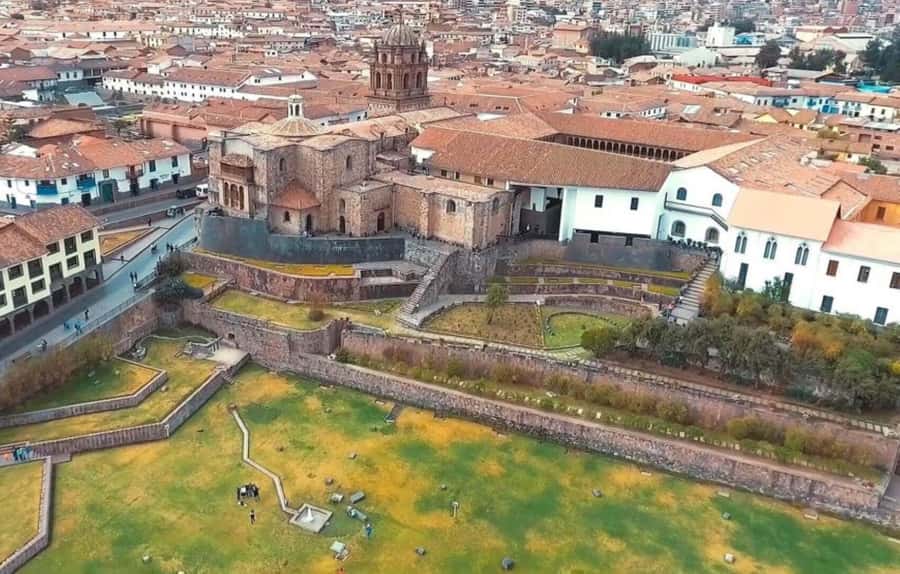
The first major stop is Qorikancha (Temple of the Sun), the most important religious site of the Inca Empire. The big reason this place matters is how it shows Inca engineering and spiritual design in one package: finely crafted stone walls and a ceremonial setting that clearly wasn’t built for casual visitors.
Your guide explains the temple’s purpose, so you’re not just staring at old walls. You’ll also learn about the integration of the Santo Domingo Convent built on the foundations of the older Inca structure. That “two-era” overlap is one of the most useful things you can see in Cusco, because it turns the city’s architecture into an actual story rather than a pile of dates.
Budget heads-up: Qorikancha entrance is not included (listed at S/ 20.00 soles). Also, depending on your pass situation, you may need the Cusco Tourist Ticket (listed at S/ 70.00 soles and not included). I’d plan to carry some cash so you’re not stuck figuring it out on the spot.
Sacsayhuamán: Big Stones, Ceremonial Purpose, and Lookout Views
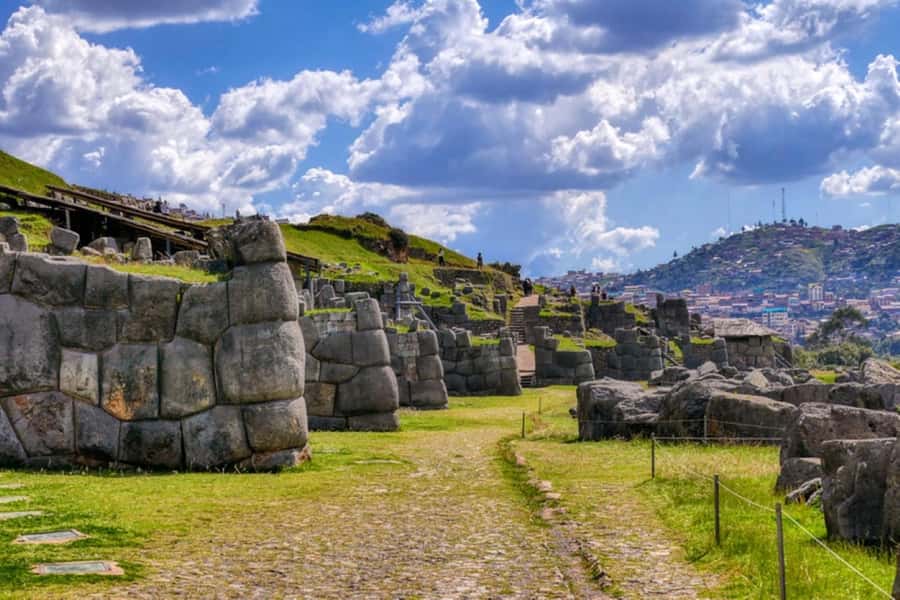
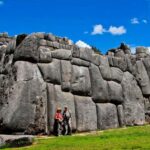
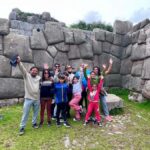
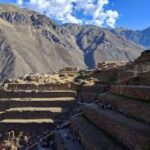
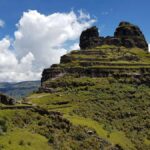
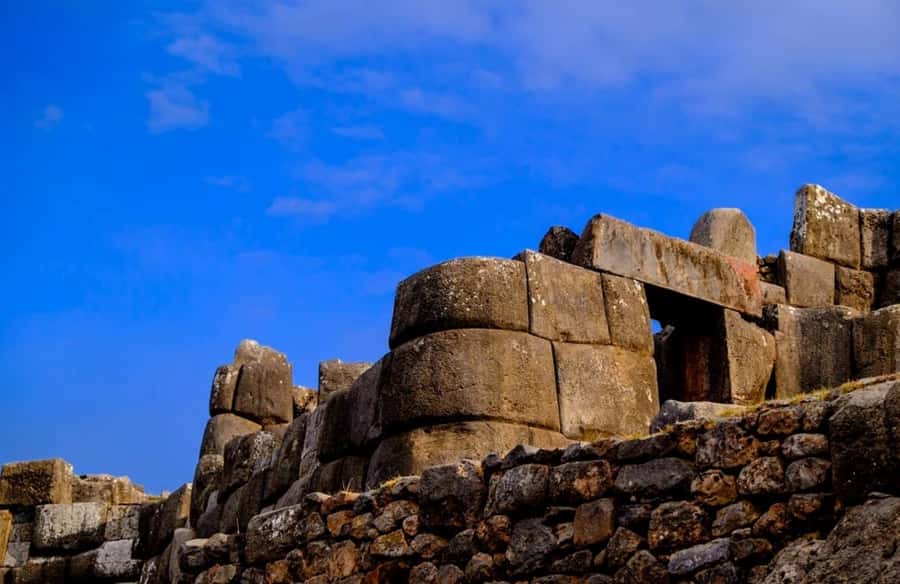
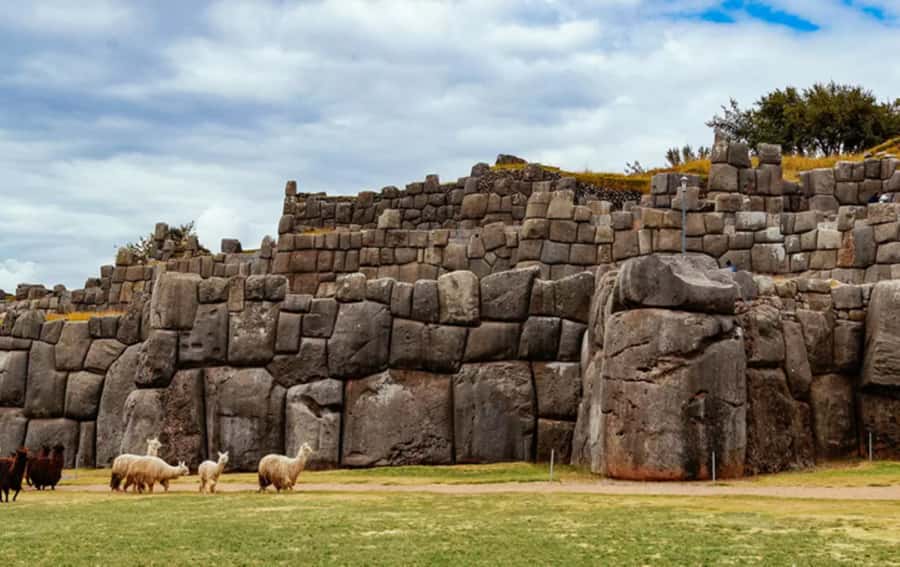
Next comes Sacsayhuamán, the fortress renowned for its massive stone blocks and strategic importance. The stones here hit differently once you understand the intent behind them—this isn’t just “cool ruins,” it’s a site tied to Inca power and ceremony.
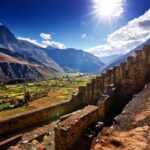
You’ll get guided time and photo stops, plus some free time to linger. The payoff is the panoramic view of Cusco area when you’re high enough to see the city spread out below. If you only do one “fortress” stop in the Cusco area, this is one of the best candidates because it combines scale, explanation, and a real sense of position.
There’s also a timing benefit. The tour design builds in a break at Sacsayhuamán, so you can reset, catch your breath, and take pictures without feeling like you’re racing a clock.
Qenqo: Rock Altars, Underground Passages, and Ritual Space
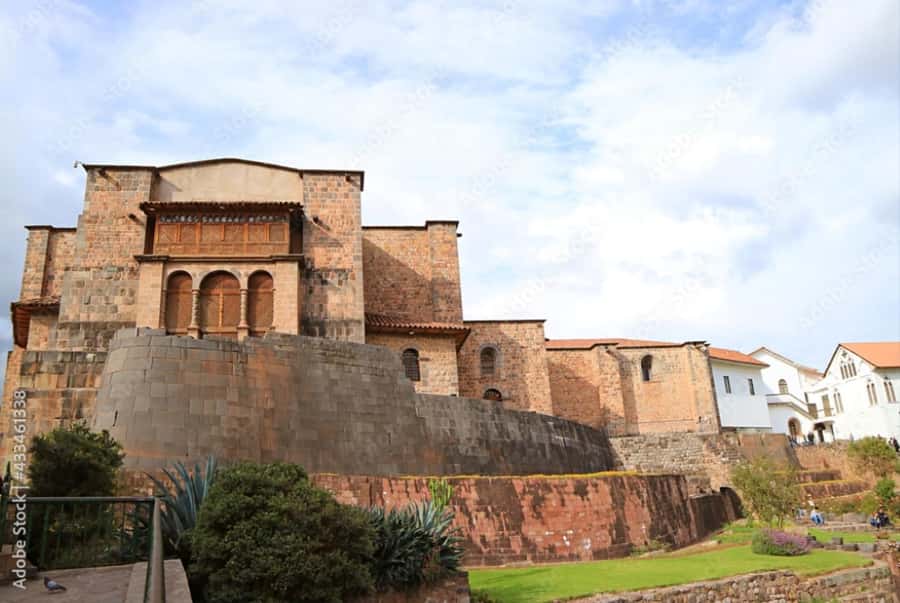
After the drive, you’ll visit Qenqo Archaeological Complex, a ceremonial center known for altars, underground passages, and distinctive rock formations. This stop works well if you like your ruins with context. A guide helps you connect the physical features you see—altars and carved spaces—to the religious rituals they were tied to.
The best way to enjoy Qenqo is to slow down during the guided portions, then use the photo stops to check what the guide described. It’s the kind of site where the details can disappear if you only look quickly. With a bit of guidance, the carvings and rock shapes become more legible.
You’ll also have another round of bus transfer time, which helps keep the overall route doable in one day. That shared-transport structure is a practical value for first-time Cusco visitors who still want the big sights without committing to a huge walking day.
Tambomachay: The Inca Baths and Worship of Water
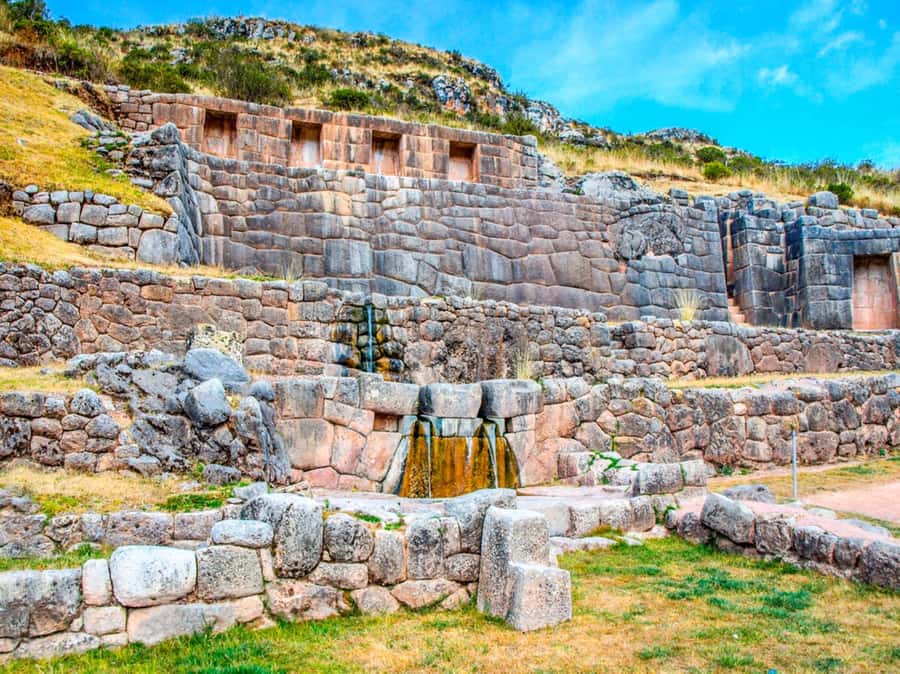
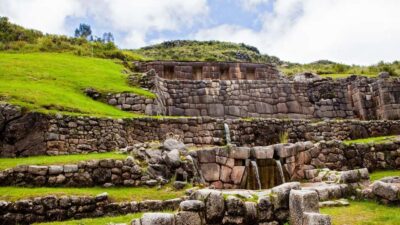
Then you head to Tambomachay, often described as the Inca Baths. What makes this stop special is the theme: the site is dedicated to the worship of water, and you’ll see channels and fountains that still flow today.
I like Tambomachay because it breaks the “fortress and temple” rhythm. You get a different angle on Inca thinking—how they treated water as sacred, how that care shows up in the built environment, and why the setting feels designed rather than accidental.
You’ll have a mix of guided visit and photo time, plus walking for scenic views on the way. If your legs start getting tired at altitude, this is also a good moment to pace yourself. It’s one of the stops where you can enjoy the flow, take photos, and absorb the meaning instead of climbing hard for every angle.
Puka Pukara: A Control Post With Terraces and Defensive Lines
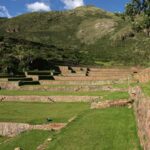
The tour continues to Puka Pukara Archaeological Complex, with photo stops and guided walking through the site. This location is described as an ancient military and control post, plus a resting place for Inca travelers.
The value here is perspective. You’ve already seen religious and ceremonial spaces, and now you’re seeing how the Inca managed routes and movement. The terraces and defensive structures help you understand that Inca civilization wasn’t only about spiritual sites—it was also about planning, security, and travel.
You’ll typically have scenic views during the drive and guided time on-site. It’s not the biggest stop in terms of size, but it’s a useful final piece of the puzzle before the tour winds down.
Getting the Timing Right: Two Shifts, Shared Transport, and Photo Stops
This tour runs in two options:
- Morning shift: starts at 9:00 AM, ends around 2:00 PM
- Afternoon shift: starts at 1:00 PM, ends around 6:30 PM
Both versions are built around the same idea: guided stops plus bus hops so you don’t lose the day to transit. You’ll spend some time walking in and around each site, but the schedule includes frequent photo stops, free time (especially around Sacsayhuamán), and breaks that help with altitude fatigue.
One practical tip: if you want better light for photos at the higher viewpoints, choose the shift that matches your personal tolerance for late-day walking. If you’re more wiped out by altitude, the morning shift often feels easier because you’re not stacking travel fatigue on top of a full day already in motion.
What the $13 Price Really Means (and What’s Extra)
The headline price is $13 per person for a tour that lasts about 5 hours. For Cusco, that can be solid value—especially because it includes a professional local guide, a shared coach/transport, and visits to the main sites on this route.
But here’s the part you need to plan for: site entrances and passes aren’t included. The data lists:
- Qorikancha entrance: S/ 20.00
- Cusco Tourist Ticket: S/ 70.00
So think of the $13 as your “guide + transport + organization” cost. Your total day cost depends on whether you buy entrance separately or use a ticket, and what you already have. If you want the smoothest day, I’d plan your budget with those extras in mind from the start.
Also note that the tour includes live English and Spanish guiding, and it says an audio guide is included (English and Spanish). That combination can help if your group language mix gets uneven.
Guide Style Matters: English/Spanish, Q&A, and Photo Help
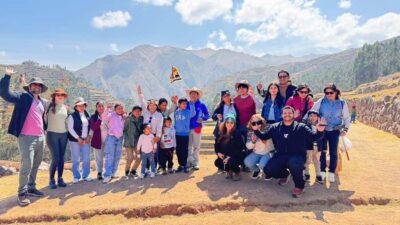
From the experiences shared by past groups, the most praised element isn’t just the places—it’s how the guide works the day. You might be guided by people like Nilo, Luis, Sergio, Condor, Kali, Ernesto, Manuel, Erick, or Rudy, and the repeated theme is energy plus frequent questions.
Some groups highlight that the language split can lean more toward one language than the other. If you’re strongly relying on English (or Spanish), it’s worth choosing a departure time that best matches your comfort level and showing up ready to ask questions. The audio guide can also help you follow along even when you feel a small language gap.
You’ll also get photo stops where the guide can help the group take pictures. That sounds small, but in Cusco, getting the “right” angle at the viewpoints takes time—time you don’t want to lose fumbling around with your phone while everyone else moves on.
What to Bring for a Comfortable Cusco Ruins Day
This tour is outdoors and includes sun exposure, so pack like you’re going to a high, bright day. Bring:
- Passport or ID
- Sunglasses and a sun hat
- Sunscreen
- A camera
- Comfortable clothes and a daypack
- Cash (important for entrance fees)
- Keep your essentials tight so you’re not digging through your bag constantly
Also, expect some rule-based limitations: drones aren’t allowed, and the tour data lists no weapons or sharp objects. It also lists restrictions like no littering and no making fire or fireworks. If you travel with hiking poles or crutches, note that crutches aren’t allowed per the activity rules.
Finally, there’s a passport validity note: bring ID with at least 6 months validity. That’s a small line that can save you a real headache later.
Who Should Book This Tour (and Who Might Feel Frustrated)
This is a smart choice if:
- You’re in Cusco for the first time and want a fast orientation to the Inca world around the city.
- You want major sites in one day without building your own transport plan.
- You like guided explanations that make stonework and layout feel purposeful.
It may not be ideal if:
- You have mobility constraints. The data includes a wheelchair-accessible note, but it also states it’s not suitable for wheelchair users. If that’s you, confirm directly with World Explorer Peru before paying.
- You want maximum independence. This is guided and structured, with shared transport, not a free-roam day where you set your own stop times.
One more “fit” factor: if you’re traveling during hot sun, you’ll be outside for multiple stops. Bring sun protection and pace yourself, even if you feel great when you start.
Should You Book This Cusco Qorikancha Sacsayhuaman Tambomachay Tour?
Yes, you should book it if you want one solid day that connects the dots between Inca religion, ceremony, and control—starting in the historic heart of Cusco and ending in the historic center around Plaza Regocijo.
I’d especially recommend it if you’re trying to make the most of a short stay. The route hits major anchors like Qorikancha and Sacsayhuamán, then fills in the story with Qenqo, Tambomachay, and Puka Pukara—so you leave with more than “I saw ruins.” You’ll understand why the stones were built, what the water and rock spaces were for, and why Cusco was such a strategic hub.
Just do two things before you go:
1) Plan money for Qorikancha entrance and possibly the Cusco Tourist Ticket.
2) Pick the morning or afternoon shift that fits your altitude comfort level.
If you can handle that, this tour is a strong, practical value for getting the real Cusco overview without wasting your limited days.
FAQ
What time does the morning tour start and end?
The morning shift starts at 9:00 AM and runs to approximately 2:00 PM.
What time does the afternoon tour start and end?
The afternoon shift starts at 1:00 PM and runs to approximately 6:30 PM.
Where is the meeting point?
You meet at Cusco’s Main Square (Plaza de Armas), next to the central fountain.
How long is the tour?
The tour duration is about 5 hours.
What’s included in the tour price?
It includes the city tour excursion, meeting point at Plaza de Armas, shared tourist transportation, visits to main attractions, a professional local guide, and permanent assistance during the tour.
What language is the guide?
The live guide is offered in English and Spanish, and an audio guide is included in English and Spanish.
Are entrance tickets included?
No. The Temple of the Sun (Qorikancha) entrance ticket is not included (listed at S/ 20.00), and the Cusco Tourist Ticket is also listed as not included (S/ 70.00).
What should I bring with me?
Bring your passport or ID card, sunglasses, sun hat, camera, sunscreen, comfortable clothes, cash, and a daypack.
Are drones allowed?
No, drones are not allowed.
Can I cancel and get a full refund?
Yes. The activity lists free cancellation up to 24 hours in advance for a full refund.