REVIEW · RAINBOW MOUNTAIN TOURS
The Vinicunca Rainbow Mountain in a day from Cusco
Book on Viator →Operated by Sakura Expedition · Bookable on Viator
Rainbow colors start with a 4 a.m. wake-up. This day trip to Vinicunca from Cusco is all about getting you to the top of a 5100 m Andean summit at the right time, then bringing you back before your legs completely vote to quit. You also get a real sense of why the mountain looks painted, not just a quick photo-and-go.
I love the practical value for the money. For about $46 per person, you get round-trip transport, breakfast and a buffet lunch, the entry ticket to the site, and a professional guide in English and Spanish (plus blankets and ecological walking canes).
One thing to take seriously: altitude and pacing. The hike is not long on paper, but it’s at altitude, it’s cold, and the day starts early—so the tour’s own recommendation to spend at least 2 days in Cusco is not just helpful advice.
In This Review
- Key things I’d zero in on before you book
- Why the 7-Color Mountain starts before sunrise
- Cusipata to Phulawasipata: your long ride and the real ramp-up
- The Vinicunca hike: what the 5100 m walk is really like
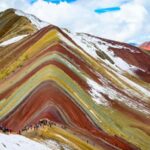
- At the summit: geology talk, ice history, and the color science
- Food, comfort, and why the day feels well-run
- Price and logistics: is $46 a fair deal for Rainbow Mountain?
- Who should book this Rainbow Mountain day trip from Cusco
- Should you book this Vinicunca day trip?
- FAQ
- How early is the pickup for Vinicunca from Cusco?
- What altitude do you reach on this Rainbow Mountain trip?
- Is breakfast and lunch included in the price?
- Is the entry ticket to Vinicunca included?
- Are horses included on the hike?
- What fitness level do I need?
Key things I’d zero in on before you book
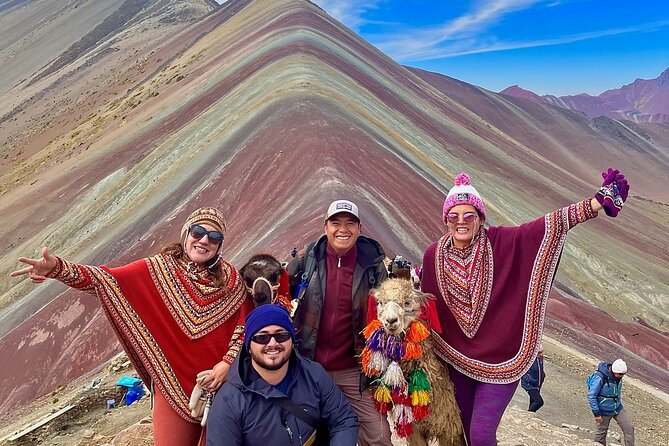
- Hotel pickup in Cusco and a small group (max 18) makes the day feel organized instead of chaotic
- Blankets and ecological canes are included, which matters when it’s chilly and you’re breathing hard
- A bilingual guide (often named like John, Wilson, Andres) helps with pacing and photo spots
- Geology explanations at the top connect the colors to minerals, erosion, and long-term climate shifts
- You’ll see camelids along the route, plus changing tones in the mountains as you climb
- Horse option exists (not included), and it can be a lifesaver for some walkers
Why the 7-Color Mountain starts before sunrise
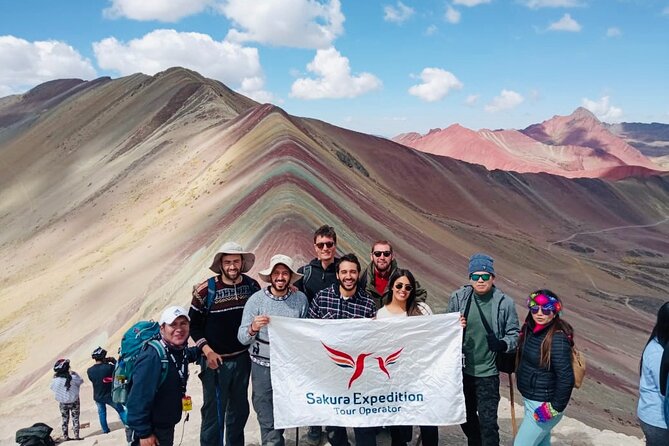
This tour is built around early light. You’ll be picked up in Cusco around the start window (the program runs daily from about 4:00–4:30 a.m.), and the whole plan is designed to reduce time lost in traffic and to help you reach Vinicunca when conditions are best for views and photos.
That early start is the deal. If you’re looking for a relaxed “sleep in” day, this is not it. But if you want the real payoff, that pre-dawn push is exactly why you’re doing this at all.
On a practical level, expect a long day. The total time is about 14.5 hours, with transportation, breaks, the trek, and lunch on the return.
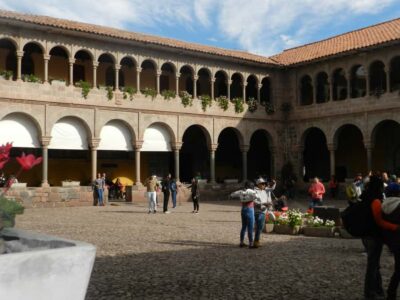
You can also read our reviews of more tours and experiences in Cusco.
Cusipata to Phulawasipata: your long ride and the real ramp-up
The day begins with a bus ride out of Cusco—about 77 km, roughly 2 hours—to Cusipata, where you stop for breakfast for about 30 minutes. This matters more than it sounds. You’re eating at altitude and before a cold climb, so that early fuel and warm routine can help you move steadily.
After breakfast, you continue by mobility to Phulawasipata. From there, the driving segment is about 1 hour 45 minutes to 2 hours of ascent by road, bringing you closer to the start of the trek.
You’ll feel the climb in two ways:
1) physically, through altitude and breath rate
2) mentally, through cold and fatigue management
That’s where tour support matters. The included blankets and ecological canes are there for a reason: the cold can hit even when you’re warm from walking earlier.
The Vinicunca hike: what the 5100 m walk is really like
At the top altitude of about 5100 meters, this is a “long day, not a long hike” kind of experience. The program lists the physical state as level 3, and the recommendation to acclimatize in Cusco is very real-world.
Here’s what you can expect from the walk itself:
- The trek starts from the Phulawasipata area and climbs until you reach Vinicunca
- You’ll likely feel wind and cold at the top, even when the trek is hard work
- The time you spend at the summit is built into the schedule, so you’re not just sprinting for photos
Several guides are praised for not rushing. People specifically call out the way guides like John and Wilson help the group keep a workable pace and still enjoy the view. If you tend to hike slower, that patience is more valuable than you might think when you’re at altitude.
Also, plan around the idea that the walk goes both ways—so even if the outward climb feels manageable, the return will test you again. The tour itself hints at this by warning that the walking time can be tough if you’re not acclimatized.
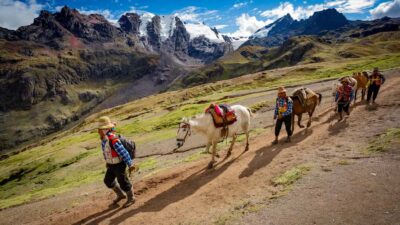
A note on options: horses are available but not included. In fact, one review mentions hiring a horse on the way up as a smart move. If you’re unsure about your legs and breathing, know you’re not stuck with a single approach.
At the summit: geology talk, ice history, and the color science
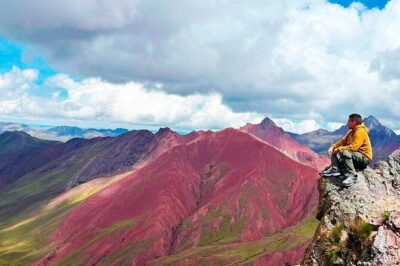
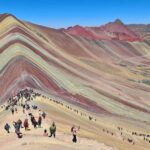
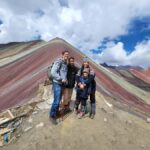
Once you reach Vinicunca, the guide gives a brief explanation of what you’re seeing—then you get time to visit and take pictures.
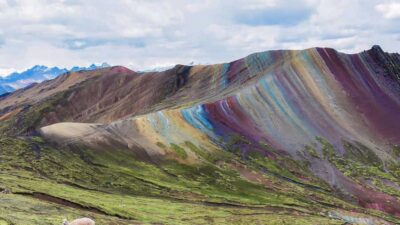
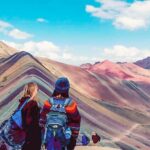
What makes this part fascinating is that the colors are not just “pretty.” They’re tied to geology and time:
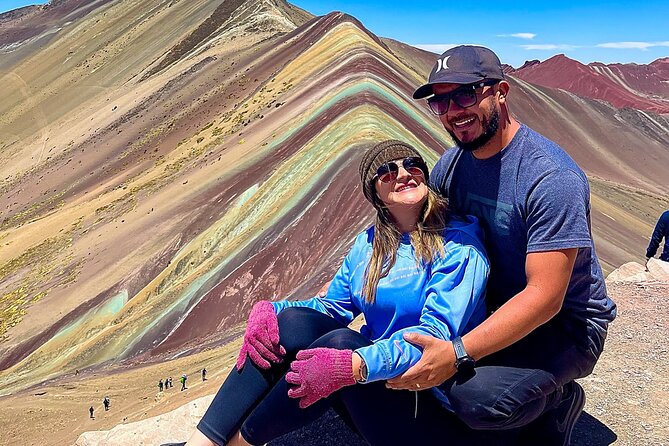
- Vinicunca’s formation is connected to tectonic plate movement, which raised marine sediments into mountain ranges
- The color comes from oxidation of minerals affected by erosion, humidity, and other geological factors
- The mountain was once covered with ice, but climate change helped remove the ice, leaving the current scene exposed
If you like details, the program provides mineral color links that help you read the mountain like a diagram. For example:
- Pink is tied to red clay and other mineral-rich sediments
- Blanquecino relates to quartz sandstone and calcium carbonate
- Red is connected to iron-bearing clays
- Green is linked to phyllites and clays with magnesium ferro components
- Earthy brown connects to magnesium-rich fanglomerates
- Mustard yellow is associated with calcareous sandstones with sulfur-related minerals
Don’t worry if it sounds technical. The practical benefit is this: when you understand the colors come from mineral composition and erosion over time, you stop treating it like a simple photo spot and start appreciating it as a living, fragile system.
On the way up, you can also watch how the tones shift. And since the region is home to South American camelids, you might spot them in the distance. That small detail can make the trek feel less like a checklist and more like a real day in the Andes.
Food, comfort, and why the day feels well-run
This tour includes one breakfast and one buffet lunch. The breakfast stop is short, around 30 minutes, but it gives you a chance to eat before the hardest part. Lunch comes after you finish the trek and ride back, with a restaurant stop in Cusipata around 2:00 p.m.
Timing is one of the under-rated things about good tours. The schedule aims to get you back to Cusco around 4:30–5:00 p.m. That’s late enough to feel like you did something major, but early enough that you’re not destroyed all evening.
Comfort items included:
- Blankets for cold moments
- Ecological walking canes that can help reduce strain on the climb and descent
And logistics are built to limit stress. The tour picks you up from your hotel within Cusco, and the group stays together through transport and trek. One review also points out how careful and respectful the transportation felt, which is worth noting on long mountain drives where fatigue can make people sloppy.
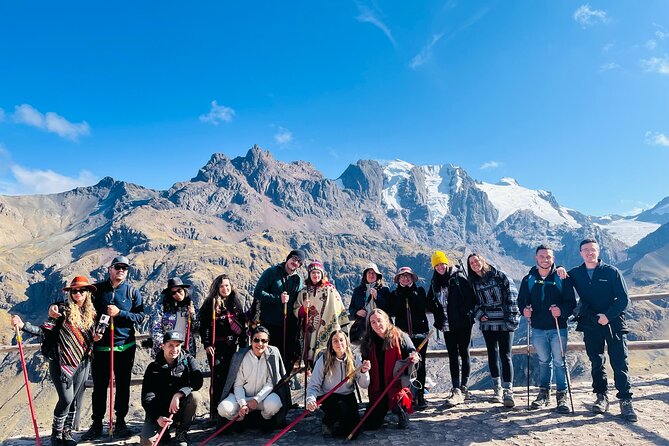
Group size is capped at 18 travelers. Smaller groups usually mean fewer bottlenecks at photo stops and a better chance of a guide noticing who needs help.
Price and logistics: is $46 a fair deal for Rainbow Mountain?
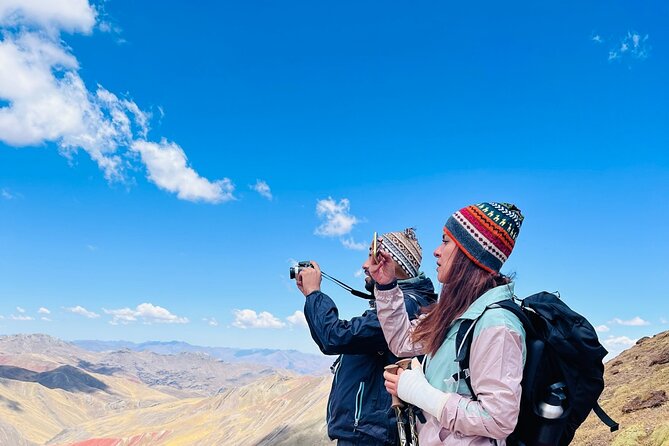
At $46.16 per person, this is priced like a budget-friendly day trip—especially because the price includes several things many tours charge extra for: transport, guide, entry ticket, and meals.
Here’s how I’d judge the value in real terms:
- If you tried to replicate this independently, you’d likely pay for transport out to the site, ticket access, and a guide for safety and interpretation
- You’re also getting practical cold-weather support via blankets and canes
- The bilingual guide component matters on this kind of trip because it turns the top into an educational stop, not just a sightseeing stop
Not included items are simple and expected: horse rental and extra drinks. If you decide you need a horse for part of the route, that becomes the main variable cost.
Also, the tour notes best time May–November. That’s helpful for planning, especially if you want a better shot at workable weather and visibility.
Who should book this Rainbow Mountain day trip from Cusco
This is best for you if:
- You want to see Vinicunca in a single day and you’re comfortable with an early start
- You’re in reasonably solid shape and can handle a level 3 altitude day
- You appreciate a guide who explains the science and geology, not just directions
- You prefer small-group organization (max 18) over big-bus chaos
This is less ideal if:
- You can’t spare the early morning wake-up
- You’re very sensitive to altitude and can’t follow the tour’s own suggestion to spend at least 2 days in Cusco
- You hate cold weather in the Andes (it’s part of the package at this elevation)
If you’re deciding between going now versus acclimatizing longer, I’d follow their guidance. Two days in Cusco first can turn “survival mode” into “I can actually enjoy this” mode.
Should you book this Vinicunca day trip?
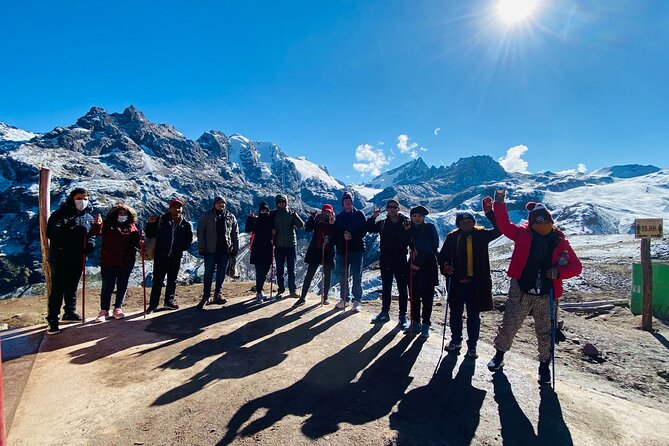
If you want the Rainbow Mountain experience without nickel-and-diming your day, I think this is a strong choice. The biggest strengths are simple: included meals, entry, round-trip transport, and a bilingual guide who helps with pacing and understanding what you’re seeing. Names like John, Wilson, Andres, and a well-organized team dynamic show up again and again, and that usually means the guide experience isn’t an afterthought.
Book it if you can handle the early start and you take altitude seriously. Plan to acclimatize, dress for cold, and don’t force pride on the climb—if you need a horse option, it’s there for a reason.
Don’t book it if you’re looking for a casual day, or if altitude already makes you feel unsafe. In that case, you’ll have a better time scaling down expectations or choosing a different plan that keeps you closer to Cusco’s elevation.
FAQ
How early is the pickup for Vinicunca from Cusco?
The tour runs daily with departures from about 4:00 a.m. to 4:30 a.m., and hotel pickup is included within Cusco. Plan for a very early start.
What altitude do you reach on this Rainbow Mountain trip?
The program lists the altitude as about 5100 meters above sea level.
Is breakfast and lunch included in the price?
Yes. You get one breakfast stop (about 30 minutes in Cusipata) and a buffet lunch after the return to Cusipata.
Is the entry ticket to Vinicunca included?
Yes. The admission ticket to the Mountain of Colors is included.
Are horses included on the hike?
No. Horse rental is listed as not included, though you can hire one if you choose.
What fitness level do I need?
The tour is marked as level 3 and recommends a moderate physical fitness level. It also strongly suggests being in Cusco for at least 2 days to acclimatize before attempting the climb.