REVIEW · CHINCHERO VILLAGE TOURS
Sacred Valley: Chinchero, Maras, Moray, Ollantaytambo Private or Small-Group
Book on Viator →Operated by Visit South America · Bookable on Viator
Salt, terraces, and textiles in one long day. This Sacred Valley outing ties together Inca history, working local crafts, and a couple of the most striking man-made places you’ll see near Cusco. You’ll go from Chinchero’s weaving culture to Moray’s temperature-testing ruins, then on to the stepped salt pans of Maras, finishing in the fortress town of Ollantaytambo.
I especially loved two things: the hands-on feeling of Chinchero textiles, with time spent learning traditional women’s tissue-and-coloring techniques, and the way guides keep the day moving without turning it into a mad dash. In real terms, you get help getting oriented, and guides like Noe and Guillermo were noted for being strong with explanations and taking great photos.
One consideration: expect a long day of driving, plus the occasional waiting time that can happen when the pickup schedule adjusts. It’s still a smart itinerary, but you’ll feel it by the time you head back toward Cusco.
In This Review
- Key highlights worth planning around
- How the Sacred Valley route fits into an 8–9 hour day
- Chinchero’s archaeological complex and the textile lesson that changes how you see it
- The Sacred Valley drive: valleys, viewpoints, and your first taste of the route
- Moray: the Inca agricultural testing domes (and what to look for)
- Salinas de Maras: thousands of salt pools carved into the mountain
- Ollantaytambo: fortress terraces, Temple of the Sun, and Manyaraqui Square
- Price and value: what you’re really paying for
- Guide and driver: how it affects your day more than you expect
- Lunch plan: don’t guess—plan where your meal comes from
- Who should book this Sacred Valley circuit (and who might not)
- Should you book this Chinchero–Maras–Moray–Ollantaytambo tour?
- FAQ
- How long is the tour?
- Where does the tour pick you up from?
- What sites are included in the itinerary?
- Are entrance fees included in the price?
- Is lunch included?
- What languages does the guide speak?
- Is this a private tour?
- What’s included besides the guide and transport?
- What happens if the weather is poor?
Key highlights worth planning around
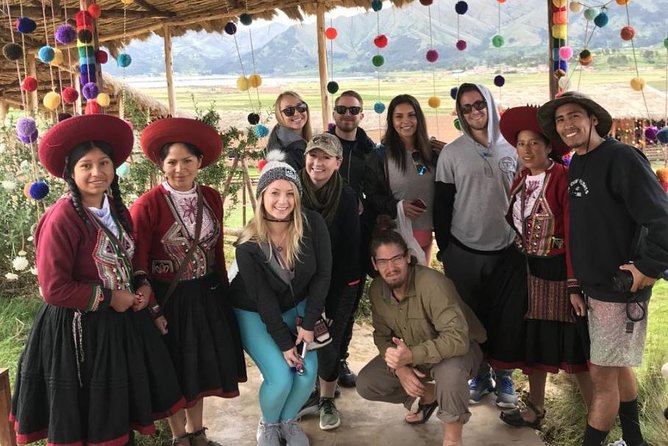
- Chinchero textile techniques with a focus on women’s traditional tissue and coloring methods
- Moray’s Inca agricultural testing site where dome-like structures were used to test growing conditions
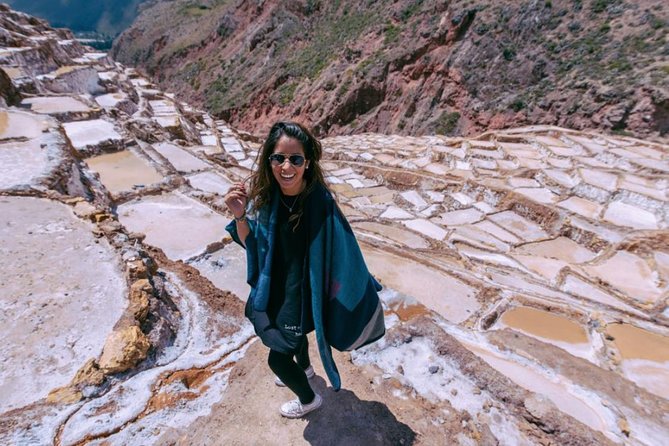
- Salinas de Maras salt mines with thousands of carved salt pools fed by a mountain stream
- Ollantaytambo fortress details including the Temple of the Sun and Manyaraqui Square
- Small-group or private attention with a bilingual guide (English/Spanish)
- Extra peace of mind from onboard first-aid kid/oxygen and round-trip hotel transfers
How the Sacred Valley route fits into an 8–9 hour day
This is built for people who want the classic Sacred Valley hits without juggling tickets, shuttles, or separate guides. You’ll be picked up around 8:00am and returned to Cusco around 4:00–5:00pm, depending on timing and traffic.
The tour runs as either private or small-group, and that matters more than you might think. In places like Chinchero, Moray, and Ollantaytambo, there’s plenty to look at, but also a lot of stone steps and uneven ground. With a smaller setup, you’re more likely to get quick answers, clearer viewing spots, and more time to ask questions instead of just following the crowd.
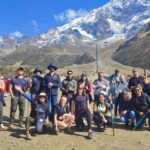
Also, the drive itself is part of the experience. You’ll pass through valleys and catch snow-capped Andes peaks in the mix when conditions are right. Just plan your expectations: this is not a slow, one-stop wander. It’s a full circuit.
A practical note: the admission fees for the sites aren’t included in the base price, so you’ll want to budget for that up front (more on value later). And because this region runs on outdoor time, good weather helps. If conditions are poor enough that the tour can’t operate as planned, you’ll be offered another date or a full refund.
You can also read our reviews of more private tours in Cusco
Chinchero’s archaeological complex and the textile lesson that changes how you see it
Chinchero is the kind of place where you can read the stones and the living culture at the same time. The tour starts with the archaeological complex area for about an hour. You’re there to learn how the Incas shaped the landscape and how the town’s craft traditions connect to life today.
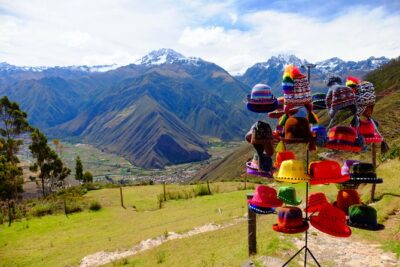
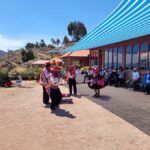
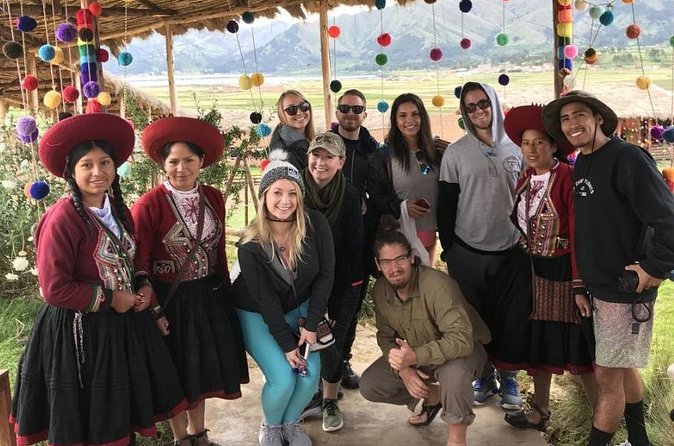
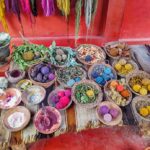
But what makes this stop stand out is the attention to textiles and coloring. You’ll spend time learning traditional women’s tissue and coloring techniques. That turns Chinchero from just a sightseeing stop into something you can actually understand with your hands and eyes—how patterns get made, how colors are prepared, and why the craft matters beyond souvenirs.
One small caution: this is a busy stop. If you’re hoping for a long sit-down to study every stone, you might feel a little rushed. Still, the pay-off is that you leave with context. Later, when you see terraces, agricultural logic, and Inca engineering in Moray and Ollantaytambo, the day feels like a connected story instead of separate attractions.
The Sacred Valley drive: valleys, viewpoints, and your first taste of the route
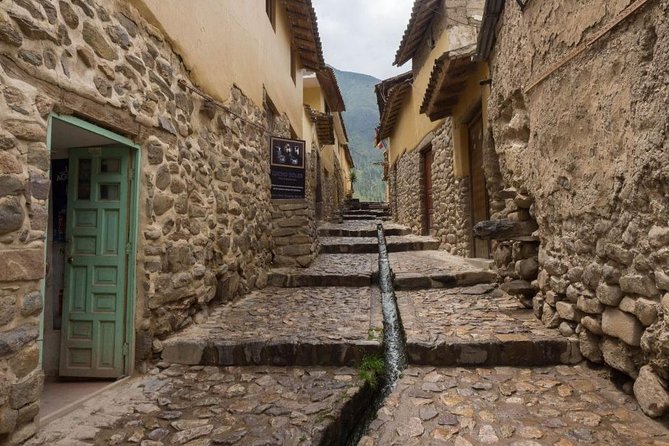
After the initial Chinchero start, the day keeps flowing through the Sacred Valley. You’ll pick up at 8:00am and drive roughly 45 minutes to a nearby start point in Chinchero again—this time focusing more on local arts and textiles by people from the area, before heading toward the core sites.
You’ll also notice how the itinerary uses the valley itself as a “moving exhibit.” The route is built so you see more than one kind of valley scenery as the altitude and terrain shift. When snow-capped peaks show up, it can make the long drive feel less like transit and more like a slow reveal.
If you’re the type who hates feeling stranded, this part helps. Your guide isn’t just moving you from A to B—they’re talking history and culture while you’re in the car, which makes the total time feel useful.
Moray: the Inca agricultural testing domes (and what to look for)
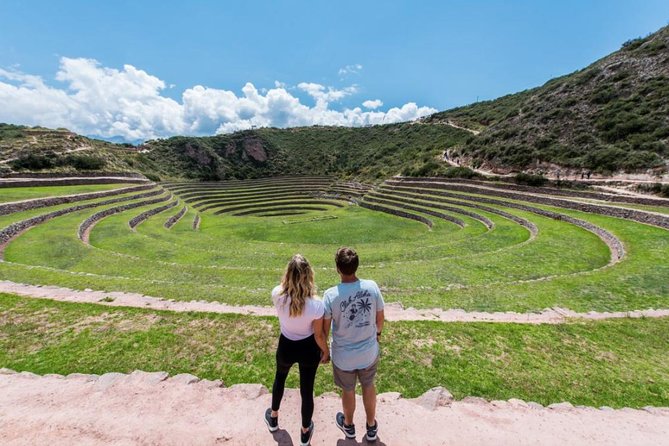
Moray is the Inca site that explains, in a physical way, how seriously the Incas treated agriculture. Expect around 40 minutes at Moray, including about 30 minutes exploring when the schedule settles.
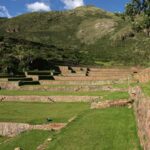
The key idea here is simple: the Inca carved dome-like structures into the ground to test which conditions worked best. Different levels mean different temperatures and growing conditions. Instead of guessing, they experimented—using architecture as a lab.
When you’re there, don’t just take photos and move on. Look for how the shape changes the feel of the space. The domes are what create the testing zones. You’ll likely hear a guide connect the geometry to crop outcomes, which is exactly what you want—because it turns the site into a lesson, not a viewpoint.
Moray is also one of those places where having a guide matters. You’ll get more out of it if you understand why the site looks the way it does, rather than just seeing impressive ruins.
Salinas de Maras: thousands of salt pools carved into the mountain
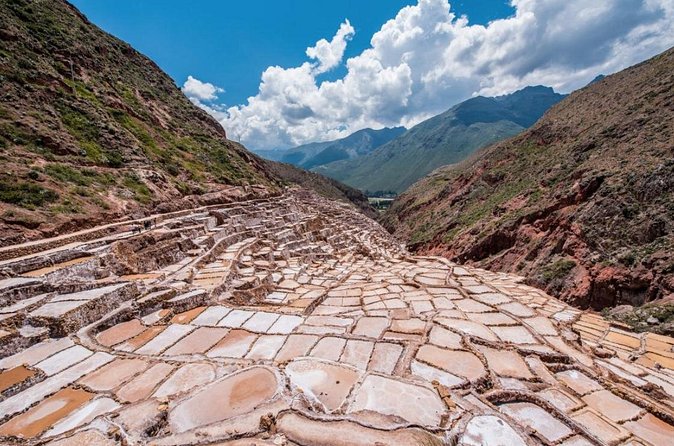
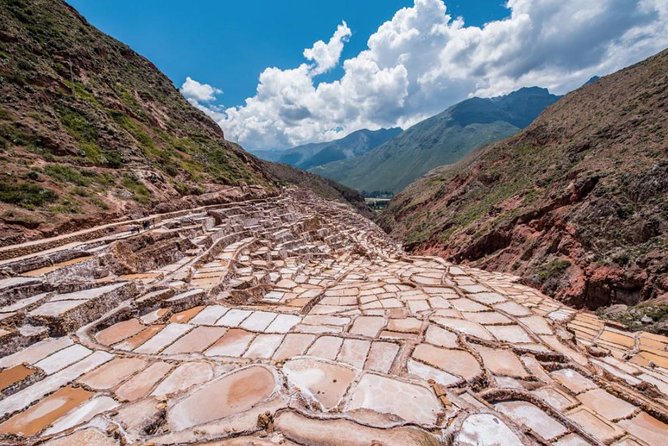
Then comes Maras, one of the most visually unforgettable places in the region. The tour spends about 40 minutes at Salinas de Maras, a salt mine system that dates back to pre-Inca times.
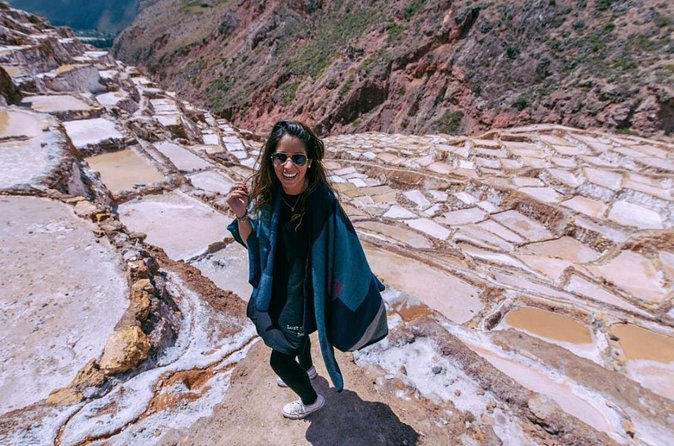
You’ll walk through an area with roughly 3,000 salt pools carved into the mountainside. The pools are supplied by a mountain stream of water. It’s hard to describe how strange and beautiful it looks until you see it: a whole hillside turned into a patchwork of shallow basins, all built around water and timing.
Here’s what you should focus on while you’re there:
- The way pools step across the slope
- The relationship between water flow and how the salt forms
- The sheer scale—3,000 pools changes your sense of the place
There’s not much shade, so plan for sun. Also, if you’re sensitive to long walking on uneven ground, keep it steady. This is a short stop, but it’s one where footing matters.
Ollantaytambo: fortress terraces, Temple of the Sun, and Manyaraqui Square
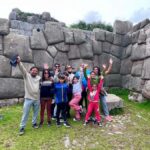
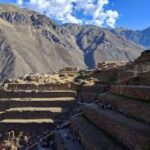
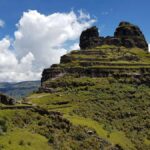
The day ends in Ollantaytambo, with about 30 minutes at the archaeological park. This is the classic hillside fortress town: massive stonework, terraces, and steps that rise toward the highest points.
The tour highlights several specific areas, including the Temple of the Sun and Manyaraqui Square. What makes Ollantaytambo satisfying is how “complete” it feels compared to some ruins. You’re not only looking at stones—you’re looking at a layout that shows how people moved through space.
If you want to get the most out of this stop, aim for a two-step approach. First, take a moment just to orient yourself: where the terraces climb and where the major features sit. Then let your guide point out the structure logic—how the town’s layout and stone formations connect to defense and daily life.
It’s also a place where the small-group setup can help. People who had trouble climbing earlier in the day were supported, which is exactly what you want from a good guide: calm, direct help when the terrain gets real.
Price and value: what you’re really paying for
The base price is $148.72 per person, and the total experience is about 8 to 9 hours. That includes round-trip transfers from Cusco or Sacred Valley hotels, plus a bi-lingual guide (English/Spanish), and first-aid kit/oxygen onboard.
What’s not included is just as important: admission tickets for the major sites. The listed admission cost is $30.00 per person for entrances covering places like Chinchero, Maras, Moray, Urubamba, and Ollantaytambo.
So your realistic total to budget is about $178.72 per person, assuming you’ll want entry at all included stops. For a day that includes transportation, a bilingual guide, and multiple major sites, that’s fairly standard for the region—especially because you’re not paying separate guides for each stop.
Where you’ll get real value is in the “between” moments: explanations during driving, photo guidance, and not having to figure out timing. That’s also why this tour tends to get booked well ahead—on average, about 76 days in advance—because people know the best route doesn’t leave much slack.
Guide and driver: how it affects your day more than you expect
This itinerary works when the guide keeps the day coherent. When the guide is good, you understand why each stop matters, and the car time becomes part of the story instead of dead time. The guides mentioned in past experiences—like Noe and Guillermo—were praised for being organized, answering questions, and taking solid photos.
That last point is underrated. On a day packed with terraces, domes, and salt pools, you’ll want photos that actually include what you came for. If a guide is willing to take your picture quickly and clearly, you’ll spend more time looking and less time wrestling with your own camera.
Drivers also matter here because the road can be intense in places. If you’ve ever worried about being carsick or about getting safely past rocky stretches, this route is handled professionally by the driver. You’ll still feel the day is long, but you shouldn’t feel unsafe.
There’s also one “real world” thing to keep in mind: if a guide needs to be replaced last minute, the schedule can shift. In at least one past case, a new guide stepped in and the tour combined with another person. If you want a very strict private-only feel at every moment, treat small-group dynamics as part of the deal, even when you book with that expectation.
Lunch plan: don’t guess—plan where your meal comes from
Lunch isn’t included. That means you’ll need to plan for food either by stopping for your own meal near the route or by purchasing lunch when there’s an opportunity.
Because the day is structured with several short time blocks—about an hour at Chinchero, then shorter stops at each major site—don’t assume there’s time for a long restaurant sit-down. If you do prefer a proper meal, I’d recommend budgeting extra time earlier in the day or bringing a snack you can eat quickly between stops.
Also bring water. Even if the weather is mild, you’ll be outdoors near salt and stone, and the walking adds up.
Who should book this Sacred Valley circuit (and who might not)
This tour fits you if:
- You want a high-coverage Sacred Valley day without complex planning
- You care about Inca agriculture and engineering, not only big-name ruins
- You’re interested in culture through crafts—especially Chinchero textiles
- You like having a bilingual guide to explain what you’re seeing in plain terms
You might skip it if:
- You hate long driving days and would rather pick fewer sites
- You want lots of independent time at each monument with no guidance
- You’d rather have lunch included (since here you’ll need to handle meals yourself)
It also makes sense for travelers who value help on uneven steps. Support was specifically mentioned by people who had trouble climbing, which suggests guides take terrain seriously rather than pretending it’s easy.
Should you book this Chinchero–Maras–Moray–Ollantaytambo tour?
If your goal is to see the Sacred Valley’s biggest ideas in one day—textiles at Chinchero, agricultural testing at Moray, salt engineering at Maras, and the stone fortress energy at Ollantaytambo—this tour is a strong choice. The value comes from the full route plus the bilingual guiding, and from the fact that the day is built to connect the sites so you learn as you go.
Book it when you:
- Like structured itineraries that maximize time
- Want a guide who helps you understand the “why,” not just the “where”
- Can handle a long day of driving and a few short stops
If you’re the type who wants slow pacing and deep hangs at each site, consider a slower alternative. But if you want the classic Sacred Valley circuit done right, with transfers and guidance, I think you’ll feel glad you booked this one.
FAQ
How long is the tour?
It runs about 8 to 9 hours.
Where does the tour pick you up from?
You’ll get round-trip transfers from Cusco or Sacred Valley hotels.
What sites are included in the itinerary?
You’ll visit Chinchero, Moray, Salinas de Maras, and the archaeological park in Ollantaytambo.
Are entrance fees included in the price?
No. Admission fees are listed as $30.00 per person for entrances for the included sites.
Is lunch included?
Lunch is not included.
What languages does the guide speak?
The guide is bi-lingual in English and Spanish.
Is this a private tour?
This experience can be private or small-group, and only your group participates.
What’s included besides the guide and transport?
Private transportation, a bi-lingual guide, and first aid kit/oxygen are included.
What happens if the weather is poor?
This experience requires good weather. If it’s canceled due to poor weather, you’ll be offered a different date or a full refund.