REVIEW · MACHU PICCHU TOURS
5 Day – Tour to Machu Picchu Traditional – Group service
Book on Viator →Operated by Valencia Travel Agency S.a.c. · Bookable on Viator
Cusco hits you with history fast, then Machu Picchu turns the volume up. I like that this trip is built around smooth logistics (hotel, train, bus, transfers, and key tickets), and I also like the small group size that makes the day feel less rushed. One thing to think about: it starts early for Machu Picchu sunrise and involves a fair amount of walking, so you’ll want moderate physical fitness and good shoes.
The value here is in what’s packed in for a single price: you’re not juggling planning for trains, buses, entrance fees, or getting from place to place in Cusco and the Sacred Valley. You’ll also get a professional guide in English/Spanish, plus breakfasts during the 4 hotel nights, so you spend more energy on the sights and less on logistics.
You’ll be moving through big “wow” moments: Inca-leaning Cusco views, Sacred Valley towns and markets, then the train ride into Hot Springs Town before sunrise. If you’re the type who likes clear schedules and a guide to translate the story behind the stones, this works well. If you want total freedom with no structure, you may feel the pace is tight.
In This Review
- Key points you’ll care about
- Cusco on day one: Qorikancha, Santo Domingo, and the Inca walls
- Sacred Valley markets: Pisac and Chinchero with time to bargain
- Ollantaytambo: old streets, canals, and a town that still lives
- Train to Aguas Calientes: the scenic reset before Machu Picchu
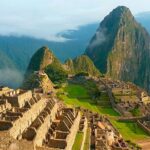
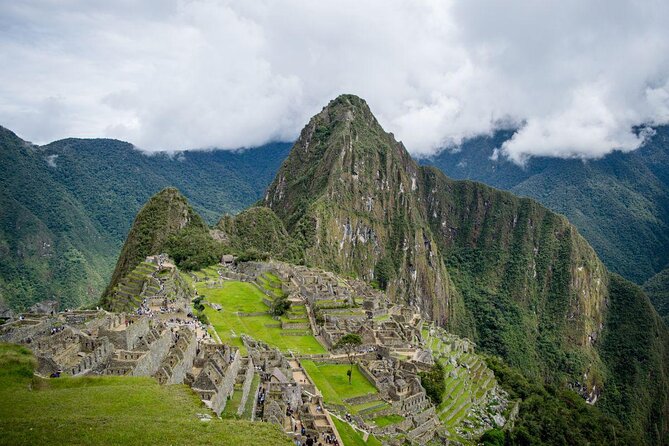
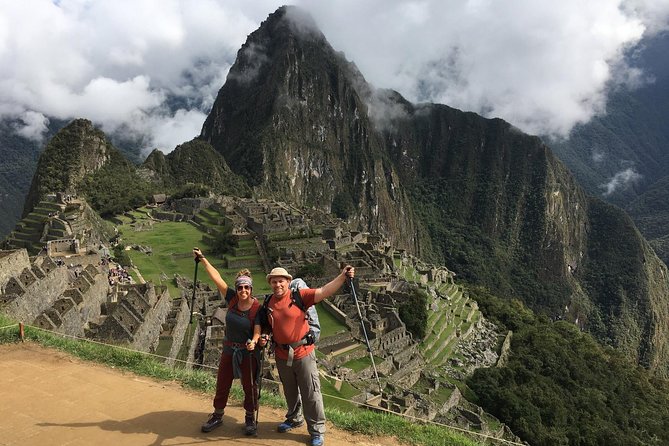
- Sunrise Machu Picchu: bus up, guided walk, then your own time
- Hotel nights and breakfasts: what Casa Andina gives you
- Price and logistics: what $813 covers, and what costs extra
- Pace, altitude, and group size: who this fits
- Smooth handoffs: pickups, mobile tickets, and how the day runs
- Should you book this 5-day Machu Picchu tour?
- FAQ
- How long is the tour, and how many nights are included?
- Where does the tour start, and what is the meeting time?
- What hotel does the tour include for the 4 nights?
- Are train and bus tickets to Machu Picchu included?
- Do I get sunrise access to Machu Picchu?
- Is the hot springs admission included?
- Are entrance fees included for the stops in the itinerary?
- Is there an extra cost for Wayna Picchu?
- What are the minimum age and group limits?
Key points you’ll care about
- Small group max 15 travelers for a more personal experience
- Sunrise Machu Picchu with an included guided walking tour, then time to explore on your own
- Train + bus tickets covered (round-trip Expedition Train; round-trip bus Aguas Calientes to Machu Picchu)
- Entrance fees included for the listed archaeological sites and markets
- 3-star Casa Andina hotel for 4 nights with breakfast each morning
- Professional guide in English/Spanish, plus airport transfers
Cusco on day one: Qorikancha, Santo Domingo, and the Inca walls
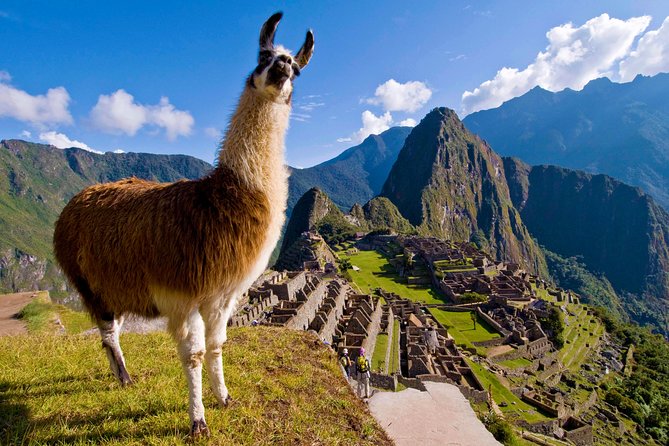
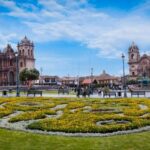
Day one is Cusco, with a mix of Inca foundations and Spanish-era religious power. You’ll be brought to your hotel after arrival, then you’ll meet your guide for a tour briefing. The start time is set at 12:00 pm, and from there you’ll ease into the city with guided stops and enough free time after.
First up is Qorikancha (Temple of the Sun). This is one of those places where you can feel the layers: Inca sacred design with later religious use. It’s a short stop with included admission, but it’s the right opener because it sets the theme of the whole trip: Sacred Valley spirituality, then the way empires built on top of each other.
Next is Convento Santo Domingo, a religious site built over the earlier Inca complex. Even if you’re not chasing museum-style detail, it’s worth slowing down here. Short stop or not, the point is to see how Cusco’s power centers stayed powerful even as rulers changed.
From there, you’ll move to the stone-heavy Inca sites outside the center:
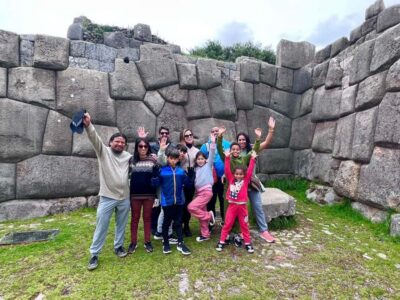
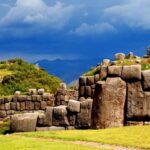
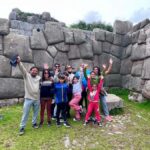
- Sacsayhuaman: impressive stonework, some blocks up to 120 tons, and admission is marked free.
- Q’enco: a ceremonial place linked to adoration of the Earth.
- Puka Pukara: used as a military control center.
- Tambomachay: connected to worship and devotion to water.
These are not long museum sessions, so the payoff is in seeing the “shape” of Inca engineering and how it relates to place. You’ll also get free time for Cusco’s nightlife or eating typical local food, which is a nice touch on day one. After a day like this, I recommend keeping that first night simple and early. Cusco altitude can remind you quickly that you’re at elevation.
You can also read our reviews of more tours and experiences in Cusco
Sacred Valley markets: Pisac and Chinchero with time to bargain
Day two is a full Sacred Valley day with market time built in. After breakfast, you’re picked up from your hotel at 8:00 am. The focus is Urubamba Valley towns, with stops designed around crafts, local food, and the everyday culture that makes the valley feel real, not staged.
The first major stop is Pisac Archaeological Park paired with the colorful Pisac market experience. Pisac sits right at the entrance to the Sacred Valley (about 19 miles from Cusco, at roughly 9,700 feet), so it works as both a “gateway” and a strong early-world snapshot. You’ll spend about two hours here with included admission. The itinerary explicitly gives you a chance to test your bartering skills and interact with local craftsmen.
A practical tip: market energy can be overwhelming, especially if you arrive hungry. If you tend to buy quickly, set a small plan in your mind. Pick one or two items you actually want, then use the rest of the time to watch how sellers set prices and how trading works.
Then you head to Urubamba for lunch at Tunupa restaurant. This is buffet style and built into the schedule with a 50-minute stop. You’ll get a planned meal and then continue to Ollantaytambo.
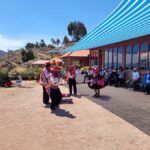
The last market stop is Chinchero. This one is different from Pisac because it’s described as less tourist-oriented, and it’s tied to a local story of the mythical birthplace of the rainbow. You’ll have about an hour here, and admission is included. Chinchero’s appeal is that it feels less like a shopping route and more like a village market rhythm, which makes it a good contrast to Pisac.
Ollantaytambo: old streets, canals, and a town that still lives
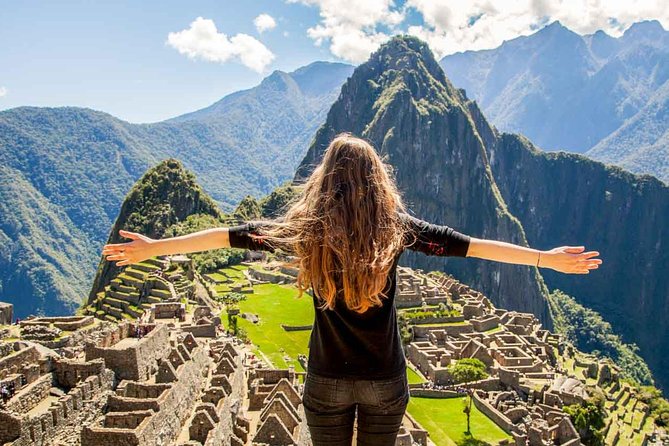
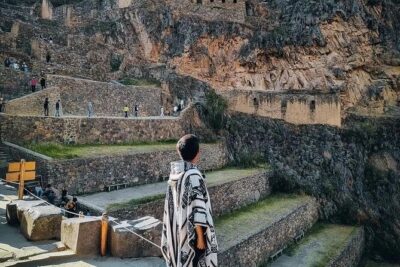
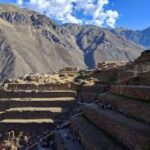
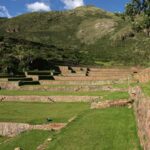
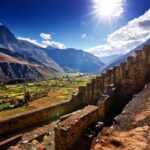
Ollantaytambo is where the Sacred Valley starts to feel like an actual place you could live, not just a stop you pass through. You’ll visit the archaeological park for about two hours, and the itinerary notes that Ollantaytambo is the oldest continuously occupied town on the American continent. That’s a bold claim, but the way the town is described matters: narrow streets, canals, and continuity from the Inca era.
Why this stop matters on a trip like this: Machu Picchu often steals the spotlight, but Ollantaytambo is a helpful bridge. It shows how Inca urban planning and water logic still shaped daily life. If you’re tired of just “looking at ruins,” this one usually lands well because it’s both historic and lived-in.
Admission is marked free for this stop, which also helps you feel the “ticket value” of the package. The day ends with a return to the Plaza de Armas in Cusco around 6:30 pm, giving you a proper evening instead of a midnight scramble.
Train to Aguas Calientes: the scenic reset before Machu Picchu
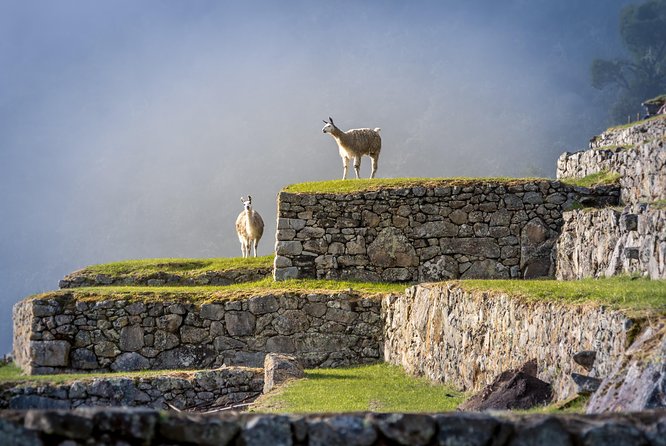
Day three is travel by train, and it’s more than a transfer. You’ll be picked up at 8:00 am (time confirmed later) and taken to the station. The train leaves at 11:30 am, though the itinerary notes the time may change based on availability and timetable.
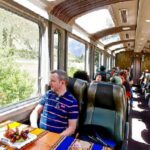
The ride is about 3.5 hours, and the highlight is the views on the way down toward Aguas Calientes, also called Hot Springs Town. You’ll arrive, then spend the night there, with time to relax. Since the itinerary mentions you might enjoy a hot bath in the natural springs, the town functions like a reset button. You can plan a low-key evening, get your bag ready for sunrise, and avoid turning day three into another “do everything” day.
This is also when the trip becomes a practical exercise in altitude and pacing. If you’re used to mountains, you’ll still want to take it easy. If you’re new to it, treat day three like a recovery day. That helps you enjoy Machu Picchu rather than just survive it.
Sunrise Machu Picchu: bus up, guided walk, then your own time
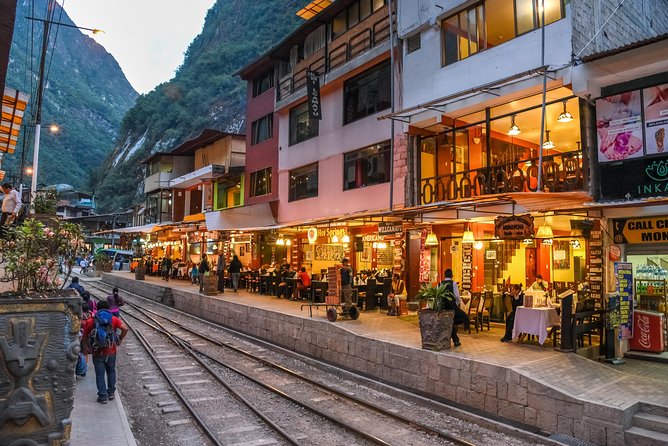
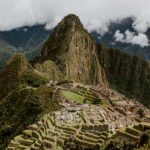
Day four is the core day, and the schedule is built around catching the sunrise. Breakfast comes first. Then your guide picks you up from your hotel at 5:40 am. You take the bus up to Machu Picchu to catch sunrise, then begin a guided walking tour of about two hours.
This structure is smart. The sunrise timing is a major reason people pick this style of tour, and the guide-led walk helps you read what you’re seeing instead of wandering through it like a photo line. After the guided portion, you’ll get time to explore the site on your own.
The itinerary also includes the practical “down” plan:
- you take the bus down to Aguas Calientes for lunch later
- then you board the train back to Ollantaytambo
- once you arrive, the group picks you up and transfers you back to your hotel in Cusco
Admission to Machu Picchu is included as part of the package structure (the tour lists site entrance fees under included items), and your local bus ride between Aguas Calientes and Machu Picchu is also included round-trip.
Two add-on points to keep straight:
- Hot springs admission is not included. The itinerary lists a fee of about US$5.
- Wayna Picchu is optional and costs extra.
If you’re deciding on Wayna Picchu, think about how much walking you want after sunrise. This trip already includes early pickup, a bus ride, and a guided two-hour walk. Adding extra climbs may be worth it for you, but it’s not automatic.
Hotel nights and breakfasts: what Casa Andina gives you
You’ll have 4 nights of accommodation at Casa Andina 3-star hotels (or similar standard). Each morning during those nights includes breakfast. That matters more than it sounds, because Machu Picchu day starts in the dark and you don’t want to be hunting for food while you’re still waking up.
Casa Andina also helps with consistency. You know where you’ll be sleeping, and the itinerary relies on pickup from your hotel on Machu Picchu day and on the return nights. With a group service like this, that kind of consistency reduces stress.
You’ll also be in Cusco again after day four, which helps you avoid that “only have one chance to explore” feeling. Even if you keep day five light, you’ll have the comfort of a familiar base.
Price and logistics: what $813 covers, and what costs extra
At $813 per person, you’re paying for a true package: train tickets, the Machu Picchu bus rides, four hotel nights with breakfast, and site entrance fees. On top of that, transfers in/out to the airport are included, plus your guide and English/Spanish commentary.
Here’s what is clearly included:
- all transfers to/from the airport
- round-trip bus from Aguas Calientes to Machu Picchu
- 4 nights lodging at a 3-star hotel (Casa Andina or similar)
- entrance fees to the listed archaeological attractions
- professional guide (English/Spanish)
- round-trip Expedition Train tickets
- breakfast for 4 mornings
What’s not included (so you don’t get surprised):
- single supplement: $172 (if you book solo)
- international and local airfares
- hot springs admission at Machu Picchu (US$5)
- meals not otherwise stated
- optional Wayna Picchu climb (extra cost)
- and standard extras like that, depending on your tastes at lunch and dinner
From a value angle, the biggest win is that you don’t have to coordinate train times, bus entries, and ticket access on your own. Sacred Valley and Machu Picchu planning can get complicated, especially if you’re trying to match your Machu Picchu entry to a sunrise schedule. This itinerary is built to handle that for you.
Pace, altitude, and group size: who this fits
This is a classic group route with an efficient pace. The itinerary calls for moderate physical fitness. That doesn’t mean it’s a hardcore hike day after day, but it does mean you’ll handle walking on uneven ground, museum-style wandering, and an early start for sunrise.
The tour caps at 15 travelers. That size is big enough to keep costs manageable, small enough to still feel personal. The itinerary also mentions small-group service as a highlight, and the reviews emphasize the organization and the guides being superb. Even without listing guide names here, you can read the pattern: the plan is tight, and that usually comes from strong on-the-ground leadership.
Altitude note: Cusco and the Sacred Valley are high. You’ll feel it mostly through energy levels, not through pain. Drink water, take breaks when you need them, and don’t treat day one like a sprint. Your Machu Picchu day will go better if day one and day two are controlled.
If you’re traveling solo but don’t want to drive yourself crazy with planning, this can be a solid choice. It’s also a good fit for first-timers who want the big Sacred Valley towns in one go.
Smooth handoffs: pickups, mobile tickets, and how the day runs
A few “small” details matter on trips like this. The tour notes pickup offered and a mobile ticket, which usually means less paper chaos at the station and on transfers. Airport transfers are included, so you’re not left figuring out buses or taxis right after landing.
You’ll see scheduled pickups:
- day one: hotel pickup after arrival and then a guide briefing
- day two: hotel pickup at 8:00 am
- day three: pickup at 8:00 am (to be confirmed), then train at 11:30 am
- day four: pickup at 5:40 am for the sunrise bus
The overall feel is “handed off” rather than “self-managed.” That’s part of why this style is recommended for people who want to show up, follow the plan, and let the guide handle the timing.
You also get site entrance tickets directly tied to the stops. Some stops are marked free in the itinerary, but the tour also lists entrance fees under included items, so your ticketing load should be lighter than DIY.
Should you book this 5-day Machu Picchu tour?
Book it if you want:
- a guided Cusco and Sacred Valley day that explains what you’re looking at
- a sunrise Machu Picchu plan built around the bus and train schedule
- minimal ticket juggling (train, bus, and entrance fees are handled)
- a manageable group size (max 15) and a professional guide in English/Spanish
Skip it or consider a different style if:
- you dislike early starts or you prefer fully independent pacing
- you want to spend lots of time hiking beyond the main site plan (Wayna Picchu is optional and costs extra)
- you’re hoping for long free afternoons every day; this itinerary is structured and active
For most first-time Peru visitors, this hits a good balance of big sights plus workable logistics. It’s also priced in a way that feels fair given how many components are bundled together.
FAQ
How long is the tour, and how many nights are included?
The tour runs for about 5 days and includes 4 nights of accommodation.
Where does the tour start, and what is the meeting time?
It is based in Cusco, Peru, and the meeting start time is 12:00 pm.
What hotel does the tour include for the 4 nights?
The tour includes 4 nights at Casa Andina 3-star hotels (or similar standard), with breakfast included.
Are train and bus tickets to Machu Picchu included?
Yes. Round-trip Expedition Train tickets are included, and round-trip bus transportation from Aguas Calientes to Machu Picchu is included.
Do I get sunrise access to Machu Picchu?
Yes. On day four you leave your hotel at 5:40 am to catch sunrise, then you join a guided walking tour.
Is the hot springs admission included?
No. Hot springs admission at Machu Picchu is not included and is listed as US$5.
Are entrance fees included for the stops in the itinerary?
Yes. Entrance fees to the archaeological attractions are included.
Is there an extra cost for Wayna Picchu?
Yes. Climbing Wayna Picchu is optional and has an additional cost.
What are the minimum age and group limits?
The minimum age is 10 years. The tour has a minimum of 2 people per booking and a maximum of 15 travelers.