REVIEW · CHINCHERO VILLAGE TOURS
From Cusco: Moray, Maras Salt Mines & Chinchero Weavers Half-Day
Book on Viator →Operated by Apu Ausangate Trek · Bookable on Viator
Terraces and salt pools, all before dinner. This Cusco tour threads together three big Sacred Valley hits: Chinchero weaving and market life, Moray’s strange terraced “agricultural lab,” and the Maras Salt Mines with thousands of salt pans. It’s a smart way to get a strong taste of the Andes without committing to a full day in the car.
I love how the stops are designed for both visuals and hands-on context: you’ll watch traditional textile dye work tied to Quechua traditions, and you’ll get clear explanations that connect what you see to how people farm and work. The tour also keeps things manageable with a small group size (up to 16), which makes photo stops and questions feel easier than on bigger buses.
The main thing to plan for is the pace. This run is long for a half-day concept (about 6–7 hours), and there’s no included lunch stop, so I recommend bringing snacks and water to avoid getting hangry at altitude.
In This Review
- Key highlights to look for
- One half-day that really means a full Sacred Valley loop
- Chinchero: market bartering, weaving workshops, and natural dye colors
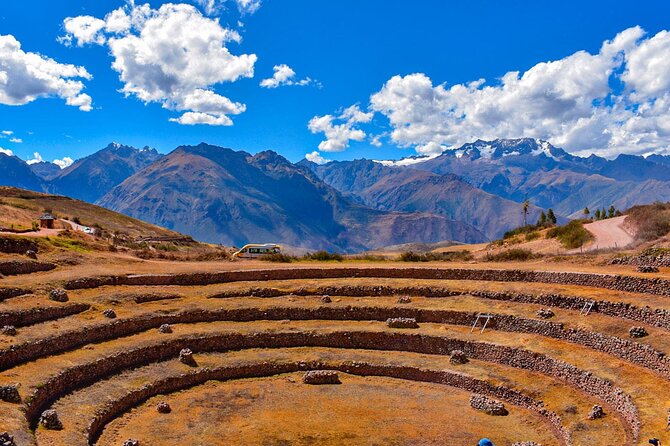
- Moray: terraced irrigation and an altitude experiment at 3,450 m
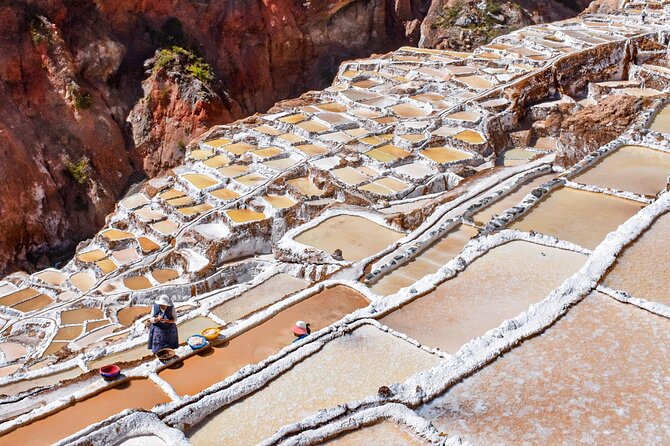
- Maras Salt Mines (Salineras): 3,000 pools and the work of centuries
- Cusco timing, comfort, and what to pack for 6–7 hours
- Price and value: a low tour fare plus two ticketed sites
- Guides, bilingual commentary, and those small extras
- Who this tour fits (and who should choose differently)
- Should you book the From Cusco: Moray, Maras Salt Mines & Chinchero Weavers Half-Day?
- FAQ
- What time do you get picked up from Cusco?
- How long is the tour?
- Which stops have free admission?
- How much are the entrance tickets for Moray and the Salt Mines?
- Is lunch included?
- How many people are in the group?
Key highlights to look for
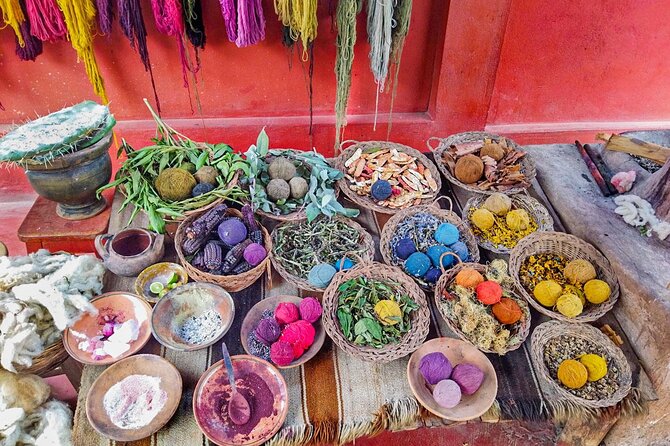
- Chinchero market bartering and Quechua weaving: watch traditional methods and learn where colors come from using plants
- Natural dye explanations (and photo-friendly moments): you may get a chance to dress in Andean clothing for pictures
- Moray’s terraced microclimates: irrigation plus different levels of terraces create different growing conditions
- Maras Salt Mines at Salineras: 3,000 small pools fed by hot springs, worked for centuries
- Time-efficient Sacred Valley loop: you’ll cover multiple iconic sites with a return around mid-afternoon
One half-day that really means a full Sacred Valley loop
This is sold as a half-day tour, and the math is close: expect roughly 6–7 hours from Cusco out into the Sacred Valley and back. Pickup typically starts between 8:20 am and 8:40 am, and you’re back near Plaza de Armas around 3:15 pm, which can be handy if you still want lunch plans or an afternoon agenda in Cusco.
The big win here is concentration. Instead of picking just one major site, you hit three that people usually treat as separate day trips: Chinchero, Moray, and Maras Salt Mines. That makes it a strong choice if it’s your first time in the region or you’re short on time.
Also, entrances matter for budgeting. Chinchero and Cusco-related parts are free with the tour, but Moray and the Salt Mines require paid tickets on-site.
You can also read our reviews of more tours and experiences in Cusco
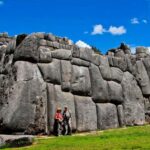

Chinchero: market bartering, weaving workshops, and natural dye colors
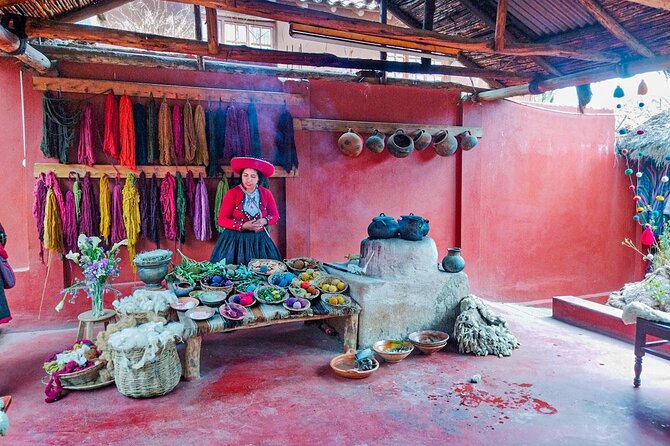
Chinchero is your first major stop in the morning at about 3,762 meters. The vibe here is practical and lived-in rather than purely archaeological: you’re focused on people’s work—markets, textiles, and the old-language culture still tied to daily life.
You’ll start with the traditional market area, where bartering is part of the routine. Then you move into an Andean textile center / weaving workshop area that focuses on how locals keep Quechua weaving traditions going. This is where the tour earns its keep: you’re not just seeing a product, you’re seeing the process.
A highlight is the dye story. Many guides explain how colors come from natural plants, and you’ll likely get extra detail on how the colors are created and used in weaving. Some groups also get little extras, like the chance to try a traditional drink or see more of how fiber work fits into daily routines (depending on what the workshop focuses on that day).
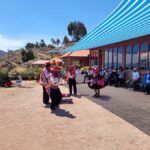
Photo-wise, it’s one of the easiest stops to enjoy. You may have an opportunity to take pictures dressed in Andean clothing, which is fun if you want something more than the usual “standing with a backdrop” souvenir moment.
One caution: this stop can feel partially “tourist-facing,” especially once you get inside the textile center. You’ll probably see real weaving and real technique, but you should expect some sales pressure around the shop side of the experience.
Moray: terraced irrigation and an altitude experiment at 3,450 m
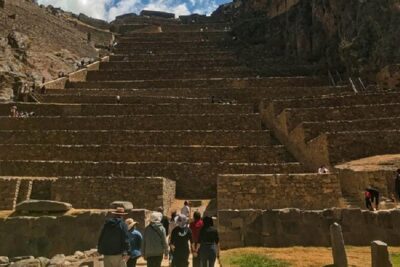
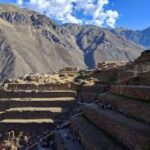
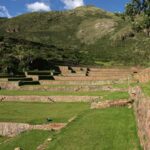
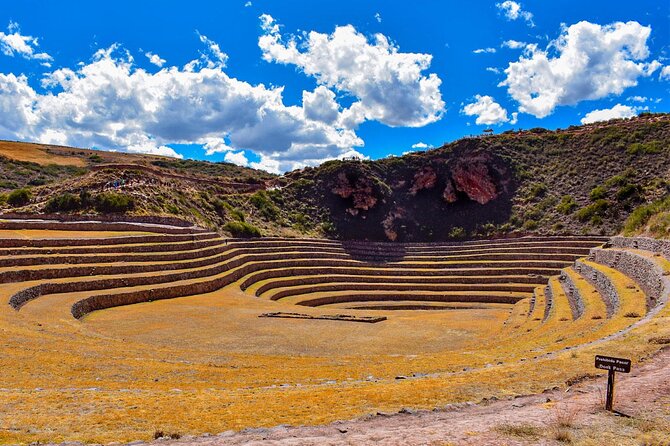
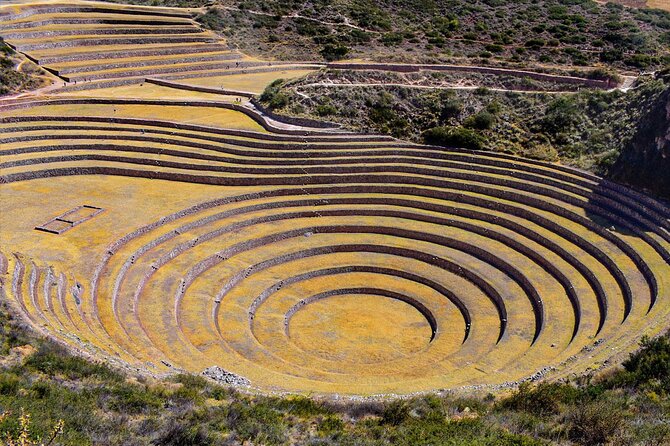
Next you head to Moray (around 3,450 meters), where the site looks like a natural bowl carved into terraces. The explanation here is the point: Moray isn’t just pretty ruins—it’s presented as an early agricultural “system,” using the terraces’ different levels and irrigation to create different growing conditions.
Different terrace levels are believed to have helped the Incas discover what crops could thrive at altitude. In plain terms, Moray is like a large, built-in set of microclimates—conditions that are usually tough to recreate at high elevations. Your guide helps connect the visual pattern of the terraces to why it would matter for growing crops that normally struggle in cold thin-air conditions.
The visit is timed for about an hour, so it’s not a long wander. Still, it’s enough time to walk the key viewpoints and understand what you’re looking at before you move on.
Practical note: Moray’s entry ticket is not included. Budget for it (the tour lists $19 or 70 soles for Moray). If you want the full experience here, don’t count on skipping the fee.
Maras Salt Mines (Salineras): 3,000 pools and the work of centuries
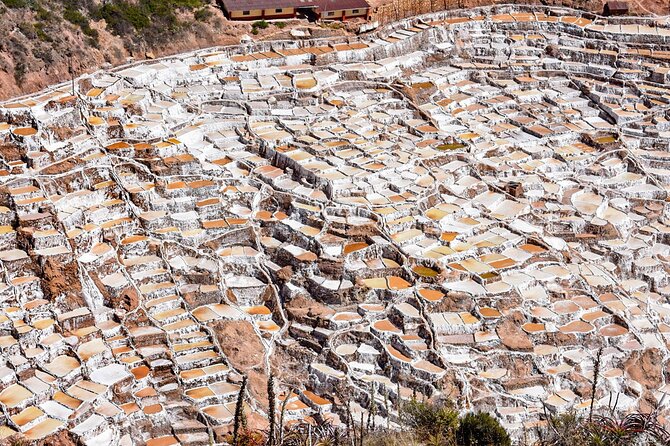
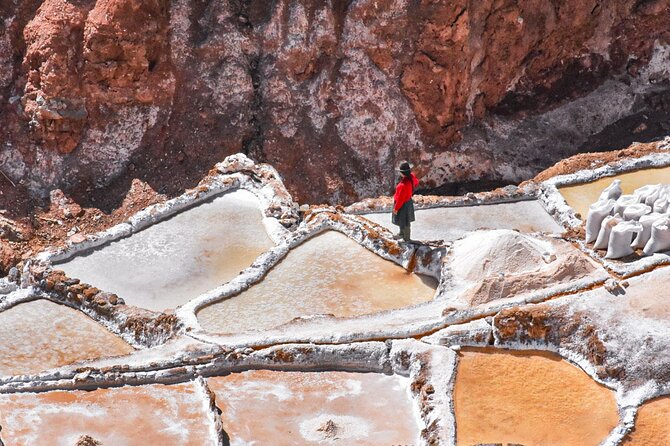
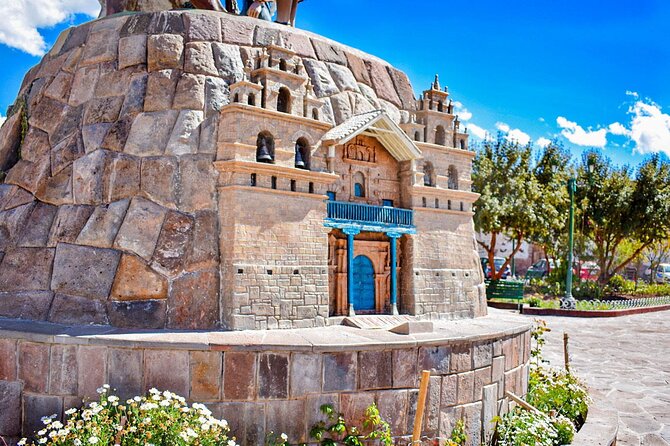
Then you roll toward the Salt Mines and pass through the Maras village area. The tour route includes a quick look at Maras Village’s colonial architectural feel, with buildings described as made from thin stone. Even if you don’t have time for a long street walk, that brief context helps you see the mines as something embedded in a living community rather than a detached tourist stop.
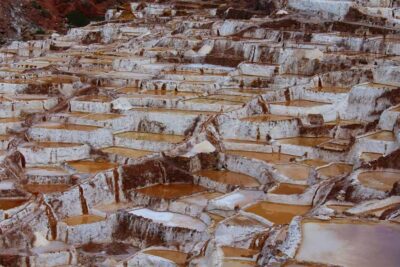
At Salineras, you’ll see the famous salt pools—reported as around 3,000 small pools. Here’s the key system detail: workers fill the pools with salt water coming from natural hot springs about every three days during the dry season. That rhythm—water, evaporation, salt recovery—explains why the mines look like a patchwork of squares rather than one big mine.
It also helps to understand what happens next. After the salt is collected, it’s ground up, treated with iodine, packaged, and sent to markets across the region. That last step is easy to miss on a quick visit, but it’s part of what makes Salineras feel relevant: you’re seeing a production chain that still runs today.
The Salt Mines ticket is not included either (listed as $6 or 20 soles). Even with the added cost, this is often the stop people remember most. The pools are visually striking, and the scale makes it hard to get bored.
Timing-wise, you’ll spend about an hour here, which is enough for photos plus a real understanding of how it works if your guide keeps the explanations clear.
Cusco timing, comfort, and what to pack for 6–7 hours
Pickup from your hotel is between 8:20 am and 8:40 am, and the tour runs until about 3:15 pm. The schedule is packed, so you’ll be in the van for long stretches as you travel between sites.
Comfort is mostly fine, but pay attention to what can happen when vans fill up. Some reviews mention the mini bus being uncomfortable when it’s full. Translation: if you’re sensitive to cramped seating or long rides, bring patience (and maybe a neck pillow).
Also plan for food. Lunch is not included, and one downside that pops up is that there’s no real lunch window built into the day. Your best move is to bring snacks and water so you can handle the altitude and keep energy steady.
If you’re prone to altitude discomfort, consider traveling prepared: drink water early, avoid alcohol before pickup, and eat something small when you can. You’ll be at elevations ranging roughly from 3,450 m up to 3,762 m during the main stops.


Price and value: a low tour fare plus two ticketed sites
The tour price is listed at $15.20 per person, and it’s a bargain compared to many single-site excursions. Here’s the value math: you get hotel pickup, transportation, and a bilingual guide included in that price.
What’s not included is the entrance cost for Moray and the Salt Mines. Moray is listed at $19 (70 soles) and Salt Mines at $6 (20 soles). If you add those up, your total cost with entry tickets can be much higher than the base $15—so plan your budget accordingly.
That said, the overall package still tends to feel fair because you’re not paying separately for each ride and each guide-led stop. You’re also getting three different “themes” in one day:
- textiles and Quechua market life (Chinchero)
- Inca agricultural engineering (Moray)
- ongoing community work (Salt Mines)
If you were already thinking about visiting Moray and Maras, the only real question is whether you want to bundle Chinchero in as well. If yes, this tour is a strong way to do it without losing a whole day.
Guides, bilingual commentary, and those small extras
This tour lives or dies by the guide’s ability to make each site feel connected. Many people praise guides for clear bilingual explanations and story-led context while riding between stops.
In particular, names like Felipe, Eddie, and Manuel show up repeatedly in the feedback for their storytelling and pride in sharing local culture. You may also get guide support from people like Julio as noted in feedback, with bilingual commentary that helps you understand why the sites look the way they do.
Little extras can happen too. One review mentions a guide sharing coca leaves to try—fun, culturally grounded, and small enough to matter without being weird. Another mentions workshop experiences like seeing alpacas or llamas nearby, and there can be a traditional drink moment as part of the broader cultural stop.
Also, pay attention during the Chinchero workshop if you’re buying anything. One review points out that shops can be transparent about whether products are alpaca versus acrylic. That’s actually a good sign: you can make a decision with clear information instead of guessing later.
Who this tour fits (and who should choose differently)
This works best if you:
- want a tight introduction to the Sacred Valley in one day
- prefer guided explanations more than self-guided wandering
- like the mix of culture (Chinchero) plus engineering/ruins (Moray) plus working industry (Maras)
It may be less ideal if you:
- hate long van rides with little downtime
- need an included lunch stop
- want a slow, unhurried pace at each site
And if you’re the type who gets overwhelmed by lots of stops, you’ll want to be mentally ready. This itinerary covers a lot of ground in a single run, so the experience is more about informed “hits” than deep extended time at one location.
Should you book the From Cusco: Moray, Maras Salt Mines & Chinchero Weavers Half-Day?
I’d book it if you’re trying to make your Cusco week count. The combination makes sense: Chinchero adds human culture and textile craft, Moray gives you the fascinating idea of microclimates and irrigation, and Maras Salt Mines show you how a pre-Inca practice still shapes livelihoods.
Just go in with eyes open on two things: the entrance fees for Moray and Salt Mines are extra, and lunch isn’t built in. If you plan snacks, water, and budgeting ahead of time, you’ll get a day that feels efficient and real—not a blur, but a well-packed route.
If you can only do one of Moray or Maras and don’t care about the textile piece, you might compare alternatives. But if you want the full trio in one go, this one is an easy yes.
FAQ
What time do you get picked up from Cusco?
Pickup is between 8:20 am and 8:40 am from your hotel.
How long is the tour?
It runs about 6 to 7 hours.
Which stops have free admission?
Chinchero and the Cusco portions of the itinerary are listed as free. Moray and the Salt Mines require paid entrance tickets.
How much are the entrance tickets for Moray and the Salt Mines?
Moray is listed at $19 or 70 soles, and the Salt Mines are listed at $6 or 20 soles.
Is lunch included?
No. Lunch is not included, and you’ll return around 3:15 pm so you can enjoy lunch on your own.
How many people are in the group?
The tour lists a maximum of 16 travelers.