REVIEW · CHINCHERO VILLAGE TOURS
From Cusco: Moray, Maras Salt Mines & Chinchero Weavers Tour
Book on GetYourGuide →Operated by Apu Ausangate Trek EIRL · Bookable on GetYourGuide
Three Sacred Valley sights, one smooth day.
This tour strings together Chinchero weaving traditions, the puzzling Inca terraces of Moray, and the working Maras Salt Mines—all with mountain views that make the drive worth it.
I love how the day balances hands-on culture with real sightseeing. The Chinchero weaving workshop is practical and visual: you see how artisans use natural plants to pull dye colors for Andean textiles. I also like the pace. Guides such as Felipe, Julio, Edi, and Roy often keep explanations clear, answer questions, and still leave you time to look, take photos, and breathe.
The main thing to plan for is the budget and your body. Moray and the Salt Mines have separate entrance fees, and the route sits at high elevations with sun exposure (and it runs rain or shine). Pack for heat, keep your sunscreen handy, and have cash ready.
In This Review
- Key highlights worth planning around
- Chinchero Weavers: Where the Day Gets Human
- How to make the workshop better
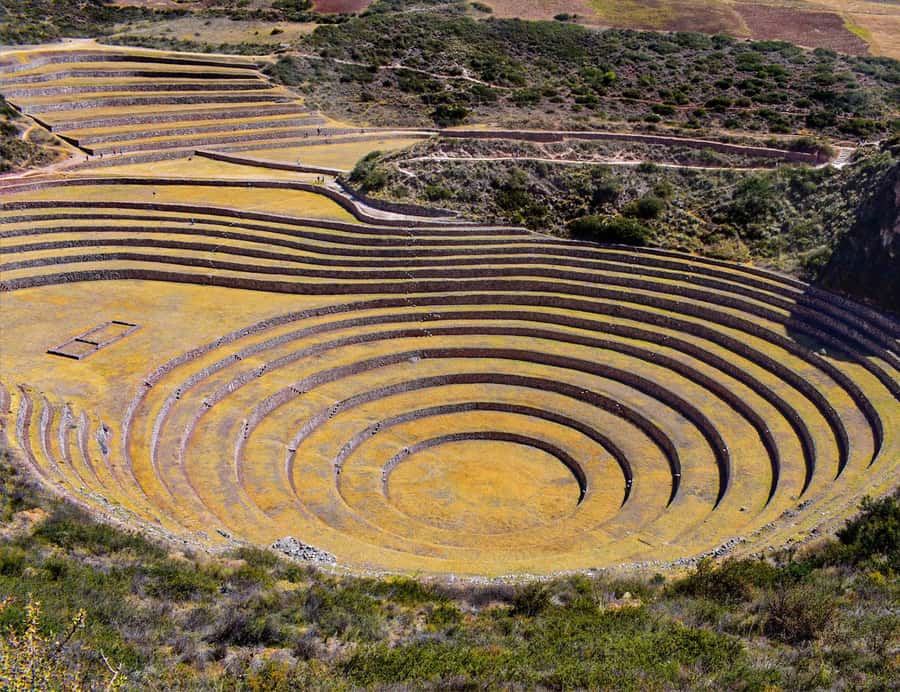
- Moray at 11,318 Feet: Inca Agriculture That Looks Like Art
- What you’ll probably remember
- Maras Village: Colonial-Era Stones in a Working Mountain Town
- Practical tip for this stop
- Salineras Salt Mines: 3,000 Pools and a Site Still Producing
- When it gets hottest
- The Day in Motion: Pickup, Timing, and What to Expect
- What I like about the group style
- Price and On-Site Entrance Fees: A Clear Value Check
- What to Buy: Textiles, Salt, and Sensible Souvenirs
- Who This Tour Suits (and Who Might Want a Different Plan)
- Should You Book This Cusco Tour?
- FAQ
- How long is the Cusco: Moray, Maras Salt Mines & Chinchero Weavers tour?
- What’s included in the price?
- Are entrance fees included for Moray and the Salt Mines?
- Where does hotel pickup happen?
- Do I need to pay attention to weather?
- What should I bring?
Key highlights worth planning around
- Chinchero weaving workshop with natural-plant dyes and Quechua textile tradition
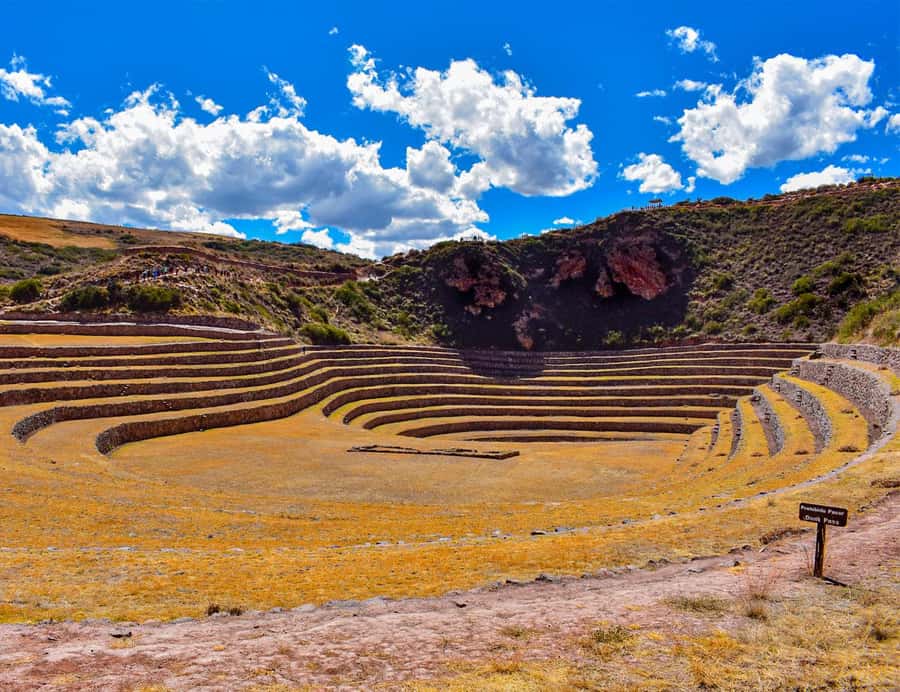
- Moray at 11,318 feet: Inca terraces and an irrigation system you can actually picture
- Maras Village free time for quick shopping and a look at thin-stoned colonial-era buildings
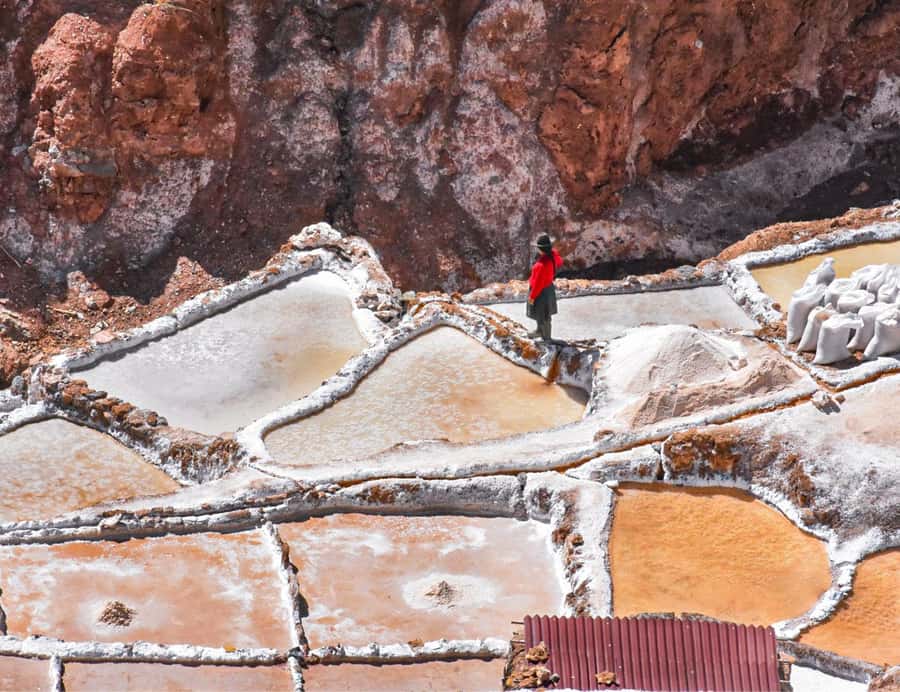
- Salineras salt mines with 3,000 pools: a pre-Inca site still producing salt
- Bilingual guide and hotel pickup so you’re not fighting Cusco logistics for a half-day
Chinchero Weavers: Where the Day Gets Human
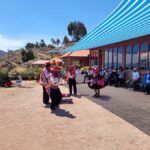
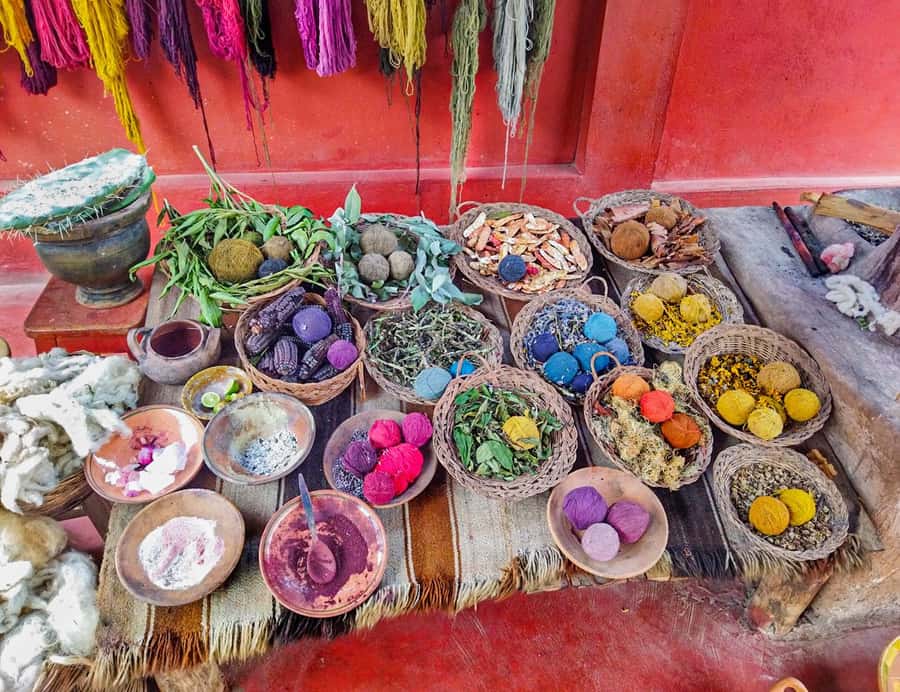
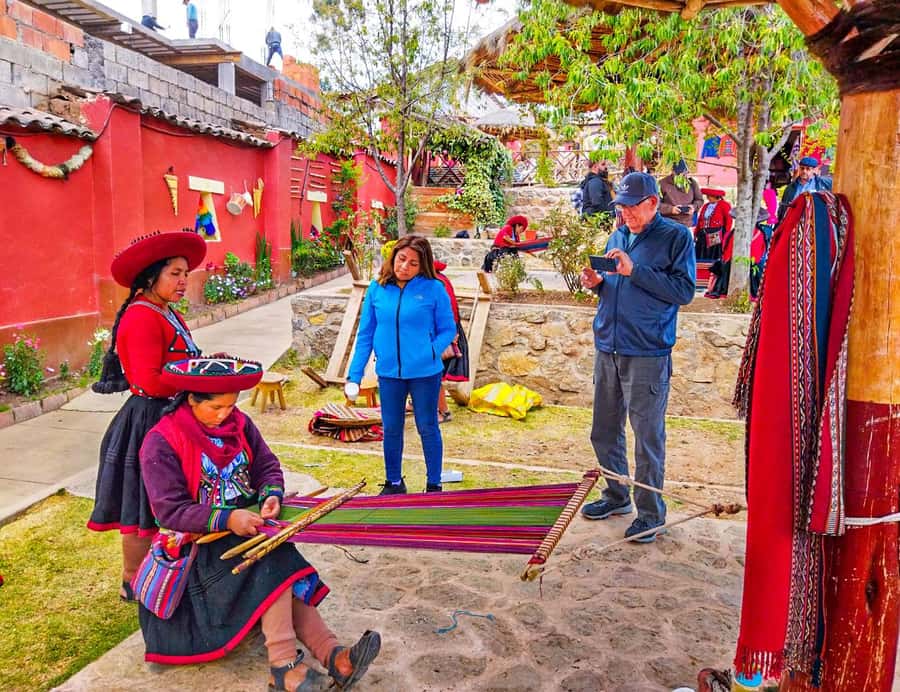
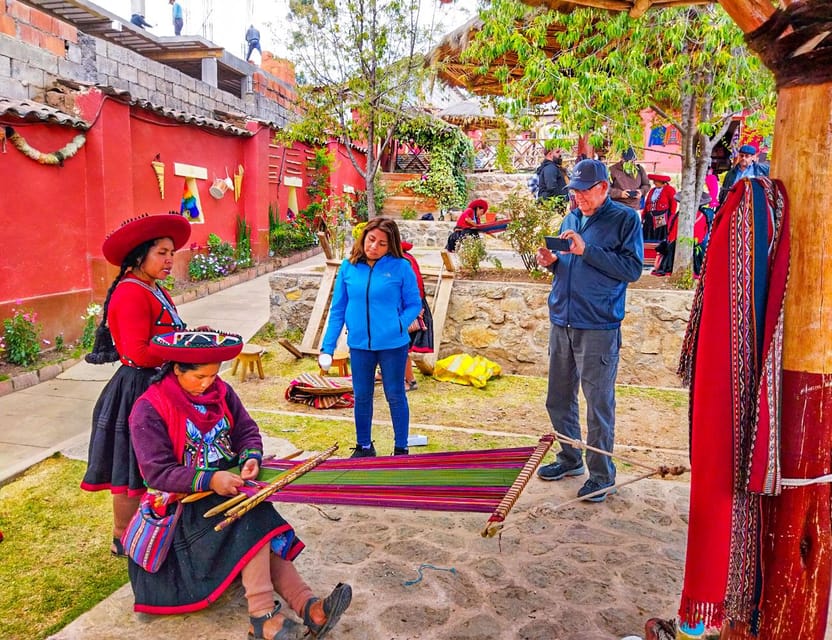
Chinchero is a strong start because it sets the theme: the Sacred Valley isn’t just ruins and photos. It’s living craft and daily rhythm. You’ll begin with a photo stop, then spend about an hour at a weaving workshop where Quechua tradition continues in real time.
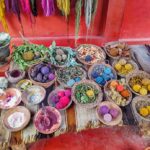
What I find most useful here is the dye story. You don’t just see finished textiles—you learn how natural plants become colors for Andean art. The workshop also gives you a chance to spot good materials and understand what you’re buying. If you’ve ever felt lost in a textile market, this part helps you shop smarter instead of just shopping louder.
There’s usually also time to browse. You’ll likely see alpaca items and other small souvenirs, and the vibe tends to feel more like meeting makers than being herded through a stall row. Still, keep your expectations realistic: there is shopping time, and you’ll want a bit of cash so you can pay without scrambling.
You can also read our reviews of more tours and experiences in Cusco.

How to make the workshop better
Wear layers you can adjust. Workshop areas can feel cooler indoors and then hot fast outside. And bring a camera you can reach quickly—some guides are great at helping with photo timing so you don’t miss the moment.
Moray at 11,318 Feet: Inca Agriculture That Looks Like Art
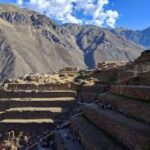
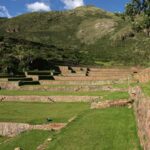
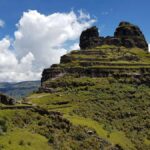
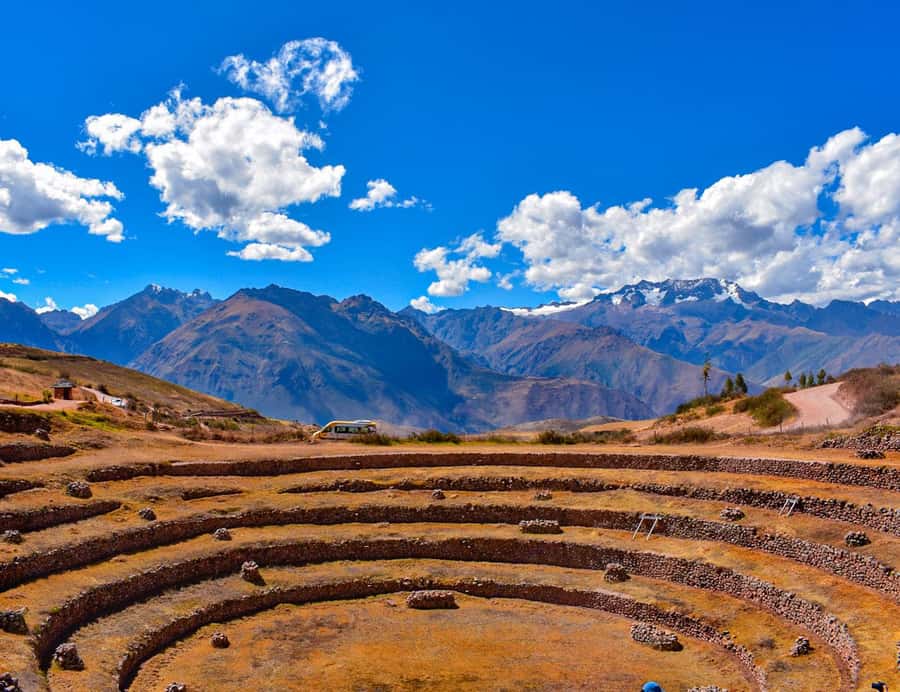
Moray is the Sacred Valley stop that makes people pause. The terraces are built in a way that feels almost deliberate for viewing, even if you’re not a history buff. The key detail is the elevation—around 11,318 feet—so your first job is comfort: sunglasses, hat, and slow breathing.
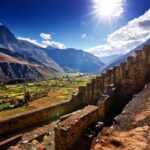
You’ll get a photo stop first, then a guided walk. The Inca created terraced agricultural areas here, and the irrigation system is part of the explanation. Once someone shows you how water control worked, the site stops being just stepped circles. You start seeing a system—like a clever way to experiment with farming conditions by changing temperature exposure through elevation and layout.
One advantage of the tour timing is that you’re not spending half a day in one place. Moray can feel intense when it’s your only stop, but here it fits. You’ll look, walk a bit, and then move on while you’re still fresh for the next contrast.
A quick heads-up: the “walk” isn’t a big trek, but you will be outside. That means sun management matters. Even if the forecast feels gentle, the high-altitude sun can turn a normal stop into a sweat test.
What you’ll probably remember
The way Moray makes you think like the Inca engineers—using terrain and water instead of fighting the mountain.
Maras Village: Colonial-Era Stones in a Working Mountain Town
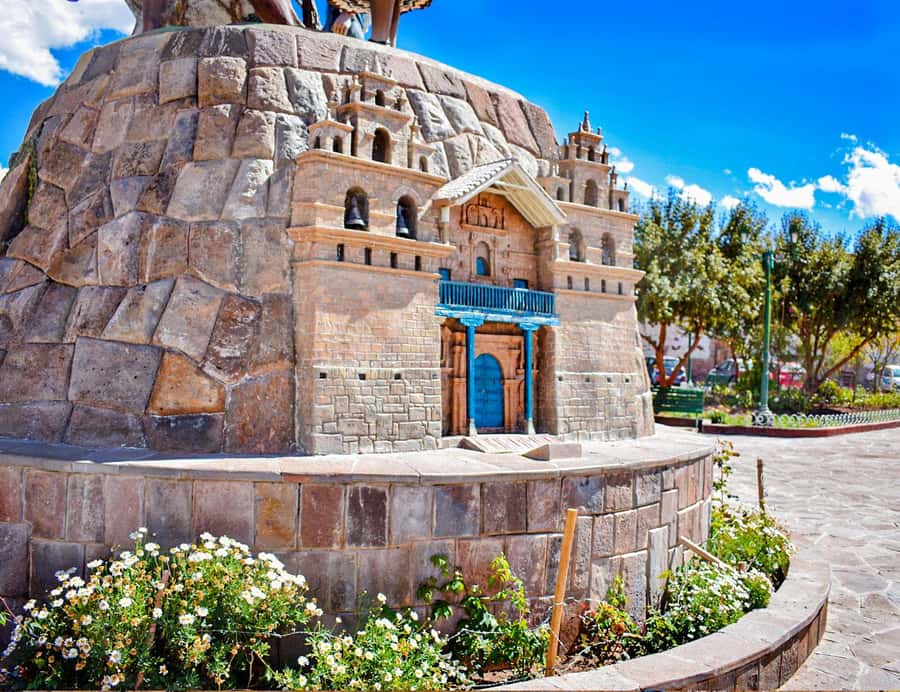
After Moray, you head toward Maras Village. This portion is less about one famous monument and more about seeing how people lived—and still live—in the area.
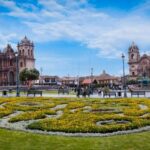
You’ll get a look at preserved colonial architecture, including thin-stoned buildings. It’s a quieter stop than the salt mines, but that’s the point. Maras Village gives your brain a breather between two major “wow” sites. You also get free time—plus shopping and a short workshop segment—so you can step away from the group tempo.
This is also where the experience becomes more personal. Some guides focus on daily life and local culture; others emphasize the blending of eras you can read in the architecture. If you ask a few questions, you’ll often get answers that make the village feel less like a photo backdrop and more like a place you could return to.
Practical tip for this stop
If you plan to shop, decide early what you want: textiles, small crafts, or something food-related. Free time is useful, but it can also disappear fast if you wander with no plan.
Salineras Salt Mines: 3,000 Pools and a Site Still Producing
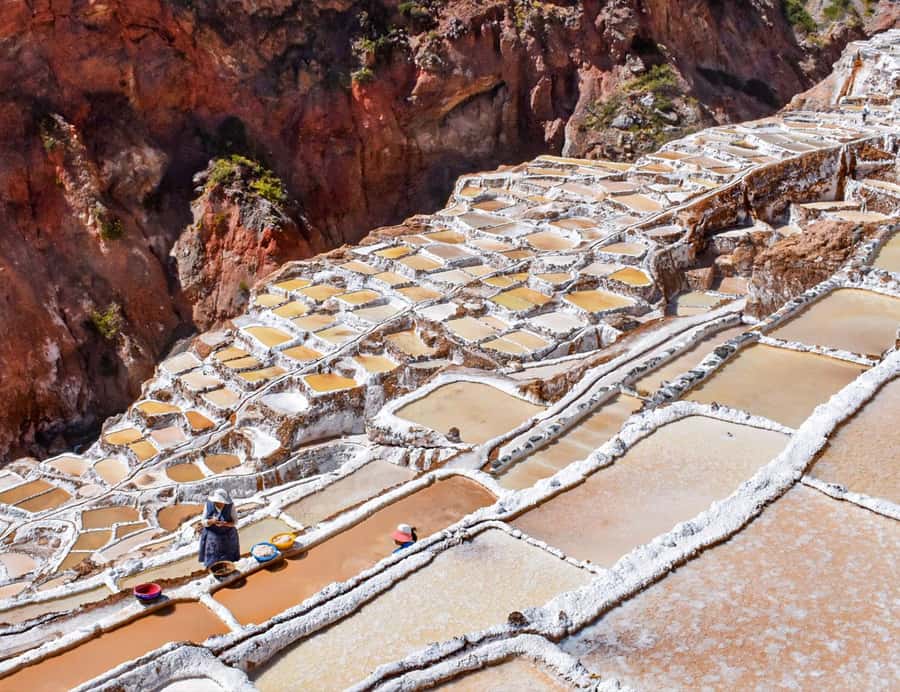
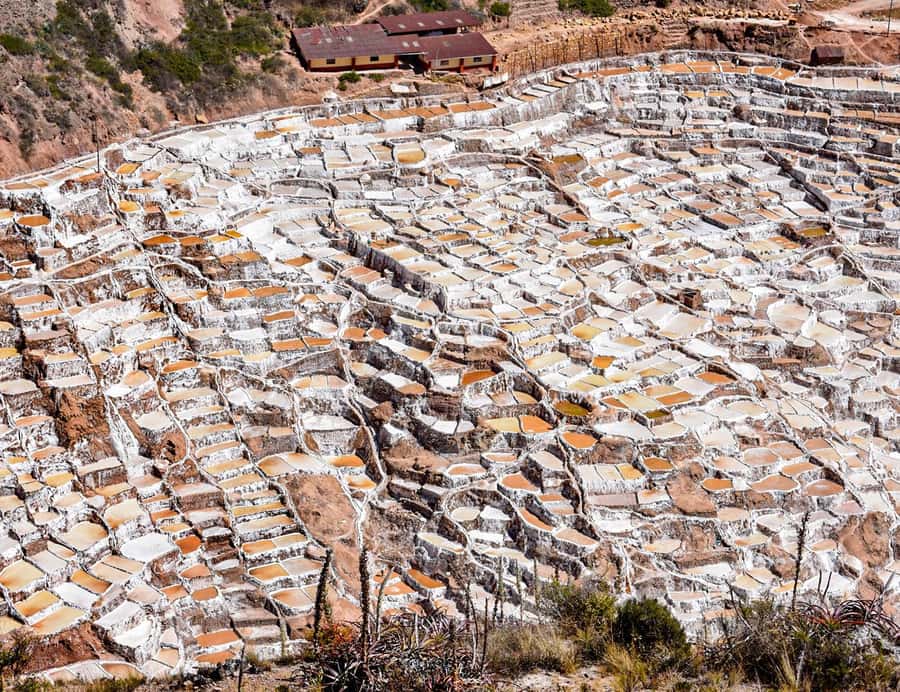
Now for the star of the show: Salineras salt mines. You’ll see thousands of small salt pools—about 3,000—spread across the area, and the sheer repetition of those grids makes the place feel otherworldly.
This site dates back to pre-Inca times and continues producing salt today. That ongoing use matters. It’s not a sealed museum ruin. You’re watching an active industry, and it changes how you see the explanations. Instead of “how it used to be,” the guide connects “how it works now” to “how it likely started.”
You’ll get a photo stop and then a guided tour with a walk. The walk is short enough for most people, but the ground and steps can be uneven. Wear comfortable shoes you trust.
Also, roads and access around the mines can be narrow. The driving gets close to the ground, and it can feel a bit intense if you’re car-sensitive. The good news: the tour is organized so you don’t sit in discomfort for a long time between stops, and you’ll get guidance on how to take it at a steady pace.
When it gets hottest
If the day is sunny, Salineras can cook you. People are often focused on the pools and forget to drink water. Don’t. A sun hat and reapplying sunscreen can be the difference between a fun day and a wiped-out one.
The Day in Motion: Pickup, Timing, and What to Expect
The tour is designed as a full half-day experience, usually running about 6.5 hours. Many schedules feel like an early start (around 8:30 AM) and a return near the afternoon (around 3:30 PM), which leaves you time for lunch on your own afterward.
Hotel pickup is included. You may have three pickup options around the Cusco Centro Histórico area, and you’ll likely need to wait in your hotel lobby about 10 minutes before your scheduled time. Hotel drop-off isn’t included, though you’ll be returned to city drop-off points such as Plaza Regocijo and/or Centro Histórico.
In terms of comfort, this kind of route is a balancing act. You’re at different elevations: Chinchero around 3,762 meters, Moray around 3,450 meters, and then you descend as you return toward Cusco. You might feel altitude differently depending on your first days in Cusco. I’d treat it as a “don’t gamble” day: move slowly, drink water, and don’t overdo it on the first hour.
The walking time is manageable at each stop (for example, about 40 minutes around Moray and about 40 minutes at the salt mines). Still, the sun is part of the schedule, and there isn’t much shade in these sites. Bring a hat and wear sunscreen early.
What I like about the group style
You can choose private or small-group options. In practice, that often means you get more chances to ask questions. Many guides—Felipe, Julio, Edi, Roy, John, Manuel, and Rehider show up in recent experiences—are also tuned to helping people take photos and keeping explanations clear in English or Spanish.
Price and On-Site Entrance Fees: A Clear Value Check
The base price is $15 per person, which is hard to beat for transportation, pickup, and a bilingual guide. You’re getting multiple major stops plus time at a weaving workshop—so you’re not paying like a “single-sight” tour.
But don’t miss the add-ons. Moray entrance is 70 soles, and the Salt Mines entrance is 20 soles. Those fees aren’t included in the tour price. You’ll want cash on hand so you don’t run into a last-minute scramble.
So is it still a good deal? For most people, yes, because the included parts are the expensive ones in Cusco logistics: getting from stop to stop efficiently, with a guide to explain what you’re seeing, and keeping the schedule tight enough that you don’t waste a day.
The trick is to treat it as a “$15 tour plus site fees” math problem. Once you plan for that, it becomes a strong value—especially if you’re trying to see key Sacred Valley highlights without committing to a full-day push.
What to Buy: Textiles, Salt, and Sensible Souvenirs
This tour makes shopping feel relevant, not random. Chinchero is where you learn what goes into dyeing and weaving, so when you buy textiles, you have context. If you see alpaca products, this is the moment to ask questions about quality and what’s handmade.
At the salt mines, you can also end up buying salt afterward. It’s a practical souvenir: it’s local, connected to the active site you toured, and it doesn’t feel like a generic trinket.
If you’re buying crafts, I’d keep two rules:
- Compare quickly, then decide. Free time at Maras moves fast.
- Don’t spend your entire day arguing for a few extra soles. You’ll enjoy the sites more if you keep the purchase calm.
Who This Tour Suits (and Who Might Want a Different Plan)
This tour fits best if you want Sacred Valley highlights in a manageable time window. It’s also ideal for solo travelers who prefer a guided structure but still want enough time to look around.
You’ll enjoy it if you care about:
- Inca agriculture and how engineering shaped farming (Moray)
- Cultural continuity (Chinchero weaving)
- A living industry rather than a dead monument (Salt Mines)
You might want to think twice if you:
- Hate dealing with separate entrance fees and cash
- Have zero tolerance for heat and sun exposure
- Want a long hike day or lots of hiking time (this is more of a short-stop day with brief walks)
Should You Book This Cusco Tour?
I’d book it if you’re in Cusco with limited time and you want the big Sacred Valley trio: weaving in Chinchero, the technical mystery of Moray, and the salt pools of Salineras. The value is strong, the stops are varied, and the guides tend to make the explanations practical.
I’d hesitate only if you’re very sensitive to sun, high elevation, or driving intensity. Even then, you can still do it smart—hat, sunscreen, water, and comfortable shoes go a long way.
If you want a Sacred Valley day that feels efficient without feeling rushed, this one is a solid pick.
FAQ
How long is the Cusco: Moray, Maras Salt Mines & Chinchero Weavers tour?
The duration is 390 minutes (about 6.5 hours).
What’s included in the price?
Pickup from your hotel, a bilingual tour guide, and transportation are included. Private tour options may be available depending on what you select.
Are entrance fees included for Moray and the Salt Mines?
No. Entrance to Moray is 70 soles, and the Salt Mines entrance is 20 soles. These are not included in the price.
Where does hotel pickup happen?
Hotel pickup is available outside Cusco’s Centro Histórico. You should wait in your hotel lobby about 10 minutes before your scheduled pickup time. Pickup options include Centro Histórico, Cusco (three location options).
Do I need to pay attention to weather?
The tour runs rain or shine.
What should I bring?
Bring a passport, sun hat, camera, sunscreen, comfortable shoes, and cash.