REVIEW · ATV & QUAD BIKE TOURS
ATV Tour to Moray, Maras and Salt Flat in the Sacred Valley from Cusco
Book on Viator →Operated by Minka Peru Expeditions · Bookable on Viator
ATVs and Inca ruins in one half day. This Sacred Valley route packs real riding into a tight schedule: Maras town, Moray’s Inca terraces, and the famous salt flats. Two things I really like: the hotel pickup in central Cusco makes it easy, and the ATV access gets you to places that feel far from the usual tour bus path.
One thing to plan for: the tour price does not include entrance fees, and you should expect dust (and chill) once the riding starts.
In This Review
- Key things to know before you go
- How the 5-hour Cusco ATV route actually runs
- Price and value: $49 plus two Sacred Valley entrance tickets
- From central Cusco to Cruz Pata: transfers, gear, and practice time
- Maras town stop: colonial sights plus Andean village riding
- Moray: the round holes where the Inca tested seeds
- Salt mines at Salineras: real work, not just views
- Guides and photos: the small things that make it better
- Ziplining upgrade: if you want more adrenaline
- What to pack for dust, chill, and comfort
- Should you drive your own ATV?
- Who this ATV tour suits best
- Final call: book this or skip it?
- FAQ
- How long is the ATV tour to Moray, Maras, and the salt flats?
- What’s included in the price?
- What entrance fees should I budget for?
- Are food and drinks included?
- Can I ride a single ATV or do I have to share?
- Do you offer ziplining?
- How big are the groups?
- Is the booking refundable?
Key things to know before you go
- Central Cusco pickup + return keeps your morning simple.
- Helmets and gloves included so you can focus on driving.
- Single or double ATV options let you choose how much control you want.
- Moray admission is extra, but it’s the main payoff for Inca “seed acclimatizing” lore.
- Maras salt mines are where the locals work salt, not just a photo stop.
- Upgrade options can add ziplining or make it private.
How the 5-hour Cusco ATV route actually runs
This is a ~5-hour Sacred Valley loop built around one core idea: give you enough time on the ATV to feel the trip, then layer on two of the area’s most memorable sites.
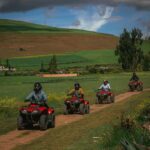
You’ll start with pickup in Cusco’s historical center, then transfer to the ATV base camp at Cruz Pata. After that, the day becomes a mix of riding, short guided stops, and scenic time. The pace is pretty lively. You won’t have hours to linger in one spot, but you do get multiple “wow” moments.
Group size is kept small, with a maximum of 15 people, so you’re not stuck in a huge cattle line. If you like tours where your guide can actually manage the group, that’s a good sign.
You can also read our reviews of more tours and experiences in Cusco

Price and value: $49 plus two Sacred Valley entrance tickets
The headline price is $49 per person, which is a bargain for ATV time plus guided sightseeing. But do the math before you book, because key admissions are not included.
Here’s the cost picture you should expect:
- Food and drinks: PEN 40 per person (not included)
- Moray entrance fee: PEN 70 per person (not included)
- Salineras (Maras salt mines) entrance fee: PEN 20 per person (not included)
So the full “I’m actually fed and inside the sites” total usually runs higher than the $49 sticker price. Still, even with those add-ons, you’re paying for (1) ATV transport to tough-to-reach areas, and (2) a guided explanation at Moray and the salt mines.
If you’ve been comparing to other half-day tours, the value comes down to one question: do you want the mechanized adventure part, not just a bus-and-walk day? If yes, this price often feels fair.
From central Cusco to Cruz Pata: transfers, gear, and practice time
The day starts with convenience. You get hotel pickup within the historical center of Cusco, plus round-trip transfer between Cusco and the Cruz Pata base camp area. That matters because getting out of town on your own can turn into a small logistics project.
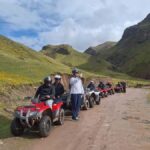
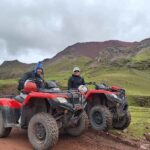
At the base camp, the team provides an ATV, plus helmets and gloves. You’ll get instructions on riding—either a single ATV or a double setup depending on what you choose at checkout. This isn’t a “good luck, see you later” situation. You should get guidance before you hit the rugged trail.
Some of the best-run versions include a short practice on a dirt track so you can get your bearings fast. You’ll also want to plan your clothing for dust and chilly air—more on that in a bit.
Maras town stop: colonial sights plus Andean village riding
The first major sightseeing stop is Salinas de Maras (Maras salt mines) in the overall route, but the ride itself often gives you what you’re really paying for: access to the Sacred Valley by way of smaller roads and village paths.
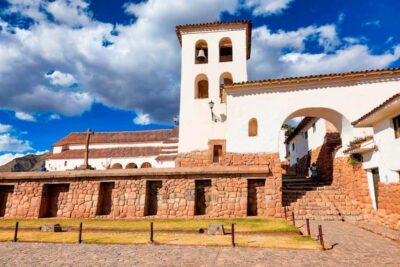
From the ATV base camp at Cruz Pata, you travel toward Maras, passing Andean villages along the way. When you reach town, you’ll have guided commentary about Maras’ history and you’ll see the mix of styles: rustic homes, larger mansions, and a church that anchors the town’s look.
This part is a good breather. It’s not just driving-through scenery. You get a short guided feel for the place before you head onward to the big Inca site.
A small consideration: the ATV days can get a bit chaotic if you’re not comfortable in gear. If you’re sensitive to noise or want a calmer morning, this tour is more active than a typical walking tour.
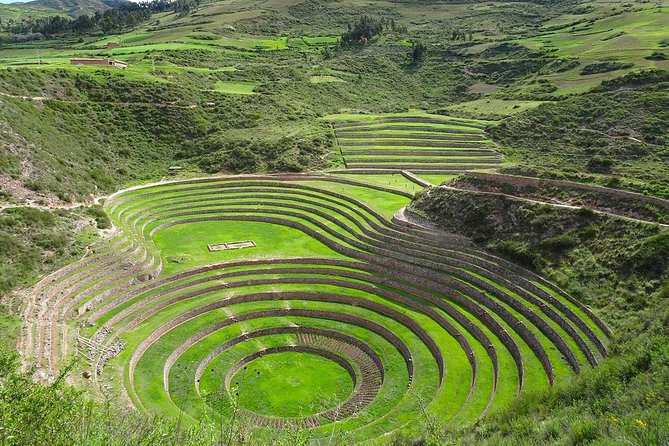
Moray: the round holes where the Inca tested seeds
Next comes Moray, the archaeology site that gives this route its most “wait, that’s clever” moment.
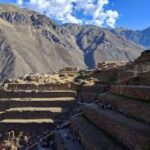
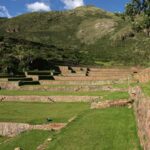
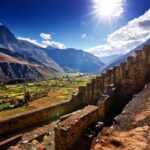
Moray is known for those large, bowl-like depressions—huge holes in the ground. The Inca used these different levels like a natural temperature system to acclimatize seeds. In other words, it’s agriculture science built into landscape.
The guided commentary is key here. Without someone to connect the dots, it’s still impressive, but the meaning lands better with context. One highlight I’d look forward to is how the guide explains not only what you’re seeing, but why the place was set up this way.
Also, plan for walking time that’s real but not extreme. You’re there to see and understand, not to conquer a marathon of stone steps.



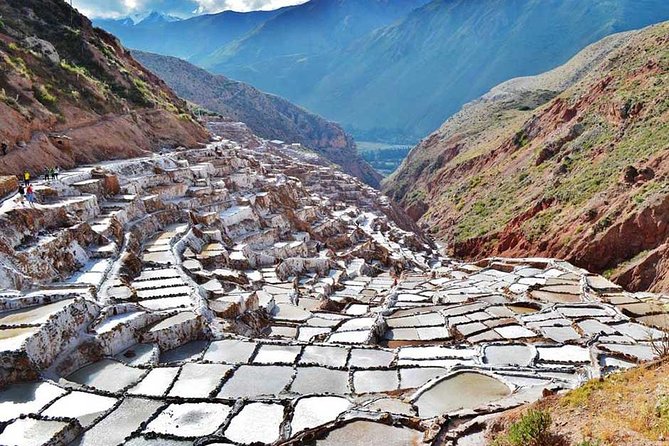
Salt mines at Salineras: real work, not just views
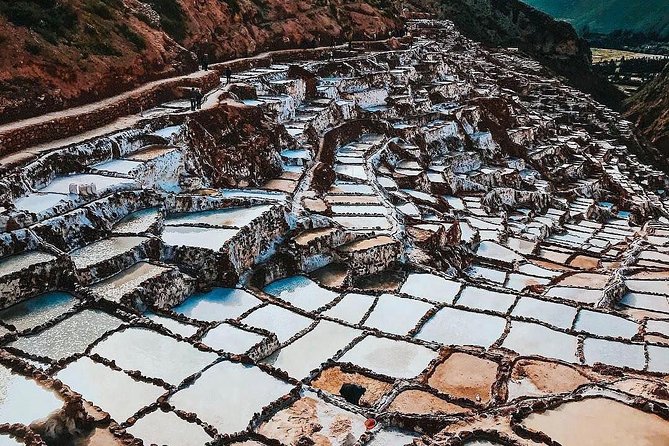
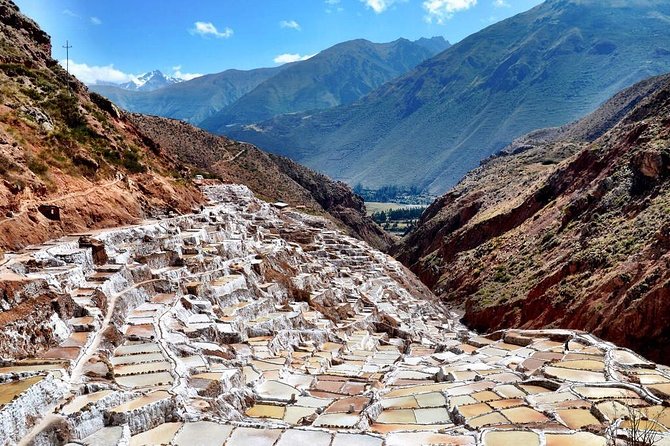
The last stop is the Maras salt mines—Salineras. This is the place most people picture when they hear Maras, and for good reason.
You’ll watch local people mining salt using traditional methods, and you’ll learn why salt mattered so much to the Peruvian economy. That economic angle helps turn the visit from scenic to meaningful. You’re not just looking at neat terraces of white salt; you’re learning what this product does for livelihoods and regional trade.
There’s also a practical angle: you’ll likely get some time where you can frame photos without feeling rushed every ten seconds. It’s still a moving schedule, but it doesn’t feel like a pure drive-by.
One more note: depending on conditions and how your day is sequenced, you may do parts by ATV and parts by minibus. The point is you’ll still reach the salt flats and spend time there.
Guides and photos: the small things that make it better
The tour runs with a bilingual guide, and this can seriously change your experience—especially at Moray, where the explanation is what makes the site click.
In particular, two guide examples showed up in strong experiences: Alex and Edgar. Alex is praised for clear ATV instruction (including showing how the machines work and doing a practice run) and for making Moray and the salt flats easy to understand. Edgar is noted for strong explanations at Moray and for capturing great photos and video during the day.
Even if you don’t get the same guide, use that as your expectation level: the good versions of this tour are the ones where the guide helps you feel confident on the ATV and also gives real context at the stops.
Ziplining upgrade: if you want more adrenaline

There’s an upgrade option that can add ziplining to the day. If you already know you want an extra hit of adrenaline beyond the ATV, this is the easiest way to do it without turning the trip into a full-day puzzle.
Also consider it if you’re traveling with someone who likes adventure but might not want maximum driving time. The ATV is the core of the experience, but the zipline can balance the day if you’re splitting interests.
What to pack for dust, chill, and comfort
This route is fun, but it’s outdoors and it can get messy.
Based on how these days typically feel, here’s what I’d plan for:
- Layers: it can be chilly once you start moving, even if the sun is out.
- Old clothes: expect dust. You’ll likely come back looking like you drove through a very convincing flour factory.
- Closed-toe shoes you don’t mind getting scuffed.
- A way to protect your phone/camera if you’re worried about dust.
Helmets and gloves are included, so you don’t need to buy anything before you go. Still, you’ll feel better if you wear clothing that won’t feel ruined after getting gritty.
If it rains, the tour still goes in some conditions, but you should expect the same ATV dust problem to turn into mud. Pack accordingly.
Should you drive your own ATV?
You’ll usually be able to choose between single or double ATV at checkout. One piece of advice that comes up often is simple: if your comfort level allows it, drive your own ATV.
When you ride pillion, you might get a calmer ride, but you also lose control over your pace and how you handle turns. Driving your own ATV generally feels more like the point of the tour.
If you’re traveling as a couple, you can treat it as a choice: one person drives and one rides, or you can both drive if the setup allows.
Who this ATV tour suits best
This is a strong fit if you:
- want ATV time as the main activity, not just transportation
- like guided explanations at Moray and the salt mines
- prefer small groups (max 15 people)
- want a half-day plan from Cusco that feels more active than a standard sightseeing loop
It’s also good if you want to see local areas that are harder to reach on a classic bus route. ATV access is the “why” here, and it’s what makes the Sacred Valley feel less scripted.
If you’re recovering from injuries or hate uneven ground, you might be happier with a calmer tour type. The basic data says most people can participate, but riding comfort is still a personal thing.
Final call: book this or skip it?
I’d book this if you want a memorable Sacred Valley mix of driving + real sites in about five hours. The price can look tiny at first glance, but once you add entrance fees and your own food budget, it becomes a more honest mid-range excursion. Even then, the ATV factor often justifies the cost.
Skip it if you’re shopping only on the lowest headline price, or if you can’t handle dust and chilly outdoor movement. Also skip the upgrade if you’re already at your adrenaline limit.
If your schedule is tight and you’re excited by the idea of reaching Moray and Salineras de Maras with actual ATV time, this tour is one of the better ways to do it from Cusco.
FAQ
How long is the ATV tour to Moray, Maras, and the salt flats?
The tour runs for about 5 hours.
What’s included in the price?
You get hotel pickup within the historical centre of Cusco, round-trip transfer to Cruz Pata base camp, an ATV (quadbike), a bilingual guide, and helmet and gloves.
What entrance fees should I budget for?
Moray is PEN 70 per person and Salineras (Maras salt flats) is PEN 20 per person.
Are food and drinks included?
No. You should budget PEN 40 per person for food and drinks.
Can I ride a single ATV or do I have to share?
You can choose either a single ATV or a double ATV based on what you select at checkout.
Do you offer ziplining?
Yes, there’s an upgrade available to include ziplining (and/or a private tour option).
How big are the groups?
The maximum group size is 15 travelers.
Is the booking refundable?
No. This experience is non-refundable and cannot be changed for any reason.