REVIEW · MACHU PICCHU TOURS
Machu Picchu Day Trip from Cusco
Book on Viator →Operated by VIPAC Travel · Bookable on Viator
Machu Picchu is a time-machine day trip. This Cusco-to-Machu Picchu tour strings together train, shuttle bus, and a guide, so you spend your energy on the ruins instead of figuring out logistics. I especially like the round-trip transport and the fact that Machu Picchu admission is included, not added later.
The main catch is timing: it’s a long day with early pickups and possible waiting (up to 40 minutes), plus you’re on a set entry circuit once you’re inside.
In This Review
- Quick hits (what makes this trip work)
- Why this Cusco-to-Machu Picchu day trip is the smart kind of easy
- Cusco pickup and the train-station handoff (where good logistics matter)
- Choosing your train: Expedition vs Vistadome vs Executive (and why it affects your mood)
- Aguas Calientes arrival and the shuttle bus up to Machu Picchu
- Entering Machu Picchu: timed shifts and the reality of circuits
- Inside the sanctuary: what your guided walk actually covers
- Free time after the guide
- The long-day rhythm: bus, train, crowds, and how to keep it enjoyable
- Price and value: is $336 worth it for a Machu Picchu day trip?
- Service details that deserve your attention
- Who this tour fits best (and who might prefer something else)
- Should you book this Machu Picchu day trip from Cusco?
Quick hits (what makes this trip work)
- Transport handled for you: pickup in Cusco, train to Aguas Calientes, then shuttle bus up and back down
- Admission included: no surprise gate fees, and your entry circuit is coordinated by the operator
- Guides who turn ruins into a story: many travelers named guides like Ronaldo, Hector, Paul, and Edgar for strong explanations
- Train upgrades available: from standard Expedition to Vistadome and Executive-class options
- Small group size: shared tour with a maximum of 15 travelers
- You get real time at the site: guided time on a marked route plus breathing room after the tour
Why this Cusco-to-Machu Picchu day trip is the smart kind of easy
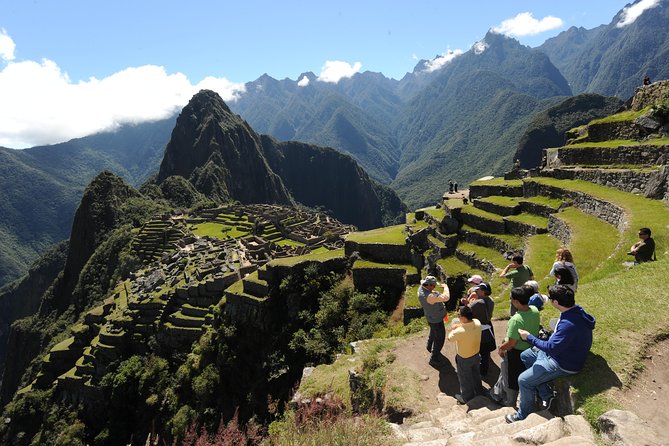
If your trip window is tight, this is the kind of Machu Picchu plan that saves your sanity. You’re not renting cars, hunting schedules, or trying to guess which connection you need when lines and timing get complicated. Instead, you follow a set rhythm: Cusco pickup → train → Aguas Calientes → shuttle bus up → guided circuit → return train → hotel drop-off.
The value is in what’s bundled. At this price point ($336 per person), you’re mostly paying for the hardest pieces: reserved entry through the operator’s process, timed rail capacity, and the shuttle bus to the gate. The tour isn’t trying to make the day feel short—it’s trying to make it feel manageable.
The other thing I like is that you don’t just get dumped at the entrance. A local expert guide leads your walk on a delimited path, usually around 2 hours 30 minutes of guided time, which is exactly when Machu Picchu is easiest to understand and hardest to “figure out” on your own.
You can also read our reviews of more tours and experiences in Cusco

Cusco pickup and the train-station handoff (where good logistics matter)
The day starts with a pickup from your lodging in Cusco. The operator also uses a clear backup meeting point at their Cusco office (Av. El Sol 817), but the normal plan is door-to-door pickup. Pick-up times are sent the day before through the tour platform, so you’re not guessing what time you need to be downstairs.
From there, you transfer to the train station. One practical thing to know: this style of tour can involve waiting time. Even when trains run on schedule, the day can include delays at handoffs, especially if your entry slot at Machu Picchu is timed differently than someone else’s. In the details for this tour, there’s a note that shared tours could wait up to 40 minutes to start, depending on your Machu Picchu shift and train timing.
What you’ll want to do: treat this like a one-day sprint. Keep your essentials in a small day bag. Phones and power banks help, but if you’re relying on connectivity, don’t. Some people report spotty service along the trip, so it helps to have key info saved offline.
Choosing your train: Expedition vs Vistadome vs Executive (and why it affects your mood)
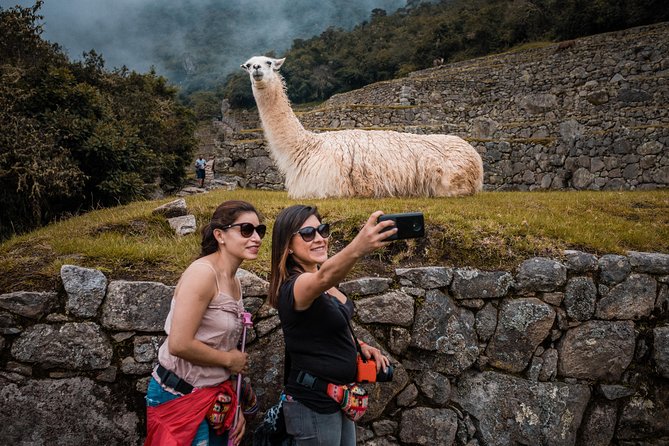
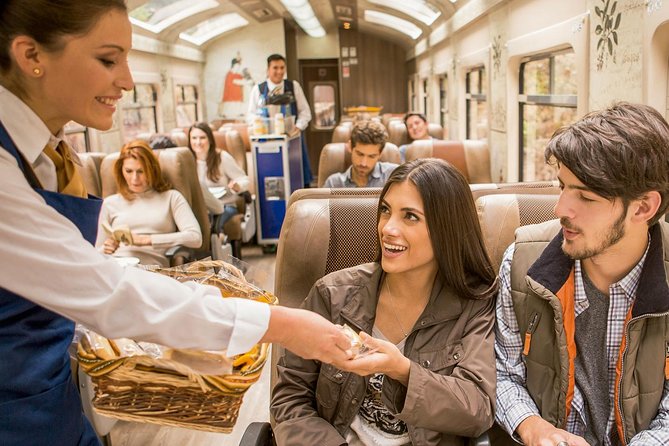
You’ll ride the train toward Aguas Calientes, with multiple service options depending on what you selected. The day-to-day difference usually comes down to comfort and how you experience the views.
Here’s what’s available in this tour:
- Expedition train: the standard scenic option
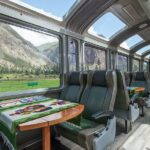
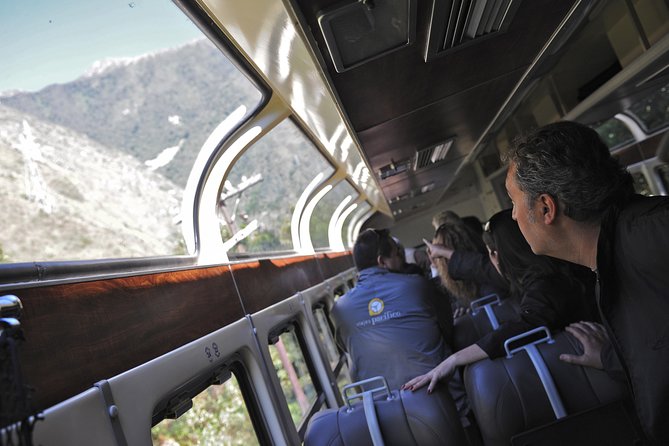
- Vistadome (panoramic) with wraparound windows
- Executive Class options (listed as Executive Class 360 in the tour details)
- Voyager (listed as another option)
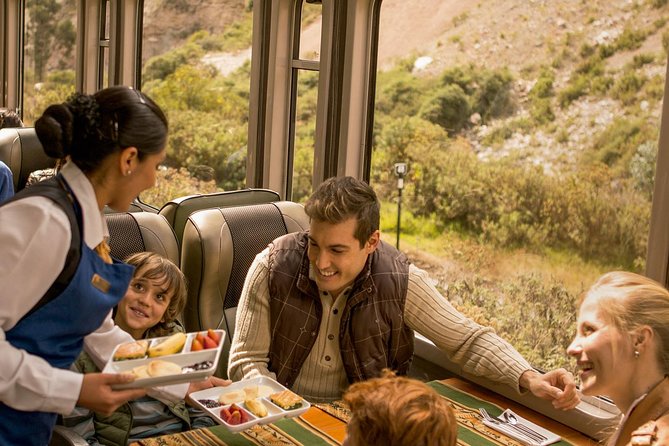
Even if you don’t think you care about train upgrades, it matters on a long day. The train is the calm part of the day—before the crowds, before the stairs, before the “fast photos, then move on” feeling. People have singled out the Vistadome ride as a bonus, because the window views turn the trip into a moving viewpoint rather than just transportation.
One note from real-world experience: rail comfort can vary by service and by temperature. If you’re sensitive to cold, bring layers. A couple of travelers described train conditions as uncomfortable in cooler weather. Also, amenities onboard can be limited—some folks mention only small snacks rather than a full meal. More on that soon.
Aguas Calientes arrival and the shuttle bus up to Machu Picchu
Once you arrive in Aguas Calientes (the base town for the ruins), the tour continues by bus up the mountain to the Machu Picchu entrance area. This is one of the smartest parts of the plan because it avoids the hardest local problem: figuring out which bus, when, and how you’ll time it with your entry shift.
The shuttle bus is included as round-trip in the tour package. In practice, that means you’re moving between the town and the citadel without negotiating fares or timing. You also don’t lose half your energy to “bus math.”
If you’re the type who likes to eat before you start walking, plan carefully. Your day is structured around timed entry and a guided circuit. Some travelers advise packing or bringing snacks, because your true meal opportunities can be tighter than you’d expect.
Entering Machu Picchu: timed shifts and the reality of circuits
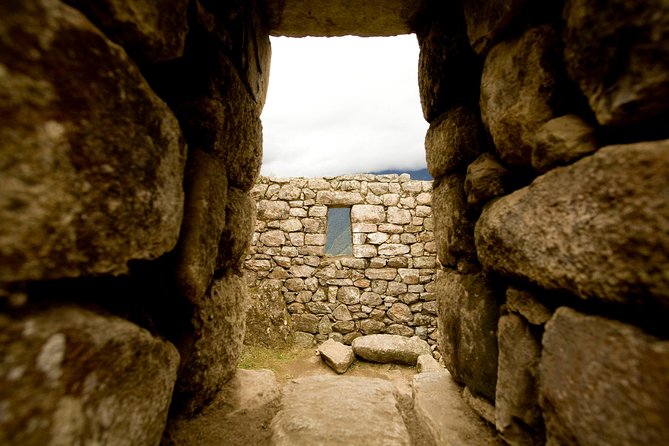
This tour includes your admission ticket to Machu Picchu Citadel, and it also comes with a big reminder: the ticket is non-refundable, and date changes or amendments aren’t accepted. Also, Machu Picchu requires you to provide full personal details for the ticket issuance—full name, passport number, date of birth, and nationality details. If you’re traveling as a Peruvian national, the system requires a valid DNI rather than a passport number.
Now, the part that actually shapes your visit experience: modern Machu Picchu entry uses visitor circuits with marked routes meant to spread crowds out and protect the site. This tour mentions that Circuit 2 (and trail 2 language in the ticket issuance process) is given priority, and if it’s not available you may be assigned Circuit 1B or Circuit 3B after coordination. That’s important because your route affects what you’ll see first, where the best viewpoints fall, and how long you’ll spend walking before your photos and breaks.
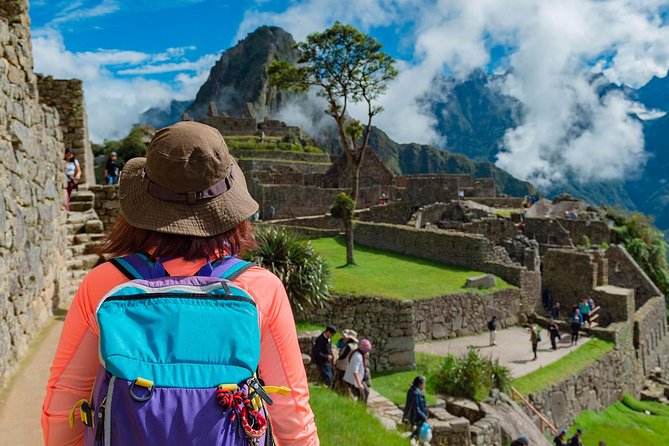
When you enter, your guide helps you move along the delimited trail. In other words, you’re not wandering randomly. This is usually a win: you get direction, context, and a logical order that makes the architecture and Inca planning easier to connect.





Inside the sanctuary: what your guided walk actually covers
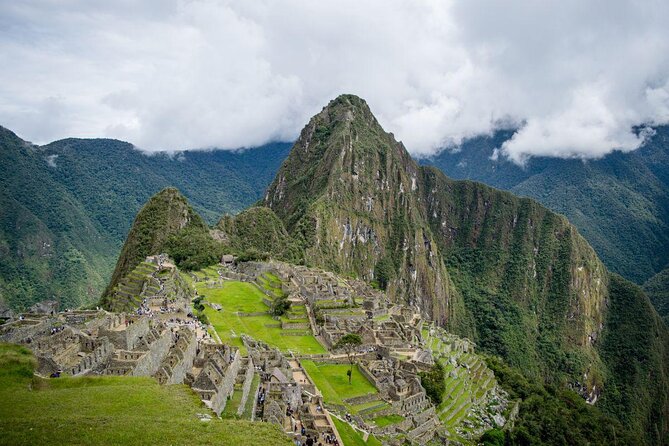
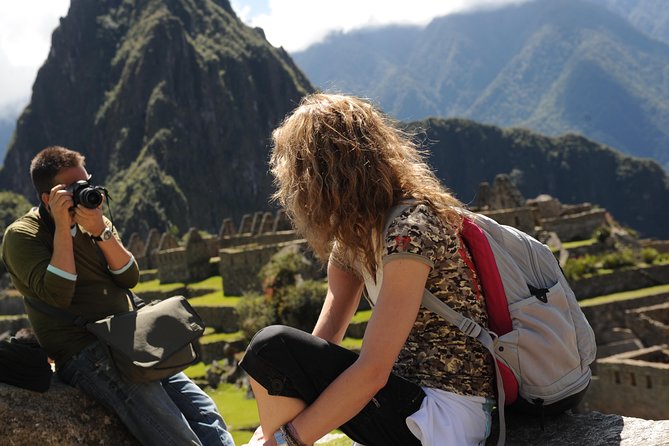
Your guided visit covers the main paths and major areas within your assigned circuit. You can expect stops around:
- the central plaza
- religious and ceremonial areas
- agricultural terraces
- stone stairways and key viewpoints
This is also where the guide makes a visible difference. Several guides were highlighted by name in the experiences people shared—Ronaldo, Hector, Paul, Marco, Edgar, Jaime, and Herman came up as strong examples of guides who explained the engineering and everyday life behind what you’re seeing. Even if you don’t go super “archaeology mode,” a good guide helps you avoid the common problem: staring at stones and still not knowing what you’re looking at.
Free time after the guide
After your guided portion, you’ll have time on your own within the rules of your circuit timing. This matters because Machu Picchu is a place where you’ll want a few minutes just to breathe and look. Some visitors describe it as a once-in-a-lifetime moment, and the free time helps you take it in at your own pace rather than rushing to keep up.
The long-day rhythm: bus, train, crowds, and how to keep it enjoyable
Plan for a full day. The tour duration is listed as about 14 hours. That includes travel time plus the timed entry and the return journey. You’re doing a lot, and the day can feel like a careful puzzle where one piece sets the tempo for the next.
Here’s a realistic way to think about it:
- Early morning means you’ll want good sleep in Cusco the night before.
- The train is a big chunk of the day and the part where you can reset mentally.
- The site visit is structured by your circuit and guide schedule.
- You still need buffer time to get down the mountain, then back on the train.
A few practical tips keep popping up in the details:
- Bring food. Lunch is not included, and some onboard snacks are described as light. If you hate feeling hangry while looking at ancient ruins, pack a sandwich or snacks you can tolerate.
- Screenshots help. People recommend saving your tickets and key messages offline so you don’t lose everything if connectivity drops.
- Arrive in Cusco early. The operator recommends getting to Cusco at least one day before the tour, since flight delays can mess with timing.
There’s also a weather reality check. Machu Picchu has two seasons: rainy from December to March and drier for the rest of the year. Fog and clouds can change quickly. A few people described arriving under cloudy conditions and then getting a window of clearer weather for photos. That’s not guaranteed, but it’s a reminder to dress for changing conditions.
Price and value: is $336 worth it for a Machu Picchu day trip?
At $336 per person, you’re not only paying for a ticket. You’re buying a bundle that removes a lot of friction:
- pickup and drop-off in Cusco
- train service to and from Aguas Calientes
- your Machu Picchu admission ticket
- the shuttle bus up and down
- a local guide on-site
If you try to do this independently, you’ll still pay for admission and transportation, but you’ll also spend time coordinating entry windows, figuring out train timing, and managing the “what if” moments. Here, the operator’s job is to keep you moving between steps.
Where the price is less “value” is when you’re expecting a relaxed, leisurely day. This tour doesn’t hide the fact that you’ll be moving a lot. You’ll get the structure and guide, but you’re still walking stairs and following a route.
So the real question isn’t only cost. It’s whether you want your day to run on rails and bus schedules—or on your own uncertainty.
Service details that deserve your attention
A few operational details can change how smooth your day feels:
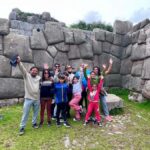
Small group size. This shared tour caps at 15 travelers, which usually keeps the on-site experience more personal than a giant group.
Guide language. Guidance is in Spanish or English, depending on your booking. If you prefer English instruction, double-check your selection.
Entry timing shifts. Entry shifts run from 6 am to 3 pm, and the tour notes that shared tours consider 9 am, 10 am, and 11 am shifts. Your exact circuit and timing can depend on availability.
Weather routing in January–March. The tour notes that for weather reasons from January to March, some excursions use a bimodal service (bus from Cusco to Ollantaytambo, then train onward). If you’re traveling in those months, don’t assume it’s always the same train route.
Communication. People praised the way representatives and guides meet you at handoff points. Still, keep your own plan simple: show up on time, keep your key documents ready, and don’t assume you’ll get extra flexibility if you miss a handoff.
Who this tour fits best (and who might prefer something else)
This is a strong match for you if:
- you want a one-day Machu Picchu plan without DIY logistics
- you like having a guide interpret what you’re seeing
- you don’t want to waste time negotiating transport from Cusco to the ruins area
- you’re traveling with limited vacation days (or limited patience)
It’s less ideal if:
- you want total control over timing inside Machu Picchu
- you dislike long travel days
- you are very sensitive to train conditions (temperature and onboard comfort can vary)
Also, if you’re traveling with seniors or anyone who needs frequent rests, a good guide can make a big difference. Several experiences specifically praised guides for slowing down, allowing breaks, and helping people handle uneven terrain and stairs.
Should you book this Machu Picchu day trip from Cusco?
I’d book it if your priority is reducing uncertainty. Machu Picchu is already intense—why make it harder with transport planning? The combination of included admission, round-trip rail and shuttle, and a guide-led circuit makes this a practical way to hit the highlight while still understanding what you’re looking at.
But if you want maximum flexibility on your own schedule, this isn’t that tour. You’ll be guided and timed, by design. Also, pack for a long day: bring layers and food, and save your ticket info offline.
If you’re set on Machu Picchu and you’re arriving in Cusco one day early, this tour is a good bet for a memorable, organized day—especially if you choose a train option like Vistadome for the ride in.