REVIEW · HIKING & TREKKING
Cusco: Full-Day Rainbow Mountain & Red Valley Trekking Tour
Book on GetYourGuide →Operated by PVTravel · Bookable on GetYourGuide
Tin roof colors, thin air.
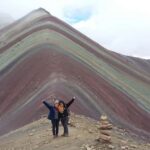
This is one of those Cusco day trips where the payoff is immediate: you hike to Rainbow Mountain (5,036m) and then continue on to Red Valley (5,038m) for dramatic Andes views. I love how the route is built for big photo moments with a clear, structured pace, and I also love the practical safety touches like oxygen and radio contact. One thing to keep in mind: the day can feel a bit rushed at Red Valley, and you won’t be fully accompanied there.
You start with pickup from Cusco, then ride toward Quiquijana for a hot breakfast buffet before the trek begins. After that, it’s onward to the control point in Llaqta and then Phulawasipata, where you start walking toward Rainbow Mountain at the recommended time.
This is also a logistics-focused trek. You’ll want warm layers ready, comfy shoes that handle rocky ground, and you should pack light since large bags or luggage aren’t allowed.
In This Review
- Key things to know before you go
- From Cusco pickup to Phulawasipata: how the day is paced
- Rainbow Mountain at 5,036m: the big viewpoint and what to expect
- The transfer between summits: 30 minutes to Red Valley
- Red Valley: the short stop that can feel independent
- Breakfast in Quiquijana and buffet lunch on the return
- Guides, communication, and why small groups are worth it
- The price: $145 is the core tour, but entrance fees add up
- What to pack (and what to avoid) for the Cusco high-altitude hike
- Who this tour suits best, and who should skip it
- Things that can change the feel of your day
- Should you book the Rainbow Mountain and Red Valley tour?
- FAQ
- What is the duration of the Cusco Rainbow Mountain and Red Valley tour?
- How much does this tour cost?
- Are breakfast and lunch included?
- Is transportation included?
- What are the entrance fees for Rainbow Mountain and Red Valley?
- How high is Rainbow Mountain on this tour?
- How high is Red Valley on this tour?
- Is the group size limited?
- Will the guide stay with you during the Red Valley section?
- What should I bring, and are large bags allowed?
Key things to know before you go
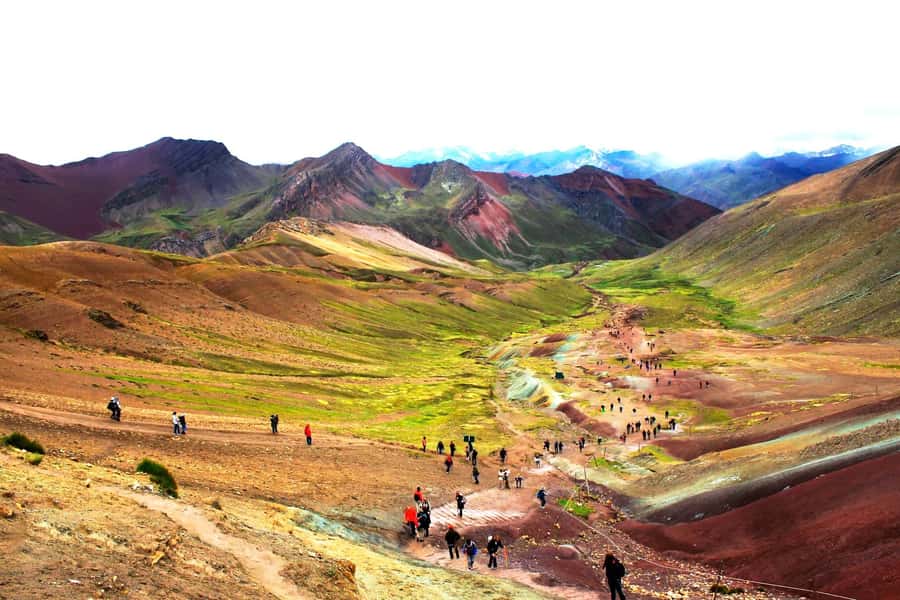
- High altitude first, pictures second: You’ll reach Rainbow Mountain after about 1.5 hours and get a short summit window for photos.
- Red Valley is more independent than it sounds: The guide shows the way, but won’t walk with you during the Red Valley section.
- Crowds are part of the deal: Rainbow Mountain is popular, so expect other hikers around your summit time.
- Oxygen and radio help, especially up high: You’re supplied with oxygen, radio communication, and a first-aid kit.
- Entrance fees aren’t included: You’ll pay on-site for Red Valley and Rainbow Mountain.
From Cusco pickup to Phulawasipata: how the day is paced
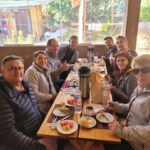
The day starts with hotel pickup in Cusco, and then you head out in the direction of Quiquijana. The morning matters here. You’ll stop for a breakfast buffet at a local restaurant, then continue to the control point in Llaqta before arriving in Phulawasipata, the staging area where the trek begins.
Why this helps you: doing the food and loading part before you’re already tired at altitude means you can focus on walking once the hike starts. It also keeps the start smoother for the whole group.
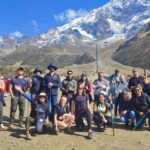
The small group size (limited to 15) is another real advantage. It generally makes it easier for the driver and guide to manage the flow, especially when visibility and timing are important on high-altitude trails.
You can also read our reviews of more hiking tours in Cusco
Rainbow Mountain at 5,036m: the big viewpoint and what to expect
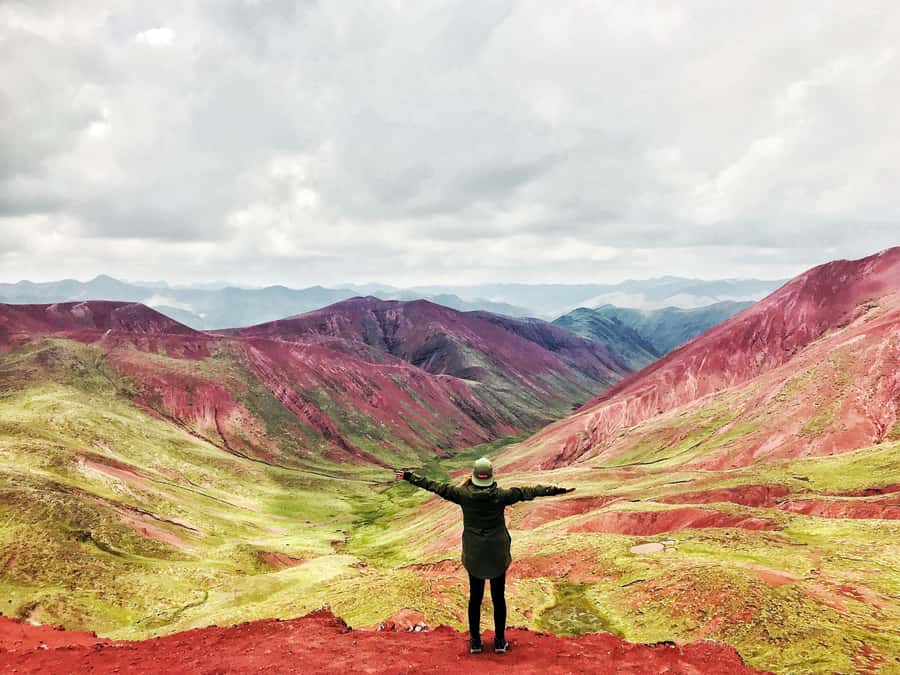
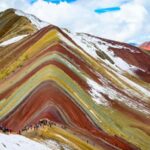
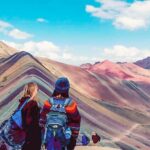
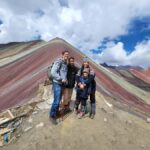
Once you’re ready to start, your guide encourages you to head toward Rainbow Mountain first. Expect about 1.5 hours of hiking to reach the summit area at 5,036 meters.
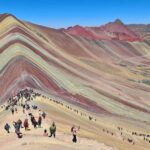
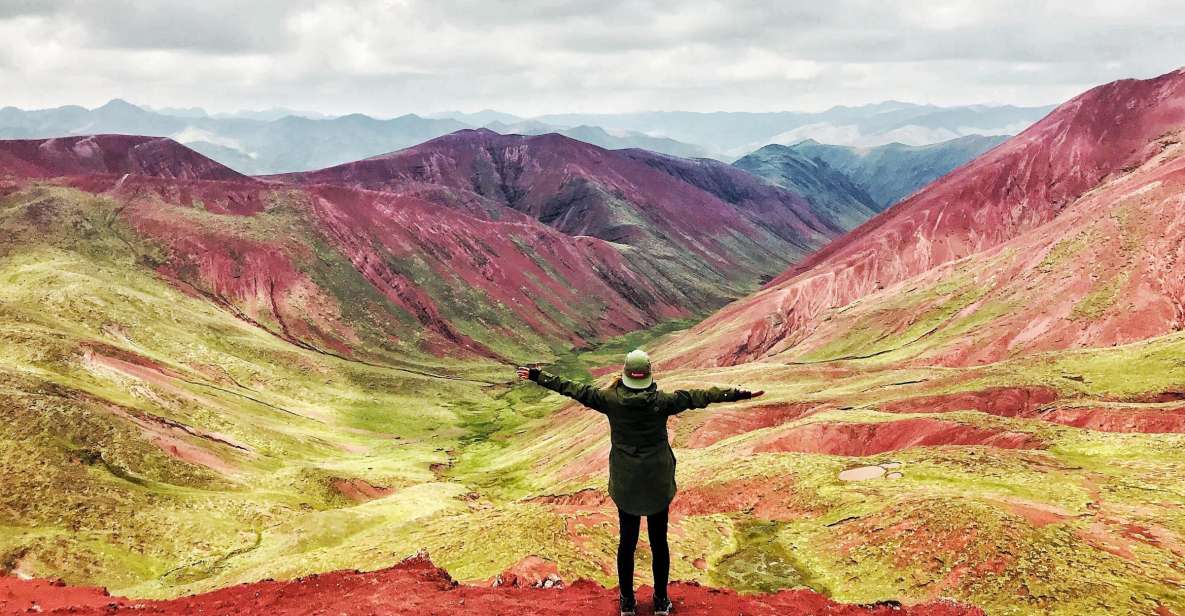
When you get there, the views do the talking. You’ll see snow-capped Andes peaks, and the skyline includes Ausangate, the fifth-highest mountain in Peru. There’s also a planned 20-minute leisure window for photos and just taking it in.
Crowds are common here. Your best strategy is simple: don’t wait for perfect light. Use your time efficiently—take photos, look around for composition, then return to your group when the window feels like it’s tightening.
Altitude note: this is high. Even if you feel okay, keep your breathing calm on the way up. The tour provides oxygen, and radio communication helps the team coordinate if anything comes up.
The transfer between summits: 30 minutes to Red Valley
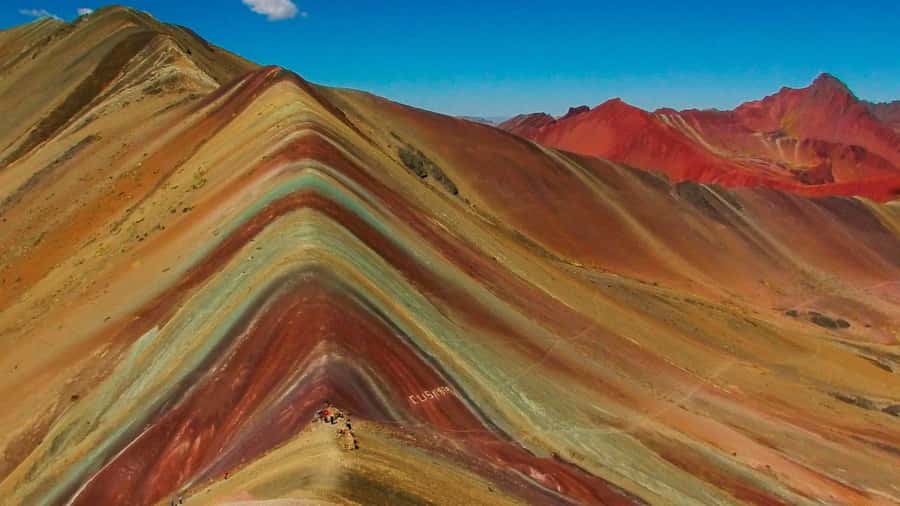
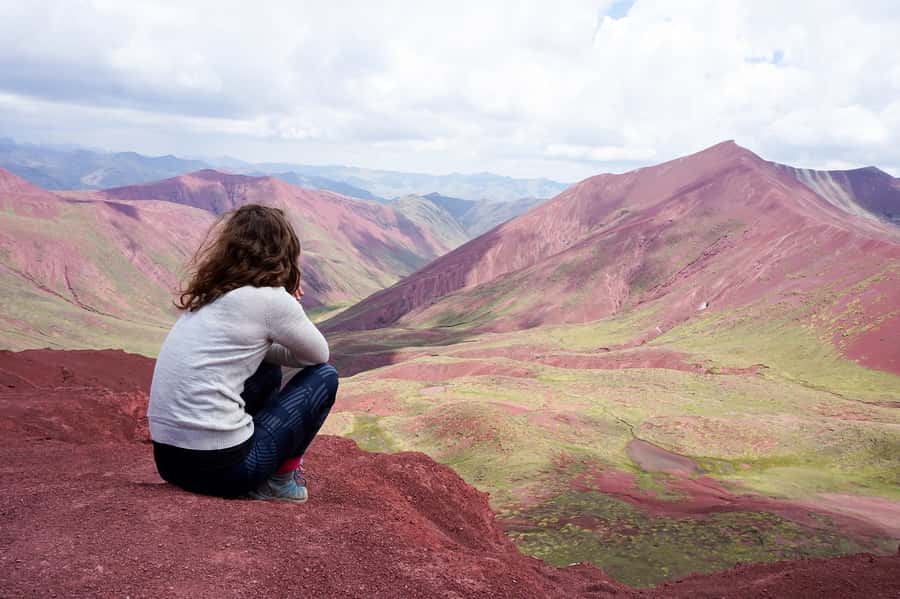
After Rainbow Mountain, the route continues with a 30-minute trek toward Red Valley. You’ll arrive at 5,038 meters, basically the same altitude zone, so don’t treat it like a easy downhill break.
What you’ll notice: the colors and rock tones shift, and the valley feels more open. You’re still at altitude, but the sense of space can make it feel different than the tight climb to Rainbow Mountain.
The timing is structured, but it’s still a hiking day. If you’re someone who moves slow, consider keeping a slightly steadier pace earlier so you’re not rushed later.
Red Valley: the short stop that can feel independent
Red Valley is listed as an actional hike from Rainbow Mountain for about 1 hour overall. In practice, you’ll follow your guide’s route, but you won’t be accompanied while you’re on the Red Valley section.
Once you reach the viewpoint area, you’ll have about 15 minutes to admire the views before returning toward the parking area where your driver will be waiting.
Here’s the main consideration: that 15-minute window is short, and you need to plan your movement. Use the time like this—arrive, take your first photos quickly, then do a second look for the best angles. If you stop to chat or wander off for too long, the clock catches you.
Also, because the guide is not staying with you there, you should make sure you know what the group is doing when you reach Red Valley. Follow the plan, keep close to your group, and don’t assume someone will call you back if you drift.
Breakfast in Quiquijana and buffet lunch on the return
The food stops aren’t just filler. You get a breakfast buffet early before the hike, and then on the return you stop in Quiquijana for a buffet lunch.
Why this matters on a hike like this: high altitude makes you feel different, and walking uphill burns energy faster than you expect. A real meal before the trek helps, and having lunch waiting on the way back means you’re less likely to get shaky and cranky before you return to Cusco.
Practical tip: eat enough to feel fueled, not stuffed. And if you’re sensitive to spicy foods, go easy—buffets can be flavorful, and you’ll want comfort once you’re walking.
You can also read our reviews of more tours and experiences in Cusco

Guides, communication, and why small groups are worth it
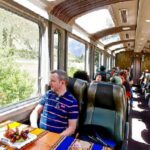
This tour uses a bilingual guide (English and Spanish), plus radio communication and a first-aid kit. There’s also oxygen included, which is exactly what you want to hear when you’re heading to altitudes above 5,000 meters.
Communication matters more than people think. On days with a lot of traffic on the route, radio contact helps the team coordinate timing and keep everyone linked up. That’s especially relevant at Rainbow Mountain, where the climb is popular and it’s easy to lose track if people linger too long.
You may also notice different crew styles depending on the departure. In one described run, guides named Richard and driver Toreto were part of the operation, and that kind of teamwork can make the day feel organized even when the schedule is tight.
The price: $145 is the core tour, but entrance fees add up
At $145 per person for a one-day hike, you’re paying for the structured guided experience: pickup, transportation, meals (breakfast and lunch), bilingual guide, oxygen, radio comms, and the drop-off at Plaza Regocijo.
Two big costs are not included:
- Entrance to Rainbow Mountain: 25 Peruvian soles per person
- Entrance to Red Valley: 30 Peruvian soles per person
So you’ll want to plan for those extra on-site payments. Also note that horses are not included, which means you’re doing the walking yourself. If you’re expecting a short guided hike with the option to ride, this isn’t that kind of tour.
How to judge the value: this works best if you want a turnkey day with safety gear, included meals, and a route that takes you to both highlights. If you’re the type who already has a solid plan for logistics and altitude, you could theoretically DIY parts of the route. But if you want less hassle and a tight schedule run by a team, this price can make sense.
What to pack (and what to avoid) for the Cusco high-altitude hike
You’ll be outdoors for a full day, and conditions can turn cold fast at altitude. The tour asks for warm clothing and comfortable shoes. That’s not an afterthought—it’s the difference between feeling okay and feeling miserable.
Bring:
- Comfortable, grippy shoes for uneven terrain
- Warm layers (think gloves, hat, and a jacket you can zip up)
- A light day bag (you’ll be moving a lot)
Avoid:
- Luggage or large bags (these aren’t allowed)
Also, keep your movement efficient. If you stop too much while walking, you’ll feel it later when the schedule compresses at Red Valley.
Who this tour suits best, and who should skip it
This trek is not suitable for people with mobility impairments, and it’s also not suited for people with heart problems or wheelchair users.
It fits best if you:
- Can handle a full-day hike on uneven ground
- Are comfortable with altitude at about 5,000 meters
- Want a guided route that hits Rainbow Mountain and Red Valley in one day
- Prefer a small group experience rather than a huge crowd of strangers
If you’re unsure about altitude, treat it seriously. Even with oxygen available, it’s still a high-altitude hike.
Things that can change the feel of your day
This tour is well structured, but a few factors can affect your experience:
Crowds at Rainbow Mountain: Rainbow Mountain is popular, and you may encounter a lot of other groups around your summit time. That’s normal. Use your 20-minute window wisely.
Timing pressure: The day is built around set hiking blocks and short viewing stops. If you move slowly or stop frequently, you may feel rushed at Red Valley.
Missing-the-loop moments: On a route with many groups, it can happen that someone gets separated or timing shifts. If that happens, the day can run late. Your best prevention is staying close to your group during key moments and not drifting away while you’re near busy areas.
Should you book the Rainbow Mountain and Red Valley tour?
Book it if you want a straightforward way to see two major high-altitude Peru highlights in one day, with a team handling transport and the big coordination points. The included oxygen, radio communication, and included meals make it feel genuinely practical, not just scenic.
Skip it (or choose a different format) if Red Valley independence and short viewpoint time sound stressful to you. If you’d rather have a guide walking with you the entire way and more time to linger, you might find this schedule a bit tight.
If you do book: plan for cold, pack light, and treat your time at each viewpoint like a schedule, not a suggestion. With the right pace, this is a memorable day of Andes drama.
FAQ
What is the duration of the Cusco Rainbow Mountain and Red Valley tour?
The tour lasts 1 day.
How much does this tour cost?
The price is listed as $145 per person.
Are breakfast and lunch included?
Yes. The tour includes a buffet breakfast and a buffet lunch.
Is transportation included?
Yes. Hotel pickup in Cusco and transportation are included.
What are the entrance fees for Rainbow Mountain and Red Valley?
Entrance to Red Valley costs 30 Peruvian soles per person, and entrance to Rainbow Mountain costs 25 Peruvian soles per person. These are not included in the tour price.
How high is Rainbow Mountain on this tour?
Rainbow Mountain is reached at 5,036 meters above sea level.
How high is Red Valley on this tour?
Red Valley is listed at 5,038 meters above sea level.
Is the group size limited?
Yes. It’s a small group limited to 15 participants.
Will the guide stay with you during the Red Valley section?
The guide will show you the way to Red Valley, but will not accompany you during that part of the hike.
What should I bring, and are large bags allowed?
Bring comfortable shoes and warm clothing. Luggage or large bags are not allowed.