REVIEW · HIKING & TREKKING
From Cusco: 7 Lakes Ausangate Trek with Breakfast and Lunch
Book on GetYourGuide →Operated by Inka Altitude · Bookable on GetYourGuide
Big Andes day starts before sunrise. From Cusco you’re picked up in the dark and driven to Pacchanta, where Apu Ausangate dominates the horizon and guides like Diana help keep a manageable pace. I love that the whole day is built around big mountain drama and small-group attention, not a crowded route.
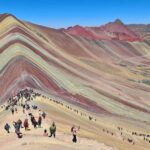
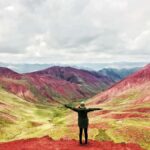
My favorite part is the chain of alpine lakes you hike past, with plenty of time to pause and take in the Andes in layers. And then you end with a proper warm-water reward at Pacchanta hot springs—right after you’ve been chilled by high-altitude air.
One thing to plan for: this is not a casual outing. You’ll be above 4,800 m, with cold mornings and a long, bumpy drive on a dirt road that can make altitude feel stronger for some people.
In This Review
- Key things to know before you go
- First light in Cusco: the early pickup and the ride to Pacchanta
- Altitude and comfort: what this day really asks of your body
- Breakfast, warm layers, and Apu Ausangate arriving early
- The 7 lakes hike: timing, distance, and how the terrain feels
- Horse segments and photo stops: finding your pace without getting left behind
- Lunch back at the highlands: simple fuel, not a fancy meal
- Pacchanta hot springs: warm water with real highland air
- Price and value: is $29 a bargain or a risk?
- Logistics that matter: cash, bags, timing, and weather calls
- Who should book—and who should skip
- Should you book this 7 Lakes Ausangate trek from Cusco?
- FAQ
- What time does pickup happen in Cusco?
- How long is the hike and how far is it?
- Is breakfast and lunch included?
- Will I get help with altitude and safety?
- Are entrance fees and hot springs included?
- What should I bring, and can I bring a large bag?
Key things to know before you go
- Very early pickup from Cusco (around 4:00–4:30 am) plus a long drive to Pacchanta
- Apu Ausangate views first thing, before you even start walking
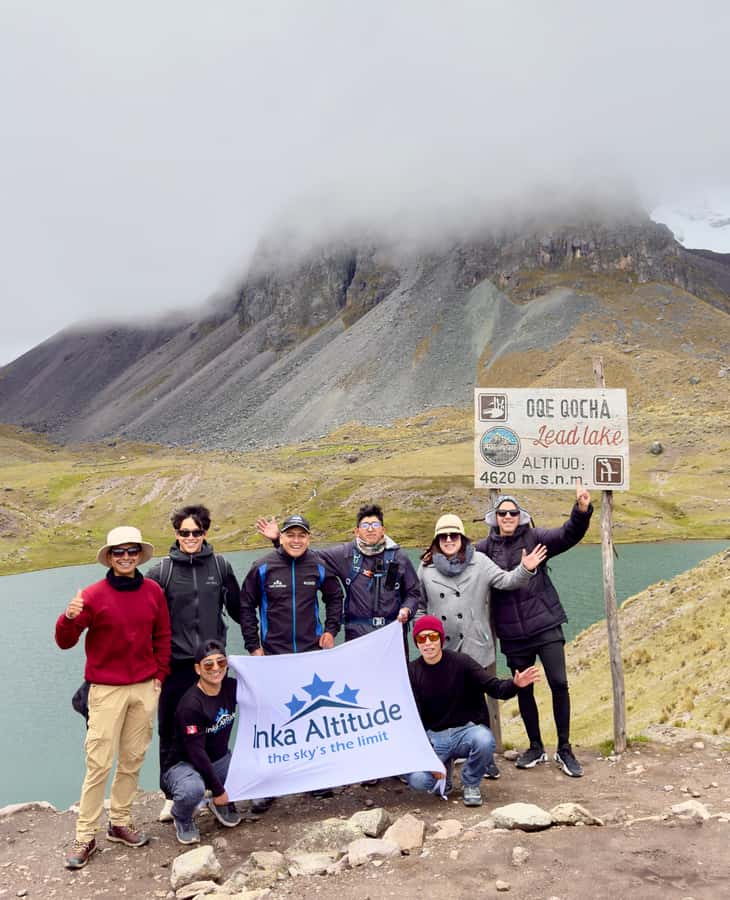
- About 13 km of hiking and a high point around 4,620 m, with optional horse segments for the tougher stretches
- Sunglasses are mandatory for the hike (sun + altitude glare)
- Pacchanta hot springs are timed into the day, but you’ll pay extra for entry
- Food is included, but it’s highland-practical, not gourmet
First light in Cusco: the early pickup and the ride to Pacchanta
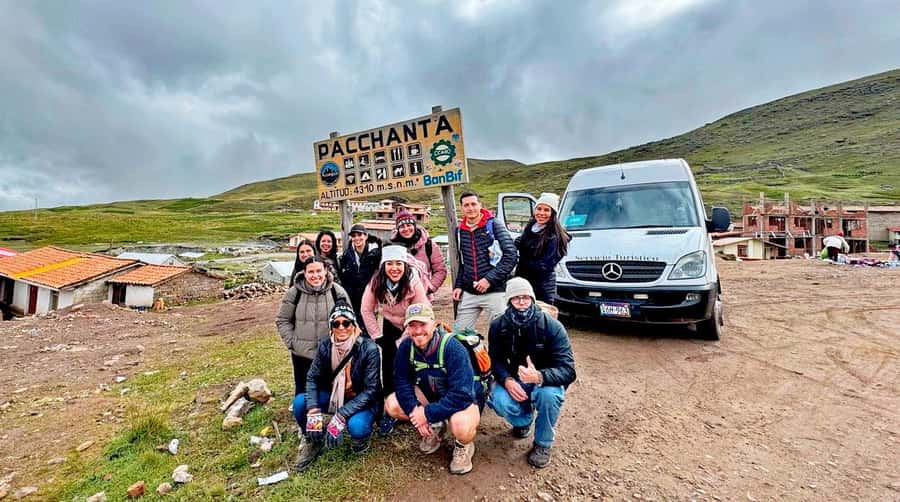
The day starts early on purpose. Pickup is from the Centro Histórico area, typically between 4:00 and 4:30 am, and you’ll want to be ready in the lobby. If your group isn’t picked up first, expect extra waiting while the van collects everyone—pickup can take 30 to 45 minutes.
Then it’s a 3-hour drive toward Pacchanta. Morning temps are often about 5–9°C, so you’ll feel the cold before the trekking even starts. Bring the warm layer you actually trust: a warm sweater, jacket, hat, and gloves are not optional-feeling items here.
Roads are part of the story. This is a dirt road, and the ride can contribute to altitude discomfort for some people. If you’re prone to motion sickness or get hit by altitude easily, plan for a calmer start: go slow, breathe steadily, and take it seriously even before you lace up your shoes.
You can also read our reviews of more tours and experiences in Cusco
Altitude and comfort: what this day really asks of your body
This trek lives at high altitude. You’ll trek over 4,800 m, and the highest point on the route is listed around 4,620 m. That difference matters mainly in how you feel across the day—either way, you’re not doing this at sea-level effort.
Good news: you’re not sent out with zero support. The tour includes a first aid kit and an oxygen bottle, which is a strong safety touch for a day like this. You’ll also hike at a comfortable pace with an attentive guide who watches the group and helps people who fall behind.
Still, altitude hits different people differently. It’s recommended to bring altitude pills/meds if you use them, and it’s smart to pack personal medications. If you have a heart issue, respiratory issue, back problems, mobility limitations, or you’re over 120 kg, this isn’t a good match per the tour’s own guidance.
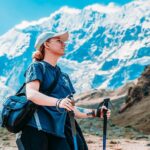
Cold and wind can be as tiring as the walking. Sunglasses are mandatory, and you’ll appreciate rain gear even if the forecast looks “okay.” Clouds and drizzle happen, and the route runs on stubborn mountain time—so dress for weather that changes fast.
Breakfast, warm layers, and Apu Ausangate arriving early
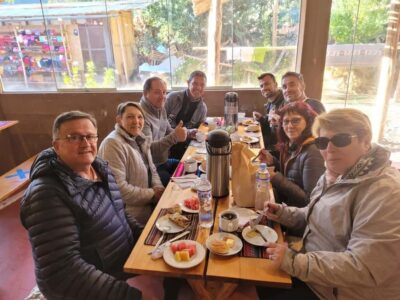
Once you reach Pacchanta, you’ll get breakfast (about 30 minutes). The goal is simple: get calories in your system and start warm before your body goes into trekking mode.
Before the first steps, you’ll also get time to prepare your day pack. That short window is more important than it sounds. When you start high and cold, you’ll want water accessible, layers easy to remove or add, and your essentials where you can reach them without slowing the line.
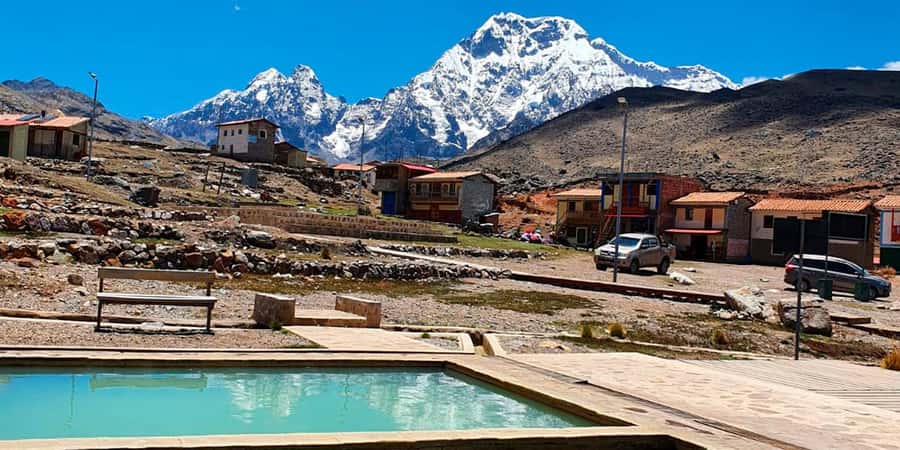
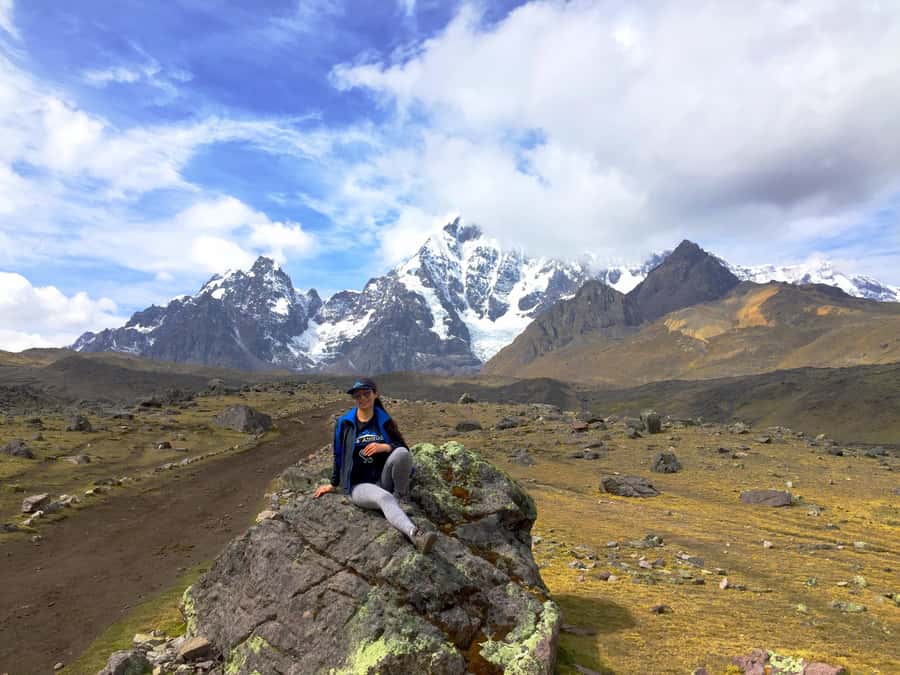
Then comes the first big payoff: views of Apu Ausangate, the local “apū” mountain that rises to 6,384 m. This is why the early start is worth it. You see the mountain before clouds move in, and you’re already in the right rhythm: breath steady, steps shorter, and eyes up.
Guides often bring more than directions. In past trips, guides like Kevin and Carlos have helped with safety checks and pacing, and they’ll sometimes share cultural context that makes the hike feel tied to the place instead of just a scenic workout.
The 7 lakes hike: timing, distance, and how the terrain feels
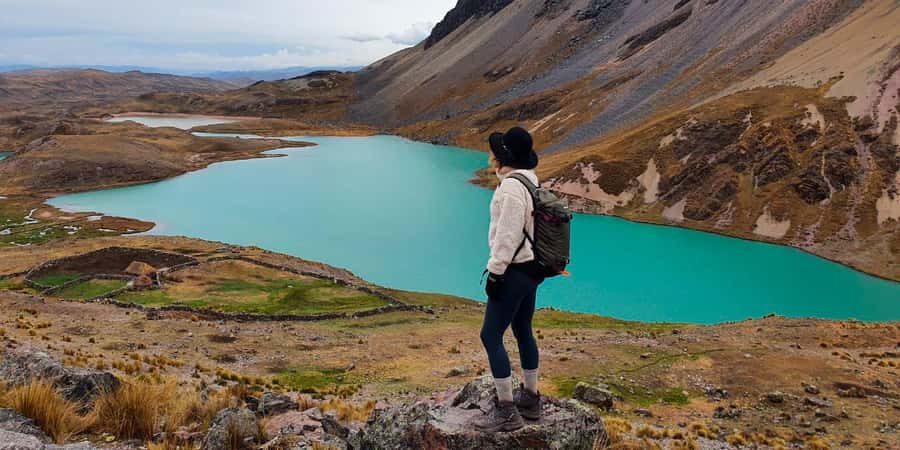
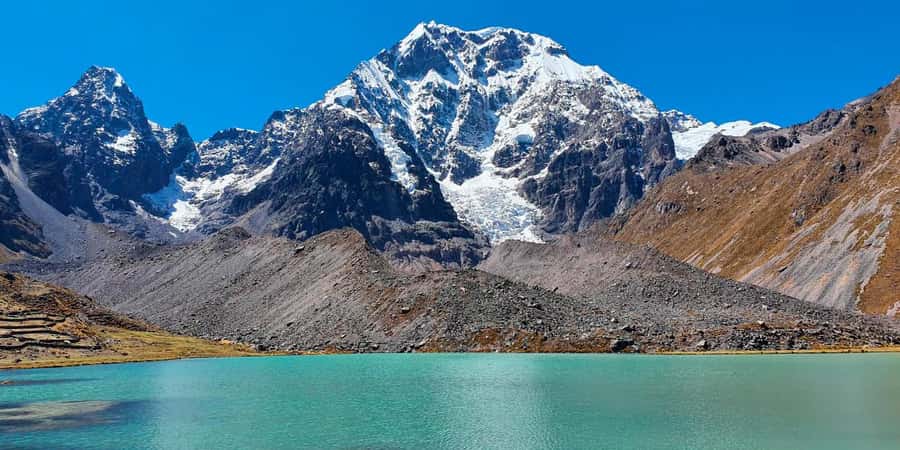
The main hiking portion is about 13 km (around 8 miles) and takes roughly 4.5 hours, depending on how your group moves and how often you pause. Expect steep sections. You won’t be “casual walking,” but it’s also not a technical climb—think strong uphill trekking at altitude.
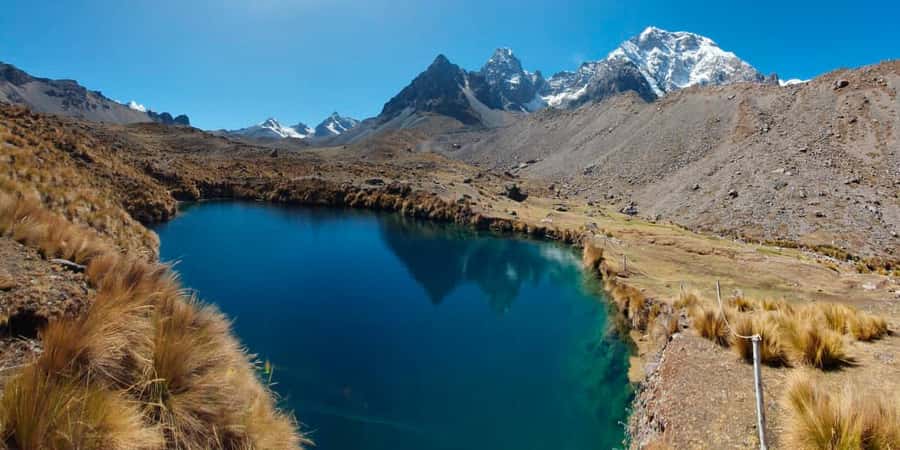
The schedule includes passing several lakes, with changing altitudes and terrain. A key practical point: everyone walks at a different speed. The guide will shift positions to help people who need support, and you’ll adjust without turning it into a race.
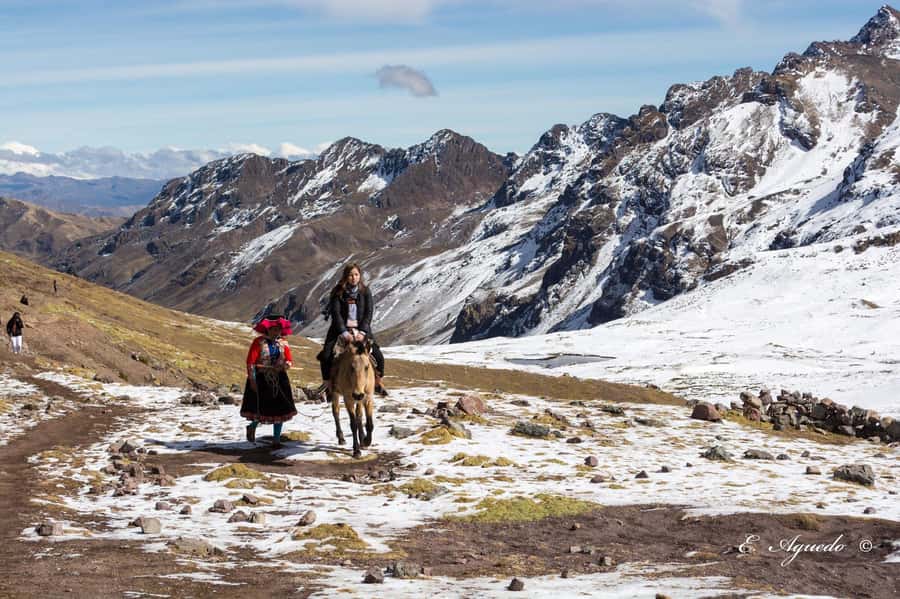
There’s also a horse option built into the day. The schedule includes stretches of horse riding, and multiple experiences describe using horses if altitude or stamina gets tough. Extra horse rental cost is paid locally; one quoted figure from similar outings is around 120–130 soles, when needed.
If you’re debating the horse: consider it as a “save your day” tool, not a luxury. Altitude fatigue can creep in after lunch, but if your legs are already cooked early, you’ll feel it later at the same height. A horse can keep you functional enough to actually enjoy the lakes instead of just surviving them.
One more detail: photo time is planned, but you’ll still keep moving. Some people love the slow looking pace; others feel the day can feel a bit “on schedule.” If you want maximum lake staring time, don’t rush your first hour. Let your pace be slow enough that you still have energy for pauses.
Horse segments and photo stops: finding your pace without getting left behind
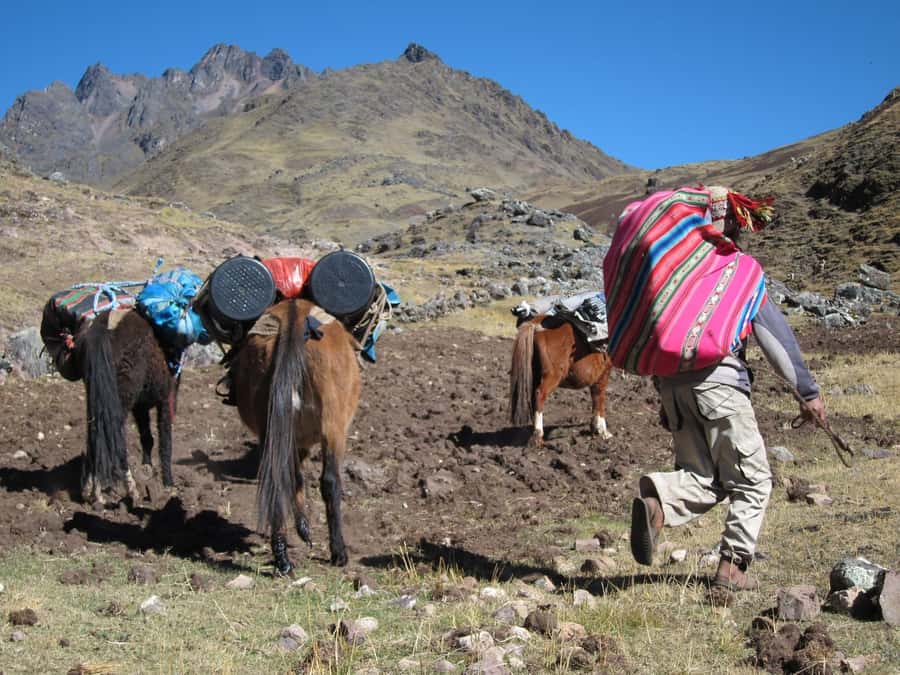
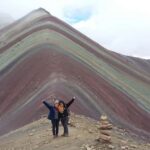
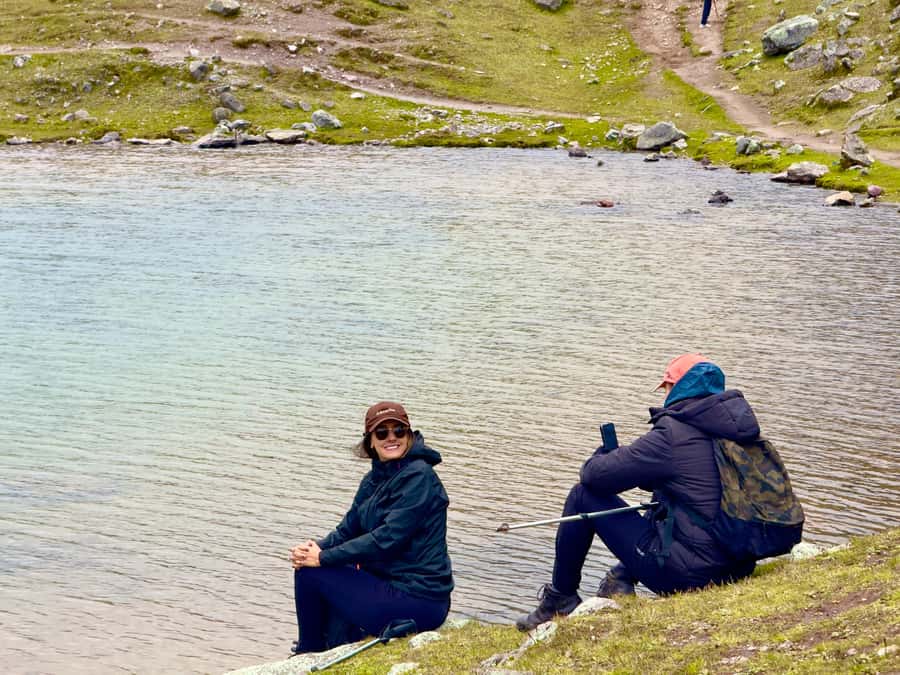
Midday the day builds in variety. You’ll have at least one planned photo stop tied to the Ausangate lakes area (around 30 minutes). This is your chance to step back from the effort and just watch the mountains, glaciers, and lake edges change with light.
Horse riding time can also break up the toughest angles. If you ride, you’ll likely do it for the steepest uphill/downhill portions while the guide keeps an eye on the group. Keep in mind that the local partner handling horses won’t manage rental details on your behalf, so if you opt in, you’ll want to confirm the arrangement clearly with your guide.
Pacing is handled with real attention. In multiple experiences, guides are patient with different walking speeds and do regular checks. That matters at this altitude, where a “normal” hike pace on the map can become a breath-by-breath slog on your body.
What you’ll notice along the way: animals show up in the highlands too—llamas and alpacas are common on these routes. They’re not just cute distractions. They’re part of the working mountain landscape, and seeing them keeps the day grounded in lived local life rather than only views.
You can also read our reviews of more hiking tours in Cusco
Lunch back at the highlands: simple fuel, not a fancy meal
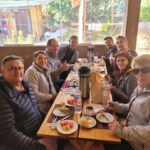
After you’ve done the main trek loop, you return toward Pacchanta for lunch (about 30 minutes). This is included, and it’s designed for function: enough food to refuel before hot springs.
The meals are best described as practical. Most people report it as sufficient, but the food is not marketed as gourmet. If you’re picky about texture or temperature, bring a small personal snack for peace of mind.
Also think about what lunch means at altitude. Eating right after a long cold hike helps your body recover. If you can, drink water with your meal too—hydration matters as much as calories when your breathing rate is already higher than normal.
Pacchanta hot springs: warm water with real highland air
Then comes the payoff most people remember. You’ll go to Pacchanta hot springs for about 30 minutes of soaking. This is timed after lunch, so your body has fuel and you’re not trying to relax while starving or shivering.
The big practical catch: hot spring entry is not included. You should budget about 30 soles for entrance fees, and you’ll need cash in Peruvian soles for that and other extras (water, souvenirs, and similar add-ons).
What the soak feels like in real life: warm water against cold air. Steam, wind, and sun glare are all part of the experience at elevation. If you bring sunglasses for the hike, you might also appreciate a light lip balm or something to handle dry air while you’re there.
This is also where some guides bring cultural moments. In at least one experience, a guide included a brief Andean ceremony at a high point of the day. Don’t assume it happens every time, but keep an open mind—your guide might pause for a respectful local ritual moment if the timing works.
Price and value: is $29 a bargain or a risk?
At $29 per person, the value is strong because so much is included: hotel pickup, a professional guide, breakfast, lunch, and added safety items like a first aid kit and an oxygen bottle. The tour also includes drop-off near Cusco center, so you’re not solving transport at the end of a tiring day.
What’s not included is also important: entrance fees and hot springs, about 30 soles. You’ll also want to budget small cash purchases in the area.
So the value equation is simple:
- You pay for a long, early day with real logistics handled.
- You pay extra only for the hot springs/entrance.
- The main “cost” you bring is energy and comfort planning (layers, shoes, altitude readiness).
One reason people like this tour compared with more famous lake hikes is that it can feel less crowded. The route is still popular, but it tends to have more breathing room once you’re out in the highlands—especially outside peak tourist days. That translates into a calmer feel at lake edges.
Logistics that matter: cash, bags, timing, and weather calls
A few details can make your day smoother.
Cash only for extras: During the day, additional expenses are paid with Peruvian soles. Plan ahead so you’re not scrambling while your hands are cold.
No big luggage: You shouldn’t bring luggage or large bags. If you travel with lots of gear, pack light for this outing and keep valuables minimal.
Weather choice is real: The local partner doesn’t control weather. Choose the best departure day based on your own research. Cloudy skies can still bring drama, but heavy rain and strong wind can make trekking colder and slower.
Dirt-road bumpy ride: The drive can aggravate altitude discomfort for some people. If you get nauseous, consider how you’ll manage it early in the morning.
Finally, schedule reality: you’ll return to Cusco around 6 to 7 pm. That’s late enough to get dinner afterward, but early enough that you can still sleep normally if the next day is light.
Who should book—and who should skip
This trek is best for people who:
- can handle steep high-altitude walking
- are okay starting before 5 am
- want a mountain-plus-lakes day with a real payoff
- appreciate a guide who adjusts pace and checks in often
It’s not a great choice if you have:
- heart problems or significant respiratory issues
- mobility impairments, wheelchair use
- back problems
- you’re above 120 kg
- you’re not able to manage cold, altitude, and uneven terrain
If you’re new to altitude, it can still work, but the horse option can be key. If you know you’ll struggle, consider arranging for that support early—so you don’t wait until you’re too exhausted to enjoy the lakes.
Should you book this 7 Lakes Ausangate trek from Cusco?
If you want a classic Ausangate day with the mountain in view from the start, this one-day trek is a strong pick. The combination of Apu Ausangate views, lakes along the route, and a hot springs soak creates a satisfying arc: effort, payoff, recovery.
Book it if you’re comfortable with altitude and you pack smart for cold mornings. Don’t book it if your health conditions match the tour’s safety limitations or if you can’t handle long, high-elevation days.
My practical advice: bring proper layers, keep your bag small, bring cash for hot springs, and choose a good weather day. If you do those things, you’ll finish the day feeling like you went somewhere that still feels high and real—without needing more than one day in Peru’s highlands.
FAQ
What time does pickup happen in Cusco?
Pickup is typically from the Centro Histórico area between 4:00 and 4:30 am.
How long is the hike and how far is it?
The hiking totals about 13 km (around 8 miles) and takes roughly 4.5 hours.
Is breakfast and lunch included?
Yes. Breakfast is included (around 30 minutes) and lunch is included (around 30 minutes).
Will I get help with altitude and safety?
The tour includes a professional guide, a first aid kit, and an oxygen bottle. The day also involves trekking over 4,800 meters.
Are entrance fees and hot springs included?
No. Entrance fees and hot springs cost about 30 soles and are not included.
What should I bring, and can I bring a large bag?
You should bring snacks, water, rain gear, hiking shoes, sunglasses, and comfortable warm clothes (plus extra warm layers). Luggage or large bags are not allowed.