REVIEW · HIKING & TREKKING
Small Group: 4-Day Inca Trail Trek to Machu Picchu
Book on Viator →Operated by Inkayni Peru Tours · Bookable on Viator
The Inca Trail feels like a slow-building challenge with rewards. This 4-day walk follows the same iconic route toward Machu Picchu, with a guide, chef, camping support, and the small-group advantage that keeps your day-to-day experience calmer. I like that you’re capped at a small group (up to 10 travelers, maximum 12) and that your on-trail team actually teaches you what you’re seeing, from guides like Papa Freddy and Edwin who share Inca history with real pride. I also like the practical comfort package—tents, sleeping mattress, hot water, and a chef-backed dining setup—so you spend more energy on the trail and less on logistics.
The main drawback is the obvious one: this hike climbs to Dead Woman’s Pass (Abra de Warmihuañusca) at 4,215m, and the trail can be tough in cold, rain, and hail. If you have serious back or heart issues, or you’re not comfortable with high altitude, this is not the trek to gamble on.
Key highlights at a glance
- Small-group feel with a max of 10 travelers (max 12), plus the shared pace of a tight team
- Guide storytelling tied to sites you pass: places like Runkurakay, Sayacmarca, and Wiñayhuayna
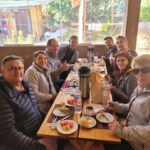
- Chef-led camp meals that keep you fed on a real workday hike
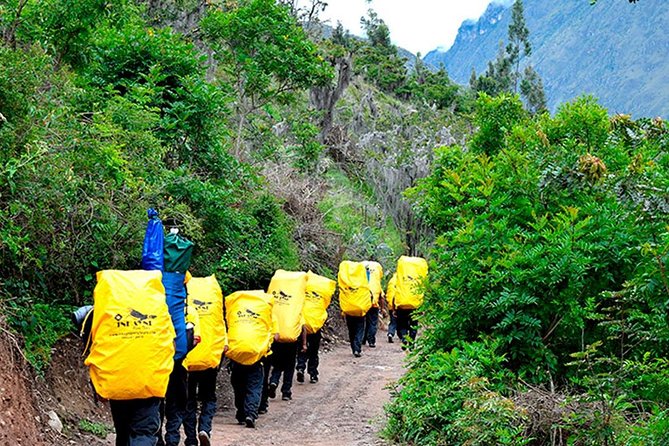
- Porter support, including a personal porter to carry up to 5kg of your gear
- Early Sun Gate morning for the first big look at Machu Picchu, weather permitting
In This Review
- Why This Small-Group Inca Trail Feels Different (and Worth Paying For)
- Day 1: Cusco Pickup to Km 82 and Your First Camp at Wayllabamba
- Day 2: Dead Woman’s Pass, Cloud Forest Air, and Camp at Pacaymayo
- Day 3: Runkurakay to Sayacmarca, Then Wiñayhuayna’s Terraces
- Day 4: Sun Gate First Look, Guided Machu Picchu Time, and the Ride Back
- What’s Included (and How It Really Helps on the Trail)
- The Crew: Why Guides and Chasquis Matter More Than You Think
- Fitness, Altitude, and Weather: How to Set Yourself Up to Enjoy It
- Gear and Packing List: The Stuff That Keeps the Trek Comfortable
- Price and Logistics: Getting Value Out of the $850 Cost
- Should You Book This 4-Day Inca Trail to Machu Picchu?
- FAQ
- What group size is this Inca Trail trek?
- Where does the trek start?
- How long is the trek?
- What time does the tour start?
- Is camping gear included?
- Who carries what on the trek?
- Is Machu Picchu entry included, and are there optional extras?
- What meals are included?
- Is the trek safe for people with medical conditions?
- Can I get a refund if I cancel?
Why This Small-Group Inca Trail Feels Different (and Worth Paying For)
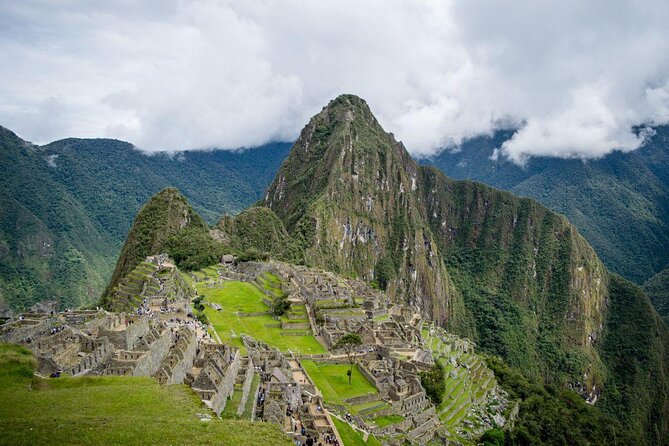
The Inca Trail is famous for a reason. Still, what you’re really buying here is a smoother experience while you do something brutally physical. A small group means you’re not spending hours stuck behind slow moving lines, and you get a guide’s attention on questions that pop up mid-hike.
Price wise, $850 per person can look steep at first. But when you zoom out, a lot is bundled: guide, chef, porters (including cooking/camping equipment), transportation from central Cusco to Km 82, and the train + van back after Machu Picchu. You also get camping structure (tents used by two people), an inflatable mattress, and an oxygen bottle for altitude support. That’s not just “nice to have.” On a trek, it can be the difference between pushing yourself smartly and suffering unnecessarily.
The group is also staying under a practical ceiling. Even though the Peruvian permit system limits daily entries to 500 people total on the trail each morning (counting hikers, guides, porters, and cooks), you’ll feel less crowded with a much smaller hiking group.
Day 1: Cusco Pickup to Km 82 and Your First Camp at Wayllabamba
Day 1 starts early with a hotel pickup, then a private bus ride toward the Sacred Valley. You pass through places like Chinchero, Urubamba, and Ollantaytambo, which helps you ease into Peru’s Inca geography before your boots hit dirt.
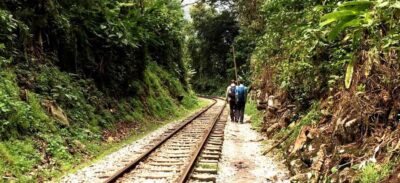
After about 2.5 hours of scenic driving, you reach Km 82, the official trail starting point. From there, the trekking proper begins with an ascent toward Wilka Rakay, where you get views over Patallacta and the Kusichaca Valley. This is the “wake up your legs” portion, but it’s also when the scenery starts doing most of the emotional heavy lifting.
Late afternoon brings you to Wayllabamba (around 3,000m). This is your first camp setup, and the team focuses on getting camp running so you can relax. After dinner, the value of all that planning shows up: hot water in the mornings, plus a camp setup that feels structured rather than chaotic.
You can also read our reviews of more hiking tours in Cusco
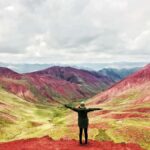
Day 2: Dead Woman’s Pass, Cloud Forest Air, and Camp at Pacaymayo
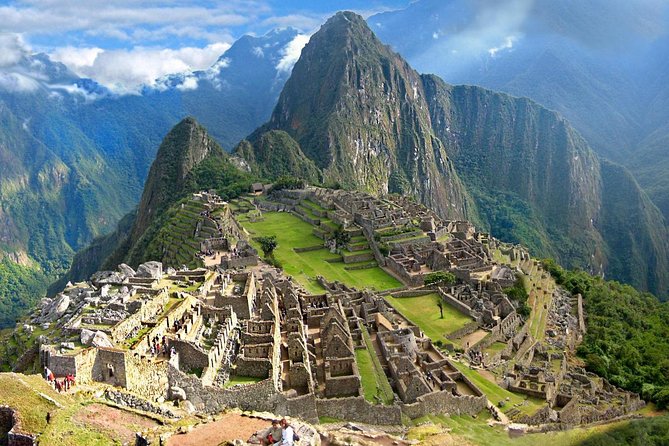
Day 2 is where the trek stops being a hike and turns into a real mountain day. You begin with breakfast, then climb toward Tres Piedras (The Three Stones) for about an hour. This section matters because it’s your runway into higher altitude and thicker vegetation—once you’re in the cloud forest, the air feels different and the trail becomes softer underfoot.
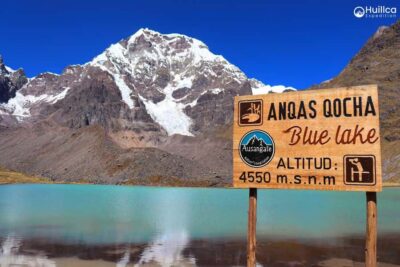
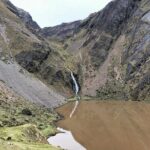
From there, you press toward the most famous high point of the route: Abra de Warmihuañusca, also called Dead Woman’s Pass. The pass tops out around 4,215m, and the climb is steep enough that you’ll feel your breathing change. The payoff is high-altitude grassland views that spread out in all directions—rugged, open, and brutally beautiful.
Then comes the steep descent to Pacaymayo (about 3,600m). That drop can be tough on knees, but it also helps you feel progress: you’re crossing a major milestone and getting ready for the calmer-but-still-physical sections to come. At camp, you unwind around the mountains and recharge for Day 3 with a meal that keeps you going instead of leaving you hungry.
A small practical note: the tour includes water, but you’ll need to bring your own during the first 4 hours of the trek. That’s easy to overlook when you’re excited. Pack for it.
Day 3: Runkurakay to Sayacmarca, Then Wiñayhuayna’s Terraces
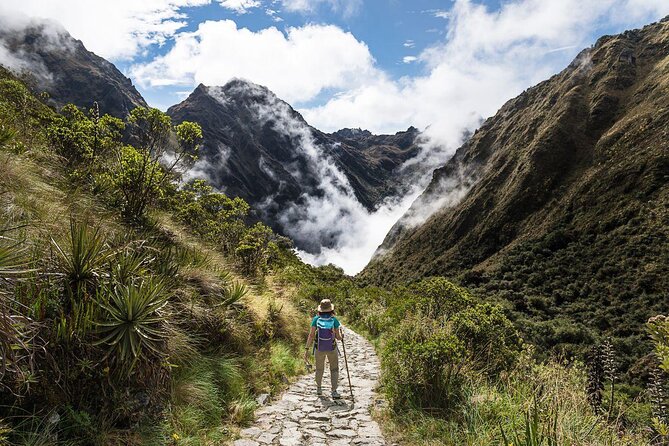
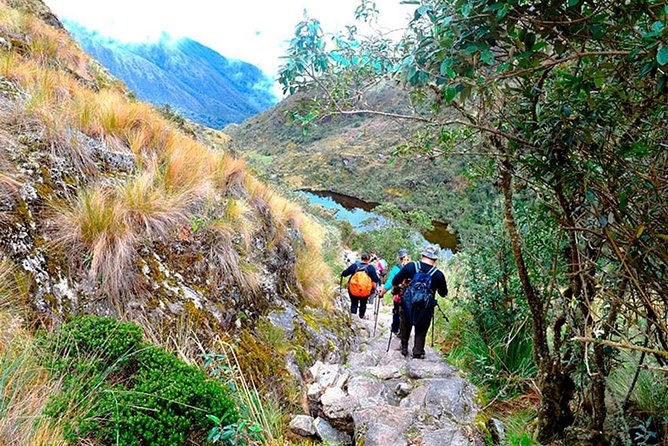
Day 3 layers in several Inca highlights rather than focusing only on altitude. You start with short climbs to Runkurakay and then to the Runkurakay Pass (about 4,000m). These resting sites aren’t just scenic stops; they help you understand how travelers and communities moved through this high country.
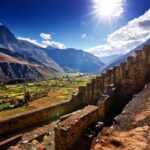
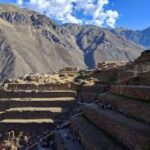
Next, you descend to Sayacmarca, which sits on a steep mountainside. This is a great “slow down and look closely” area because the stonework shows strategic placement—Inca architecture adapted to real terrain, not against it. You explore, then continue along a well-preserved Inca path toward lunch at Chaquicocha.
After lunch, the trail transitions back into cloud forest again. This is where the trek feels like it’s changing seasons in a single day: cooler air, lush vegetation, and a narrower path that makes you feel connected to the ground under your feet.
The final section connects ridge walks to major viewpoints. You follow a narrow ridge toward Phuyupatamarca Pass, where views open toward the Sacred Valley and out toward Machu Picchu’s area. Ceremonial sites and terraces appear along the route as you descend, and you finish at Wiñayhuayna, the last campsite before Machu Picchu. It’s a symbolic night, because the trek’s ending is finally close enough to taste.
Day 4: Sun Gate First Look, Guided Machu Picchu Time, and the Ride Back
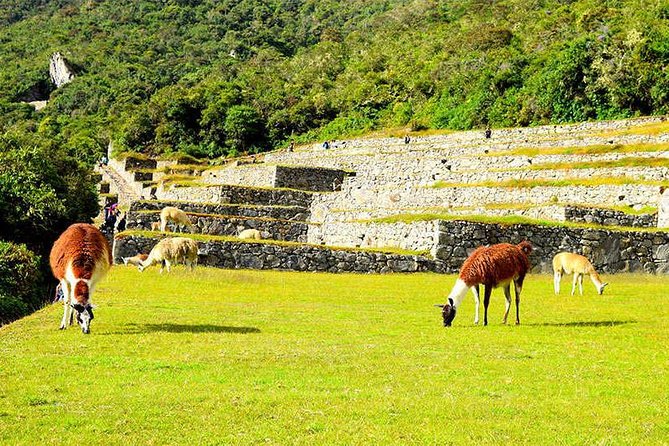
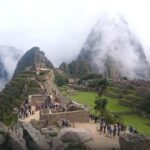
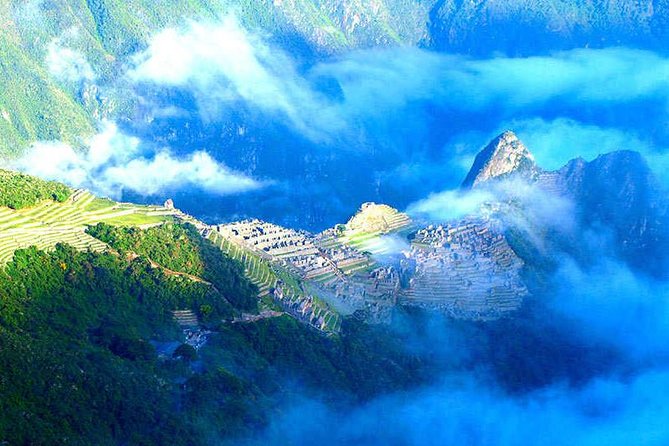
Day 4 begins early—rise, finish the final stretch, and aim for Inti Punku (Sun Gate). This part of the trek is described as relatively easier, which is a welcome change after the hardest climbing days. You arrive after about an hour and—weather permitting—can catch the classic moment of sunrise over the Andes.
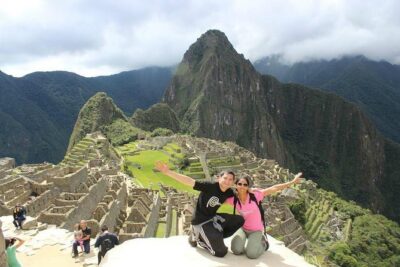
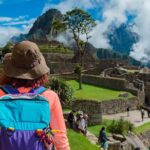
Even if you don’t catch the perfect light, arriving at Sun Gate is still one of the best ways to approach Machu Picchu. You get your first “oh wow” view from a dramatic angle, and it feels earned after multiple days on foot.
Next comes a 45-minute descent to the upper terraces, which are great for classic photos. If you want the more detailed guided time inside the citadel, the tour notes an optional extra ticket for re-entry to Machu Picchu so the guide can cover temples, ceremonial sites, terraces, and storage areas. You can also pre-book extra hikes like Huayna Picchu or Machu Picchu Mountain for panoramic views, but those have extra entry costs.
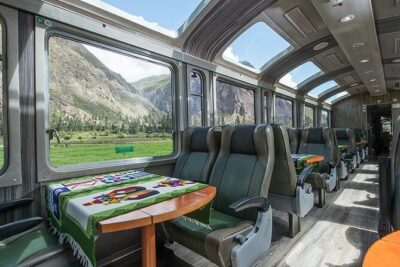
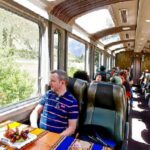
After Machu Picchu, you return to Aguas Calientes for a break and lunch, then board your train to Ollantaytambo. From there, a private van takes you back to Cusco. It’s a long day, but it’s also the payoff day. Your body might be tired, yet your brain will still be wired.
What’s Included (and How It Really Helps on the Trail)
This trip’s inclusions are very trek-focused. Here’s where the “bundle” turns into real value, not just marketing.
You get:
- A professional English-speaking guide
- A chef plus a dining setup with tables and chairs in camp
- Porters for cooking and camping equipment
- A personal porter carrying up to 5kg of your gear (so you can move with less strain)
- A camping setup: 4-man tents used by two people, inflatable mattress, inflatable pillow (you carry)
- Hot water every morning
- An oxygen bottle and a first aid kit
Meals are also handled for most days. You’ll have breakfast on trekking days (Day 1 breakfast is not included), and you’ll be covered for lunches/dinners during the trek. Day 4 meals beyond what’s stated as included are on your own, so plan for that gap.
One practical comfort point: you get water guidance, but not unlimited “hands you everything” hydration. During the first 4 hours you must bring your own water, which means your packing list matters.
You can also read our reviews of more tours and experiences in Cusco
The Crew: Why Guides and Chasquis Matter More Than You Think
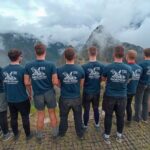
The Inca Trail is hard. The best tours make it feel human. This one has strong crew signals in the feedback, with repeated praise for both guides and the chasquis (the team who carry and run camp).
You’ll hear names like Papa Freddy, Freddy, Herlin, Edwin, Ronald Ccana Sotalero, Paul, Yo-yo, and Papa Freddy again—plus chefs such as Sabino, Nazario, Mario, and others. The consistent theme: your guide doesn’t just read facts. They explain why places mattered and connect Inca life to the terrain you’re standing on.
That matters because the trail can turn monotonous without context. When you understand what a pass was for, or why a site is where it is, the climb starts to feel like part of a story you can follow—step by step.
Fitness, Altitude, and Weather: How to Set Yourself Up to Enjoy It
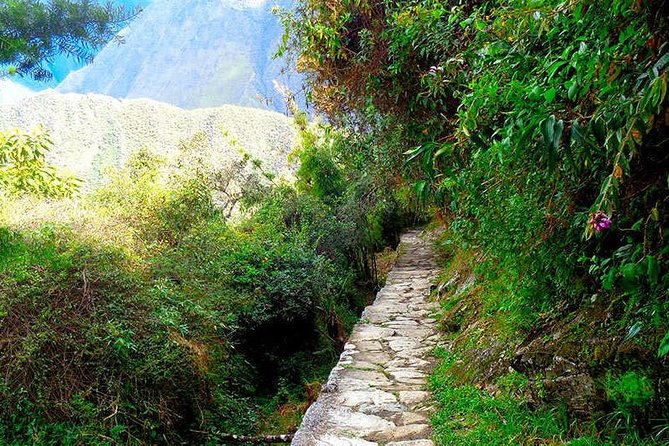
You’re climbing high. The itinerary includes passes around 4,000m+ and a highest point around 4,280m. That doesn’t mean you need to be a mountain athlete, but you do need to be comfortable with steady climbing and long hiking days.
The tour says it fits a moderate fitness level, but it also warns it’s not recommended for back problems, heart disease, or other serious medical conditions. That warning is worth taking seriously. If you’re unsure, talk to a medical professional before committing.
Weather is another reality check. Expect swings—cold mornings, warm afternoons, and the possibility of rain or hail. The packing list reflects that: waterproof jacket or rain poncho, warm jacket, hat and gloves, and rain-ready walking footwear.
Also, altitude support is included (oxygen bottle), but you still need to pace yourself. If your group is small, it’s easier to control tempo without being dragged along by a crowd. Use that to your advantage.
Gear and Packing List: The Stuff That Keeps the Trek Comfortable
This trek provides the sleep and most of the camping essentials, but you still need to bring key items. The tour recommends:
- Walking boots
- Waterproof jacket / rain poncho
- Warm jacket, hat, gloves
- T-shirts and comfortable trousers
- Sunscreen (factor 35+)
- Insect repellent
- Toiletries and hand sanitizer
- Personal medication
- Camera and spare batteries
- Torch with spare batteries
You also need a sleeping bag. It can be rented locally from a local tour operator. The inflatable mattress helps, but cold air at altitude is real, so don’t assume your regular bedding will be enough.
Finally, bring your passport. A current valid passport is required on travel day. If you’re a student, the tour mentions an ISIC card for potential discount eligibility.
Price and Logistics: Getting Value Out of the $850 Cost
$850 isn’t cheap, but it bundles the heavy stuff. You’re paying for a ready-made support system: porters, chef meals, tents, oxygen bottle, guided passes and ruins, plus the big transport pieces from Cusco to Km 82 and back from Machu Picchu via train.
It also reduces decision fatigue. On an Inca Trail trek, planning can chew up your energy. This kind of package means you’re focused on hiking, not scheduling.
That said, keep an eye on optional extras:
- Huayna Picchu entry is not included
- Machu Picchu Mountain hike is optional and costs extra if you choose it
- A re-entry ticket might be needed for certain guided time inside Machu Picchu, depending on your access
If you can handle the physical side and you want the ease of a full support package, this price-to-inclusions ratio can feel fair.
Should You Book This 4-Day Inca Trail to Machu Picchu?
Book it if you want:
- A smaller group experience with a real support crew
- Chef-led camping meals and porter assistance (including the 5kg personal porter)
- A guided trek that explains what you’re seeing as you hike
- Early Sun Gate access for your first major Machu Picchu view
Skip it or rethink it if:
- You’re not comfortable with high altitude climbs around 4,000m+
- You have serious medical limitations (the tour explicitly warns against back/heart issues)
- You’re hoping for a purely low-effort walk—this trek includes demanding passes and long days
If you’re ready for a physical challenge with strong on-trail guidance and camp support, this is the kind of Inca Trail that lets you focus on the experience instead of fighting logistics.
FAQ
What group size is this Inca Trail trek?
It’s a small group, with a maximum of 10 travelers and a stated maximum of 12 people.
Where does the trek start?
You’re transported by bus from Cusco to Km 82, which is the official starting point of the Inca Trail.
How long is the trek?
The duration is listed as 4 days (approx.).
What time does the tour start?
The meeting start time is 5:00 am.
Is camping gear included?
You get camping setup including a dining tent, tables and chairs, inflatable sleeping mattress, and inflatable pillow. A sleeping bag is not included (it can be rented locally).
Who carries what on the trek?
There are porters to carry cooking and camping equipment, plus a personal porter who carries up to 5kg of your gear so you can hike with less.
Is Machu Picchu entry included, and are there optional extras?
Admission tickets are listed as included. There is also an optional extra ticket mentioned for re-entry to Machu Picchu for the guided time inside the citadel. Huayna Picchu entry is not included, and Machu Picchu Mountain is optional for an extra cost.
What meals are included?
Breakfast is included on trekking days (breakfast on Day 1 is not included), and lunch and dinner are included during the trek. Day 4 lunch and dinner are not included per the provided list.
Is the trek safe for people with medical conditions?
The tour is not recommended for participants with back problems, heart disease, or other serious medical conditions.
Can I get a refund if I cancel?
No. This experience is non-refundable and cannot be changed for any reason.