REVIEW · INCA TRAIL TREKS
4 Days Inca Trail To Machu Picchu
Book on Viator →Operated by MachuPicchu Journey · Bookable on Viator
Early mornings, big rewards. This 4-day Inca Trail trek from Cusco to Machu Picchu gives you the full buildup—steep passes, Inca waypoints, and three nights camping—with a guided landing at the citadel.
I love how much the trip feels organized without turning into a race. The food gets called out again and again, including praise for chef Dante, who prepared restaurant-quality multi-course meals on the trail. I also love the Machu Picchu side: you reach it through the Sun Gate area and then get guided time plus free time to take your photos and wander.
One caution: this is a demanding hike with basic camping and limited comfort. You should plan on early starts, simple facilities, and long days on your feet—no one books this for a relaxed stroll.
In This Review
- Key moments worth circling
- The real point of the Inca Trail: you earn Machu Picchu
- Price and what you actually get for $725
- Day 1: Cusco pickup to Patallacta and Huayllabamba camp
- Day 2: Warmiwañiusca Pass (Dead Woman) and the push to Pacaymayo
- Day 3: 15 km of Inca waypoints to Phuyupatamarca and Wiñaywayna
- Day 4: Sun Gate into Machu Picchu, then Aguas Calientes return
- Guides, porters, and food: the part that makes hard days feel fair
- What to bring (so Day 2 doesn’t bully you)
- Who this trek fits best (and who should choose differently)
- Should you book this 4-day Inca Trail to Machu Picchu?
- FAQ
- What’s included in the $725.20 price?
- Do I need a sleeping bag or walking sticks?
- What fitness level do I need?
- How many people are in the group?
- Is Machu Picchu guided?
- Can I get a full refund if plans change?
Key moments worth circling
- Km 82 start with passport check that keeps things moving from the very beginning
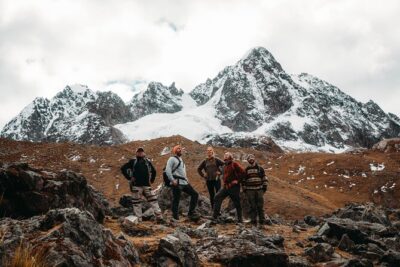
- Warmiwañiusca (Dead Woman) Pass at about 13,779 ft—the day that tests your legs
- Phuyupatamarca, City above the Clouds where Inca ruins meet big views
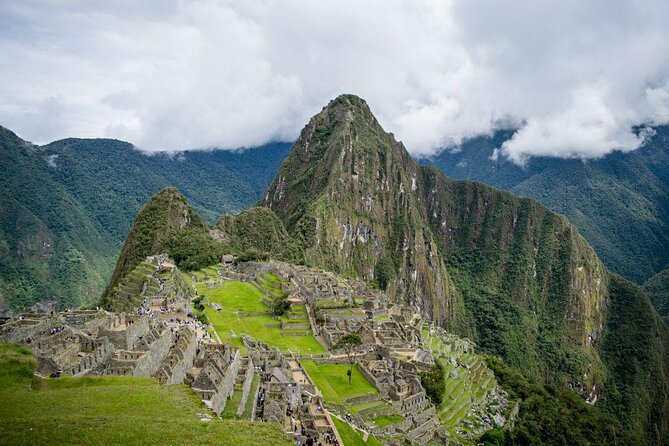
- Sun Gate to Machu Picchu timing that sets up that jaw-drop entrance moment
- Guides with fluent English and positive energy paired with patient porters
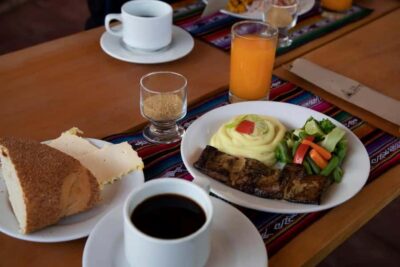
- Chef-led meals (some described as multi-course) that make the long trek feel doable
The real point of the Inca Trail: you earn Machu Picchu
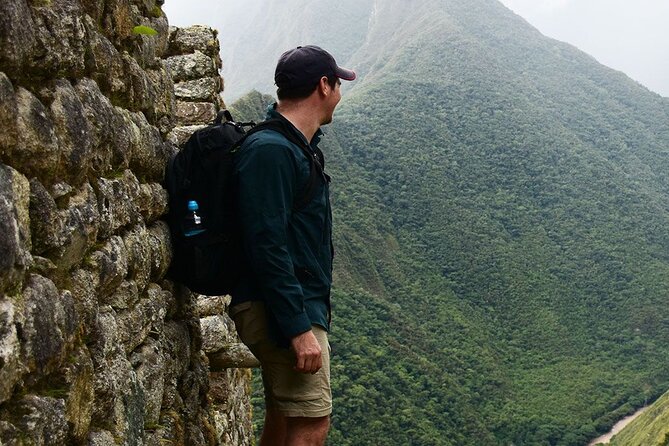
The Inca Trail is famous for a reason, but the best part isn’t just arriving at Machu Picchu. It’s what happens between. Over four days, you walk through segments of the ancient route, pause at Inca sites along the way, and gradually build up to the dramatic final descent. That’s the payoff: you don’t just see the ruins; you arrive after work, sweat, and altitude.
This itinerary keeps you moving in a way that feels steady. You’re not waiting around all day, but you also aren’t pushed into a frantic pace. You get the classic “walk, stop, eat, walk again” rhythm—and the rhythm matters when you’re hiking at altitude.
You can also read our reviews of more tours and experiences in Cusco
Price and what you actually get for $725
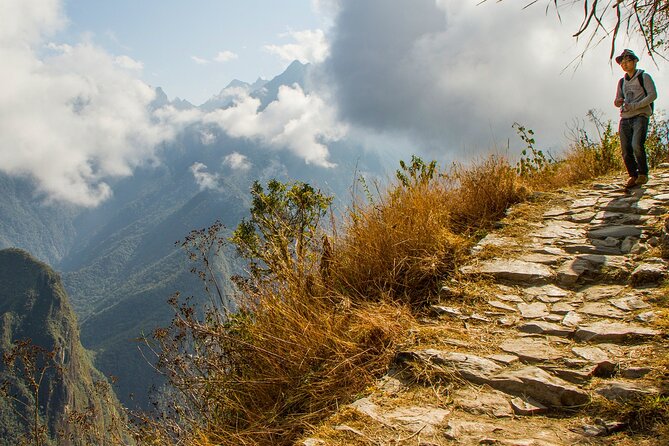
At $725.20 per person, this trek is clearly not “cheap,” but it’s also not just a walking tour. You’re paying for the structure that makes the Inca Trail work: permits/entrance coverage (subject to availability), a guided Machu Picchu visit, round-trip transport elements from Cusco, and three full trekking days of support.
Here’s what the included package covers based on the details you provided:
- Tent camping gear: tent for two travelers plus a foam mattress per person
- Meals: snacks x3, breakfast (3), lunch (4), dinner (3)
- Transport: round train ticket Ollantaytambo ↔ Aguas Calientes, plus bus Aguas Calientes → Machu Picchu area
- Machu Picchu: entry tickets and guided time inside the citadel/heritage sanctuary (with additional free time)
- Transfers in Cusco: hotel pickup and return after the trek
So the value equation is basically this: you’re buying logistics + permits + meals + guided access, not just the hike. If you tried to piece all of that together yourself, you’d spend time managing multiple vendors and still risk the same permit timing headaches. When you add that the group size is capped (maximum 15), you also get a more personal feel than bigger cattle-car tours.
Day 1: Cusco pickup to Patallacta and Huayllabamba camp
Your day starts extremely early—hotel pickup around 4:20 am—because the trek begins at Km 82. There’s a checkpoint where you show your passport. It’s straightforward, but plan for it so you don’t feel rushed right out of the gate.
After the checkpoint, you start walking for about two hours until you reach Patallacta. This is where the trip turns from “we’re moving” into “we’re organized.” You meet your partners and porters, have lunch, and then continue onward to Huayllabamba camp, where you’ll have dinner and sleep.
Why Day 1 feels easier (and why that matters): it’s a warm-up. The early start is still tough, but the walk at this stage is more about getting into trekking rhythm. By the time you reach camp, you’ll know whether your pace is realistic for the next two big days.
Potential drawback here: if you’re not used to altitude or early mornings, the start can feel brutal. Keep your expectations simple. Walk steadily, don’t sprint, and treat the first day as “set yourself up to finish.”
Day 2: Warmiwañiusca Pass (Dead Woman) and the push to Pacaymayo
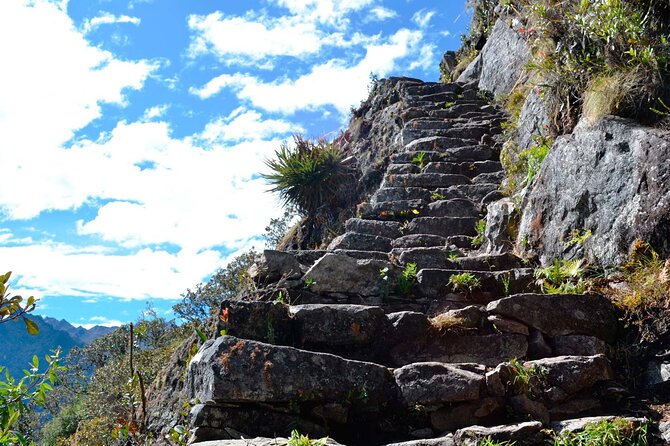
Day 2 is the hardest part for many people. After breakfast, the trail climbs toward the highest point of the route—about 13,779 ft—and the big target is Warmiwañiusca, also called the Dead Woman Pass.
You’ll hike up for roughly three hours to reach the pass. The name is spooky; the reality is just hard climbing with thin air. Once you top out, you get lunch, then it’s down from there. After descending, you reach Pacaymayo, where you eat dinner and sleep.
What I like about this design: Day 2 clearly separates “climb day” from “recovery day.” You know you’ll hit the big wall mid-trek, and you know there’s a downhill after the pass. That reduces the mental load of wondering what’s coming next.
What to consider: stairs, altitude breathing, and fatigue. Even if you’re generally fit, the pass can still feel relentless. Bring a smart hiking pace. Short steps and steady breathing beat big heroic efforts.
Day 3: 15 km of Inca waypoints to Phuyupatamarca and Wiñaywayna
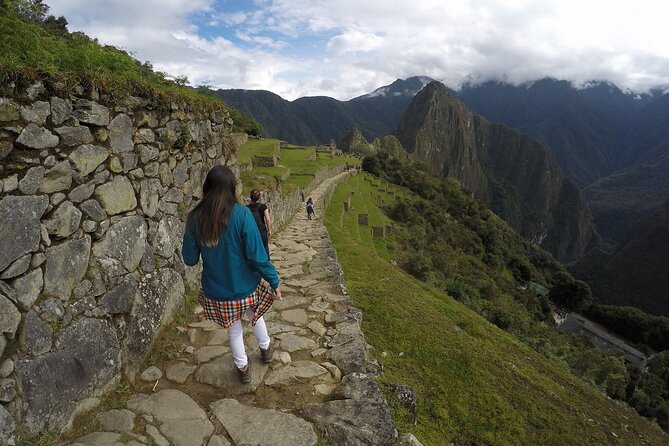
Day 3 has a solid distance—about 15 kilometers—and it’s packed with Inca stops. You start after breakfast, hike through Runcurakay and Chaquicocha, and have lunch at one of these key areas (your schedule has lunch after those passes).
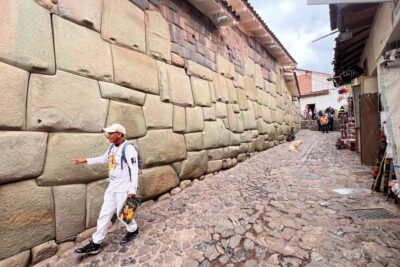
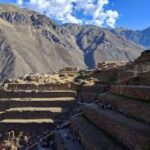
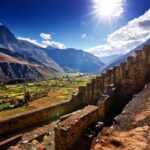
Then you continue to Phuyupatamarca, described in Quechua as City above the clouds. The name is fitting because this area often feels high and exposed, with ruins set into the terrain in a way that makes you slow down. You’re not just walking past stones; you’re moving through a living set of ruins and viewpoints.
Finally, you reach Wiñaywayna for dinner and overnight at the camp.
Why this day is special: it’s where the walk starts to feel like a guided journey through meanings—not just scenery. You’re passing Inca construction zones and campsites, and the timing gives you a sense of flow from one historic node to the next.
What to be ready for: long hours plus the fact that you’ve already hiked two days. You’ll feel it in your legs. The good news is that this day’s rhythm gives you frequent “reset moments” at each named stop.
Day 4: Sun Gate into Machu Picchu, then Aguas Calientes return
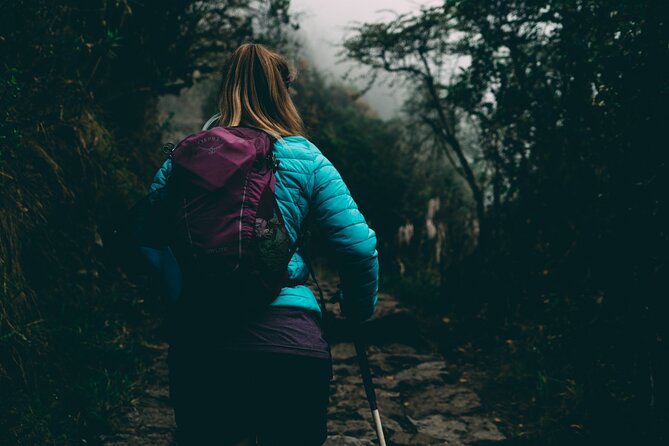
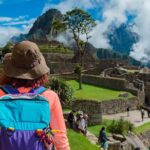
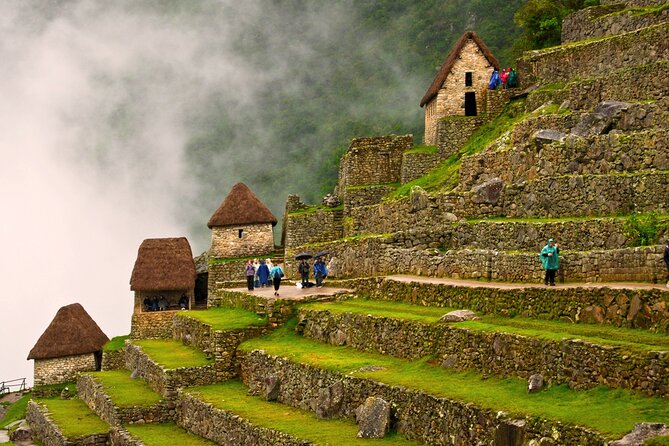
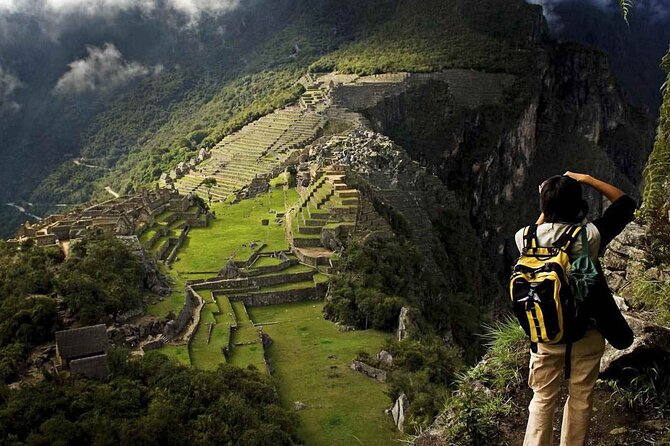
On Day 4, you walk toward Inti Punku (the Sun Gate). This is the classic lead-in to Machu Picchu: you reach that entrance zone and then descend down to the citadel at about 7,970 ft. You show your entry ticket, then start the guided tour.
Your guided time is about 2 hours 30 minutes, and the pacing is set up to give you both explanation and time to absorb the place. After the guided portion, you get free time to explore independently and take photos.
Then there’s additional guided time at the Historic Sanctuary of Machu Picchu, followed by more free time for photos and self-exploration.
This matters because you’ll see more than one “version” of Machu Picchu:
- the guided version (what to look for and why it matters)
- the wandering version (your own paths, your own angles, your own photos)
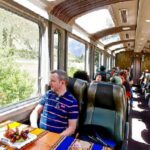
After Machu Picchu, you return to Aguas Calientes for lunch. Then you go to the train station to board the train to Ollantaytambo. A representative meets you there with a sign and brings you back to Cusco, finishing with hotel transport.
Real talk drawback: the day is long and it’s easy to feel “ticketed into a schedule.” The trick is to plan your energy. If you sleep well the night before and stay hydrated during the hike-to-citadel transition, the guided parts land better.
Guides, porters, and food: the part that makes hard days feel fair
This tour’s strongest theme is support. Multiple written experiences emphasize that guides were positive, patient, and spoke fluent English. People also highlight porters and chefs as key to the overall feeling of safety and smooth timing.
Food gets the biggest praise. One chef named in feedback is Dante, and the description is that meals were four-course, restaurant-quality at trail camps. Even if your own meals vary slightly by day, the consistent point is that you’re not surviving on sad trail snacks. You’re eating enough to keep trekking.
That’s not just comfort—it’s strategy. When you have regular meals and snacks, you’re less likely to bonk. You’ll also feel less tempted to overspend later because you’ve already been fed.
Facilities are more basic than a hotel, and that’s part of the bargain. Expect simple camps and limited comfort, and don’t plan on electricity-style conveniences. It’s camping trekking, not glamping.
What to bring (so Day 2 doesn’t bully you)
Your details say you might need a sleeping bag and walking sticks—and that they can be rented from the operator. That’s a helpful option if you don’t want to pack gear.
Beyond that, I’d focus on practical trekking basics because the days run early and last long:
- layers for cool mornings and warmer afternoons
- footwear you already trust on rocky ground
- a water plan you can manage at altitude
- sun protection (you’re outdoors most of the time)
One small note: you’ll have a tent for two travelers and a foam mattress per person, so you don’t need to bring that part. But you do need to think about staying warm at night, since camps are basic.
Who this trek fits best (and who should choose differently)
This experience is best for people with moderate physical fitness who are comfortable with a multi-day hike. The second day—Warmiwañiusca—stands out as the major effort, and reviews also describe Day 2 as the demanding one.
You’ll likely love this if you:
- want the classic Inca Trail structure with camping
- care about Inca sites along the way, not only Machu Picchu
- like guided context but also want free time for photos
- prefer a small-ish group (maximum 15) over huge crowds
You might want to rethink it if you’re looking for comfort-first travel or an easy walking pace. This isn’t built for casual strolling.
Should you book this 4-day Inca Trail to Machu Picchu?
Book it if you want a guided, well-fed, logistics-supported Inca Trail that ends with real time at Machu Picchu. The combination of meals that get praised, organized pacing, and a capped group size is a strong match for travelers who want to focus on the hike—not on managing details.
Hold off or ask more questions first if you’re unsure about your ability on steep climbs and altitude. This itinerary includes the high pass and long hiking days, and the camps are basic. If that’s not your style, you’ll feel the difference.
If you’re set on adding extras like climbing Huayna Picchu, plan ahead and ask in advance since those spots require reservation timing. That’s separate from the core trek, but it can change your Machu Picchu day experience.
Bottom line: for the price, you’re buying more than walking. You’re buying a supported route that gets you to Machu Picchu with less stress and more recovery than DIY.
FAQ
What’s included in the $725.20 price?
The tour includes snacks (x3), breakfast (3), lunch (4), and dinner (3), a tent (for 2 travelers) plus a foam mattress per person, Inca Trail and Machu Picchu entrance tickets (subject to availability), a round train ticket Ollantaytambo–Aguas Calientes, a round bus ticket Aguas Calientes–Machu Picchu area, and round-trip transfers from Cusco with hotel pickup.
Do I need a sleeping bag or walking sticks?
They are not included, but they can be rented from the operator.
What fitness level do I need?
The tour notes you should have moderate physical fitness. The hike includes a hard section and a high pass, so you should be comfortable with a multi-day trek.
How many people are in the group?
The maximum group size is 15 travelers.
Is Machu Picchu guided?
Yes. You’ll have a guided tour of Machu Picchu (about 2 hours 30 minutes) and a guided tour at the Historic Sanctuary of Machu Picchu, followed by free time to explore and take photos.
Can I get a full refund if plans change?
Yes. Free cancellation is available up to 24 hours in advance of the experience start time for a full refund.