REVIEW · 7-DAY EXPERIENCES
7-Day Tour: Peru Classic 7 Days
Book on Viator →Operated by Eco Tour Cusco · Bookable on Viator
Seven days, and Peru keeps moving. This tour strings together Lima by the ocean, Cusco’s Inca sites, and two headline climbs: Machu Picchu and Rainbow Mountain (Vinicunca). It’s interesting because you’re not just sightseeing. You’re doing it with transfers, guides, and tickets handled so you spend less time sorting and more time looking.
I really like two things. First, the Machu Picchu portion is privately guided for just your party, not a big cattle herd. Second, the pacing around Cusco feels smart: you get a full city tour plus a hands-on Pisco Sour class right in the historic center. One drawback to plan for: you’ll start early several days, and Vinicunca asks real effort at high altitude.
In This Review
- Key Points That Matter
- First, Lima: Miraflores + an easy arrival
- Paracas and Ica in one morning: Ballestas wildlife, then dunes
- Ballestas Islands boat tour (with a dawn pickup)
- Ica vineyard tasting and artisan spirits
- Huacachina oasis + desert adventure (tube rides, sandboarding)
- Cusco arrival and your first Inca hit: Q’oricancha to Tambomachay
- The flight to Cusco + hotel transfer
- Cusco city tour: Sun temple and major ruins
- Pisco Sour preparation class in the historic center
- Sacred Valley day: Pisac and Ollantaytambo before the train to Aguas Calientes
- Pisac and Ollantaytambo archaeological sites
- Train ride to Machu Picchu village
- Machu Picchu day: bus timing, guided walk, and village downtime
- Breakfast and the bus to the citadel
- Guided tour at Machu Picchu
- Return to Aguas Calientes for lunch and exploring
- Train back to Ollantaytambo and then Cusco
- Vinicunca (Rainbow Mountain): a high-altitude hike with real conditions
- Pickup and breakfast stop
- Ascent walk and effort level
- At the top: 5,036 meters and then down again
- Flying out of Cusco: leaving with everything handled
- Price and value: how $1,480 maps to real costs
- Who this trip fits best (and who should rethink)
- The human side: communication and guides that made the days easier
- Should you book Peru Classic 7 Days?
- FAQ
- What is the duration and price of Peru Classic 7 Days?
- Are domestic flights within Peru included?
- How is Machu Picchu handled on this tour?
- Does the tour include meals?
- What time do pickups start?
- Is the tour refundable or changeable?
Key Points That Matter
- Private Machu Picchu guiding for your group, with guided time on the citadel itself
- Small group size (max 18), which keeps transfers and check-ins from turning chaotic
- Early starts are baked in (Paracas at dawn, Machu Picchu bus before sunrise, Vinicunca pickups well before dawn)
- The Inca route around Cusco is focused, hitting Q’oricancha, Sacsayhuamán, Q’enqo, Pucapucara, and Tambomachay
- Vinicunca (Rainbow Mountain) is physical, with a walk up to 5,036 meters and optional horse rental paid in cash
First, Lima: Miraflores + an easy arrival
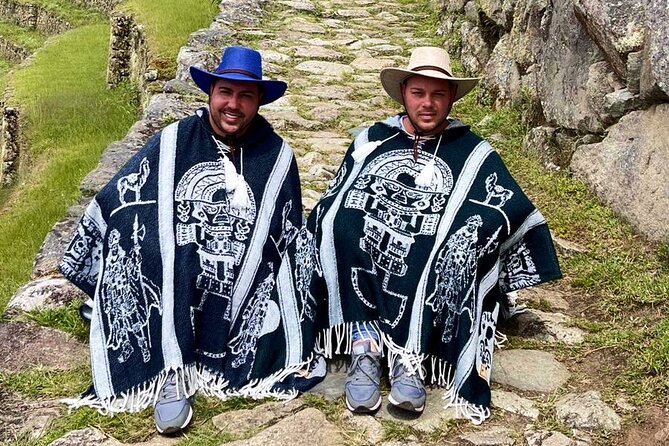
Day 1 is mostly about getting you comfortable in Lima, not demanding anything heroic. You’re met at Jorge Chávez International Airport with a sign that has your name, then transferred to your hotel. After that, you’ve got free time to walk the Miraflores Seawall, facing the Pacific.
I like this setup because it lowers your stress. Long flights make people cranky. A simple arrival and an ocean-front stroll helps you reset before the grind of the Andes. If you’re a first-time visitor, Miraflores is also a friendly place to get your bearings fast, with plenty of places to buy water or a snack before tomorrow’s early pickup.
Potential catch: Day 1 is light, but that’s exactly why Day 2 starts so early.
You can also read our reviews of more tours and experiences in Cusco


Paracas and Ica in one morning: Ballestas wildlife, then dunes
Day 2 is where the tour shows its rhythm: early start, big nature payoff, then a desert break.
Ballestas Islands boat tour (with a dawn pickup)
You’ll be picked up from your hotel between 4:30 a.m. and 4:50 a.m. and head to Paracas. Then you board a boat for the Islas Ballestas cruise in the Pacific. On the walk during the experience, you’ll see local fauna like sea lions, penguins, and birds.
This early timing matters. You get calmer seas and better chances for clear viewing. It’s also a classic Peru move: start in the dark, return with your brain fully awake and your phone full of wildlife shots.
Consideration: dawn logistics are tight. Wear layers and keep your bag organized so you don’t play “where’s the passport” while the group is rolling.
Ica vineyard tasting and artisan spirits
After Paracas, you move to Ica. There’s a vineyard visit plus a tasting of artisan spirits made in the region. You also get time for lunch before heading to the desert.
What makes this worthwhile is that it breaks the “all mountains, all the time” feel. Peru’s coast-to-Andes variety is part of the point of coming here, and Ica gives you a different kind of terrain and pace.
Huacachina oasis + desert adventure (tube rides, sandboarding)
Next comes the desert: tube rides and sandboarding, plus a stop at Huacachina, an oasis with a lagoon sitting inside the sand. You’ll have time to enjoy the view, then you’re on your way back to Lima, with an estimated arrival around 10:00 p.m.
This day is fun, but it’s also packed. Expect a lot of movement. If you’re the type who gets travel-fatigued, plan to go easy that night and prioritize sleep.

Cusco arrival and your first Inca hit: Q’oricancha to Tambomachay
Day 3 is your jump from the coast life to the Andes routine.
The flight to Cusco + hotel transfer
You’re picked up about 4 hours before your departure time for the Lima to Cusco flight. Then you arrive in Cusco, get met at the airport with a name sign, and transfer to your hotel. You’ll have time to rest and acclimate, then you start the city tour around 1:45 p.m.
This acclimation window matters. Cusco sits high, and the first day is often when people try to sprint through altitude. Don’t. Take it slow, hydrate, and keep your plans simple.
Cusco city tour: Sun temple and major ruins
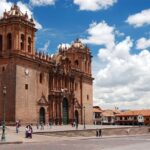
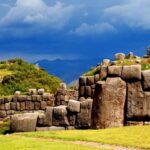
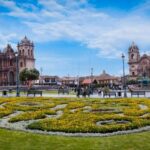
Your guided city tour visits Q’oricancha (Temple of the Sun), then Sacsayhuamán, Q’enqo, Pucapucara, and Tambomachay. It’s a strong lineup because it spans both the sacred and the defensive/ceremonial side of Inca architecture.
The value here is guidance. These sites aren’t random piles of stone. With a good guide, you start to see patterns: how the Incas used water, stonework, and staging for ritual and daily life.
Pisco Sour preparation class in the historic center
The tour ends around 6:30 p.m. and you head into a Pisco Sour preparation class. You learn how to make the country’s best-known cocktail.
This is one of my favorite “small but memorable” inclusions. After a day of ruins and stairs, the class feels like a breather, and you get something practical you can repeat later.
Sacred Valley day: Pisac and Ollantaytambo before the train to Aguas Calientes
Day 4 starts early, with pickup from your hotel between 7:30 a.m. and 7:45 a.m. You’ll travel through the Sacred Valley with a guide who explains what you’re seeing along the way.
Pisac and Ollantaytambo archaeological sites
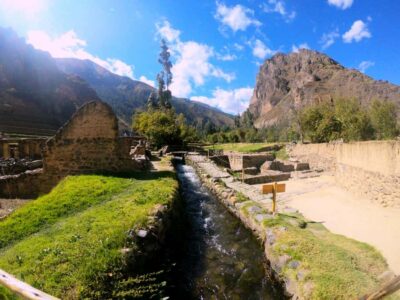
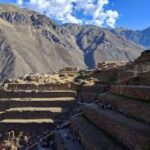
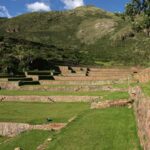
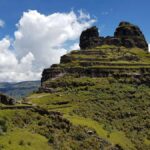
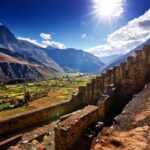
You visit Pisac and Ollantaytambo with guided time (about 2 hours). These are two of the sites people remember because they connect with how people lived: terraces, stonework, and the way the setting supports farming and ritual.
Train ride to Machu Picchu village
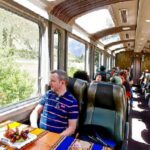
After the visits, you take the train from Ollantaytambo to Aguas Calientes (often called the gateway village to Machu Picchu). The train ride takes about 1 hour and 40 minutes. Staff accompany you to your hotel in the village.
This train segment is more than transportation. It’s your transition from the bustle of Cusco region touring into the Machu Picchu bubble—where dinner plans suddenly feel like they matter a lot.
Practical tip: Aguas Calientes can feel different from Cusco. You’ll likely want an early night so you’re ready for the next day’s pre-dawn move.
Machu Picchu day: bus timing, guided walk, and village downtime
Day 5 is the big one: Historic Sanctuary of Machu Picchu.
Breakfast and the bus to the citadel
You start with breakfast at your hotel. Then between 5:30 and 6:30 a.m. you’ll take the bus up toward the citadel. The exact bus time depends on your ticket entry time.
Here’s why this matters: early access often means you beat the heaviest rush. Even if you can’t control your ticket, this tour’s timing is designed so you’re not wandering around waiting.
Guided tour at Machu Picchu
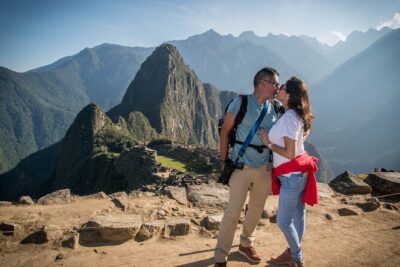
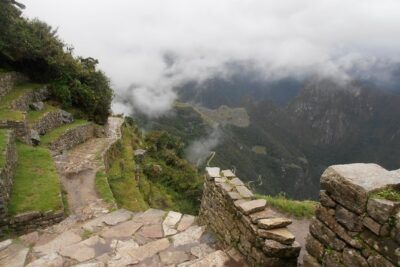
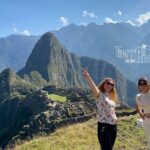
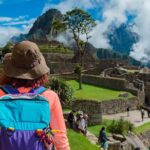
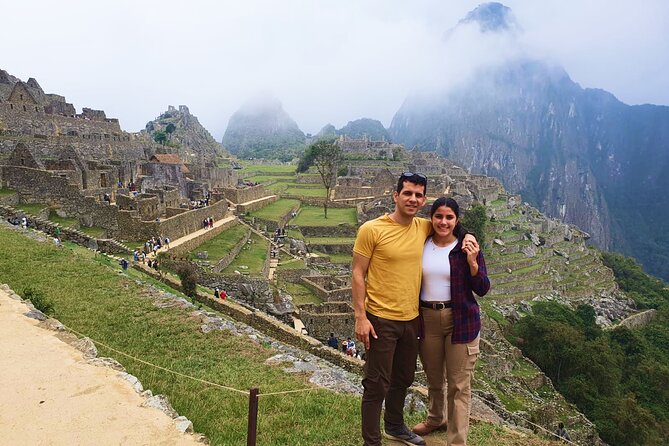
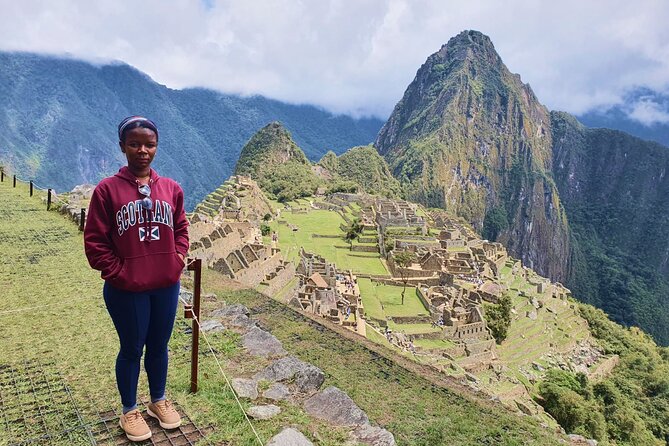
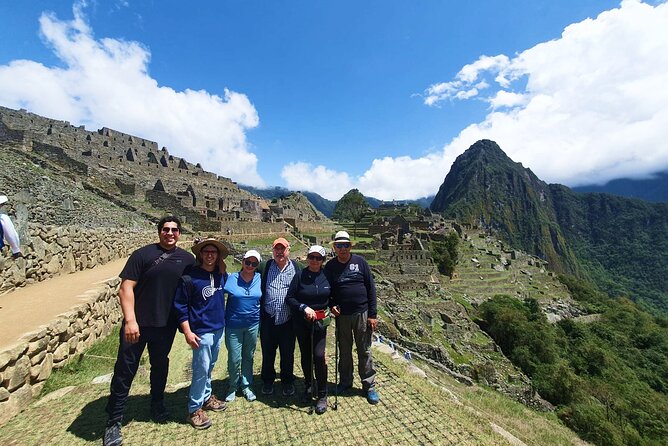
You’ll enjoy a guided tour of about 2 hours and 30 minutes on the site. This is the part most people picture—temples, terraces, and views down through cloud breaks if you’re lucky.
The private aspect of the Machu Picchu guiding is a big deal. It’s easier to ask questions, and you’re less stuck watching only what your group leader decides is important.
Return to Aguas Calientes for lunch and exploring
Afterward, you descend by bus back to Aguas Calientes. You’ll have free time for lunch and to explore the village.
This downtime is smart. You’ll feel the effort in your legs. Give yourself time to eat well and reset before you travel back toward Cusco.
Train back to Ollantaytambo and then Cusco
Between 3:00 p.m. and 6:00 p.m. (depending on your train ticket), you take the train back to Ollantaytambo. A bus waits to transfer you to Cusco, with arrival estimated between 6:00 p.m. and 8:30 p.m. Then it’s back to your hotel.
Vinicunca (Rainbow Mountain): a high-altitude hike with real conditions
Day 6 is your second “headline day,” but it’s also the most physically demanding.
Pickup and breakfast stop
You’re picked up from your hotel very early, around 4:20 a.m. to 4:50 a.m. You travel to the base of Vinicunca, making a stop in Cusipata (about 40 minutes) for breakfast.
The tour notes cold weather at the base. That’s not a small detail. Dress for wind and chilly air, even if you’re thinking you’ll be warm once you start walking.
Ascent walk and effort level
The ascent walk takes about 1 hour and 30 minutes and requires considerable physical effort. You’re hiking at high altitude, and the tour recommends you be in good shape.
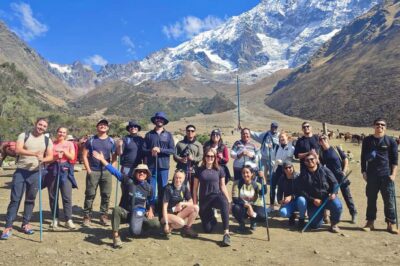
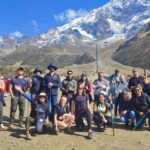
You’ll hike with a guide who gives information during the walk. If it becomes too demanding, there’s an option to rent a horse from the local mountain inhabitants, paid with cash (not included).
At the top: 5,036 meters and then down again
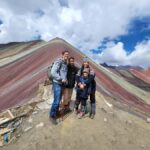
You reach the top around 5,036 meters above sea level, and you get time for the views before descending back to the base for lunch.
Then it’s back to Cusipata for about 1 hour of lunch, and afterward you continue the journey back to Cusco.
Consideration: this is not a “light stroll.” If you’ve struggled with breathlessness on other hikes, plan extra time to acclimate and be honest about your limits.
Flying out of Cusco: leaving with everything handled
Day 7 is about getting you to the airport without stress. About 2.5 hours before your flight, you’re picked up from your hotel and transferred to Cusco airport.
This is a good way to end. By now, you’ll have learned where your energy goes during altitude days. A calm departure helps you avoid last-minute scramble.
Price and value: how $1,480 maps to real costs
At $1,480 per person for about 7 days, the question isn’t only whether it’s expensive. It’s whether you’re paying for time saved, planning reduced, and logistics actually covered.
Here’s what you’re getting that usually costs extra if you DIY:
- Domestic flights Lima–Cusco–Lima
- Machu Picchu train from Ollantaytambo to Aguas Calientes (Voyager or Expetion)
- Tickets for the places you visit
- A mix of guided time and transport across multiple regions
- Meals included: 6 breakfasts and 2 lunches
- A privately guided Machu Picchu tour for you and your companions
In plain terms: this package tries to remove the hardest parts of Peru logistics—timed entries, transportation juggling, and the “what now” between stops.
Where you should be thoughtful: this tour is structured. If you want long independent time to roam Cusco streets without any scheduled segments, you might feel “on the program” at times. The tradeoff is that you’re not constantly hunting schedules, tickets, and connections.
Who this trip fits best (and who should rethink)
This works well if you want:
- A guided introduction to Cusco and the Inca sites
- Big-ticket days handled: Machu Picchu and Rainbow Mountain
- Comfort with transfers and tickets, so your trip feels organized
It may be less ideal if:
- You dislike early mornings (multiple days start well before dawn)
- You’re not comfortable with a moderate fitness level and the effort of Vinicunca’s walk
The “max 18 travelers” size also helps. It’s not tiny, but it’s small enough that you’re less likely to feel like a number.
The human side: communication and guides that made the days easier
One reason this tour gets high marks is the attention to coordination. In the kinds of trips shared, the name Victoria shows up as an assigned representative who stayed in contact through the stages. Other trip experiences also mention support from Lida and early booking responsiveness from Deisy.
Guide names that have come up include Francisco, Celeste, Denis, Cleto, Noah, German, Giancarlo, Ethel, and Mario. When a team is consistent and punctual, you feel it most on the transition days—when you’re moving from Lima to Cusco, Cusco to the Sacred Valley, or Cusco to the high-altitude hike.
Should you book Peru Classic 7 Days?
If you want a smooth, guided route that hits the must-sees without turning your vacation into a logistics project, I’d say yes. The standout value is the combination of private Machu Picchu guiding, a serious Cusco/ Sacred Valley guided day, and a second iconic climb at Vinicunca.
Book it if:
- You’re okay with early starts and want everything handled
- You’d rather spend your energy on the views, not tickets and timing
- You like having guides explain what you’re seeing
Hold off (or ask lots of questions) if:
- You’re worried about stamina for Vinicunca’s ascent
- You want lots of free-floating time with zero scheduled movement
FAQ
What is the duration and price of Peru Classic 7 Days?
The tour is approximately 7 days and costs $1,480.00 per person.
Are domestic flights within Peru included?
Yes. Flights within Peru are included for Lima to Cusco and then Cusco back to Lima.
How is Machu Picchu handled on this tour?
You get a guided Machu Picchu tour of about 2 hours 30 minutes. The Machu Picchu experience is privately guided for your group, and you travel by sightseeing train to Aguas Calientes.
Does the tour include meals?
Yes. Breakfast is included for 6 mornings, and lunch is included for 2 days. Other meals are not included.
What time do pickups start?
The meeting/start time is listed as 6:00 am, and some days require earlier pickups such as Paracas at about 4:30–4:50 a.m. and Vinicunca at about 4:20–4:50 a.m.
Is the tour refundable or changeable?
No. The experience is non-refundable and cannot be changed for any reason.