REVIEW · INCA TRAIL TREKS
Inca Jungle 4-Day Tour: Full Adventure to Machu Picchu Included
Book on Viator →Operated by Southern Peru Explorers · Bookable on Viator
Early mornings, big jungle thrills, Machu Picchu.
This Inca Jungle 4-day tour strings together biking, rafting, zip lines, and a sunrise visit to Machu Picchu, all without the usual “only walking” feel.
What I like most is the balance: you get adrenaline in the Sacred Valley and jungle zone, then you slow down for real time in the ruins. I also like that the plan is built around real logistics (transport, tickets, guides, and scheduled meals), so you’re not stitching together a trip day by day.
One thing to consider: you’re starting early and moving a lot. With activities like downhill biking, rafting on the Vilcanota River (rapids II to IV depending on season), and zip lines, this is best if you’re genuinely into active travel, not if you want a lazy vacation.
In This Review
- Key highlights to know before you go
- Inca Jungle to Machu Picchu: why this feels different (and fun)
- Day 1 from Cusco to Santa Maria: bike downhill, then raft the Vilcanota
- Day 2 up the jungle mountains: Inca trail taste, hanging bridges, and Cocalmayo hot springs
- Day 3 zip-line thrills to Aguas Calientes: the cable day plus the rail walk
- Day 4 sunrise Machu Picchu and the Huayna Picchu option
- Price and value: what $630 really buys you
- Fitness, pacing, and what moderate really means here
- Lodging and food: where comfort shows up (and where it might not)
- Tour group size: why it can feel personal
- Best for: who should book this Inca Jungle style
- Booking timing and the smart way to plan your extra climb
- Should you book the Inca Jungle 4-Day Tour?
- FAQ
- What time does the tour pick you up in Cusco?
- How long is the tour?
- What activities are included besides Machu Picchu?
- Is Machu Picchu admission included?
- Can you add Huayna Picchu or Machu Picchu Mountain?
- What fitness level do you need?
Key highlights to know before you go
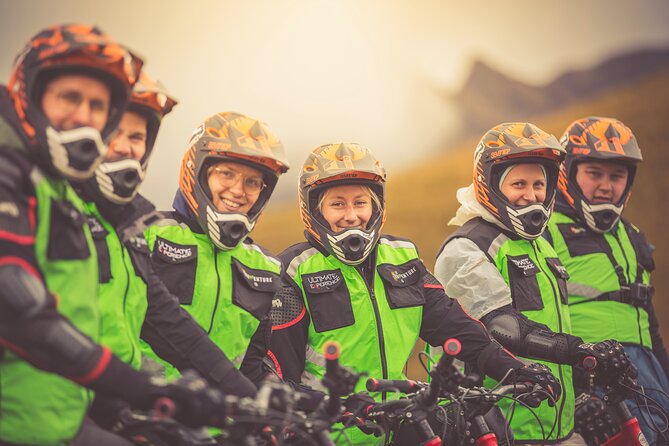
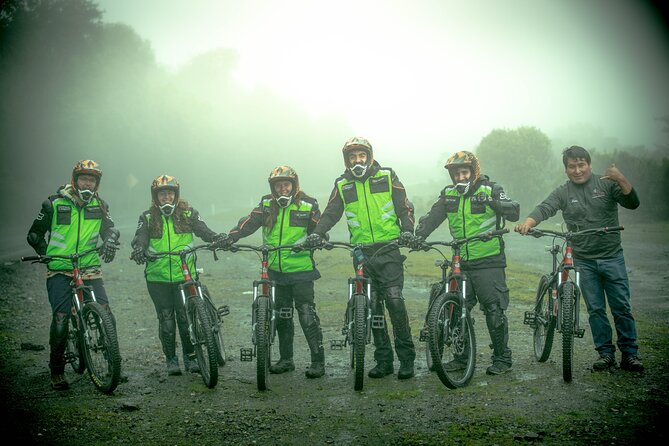
- Downhill mountain biking from Abra Malaga to Santa Maria for about 2 hours
- Vilcanota River rafting with rapids typically between Level II and Level IV
- Cocalmayo hot springs after hanging bridges, waterfalls, and an Inca trail section
- Five zip lines on a double-cable system, with speeds up to 70 km/h
- Sunrise entry to Machu Picchu after a 4:30 am departure from Aguas Calientes
Inca Jungle to Machu Picchu: why this feels different (and fun)
Most Machu Picchu trips are either hiking-focused or comfort-focused. This one is neither. It’s built as an “adventure first” itinerary that ends with Machu Picchu at sunrise, which changes how the day feels. You’re not saving all your effort for the final morning. You earn that sunrise with a few busy, scenic days.
If you like variety, this is a standout. You’ll go from Cusco-area roads to jungle climbs, then swap dirt paths for water and cable lines. It’s also a practical way to get to Aguas Calientes because you’ll walk near the train route after lunch near Hydroelectric—so the day has a sense of progression instead of a long, blank transit block.
One more good sign from guest feedback: people consistently highlight guides who kept things smooth and explained what you were doing. Names that came up in reviews include Joel (helpful support during planning), Erick and Robie (who guided and checked in with family members), Eduardo, Jhimmy, and Rolan Leon Sunoco / Rolando (praised for patience and good explanations). Different guide names, same pattern: you’re not left guessing.
You can also read our reviews of more tours and experiences in Cusco
Day 1 from Cusco to Santa Maria: bike downhill, then raft the Vilcanota
Your first morning starts with a 6:00 am pickup from Cusco. You’ll drive about 2 hours toward Abra Malaga, the downhill biking starting point. This is a great day to get your “wheels rolling” early, because you’re building energy for the day’s two big hits: mountain biking and rafting.
The downhill bike segment is about 2 hours, and it’s described as a ride through villages, orchards, rivers, and streams. There’s also a brief stop in Huamanmarca before you continue on to Santa Maria, where lunch is waiting. The lunch part matters more than you think. After a long early start and a physical descent, that meal helps you reset before the next activity.
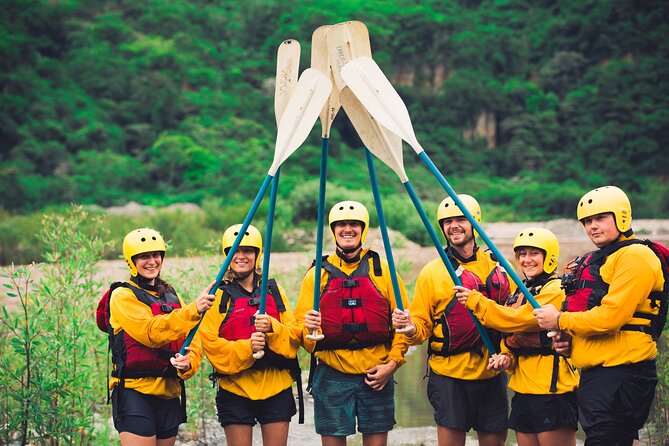
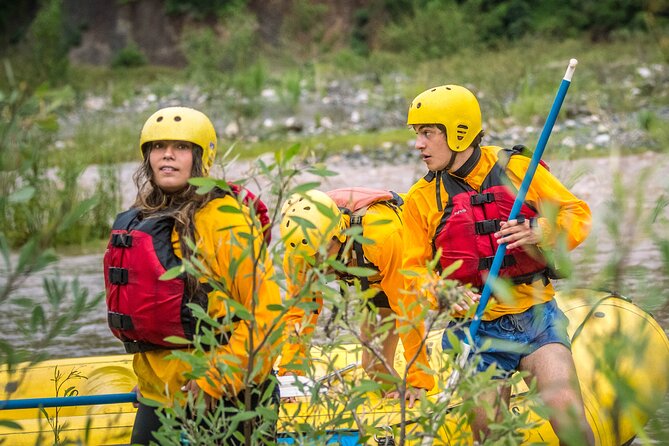
Then comes the rafting on the Vilcanota River. The rapid level changes with the season, but the plan says it never exceeds Level IV and doesn’t go below Level II. That range is useful: it gives you real adventure without turning it into a white-knuckle-only situation.
In the evening, you return to a lodge in Santa Maria for dinner. This day is a classic “active travel day,” but it’s also structured enough that you’re not just exhausted and cold. You get food, you sleep, you recover, and then you’re ready for Day 2.
Practical note: because this is a high-morning schedule, I’d plan on being tired if you’re the type who stays up late in Cusco. If you want the ride and rafting to feel fun (not just survival), treat your first night as an early one.
Day 2 up the jungle mountains: Inca trail taste, hanging bridges, and Cocalmayo hot springs
Day 2 starts after breakfast, and the climb is described as going up jungle mountains without high altitude. That’s a key detail for many people. You still work your legs, but the itinerary aims to avoid the kind of extreme altitude strain that can derail plans.
You’ll include a section of the authentic Inca trail during this day. Even if it’s only a portion, that’s the moment that turns the “adventure” days into something culturally grounded. You’re not just riding and sliding past scenery. You’re walking a route tied to the Inca road system.
The day is packed with small, memorable breaks. Lunch is in Quellomayo, plus there’s time to relax in a garden area with hammocks. That downtime is not a throwaway detail. When you’re hiking and crossing bridges, your body needs a reset, and hammocks are a surprisingly solid recovery tool.
After Quellomayo, you’ll move through jungle scenery with waterfalls and hanging bridges until you reach Cocalmayo hot springs. Here you can relax in natural pools surrounded by lush vegetation, which functions like a reward and a muscle-relaxing session at the same time.
Then you return to your starting point. The best way to think about Day 2 is this: it’s the day that mixes movement with nature time. You’ll still be busy, but you’re also given pauses that keep the whole trip from feeling like one long push.
Who this day fits best: people who want variety and don’t mind walking, especially if you enjoy nature and you like seeing how local agriculture shows up (the day description mentions coffee and coca plantations, plus fruits like bananas, avocados, pineapples, and passion fruit).
Day 3 zip-line thrills to Aguas Calientes: the cable day plus the rail walk
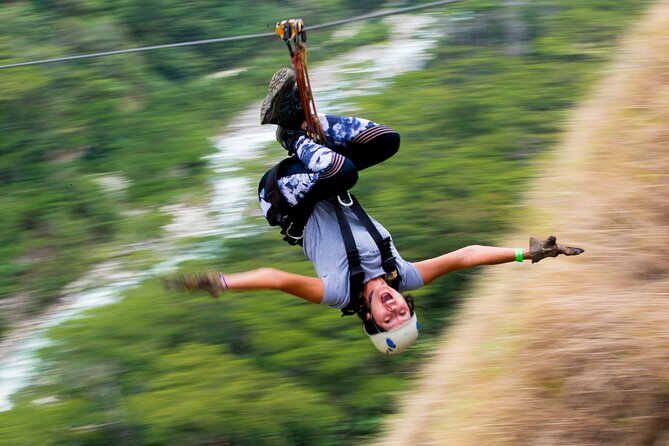
Day 3 is the “hold onto your courage” day. After breakfast, you fly through the air about 150 meters above the ground on five zip lines. The setup uses a double cable anchored in two mountains and a canyon, with safety harnesses and secure attachment by pulley.
The plan gives very concrete numbers, which I love because it makes expectations clear:
- 2,500 meters of cable in five sections
- Longest section about 600 meters
- Highest line about 180 meters
- Maximum reachable speed about 70 km/h
You’ll have choices too. You can ride the lines straight, or show off with head-first or upside-down stunts if you’re feeling bold. Not everyone will want that. Still, it’s nice the option exists.
After the zip-lining morning, you drive to Hydroelectric for lunch. Then you walk near the train rail to reach Machu Picchu town (Aguas Calientes). That rail-walk detail is useful for your planning mindset: it’s not a total sprint, and it feels like you’re approaching the end of the line in a slow, guided way.
Dinner happens in town, and you stay your last night at a hostel at the foot of Machu Picchu.
One possible drawback here: the lodging is described as a hostel, and if you’re used to upscale hotels, you may feel the difference. A review I read suggested that upgrading in Aguas Calientes (they specifically mentioned Sumaq) was worth it for a more comfortable stay. If comfort matters a lot to you, it’s worth thinking ahead, because this night is your recovery buffer before the sunrise hike.
Day 4 sunrise Machu Picchu and the Huayna Picchu option
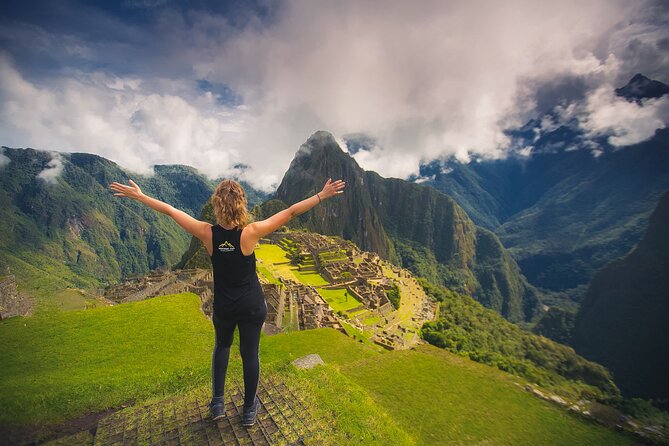
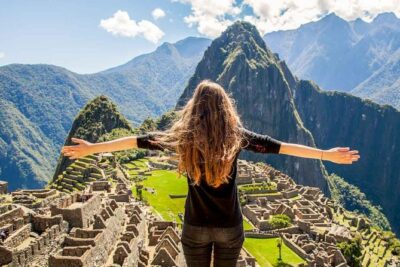
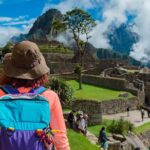
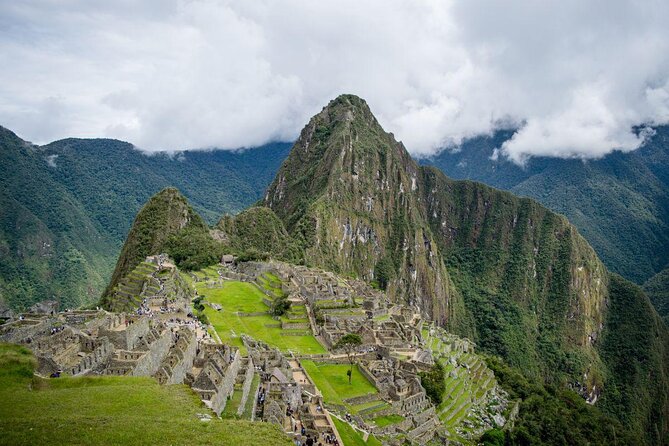
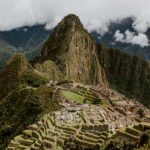
This is the day you came for. You’ll leave at 4:30 am and hike for about 1.5 hours to reach Machu Picchu in time for the sunrise. That early start is non-negotiable on this schedule, but it also explains why this tour style feels special: the ruins are not just a midday viewpoint. They’re a morning experience.
Once you arrive, your guide provides about a 2.5-hour walking tour. The focus is described as design of housing and family living situations. That’s an important angle because it helps you see Machu Picchu as more than postcard scenery. You’ll connect what you’re walking through with how the site may have functioned in daily life.
After the guided portion, you choose your own pace. You can explore more, or you can climb either Huayna Picchu or Machu Picchu Mountain for an additional $10 USD. The extra hike is about 45 minutes, and availability is limited, so the advice is to arrange it when you book with the office.
Then you return by foot to Aguas Calientes. From there, you take the train to Ollantaytambo, and you’ll be picked up and bussed back to Cusco.
If you’re doing this tour, I’d plan your mindset for Day 4 as two modes:
1) early and focused (sunrise hike + guided visit)
2) flexible and optional (your extra climb if you choose it)
That mix helps the day stay interesting instead of feeling like a rigid checklist.
Price and value: what $630 really buys you
At $630 per person, it’s not a “cheap” tour. But for what’s included, it can be good value—especially if you price out the Machu Picchu ticket, the private transport, and the activity logistics separately.
Here’s what your money covers:
- Private transportation through the trip
- Professional guides
- Machu Picchu entry
- Train tickets back to Cusco
- 3 nights accommodation (hotel/lodge, plus a hostel night in Aguas Calientes)
- Mountain bikes with full equipment
- White river rafting
- Zip-line with full equipment
- Meals: 3 breakfasts, 3 lunches, 3 dinners (with the note that the first-day breakfast and last-day lunch are not included)
If you’ve ever tried to plan Machu Picchu plus activities on your own, you know the hidden cost is time and coordination. This tour handles those gaps. Also, the itinerary is built around multiple licensed-style activities (rafting and zip lines), which typically aren’t easy to DIY safely without the proper operators.
One more value signal: it’s booked far in advance. The tour info says it averages 330 days of booking time. That’s your reminder that Machu Picchu demand is real, and the adventure permits and ride schedules probably fill too. If you’re eyeing a specific month, don’t wait for a perfect deal.
Fitness, pacing, and what moderate really means here
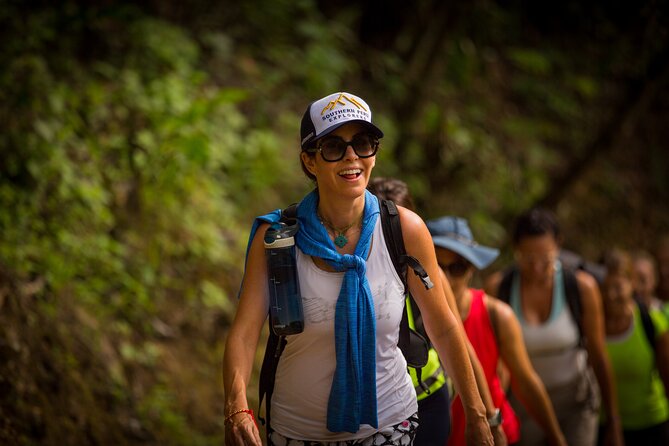
The tour is marked for moderate physical fitness. That doesn’t mean “easy.” It means you should be comfortable with real movement: biking downhill, hiking on Day 2, a morning hike to sunrise on Day 4, plus zip lines and rafting.
On this kind of itinerary, your biggest challenge is not one single killer climb. It’s stacking efforts across consecutive days. Your body needs quick recovery. That’s why the schedule includes meals and the hot springs stop on Day 2.
Practical tips:
- Wear footwear you can trust on wet paths, especially on bridge and jungle trail sections.
- Bring a small daypack for the zip-line day and the rail walk day.
- Hydrate early. On active tours, thirst shows up before you notice you’re behind.
Also, rafting rapid levels vary by season, but the activity is planned to stay within II to IV. If you’re risk-averse, talk with your guide team ahead of time so you understand the day’s conditions.
Lodging and food: where comfort shows up (and where it might not)
Accommodation is included for 3 nights, described as a hotel/lodge plus the final night in a hostel in Aguas Calientes.
Santa Maria gives you lodge-style recovery after Day 1. Aguas Calientes is the “closer to Machu Picchu” location, but it’s also where you might feel the difference between a hostel and an upscale hotel. One review specifically suggested that upgrading to Sumaq in Aguas Calientes felt worth the price if you’re the type who values a nicer room after long days.
Food is included throughout the trip: breakfasts (3), lunches (3), and dinners (3). A review called out that the food was amazing on the Inca Jungle trek, which matches what I’d expect from a structured itinerary where your stops are timed around meals.
Still, keep expectations practical. You’re traveling through active areas, not eating gourmet in a city center every day. The win here is convenience and reliability, not fancy plating.
Tour group size: why it can feel personal
The maximum group size is 12 travelers. That’s small enough that your guide can keep an eye on the group during activities, and it usually keeps pacing from turning chaotic.
This comes across in reviews where families and younger travelers were handled with safety check-ins. One family trip described guides who stayed aware of safety and checked how kids were doing during the planned adventure activities. That doesn’t mean every family situation matches, but it tells you the guide team cares about adjusting attention.
If you’re traveling solo or as a couple and you hate feeling like a number, that group size is a real advantage.
Best for: who should book this Inca Jungle style
This tour is a great fit if you want Machu Picchu but you also want the journey to be part of the story.
You’ll likely love it if you:
- enjoy adventure activities (bike, rafting, zip lines)
- don’t mind early wake-ups and long travel days
- like mixing nature, small towns, and a bit of Inca trail walking
- prefer a guided structure over self-planning
It might be less ideal if you:
- want minimal physical effort
- hate heights or water activities
- need a highly upscale hotel experience every night
For mixed groups, the variety can be a plus. Even if someone isn’t the biggest thrill seeker, there’s still walking time, hot springs relaxation, and the Machu Picchu guide day to ground the itinerary.
Booking timing and the smart way to plan your extra climb
Because the schedule ends with sunrise Machu Picchu, you’ll want your Machu Picchu-day choices locked in early. The optional climbs to Huayna Picchu or Machu Picchu Mountain cost an extra $10 USD and have limited availability, so arranging it when you book is key.
Also, remember that you’re starting with a 6:00 am pickup in Cusco and finishing with a 4:30 am departure on Day 4. That means your sleep schedule matters.
Booking far ahead is also wise here. With an average booking window of 330 days, this is a popular style of tour and not something I’d treat as a last-minute whim.
Should you book the Inca Jungle 4-Day Tour?
If you want a Machu Picchu trip that includes real adventure days and a guided sunrise visit, I’d say yes—this is one of the stronger formats for people who like active travel.
Book it if:
- you’re excited by mountain biking, rafting, and zip lines
- you’re okay with early mornings and a moderate fitness challenge
- you want Machu Picchu handled end-to-end (tickets, train, guides, timing)
Think twice if:
- you want an easy, fully comfortable vacation with minimal effort
- you’re very sensitive to height or river conditions
- you expect a high-end hotel for every night (Aguas Calientes is described as a hostel, and an upgrade is possible for those who care)
My practical bottom line: this tour is for people who want Machu Picchu as the finish line, not just the main course. If that sounds like your travel style, this one fits.
FAQ
What time does the tour pick you up in Cusco?
Day 1 includes hotel pickup in Cusco at 6:00 am.
How long is the tour?
The tour runs for 4 days (approx.).
What activities are included besides Machu Picchu?
It includes mountain biking, white river rafting on the Vilcanota River, zip lining, and a walking day with hot springs at Cocalmayo plus time in Aguas Calientes.
Is Machu Picchu admission included?
Yes. Entrada a Machu Picchu is included.
Can you add Huayna Picchu or Machu Picchu Mountain?
Yes. After the guided walking tour, you can choose to climb Huayna Picchu or Machu Picchu Mountain for an additional $10 USD. Availability is limited, and it’s arranged when you book.
What fitness level do you need?
The tour is recommended for moderate physical fitness.