REVIEW · HIKING & TREKKING
4 Day Inca Trail Trek to Machu Picchu Multi day tour
Book on Viator →Operated by Inca Trail Machu · Bookable on Viator
That first sunrise over the Andes hits fast.
This 4-day Inca Trail to Machu Picchu is the full, famous route experience: about 42 km (26 miles) of varied climbing, ruins along the way, and a final walk through the Sun Gate to the citadel. I like that the tour handles the hard parts—permits, camping setup, and the Machu Picchu guided visit—so you focus on putting one foot in front of the other. I also love the human setup: in the groups I read about, guides like Nico Raul and César Pérez manage pace and explain what you’re seeing, while chefs such as Leo and Jesus turn camp meals into a real highlight. One consideration: this trek climbs to 4,215 m (Dead Woman’s Pass), so it’s not a casual walk, and you’ll start extremely early.
You’ll feel it most on the steep days—especially Day 2—and altitude can turn a “moderate” hike into a slow, breath-by-breath effort. The good news is that your team includes an experienced trekking guide, a chef, porters for camp logistics, and a super porter who carries your duffel bag (up to 7 kg / 11 lbs), which helps you keep your own day-pack lighter.
In This Review
- Key Things That Make This Trek Worth Your Time
- What You Get for $930: Permits, Tents, Guides, and the Machu Picchu Connection
- Altitude and Fitness Check: Dead Woman’s Pass at 4,215 m
- Day 1 (Km 82 to Huayllabamba): Getting Into the Rhythm Along the Urubamba River
- Day 2 (Warmiwañusca to Pacaymayo): The Big Climb, Then Cloud-Forest Walking
- Day 3 (Runkurakay to Wiñay Wayna): Passes, Ruins, and That Terrace View
- Day 4 (Sun Gate to Machu Picchu): First View, Guided Citadel, Then Real Life Transport
- Camp Life: Tents, Toilets, Water, and Why the Chef Matters
- Guides and Pace: Why Staff Names Kept Coming Up
- Price and Logistics: Where the Money Actually Goes
- What to Pack (and What Helps) for a 4-Day High-Altitude Trek
- Who This Tour Fits Best
- Should You Book This 4-Day Inca Trail Trek to Machu Picchu?
- FAQ
- What’s the duration and distance of the trek?
- What time does the experience start in Cusco?
- Is pickup included?
- How many nights do you camp?
- What’s the highest point on the trail?
- What’s included for meals and water?
- What items are not included that you might need?
- If I cancel, do I get a refund?
Key Things That Make This Trek Worth Your Time
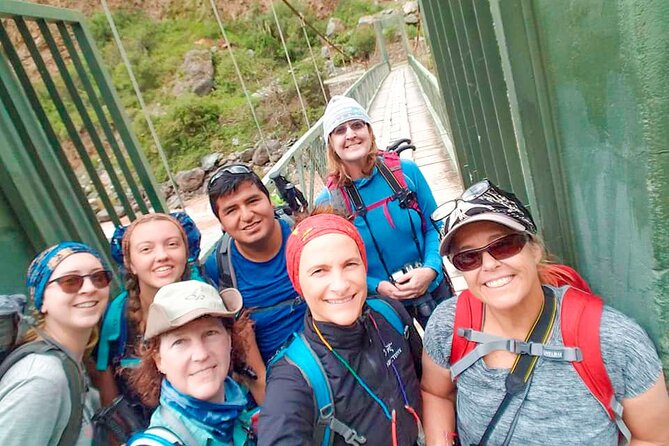
- Sun Gate entry on Day 4: you get that first big view of Machu Picchu before the guided ruins visit.
- Real support for hikers: a super porter carries your duffel up to 7 kg, plus porters for food and cooking gear.
- Chef-run camp meals: you’re not surviving on snacks—water is provided at every campsite, and meals are included.
- Three nights of camping with comfort upgrades: Eureka tents (2 people per 4-person tent) plus mattresses.
- A high-permit, all-in transport package: Inca Trail permit + Machu Picchu entrance + train and bus legs are included.
- Small group size (max 16): a practical limit that makes it easier to match your pace with the group.
What You Get for $930: Permits, Tents, Guides, and the Machu Picchu Connection
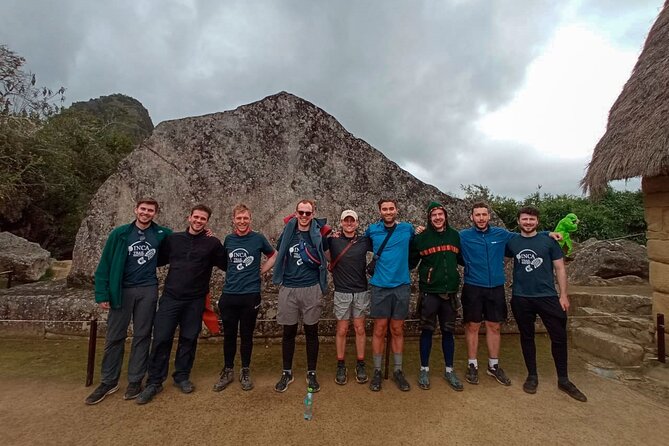
At $930 per person, the value here comes from how many big-ticket pieces are bundled together. You’re paying for the full chain: hotel pickup in Cusco, transfer to the Inca Trail at Km 82, three nights of camping, the Inca Trail permit and Machu Picchu entrance, plus the transport legs back (train to Ollantaytambo, then bus to Cusco).
The included comfort and safety details matter more than they sound on paper. You get Eureka tents designed for shared comfort and luggage security, sleeping roll mattresses, a toilet tent, a first-aid kit with an emergency oxygen bottle, and even a plastic rain poncho. For many hikers, that reduces the number of “will I be okay?” moments.
Also, your time at Machu Picchu isn’t just a drop-off and wander. You’ll go to the Inti Punku / Sun Gate first, then have a guided tour of the ruins. That’s a big deal because Machu Picchu is dense: without a guide, it’s easy to miss what makes each viewpoint special.
You can also read our reviews of more hiking tours in Cusco
Altitude and Fitness Check: Dead Woman’s Pass at 4,215 m
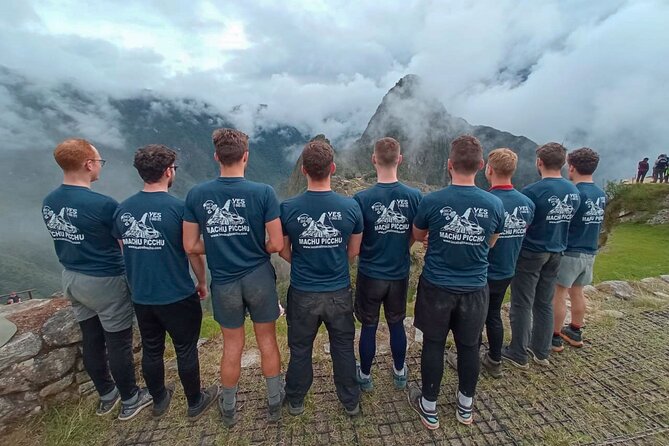
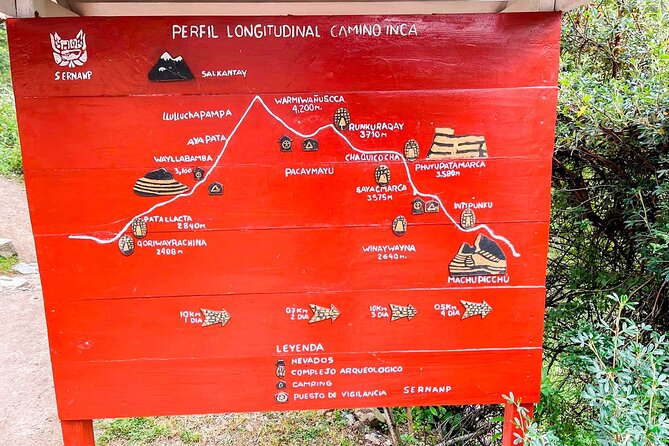
This trek’s headline test is Dead Woman’s Pass, also called Warmiwañusca, at 4,215 m (13,828 ft). It’s the highest point on the route, and Day 2 is built around the climb up, a rest, then a descent into the next valley.
Even if your fitness is decent, expect your pace to slow when the air thins. The tour is clear that travelers should have a strong physical fitness level, and the itinerary’s steady altitude gains and drops won’t be “just sightseeing.” If you’ve never hiked above about 3,000 m, plan on taking it slow and letting your body catch up.
The good part: you’re hiking in a supported format. The guide is there for pacing decisions, and the porters handle camp weight. You still do the hard work—but you’re not carrying everything that makes a hike feel miserable.
Day 1 (Km 82 to Huayllabamba): Getting Into the Rhythm Along the Urubamba River
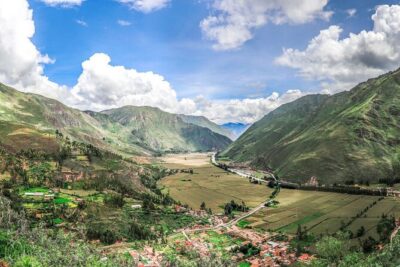
Day 1 starts with an early pickup from your hotel in Cusco and a drive through the Urubamba Valley to Km 82, where you begin the trek. After crossing the Vilcanota River, you start walking on an ancient route, following the trail as it winds through Andean valleys.
Your first hiking segment is about 12 km (7.5 miles) and is listed as moderate. The key benefit of starting here is rhythm. You warm up with river views, and you get your legs moving before the steeper, higher push days.
One detail I really like: you pass Huayllabamba, with an opportunity to interact with local people. It’s not staged; it’s part of the trail’s lived-in feel, and it helps the trek feel like more than just a straight line toward a monument.
Day 2 (Warmiwañusca to Pacaymayo): The Big Climb, Then Cloud-Forest Walking
Day 2 is the day you earn the bragging rights. After breakfast and an early start, you hike to the top of Warmiwañusca / Dead Woman’s Pass at 4,215 m. The ascent can be challenging, but the payoff is wide-open views over mountains and valleys.
Once you crest the pass, you’re not done—you descend into the Pacaymayo Valley, where you camp for the night. The route shifts from high-altitude grassland feel toward cloud forest, with orchids and bromeliads described along the way.
This is also the day to watch your breathing and energy. Don’t race the climb because you’ll pay for it on the descent. The guide pacing you (and how your group moves together) is what makes Day 2 feel manageable instead of chaotic.
Day 3 (Runkurakay to Wiñay Wayna): Passes, Ruins, and That Terrace View
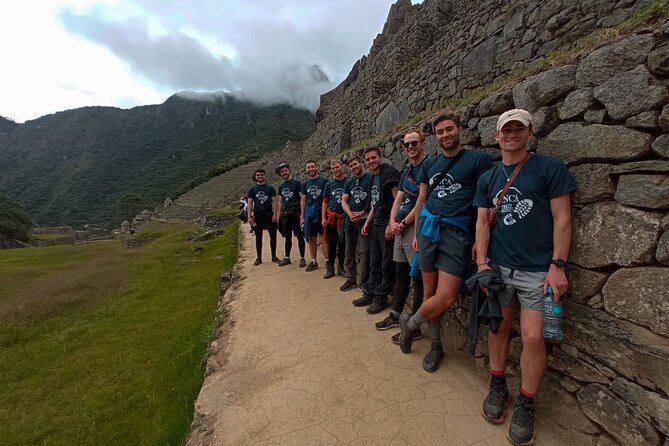
On Day 3 you head uphill again, this time to the second pass: Runkurakay at 3,970 m. After you reach the pass, you descend through a cloud forest, and the ruins start to stack up in a way that makes the hike feel uniquely Inca.
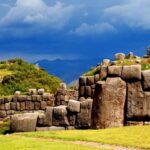
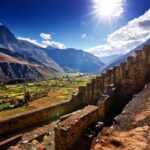
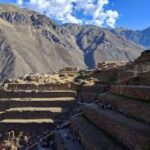
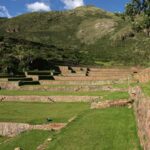
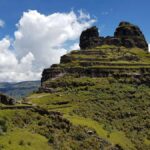
You’ll pass Sayacmarca at around 3,624 m, then continue toward the third pass, Phuyupatamarca at about 3,670 m. After that, the trail drops to Wiñay Wayna, one of the most memorable areas on the route, located around 2,650 m. This is where you’ll see agricultural terraces and ritual baths—details that make you understand why the Inca built and preserved so much here.
From a “how it feels” perspective, Day 3 can be both beautiful and tiring: many small climbs and descents, plus the mental focus of taking in ruins as you walk. The best way to enjoy it is to treat it like chapters—one ruin at a time, one section of trail at a time.
You can also read our reviews of more tours and experiences in Cusco
Day 4 (Sun Gate to Machu Picchu): First View, Guided Citadel, Then Real Life Transport
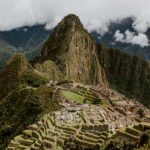
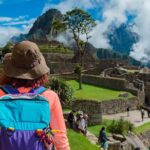
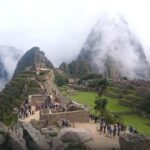
Day 4 begins early with breakfast, then a walk to the checkpoint that lets you enter the final stretch toward Machu Picchu. The big moment is the approach to Inti Punku / Sun Gate, where you get your first panoramic view of the citadel and surrounding mountains.
That “first view” is the point where the whole trek stops feeling like a hike and starts feeling like a story you lived. Then you transition into the guided portion: a tour of Machu Picchu ruins, including context around rediscovery by Hiram Bingham in 1911.
After the guided visit, you take a bus down to Aguas Calientes for a celebratory lunch, then go back to Cusco via train to Ollantaytambo and bus to Cusco. This transport plan matters because it closes the loop. You don’t end your trek and then start solving logistics.
Camp Life: Tents, Toilets, Water, and Why the Chef Matters
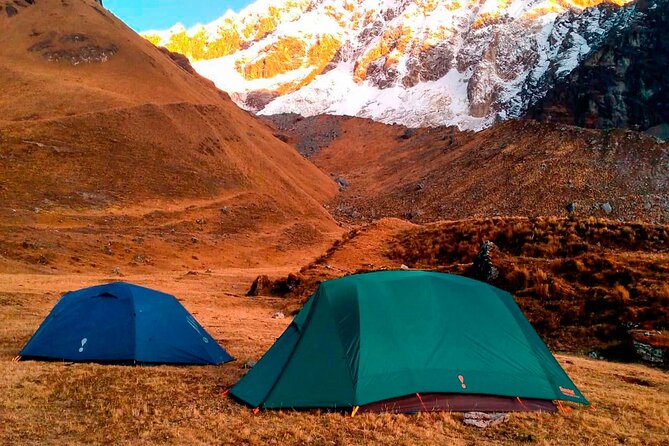
Camping on the Inca Trail can sound rough until you see what’s actually provided. You get 3 camping nights, with camp setup that includes kitchen and dining tents, utensils, tables and chairs, and a dedicated toilet tent. Sleep is supported with a confort sleeping roll mattress, and your group uses Eureka tents designed for shared comfort and luggage security.
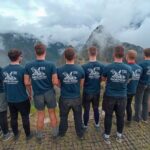
One of the strongest practical inclusions is water. Water is provided at every campsite by your chef, which reduces the stress of rationing and searching. You’re also getting all major meals included: breakfast (3), lunch (3), dinner (3), plus the trek includes a special t-shirt to remember the hike.
Food quality is repeatedly mentioned in the feedback I reviewed. When a camp chef like Clemente or Jesus is in charge, it changes the tone of the whole hike—you feel cared for, not just fed. And yes, even the dessert moments show up in the kinds of comments people make after this trek.
Guides and Pace: Why Staff Names Kept Coming Up
This tour’s biggest repeat praise isn’t about the views—it’s about how the trek is managed day to day. Guides like Nico Raul, Josias, Yijo, Plinio, and César Pérez are described as responsible, attentive, encouraging, and strong on explaining Inca sights without turning the walk into a lecture.
For you, the practical value is pacing. Even on “moderate” segments, your legs and lungs will decide what tempo feels safe. A good guide will measure the group’s capability and adjust the walk plan when the trail and weather refuse to cooperate. When torrential rain triggers plan changes in some groups, you want that skill on your side.
So, pick this tour expecting a team experience. You’re not just buying a permit—you’re buying a small hiking operation that helps you finish.
Price and Logistics: Where the Money Actually Goes
Let’s be real about cost. $930 is not cheap, but Inca Trail trekking has a lot of built-in expenses: permits, guides, porters, camp infrastructure, and the fixed transport schedule that keeps you aligned with Machu Picchu entry.
What makes this price feel more reasonable is what you don’t have to source separately. Included items cover:
- Inca Trail permit and Machu Picchu entrance fee
- Camping gear (tents, mattresses, cooking and dining setup)
- A super porter for your duffel bag up to 7 kg
- Tour guide and trekking chef
- Train from Machu Picchu area back to Ollantaytambo and buses onward
Not included items are mostly the “personal gear” bucket. You’ll likely need a sleeping bag (listed at U$ 25 if you choose to get one through the trek), and you may want hiking poles (listed at U$ 20). There’s also an optional inflatable rest mattress add-on listed at U$ 20.
One more value note: this trek gives you the option to sponsor planting native trees. It’s small, but it adds meaning beyond the finish line.
What to Pack (and What Helps) for a 4-Day High-Altitude Trek
The tour includes a rain poncho, but you’ll still want to plan for weather changes on high passes. I’d pack with layers and quick-dry clothing in mind, and I’d bring shoes you know you can hike in all day, because you’ll be walking long stretches and dealing with steep ups and downs.
For personal items, remember the duffel limit works in your favor: your bag up to 7 kg can be carried by the super porter, so you can keep your own day-pack focused on essentials. Don’t forget your first breakfast and last lunch in Aguas Calientes are not included, so you may want cash or a plan for that final meal.
Who This Tour Fits Best
This is best for hikers who:
- have a strong fitness level
- want the classic, famous Inca Trail route with camping
- like guided context at ruins (Sun Gate and Machu Picchu are not “just photos” here)
- appreciate a small team setup (max 16 travelers) that keeps the hike organized
If you’re chasing an easy stroll, you might find the altitude and long days harder than expected. But if you’re okay with training and a slower pace on the big pass days, this format is one of the more complete ways to experience the trail.
Should You Book This 4-Day Inca Trail Trek to Machu Picchu?
I’d book it if you want a structured, supported Inca Trail experience where the permits, camp setup, and Machu Picchu entry are handled for you—and where the staff focus on keeping the hike moving and understandable.
Skip it if you’re looking for maximum flexibility, because this trek runs on tight schedules and includes a permit-based entry system. Also, don’t underestimate the 4,215 m climb. If altitude scares you, take that seriously and plan accordingly with training and a conservative pace.
If you can handle a challenging hike and you want the full Sun Gate to Machu Picchu payoff, this is the kind of trip that turns into a real-life memory, not just an itinerary checkbox.
FAQ
What’s the duration and distance of the trek?
The trek lasts about 4 days and covers roughly 42 km (26 miles).
What time does the experience start in Cusco?
The start time is listed as 4:30 am.
Is pickup included?
Yes. The tour offers pickup from your hotel in Cusco and transfer to the trail starting point at Km 82.
How many nights do you camp?
You have 3 camping nights during the trek.
What’s the highest point on the trail?
The highest point is Dead Woman’s Pass (Warmiwañusca) at about 4,215 m (13,828 ft).
What’s included for meals and water?
Breakfast, lunch, and dinner are included for the trek days (3 each), and water is provided at every campsite.
What items are not included that you might need?
A sleeping bag and hiking poles are not included (with listed costs if obtained through the tour). Your first breakfast and last lunch in Aguas Calientes are also not included.
If I cancel, do I get a refund?
No. The experience is listed as non-refundable and cannot be changed for any reason.