REVIEW · MACHU PICCHU TOURS
Cusco in 2-days: Sacred Valley and Machu Picchu
Book on Viator →Operated by Altitude Peru · Bookable on Viator
Two days can feel like forever in Peru.
This tour stitches together Sacred Valley stops and Machu Picchu with early-morning timing that makes the ruins hit harder than a day-trip ever will.
I like that you’re not just window-shopping. In Chinchero, you get hands-on textile context with alpacas and llamas right in the mix. And the Sacred Valley route is set up to show how the Inca worked with the land, not just how they built big stone things.
One thing to consider: the schedule is early, and some entrances cost extra. You’ll also have to budget the Sacred Valley entry fee (S/90 per person) plus day-2 lunch after Machu Picchu.
In This Review
- Key Highlights That Make This Tour Worth It
- What You’re Actually Buying for $599 in Cusco
- Day 1 Cusco to Chinchero: Textiles, Animals, and a First Sense of Place
- Moray and the Inca’s Experimental Side: Circular Terraces With a Purpose
- Salinas de Maras: Salt Mines That Still Work
- Urubamba Lunch: A Real Break (and Options for Veggie Eaters)
- Ollantaytambo and the Big Choice: Stay by Machu Picchu or Return to Cusco
- Day 2 at 4:00 a.m.: Train Timing Done for You
- Guided Machu Picchu: Seeing the Ruins With Meaning
- Guides You’ll Be Happy With: Names People Mention a Lot
- Price and Logistics: Where You’ll Spend Extra and Where You Won’t
- Pace, Comfort, and Who This Fits Best
- Customer Service and Timing: The Small Stuff That Matters
- Should You Book This Cusco and Machu Picchu 2-Day Tour?
- FAQ
- How long is the Sacred Valley and Machu Picchu tour?
- Where does the tour start in Cusco?
- What parts of the Sacred Valley do you visit?
- Is Machu Picchu entrance included?
- Are Sacred Valley entrance fees included?
- Is lunch included?
- What train and bus travel is included?
- Can I stay the night near Machu Picchu instead of returning to Cusco on day one?
- What size is the group?
- Is this tour refundable if I cancel?
- Are the guides English-speaking?
Key Highlights That Make This Tour Worth It
- Chinchero textiles up close: a real craft center where animals are part of the story
- Moray’s circular terraces: see Inca agriculture experiments in a weirdly smart layout
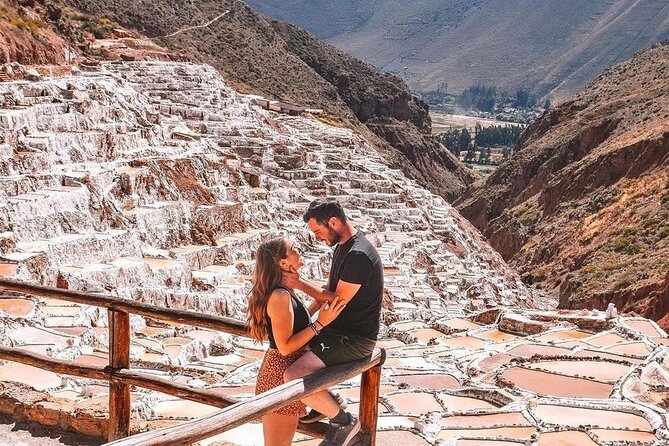
- Salinas de Maras in action: salt mines with methods still used by local families
- Ollantaytambo time choice: you can either stay near Machu Picchu or return to Cusco
- Machu Picchu guided with permits handled: no ticket-scrambling stress on a tight timeline
- Max group size of 8: small enough for questions, big enough to feel organized
What You’re Actually Buying for $599 in Cusco
On paper, this is a short “2-day Machu Picchu and Sacred Valley” trip. In real life, you’re buying three things that usually eat up time and mental energy in Peru: logistics, access, and interpretation.
The price covers the stuff that’s hardest to line up on your own: private ground transport, the round-trip train from Ollantaytambo to Aguas Calientes (Expeditions class), the buses up to Machu Picchu, and your Machu Picchu entrance permit. It also includes a guided Machu Picchu visit, so you’re not wandering around hoping the meaning appears by magic.
There are still extras you must plan for:
- Sacred Valley entrance fee (S/90 per person) is not included.
- Some site entrances along the way are marked not included (like Moray, Salinas de Maras, and the archaeological park in Ollantaytambo).
- Hotels in Cusco or Aguas Calientes are not included.
- Tips are not included.
- Lunch after Machu Picchu on day two is not included.
So yes, it’s $599. But the more honest number is $599 plus the entry fees and one lunch you’ll likely pay for later in the day.
You can also read our reviews of more tours and experiences in Cusco
Day 1 Cusco to Chinchero: Textiles, Animals, and a First Sense of Place
Your day starts with pickup in Cusco. The pace is designed to get you out of town early enough to enjoy the Sacred Valley before crowds stack up.
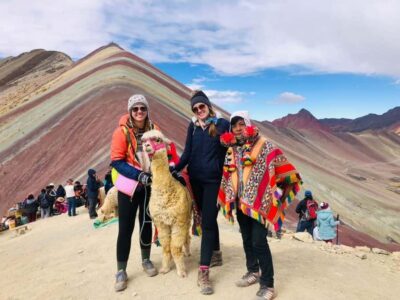
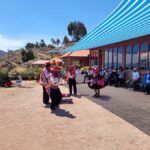
Chinchero is where I’d point you if you like your Inca history tied to daily life. The stop is focused on the textile center, and the big value is context: you’re not just looking at crafts. You’re seeing the living material culture that connects alpacas and llamas to weaving traditions. Even if you don’t buy anything, you’ll walk away with a better sense of why these textiles matter.
What to expect
- Roughly an hour on-site.
- A chance to ask questions about materials and local weaving culture (the guides are fluent English-speaking licensed local guides).
- Plenty of photo moments, especially because animals are part of the scene, not stuck behind fences.
Small drawback
If you’re sensitive to crowds or loud market energy, it can feel busy here. But the stop is also short enough that you can move at your own speed.
Moray and the Inca’s Experimental Side: Circular Terraces With a Purpose
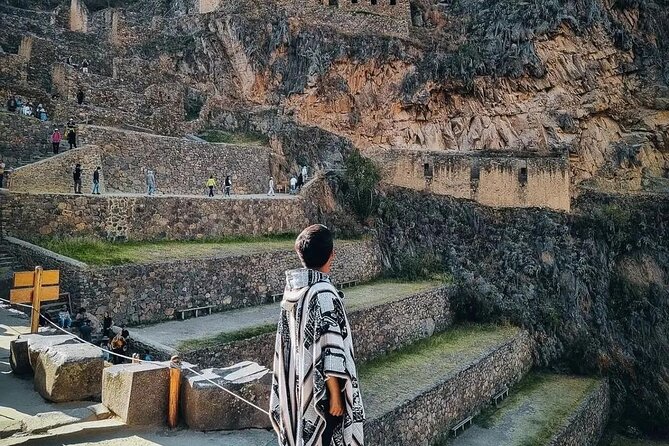
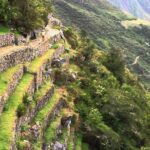
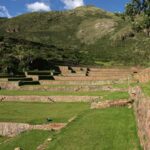
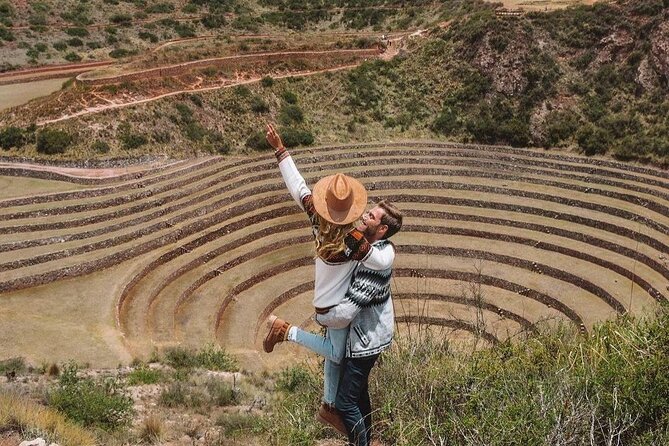
Moray is one of those places that instantly makes you rethink what the Incas were doing. Instead of “pretty ruins,” you get an agricultural system built from giant circular terraces.
The story here is practical: the terraces were used like an agricultural laboratory. The Inca could study different crops and how they grew across varying altitudes and microclimates. That’s the part I love. It turns a photo stop into an “oh wow” moment.
What to expect
- About an hour to explore and take in the view.
- A guided explanation of what you’re seeing and why the design matters.
- An entrance ticket that is not included, so plan on paying there.
How it feels
Moray tends to be calmer than a market stop. It’s a place to slow down, look closely, and connect the dots between architecture and food.
Salinas de Maras: Salt Mines That Still Work
Then you roll into Salinas de Maras, also called the Maras Salt Mines. This is more than an archaeological stop. It’s described as being in use since the Inca Empire—and local families still produce salt today.
The most interesting part is the human angle: you can learn about traditional methods families use to extract and harvest salt, using pools that have been maintained for generations. It’s one of those “ancient plus still alive” situations that makes the whole region feel real, not staged.
What to expect
- About an hour here.
- Another place where admission is not included.
- Clear opportunities for wide-angle photos and close-ups of the salt pools.
Practical note
This is a great stop to wear grippy shoes. Even without getting into “hard walking,” you want stable footing because the ground can be uneven.
Urubamba Lunch: A Real Break (and Options for Veggie Eaters)
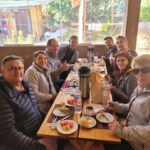
After the morning sites, you get a local lunch in Urubamba. The tour notes that vegetarian and vegan options are available, which matters in Peru, where menus can sometimes assume everyone eats the same way.
This lunch isn’t just fuel. It’s also your reset between the higher-intensity stops and the afternoon run toward Ollantaytambo.
What to expect
- About 45 minutes for lunch.
- Included in the tour.
If you’re a light eater, it’s still worth trying something local. You’ll be back on the go later.

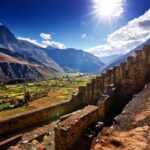
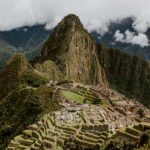
Ollantaytambo and the Big Choice: Stay by Machu Picchu or Return to Cusco
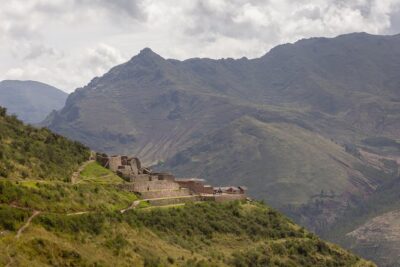
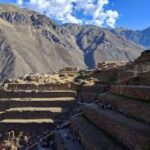
Ollantaytambo is an Inca stronghold type of place—strategic, religious, and agricultural. The stonework is impressive, and it helps you understand why the Incas built where they did.
Here’s the key decision point: you can either leave the group to take the train to Aguas Calientes and stay the night near Machu Picchu (recommended), or you can return to Cusco.
Why this matters:
- If you stay near Aguas Calientes, day two is less of a sprint because you’re already positioned for early pickup.
- If you return to Cusco, you’ll still make the next day work, but you’re signing up for a very early wake-up.
Also note: the entrance ticket for the archaeological park is marked not included.
Day 2 at 4:00 a.m.: Train Timing Done for You
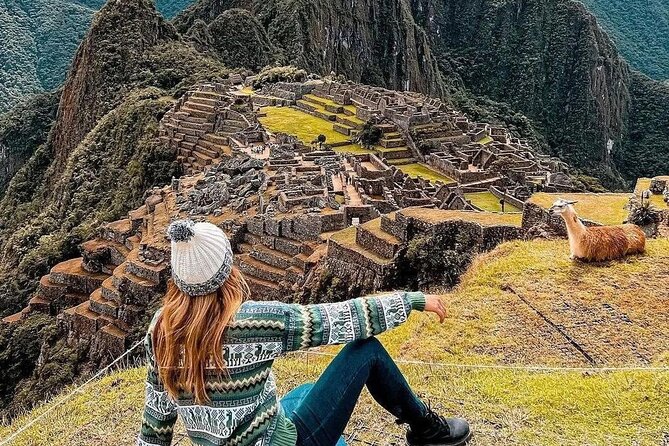
Day two is the “do-or-die” morning: hotel pickup in Cusco at 4:00 a.m., then transfer to the train station in Ollantaytambo.
You board the train at 6:10 a.m. to Aguas Calientes. The tour includes the round-trip train tickets in Expeditions class, which is a simple win. You’re not spending hours searching online, comparing schedules, or hoping you booked the right train type.
What to expect
- Your guide meets you in Aguas Calientes at 8:00 a.m.
- Then you take the bus up to Machu Picchu.
- The guided ruins tour starts at 9:00 a.m.
This is also the moment when the tour’s sunrise promise starts to make sense. Even if your official guided route begins at 9, you’re routed early enough to catch that morning light on the site and the mountains around it.
Guided Machu Picchu: Seeing the Ruins With Meaning
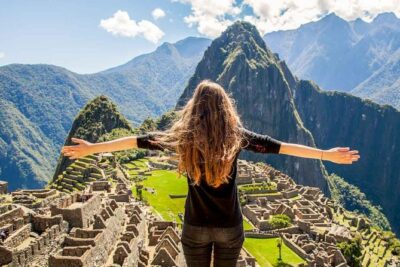
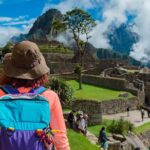
Machu Picchu is impressive on mute. With a guide, it becomes organized in your head.
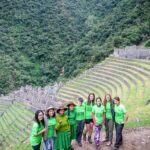
Your tour includes a guided visit to the Santuario Historico de Machu Picchu, with about two and a half hours on-site (timing given as leaving at 11:30 a.m.). That’s enough time to see the main points, absorb explanations, and still take photos without feeling like you’re chasing people down stairs.
The biggest value of a guided tour is how it changes your scanning pattern. Instead of “where’s the best photo angle,” you start noticing the logic of the site: how structures relate to water, elevation, and movement. You also get help making sense of what you see beyond guesswork.
After your visit
You ride the bus back to Aguas Calientes for lunch (lunch not included), then take the return train to Ollantaytambo and a private driver takes you back to your Cusco hotel.
Guides You’ll Be Happy With: Names People Mention a Lot
This tour uses fluent English-speaking licensed local guides, and that shows in how the experience is described. Guides named across experiences include Robinson, Rob, Teddy, Wagner, and Yoel, with praise centered on making things run smoothly and keeping you comfortable during long, sometimes tiring days.
If you’re worried about losing stamina to altitude and long mornings, the guide component is a real part of the value. A good guide doesn’t just explain. They help you keep a steady pace, answer questions in plain language, and make sure you don’t fall behind.
Price and Logistics: Where You’ll Spend Extra and Where You Won’t
To judge value, I look at what’s included versus what you’d likely have to coordinate yourself.
Included (big-ticket items)
- Machu Picchu permits
- Round-trip train Ollantaytambo ↔ Aguas Calientes (Expeditions class)
- Round-trip bus Aguas Calientes ↔ Machu Picchu
- Licensed English-speaking local guides for stated stops
- Private comfortable bus during the Cusco day
- First aid trained team support
- A lunch on day one (vegetarian and vegan options available)
Not included (budget these)
- Sacred Valley entrance fee: S/90 per person
- Entrance tickets for some stops that are marked not included (Moray, Salinas de Maras, Ollantaytambo)
- Hotels in Cusco or Aguas Calientes
- Tips
- Lunch after Machu Picchu on day two
My take: if you’re short on time and don’t want to gamble on train and permit details, the $599 makes sense. If you’re the type who loves planning everything yourself and already has tickets handled, you might be able to spend less. But you’ll pay with time and stress.
Pace, Comfort, and Who This Fits Best
This is a tight 2-day circuit. It’s not the tour for you if you want slow travel and long café hangs.
It’s a great fit if:
- You’re doing Machu Picchu in a limited window.
- You want the Sacred Valley highlights without building a complicated route.
- You appreciate a schedule that handles trains and permits for you.
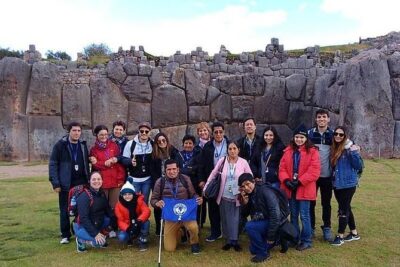
- You like small groups; this has a maximum of 8 travelers.
Comfort basics I’d plan around:
- Expect early mornings, especially the 4:00 a.m. pickup on day two if you’re staying in Cusco.
- Wear sturdy shoes for uneven ground at sites like Maras.
- Bring layers. Even when the sun is up, mornings can feel chilly.
Service animals are allowed, and most travelers can participate, which is good to know if you’re traveling with a companion animal.
Customer Service and Timing: The Small Stuff That Matters
A big part of Machu Picchu success is timing. If you’re late, you lose sunrise light, photo windows, and the smooth flow of the day.
The tour is set up around pickup, private transfers, and a team that stays organized. That includes airport transfers with staff accompanying you, plus first aid training for emergencies. It’s also meant for personalized attention, which is easier to deliver with a group cap of 8.
Should You Book This Cusco and Machu Picchu 2-Day Tour?
Book this if you want a guided, structured route that gets you to Machu Picchu without the ticket-planning headaches. The combination of included train/bus/permit logistics, small group size, and a day-one lineup that covers the Sacred Valley’s best-known learning stops makes it a strong choice for first-timers.
Skip it or think twice if:
- You hate early starts and don’t want to consider staying near Aguas Calientes.
- You’re counting every extra sol and don’t want to pay additional site entrance fees.
- You want a slower trip with more independent time.
If you do book, my practical advice is simple: plan your budget for the Sacred Valley entrance fee and expect to pay at a couple of sites that aren’t included. And if you’re debating the Ollantaytambo night choice, seriously consider staying by Machu Picchu so your day two feels more like a sunrise experience and less like an alarm-clock marathon.
FAQ
How long is the Sacred Valley and Machu Picchu tour?
It runs for about 2 days.
Where does the tour start in Cusco?
You’ll get pickup in Cusco, and on day two pickup happens at 4:00 a.m. from your hotel in Cusco.
What parts of the Sacred Valley do you visit?
You visit Chinchero, Moray, Salinas de Maras, Urubamba (for lunch), and the archaeological park in Ollantaytambo.
Is Machu Picchu entrance included?
Yes. Machu Picchu entrance tickets (permits) are included.
Are Sacred Valley entrance fees included?
No. The Sacred Valley entrance fee is listed as S/90 per person and is not included.
Is lunch included?
Lunch is included on day one in Urubamba. Lunch after Machu Picchu on day two is not included.
What train and bus travel is included?
Round-trip train tickets from Ollantaytambo to Aguas Calientes are included (Expeditions class). Round-trip bus tickets from Aguas Calientes to Machu Picchu are also included.
Can I stay the night near Machu Picchu instead of returning to Cusco on day one?
Yes. At Ollantaytambo you have the option to leave the group to take the train to Aguas Calientes and stay the night, or to return to Cusco.
What size is the group?
The tour has a maximum of 8 travelers.
Is this tour refundable if I cancel?
No. It is non-refundable and cannot be changed for any reason.
Are the guides English-speaking?
Yes. The tour includes fluent English speaking licensed local guides.