REVIEW · INCA TRAIL TREKS
Inca Trail 4 Day Adventure to Machu Picchu with Panoramic Train
Book on Viator →Operated by Inca Trail to Machupicchu · Bookable on Viator
Your first sunrise hike hits hard. This Classic Inca Trail adventure pairs guided Inca ruins with a Machu Picchu day that starts at Puerta del Sol.
I especially love how much is handled for you on the trail—porters carry the camp and kitchen gear, so you can just hike. I also love the food setup: 3 meals a day during the trek (buffet style) plus snack breaks, with options if you’re vegetarian or vegan.
The main drawback is the effort level. Day 2 climbs to the Warmiwañusca/Dead Woman Pass at about 4,200 meters and runs around 8 hours, so you’ll want real stamina and good altitude sense.
In This Review
- Key things that make this Inca Trail trip feel worth it
- From Cusco to the Trail Head: 5:00 am, Ollantaytambo stops, and Patallacta
- Dead Woman Pass Day: Coca tea, microclimates, and the hardest 8 hours
- Phuyupatamarca and the cloud forest: Inca Flat views and Wiñay Wayna magic
- Puerta del Sol to Machu Picchu: a guided 2-hour citadel day
- What you actually get for your money: guides, porters, tents, meals, and permits
- Local operator mission: community impact that’s more than marketing
- Price and logistics: does $950 feel fair?
- Packing smart (so you enjoy the pass, not complain on it)
- Who should book this, and who should think twice
- Should you book this 4-day Inca Trail to Machu Picchu with train?
- FAQ
- What time is pickup on the first day?
- How long are the hiking days?
- Is the Inca Trail permit included?
- What Machu Picchu experience is included?
- Is Huayna Picchu included?
- Is the train included after the trek?
- Are meals and camping gear provided?
- Do I need to bring a sleeping bag or can I rent one?
Key things that make this Inca Trail trip feel worth it
- 5:00 am pickup from Cusco/Urubamba/Ollantaytambo area so you start early and actually enjoy the day
- Piskakucho (Km 82) start with a first archaeological stop at Patallacta
- Coca tea greeting to the apus on Day 2, then a climb to the Dead Woman Pass
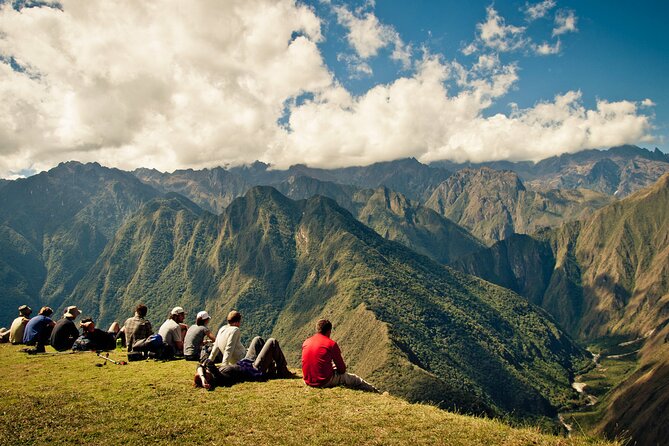
- Inca Flat to Phuyupatamarca with views of Salkantay and Vilcabamba
- 2-hour guided Machu Picchu tour from Inti Punku (Puerta del Sol) plus optional Huayna Picchu
- Max 16 travelers and a team built around guides, cooks, and porters
From Cusco to the Trail Head: 5:00 am, Ollantaytambo stops, and Patallacta
Day 1 begins early—your pickup is at 5:00 am from your hotel (Cusco, Urubamba, or Ollantaytambo). You’ll head toward Piskakucho (Km 82), but there’s a smart, practical stop first in Ollantaytambo. It’s time to grab last-minute gear (things you forgot or didn’t realize you’d need) and you can also order breakfast at a local restaurant before moving on.
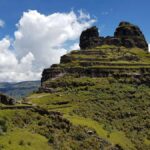
Once you reach Piskakucho, the hike starts right away. This first day is about 6 to 7 hours walking, and it’s designed like a warm entry, not a full wall-to-wall grind. The first stretch takes you roughly 2 hours to Patallacta, described as the largest archaeological site along the route. Your guide explains what you’re looking at, so it feels like more than just “ruins in the mountains.”
After that, you shift from wonder to routine. You continue for a couple hours to lunch, then push on another 2.5 to 3 hours to your first campsite. Day 1 is the one you’ll feel the most in your legs the next morning, but it’s also the day you learn the pace. Start steady, drink water (boiled water is provided), and don’t race just because the group looks energetic.
You can also read our reviews of more tours and experiences in Cusco

Dead Woman Pass Day: Coca tea, microclimates, and the hardest 8 hours
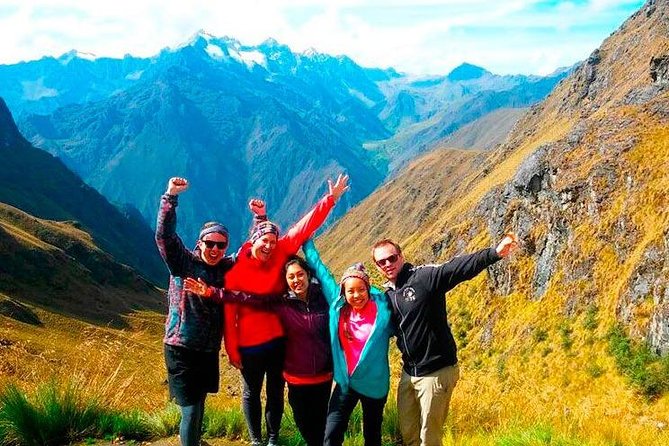
Day 2 is the classic “this is why we trained” day. You wake up early, drink a cup of coca tea as a greeting to the apus (the mountains), then have breakfast and start hiking while the mountains are still casting shade. That detail matters. Walking in cooler light usually feels easier on the body and can help you stay focused on footing.
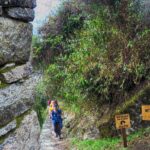
From there, the trail climbs toward the highest point of the Inca Trail on this route. You’ll feel it in your breathing, but what I like here is that the guide doesn’t just say it’s hard—they explain what’s happening around you. This part of the route shows multiple ecological zones and microclimates, like the Andes are stacked in bands. One hour you’re thinking about sweat and steps; the next you’re noticing how vegetation changes as altitude changes.
Then you reach Warmiwañusca, also called the Dead Woman Pass, at about 4,200 meters (13,780 feet). It’s a high, exposed feeling even if the weather is mild. After a rest, you continue toward the Pacaymayu Valley (and the scenery shifts again as you descend).
Timing-wise, this day runs about 8 hours total. It’s the longest and hardest day for most hikers, and it’s also the one where good pacing is everything. If you can keep your effort smooth—slow steps, steady breathing—you’ll arrive at the pass without turning it into a panic sprint.
Phuyupatamarca and the cloud forest: Inca Flat views and Wiñay Wayna magic
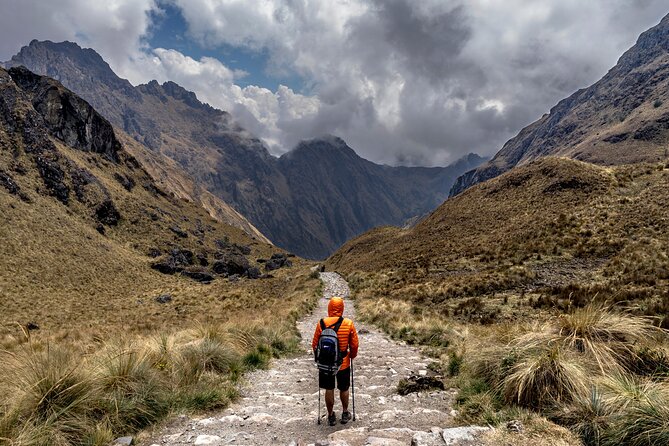
Day 3 is often the emotional favorite. After an early, nutritious breakfast, you start with about 2 hours along Inca Flat—a stretch that makes the whole day feel more manageable. From here you get views toward the Salkantay snowy mountain and the Vilcabamba mountain range. Even if you’ve seen photos before, the scale hits when you’re actually standing there with thin air.
Next comes the climb to Phuyupatamarca, often described as the town in the clouds, at around 3,650 meters. Your altitude is lower than Day 2’s pass, but it’s still high enough to feel the air. The payoff is that you’re not just walking—you’re moving through different “worlds” one after another.
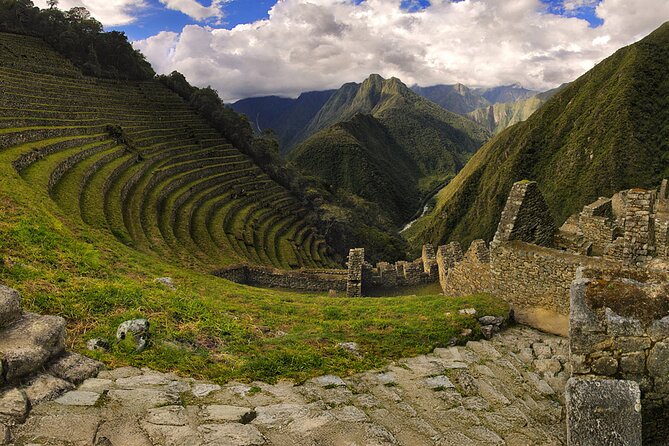
After Phuyupatamarca, the route drops you into the cloud forest. This is where the details matter: small streams and waterfalls, and plants like palm trees, orchids, and bromeliads. You can also spot birds such as parrots and parakeets if conditions are right. That’s the kind of variety that makes a guide’s explanations feel practical—you’re learning what you’re seeing, not just hearing facts.
Lunch comes partway through, then you continue toward the ruins of Wiñay Wayna (the text cuts off in the itinerary, but this stop is clearly part of the Day 3 flow). You’re walking through history with a forest soundtrack, which is a lot more pleasant than staring at rocks in silence.
Day 3 is about 6 hours total. By now, you know how to manage your energy. If you’ve been taking it easy, you’ll feel strong enough to enjoy the views instead of just surviving them.
Puerta del Sol to Machu Picchu: a guided 2-hour citadel day
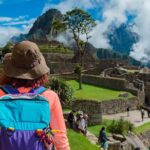
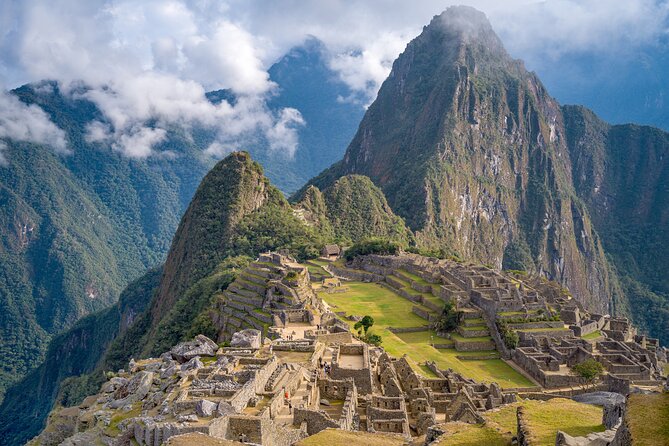
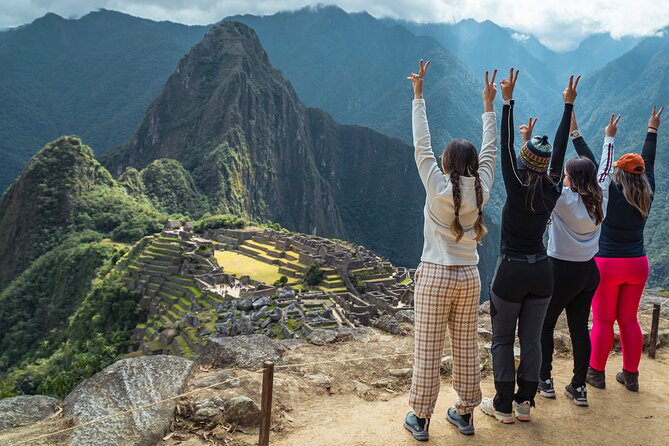
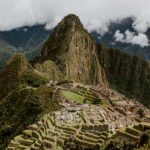
Day 4 is trekking’s finish line—and the day you arrive at Machu Picchu. After early breakfast, you say goodbye to your porters and cook, and then you walk toward the citadel. The route brings you first to Inti Punku (Puerta del Sol). You get a panoramic view of Machu Picchu from this approach, which is one reason people love the classic trail. You don’t just “arrive”—you’re revealed to it.
Next you register, then enjoy a 2-hour guided tour inside Machu Picchu. The guide focuses on key areas such as the Temple of the Sun, Temple of the Water, and Temple of the Moon. Having that structure helps you see why the site is arranged the way it is, and it keeps you from getting lost in photo-mode.
After the guided portion, you have time to explore on your own and take photos. This is a good moment to slow down. Machu Picchu can feel like one long stream of viewpoints, but your own time is where you can choose what you want to linger over.
Day 4 is about 5 hours total in the trip schedule. One extra option: Huayna Picchu is available after your Machu Picchu visit, but it’s optional and costs extra (not included). If you’re fit and want the tougher view, it can be a great add-on, but don’t assume it fits everyone’s pace.
What you actually get for your money: guides, porters, tents, meals, and permits
This package includes a lot of the “big stuff” that can make or break an Inca Trail trek.
You get a bilingual and certified guide, plus a briefing about the trek the day before. In practice, that briefing is where you learn what to expect about pacing, altitude, and how the team runs the days. You’ll also have porters who carry camping equipment and kitchen stuff, which is one of the best values here. You hike; they handle the heavy lift.
Permits are covered too. You have all entrances and permits for the Inca Trail, and Machu Picchu entrance tickets are included. That matters because Inca Trail permits are one of the constraints that can be a headache with less organized operators.
Camps are supported in a real, physical way:
- Four-season tents (listed as 2 trekkers per tent)
- Mattresses
- A kitchen setup (kitchen tent) plus portable chairs and table
- A first aid kit with an oxygen balloon
Food is another strong point. You receive 3 meals per day during the trek in a buffet style, plus a snack for each day. The operator also says meals can be adjusted for preferences like vegetarian, vegan, or pesquetarian, and they provide boiled water to drink during the trail. That’s exactly the kind of support that keeps you from turning the trek into a food scavenger hunt.
A small practical note: sleeping bags are not included. You can rent one for $20 (described as a professional option). Walking sticks are also not included, but you can rent them for $20. If you think your knees will complain, plan ahead.
One detail I’d pay attention to: tents are described by the operator as fairly standard, but if you’re tall or need extra room, ask before you go. One family account mentions they were told tent dimensions around 2.2 x 2.2 meters, so it’s worth confirming if size matters to you.
Local operator mission: community impact that’s more than marketing
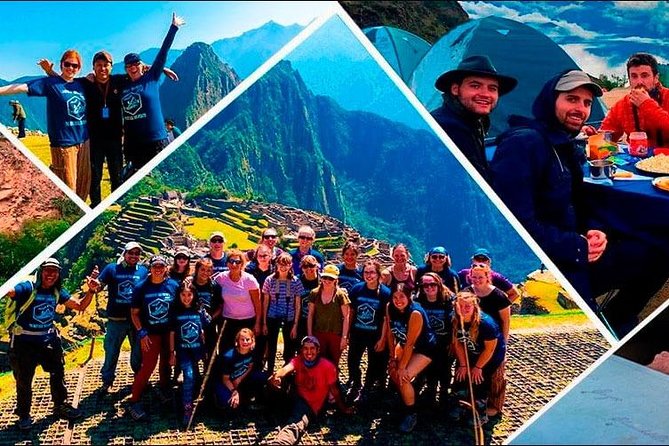
This company describes itself as a 100% local Inca Trail operator with a mission to reduce social inequality. The practical part is their community focus: they support remote areas through initiatives centered on improving education and quality of life, including school supplies like books, notebooks, pencils, and more.
Does that automatically make the trek better? Not by magic. But it’s a real difference-maker compared with operators who treat Peru like a checklist. When a local operator builds a long-term relationship with the people around the trail, it often shows up in the care you feel—especially in how the guide and support team handle you.
Also, I appreciate that the tour isn’t just a “big international brand on a local map.” The team you meet can include guides and staff with long roots in the region. Some groups have been led by guides such as Paolo or Raul, and coordination may include people like Alberto with assistant support (names like Timoteo and Daniel show up in past team write-ups).
Price and logistics: does $950 feel fair?
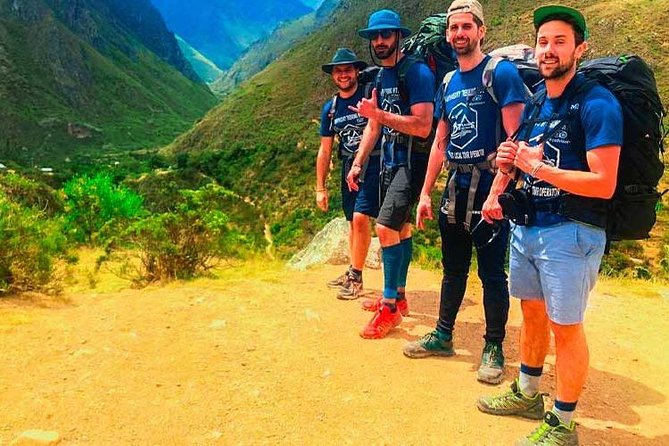
At $950 for about four days, this trek sits in the mid-to-upper range for the classic Inca Trail experience. The key is what’s included.
If you price it the usual way, you’re paying for:
- Inca Trail permits and entrances
- A bilingual certified guide
- Porters and camping infrastructure (tents, mattresses, kitchen setup)
- Professional cook and full meal plan during the trek
- Machu Picchu entrance and a guided tour
- A train ride from Aguas Calientes to Ollantaytambo, plus private transport from Ollantaytambo to Cusco
That’s a lot of hidden cost for DIY-style travel. The only real “watch-outs” are the items explicitly not included: the last meals outside the trek window, a few optional upgrades, and transportation down from Machu Picchu to Aguas Calientes. The bus down to Aguas Calientes is listed at $12 and that’s not included.
There’s also an optional Luxury Vistadome train upgrade that costs extra. If you’re the type who loves train comfort and views, it might be worth it. If you just want to get to Ollantaytambo comfortably and keep your budget steady, the standard tourist train included here is already part of the deal.
One last fairness note: the group size is capped at 16 travelers, which usually helps keep attention from getting diluted. If you want your guide answering questions and checking pacing, a smaller group is a win.
Packing smart (so you enjoy the pass, not complain on it)
Your packing list isn’t in the provided data, but you do have clear “included vs not included” guidance, so plan based on that.
What to bring:
- A sleeping bag is not included, so either rent for $20 or bring your own
- Walking sticks aren’t included, but you can rent them for $20 if you want knee support
- Personal items you buy in Ollantaytambo if you forgot them (that stop is built into Day 1)
- A plan for the missing meals window: first breakfast and last lunch/dinner aren’t included
What to expect:
- You’re sleeping in four-season tents with mattresses, and you’ll get boiled water on the trail
- You’ll get buffer-style meals and snacks, plus preference accommodations
And bring a realistic mindset. This is moderate-to-strong walking. You’ll be at altitude for multiple days, with the hardest effort on Day 2. If you’ve trained with hills or stairs, you’ll feel it.
One more practical reality: you’ll need a current valid passport on the day of travel. Don’t wait until the last minute to find it.
Who should book this, and who should think twice
This tour is a great fit if you want the classic Inca Trail route without carrying camp gear. The porter support, cook, tent setup, and meal structure make it realistic for anyone with moderate physical fitness who can handle long hiking days.
It’s also a good match if you care about learning as you walk. The guiding focus on major archaeological areas—Patallacta, Wiñay Wayna, and multiple Machu Picchu temples—means you’ll get context, not just movement.
Think twice if:
- You know you struggle with altitude and long hikes
- You’re expecting a light stroll (Day 2 is tough, at altitude, around 8 hours, with a high pass)
- You need extra personal space in tents and haven’t confirmed tent size with the operator
This is also a solid choice if you’re a couple, small group, or family, since the tour keeps a cap at 16 and builds in a guide-managed pace. (One family account highlights that the guide set a pace for different ages, which is the kind of group handling that matters.)
Should you book this 4-day Inca Trail to Machu Picchu with train?
If you want a well-run classic trek—early starts, guided ruins, full support camp, and a Machu Picchu day that starts with Puerta del Sol—this is the kind of itinerary that feels organized from minute one. The inclusion list is strong: permits, entrances, guide, cook, porters, tents, meals, and the train to Ollantaytambo. For $950, you’re mostly paying for logistics that would cost you time and effort to recreate on your own.
I’d book it if you’re ready for Day 2’s challenge and you like being guided through what you’re seeing. I wouldn’t book it if your plan is a relaxed vacation with minimal exertion—this trail has a purpose: to earn those views.
One final “do this before you pay” step: confirm your tent fit needs, rental gear plan (sleeping bag and sticks if you want them), and whether Huayna Picchu is on your must-do list.
FAQ
What time is pickup on the first day?
Pickup is at 5:00 am from your hotel in Cusco, Urubamba, or Ollantaytambo.
How long are the hiking days?
Day 1 is about 6 to 7 hours. Day 2 is about 8 hours (the hardest/longest for most hikers). Day 3 is about 6 hours. Day 4 is about 5 hours in the schedule.
Is the Inca Trail permit included?
Yes. All entrances and permits for the Inca Trail are included.
What Machu Picchu experience is included?
You’ll arrive at Machu Picchu after walking via Inti Punku (Puerta del Sol), then have a 2-hour guided tour. After that, you have time to explore on your own for photos.
Is Huayna Picchu included?
Huayna Picchu is optional and costs extra. It is not included in the tour price.
Is the train included after the trek?
Yes. The touristic train from Aguas Calientes to Ollantaytambo is included. The bus from Machu Picchu down to Aguas Calientes is not included.
Are meals and camping gear provided?
Yes. You get 3 meals per day during the trek plus snacks. Four-season tents, camping equipment, and mattresses are included.
Do I need to bring a sleeping bag or can I rent one?
Sleeping bags are not included. You can rent a professional sleeping bag for $20, and walking sticks can also be rented for $20.