REVIEW · HIKING & TREKKING
Salkantay Trek: 5 Days to Machu Picchu
Book on Viator →Operated by Tierras Vivas · Bookable on Viator
Machu Picchu without the Inca Trail grind. This Salkantay trek brings you to Machu Picchu through high passes, glacial lakes, and a big slice of jungle—while keeping the group small and the pace guided.
Two things I really like about this trip are the day-by-day structure and the way you’re fed well on the trail. You’re not just getting snacks; the package counts on a professional cook, plus bilingual guides who explain what you’re walking through.
One consideration: it’s altitude plus long days, and conditions can turn rough. You’ll be at high elevations early, and you also hike through the more humid sections around Day 3 where mosquitoes can be an issue for some people.
In This Review
- Quick highlights
- The big idea: a less-crowded route to Machu Picchu
- Price and value: what your $909 really buys
- Day 1: Humantay Lake and the first high-altitude wake-up
- Day 2: Abra Salkantay pass and the big weather gamble
- Day 3: Santa Teresa jungle day with plant-world variety
- Day 4: Hydroelectric lunch and the walk into Aguas Calientes
- Day 5: Machu Picchu guided tour, then the train back to Cusco
- Camping comfort details (and what to pack in your brain)
- The crew effect: guides, chefs, and small-group pacing
- Who should do the Salkantay trek (and who should think twice)
- Should you book this Salkantay Trek to Machu Picchu?
- FAQ
- What time does the trek start from Cusco?
- How many days is the Salkantay trek to Machu Picchu?
- Is Huayna Picchu included in the package price?
- Are vegetarian meals available?
- What’s the maximum group size?
- Do I need a high fitness level?
- Is water included during the trek?
- What should I do if I’m worried about altitude sickness?
- Where do you go after Machu Picchu?
Quick highlights
- 4:30 am pickup in Cusco to start the trek with enough daylight
- Abra Salkantay pass (about 4,650 m), the dramatic high point
- Humantay Lagoon visit after reaching Soraypampa
- Jungle section on Day 3 with coffee plantations and wild plants
- Options in the Santa Teresa area: soak in natural hot springs or an archaeological visit
- Guided Machu Picchu day plus train back to Ollantaytambo
The big idea: a less-crowded route to Machu Picchu
If you want Machu Picchu but don’t want to feel packed in from the start, the Salkantay trail is a smart alternative. This 5-day version focuses on guided hiking with camping most nights, then brings you into the classic Machu Picchu day.
The route also spreads out the time you spend outdoors. Instead of one day of intense crowd energy, you get multiple days of big mountain moments, lake scenery, and then rainforest textures.
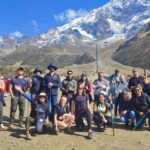
And because the group is capped at 12 travelers, it tends to feel more like a shared hike than a conveyor belt.
You can also read our reviews of more hiking tours in Cusco
Price and value: what your $909 really buys
$909 for five days sounds like a lot until you see what’s included. You’re paying for far more than a ticket to Machu Picchu: you get a full crew (bilingual guide, professional cook, horse support), meals across the trek, camping gear, and the train/bus legs that connect Machu Picchu back to Cusco.
Included highlights that drive the value:
- Accommodation: 3 nights camping plus a hotel night in the Machu Picchu area
- Meals: 4 breakfasts, 4 lunches, 4 dinners, and afternoon hot beverages
- Trail logistics: private bus early to the trailhead, plus tourist train (Aguas Calientes → Ollantaytambo) and tourist bus (Ollantaytambo → Cusco)
- Crew + equipment: cook, guide, and horse team carrying food/camping/cooking equipment, plus your own allowed belongings
What’s extra (and worth planning for):
- Huayna Picchu entrance fee (listed as about $25)
- The shuttle bus between Machu Picchu and Aguas Calientes (about $12 one way / $24 round trip)
- Tips, travel insurance, and any non-included tickets like the hot springs entrance
My take: this price feels strongest if you don’t want to wrestle with logistics yourself. If you already have your own gear, your own planning skills, and you’re comfortable stitching transport together, the value drops a bit. But for most people, the included trail mechanics are the whole point.
Day 1: Humantay Lake and the first high-altitude wake-up
Your day starts aggressively. You’re picked up from your hotel at 4:30 am, then travel by bus through nearby towns before reaching Mollepata (about 2,900 masl) around 7:30 am. You’ll eat your first breakfast there, and you can leave personal belongings for the pack animals (the itinerary mentions about 5 kilos on Day 1).
Then you head to Challacancha (about 3,380 masl) and start hiking. The walking time to Soraypampa (about 3,900 masl) is roughly 3 hours, and you’ll arrive around 1:30 pm for lunch.
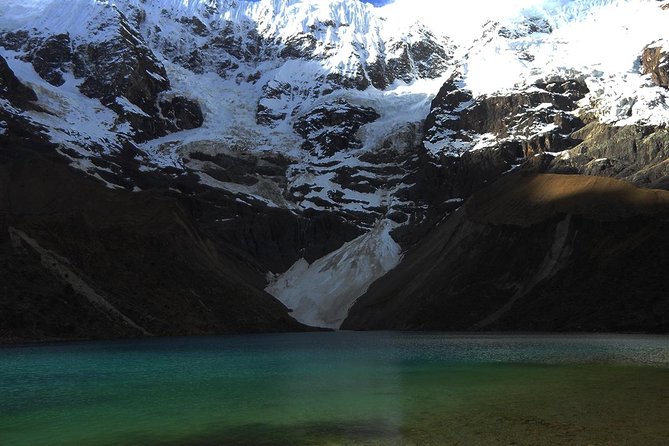
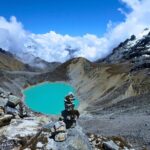
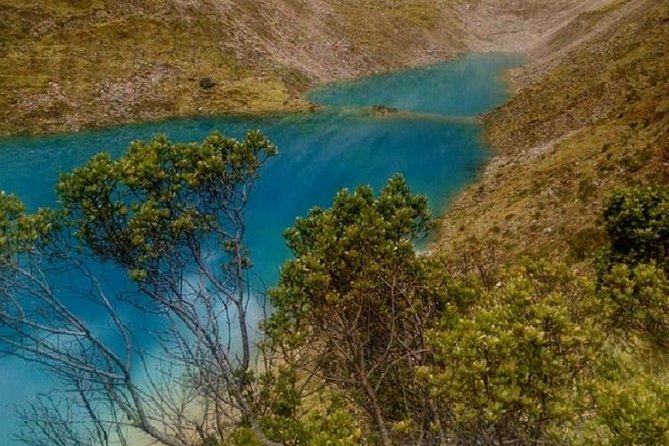
After lunch, you visit Humantay Lagoon. This is one of those moments where the trek’s early suffering makes sense. If the sky is clear, you get that sharp, glacial-lake look with the mountains looming behind the water.
Practical note: after Humantay, you go back to camp. That matters because Day 2 is longer and higher.
Day 2: Abra Salkantay pass and the big weather gamble
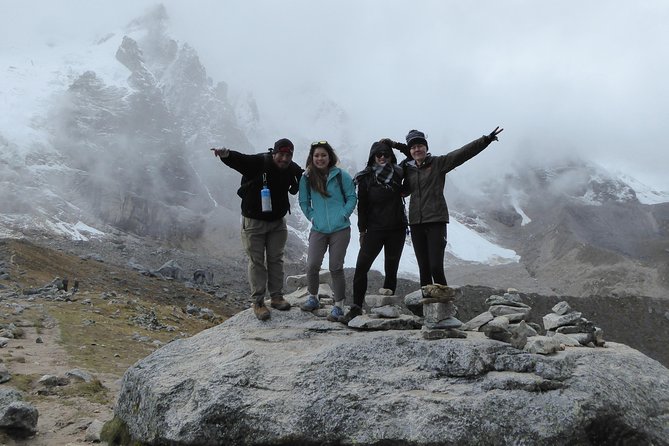
Day 2 starts with breakfast at 5:00 am, then you hike from Soraypampa toward the summit area. The goal is the high point: Abra Salkantay (around 4,650 m). The itinerary gives about 3 hours for that climb.
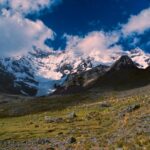
This is where you should prepare for thin air and changing conditions. The plan also calls out views of major peaks like Salkantay, Humantay, Tucarhuay, and Pumasillo, so you’re not just going for altitude—you’re going for payoff.
From there, you pass Salkantaypampa and Soyrococha, including a small lagoon. Then you start descending to Huayracmachay (about 3,800 masl) for lunch (about 3 hours down).
The day finishes with a long push to camp at Chaullay (about 2,900 masl). The itinerary estimates about 3 more hours. Real talk: if your knees hate downhill, you’ll feel it here. The good news is that you’re not completely on your own—this package includes an emergency horse option if you’re ill or slower.
Day 3: Santa Teresa jungle day with plant-world variety
Day 3 is the change of scenery day. Breakfast hits at 6:00 am, and you hike for about 5.5 hours. The description is “jungle eyebrow,” meaning you’re moving through a warmer zone with more frequent level ups and downs rather than the full-on steep climbs.
This is when the trek stops feeling like only rock and ice. You can see coffee plantations, plus orchids, bromeliads, and natural plants used for medicine. If you like noticing how people live and how ecosystems shift with elevation, this is a great day.
You arrive at Playa Sahuayaco for lunch, then board included transport to the campsite in Santa Teresa.
At camp, you get an option for recovery:
- You can soak in thermal baths in Cocalmayo (entrance ticket not included)
- Or choose an archaeological visit option (as described as customizable in the trip)
Either way, the day ends with tea and dinner back at camp around 6:00 pm, which is perfect if you want to save energy for the next transit day.
One more honest consideration from the way this route runs: the humid zones around this day can bring more mosquitoes for some people, so expect that this part of the trek may not feel “fresh and dry.”
You can also read our reviews of more tours and experiences in Cusco
Day 4: Hydroelectric lunch and the walk into Aguas Calientes
Day 4 is half trekking, half moving toward the Machu Picchu staging area. You wake with a sunrise schedule and breakfast, then continue toward Hydroelectric.
You’ll have lunch at a restaurant in Hydroelectric, then continue hiking through a tropical zone toward Aguas Calientes. At the end of the day, you settle into your hostel/hotel for the night.
At 6:30 pm, there’s dinner with your guide, plus prep for the last day. I like this part because it keeps you from guessing what comes next.
This day can feel more “logistics-forward” than “sweep-your-camera-around,” but it’s also the day that helps you arrive at Machu Picchu with less stress.
Day 5: Machu Picchu guided tour, then the train back to Cusco
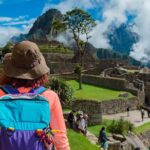
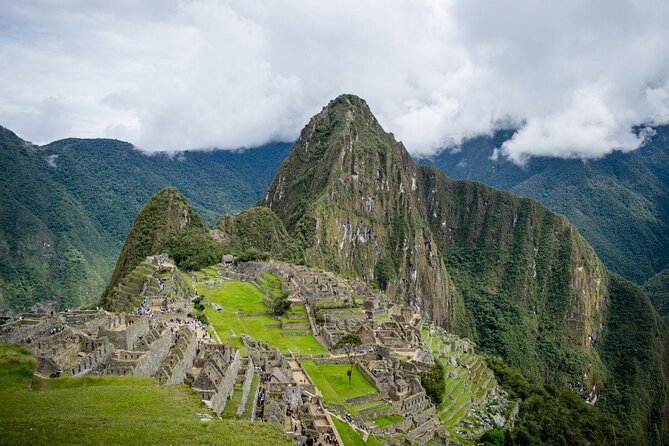
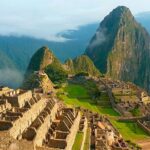
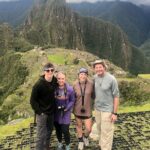
You wake very early for Machu Picchu. Then you get a guided tour of the citadel, focused on key areas like temples, terraces, palaces, and platforms.
After the guided portion, you have time to take pictures and explore at your own pace. That balance is important. A guide gives context fast; free time lets you slow down for the views that hit you personally.
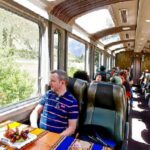
When the citadel visit ends, you descend back to Aguas Calientes and take the train to Ollantaytambo. A representative meets you there and drives you back to Cusco, dropping you at or near your hotel.
One small travel-life tip: on this day, you’ll probably be switching between “wow” and “what’s next” energy. The included train and transfers help you keep it from becoming a scavenger hunt.
Camping comfort details (and what to pack in your brain)
This trek is camping-based for 3 nights, so comfort matters. The package includes:
- Personal double tents (a 4-person tent with storage so your bags aren’t just floating around)
- Inflatable mattress (Term-a-Rest style)
- Sleeping bag rated for up to -5°C, plus a blanket and pillow
- A duffel bag for personal belongings
- A pair of hiking poles
You also get water every day, but not for the first 4 hours—you’ll need to bring your own water for that early stretch.
The camp setup is one of the quiet reasons this trek works. You’re not spending hours trying to figure out gear, cooking, or bedding at altitude. The crew handles camping equipment and cooking logistics, while you focus on walking and resting.
Also, the operator uses horse support to carry food, camping, and cooking equipment. Your belongings also have a stated carry limit (and Day 1 specifically mentions leaving 5 kilos with muleteers).
The crew effect: guides, chefs, and small-group pacing
What really drives satisfaction here isn’t just the scenery. It’s how the trip runs day to day.
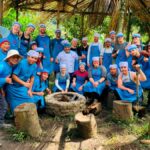
From the guide examples in real feedback for this operator, you’ll see a pattern: people highlight English skills and a real passion for mountains and Inca culture. Guides named in past experiences include Carlos, Nico, Alvina, Juan de Dios, Diego, Dan, and Jennifer. The chef names that come up include Leoncio, Clemente, Louis, and Jesus, with a consistent theme of excellent meals.
That matters on a trek like this. Food isn’t a side quest; it’s fuel for altitude, and it’s morale for long walking days.
Small group size helps too. With a maximum of 12 travelers, your guide can adjust pace and support. There’s also an emergency horse included if you’re ill or move slower than the group.
Who should do the Salkantay trek (and who should think twice)
This is a good fit if:
- you have at least moderate physical fitness
- you’re excited by altitude hiking and early starts
- you want Machu Picchu with more breathing room than the classic Inca Trail route
- you enjoy guided interpretation (citadel day plus historical context along the way)
Think twice if:
- altitude sickness worries you. The trip note is clear: bring any necessary medicine and/or consult your doctor before the tour.
- your plan depends on short days and gentle slopes. The itinerary includes a hard first two days and steep downhill sections.
- you know you’re sensitive to humid, bug-prone environments. Day 3 crosses into warmer jungle terrain.
Should you book this Salkantay Trek to Machu Picchu?
I’d book this if you want a guided, well-run 5-day trek that gets you to Machu Picchu without feeling like you’re part of a mass event from start to finish. The included structure—meals, small group size, horse support, tents, poles, and the train/bus path back to Cusco—adds real value.
Skip it or compare other operators if you’re looking for maximum comfort in camp only, or if you’re trying to keep costs ultra-low by adding your own logistics. This one shines when you want the trek to run smoothly so you can focus on the pass, the lakes, and that first look at Machu Picchu through the morning mist.
FAQ
What time does the trek start from Cusco?
The start time is 4:30 am, with pickup from your hotel and transport to the trail area.
How many days is the Salkantay trek to Machu Picchu?
It’s listed as about 5 days, including camping nights and a hotel night in the Machu Picchu area.
Is Huayna Picchu included in the package price?
No. The entrance fee to Huayna Picchu is not included (listed at about $25).
Are vegetarian meals available?
Yes. If you advise them at booking, the vegetarian option is included at no extra cost.
What’s the maximum group size?
This activity has a maximum of 12 travelers.
Do I need a high fitness level?
The tour says you should have moderate physical fitness. It’s still a demanding trek with long walking days and altitude.
Is water included during the trek?
Water is provided every day, but not for the first 4 hours of the trek. You’ll need your own water for that early stretch.
What should I do if I’m worried about altitude sickness?
You should bring any necessary medicine and/or consult with your doctor before the day of your tour, since altitude can be a concern.
Where do you go after Machu Picchu?
After visiting Machu Picchu, you descend to Aguas Calientes, take the tourist train to Ollantaytambo, and then transfer back to Cusco.