REVIEW · SACSAYHUAMAN & INCA RUINS
Cusco: City Tour | Half-Day Tour to 4 Archaeological Sites
Book on GetYourGuide →Operated by www.iziperu.com · Bookable on GetYourGuide
Five Inca sites in one tight loop. This half-day circuit gives you a smart first pass through Cusco’s imperial-era layers, where Spanish colonial architecture meets Inca engineering, and it does it with hotel pickup and a bilingual English–Spanish guide that keeps the day moving. You get five standout archaeological stops plus transport, so you’re not burning your limited Cusco time figuring out buses and entry windows.
I like how the itinerary is built around recognizable “wow” structures: the polished-stone temples at Qoricancha, the massive fortress walls at Sacsayhuamán, and the water-focused terraces of Tambomachay. The main drawback to plan for is money and timing: entry tickets are not fully included (Qoricancha costs extra, and you’ll need the tourist ticket), and on some days the group pace can feel a bit tight if you’re hoping for long, slow exploring.
In This Review
- Key things to know before you go
- A half-day Cusco loop that’s built for first-timers
- Hotel pickup and bilingual guidance: where the tour shines
- Step 1: Qoricancha (Temple of the Sun) and the Santo Domingo overlay
- Step 2: Sacsayhuamán and why those blocks still feel unreal
- Step 3: Q’enqo’s rocky paths and its ritual role
- Step 4: Puca Pucara—surveillance and controlled entry
- Step 5: Tambomachay and the water temple idea of eternal youth
- Where the time actually goes (and why 4 hours can feel different)
- Tickets and entry: the part that decides your stress level
- Crowds, pacing, and that “too many photos” moment
- Optional cathedral visit: keep it if it fits your day
- Who should book this Cusco city tour
- Should you book this Cusco half-day tour to the five sites?
Key things to know before you go
- Hotel pickup in Cusco Centro Historico and tourist transport make this easy on arrival day
- Five major sites in one half-day: Qoricancha, Sacsayhuamán, Q’enqo, Puca Pucara, Tambomachay
- Bilingual guide (English & Spanish) means you’ll get explanations in your language, not just signage
- Express security check helps you start faster than the slowest lines
- Entrance fees are extra (Qoricancha + the tourist ticket range you’ll need)
- Pack for cold at the end; the timing can bring chill weather when you’re standing and viewing
A half-day Cusco loop that’s built for first-timers
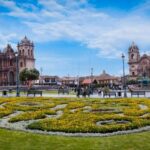
Cusco can overwhelm you fast. Altitude, steep streets, and a long list of “must sees” can turn into indecision. This tour’s value is that it’s structured as a manageable loop: you start in the city center, visit a set of famous Inca sites inside and just outside Cusco, then you’re back with enough time to eat.
At $29 per person for a 4-hour format, the cost only truly makes sense if you treat it as a guided route (not a ticket bundle). You’re paying for pickup, transport, and a bilingual live guide who translates the site meanings into plain words while you’re looking at the stones. If you show up ready with your extra tickets, it’s a smooth way to get oriented before you choose what to revisit.
You can also read our reviews of more city tours in Cusco
Hotel pickup and bilingual guidance: where the tour shines
This tour includes pickup from your hotel in Cusco Centro Historico plus tourist transport. That matters because Cusco isn’t flat, and walking long distances on arrival day can wipe you out.
The guide is live and bilingual (English and Spanish). In practice, the best tours like this use language switching well—explaining the same point in both languages and keeping Q&A flowing. One caution: in any bilingual setup, questions from one language group don’t always get fully relayed in the other, so if you have a specific question, ask it clearly and be ready to repeat it if needed.
Guides that come up often in people’s accounts include Luis and Maribel (and names like Louie/Louis, Leo, Yenny, Joel, Jonathan, Jessica, Fabrisio, and America also show up). The common theme is that the guide role is active, not just reading off descriptions.
Step 1: Qoricancha (Temple of the Sun) and the Santo Domingo overlay
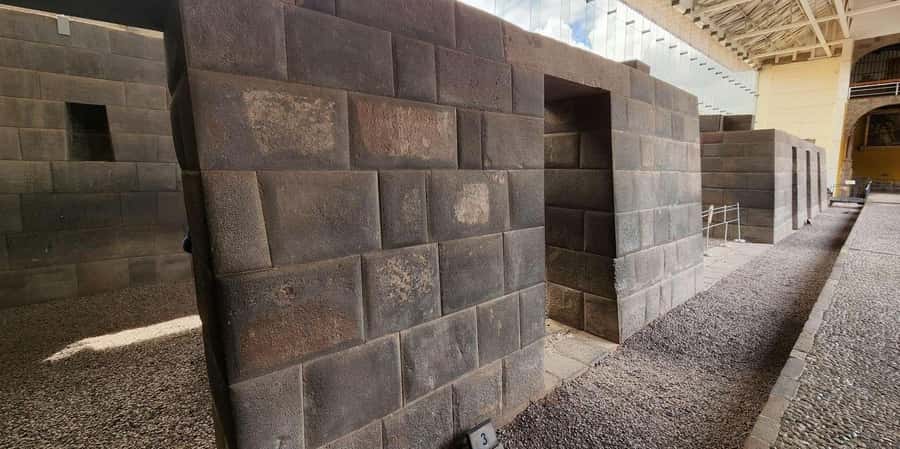
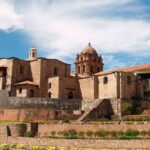
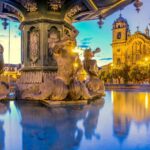
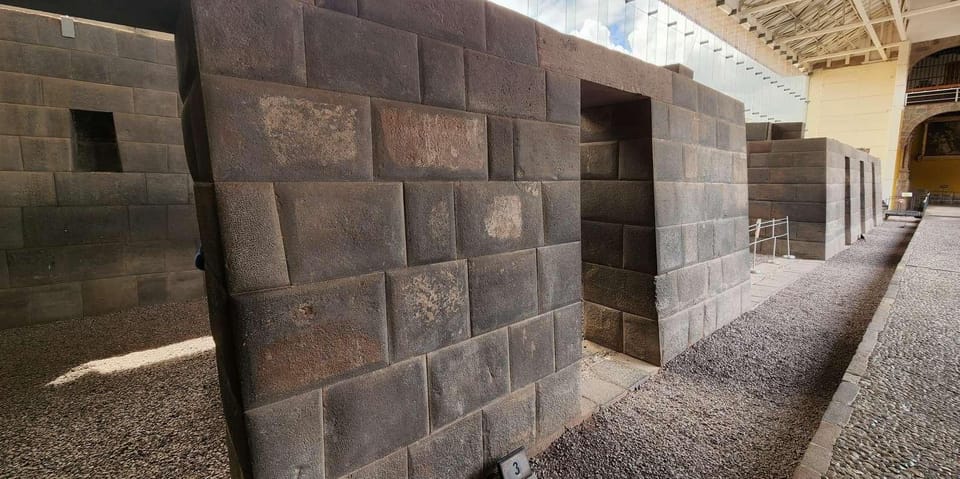
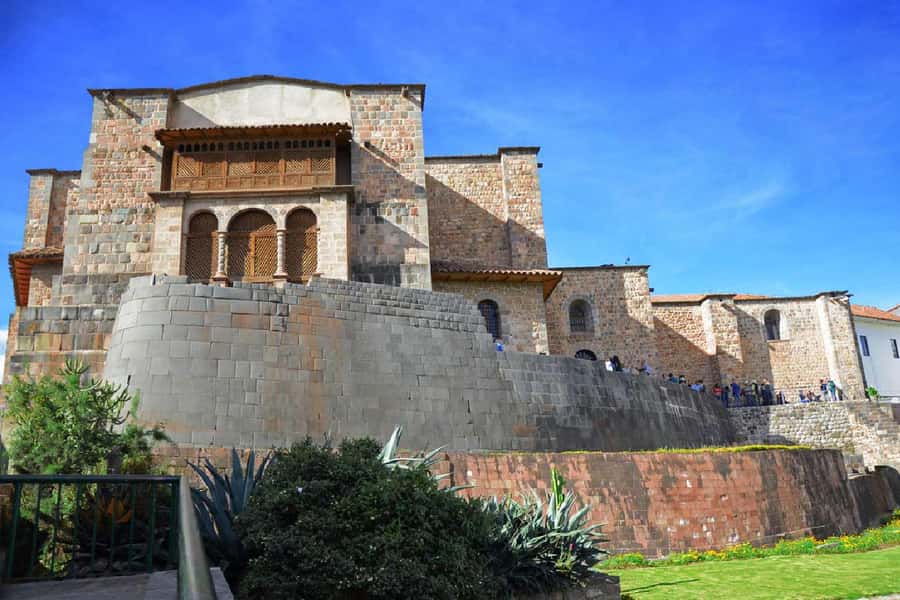
You begin at the Temple of Qoricancha, a key religious center in Inca times and known as the Temple of the Sun. The big visual payoff here is contrast: Inca sacred space layered under later Spanish presence—Qoricancha is also known as the Temple of Santo Domingo.
What you’re looking at is both spiritual and technical. The tour highlights the impressive stonework and construction engineering, plus paintings housed inside. This stop is also useful because it sets the tone for the rest of the day: you start by seeing how the Inca treated Cusco as a sacred center, not just a city.
Practical consideration: entry to Qoricancha is not included. The tour notes an entrance ticket cost of 20 soles for Qoricancha, so plan your cash/soles before you arrive at the gate.
Step 2: Sacsayhuamán and why those blocks still feel unreal
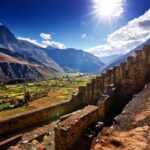
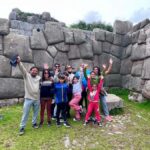
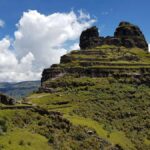
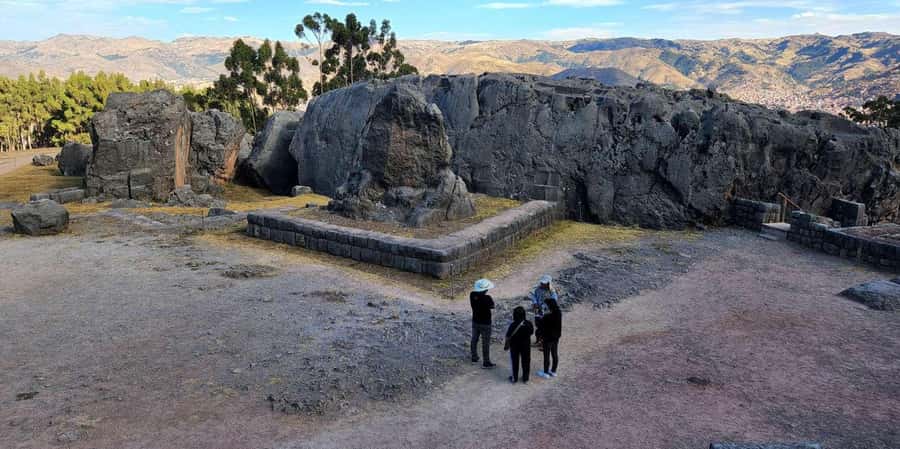
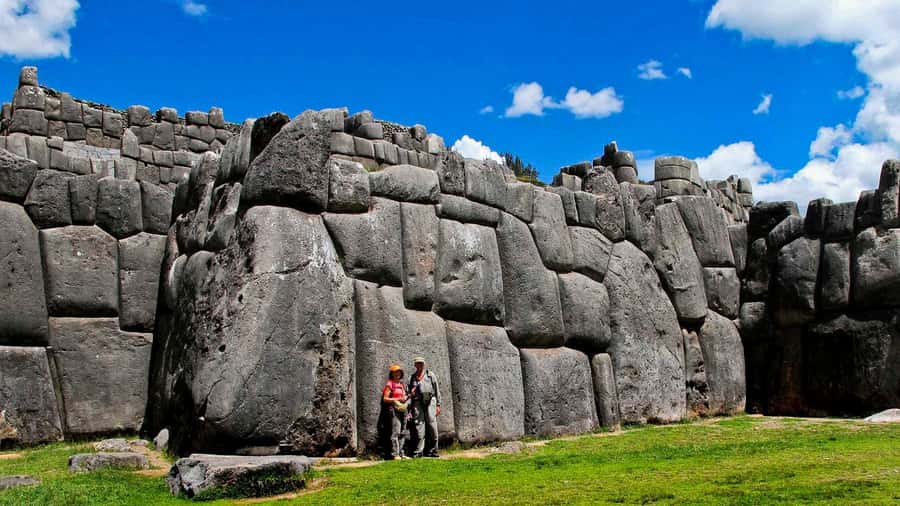
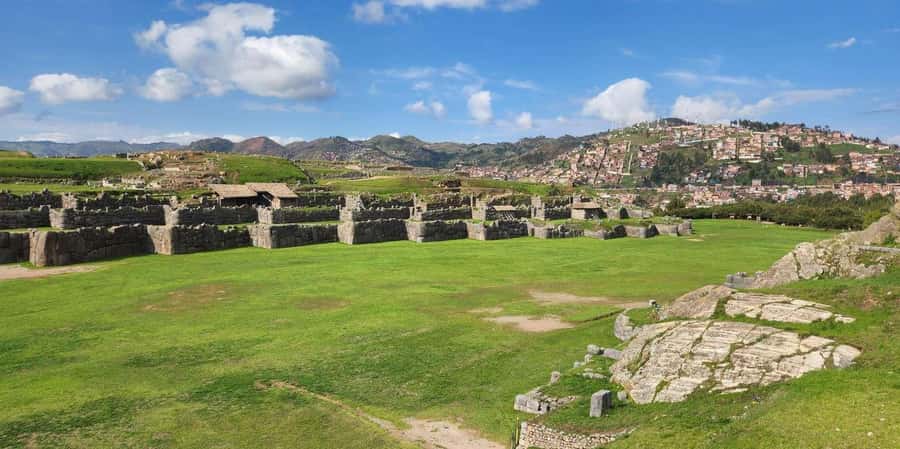
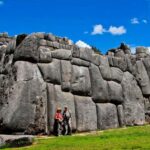
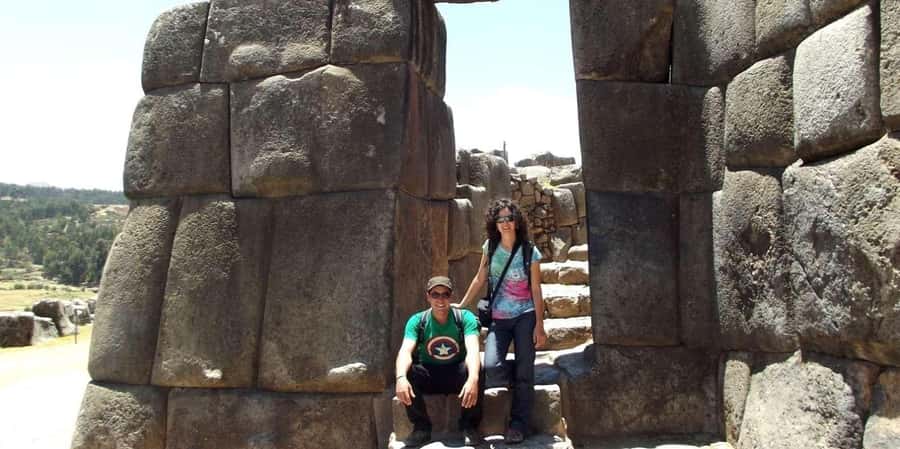
Next comes Sacsayhuamán, a ceremonial fortress famous for its Inca stone architecture. The standout detail here is scale: some blocks are about 9 meters (30 feet) high and weigh more than 350 tons.
Sacsayhuamán isn’t just a wall you look at and move on from. The tour connects it to a living calendar too: it’s associated with the Inti Raymi (Party of the Sun) celebrated on June 24. Even if you’re visiting outside festival season, that date connection helps you understand why this site mattered in ritual life.
One more practical tip: popular stops can get crowded, and Sacsayhuamán is one of them. Crowds can shrink your “personal photo time,” so if you want calmer moments, lean into the guided explanations early and step aside after the main viewpoint moment for a slower look.
Step 3: Q’enqo’s rocky paths and its ritual role
After Sacsayhuamán, you head to Q’enqo, described as a ceremonial and religious center in Inca times. The tour frames it as an amphitheater where sacrifices used to take place.
The setting is part of the story. The site is known for rocky promontories and labyrinthine paths—so the guide’s job is to help you look past the obvious stone surfaces and understand how people likely used the space.
Here’s a value angle: Q’enqo is smaller than the “big fortress” sites, so it’s a good mental reset in the middle of the day. You go from huge blocks to a place that feels carved into the rock and shaped for movement and ceremony.
You can also read our reviews of more tours and experiences in Cusco
Step 4: Puca Pucara—surveillance and controlled entry
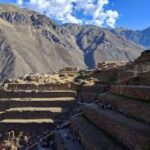
Then it’s Puca Pucara, described as a military fortress. The tour notes terraces, walls, and stone steps—plus an important function in Inca life: it was formerly an Inca surveillance post and entry control to the capital of the Inca state.
This stop is valuable if you like thinking about why a place was built where it was. In other words: you’re not only seeing “ruins,” you’re seeing infrastructure—how the Inca managed access and watched over approaches to Cusco.
A gentle reality check: you may not feel the same “wow” feeling here as you do at Sacsayhuamán, but it’s the stop that helps the day click. It’s where your tour shifts from architecture appreciation into strategy and city control.
Step 5: Tambomachay and the water temple idea of eternal youth
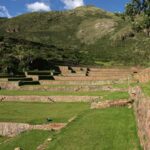
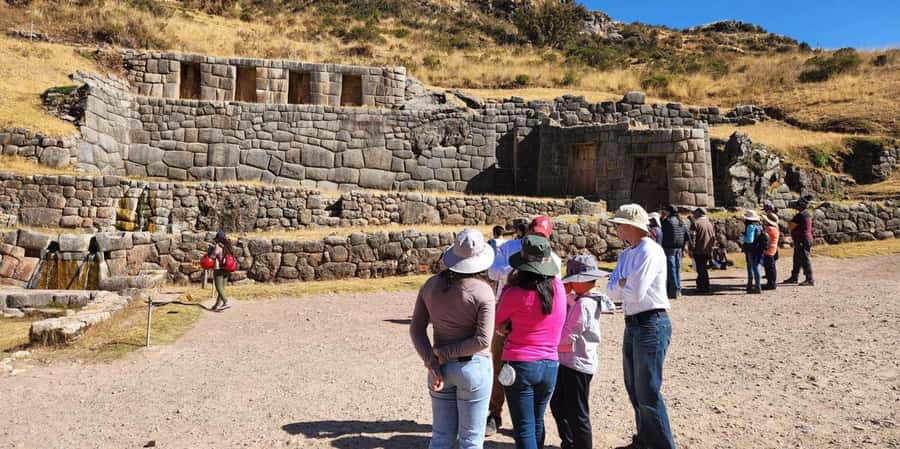
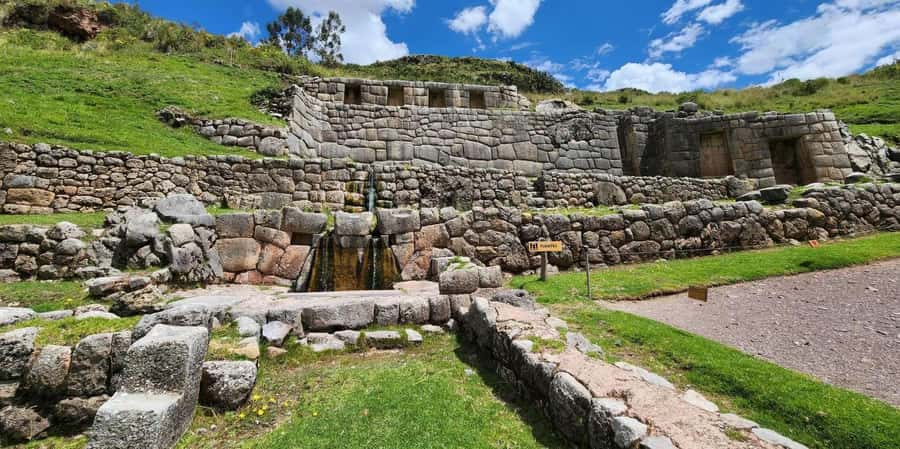
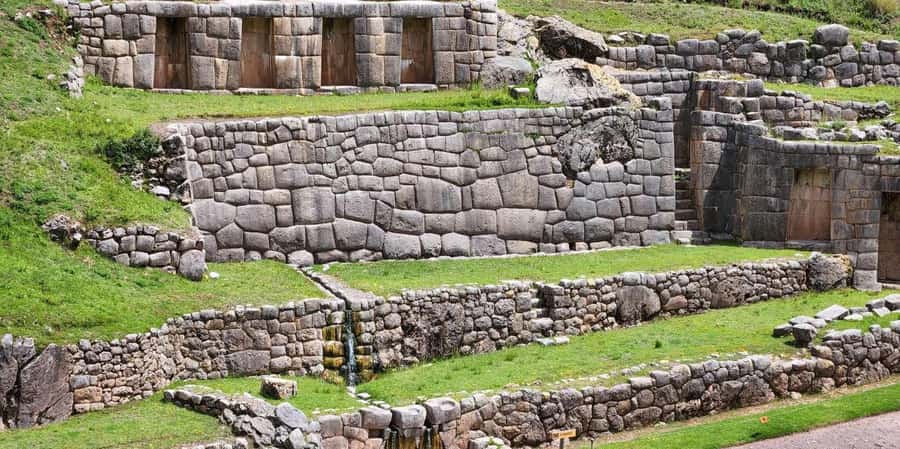
Finally, you reach Tambomachay, also known as the place of the waters of eternal youth. This is framed as a water temple where worship of water happened, along with leisure.
The tour highlights platforms and fountains, which is perfect for the last stop of a half-day itinerary. It gives your eyes a different texture after dry stone and hillside viewpoints. Even if you’re not focused on water rituals, Tambomachay is a calm capstone: you’re returning toward the city while the guide ties the stops together.
Timing tip: the end of the tour can bring cooler weather, especially when you’re standing and viewing rather than walking. Bring layers, and if vendors are out, you may want a warm drink on the way back.
Where the time actually goes (and why 4 hours can feel different)
The advertised duration is 4 hours, but in real life, time can shift. One common pattern is that guides stay on schedule with a well-paced route, but there are also accounts of timing slipping longer than planned. If you have a tight dinner reservation, build a little buffer.
Also, this tour moves you via transport between sites, which helps with energy. Still, you’ll be walking through archaeological areas and climbing at least a bit, so comfy shoes matter.
Some days include light weather surprises too. One account mentions rain, and the guide adjusted the plan so the group still got time to explore after the weather eased. The takeaway: don’t assume perfect conditions. Dress for altitude and changing weather.
Tickets and entry: the part that decides your stress level
Entrance tickets are not included. The tour specifically calls out:
- Qoricancha entrance ticket: 20 soles
- Tourist Ticket: S/70 to 120 (or show a tourist ticket you already purchased with another tour)
Also, there are practical comments from people about entry being cash-based at sites. I’d treat that as a strong signal: carry soles, and don’t rely on card-only assumptions.
One more smart move: if you’re using the tourist ticket system, pick it up early so you don’t lose time later. One tip that makes a big difference in Cusco is getting the tourist ticket from an office near the Plaza de Armas / Centro Plaza area before your first major tour.
Finally, you have an express security check as part of the tour experience, which helps you start faster. It does not replace the need for archaeological entry rules, so plan your time like you’ll still arrive ready to show tickets.
Crowds, pacing, and that “too many photos” moment
This tour goes to five famous sites, which means some stops will be busy. Crowds aren’t avoidable here; they come with the territory. The goal is to avoid wasting your energy in long waiting lines and dead time between viewpoints.
Pacing is usually praised, but you should know what can affect it:
- If the group has both English and Spanish speakers, the guide may alternate explanations (great when it works, messy when it doesn’t).
- If a site is near closing time, you may get less roaming space.
- One account mentions a day that included an extra market stop and felt rushed elsewhere—so if you’re trying to maximize archaeology time, you should ask what the day’s stops are before you head out.
Also, if you don’t love lots of group photos, set expectations early. It can slow you down if the group is waiting for repeated shots.
Optional cathedral visit: keep it if it fits your day
The tour notes an optional visit to the Cathedral of Cusco, but it’s not included. If you’re religiously/architecturally curious, you might add it on. If your goal is purely Inca-era sites, you may want to skip extra indoor stops and keep your time for the ruins.
Who should book this Cusco city tour
This is a good fit if:
- You’re in Cusco for a short time and want a first, organized look at the major surrounding sites.
- You want transport and hotel pickup so you can focus on sightseeing, not logistics.
- You prefer a guide who explains what you’re looking at in English and Spanish, not just maps.
It might be less ideal if:
- You hate paying separate entry fees on top of the tour cost.
- You want a slow, in-depth archaeological study with long quiet time at fewer sites.
- You’re very sensitive to schedule changes and dinner plans you can’t move.
Should you book this Cusco half-day tour to the five sites?
If you want an efficient route that covers the headline Cusco archaeological hits in one morning/afternoon window, I’d book it. The $29 price works best as a guided bundle: you’re paying for pickup, transport, and interpretation, while you handle the separate site entries (Qoricancha plus the tourist ticket you’ll need anyway).
Do it with two mindset checks:
1) Bring soles and be ready for extra tickets.
2) Keep your evening a little flexible, because half-day tours can run long when groups shift.
If your goal is to get your bearings fast, learn how Inca Cusco functioned, and then decide what to revisit next, this tour is a solid starting move.