REVIEW · INCA TRAIL TREKS
Cusco: 4-Day Inca Trail to Machu Picchu with Accommodation
Book on GetYourGuide →Operated by Inkas Expeditions E.I..R.L. · Bookable on GetYourGuide
A downhill bike ride through the Andes gets your attention fast. This Inca Jungle Trail route blends adrenaline and small moments of local life, then caps it with a guided visit to Machu Picchu. Two big reasons I like it: the Abra Málaga downhill (fast, scenic, and built into the itinerary) and the hands-on coffee roasting with what you can do and taste along the way. One thing to weigh: the trip is physical and the later lodging can feel basic rather than cushy.
The logistics are also the kind that help you enjoy the experience instead of wrestling schedules. You’ll start with an early pick-up from Plaza Mayor de Cusco, ride with safety gear provided, hike part of the Qhapaq Ñan, and end with train + bus back to Cusco. And because it runs with a small group (up to 9) and a bilingual guide (English/Spanish), you’re more likely to get real conversation rather than a constant stream of instructions.
If you want a pure, quiet walking-only classic trek, this probably won’t match your vibe. If you want variety—hiking, biking, cultural stops, and the payoff of Machu Picchu—this is a strong fit, especially at the $470 price point for what’s included.
In This Review
- Quick hits on the Inca Jungle Trail to Machu Picchu
- First, the value question: what $470 actually buys
- Where the cost may feel incomplete
- Small-group feel in Cusco: the start at Plaza Mayor
- Day 1: Abra Málaga pass, 50 km descent, and a forest eco-house night
- Your first night: Pispitayoc eco-house (forest setting)
- Day 2: coffee roasting lessons, Qhapaq Ñan views, and optional Cocalmayo hot springs
- The Huancarcasa viewpoint break
- Cocalmayo choice: worth it if you want a reset
- Day 3: Santa Teresa plantations to Hidroeléctrica, then the train-track walk into Aguas Calientes
- Why the train-track section feels different
- Your Machu Picchu planning night
- Day 4: the 4:00 AM climb to Machu Picchu, then a guided 2-hour tour
- Timing matters here
- The travel back to Cusco: train + bus, no heroics
- What the guide experience feels like (and why it matters)
- Fitness reality check: who should choose this and who should pass
- What you should bring (and what you can skip)
- Should you book this Cusco 4-day Inca Jungle Trail?
- FAQ
- What time does the tour pick me up in Cusco?
- What meals and lodging are included?
- Does the price include Machu Picchu entrance and the return train?
- Are the Cocalmayo thermal baths included?
- What biking gear is provided?
- Is this tour suitable if I have back problems, or if I’m pregnant?
- Is the booking refundable?
Quick hits on the Inca Jungle Trail to Machu Picchu
- Abra Málaga downhill biking: around 50 km of descent through Puna and cloud forest, with helmets/pads and a controlled route
- Coffee roasting workshop: you don’t just hear about it—you help and learn the process
- Cocalmayo thermal baths option: built in as a reward after a long day, with the ticket separate
- Qhapaq Ñan hiking segments: smaller sections with viewpoints over birdlife and plantations
- Santa Teresa to Aguas Calientes momentum: lunch at Hidroeléctrica, then a train-track walk into Machu Picchu town
- A guided Machu Picchu hour that matters: about 2 hours with a guide plus time to explore on your own
First, the value question: what $470 actually buys
At $470 per person for 4 days, the real value is that you’re paying for the whole machine, not just the view. Your bundle includes 3 breakfasts, 3 lunches, 3 dinners, three nights (eco-house in Pispitayoc, hostel in Santa Teresa, hostel in Aguas Calientes), a bilingual professional guide, Machu Picchu entrance, and the return train from Aguas Calientes to Ollantaytambo.
On top of that, you get the equipment for the big “surprise” moment: biking gear like a helmet, goggles, pads, gloves, and a rain jacket. That kind of gear alone can add up when you DIY it, and you still won’t have someone timing the day so you arrive where you’re supposed to.
You can also read our reviews of more tours and experiences in Cusco
Where the cost may feel incomplete
Two things to keep in mind:
- Cocalmayo thermal baths tickets aren’t included. You’ll be able to go, but you should budget for the entry.
- In Aguas Calientes, your first breakfast and last lunch aren’t included. Everything else (food and lodging for the stated nights) is.
Small-group feel in Cusco: the start at Plaza Mayor
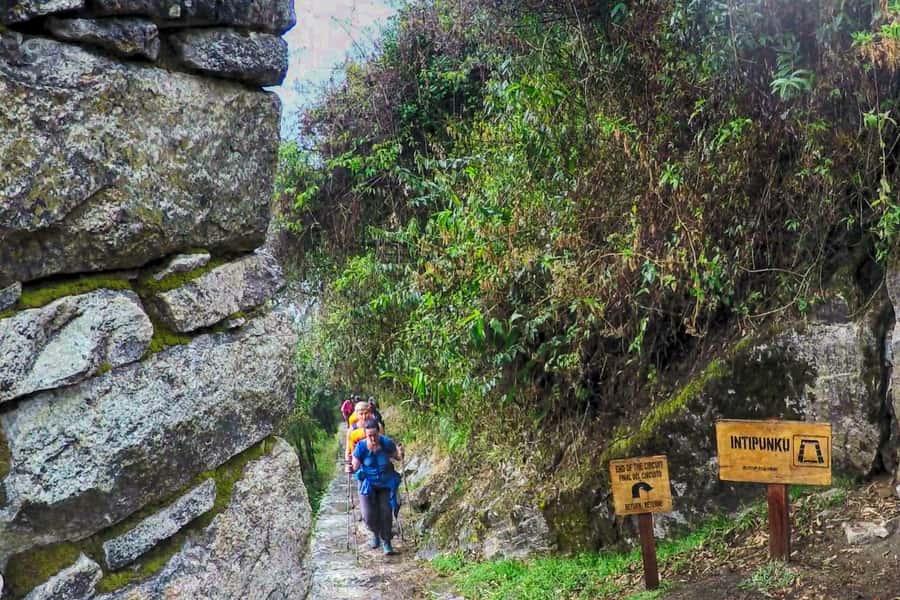
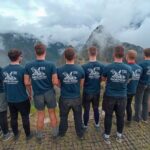
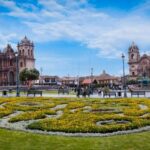
Day 1 begins with a 6:00 AM pickup from Plaza Mayor de Cusco. The guide calls your name and is wearing the agency jacket, so you’re not stuck playing “Where’s Waldo?” in a crowded square.
That early start isn’t random. It’s how you beat the day’s heat and traffic while still making stops in the Sacred Valley on the way to the Abra Málaga pass.
You’ll travel through:
- Chinchero
- Urubamba
- Ollantaytambo
The point of these stops is simple: the route shifts you out of Cusco altitude and into the landscapes that lead to the jungle corridor. Even if you’re not doing a deep tour inside every location, you’ll feel the Andes changing as the day rolls forward.
Day 1: Abra Málaga pass, 50 km descent, and a forest eco-house night
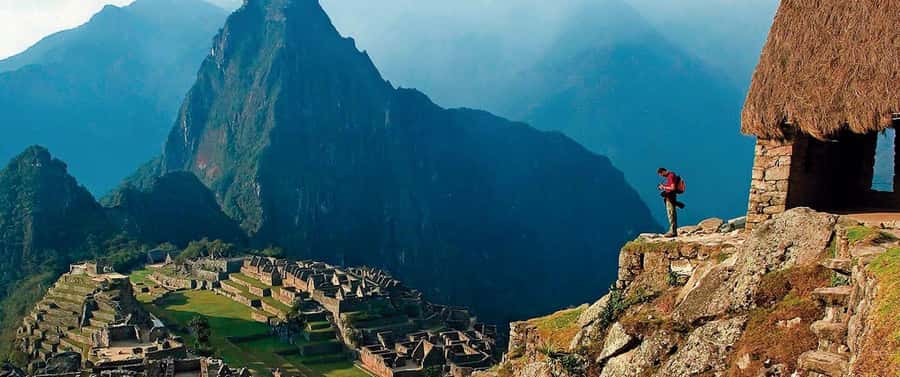
The adventure kicks off at Abra Málaga, with views of Huacay Willca. After gear up (bike + pads + helmet + gloves + goggles + rain jacket), you start the downhill.
This is the part that tends to make people grin even when their legs are tired. You’ll bike for about 3 hours covering around 50 km, moving through Puna and cloud forest zones. The terrain is a controlled descent, and the safety setup matters because you’re flying through a landscape that changes fast—air gets cooler, vegetation thickens, and the light shifts under the trees.
The ride ends at Huaman Marq’a ruins. Then you’ll transfer by van briefly and walk a bit onward toward Santa María, followed by the trek into Pispitayoc village for the first overnight.
Your first night: Pispitayoc eco-house (forest setting)
You sleep in an eco-house in the forest, and dinner is included. Expect the vibe to be quiet and nature-forward—think fewer frills, more atmosphere. This is also where the tour earns its name: you’re not just “passing through jungle.” You’re spending real time in it.
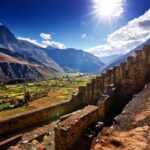
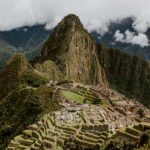
Day 2: coffee roasting lessons, Qhapaq Ñan views, and optional Cocalmayo hot springs
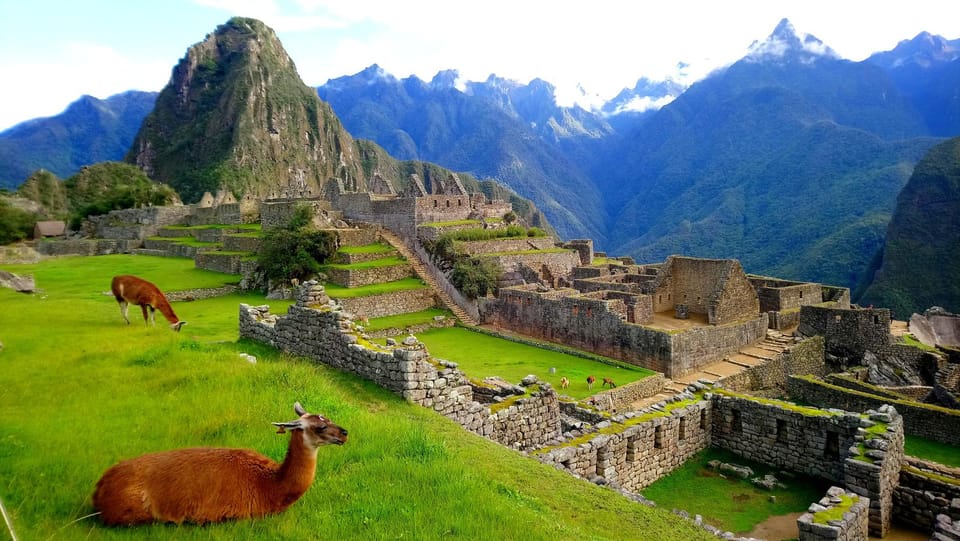
Day 2 starts with breakfast, and then you jump into the coffee story in a hands-on way. Your guide teaches coffee roasting, and you participate—so you learn by doing, not by watching someone else explain it for 10 minutes.
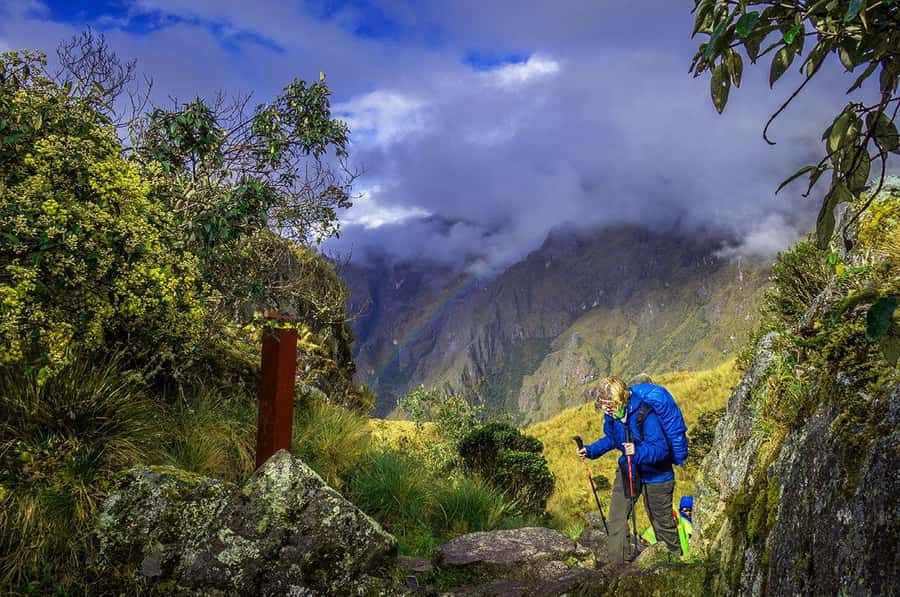
From there, the hike follows part of the Qhapaq Ñan—the Inca road system—with viewpoints and a close look at plantations. You’ll see a mix of crops and the working landscape, including coca, coffee, and fruit trees. And because this is a jungle-to-plantation day, the birdlife and plant variety can be as memorable as the walking.
The Huancarcasa viewpoint break
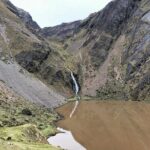
You reach the Huancarcasa viewpoint at about 1750 meters for panoramic views and a relaxing break. This pause matters because it breaks up the day so you don’t feel like you’re “just hiking until it’s over.”
Then you descend to Qellomayo village at around 1200 meters for lunch. After lunch, you have about 2 more hours of hiking toward the Cocalmayo thermal baths area at 1450 meters (optional), before arriving in Santa Teresa around 1515 meters for dinner and overnight.
Cocalmayo choice: worth it if you want a reset
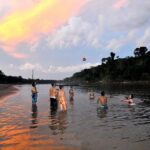
The thermal baths aren’t included in price, but they’re built into the timing for a reason. After biking and hiking, soaking is how you turn sore legs into a tolerable day-ending ritual. If you’re the type who always skips the “relax” option, you’ll still be tired enough on this day that you’ll probably rethink that.
Day 3: Santa Teresa plantations to Hidroeléctrica, then the train-track walk into Aguas Calientes
Day 3 begins with breakfast in Santa Teresa (around 1515m). The trek continues for about 3 hours through coffee and coca plantations, then you reach Hidroeléctrica at roughly 1900m.
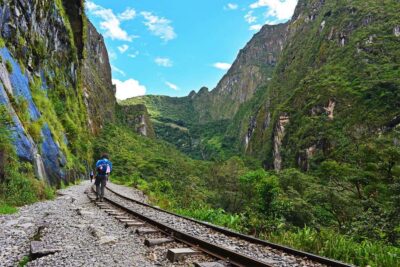
Lunch happens there, plus a break—important because your next segment is long and very “walk-focused.” After lunch, you continue for another 3 hours along the train track, eventually arriving in Aguas Calientes at about 1950m.
Why the train-track section feels different
That walking segment can feel like a different sport compared with the earlier jungle trail. It’s still a trek, but it’s more of a steady follow-the-line walk. If you’ve been worrying about altitude swings and steep sections, this kind of route can feel easier on your brain even if your legs still know what’s going on.
Your Machu Picchu planning night
Once in Aguas Calientes, the afternoon is free. In the evening, your group gathers for dinner and a discussion about the upcoming climb to Machu Picchu. This is one of those quiet-but-useful parts: you’ll know what to expect before you’re standing at the gate before sunrise.
Day 4: the 4:00 AM climb to Machu Picchu, then a guided 2-hour tour
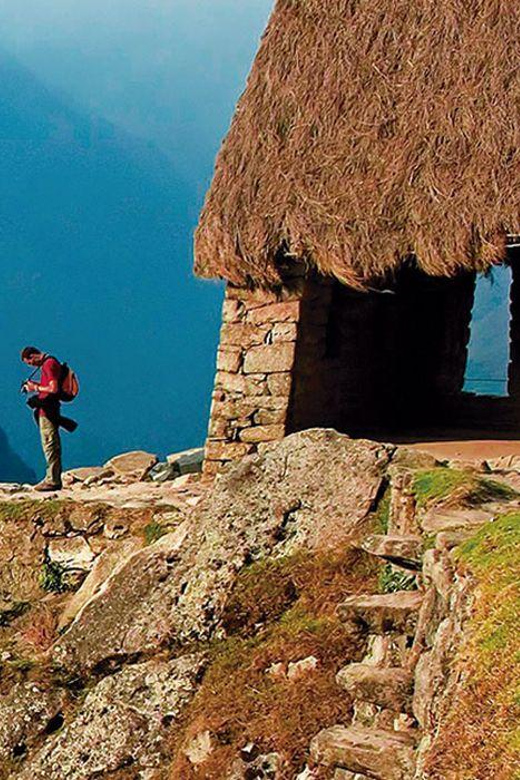
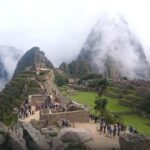
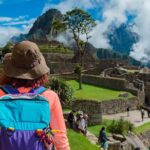
Day 4 starts early at 4:00 AM with a hike up to Machu Picchu at around 2400m. The climb takes about 1.5 hours.
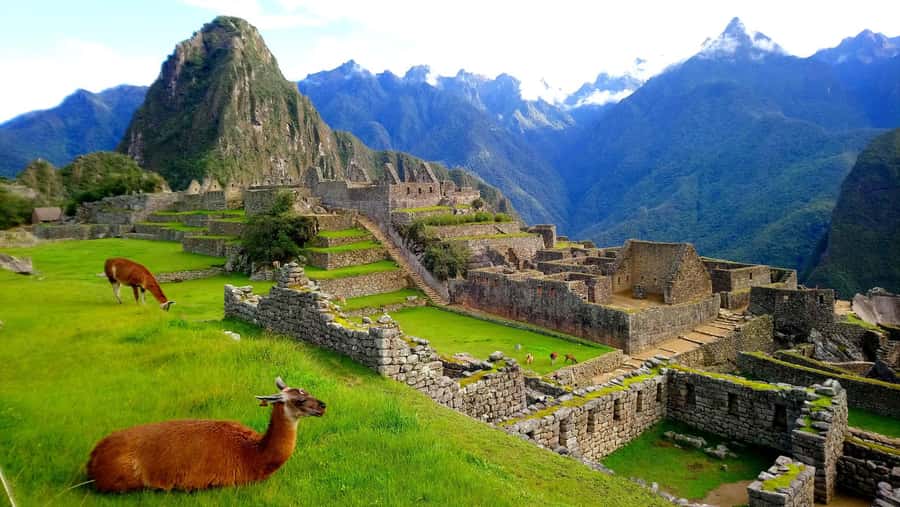
From the top, you get a 2-hour guided tour covering the most significant parts of the citadel. After that, there’s free time to wander and take your own route through the ruins.
Timing matters here
Machu Picchu is popular for a reason, but the real “wow” happens when you’re not just rushing around. The structure—guided intro first, then your own pace—lets you learn what you’re looking at before you start chasing views and photos.
The travel back to Cusco: train + bus, no heroics
After your Machu Picchu time, you head back to Aguas Calientes around 1950m to collect belongings. Then you take the train to Ollantaytambo, and a bus carries you back to Cusco.
This part is a relief if you’ve had sore muscles for two or three days. You’re not forced into a long downhill transfer on foot.
One extra practical note: a bus up and down to Machu Picchu is optional. Your day is already built around the early climb and the guided visit, but if you choose the optional transport, plan on paying separately.
What the guide experience feels like (and why it matters)
In a trip like this, the guide isn’t just reading facts. They’re managing safety on the bike, keeping you on time, adjusting pacing for the group, and explaining the local context so the Andes don’t feel like scenery you pass through.
Based on past experiences shared with this kind of tour, names like Francis, Richard, Luis, Gerson, and Amaru come up for a reason: people consistently credit their energy, clarity, and ability to keep the day moving without losing the human side. If you’re the type who likes to ask questions mid-walk—about plants, agriculture, the Inca road system, or daily life—this small-group format is where those conversations happen.
Fitness reality check: who should choose this and who should pass
This route is not for everyone. It includes:
- A 3-hour downhill bike ride (about 50 km) on Day 1
- Multi-hour hikes across changing elevations on Days 2 and 3
- A 1.5-hour climb to Machu Picchu at 2400m on Day 4
That means you should be comfortable with sustained walking and at least one intense mobility day (often Day 4’s early climb).
It’s explicitly not suitable for:
- Pregnant women
- People with back problems
- Wheelchair users
If you’re unsure about your limits, this is one of those cases where you should be honest with yourself and ask medical questions if you have any concern related to your back or pregnancy.
What you should bring (and what you can skip)
You only need a couple essentials to comply with the on-the-ground needs:
- Passport or ID card (a copy is accepted)
The tour provides key protective and weather items for the ride: helmet, goggles, gloves, elbow and knee pads, and a rain jacket.
Beyond that, focus on what helps you hike comfortably—good footwear and practical layers—because the route swings between cooler and warmer zones as you move from higher passes down into greener areas.
Should you book this Cusco 4-day Inca Jungle Trail?
I’d recommend this if you want Machu Picchu with a story attached. You’re not just arriving at ruins; you’re biking into the Sacred Valley world, learning about coffee roasting, walking sections of Qhapaq Ñan, and soaking in the Cocalmayo option if you want that reward.
I would think twice if:
- You want a quiet, low-activity trek
- You’re sensitive to early mornings and long travel days
- You’re counting on hotel-style comfort every night—some stays are simple and practical rather than fancy
Also, since the experience is non-refundable, book when you’re truly ready to commit to dates. That’s not punishment. It’s just how this kind of scheduled adventure works.
If you’re picking between “classic Inca Trail only” and “Inca Trail flavor plus jungle adventure,” this one is hard to beat for value—especially because so many key costs are handled for you, from meals to Machu Picchu entrance to the train ride back.
FAQ
What time does the tour pick me up in Cusco?
Pickup is at 6:00 AM from Plaza Mayor de Cusco (Cusco Main Square). The guide meets you there and calls your name.
What meals and lodging are included?
The package includes 3 breakfasts, 3 lunches, and 3 dinners, plus 3 nights of accommodation: one in Pispitayoc (eco-house), one in Santa Teresa (hostel), and one in Aguas Calientes (hostel).
Does the price include Machu Picchu entrance and the return train?
Yes. Machu Picchu entrance tickets are included, and you also get a return train ticket from Aguas Calientes to Ollantaytambo.
Are the Cocalmayo thermal baths included?
The option for Cocalmayo hot springs is part of the schedule, but tickets are not included, so you’ll need to pay for entry if you choose to go.
What biking gear is provided?
For the Kona bicycle ride, you get elbow and knee pads, gloves, goggles, a helmet, plus a rain jacket.
Is this tour suitable if I have back problems, or if I’m pregnant?
No. It is listed as not suitable for pregnant women, people with back problems, and wheelchair users.
Is the booking refundable?
This activity is non-refundable.
If you tell me your fitness level and travel month, I can also suggest how to pace each day (and whether Cocalmayo is a smart add-on for your legs).