REVIEW · HIKING & TREKKING
Choquequirao Trek 4 days and 3 nights
Book on Viator →Operated by TreXperience · Bookable on Viator
Choquequirao feels like a secret. This 4-day, 3-night trek from Cusco keeps numbers small and includes chef-prepared camp meals plus round-trip transfers, so you can focus on the trail and the Inca ruins. The catch is a very early 4:30 am departure and long uphill/downhill days, so be ready for effort.
What makes this trek worth your time is the route itself. You ride out of Cusco in the dark, hike down toward the Apurímac canyon, and move between cloud-forest style scenery and higher highlands before you reach Choquequirao. Best of all, the schedule is built around early light—so you get sunrise at the Inca citadel and a calmer feel once you’re there.
You also get real support on the ground. Your guide, chef, and porter team handle logistics and meals, plus there’s a personal porter for up to 7 kg. That means less burden on your back and more energy for the steep parts—just bring smart footwear and accept that the trail is the star.
In This Review
- Key points at a glance
- Why Choquequirao beats the bigger Inca-name routes
- Getting to the trailhead: Cusco pickup and Capuliyoc in the dark
- Day 1: from Capuliyoc down to Chiquiska and Santa Rosa camp
- Day 2: Marampata/Choquequirao approach plus another Santa Rosa night
- Day 3: sunrise at Choquequirao, then the long mix of down and up
- Day 4: Capuliyoc lunch, Saywite exploration, and back to Cusco life
- The crew factor: guides, cooks, porters, and feeling taken care of
- What the small-group size changes for your day
- Price and value: is $698 fair for four days of work?
- Pace, fitness, and how to prep without overthinking
- Packing smart: what’s optional, what you still need
- Should you book the Choquequirao 4 days and 3 nights trek?
- FAQ
- How long is the Choquequirao trek and how many nights?
- What time does the trek start in Cusco?
- What’s the group size limit?
- What meals are included?
- Do I get porter help?
- Are trekking poles, a mattress, or a sleeping bag included?
- Can I get vegetarian meals?
- Are admission tickets included?
- What documents do I need to bring?
- What if weather turns bad?
Key points at a glance
- Small-group pace with a 12-person feel (activity max is listed up to 16, but the experience is described as limited to 12)
- Chef-run meals three times a day, with breakfast and lunch on most days plus dinner in camp
- Personal porter for up to 7 kg, which is huge for staying comfortable
- Apurímac canyon viewpoints early and often, with big scenery changes as you descend
- Choquequirao in the early hours, including sunrise time at the site
- Admission tickets included on the trekking days listed
Why Choquequirao beats the bigger Inca-name routes
Machu Picchu gets the cameras. Choquequirao gets the hikers.
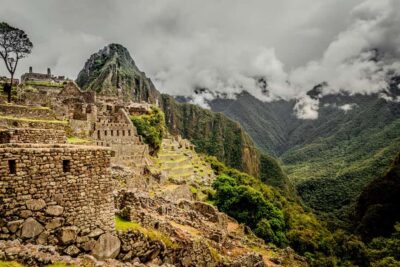
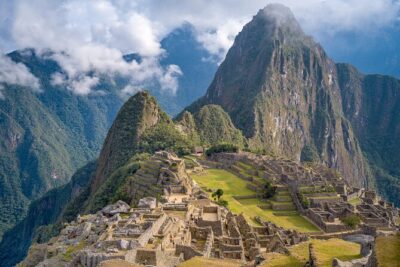
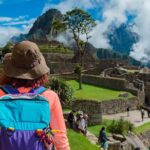
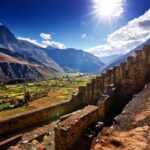
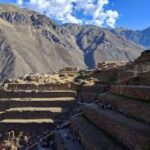
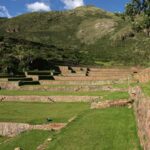
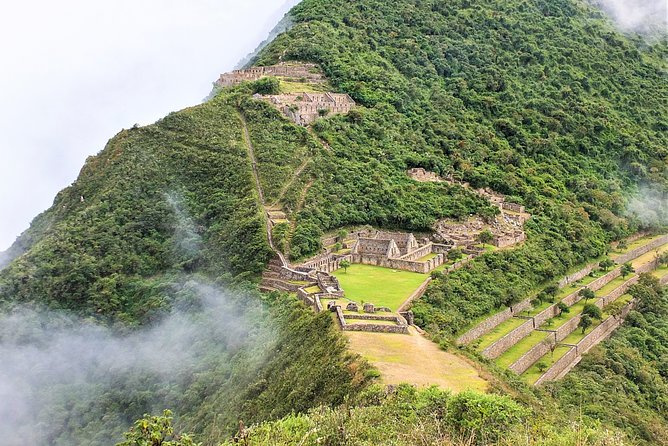
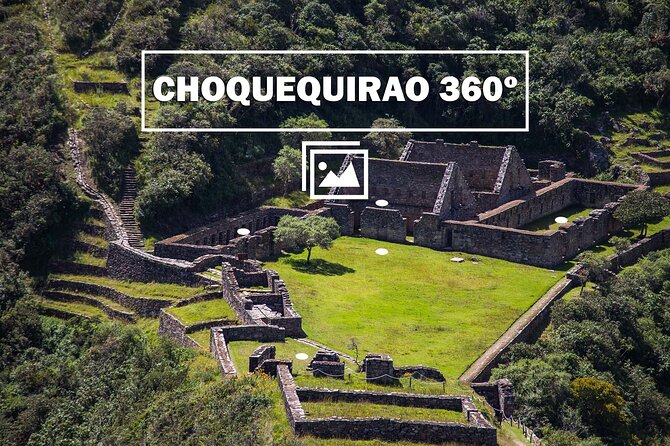
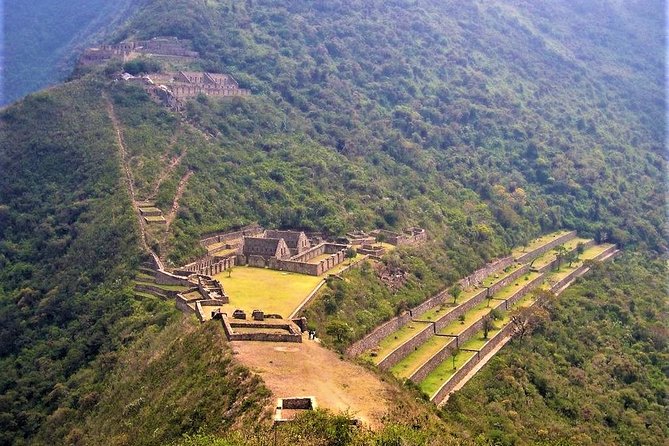
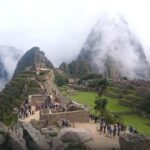
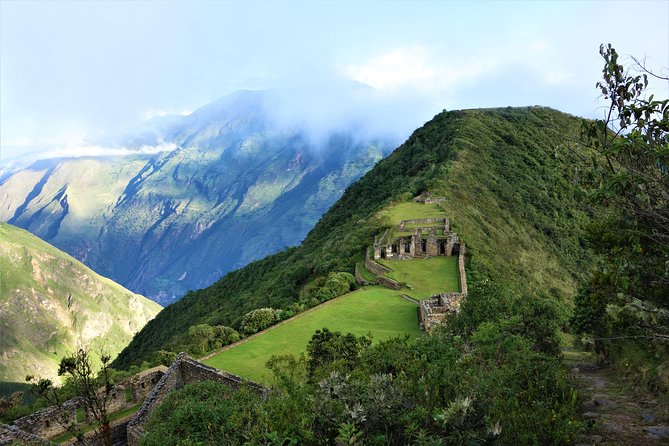
This trek is designed for people who want Inca stone without the same constant bustle. You’ll still be in a famous place, but the timing and the multi-day approach help you experience Choquequirao at a more human scale. On day 3, you actually wake up to watch sunrise at the citadel. That’s not a random detail. Early light changes how the ruins feel—less like a stop on a route, more like a place you stumbled into at the right moment.
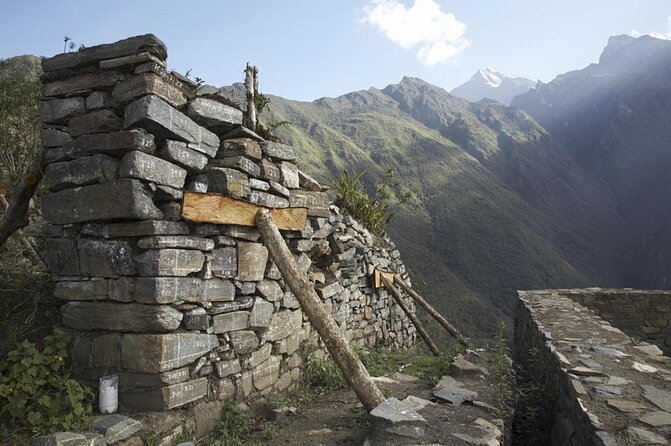
The other reason I like Choquequirao is the setting you pass through. Along the way you look out toward the Apurímac canyon (described as one of the deepest in Peru) and you’ll notice the vegetation shift from highland zones toward cloud-forest scenery as you descend.
You can also read our reviews of more hiking tours in Cusco
Getting to the trailhead: Cusco pickup and Capuliyoc in the dark
Your day starts early, with pickup in Cusco (or from the airport) and departure between 4:30 am and 5:00 am. The drive crosses the Andes toward Capuliyoc, with arrival around 8:30 am. Then you eat your first breakfast and start the hike.
That timing matters. First, it helps you avoid some of the harsher daytime heat. Second, it sets your rhythm: you’re trekking before the day fully “wakes up,” which makes it easier to stay focused on stepping and breathing instead of thinking about time.
The trek operator also includes a pre-departure briefing the night before at 6:00 pm. That’s a small thing that can prevent big confusion later—especially on a multi-day hike where you want everyone on the same page.
Day 1: from Capuliyoc down to Chiquiska and Santa Rosa camp
Day 1 is your main “descent day.” From Capuliyoc (2,911 m / 9,550 ft.), you begin a downhill trek that’s described as about 4 hours downhill to your lunch stop at Chiquiska (1,893 m / 6,210 ft.).
This is where you’ll get those first major views of the Apurímac canyon, plus the satisfying shift in scenery—from highland stretches into areas that feel more humid and lush as you drop. It’s one of those hikes where you feel the altitude work on you, but the views keep you moving.
After lunch, you continue for about 2 more hours down to Santa Rosa (1,478 m / 4,849 ft.) where you camp. Day 1 totals around 10.8 km (6.7 miles) and about 6 hours of hiking. It’s rated moderate, but the key word is downhill—legs still work, just in a different way than uphill.
Day 2: Marampata/Choquequirao approach plus another Santa Rosa night
Day 2 starts the same way—early departure, drive back out to Capuliyoc, breakfast, then hiking. The plan is another downhill segment with lunch at Chiquiska and camping at Santa Rosa again.
What’s important for you is the pattern: you’re not just walking from point A to point B. You’re building stamina across repeated ascents and descents, while your body adapts to altitude and your hiking legs learn the terrain. The second day is often where people realize they’re fitter than they expected—or where they wish they’d packed better footwear.
Even with the repetition, it doesn’t feel stale. The canyon views and vegetation changes are still in play, and you’re moving toward the Choquequirao approach. This day also includes admission ticket coverage, which can be a nice time-saver so you’re not juggling paperwork while you’re tired.
Day 3: sunrise at Choquequirao, then the long mix of down and up
Day 3 is the day you’ve been hiking for.
You wake up watching sunrise at Choquequirao. After breakfast, you hike about 3 hours downhill to Santa Rosa (2,230 m / 7,300 ft.) for lunch. Then the afternoon gets more varied: you continue downhill for about 2 hours, then you go uphill for 2 hours to reach your campsite at Chiquiska (1,800 m / 5,905 ft.).
That “down, then down again, then up” structure is exactly the kind of thing that can surprise you if you only train for one kind of slope. The good news is that this is still rated moderate overall. The day is long—around 8 km (11.32 miles) and about 8 hours—so plan to move steadily, not heroically.
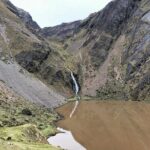
This is also a day described as perfect for soaking up your surroundings. Think flowers, birds, and waterfalls in the distance—plus the satisfaction of seeing the route you’ve walked from the inside, so to speak.
You can also read our reviews of more tours and experiences in Cusco
Day 4: Capuliyoc lunch, Saywite exploration, and back to Cusco life
On the final day, you have breakfast, then take the last climb: a 4-hour trek uphill to Capuliyoc, with lunch there. After that, you say goodbye to the team that’s been with you throughout the trek.
Then comes a nice change of pace. You take private transportation to Saywite, a “mysterious rock” site. You’ll have time to explore it before drop-off at your hotel around 5 pm.
That timing is helpful because you can still do normal travel life afterward. No endless transfers at midnight. You can shower, eat something real, and decompress without feeling rushed.
The crew factor: guides, cooks, porters, and feeling taken care of
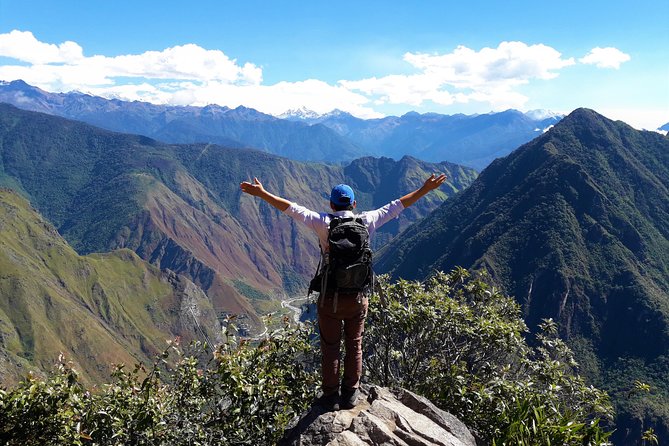
The biggest “value” here isn’t just the ruins. It’s the way the experience is staffed.
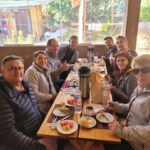
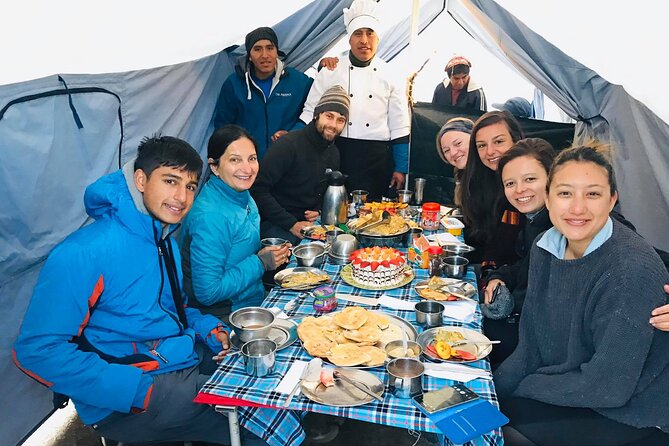
You get professional English-speaking tour guides plus a chef who prepares your meals. Multiple write-ups praise the quality and variety of camp food, including people joking that the meals were more than they expected for a mountain camp. One consistent theme: you don’t eat the same thing twice, and the team keeps things clean and well organized.
Names that came up in feedback include Elias (guide), Sebastian (guide), Abelardo and Jhon (guides on one departure), and Pepe (guide). On the food and support side, you’ll see praises for Leandro, Oscar, Chef Valvino, Chef Julio Cesar, Lucio, and Juvenal. Porters and mule masters also got specific credit, including Boris (mule master), plus Werner and Santos in different roles described by participants.
Even without memorizing every name, here’s what you should take from that: the operator builds the trek so your day isn’t constantly interrupted by problems. When you’re dealing with altitude and steep grades, small comforts—clean meals, organized steps, gear moved for you—add up fast.
What the small-group size changes for your day
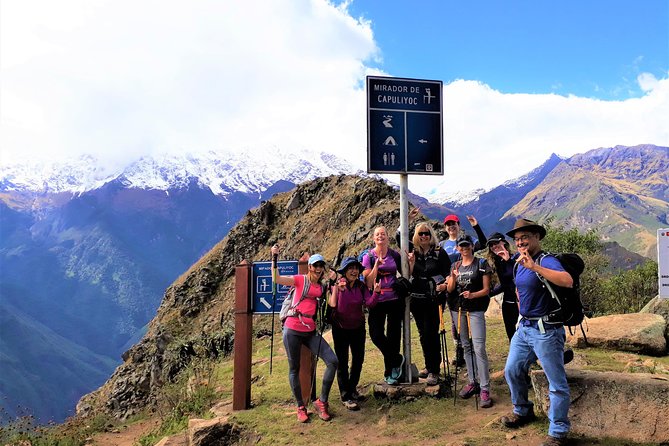
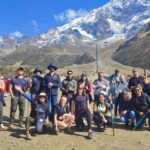
This trek is described as limited to 12 travelers, and the activity is also listed with a maximum of 16 travelers. Either way, you’re not in a huge line.
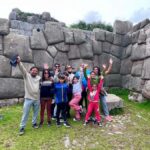
That matters in a place like Choquequirao. You can actually pay attention. It’s easier to keep a steady pace when you’re not constantly stopping for slow groups right at critical viewpoints. And when you get sunrise time at the site, having fewer people around makes that early moment feel more like time than a performance.
Price and value: is $698 fair for four days of work?
$698 per person is not cheap, but it can be good value if you compare what you’re really paying for.
You’re getting:
- Round-trip transfers from your Cusco hotel (or airport)
- A 4-day/3-night supported trek with a guide team
- A chef handling meals for multiple days
- A personal porter up to 7 kg
- Professional English-speaking guides
- Breakfast, lunch, and dinner included (4 breakfasts, 4 lunches, 3 dinners)
- Admission tickets included on the days listed
If you tried to DIY this trek, you’d still pay for transport, permits/admission, staffing, and food. The cost usually shifts from “tour fee” to a pile of separate local vendors and coordination headaches. Here, the structure is already built, and your time is spent hiking instead of negotiating.
My rule: if you want a high-effort trek with low logistics stress, this pricing fits the bill. If you’re the type who loves planning every detail and carrying everything yourself, you might find cheaper options. But you’ll be taking on the risk.
Pace, fitness, and how to prep without overthinking
The trek is rated moderate and described as requiring a moderate physical fitness level. What that means in practice is: you’re not doing a casual walk, and you’re not training for a summit climb either.
You should get comfortable with:
- Long walking days (Day 3 is about 8 hours)
- Steep hiking segments (including repeated downhill and an uphill stretch on day 3)
- Early starts and changing elevations
One practical prep tip: practice walking on inclines or stairs before you go. Your knees and calves will tell you the truth fast on day 1 and day 2, even if you feel fine during the drive.
Also, remember the crew includes a personal porter for up to 7 kg, so bring a pack setup that lets them carry your personal stuff without stuffing you with extra weight.
Packing smart: what’s optional, what you still need
This experience doesn’t list all gear included. It says optional items can be provided guidance for, including a mattress, sleeping bag, and trekking poles.
So you should assume you’ll want your own basics:
- Good hiking boots or trail shoes with grip
- Layers for morning cold and warmer afternoons
- A daypack for water and essentials while the porter handles up to 7 kg of personal items
If you prefer trekking poles, bring them if they’re right for your knees. If you don’t use them, at least bring something that helps you handle steep descents.
Should you book the Choquequirao 4 days and 3 nights trek?
Book it if you want:
- A supported, small-group trek with chef meals and porter help
- The chance to experience Choquequirao with sunrise timing
- Big Apurímac canyon scenery plus a route that changes as you descend
Consider skipping or switching dates if:
- You can’t handle early departures around 4:30–5:00 am
- You’re not ready for long hiking days with both uphill and downhill segments
- You’re unsure about training and altitude comfort
If you’re on the fence, this is one of those hikes where the structure matters. You’ll enjoy the ruins more when you’re not managing every detail under fatigue.
FAQ
How long is the Choquequirao trek and how many nights?
It runs for 4 days and 3 nights, with hiking on each day and camping during the trek nights.
What time does the trek start in Cusco?
Departure is between 4:30 am and 5:00 am.
What’s the group size limit?
The experience is described as limited to 12 travelers, and the activity listing sets a maximum of 16 travelers.
What meals are included?
You get 4 breakfasts, 4 lunches, and 3 dinners, prepared by the chef.
Do I get porter help?
Yes. A personal porter carries your personal staff up to 7 kg.
Are trekking poles, a mattress, or a sleeping bag included?
They are not included, but the operator can offer guidance on what you might need.
Can I get vegetarian meals?
A vegetarian option is available. You should advise the team at booking.
Are admission tickets included?
Yes. Admission tickets are listed as included for the days noted in the itinerary.
What documents do I need to bring?
A current valid passport is required on the day of travel, and passport details (name, number, expiry, and country) are needed at booking.
What if weather turns bad?
This experience requires good weather. If it’s canceled due to poor weather, you’ll be offered a different date or a full refund.