REVIEW · MACHU PICCHU TOURS
Cusco Sacred Valley and Machupicchu 4 Days
Book on Viator →Operated by Reserv Cusco · Bookable on Viator
Four days, one of Peru’s big miracles. What I like most is the private tour pace and the way you get a guided Machu Picchu visit that sets you up to enjoy the ruins. One consideration: the days are long, and water and most meals are not included, so plan ahead.
I also like that this trip runs on clear logistics—hotel pickup, transfers, and an official guide doing the heavy lifting. In reported experiences, guides such as Gabriel (Cusco) and Roger (Machu Picchu) are praised for calm, detailed explanations that make the sites easier to understand.
In This Review
- Key highlights worth your attention
- Meeting Cusco with Koricancha, Santo Domingo, and Sacsayhuaman
- Koricancha to Tambomachay: how the “Sacred Belt” tour helps first-timers
- Sacred Valley day: Pisac panoramas, the Inka market, and a lunch you won’t forget
- Ollantaytambo fortress and citadel: why the afternoon feels so “Inca”
- Machu Picchu full day: the 4:00 am start and the guided 2-hour circuit
- Private guiding and transfers: what this kind of setup actually improves
- What’s included (and what you should budget separately)
- Price and value: does $1,200 per person make sense?
- Packing checklist that matches this exact itinerary
- Who should book this Cusco–Sacred Valley–Machu Picchu plan
- Should you book this 4-day Cusco and Machupicchu tour?
- FAQ
- How long is the Cusco Sacred Valley and Machupicchu tour?
- When does the Cusco city tour start on Day 1?
- Is admission to Machu Picchu included?
- What meals are included, and what should I pay for myself?
- Is this tour private?
- What should I pack based on the tour recommendations?
- Is the tour refundable if plans change or weather causes cancellation?
Key highlights worth your attention
- Private group touring with hotel pickup and transfers handled for you
- Cusco orientation in one afternoon from Koricancha through Sacsayhuaman and the smaller sacred sites
- Pisac market time for real local culture and souvenir shopping along the way
- Early Machu Picchu plan with train to Aguas Calientes and a guided 2-hour route inside the site
- Clear inclusions: 3 breakfasts, Sacred Valley lunch/buffet, and Machu Picchu entrance tickets
- What you pay for yourself: drinks (including water) and most meals
Meeting Cusco with Koricancha, Santo Domingo, and Sacsayhuaman
Day 1 is built to get you oriented fast. You’re met in Cusco on your arrival date (airport pickup is part of the plan), then you get transported to your hotel. Later, your city tour begins at 1:30 pm and runs until about 6:30 pm, so you’re not stuck waiting all day with nothing to do.
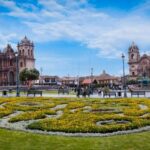
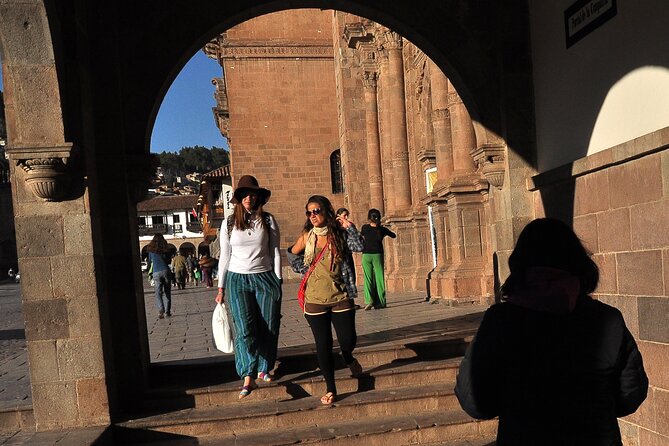
The first big stop is Koricancha, the Temple of the Sun area, and the nearby Palace and Convent of Santo Domingo. This is the kind of pairing that helps you understand Peru in layers: Inca sacred space turned into something later caretakers reshaped. Even if you know the basics, seeing it in person helps you connect the dots between architecture, power, and belief.
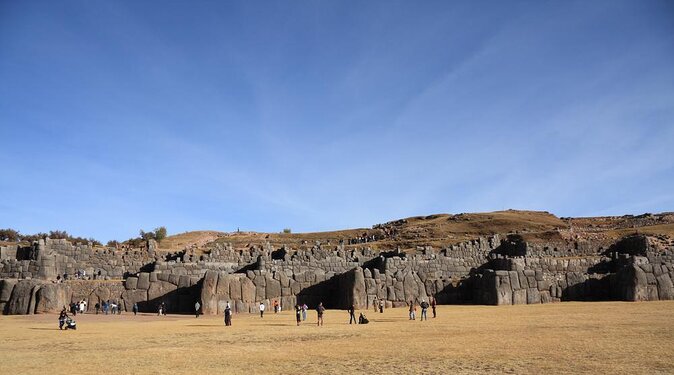
Then you move to Sacsayhuaman, a dramatic complex that gives you an immediate sense of scale. After that you’ll continue to Qenqo, Puca-Pucara, and Tambomachay. These aren’t just filler stops. They work like different chapters of the Cusco story—ceremony sites, strategic viewpoints, and places tied to water and ritual behavior.
One practical note: this is an afternoon full of walking on uneven ground. Bring light shoes (or sneakers) and plan to move at a steady pace, not a sprint. If you arrive feeling wiped out, ask your guide to pace you a bit in the beginning. This tour is private, so that flexibility matters.
You can also read our reviews of more tours and experiences in Cusco

Koricancha to Tambomachay: how the “Sacred Belt” tour helps first-timers
What I like about this Cusco portion is that it’s not only the famous nameplates. The route spreads you across several sites so you start to recognize patterns: where the Incas built for ceremonies, where they built for observing, and how water themes show up around the region.
Here’s what you’ll actually do and why it matters:
- Koricancha + Santo Domingo helps you spot the shift from one belief system to another, without losing the sense of sacred importance.
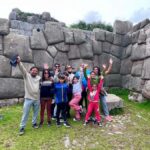
- Sacsayhuaman gives you a sense of engineering muscle—those massive stoneworks are easier to appreciate when you’re not rushing.
- Qenqo is a good contrast stop if you’ve only been seeing “palaces” and want something more ritual and symbolic.
- Puca-Pucara adds a strategic feel, letting you think about how geography shaped control.
- Tambomachay connects you to water-related themes, which is a big deal in Andean living.
The tour details mark admission tickets for this block as free for the listed time window, which is a nice bonus. That said, you should still expect a typical “Cusco day” rhythm: travel by bus/vehicle between viewpoints, then short stretches on foot.
Also, the tour includes coca tea, which is more than just a cute welcome. It’s a small reset after travel and helps you settle in. If you’re sensitive to strong drinks, take it slow.
Sacred Valley day: Pisac panoramas, the Inka market, and a lunch you won’t forget
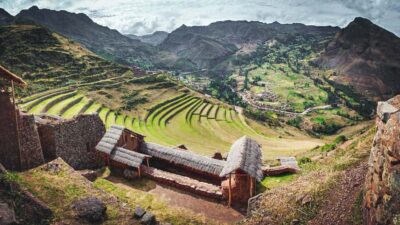
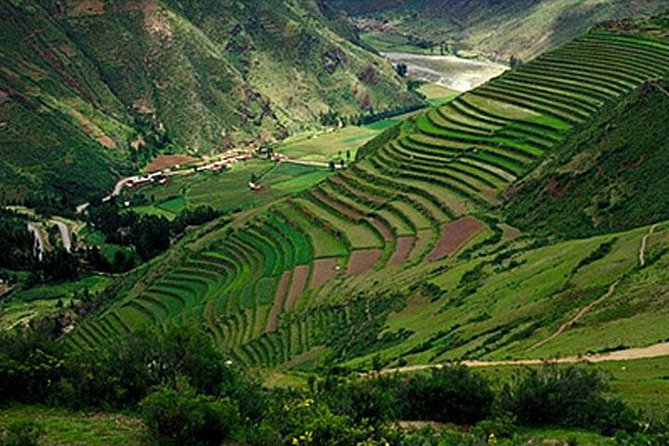
Day 2 starts earlier, around 8:30 am, with hotel pickup. The drive heads over the Vilcanota River, and you’ll get panoramic views of Pisac, including the old Inca city.
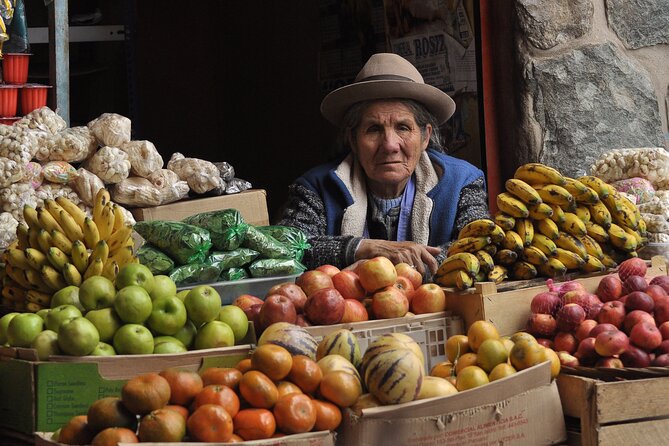
Then comes the part I really value: time at the Inka market in Pisac. This isn’t only a “look, don’t touch” stop. The plan is built to help you understand daily customs and then browse crafts and souvenirs with a chance to get good bargains. If you like buying things that feel connected to real makers (not mass souvenirs), this is the moment to focus.
After Pisac, you travel toward Urubamba, following the Vilcanota River borders. You’ll have lunch at a restaurant in the Sacred Valley, and this is included as a lunch/buffet in the tour. That matters because the Sacred Valley day can get long, and having one solid included meal keeps everyone energized for the afternoon.
One practical tip from the tour info: bring change in soles or dollars or euros. Markets and small purchases are exactly where that helps.
Ollantaytambo fortress and citadel: why the afternoon feels so “Inca”
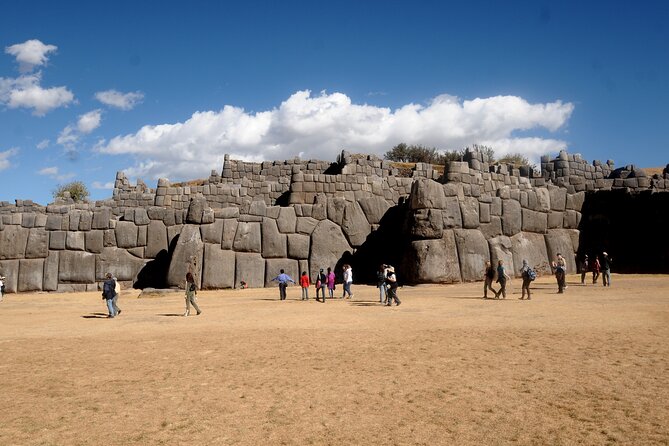
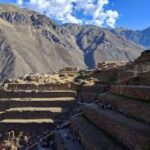
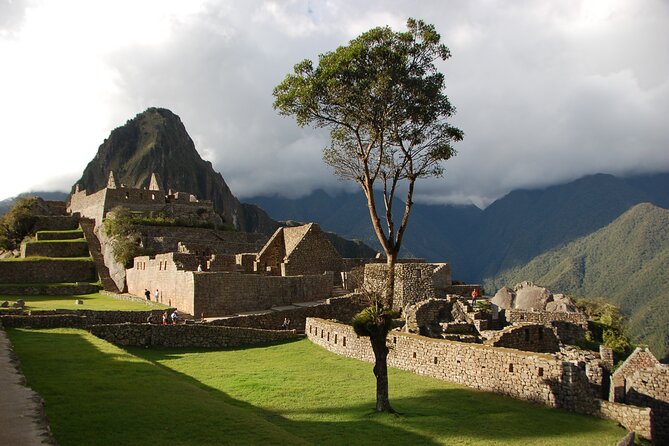
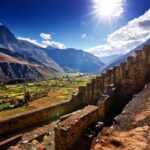
In the afternoon, you visit Ollantaytambo, described as a fortress and citadel meant to watch the entrance to this part of the valley and defend it from invasions tied to jungle habitation. That’s a useful framing. When you know it’s about protecting a gateway, the place makes more sense than if it’s presented as only scenic ruins.
You’ll also get time to walk through the narrow streets, and your guide will help connect how the site functioned as a military, religious, and cultural center during the Inca empire. This is where guided explanation really pays off. Ollantaytambo doesn’t read like a “single monument.” It’s a working-feeling town layout fused with fortification logic.
The good news: the Sacred Valley portion is timed as about 8 hours, so you’re not stuck out all day with nothing planned. The watch-out: it’s still a lot of movement. Wear long pants and comfortable shoes. If rain shows up, you’ll appreciate having a raincoat ready, since weather in the region can change fast.
Machu Picchu full day: the 4:00 am start and the guided 2-hour circuit
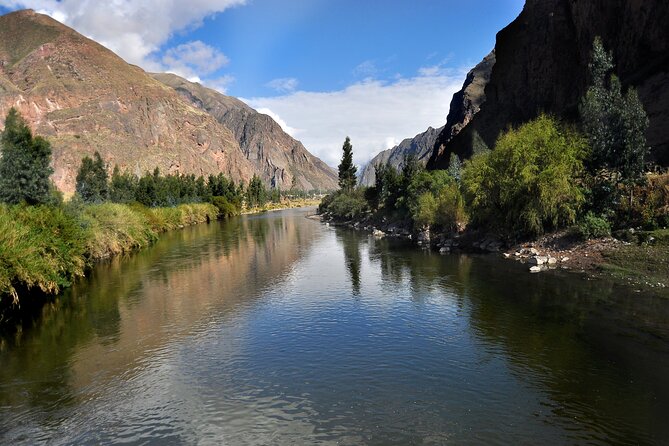
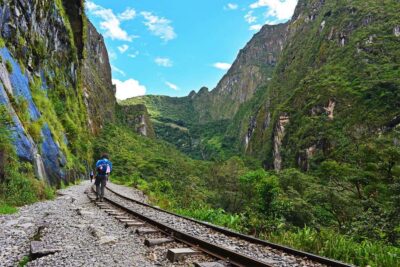
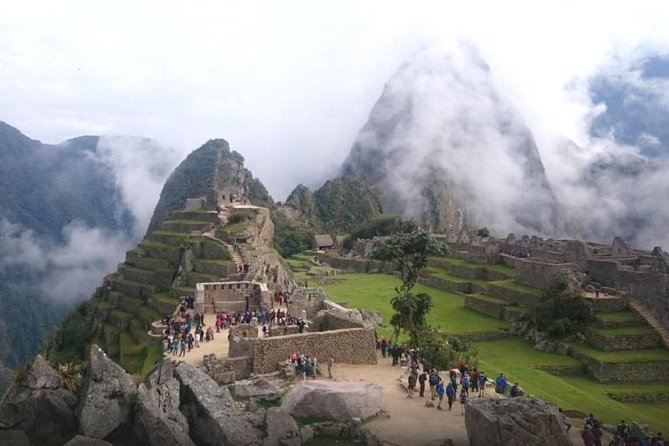
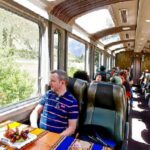
Day 3 is the big one, and the schedule shows it. You’re picked up from your hotel at around 4:00 am, then driven to the train station in Ollantaytambo. The plan calls for taking the train to Aguas Calientes, where your guide is waiting.
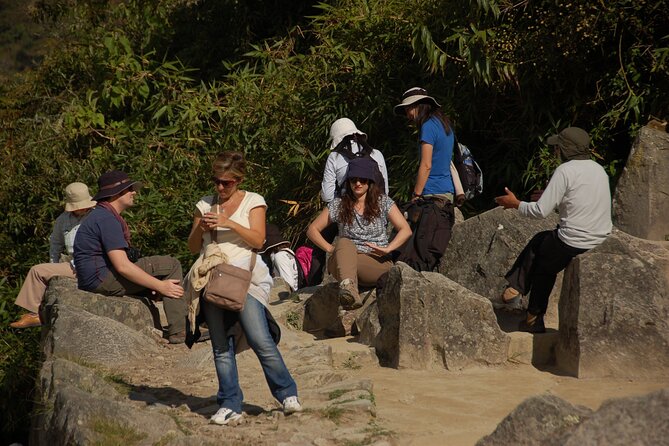
From there, you go to the bus station and ride up to Machu Picchu via a zigzag route for about 30 minutes. That bus ride can feel long when you’re tired, but it also turns the morning into something more than transit. You’re watching the environment shift as you get higher and closer.
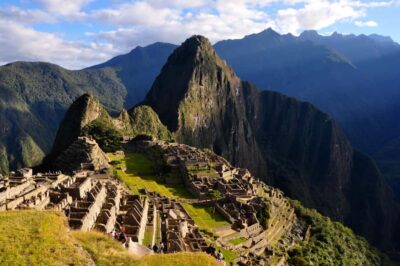
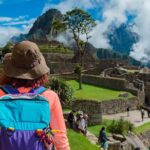
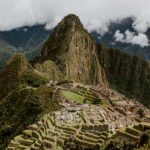
At Machu Picchu, you go through control where you hand in your entrance tickets. Then the guided visit begins, lasting about two hours. During that time, you’ll cover the main landmarks, including:
- the main square
- the circular tower
- the sacred solar clock
- the royal rooms
- the temple of the three windows
- the cemeteries
This guided structure is what I’d call the value core. Machu Picchu is stunning, but it’s also easy to feel overwhelmed if you’re wandering without context. The guide’s route helps you learn the “why” and the “where” before you do your own walking.
After the guided segment, you get time to walk around and handle meals. You can eat at restaurants in Aguas Calientes. The option to eat at Santury Lodge is mentioned as possible, but it’s not included, so treat it as an add-on if your budget allows.
On the way back, you return around 5:00 pm and train back to Cusco, then get transferred to your hotel.
Private guiding and transfers: what this kind of setup actually improves
This is a private tour, meaning only your group participates. That sounds like a marketing line, but in practice it helps in a few concrete ways.
First, your guide can match pacing. Cusco sites and Sacred Valley walks can vary a lot depending on footwear comfort, rain conditions, and how much you want to ask. With a private group, you’re not forced to stick to one pace for everyone in a large bus tour.
Second, logistics get simplified. The tour includes all transfers to hotel, airport, stations, and attractions, with hotel pickup included. On Machu Picchu day, that matters a lot because the day has multiple handoffs—train to Aguas Calientes, then bus up, ticket control, guided circuit, and the return around late afternoon. Having the plan handled reduces stress.
Third, you should expect an official guide who stays with you through the core stops. In the accounts tied to this itinerary, named guides like Gabriel, Francisco, Roger, Coger, and Paulo are singled out for careful explanation and responsiveness. I’d treat that as a sign of staffing quality, not as a guarantee you’ll get a specific person.
Still, if you have language preferences, ask at booking so the guide match is right for you.
What’s included (and what you should budget separately)
The package includes a lot of the expensive friction points:
- 3 nights accommodation
- 3 breakfasts at the hotel
- 1 lunch/buffet in the Sacred Valley
- Entrance tickets to Machu Picchu
- Tourism bus and all transfers (hotel/airport/stations/attractions)
- An official guide
What’s not included is also clear, and it affects your day-to-day cost:
- Water or other drinks
- Meals (beyond the breakfasts and the Sacred Valley lunch/buffet)
That means you’ll likely pay for lunch or dinner on Machu Picchu day after the guided visit and on any day meals fall outside the included list. Budget for this. If you don’t like carrying cash, at least plan how you’ll buy water and snacks so you’re not hunting when you’re tired.
Also, the tour recommends packing sun protection and practical gear. That’s not just for comfort—it reduces the chance your day gets cut short because you feel overheated or stuck in drizzle.
Price and value: does $1,200 per person make sense?
At $1,200 per person for about 4 days, this is not a cheap excursion. But it’s also not just a “show up and ride” package. You’re paying for a stack of built-in costs: 3 nights of lodging, a guided run through Cusco highlights, an official guided Sacred Valley day with a market stop, and the big-ticket day that includes Machu Picchu entrance plus the full transit flow via train and bus.
If you tried to build this yourself, you’d spend time coordinating multiple reservations, figuring out timing, and negotiating access like ticketing and guided entry. Here, the plan keeps you on rails, with pickup and transfers already set.
Is it worth it for every budget traveler? Not necessarily. If you’re traveling solo on a tight budget, you may prefer a smaller-scope tour (or only Machu Picchu). But if you want a private experience, guided context at every major stop, and minimal stress around transport, the price becomes easier to justify.
One other value angle: the private format often turns a “must-see” trip into a more personal one. That can matter when you’re asking questions, taking breaks, or simply wanting a slower rhythm inside crowded spaces.
Packing checklist that matches this exact itinerary
The tour recommends a smart set of items, and I agree with all of them for this region. Here’s the practical list to keep you comfortable through Cusco, the Sacred Valley, and an early Machu Picchu day:
- Light shoes or sneakers for walking
- Long sleeve T-shirts and long pants for sun and cooler mornings
- Raincoat for the rainy season
- Sunscreen and hats for sunny days
- Binoculars if you like detailed viewing
- Sunglasses
- Plastic bags (useful for keeping gear dry)
- A light backpack per person
- Camcorder or camera
- Medicines and personal use items (contact lens liquid if needed)
- Change in soles or dollars or euros for small purchases
The tour also notes a moderate physical fitness level. That’s a fair call: you’re not doing a major trek, but you are doing enough walking and moving that comfortable footwear isn’t optional.
Who should book this Cusco–Sacred Valley–Machu Picchu plan
I’d book this if you want:
- a private tour with a real guide
- a full overview of Cusco and the Sacred Valley, not just one highlight
- a guided Machu Picchu route that makes the site easier to understand
- included logistics that reduce daily planning stress
I’d think twice if:
- you hate early starts (Machu Picchu pickup is around 4:00 am)
- you want an all-inclusive meal plan (water and most meals are not included)
- you’re hoping to customize the route extensively (the schedule is fixed by the program)
Should you book this 4-day Cusco and Machupicchu tour?
If you’re a first-timer to Cusco and you want Machu Picchu done with guidance and clear timing, this is a solid pick. The combination of private touring, official guiding, Machu Picchu entrance included, and the built-in transfers makes it a low-stress way to hit the major sites without feeling like you’re juggling reservations.
Book it if you’re comfortable paying for drinks and meals that aren’t listed as included, and if you can handle a long day with an early departure. Before you go, do two simple things: confirm what kind of hotel category you’re getting with the 3 nights accommodation, and pack for sun plus rain. That mix covers most of what can spoil a great day.
FAQ
How long is the Cusco Sacred Valley and Machupicchu tour?
The tour is approximately 4 days and includes 3 nights of accommodation.
When does the Cusco city tour start on Day 1?
The city tour start time is 1:30 pm, running from about 13:30 to 18:30.
Is admission to Machu Picchu included?
Yes. Entrance tickets to Machu Picchu are included, and your guided tour inside the sanctuary is planned for about two hours.
What meals are included, and what should I pay for myself?
You get 3 breakfasts at the hotel and 1 lunch/buffet in the Sacred Valley. The tour notes that meals are not included beyond that, and water or other drinks are also not included.
Is this tour private?
Yes. It’s described as a private tour/activity, with only your group participating.
What should I pack based on the tour recommendations?
Bring light shoes, long pants, long sleeve T-shirts, a raincoat for the rainy season, plus sunscreen and hats. The recommendations also include binoculars, sun glasses, a light backpack, and personal medicines/items.
Is the tour refundable if plans change or weather causes cancellation?
The experience is non-refundable and can’t be changed for any reason. If it’s canceled due to poor weather, you’ll be offered a different date or a full refund.