REVIEW · HIKING & TREKKING
Ancascocha Trek To Machu Picchu 4 Days And 3 Nights
Book on Viator →Operated by Action Peru Treks · Bookable on Viator
This trek skips the big Machu Picchu crush. You hike the lesser-known Ancascocha trail from Cusco in a small group, passing Inca ruins and everyday Andean villages without the constant crowd-pressure. I also love the camping support and meals that keep you fueled for altitude, and the way guides like Lino (and on some dates Lina) help you connect what you see to how people lived back then.
One consideration: you need strong physical fitness, because the trek stacks altitude fast, including a steep push to Kuychiccasa Pass around 14,599 ft.
In This Review
- Key Things That Make This Trek Worth Your Time
- Entering Cusco’s High-Altitude Rhythm
- Cusco Pickup to Soqma: The Ride That Sets Your Pace
- Day 1: Soqma to Perolniyoc Waterfall and Inca Ruins
- Day 1 Continued: Rayan Lunch at 12,139 ft (Fuel With a Side of Views)
- Day 1’s Big Climb: Kuychiccasa Pass and the Nevadas Peaks
- Camp at Chancachuco Valley: Prepared Sites and Warmer Clothes
- Days 2 and 3: Two More Nights of Mountain Trekking (Without Guesswork)
- Day 4: The Aguas Calientes Night and Your Machu Picchu Ruins Tour
- Price and What You Really Get for $730
- Guides, Food, and the Small-Group Advantage
- Fitness Check: Can Your Body Handle 14,599 ft?
- Who Should Book This Ancascocha Trek
- Should You Book the Ancascocha Trek to Machu Picchu?
- FAQ
- How long is the Ancascocha Trek to Machu Picchu?
- Where does the trek start and how long is the transfer from Cusco?
- What’s included in the tour price?
- Is hotel pickup and drop-off included?
- Are round trip bus tickets from Aguas Calientes to Machu Picchu included?
- Do you get a guided tour at Machu Picchu?
- How big are the groups?
- What fitness level do I need?
- Can children join the trek?
- What is the cancellation policy?
Key Things That Make This Trek Worth Your Time
- A quieter Machu Picchu approach by avoiding the main Inca and Salkantay crowd routes
- Meals, camping, and park fees included, so you spend less time budgeting and more time hiking
- High passes and big views, with Kuychiccasa Pass and snow-capped peaks of the Nevadas
- Inca ruins stop-ups built into the route, including a cliff-edge site near Perolniyoc
- A real team on trek: guides plus chefs and horse handlers (names like Lino, Lina, Oscar, Elsa show up)
- Machu Picchu with guidance after your Aguas Calientes night, with bus tickets separately needed on day 4
Entering Cusco’s High-Altitude Rhythm
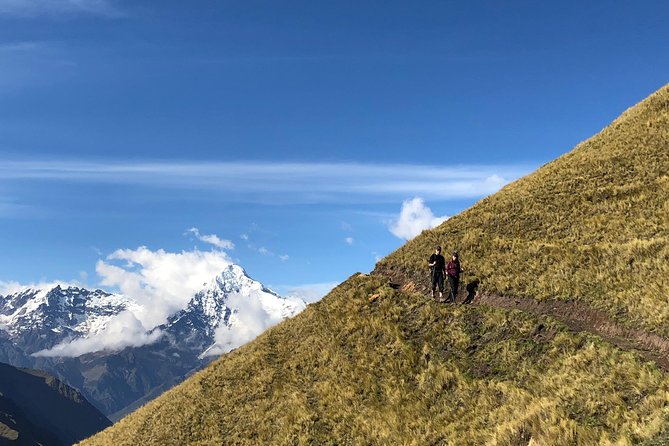
The Ancascocha Trek to Machu Picchu is built for hikers who want the mountain feel, not just a photo line. You start in Cusco, then head into the Sacred Valley area and keep moving through a mix of waterfall views, farming villages, and Inca sites.
What makes this one stand out is the route choice. It’s designed to help you avoid the crowds that many people fight on the classic trails, while still delivering that classic “how is this even real?” feeling when you look out from high ground.
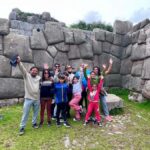
You’ll also appreciate the small-group setup. With a maximum of 30 travelers, the guide can actually answer questions in the moment, instead of just counting heads.
You can also read our reviews of more hiking tours in Cusco
Cusco Pickup to Soqma: The Ride That Sets Your Pace
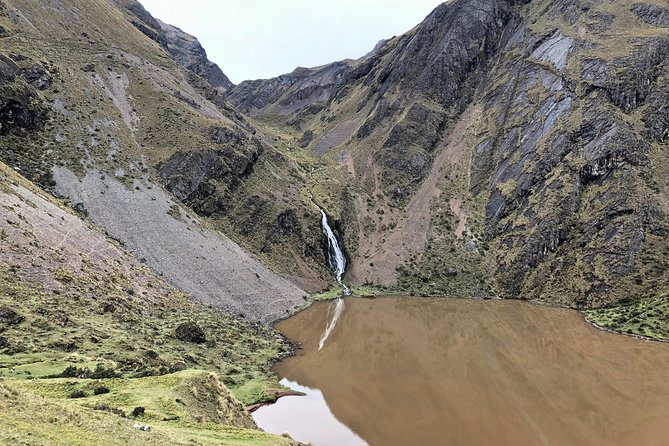
Your day starts with hotel pickup, then a drive of about 1 hour 45 minutes to Soqma (10,512 ft). That transfer matters more than it sounds. In Cusco, the air is already thin; this ride quickly places you in trekking altitude so your body can start adjusting.
Try to treat the morning like an acclimatization warm-up:
- Move slowly after you step out
- Drink water early
- Keep your layers on until you’re sure you won’t be cold on the first hike
One nice detail for stress reduction: the tour notes include a mobile ticket, which tends to make the day-of flow simpler once you’re in Peru.
Day 1: Soqma to Perolniyoc Waterfall and Inca Ruins
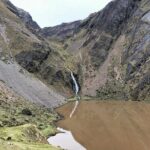
The trek begins with a 2-hour walk to the Perolniyoc cascade lookout. This is your first big payoff: the waterfall view is described as breathtaking. Even if waterfalls aren’t your thing, it’s a useful mental reset—proof you’re not just walking uphill for nothing.
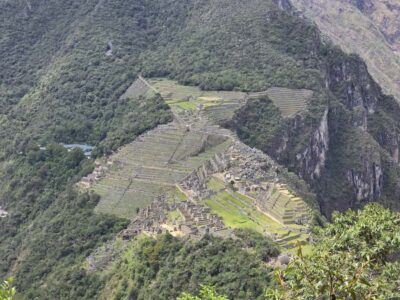
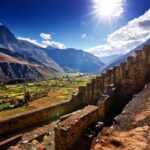
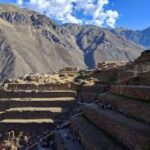
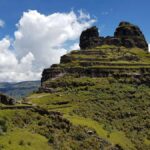
From there, you hike for about 45 minutes to the Inca site of the same name, perched on a cliff-top. Your guide shares history on-site, and you get free time to wander through the ruins.
A practical point here: cliff-edge sites can be windy and cold, even when you start warm. Bring a hat and something to block wind. Your reward is the kind of view where you understand why the Inca loved high ground.
Day 1 Continued: Rayan Lunch at 12,139 ft (Fuel With a Side of Views)
After the ruins, you make a steep ascent for around an hour to reach Rayan (12,139 ft) for lunch. This is where the trek shifts from “getting started” to “working for it.”
And yes, lunch is a real event here. You sample the chef’s cooking for the first time, and the route is set up so food isn’t an afterthought. That matters because at this altitude, your legs want calories, not just a quick snack.
If you tend to get lightheaded while trekking, this meal break can be a lifesaver. Use it to refuel and slow your breathing before the steepest section begins.
Day 1’s Big Climb: Kuychiccasa Pass and the Nevadas Peaks
In the afternoon, expect a challenging 3-hour uphill hike to reach Kuychiccasa pass (14,599 ft). This is the high point work, and the trek’s descriptions help you know what you’re signing up for.
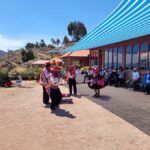
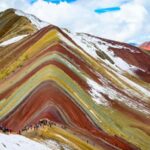
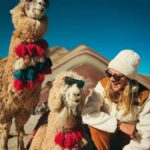
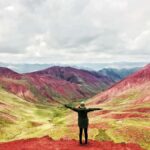
Along the way, you pass rustic houses of farmers and you’ll see llamas. The guide points out the scenery, including sweeping views of the snow-capped Nevadas peaks. It’s hard, but it’s also the part where the hike turns from exercise into story.
Once you reach the top, you take a break to soak in the Chancachuco Valley. Then it’s a 45-minute downhill to camp in the Chancachuco Valley (14,147 ft).
My advice for this section: pace matters more than toughness. If you sprint uphill at altitude, you’ll pay for it on the later downhill. A steady rhythm keeps you moving and keeps your breathing under control.
You can also read our reviews of more tours and experiences in Cusco
Camp at Chancachuco Valley: Prepared Sites and Warmer Clothes
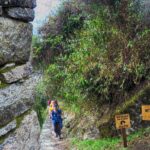
Your camp is set up when you arrive, which is exactly how trekking should feel. You get to change into warmer clothing, settle in, and focus on recovery instead of building camp yourself.
Meals also keep rolling. The included plan lists breakfast plus buffet-style lunch and dinner, which helps you keep energy consistent across long walking days. After a day that high, even a simple hot meal can feel like a big deal.
One of the standout themes from the experience feedback is how well the team supports you. Guides are often praised, but the behind-the-scenes crew matters too—horse handlers and chefs are part of what makes the night feel managed, not chaotic.
Days 2 and 3: Two More Nights of Mountain Trekking (Without Guesswork)
The trek includes two nights camping. That means you’ll spend multiple evenings in the mountains, not just one quick taste.
What you can expect in the middle days is the same rhythm:
- hiking through high-altitude terrain
- passing through areas with villages and farm life
- reaching the next campsite where the gear is already arranged
- eating real trekking meals prepared for the group
The tour also highlights that you’ll pass ancient Inca ruins along the way. Even when the exact stop sequence on day 2 and day 3 isn’t detailed here, the overall character is clear: this is an Ancascocha route built around Inca touchpoints, not just scenic walking.
Another reason this matters: camps reduce the logistics load. You’re not planning where you’ll sleep each night, so you can stay mentally focused on the trail and your pace.
Day 4: The Aguas Calientes Night and Your Machu Picchu Ruins Tour
After your final camping night, the plan includes one night at a B&B in Aguas Calientes. This is your breather before Machu Picchu, which is practical after days of hiking.
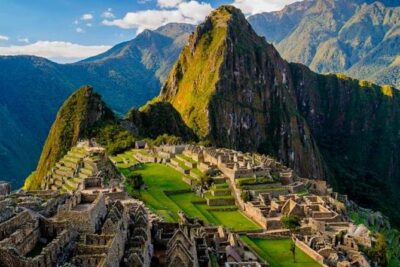
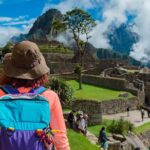
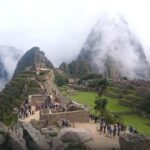
Then you get a guided tour of the Machu Picchu ruins. This is a big part of the value: you’re not just walking around and hoping you’ll figure everything out on your own. The guide’s job is to connect the sites to what the Inca built, and how the fortress was used.
Here’s the one logistics snag to plan for: round trip bus tickets from Aguas Calientes to Machu Picchu on day 4 are not included. That means you’ll want to budget for transport separately and make sure you’re organized early so you don’t lose time on the most important day.
Machu Picchu is also billed as one of the New7Wonders of the World and a UNESCO World Heritage Site. Whether you care about rankings or not, the place itself earns its reputation—especially after approaching by foot through the mountains.
Price and What You Really Get for $730
At $730 per person, you’re not just paying for “walking days.” You’re paying for a full support system:
- two nights camping
- national park fees
- breakfast plus buffet lunch and buffet dinner
- a local guide
- hotel pickup and drop-off
- one night at a B&B in Aguas Calientes
That mix is where the value shows up. In many Machu Picchu treks, you end up paying separately for the parts that actually make the trek workable: park access, camping logistics, and guided interpretation. Here, those bigger items are included.
What isn’t included is also clear:
- alcohol (available to purchase)
- excess luggage charges (where applicable)
- round trip bus tickets from Aguas Calientes to Machu Picchu on day 4
- food and drinks unless specified
So if you budget smart—especially for the day-4 bus—you should feel like the price matches what you’ll live through: a guided mountain trek with meals, camps, and the Machu Picchu visit.
Guides, Food, and the Small-Group Advantage
The guides are repeatedly highlighted, and the names that come up include Lino and Eddie, plus Lina on some departures. In other groups, names like Christian and Eddy are mentioned as part of the guiding team.
That’s important because this route is full of moments that reward context:
- the cliff-edge feel of the Inca ruins at Perolniyoc
- the farming-house views on the way to Kuychiccasa pass
- how the valley looks from different angles as you climb and descend
The chef team also shows up in the feedback, with chefs named in some groups like Joel and Eliquin, and horse handlers named like Oscar and Elsa. Even if you never meet everyone, it’s the system behind the scenes—camps set up on arrival, meals ready when you’re tired—that makes the whole trek feel smooth.
In plain terms: when the support crew is strong, your hiking becomes safer and more enjoyable. You don’t have to solve problems mid-trek.
Fitness Check: Can Your Body Handle 14,599 ft?
This is a demanding route. The tour description specifically says travelers should have a strong physical fitness level, and the itinerary backs it up with big altitude numbers.
You’ll see elevations from roughly:
- Soqma at 10,512 ft
- Rayan at 12,139 ft
- Kuychiccasa Pass at 14,599 ft
- the camp area around 14,147 ft
Altitude doesn’t just mean legs. It changes breathing, sleep, and recovery. If you’ve struggled with high-elevation travel before, plan carefully and consider taking it seriously as a fitness event, not a casual walk.
Your best weapon is pacing. Save your energy for the climb, eat lunch well at Rayan, and take the breaks at the pass even if you feel like skipping them.
Who Should Book This Ancascocha Trek
This trek is a great fit if you want:
- a Machu Picchu approach with fewer crowds
- Inca ruins plus villages, not just a viewpoint-by-viewpoint itinerary
- a small group where your guide can actually talk to you
- camping days with meals handled for you
It’s also a good choice for hikers who like variety—waterfall views, cliff ruins, pass climbs, and a final guided visit to Machu Picchu.
You might want to rethink it if you’re not comfortable with strenuous hiking at altitude or you’re traveling with limited stamina. Also keep in mind that day 4 needs extra planning for the bus ride from Aguas Calientes.
Should You Book the Ancascocha Trek to Machu Picchu?
If your dream is Machu Picchu but your reality is crowded trails and long lines, this is one of the smarter ways to get the experience. You trade the classic Inca Trail corridor for a quieter route that still delivers Inca ruins, mountain scenery, and a guided understanding of what you’re seeing.
Book it if you’re ready for real climbs, you’ll pack for cold nights, and you’re okay covering the day-4 bus ticket separately. Skip it if you want an easy hike or you’re unsure about altitude and steep uphill effort.
FAQ
How long is the Ancascocha Trek to Machu Picchu?
The trek is listed as 4 days and 3 nights (approx.).
Where does the trek start and how long is the transfer from Cusco?
You meet at your hotel, then drive about 1 hour 45 minutes to Soqma (10,512 ft), the starting point of the trek.
What’s included in the tour price?
Included are two nights camping, national park fees, breakfast, buffet lunch and buffet dinner, a local guide, hotel pickup and drop-off, and one night at a B&B in Aguas Calientes.
Is hotel pickup and drop-off included?
Yes, hotel pickup and drop-off are included.
Are round trip bus tickets from Aguas Calientes to Machu Picchu included?
No. Round trip bus tickets from Aguas Calientes to Machu Picchu on day 4 are not included.
Do you get a guided tour at Machu Picchu?
Yes. The overview includes a guided tour of the Machu Picchu ruins.
How big are the groups?
The tour has a maximum of 30 travelers.
What fitness level do I need?
The tour states travelers should have a strong physical fitness level.
Can children join the trek?
Yes, but children must be accompanied by an adult.
What is the cancellation policy?
Free cancellation is offered up to 24 hours in advance for a full refund. If you cancel less than 24 hours before the start time, the amount paid is not refunded.