REVIEW · INCA TRAIL TREKS
4 Day Inca Trail To Machu Picchu – Private Service
Book on Viator →Operated by Valencia Travel Agency S.a.c. · Bookable on Viator
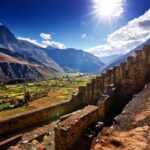
Four days, one sacred line through Peru’s Andes. This private trek is interesting because your guide stays focused on your group and you also get camp setup and cooked meals, not just a route. You’ll move through cloud forest, Inca ruins, and high passes, then finish with an early approach to Machu Picchu.
One thing to plan for: some meals aren’t included on the Inca Trail (especially the first day’s first breakfast and the last day’s meals), and the whole operation runs on early timing and tight trail access, so come organized with your passport and essentials.
In This Review
- Key Highlights I’d Prioritize Before Booking
- Cusco Departure and the Controlled Start at Piscacucho
- Day 1: Into Cloud Forest to Wayllabamba Camp (Huillca Raccay and Patallacta)
- Day 2: Dead Woman’s Pass to Runkurakay (Abra de Warrmihuañusca)
- Day 3: Phuyupatamarca, Intipata, and Wiñay Wayna
- Day 4: Intipunku Before Sunrise to Machu Picchu (5 km Finish)
- Transport, Camping, and Meals: What’s Actually Included
- Price and Value at $1,395 Per Person
- Who This Private Inca Trail Trek Fits Best
- Should You Book This 4-Day Private Inca Trail Service?
- FAQ
- What time do we start on the first day?
- Where do we check in for the Inca Trail access?
- Is this a private trek?
- What are the main stops on the trek?
- How cold does it get at camp?
- Are meals included?
- What about water during the trek?
- Is Huayna Picchu included?
- What are the Huayna Picchu ticket sessions?
- What happens if I cancel?
Key Highlights I’d Prioritize Before Booking
- Private pace with a bilingual guide: In past departures, guides such as Victor, Nico, Rene, Guido, Guillermo, Hugo, Aldo, Felipe, and Wilbur Ramos have been involved.
- Comfort that actually helps at altitude: dining tent with tables/chairs, 4-man tents (2 people per tent), and foam sleeping mattresses.
- Porter support that keeps you hiking: porters carry cooking and camping equipment, plus there’s a personal porter listed for 7 kg of your items.
- Big pass day, with real payoff: Abra de Warrmihuañusca (Dead Woman’s Pass) at 4,200 m.
- Birds, cloud forest plants, and Inca sites: Pacaymayu for hummingbirds and Polylepis trees, plus Phuyupatamarca and Intipata.
- Sun Gate timing for the Machu Picchu reveal: going to Intipunku before sunrise at 2,730 m.
Cusco Departure and the Controlled Start at Piscacucho
The trek begins with a very early start from Cusco, with the schedule calling for a meeting around 4:00–4:30 am. You’ll continue from there until you reach Piscacucho for check-in, where you’ll need to show your passport and tickets at the control point. This matters because the Inca Trail is limited access. So the earlier you arrive and the more prepared you are with documents and sunscreen/repellent, the smoother that first stretch feels.
Right away, you’re building altitude context. The trail begins around 2,720 m, and you cross the Vilcanota River on the right side. This is also when the route shifts into the Inca Valley story—an intentional sacred journey, not just a scenic hike.
You can also read our reviews of more private tours in Cusco
Day 1: Into Cloud Forest to Wayllabamba Camp (Huillca Raccay and Patallacta)
Day 1 is your on-ramp: enough exertion to feel the mountains, but also plenty of “look up and breathe” moments.
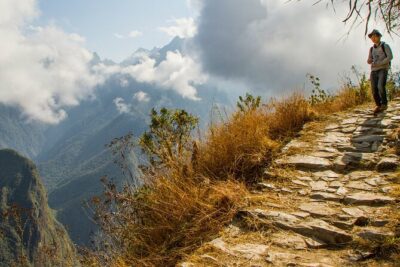
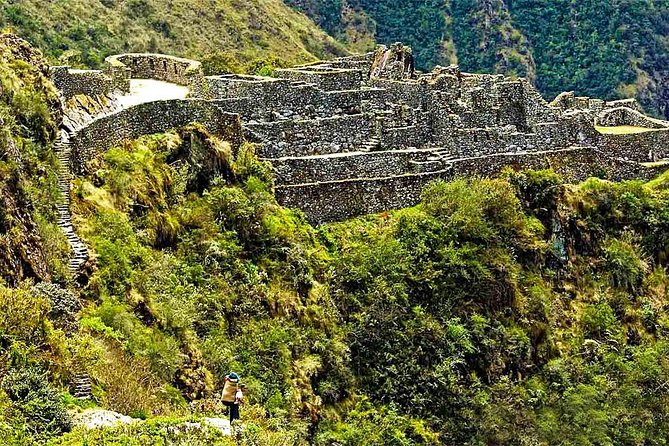
After starting, the path gets abruptly steep as it moves through cloud forest. Along the way, you’ll have chances to spot Inca-linked landmarks like Huillca Raccay and Patallacta. You’re also watching the terrain layers change—Urubamba separates jungle, Andes, and the snow-capped high peak called W’akay Willca (also known as Veronica) at 5,860 m. Even if you’re not a geology nerd, you’ll feel how quickly the Andes throw different views at you.
Then comes the first camp. You’ll set up near the village of Wayllabamba at 3,000 m. The schedule gives a useful expectation: nighttime temps are around 5°C, depending on the month. Translation: pack layers even if Cusco feels warm earlier in the day.
Day 2: Dead Woman’s Pass to Runkurakay (Abra de Warrmihuañusca)
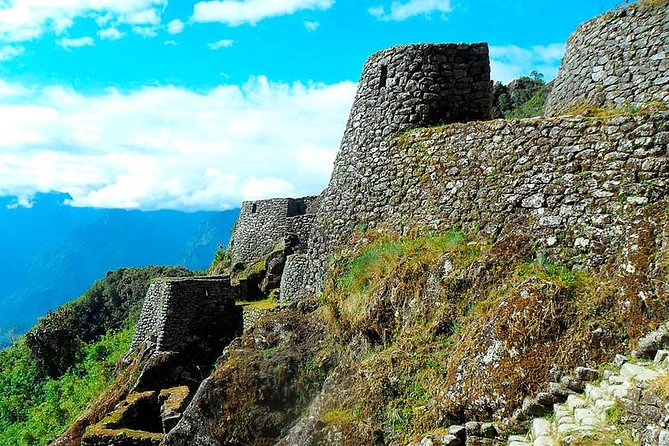
Day 2 starts early—breakfast is prepared by the cooks, and you’re getting ready at about 5:30 am. This is one of those days where time matters more than your guesswork. The itinerary calls for several hours of steep climbing to Abra de Warrmihuañusca, the Dead Woman’s Pass at 4,200 m.
You don’t just climb a number. The route is described as part of a sacred pilgrimage tied to the apus (mountains) in Inca belief. That framing helps when your legs are burning and your mind starts bargaining. Knowing the place has meaning makes the hard moments feel more worthwhile.
After resting, you descend toward lunch at Pacaymayu (3,550 m). This stop is a nice break from “only altitude” focus. You’ll likely notice hummingbirds and other bird species, and you’ll pass through native plant variety tied to the cloud forest. One specific highlight mentioned: the Polylepis trees, which grow in cloud forest around 3,650 m.
Afternoon continues with another steep climb—about two hours—to Runkurakay pass, near 4,000 m—followed by camp setup by around 5 pm. Night temps are listed around 4°C. This is when a warm beanie and dry socks start to feel like the best investment you’ll make in Peru.
Day 3: Phuyupatamarca, Intipata, and Wiñay Wayna
Day 3 is a day of “towns in the clouds” energy. You’ve got a total of about 10 km and roughly 4–5 hours of hiking time in the schedule, with a gentle climb early on.
Your first major stop is Phuyupatamarca, meaning Town in the Clouds, reached at about 3,680 m. The itinerary explicitly highlights mountain and canyon views from this point. If you like when hiking turns into sightseeing without warning, this is one of your best moments.
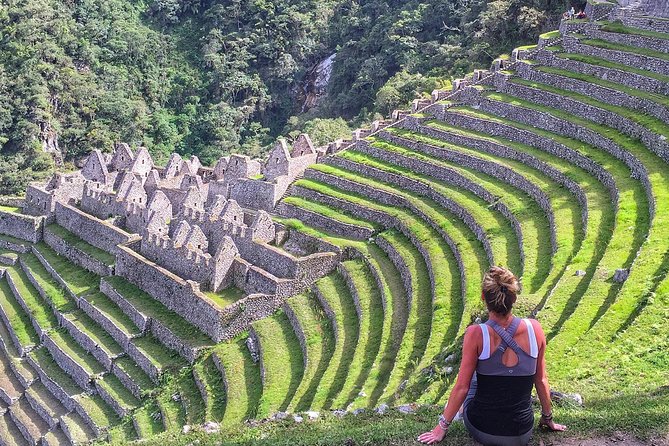
Next comes a long stretch described as walking around 3,000 steps through cloud forest to reach Intipata, an agricultural Inca site. Steps can feel like your own private stairway to nowhere, but Intipata helps by giving you a purpose beyond footing: you’re seeing how the Incas used elevation and terraces for farming.
By lunchtime, you reach your third campsite: Wiñay Wayna at 2,680 m. You’ll also visit the nearby Inca site of the same name, “Forever Young,” described as a must-see close to camp. Even if you’re tired, this is one of those places where your brain refreshes—ruins + altitude air + the sense that you’re nearing the end of the journey.
Day 4: Intipunku Before Sunrise to Machu Picchu (5 km Finish)
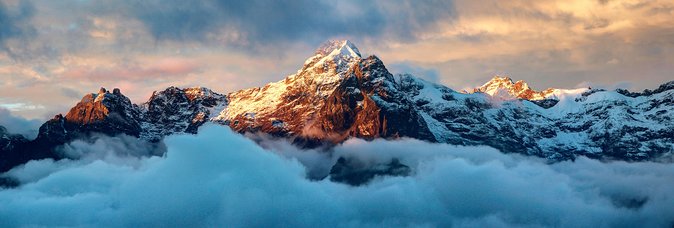
Day 4 is short in distance, but it’s big in timing. The schedule says you’ll wake up, have an early breakfast, and start the road again. You’re walking about 5 km total, around 2 hours, to reach Intipunku (Sun Gate) before sunrise at about 2,730 m.
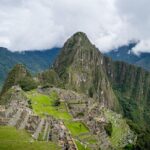
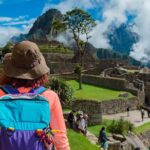
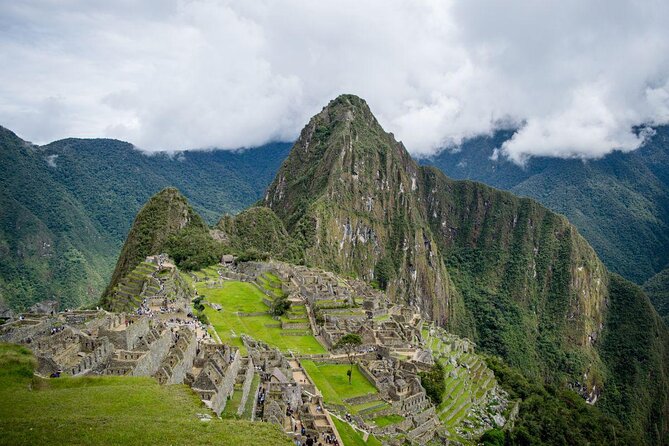
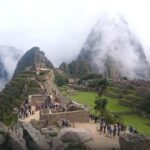
That pre-dawn effort is the payoff. You get your first great view of Machu Picchu around 2,400 m. The tour framing makes this more than a photo moment—it’s described as becoming part of the royal journey of the Inca, a spiritual link to Machu Picchu and the apus.
After the trek finish, you head into Machu Picchu programming (the schedule notes a 3-hour block with Machu Picchu admission marked as free). Then you descend by bus to Aguas Calientes. Finally, the transportation plan includes a train back to Ollantaytambo, with collection from the station on day 4.
You can also read our reviews of more tours and experiences in Cusco
Transport, Camping, and Meals: What’s Actually Included
This trek is sold as private service, but the bigger value is how much of the logistics you don’t have to manage.
Transport elements included
- Bus to km 82
- Train back to Ollantaytambo
- Collection from Ollantaytambo station on day 4
- Bus from Machu Picchu down to Aguas Calientes
Camping and food setup
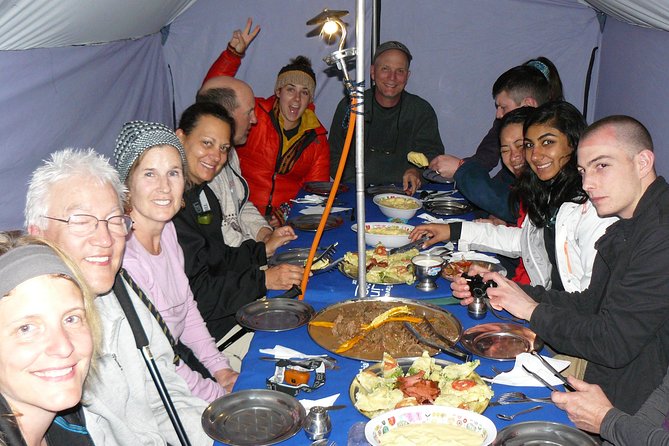
- Dining tent with tables and chairs
- A chef who cooks onsite (the itinerary lists lunch (3), dinner (3), breakfast (3))
- 4-man tents with 2 people per tent
- Foam sleeping mattress
- Porters carry cooking and camping equipment
Safety and comfort extras
- Oxygen bottle is included
- First aid kit is included
- Water is provided after the first morning; the notes specify you must bring water for the first morning, then drinking water is provided after boiling
What’s not included
- The single supplement fee is listed as $60
- Walking sticks are not included
- Huayna Picchu entrance is not included (extra ticket)
- Certain meals aren’t included on the Inca Trail: the schedule notes first breakfast, plus the last day’s lunch and dinner are not included
- Gratuities are not included
- Travel insurance is strongly recommended
One practical note: your details include a personal porter listed for 7 kg in the included section, and again it appears under not included. That conflict is likely a paperwork quirk. Before you pack your bag weight, confirm exactly what that 7 kg personal porter coverage means for your booking.
Price and Value at $1,395 Per Person
At $1,395, this isn’t a cheap hike. But it’s also not just a guide walking beside you. You’re paying for the part that usually costs time, stress, and coordination: camps, kitchen staffing, porter labor, and the transport chain to get you to the trail and back from the final descent.
Here’s how the price makes sense for your decision:
- You’re getting camp infrastructure (tents, foam mattresses, dining tent) instead of roughing it with only a backpack.
- You’re getting meals prepared onsite three times per day for multiple days, which matters when you’re dealing with cold nights and high passes.
- You’re getting support roles: porters plus a personal porter for a defined amount of your stuff, which keeps you moving.
- You’re getting the timing work that goes into sunrise access at Intipunku.
If your main goal is simply saving money and you’ll carry everything yourself, this might feel heavy on the budget. If your goal is to get the real Inca Trail experience with fewer logistics headaches, the included camping and food pieces do the heavy lifting.
Who This Private Inca Trail Trek Fits Best
This route is described as requiring moderate physical fitness and having a minimum age of 10 years. That’s a strong clue it’s not for couch-to-cocktails fitness.
I think this trip fits you best if:
- You want a private experience with undivided attention from your bilingual guide
- You’re excited about Inca sites as you hike—Huillca Raccay, Patallacta, Phuyupatamarca, Intipata, Wiñay Wayna, and Machu Picchu
- You’re okay with early mornings and cold nights around 4–5°C
- You’d rather spend your energy on the trail than on figuring out camp setup and meal planning
Should You Book This 4-Day Private Inca Trail Service?
Book it if you want the Inca Trail done in a way that feels personal and supported: private guide time, full camp structure, porters carrying the big stuff, and a sunrise-focused finish.
Consider alternatives or ask extra questions before booking if any of these apply:
- You hate early starts. The schedule runs around 4:00–5:30 am timing most days.
- You’re counting on every meal being included. The notes say some meals on the Inca Trail (first breakfast and last day’s meals) are not included.
- You’re planning to add Huayna Picchu. Tickets need to be booked well in advance, with sessions listed as 7am–8am or 10am–11am, and a 7am session might force you to miss the Machu Picchu guided tour.
If you’re comfortable with the physical challenge and you value having camp and meals handled, this is the kind of trek package that turns the Inca Trail from a tough chore into a lived-in journey.
FAQ
What time do we start on the first day?
The start time is listed as 4:00 am, and the meeting point is noted as 04h30 at the hotel.
Where do we check in for the Inca Trail access?
You travel from the meeting point to Piscacucho for check-in, where you show your passport and tickets at the control point.
Is this a private trek?
Yes. The details state this is a private tour/activity, and only your group participates.
What are the main stops on the trek?
You’ll pass through key areas like Huillca Raccay and Patallacta on Day 1, reach Dead Woman’s Pass (Abra de Warrmihuañusca) and Pacaymayu on Day 2, visit Phuyupatamarca and Intipata on Day 3, and finish with Intipunku and Machu Picchu on Day 4.
How cold does it get at camp?
Night temperatures are listed around 5°C at Wayllabamba (Day 1) and around 4°C at the next campsite (Day 2). Exact temps can vary by month.
Are meals included?
Meals are listed as included for multiple days: lunch (3), dinner (3), and breakfast (3). The notes also say the first breakfast, and the last day’s lunch and dinner, are not included.
What about water during the trek?
You need to bring water for the first morning. After that, drinking water is provided and described as previously boiled.
Is Huayna Picchu included?
No. Entrance to Huayna Picchu is not included, and tickets need to be booked well in advance.
What are the Huayna Picchu ticket sessions?
The listed sessions are 7am–8am and 10am–11am.
What happens if I cancel?
The experience is non-refundable and cannot be changed for any reason.