REVIEW · NIGHTLIFE & PISCO TOURS
Planetarium Cusco OFFICIAL SITE: Andean Astronomy experience
Book on GetYourGuide →Operated by Planetarium Cusco · Bookable on GetYourGuide
Cusco’s night sky gets a story engine. This Andean Astronomy experience pairs Inka astronomy with a modern southern sky dome show, then tries real stargazing through telescopes.
What I like most is the clear focus on Inka constellations (not just generic space trivia), and the welcoming small-group feel that makes it easier to ask questions. One catch: if clouds roll in, your outside telescope time may be limited.
The schedule also flexes a bit to improve stargazing odds, so plan to stay present and roll with it. Bring warm layers—even in clear weather, Cusco evenings get chilly fast.
In This Review
- Key points to know before you go
- Meeting in Cusco: Regocijo Square, then a quick transfer
- Inside first: the interpretation rooms and Inca sky thinking
- The dome show at 18:40: southern sky projections and Inka constellations
- Telescope stargazing: what you can expect when the sky cooperates
- Group size and guide style: why this feels personal
- What’s included in the ticket (and what isn’t)
- Price value: why $28 can feel fair here
- What to bring, and what to leave behind
- Who this tour is best for (and who might not love it)
- Age fit
- Should you book Planetarium Cusco’s Andean Astronomy experience?
- FAQ
- What time do I need to meet at the meeting point?
- How long is the Planetarium Cusco Andean Astronomy experience?
- How do I get to the planetarium from the meeting point?
- Is stargazing with telescopes guaranteed?
- What languages are the guides?
- What should I bring?
- Is there a refund if I cancel?
Key points to know before you go
- Meet near Plaza Regocijo fountain at 17:30, then take a short ride to the planetarium
- Dome show at 18:40 covers the southern sky and Inka constellations
- Telescopes are weather dependent, and timing may shift to improve your chances
- Small groups help the guide connect with you instead of reading off a script
- Warm clothing matters, and blankets are available once you arrive
- No alcohol, drugs, pets, or audio recording during the experience
Meeting in Cusco: Regocijo Square, then a quick transfer
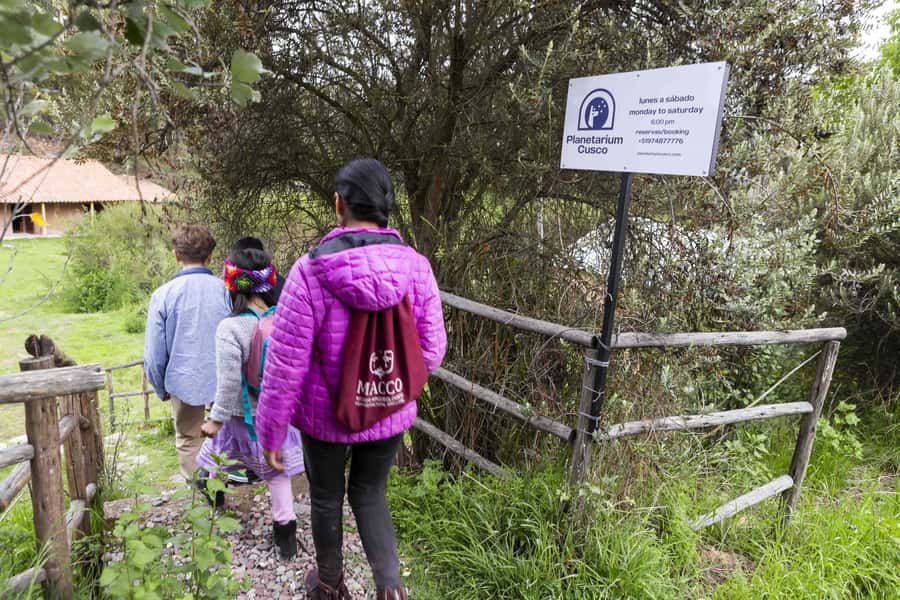
You start at Plaza Regocijo, meeting at the middle of the plaza next to the fountain. The meeting time is 17:30 sharp, and you’ll then hop into transport for a 10–15 minute ride to the planetarium.
This part is practical: it keeps you from trying to figure out the exact location and helps you arrive before the dome show begins.
You can also read our reviews of more tours and experiences in Cusco.

Inside first: the interpretation rooms and Inca sky thinking
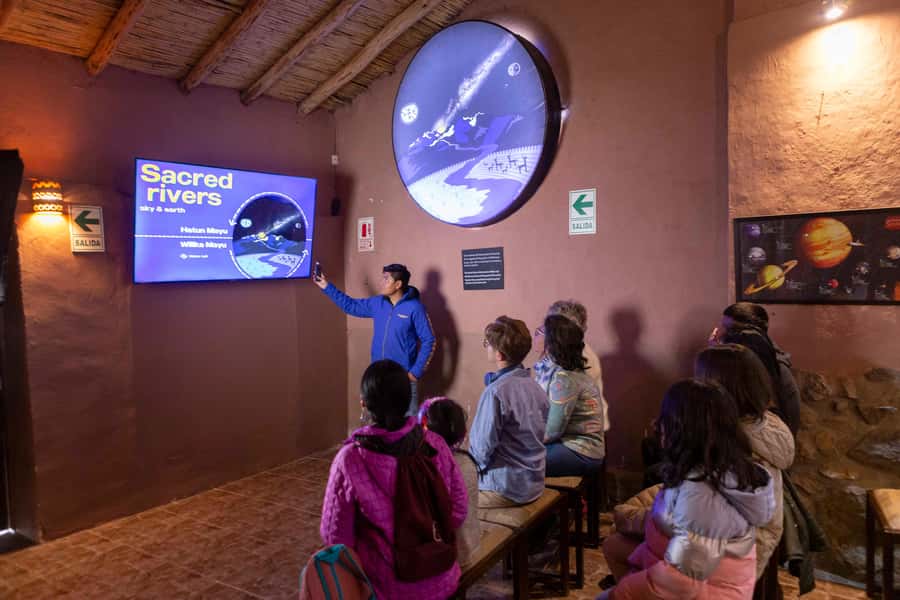
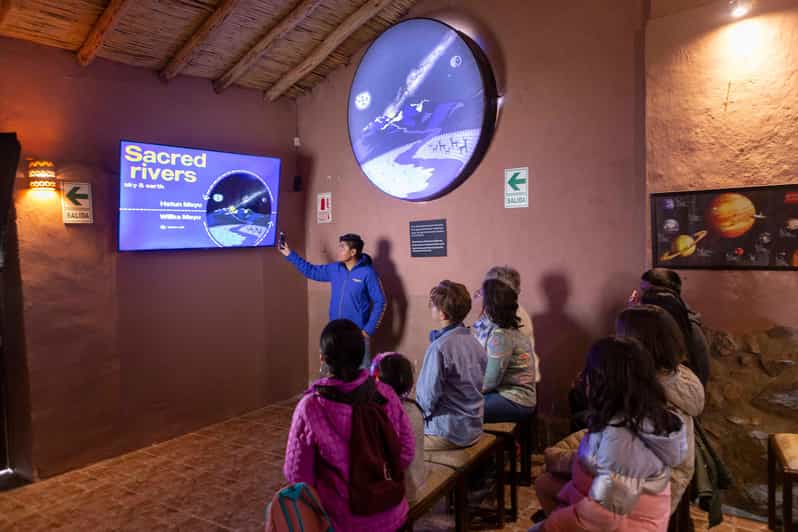
You arrive around 18:05 and begin with an introduction in the planetarium’s interpretation rooms. This is where the experience earns its name: it’s not only about stars as objects in space, but about how ancestors used the sky to understand time, seasons, and meaning.
The guides keep it clear and human. The tone tends to be friendly and informative, and it’s designed for people who are curious rather than people who already know every astronomy term.
You’ll also appreciate the structure. You get the cultural framework first, so when the dome show starts, you understand what you’re looking at and why it matters.
The dome show at 18:40: southern sky projections and Inka constellations
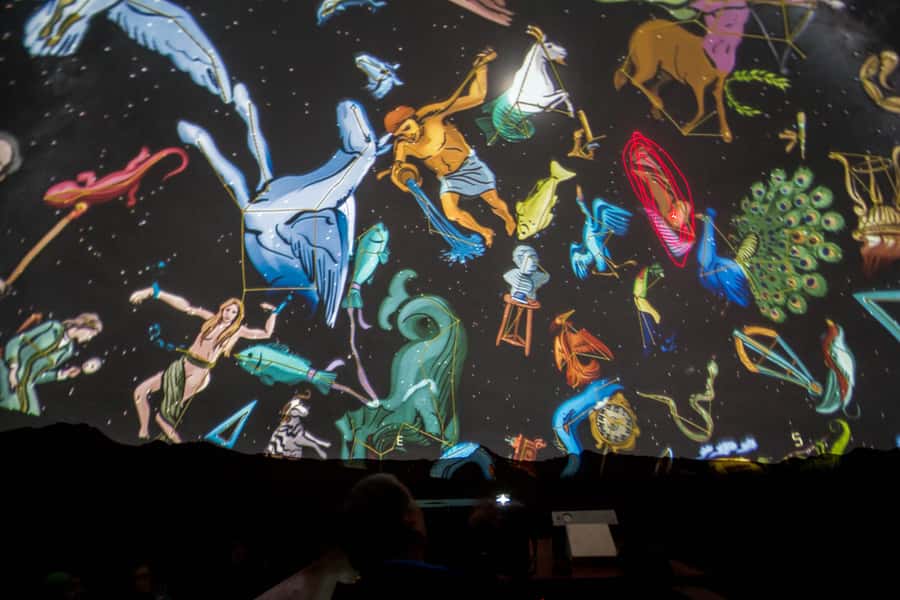
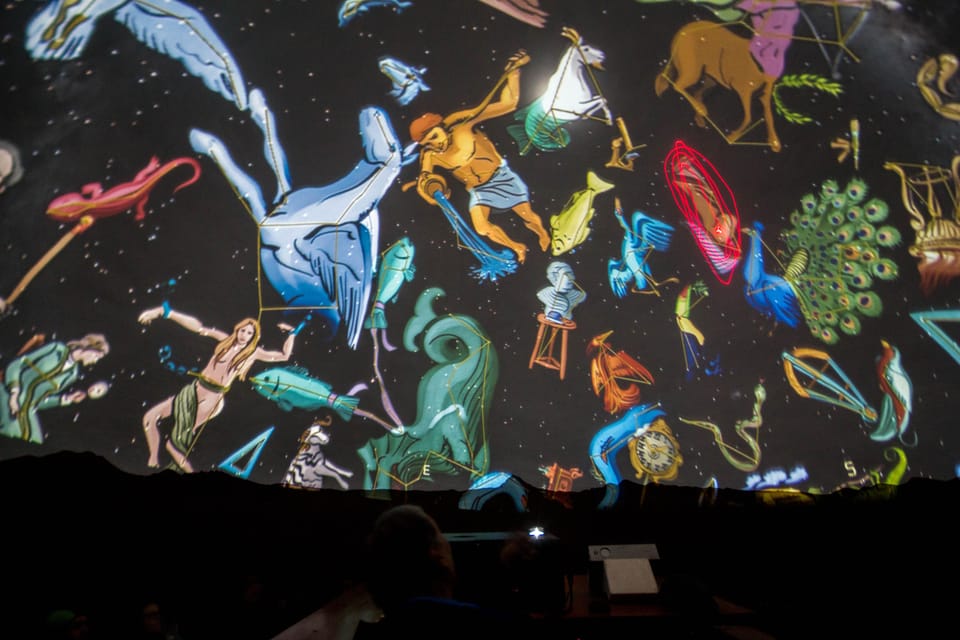
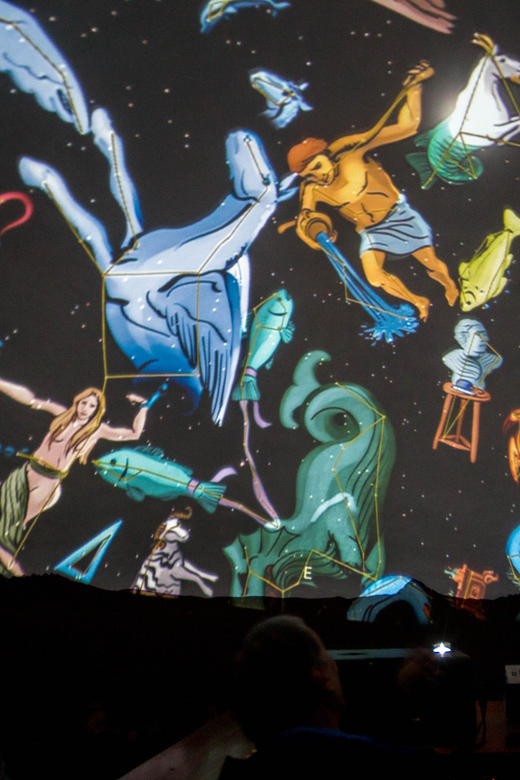
Around 18:40, you move into the dome for the main event: a virtual projection of the southern sky. This is where Inka constellations come to life, with the guide explaining what they represent and how they were used by the Inka to interpret the night.
The big value here is sequencing. The dome isn’t just cool visuals—it’s a map that teaches you how to read the sky. Once your brain has a pattern, real stars outside (when visible) make more sense.
If you want a slightly entertaining tone, you’re in the right place. The presentations are described as engaging, with humor used to keep the pacing light while still delivering real content.
Telescope stargazing: what you can expect when the sky cooperates
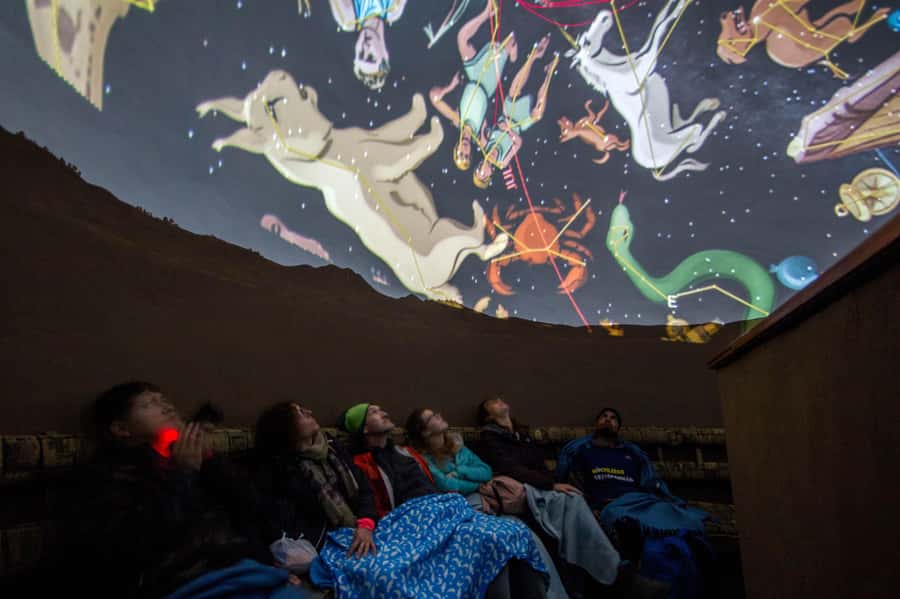
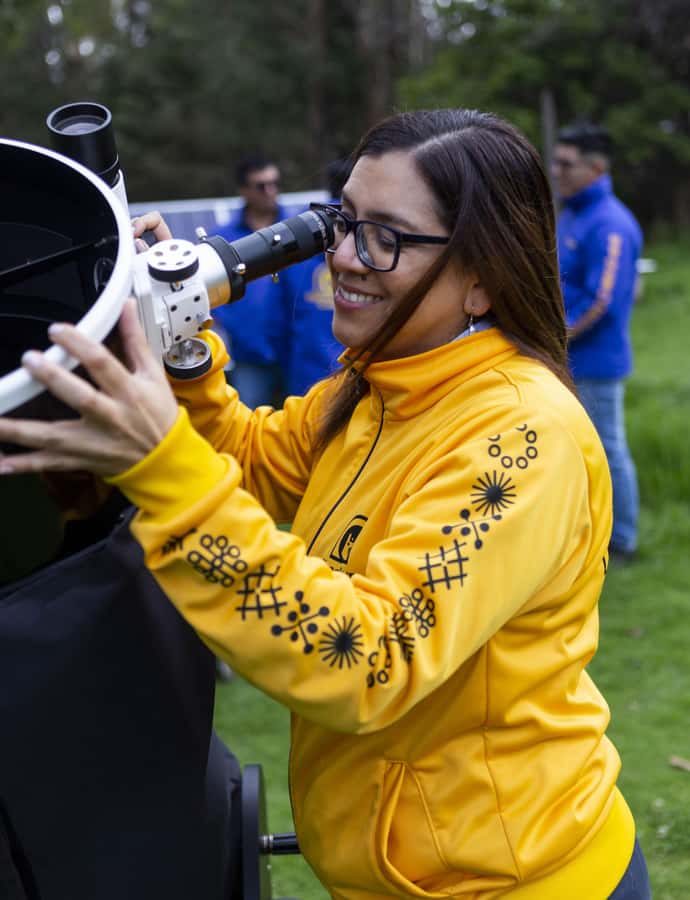
As darkness settles, you head outside for stargazing with telescopes, weather permitting. The key phrase is weather permitting, because Cusco evenings can change quickly.
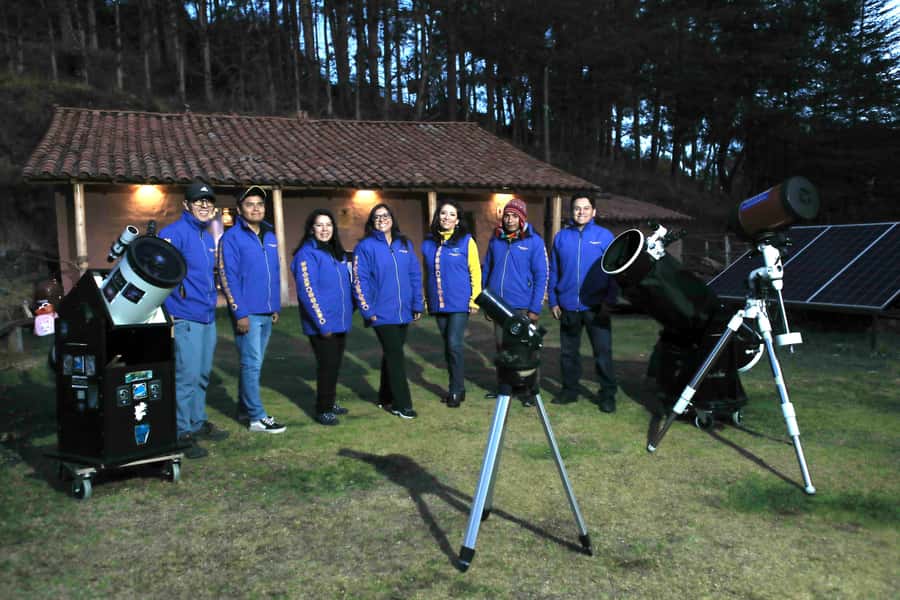
That said, you’re not just standing around waiting. The operation is set up to try for views through the telescopes when conditions allow. On a clear night, you can expect to see more than just bright points—recent visitors have even reported surprising detail like Saturn’s rings when viewing conditions were right.
On cloudy nights, don’t panic. The experience still aims to maximize your odds by adjusting the schedule to improve stargazing opportunities, and the dome portion already did the heavy teaching work.
Group size and guide style: why this feels personal

This is a grupal service with a small-group vibe. That matters more than you might think in a planetarium setting. With fewer people, the guide can keep eye contact, answer questions more easily, and adjust explanations if you look confused (or excited).
You also get a live guide in Spanish or English, so you can choose what fits you best. One practical tip I’d take from recent feedback: if you’re sensitive to temperature, try to position yourself where you’ll be comfortable—there are blankets available, and one person recommends taking a chair near the entrance area.

What’s included in the ticket (and what isn’t)
For about $28 per person, you’re paying for the full “lesson + show + attempt at stargazing” flow. The included pieces are:
- Round-trip transportation from Regocijo Square
- An introduction to Inca astronomy in the interpretation rooms
- The virtual dome projection of the southern sky and Inka constellations
- Stargazing with a telescope depending on weather
Food is not included, so eat before you go. This timing starts in the early evening, and once the show begins, you’ll want your stomach to be on autopilot.
Price value: why $28 can feel fair here
Planetarium experiences can run from simple shows to more structured teaching, and this one leans toward the structured side. You get:
- a cultural explanation first,
- a dome projection second,
- and a chance to confirm what you learned with telescopes outdoors.
If the sky cooperates, you’re essentially getting two layers of astronomy in one outing. Even when it doesn’t, the dome portion still gives you a guided way to understand the southern sky and Inka constellations, which is the hardest part to do on your own in Cusco.
What to bring, and what to leave behind
Cusco nights are cooler than you might expect, even when the day feels mild. Bring:
- Comfortable shoes
- Warm clothing
Also note the rules: no pets (assistance dogs are allowed), no alcohol or drugs, no unaccompanied minors, and no audio recording. If you’re planning your outfit, think layers, not just one warm jacket.
Who this tour is best for (and who might not love it)
This experience is a strong match if you want astronomy with cultural context. It’s ideal for first-timers in Cusco who want to understand why the night sky mattered to the Inka—not only what’s up there.
It’s also good if you like structured storytelling. The dome show is built to help you recognize constellations and ideas, not to throw terms at you without context.
There’s one group where it may feel less satisfying: people who already study astronomy deeply. One unfavorable comment specifically pointed out that if you’re already familiar with astronomy topics, the presentation may feel slow or repetitive. If you’re that person, you might prefer a more technical stargazing session instead of a cultural-focused program.
Age fit
This isn’t suitable for children under 7 years. If you’re traveling with kids, the guided format and night temperature are the two main factors to consider.
Should you book Planetarium Cusco’s Andean Astronomy experience?
Yes, I’d book it if you want a guided night-sky experience that connects Inka constellations to how people actually learned the sky. The best part is that you’re not relying on perfect weather for the main learning—you still get the dome show even if the stars are faint outside.
Skip it or reconsider if:
- you’re expecting hardcore astrophysics,
- you’re extremely sensitive to cold and don’t plan to use blankets or warm layers,
- or your group needs an activity with strict out-loud certainty that you’ll see telescopic wonders every time.
If you’re flexible and curious, this is a smart value for Cusco. It’s also one of the easier ways to get oriented to the southern night sky without doing it alone in the dark.
FAQ
What time do I need to meet at the meeting point?
You meet at 17:30 at the middle of Plaza Regocijo, next to the fountain.
How long is the Planetarium Cusco Andean Astronomy experience?
The experience lasts about 2 hours.
How do I get to the planetarium from the meeting point?
You get round-trip transportation from Regocijo Square, including a short ride to the planetarium.
Is stargazing with telescopes guaranteed?
Stargazing with telescopes is included depending on weather conditions. The schedule may vary to optimize stargazing opportunities.
What languages are the guides?
The live tour guide is available in Spanish and English.
What should I bring?
Wear comfortable shoes and bring warm clothing for the evening.
Is there a refund if I cancel?
You can cancel up to 24 hours in advance for a full refund.