REVIEW · INCA TRAIL TREKS
Classic Inca Trail 4 days to Machu Picchu
Book on Viator →Operated by Quechuas Expeditions · Bookable on Viator
The Classic Inca Trail to Machu Picchu feels like a living Inca corridor. In four days you’ll walk from the Km 82 trailhead through jungle hills, then arrive at Machu Picchu through Sun Gate.
I really like that the big logistics are handled: guide, camping gear, meals, porters, permits, tickets, and the return train plus bus. I also like the small group size cap of 16, which keeps things from turning into a slow-moving crowd. One drawback to weigh: the experience depends a lot on how your specific departure is run, so you’ll want to ask about practical items like water and restroom setup.
You’ll spend the trip doing the one thing that matters most: hiking with a guide who can translate what you’re seeing. On one departure, the guide Freddy stood out for Quechuan history and culture, and the cook Armando was praised for camp meals that felt unusually well done. The trip is great when everything clicks, but at this price you should also go in prepared to handle a few rough edges on the ground.
In This Review
- Key Things To Know Before You Go
- Classic Inca Trail Value: Why This 4-Day Option Works
- From Cusco To Km 82: The Start That Sets Your Mood
- Camping, Porters, and Meals: Comfort Without Distractions
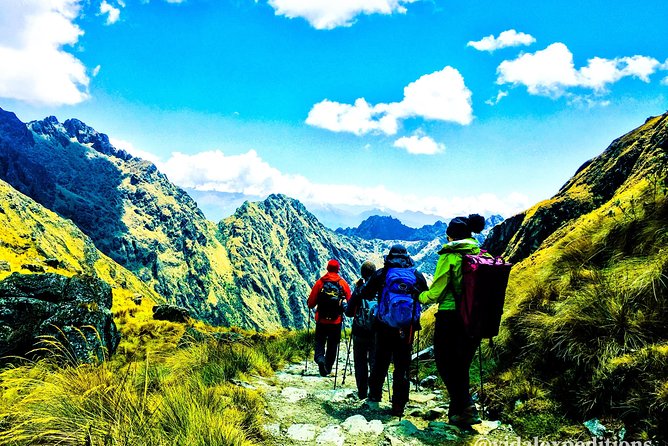
- Hiking Days Through Jungle Hills and Inca Sites
- Machu Picchu Finale via Sun Gate: The Big Moment
- Getting Back to Cusco: Train to Ollantaytambo, Bus Home
- Price and Logistics: What You’re Actually Paying For
- Pack Like a Pro: Weather Gear and Sleep Setup
- Who Should Book This Inca Trail Tour (and Who Should Rethink It)
- Should You Book Quechuas Expeditions for the Classic 4-Day Trail?
- FAQ
- What’s included in the 4-day Classic Inca Trail package?
- What’s not included in the tour?
- Do I need to bring my own sleeping bag?
- How many people are in the group?
- Is there a vegetarian meal option?
- How do I get to the trailhead?
- How do you return after Machu Picchu?
- What’s the cancellation policy?
- When is pickup/meeting available?
Key Things To Know Before You Go
- Small group limit (16 max): easier pace control and less chaos than big outfits.
- Meals + camp support included: tents, air mats, cooking setup, and porters for equipment and food.
- Permits and Machu Picchu tickets are covered: you’re not scrambling for paperwork at the last minute.
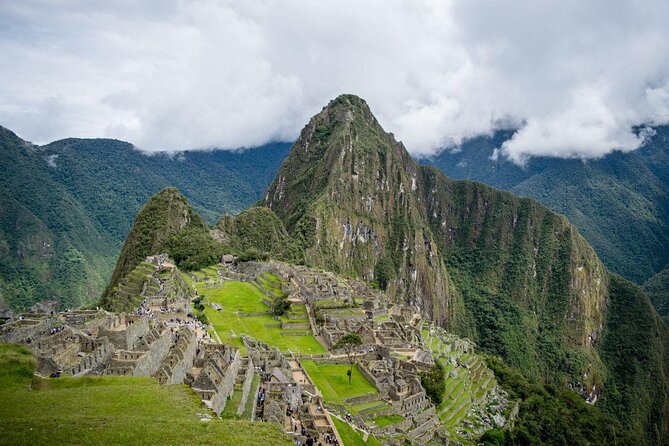
- Sun Gate arrival at Machu Picchu: the grand finish is built into the route.
- Round-trip return is simplified: train from Aguas Calientes to Ollantaytambo, then bus back to Cusco.
Classic Inca Trail Value: Why This 4-Day Option Works
The Classic Inca Trail is one of those rare tours where the “tour” part mostly disappears and you’re left with the actual point: the hike and the final reveal. You’re paying for two things at once: access (trail and Machu Picchu entry) and lift (camping gear, food handling, and transportation back to Cusco).
At $1,050 per person, it’s not cheap. But this price covers a lot more than a walking guide. You’re getting a professional tour guide, camping equipment (including tents, air mats, cooking tent setup, and portable chairs/tables), multiple meals, porters for the entire camp load, and the whole train-and-bus return plan. For many hikers, the value isn’t just comfort. It’s time and sanity.
There’s also a big “human” value here. Porters carrying camp equipment means you’re not turning your back into a moving storage unit. That matters on steep days, especially when you want your energy for the top sections and the Machu Picchu finale.
You can also read our reviews of more tours and experiences in Cusco

From Cusco To Km 82: The Start That Sets Your Mood
Your tour includes pickup from your Cusco hotel and transfer to Km 82, the trailhead. That seems like a minor detail, but it changes how you feel on day one. You don’t want your Inca Trail day to start with trying to figure out buses, timing, or where to stand.
Once you’re at the trailhead, you’ll shift from city altitude and planning mode into trail rhythm. This is where a guide matters. A good guide isn’t just counting steps; they help you understand what you’re passing and why it matters. One standout departure had a guide named Freddy, praised for Quechuan history and culture. Even if you don’t get Freddy, the point is the same: your guide can help turn “pretty hills” into real context.
Practical note: day one doesn’t include breakfast. So plan to eat before pickup, and bring something small for the walk if you need a boost early on.
Camping, Porters, and Meals: Comfort Without Distractions
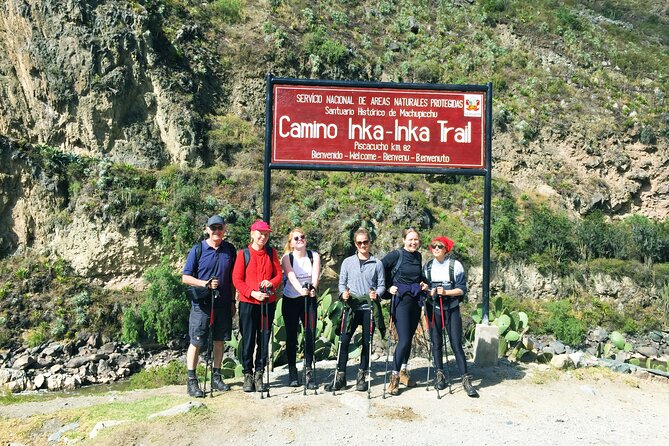
This is a camping trek. You’re not in a hotel, and you shouldn’t expect it to feel like one. What you can expect is that your camp life is set up for you.
The tour includes tents, air mats, and the cooking camp setup plus portable chairs and tables. It also includes porters who carry camping equipment and food. That’s the difference between “I’m surviving the trek” and “I can actually enjoy the trek.”
Meals are covered for most of the days: 4 breakfasts, 4 lunches, and 3 dinners are included, with specific exceptions (breakfast on day 1 and lunch on day 4 are not included). There’s also a vegetarian option with no extra cost.
Two small reality checks that will help:
- The included meals help you stay fueled, but you’ll still want to plan your snack strategy. Trail hunger often hits when you least expect it.
- Your camp routine depends on the day’s timing. When you arrive, you’ll transition quickly from hike to camp work. The smoother that process is, the better you sleep.
On one departure, the cook Armando was highlighted for meals prepared using camp cooking equipment and praised for being well worth the effort. That kind of cooking matters because good food helps you recover, not just fill space.
Hiking Days Through Jungle Hills and Inca Sites
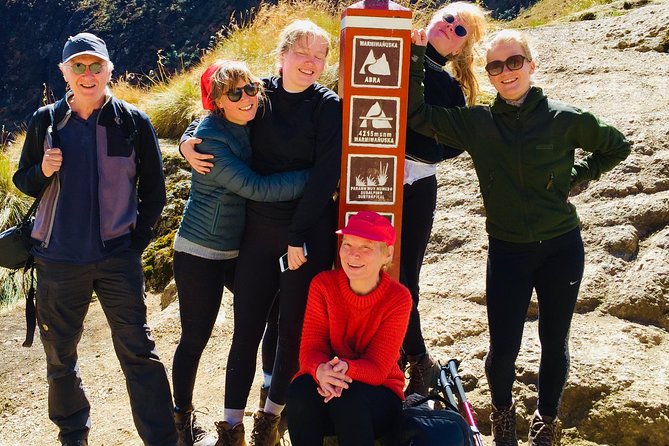
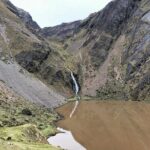
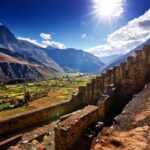
The route is described as moving through dense jungle with wonderful landscapes and Incan sites along the way. You’re not just walking in a straight line. You’ll be climbing, descending, and adjusting to changing trail conditions.
This is where your fitness matters. The tour explicitly calls for a strong physical fitness level. “Strong” doesn’t mean athlete. It means you can keep a steady pace for multiple days with elevation, uneven ground, and long hiking blocks.
Your guide helps you move with the group. That reduces the pressure of navigation and makes the hike feel safer. It also helps you manage energy because you’ll stop when the guide says you’ll stop, not when your body starts rebelling.
A drawback to keep in mind: trail days also mean trail inconveniences. On one departure, sanitary access was criticized, including the lack of a clean portable toilet setup. I can’t promise what every departure provides, so the best move is simple: ask your operator what sanitary setup you’ll have each day. Meanwhile, pack for the reality of outdoor hygiene (hand sanitizer, tissues, and a way to manage waste per the trail rules).
Machu Picchu Finale via Sun Gate: The Big Moment
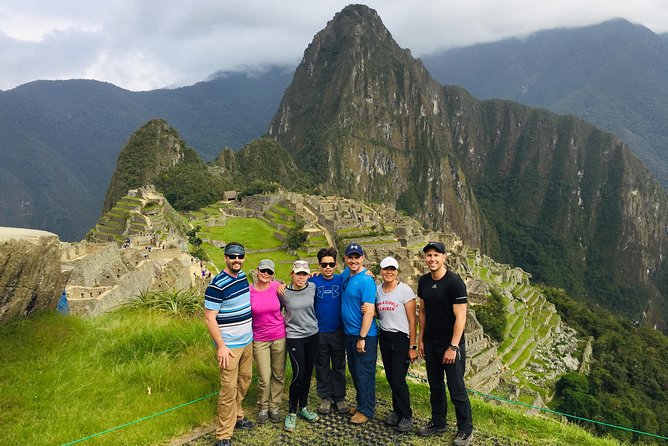
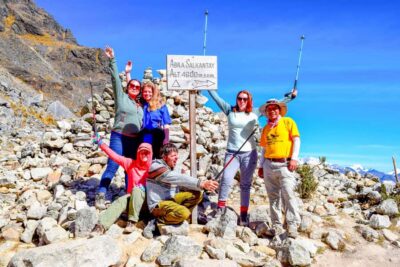
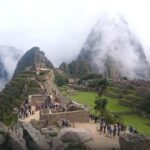
The “wow” of this tour is the arrival at Machu Picchu by Sun Gate. That’s a meaningful choice. Going in from Sun Gate adds drama and makes the first sight feel earned, not just scheduled.
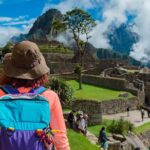
Machu Picchu tickets and permits are included, so you’re not hunting online or lining up early for entry. Also, the guide’s role changes here. On the trail, they help you hike. At Machu Picchu, they help you notice. That’s the difference between taking photos and actually understanding what you’re seeing: terraces, stonework alignment, and the way the site sits with the mountain and sky.
One more practical detail: included transport returns you from Aguas Calientes to Ollantaytambo by train, then bus back to Cusco. On the Machu Picchu end, pay attention to how your departure handles timing and what your included support does (and doesn’t) cover after the site visit.
On at least one departure, the guide wasn’t scheduled to accompany the group all the way from Machu Picchu to the hotel setup process. If you’re the kind of person who hates figuring things out mid-trip, bring extra patience and keep your own plans organized. If you want help, ask in advance exactly who stays with the group through the transfer steps.
Getting Back to Cusco: Train to Ollantaytambo, Bus Home
The return is included and fairly structured:
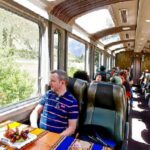
- Train expedition back from Aguas Calientes to Ollantaytambo
- Bus back to Cusco
This matters because the post-Machu Picchu hours can feel messy for people who are doing it on their own. The included plan takes the decision-making load off your shoulders.
That said, the success of the return depends on coordination. If the operator provides clear instructions for what you do when you reach Aguas Calientes, you’ll feel calm. If instructions are vague, you’ll be more stressed. If you’re nervous about that, request a clear handoff plan: where you’ll meet, when you’ll receive your gear, and how you’ll handle train and bus timing.
Price and Logistics: What You’re Actually Paying For
Let’s break down the money in plain terms.
Included that you would otherwise have to arrange or pay for:
- Pickup and transfer from Cusco to Km 82
- Professional tour guide
- Camping equipment (tents, air mats, cooking tent setup, portable chairs/tables)
- Meals: 4 breakfasts, 4 lunches, 3 dinners (with day 1 breakfast and day 4 lunch not included)
- Inca Trail permits and Machu Picchu permits/tickets
- Porters to carry camping equipment and food
- Return train from Aguas Calientes to Ollantaytambo, plus bus back to Cusco
Not included:
- Breakfast day 1 and lunch day 4
So yes, you’re paying for convenience and for the mountain logistics that most people can’t or don’t want to manage. If you like a plan that holds together, that’s where the value is. If you’d rather be totally self-directed and you don’t mind organizing permits, porters, and transport, then you might compare this against self-guided alternatives. But for most hikers, the bundled structure is what makes the Classic Trail doable.
Also: group size cap of 16 max is a real value feature. It’s big enough to feel like a group, small enough that delays don’t balloon into a daily misery routine.
Pack Like a Pro: Weather Gear and Sleep Setup
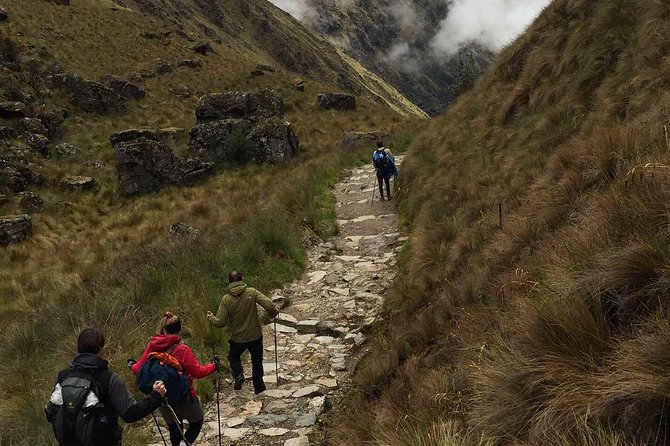
You’ll hike in a mountain jungle environment. That means sun, wind, and rain can all happen in one day, and temperature drops at night. The tour provides guidance on what you should bring, including specific layers and trail gear.
At minimum, plan around:
- A sleeping bag rated to -11 C / 12 F
- A rain poncho or rain jacket plus wind/rain pants
- A wind stopper layer (poly/fleece jacket) and a light sweater
- Trekking boots (not brand-new if you can help it)
- Two pairs of wool or synthetic socks
- A headlamp
- Water bottle and water treatment (the list specifically mentions Micropur tablets)
- Sun protection: sunscreen and UV sunglasses
- Insect repellent
If you want one honest tip: don’t skimp on rain protection. Wet legs and wet boots make every step feel harder than it needs to be. Also, bring a small day backpack that can handle essentials without turning into your main baggage.
Who Should Book This Inca Trail Tour (and Who Should Rethink It)
You’ll be a good fit if:
- You have strong physical fitness and can handle multi-day hiking
- You want the trail and Machu Picchu entry handled for you
- You like the idea of camping support with porters, instead of carrying the full load
You might rethink if:
- You’re extremely sensitive to sanitation comfort and expect a clean, hotel-style setup
- You want the same level of guide support from Machu Picchu all the way through every transfer step (ask what the handoffs look like)
- You dislike any uncertainty around practical details like treated water availability
One more point: this tour is operated by Quechuas Expeditions and notes a maximum group size of 16. Even with that, the overall feel of the trek can depend on the specific departure’s organization.
Should You Book Quechuas Expeditions for the Classic 4-Day Trail?
If you want the Classic Inca Trail experience with permits, camping gear, meals, porters, and a clear return plan packed into one deal, this is a strong contender. The Sun Gate arrival at Machu Picchu is the heart of it, and having the transport from Aguas Calientes back to Cusco built in is a big stress reducer.
That said, I’d book with your eyes open. Ask your operator ahead of time about:
- Whether treated water is provided or if you’re expected to rely on your own filter/tablets
- What sanitation setup you’ll have each day
- How the Machu Picchu support works after the site visit and who coordinates transfers
If those answers feel solid, you’re likely to end up with exactly what you came for: a real Inca Trail hike that ends with the kind of Machu Picchu arrival that makes people go quiet for a second.
FAQ
What’s included in the 4-day Classic Inca Trail package?
The tour includes hotel pickup in Cusco and transfer to Km 82, a professional tour guide, camping equipment (tents, air mats, cooking tents, chairs and tables), 4 breakfasts, 4 lunches, and 3 dinners with a vegetarian option at no extra cost, Inca Trail and Machu Picchu permits/tickets, porters for camping equipment and food, and the return train plus bus back to Cusco.
What’s not included in the tour?
Breakfast on day 1 and lunch on day 4 are not included.
Do I need to bring my own sleeping bag?
Yes. The provided packing guidance says to bring a sleeping bag rated to -11 C / 12 F.
How many people are in the group?
This tour/activity has a maximum of 16 travelers.
Is there a vegetarian meal option?
Yes. There is a vegetarian option with no extra cost.
How do I get to the trailhead?
You get pickup from your Cusco hotel and a transfer from Cusco to Km 82 (the trailhead).
How do you return after Machu Picchu?
You take the train expedition from Aguas Calientes to Ollantaytambo, then a bus back to Cusco.
What’s the cancellation policy?
This experience is non-refundable and cannot be changed for any reason. If you cancel or ask for an amendment, the amount paid is not refunded.
When is pickup/meeting available?
The listed opening hours are Monday–Sunday, 9:00 AM–8:00 PM during 11/21/2025–01/31/2027.