REVIEW · SACRED VALLEY TOURS
Complete Sacred Valley Tour (Full Day)
Book on Viator →Operated by Machu Picchu Peru Cusco · Bookable on Viator
A single day, four Sacred Valley highlights. This full-day loop out of Cusco hits Chinchero and Moray early, then finishes with Ollantaytambo and Pisac, with a small-group van ride.
I like the max-small-group feel and the easy flow of stops. I also love that your lunch is handled in Urubamba with a buffet, including a vegan option.
One thing to plan for: archaeological site tickets. Chinchero and Moray are marked as not included, so you’ll want to budget for a boleto turistico (and possibly the Maras salt mines fee if it shows up on your day plan).
In This Review
- Key points before you go
- A $38, 13-Hour Sacred Valley Day: What You’re Buying
- Cusco Pickup and Small-Group Van Comfort (Max 12–15)
- Chinchero at First Light: Crafts, Cobblestones, and a Wool Dye Demo
- Moray Terraces: Inca Agricultural Experiments Built for Rain
- Ollantaytambo Walk: Streams, Water Worship, and a Fortress Feel
- Pisac Market Time and Ruins: Handicrafts and a Late Return to Cusco
- Urubamba Buffet Lunch: What Included Meals Feel Like on Tour Days
- Guide Style Matters: When Willy Brings the Sacred Valley to Life
- Tickets and Budget Reality: Boleto Turistico and the “Not Included” List
- Who This Tour Suits (and Who Might Prefer a Different Pace)
- Should You Book This Full Day Sacred Valley Tour?
- FAQ
- How long is the Complete Sacred Valley Tour?
- What time does the tour start in Cusco?
- What size group is this tour?
- Is lunch included, and is there a vegan option?
- Which stops are included in the itinerary?
- What languages does the guide speak?
- Are entrance fees included for all sites?
- Are there additional ticket costs I should plan for?
- Can I cancel for a full refund?
Key points before you go
- Max 12–15 people keeps the day from feeling like cattle herding
- Bilingual guide (Spanish/English) means you get meaning, not just names
- Chinchero includes optional wool dye craft demos if you want to watch
- Moray’s terraces come with a practical story about drainage and rainy-season flooding
- Ollantaytambo and Pisac are listed as admission free on this itinerary
- Lunch in Urubamba is included, with a vegan buffet option
A $38, 13-Hour Sacred Valley Day: What You’re Buying
For $38 per person, you’re really paying for three big things: transport, a guide, and a lunch stop. The trade-off is that several key archaeological sites require extra tickets, so your total trip cost depends on how you handle the boleto turistico.
This is a long day on purpose: you start early in Cusco and aim to cover the highlights of the Sacred Valley circuit in one push. The upside is efficiency—especially if you don’t have many days in the region. The downside is you won’t have much time to linger slowly at every viewpoint; you’re moving from stop to stop with a set schedule.
Plan for an approximately 13-hour day, with a return to Cusco around 6:30–7:00 p.m. That puts dinner back in Cusco back on your menu, not a restaurant in the Valley.
You can also read our reviews of more tours and experiences in Cusco
Cusco Pickup and Small-Group Van Comfort (Max 12–15)
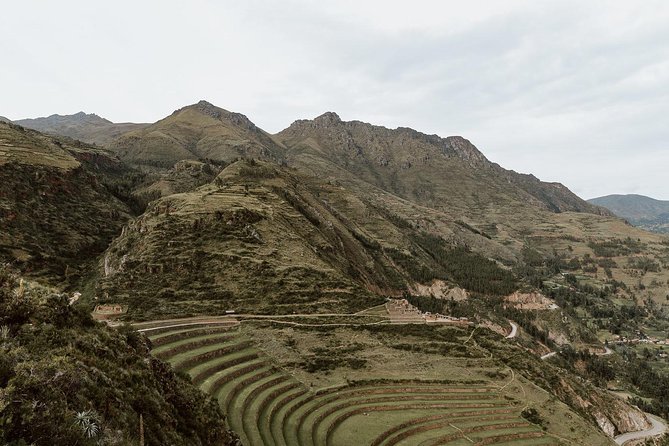
You’re picked up around 6:00 a.m. from your Cusco hotel area, and the start time is listed as 7:00 a.m. Either way, it’s an early start, so set your alarm like you mean it.
The tour is built around a smaller group size—maximum 12 is listed as the ideal cap, and another detail notes up to 15 travelers. Either way, the point is the same: you get a van ride that feels more manageable than a huge bus, and your guide can actually talk to the whole group without shouting for hours.
Also, you’re not handling your own transportation between stops. That matters on this route, where timing and coordination can eat up your day even if you’re an organized traveler.
Chinchero at First Light: Crafts, Cobblestones, and a Wool Dye Demo
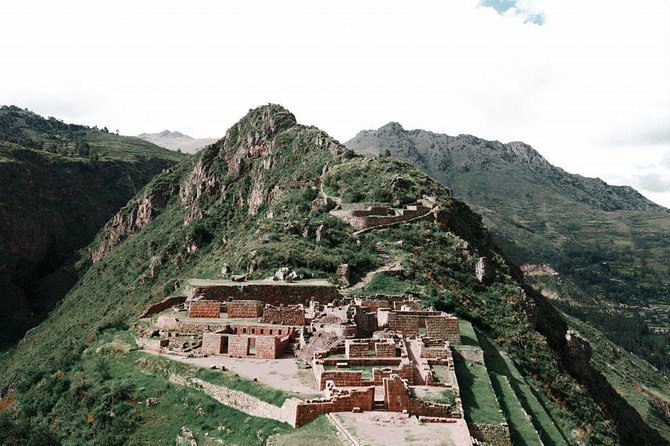
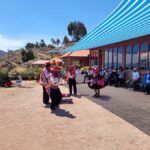
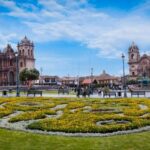
Chinchero is the kind of stop that sets the tone for the whole day. You travel about an hour from Cusco, and then you get a small village setting with adobe homes, narrow cobbled streets, and locals in traditional dress. This isn’t just scenery—it’s a place where Incan traditions and crafts are still practiced.
What I like most about Chinchero is the mix of everyday village life and heritage sites. The itinerary specifically mentions an Inca archaeological area plus a colonial temple of Chinchero, which gives you a clearer picture of how layers of history can sit side by side.
You may also have an option to see a wool washing and dye demonstration using native plants and minerals. If you’re the type who enjoys watching hands-on crafts, this is usually the moment that turns a photo stop into something more memorable. Even if you skip the demo, you’ll still have time to walk and take in the village vibe.
One consideration: the Chinchero stop is listed as 1 hour, and admission tickets are not included. That means you should assume you’ll pay extra if you don’t already have the right boleto.
Moray Terraces: Inca Agricultural Experiments Built for Rain
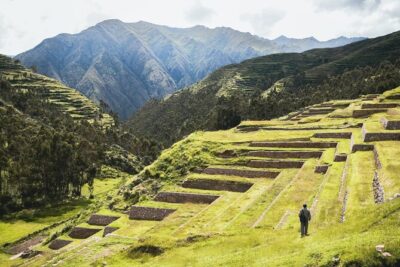
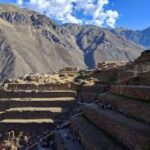
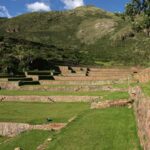
Then you head to Moray, where the scenery looks like a natural amphitheater carved into terraces. You’ll spend about 45 minutes here, and the main story is practical: the Incas used Moray for agricultural experiments and cultivating seeds.
The detail that makes Moray stand out is the drainage system at the bottom of the terraces. Instead of letting the site turn into a flooding mess during the rainy season, the Incas designed it to avoid flooding. That’s the kind of engineering that makes you stop thinking of these sites as ancient postcards and start thinking of them as real tools for food production.
Because admission is not included for Moray, your timing and budgeting should match your ticket plan. If you’re trying to keep costs down, check your boleto coverage before you show up.
Ollantaytambo Walk: Streams, Water Worship, and a Fortress Feel
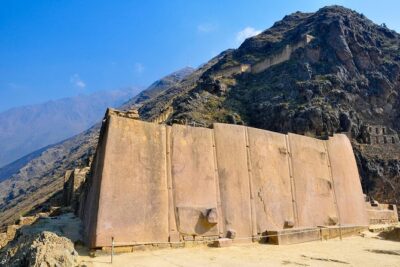
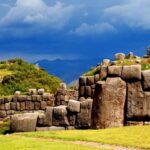
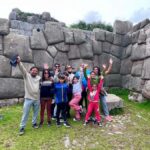
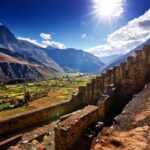
Ollantaytambo is where the day shifts from village exploration to a more classic Inca city vibe. You get about an hour here, and the good news is that admission is listed as free on this itinerary.
As you walk through the stone streets, the itinerary highlights that you’ll hear flowing water nearby. That small sensory detail really helps your brain imagine how the city worked back then—streets not just for passing through, but for daily life tied to water.
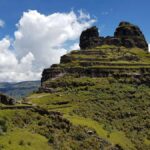
The upper part includes a ceremonial center linked to water worship, plus a fortress that protected access between the upper and lower valley areas. The result is that you feel the built-in logic of the place: worship space up top, defense and movement controlled through the layout.
If you tend to get tired on long days, consider using Ollantaytambo as your reset. It’s structured enough to keep moving, but interesting enough that you’re not just collecting stamps.
Pisac Market Time and Ruins: Handicrafts and a Late Return to Cusco
After Ollantaytambo, the tour heads to Pisac. This stop is built around two experiences: a lively artisan market and time to explore the Pisac ruins.
You’ll get about an hour total. That’s not a lot, so think of it as a taste. The market time is the chance to interact with townsfolk and shop for handicrafts and souvenirs. If you want to buy, go early in your free window so you’re not rushing at the end.
The itinerary also includes exploring the Pisac ruins, and it’s listed as admission free. That’s a nice payoff because it balances out the earlier stops where tickets were not included.
Then you’re back on the road, returning to Cusco at about 6:30–7:00 p.m. You’ll likely be glad you’re not doing more decision-making about dinner, since the day already has plenty of movement packed in.
Urubamba Buffet Lunch: What Included Meals Feel Like on Tour Days
Lunch is included in Urubamba, served as a buffet with a vegan option. On a day like this, that matters more than you might think. When you’re doing multiple archaeological stops, the risk isn’t only hunger—it’s also getting stuck in an expensive or low-quality meal while you wait for your next pickup.
A buffet is a practical solution because you can eat quickly and choose food that works for your appetite. If you’re vegan, it’s reassuring to see the option explicitly called out, rather than hoping there’s something you can eat.
Keep in mind you’re still in a 13-hour schedule, so don’t over-plan your lunch strategy. Eat what you need, keep water handy, and save your energy for the later stops.
Guide Style Matters: When Willy Brings the Sacred Valley to Life
The biggest difference between a basic tour and a memorable tour is usually the guide. The best version of this experience comes down to storytelling that connects place, culture, and real-world details.
One guide name that comes up strongly is Willy. The praise is for his patience, his humor, and the way he explains the Incas with both spirituality and modern context. That kind of approach makes the stops feel linked, not like four random stops on a checklist.
Even if you don’t have Willy, you should still expect a bilingual guide who can explain what you’re looking at in a way that clicks—especially at Moray and Ollantaytambo, where the engineering and ceremonial purpose are what give the sites their weight.
I’d treat your guide like part of your itinerary. Ask quick questions when you can. If you only use the guide to translate signs, you’ll miss half the value.
Tickets and Budget Reality: Boleto Turistico and the “Not Included” List
Let’s talk money like an adult. The tour costs $38, but ticket costs are where many day tours get tricky.
Here’s what’s marked:
- Partial tourist ticket (Boleto Turístico): 70 soles per person
- Full sites (130 soles) for 10 days
- Chinchero: admission ticket not included (listed)
- Moray: admission ticket not included (listed)
- Ollantaytambo: admission free on this itinerary
- Pisac: admission free on this itinerary
- Maras salt mines entrance fee: 10 soles per person is listed as not included
That last line is interesting because the main itinerary you’re given focuses on Chinchero, Moray, Ollantaytambo, and Pisac. If your day plan includes Maras in practice, then budget for it. If not, you can ignore it—but since it’s in the not-included notes, it’s smart to be aware.
How to think about the boleto choice:
- If you’re staying in Cusco for multiple days and plan to visit several sites, the full sites boleto can reduce hassle.
- If you’re only doing a couple of ticketed sites, the partial might make more sense.
Either way, check what you’ll do during your trip, then match the boleto.
Who This Tour Suits (and Who Might Prefer a Different Pace)
This tour is a good fit if you want a structured overview of the Sacred Valley without organizing transport yourself. It’s also a strong choice for first-timers in the Cusco area who want to see the major themes in one day: Inca agriculture experiments, city planning, ceremonial water connections, and craft traditions.
It’s also useful if you’re short on time. A full-day route that strings together Chinchero, Moray, Ollantaytambo, and Pisac can feel like a win when you only have a couple of days.
You might want a different pace if you prefer to linger at viewpoints for long stretches or if you hate ticket logistics. Since tickets are not included for some stops, you’ll spend some mental energy on budgeting and timing. Also, it’s a long day, and the early start is real.
Should You Book This Full Day Sacred Valley Tour?
I think you should book it if you match this profile: you want the main Sacred Valley highlights, you appreciate a small-group feel, and you’re okay with paying extra for some site admissions.
It’s especially worth it when you care about explanation, not just sightseeing. The tour format gives you enough time in each place to understand why it matters, and the Urubamba lunch stops you from burning your day on food searches.
If you’re the type who wants to travel slowly, this might feel like too much movement. But if your priority is getting the story of the Valley in one efficient day, this plan hits the sweet spot.
FAQ
How long is the Complete Sacred Valley Tour?
The tour runs for approximately 13 hours.
What time does the tour start in Cusco?
You’re picked up from your hotel in Cusco at around 6:00 a.m., and the start time is listed as 7:00 a.m.
What size group is this tour?
It’s described as a small group, with a maximum of 12 people listed in the highlights, and another detail listing a maximum of 15 travelers.
Is lunch included, and is there a vegan option?
Yes. Lunch in Urubamba is included as a buffet, and a vegan option is offered.
Which stops are included in the itinerary?
The main stops are Chinchero, Moray, Ollantaytambo, and Pisac, with a return to Cusco around 6:30–7:00 p.m.
What languages does the guide speak?
The guide is bilingual, Spanish and English.
Are entrance fees included for all sites?
No. Chinchero and Moray are listed as admission ticket not included, while Ollantaytambo and Pisac are listed as free on this itinerary.
Are there additional ticket costs I should plan for?
The boleto turístico is not included, with prices listed for a partial ticket (70 soles) and a full sites ticket (130 soles) valid for 10 days. The salt mines of Maras entrance fee (10 soles) is listed as not included.
Can I cancel for a full refund?
Yes. You can cancel for a full refund up to 24 hours before the experience’s start time.