REVIEW · SACRED VALLEY TOURS
Sacred Valley Tour in Cusco
Book on Viator →Operated by Yapa Explorers · Bookable on Viator
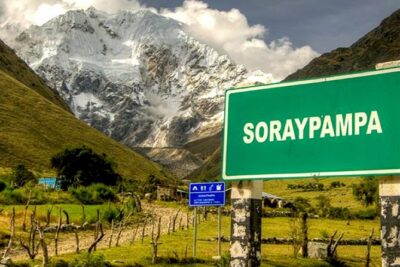
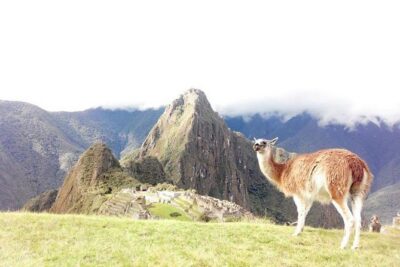
Cusco’s Sacred Valley feels close, yet totally different. This small-group day trip pairs hotel pickup with a clear route through Pisac, Urubamba, and key Inca-era sites, plus artisan culture in Chinchero. It’s one of those tours where the long drive turns into part of the story, not wasted time.
I like the practical pacing. You get real time at each stop, and the guide keeps things moving while still sharing enough context to make the ruins and villages make sense. I also love the included buffet lunch in the Sacred Valley, which means you can eat without hunting for a place mid-route.
One thing to plan for: entrance fees are not included, so you’ll want cash ready. If you’re pairing this with other tours, the ticket note about 130 soles could affect your total budget.
In This Review
- Key Points You’ll Care About
- Hotel Pickup and an 11-Hour Route That Actually Works
- Sacred Valley Morning: The Ride Toward Pisac
- Pisac: Archaeological Site plus an Artisan Market You Can Walk Through
- Urubamba Lunch at Puka Punku: Fuel That Doesn’t Feel Like a Token Meal
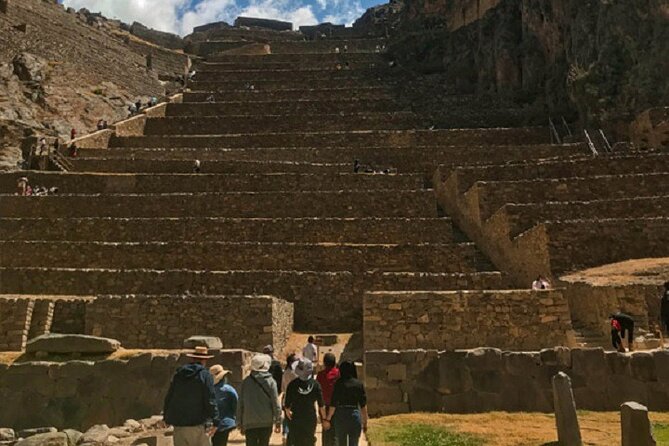
- Ollantaytambo in the Afternoon: Ruins with a Strong Sense of Place
- Chinchero and a Different Road Back to Cusco
- Guides, Group Size, and Why the Day Feels Smooth
- Price and Logistics: What You’re Paying For (and What You Still Need)
- What You Can Skip by Booking This (and What You Still Control)
- Who Should Book This Sacred Valley Day Trip?
- Should You Book? My Decision Checklist
- FAQ
- FAQ
- What is the duration of the Sacred Valley Tour from Cusco?
- How much does the tour cost?
- What time does the tour start?
- What stops are included during the day?
- Is lunch included?
- Are entrance tickets included?
- What language options are available for the guide?
- What is the group size limit?
- Where do you get dropped off in Cusco?
- What is the cancellation policy?
Key Points You’ll Care About
- Small-group size (max 15) keeps the day feeling personal and easier to ask questions.
- Hotel pickup and drop-off simplifies Cusco logistics, especially with an early start.
- Buffet lunch at Puka Punku restaurant removes the guesswork for where and what to eat.
- Pisac + artisan market mixes archaeology with everyday Andean crafts.
- Ollantaytambo and Chinchero in one afternoon gives you two different village-site vibes.
- Budget extra for entrance tickets so the day stays smooth, not stressful.
Hotel Pickup and an 11-Hour Route That Actually Works
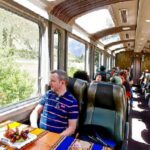
This is a full-day tour, roughly 11 hours, focused on getting you out of Cusco and back without the hassle of arranging taxis or figuring out buses. The mini-bus picks you up from your Cusco hotel area in the morning and returns you to the city center at the end, at San Francisco Square.
The start time is listed as 6:30 am, and the journey begins around 7:30 am. Either way, plan for an early morning. Cusco mornings can be slow going, so this kind of organized departure helps you get momentum before you’re tired.
The route itself is the value piece. You’re not just driving past places and hoping you’ll remember them later. The day is structured with meaningful stops: Pisac first, then Urubamba for lunch, then Ollantaytambo and Chinchero before heading back to Cusco on a different road than the morning route. That variation matters because you get a broader sense of the valley.
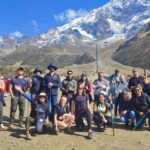
Finally, the group size cap of 15 people changes how the day feels. You’re less likely to get stuck listening from the back of a crowd. It’s the kind of format where the guide can keep an eye on timing and where you can ask questions without feeling ignored.
You can also read our reviews of more tours and experiences in Cusco.
Sacred Valley Morning: The Ride Toward Pisac
The morning starts with the mini-bus pickup and a mountain drive toward Pisac. The itinerary gives you about 3 hours at the first major stop, so you’re not stuck with a quick photo stop before the real exploring begins.
In practical terms, that early drive is also your warm-up. You’ll likely spend the ride building context: what you’re seeing, why it mattered in the ancient empire, and how the sites connect across the valley. A good guide makes this part count, because when you finally step into an archaeological area, you’re not just looking at stones. You’re looking with a framework.
You also get a built-in rhythm. This tour keeps a steady pace from morning onward, which helps if you’re trying to see a lot in one day without turning the trip into a sprint.
If you hate early wake-ups, you’ll feel it here. But if you’re trying to maximize your time in and around Cusco, an organized day like this is one of the simplest ways to do it.
Pisac: Archaeological Site plus an Artisan Market You Can Walk Through
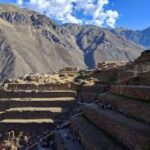
Pisac is where the day starts turning from scenery into culture. You’ll spend about 3 hours exploring the archaeological site and then moving into the artisan market.
What makes this stop especially useful is the combination. The archaeological site gives you the big-picture feel of a historically important place. Then the market brings it back to something you can touch and see right now: terraces and temples are part of what you’ll notice, and the market adds the human layer through crafts and local commerce.
This is a good place to slow down a bit. Don’t rush the market because you’re afraid you’ll miss time at the ruins. If you pace yourself, you can do both without feeling like you’re juggling. Ask your guide what to look for in the site area. Then use the market time to browse at your own speed, even if you only end up buying a small souvenir.
One small consideration: markets move fast. If you plan to shop, go early in your market window so you’re not stuck negotiating when time pressure kicks in.
Urubamba Lunch at Puka Punku: Fuel That Doesn’t Feel Like a Token Meal
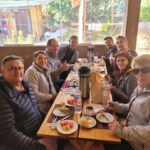
After Pisac, you’ll head through the valley to Urubamba, with about 2 hours set aside for lunch. The buffet is included, and it’s at the Puka Punku restaurant.
I love this kind of lunch stop because it solves two problems at once. First, it keeps your schedule on track; you’re not searching for a restaurant while other people are waiting. Second, you get a proper meal with options, which matters on a day where you’ll be walking around sites after a drive.
The description notes different dishes and unique Andean flavors. Since it’s a buffet, you can eat light or go heavier depending on your energy. I recommend eating like you have a hike coming later, even if you don’t plan it that way. Your body will thank you in the afternoon.
If you’re picky about food, the fact that it’s a buffet is also helpful. You can choose what agrees with you. Still, if you have strong dietary restrictions, you’ll want to be prepared to ask questions once you’re there, because the tour details here don’t list ingredients.
Ollantaytambo in the Afternoon: Ruins with a Strong Sense of Place
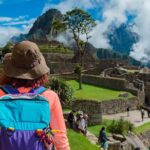
In the afternoon, you visit the archaeological site of Ollantaytambo. The tour calls out that you’ll discover its culture, history, and the sense of magic that people associate with it. Even without getting overly dramatic, that’s exactly the right way to frame Ollantaytambo for a first-time visit: it’s the kind of site where the setting matters as much as the stones.
This stop is also strategically placed. After the morning and lunch, you’re ready for another concentrated block of seeing and learning, without having to cram it immediately after waking up.
Since the itinerary doesn’t give a specific hour count for this middle-afternoon segment, think of it as flexible time managed by the guide and the day’s pace. You’ll likely get guided context while still having enough moments to stand back and look around.
If you’re the type who enjoys taking photos, give yourself time to step away from the busiest angles. A site like this rewards a little patience.

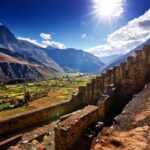
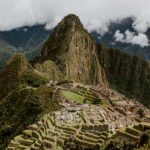
Chinchero and a Different Road Back to Cusco
After Ollantaytambo, the tour continues to Cusco by a different route than the morning road. On the way, you stop at Chinchero, another village known for its archaeological site, chapel, and weaving families.
Chinchero works well as a follow-up because it’s not just ruins. You get a blend: archaeological structures plus religious architecture (the chapel) plus living craft traditions through weaving families. It’s a nice balance after Ollantaytambo, which leans more heavily into the ancient site experience.
The weaving element is often what makes this stop feel current. Even if you’re not buying, watching the process (or asking basic questions) helps connect what you see in the ruins to what people do today in the valley.
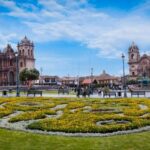
Then you finish by returning to Cusco and getting dropped at San Francisco Square. That drop-off point is useful because it’s central enough that you can transition easily to dinner, a walk, or a taxi without needing to start another mini expedition.
Guides, Group Size, and Why the Day Feels Smooth
The tour includes a professional guide in Spanish or English, and that guide quality is a big part of why this tour stays in the five-star zone. In the feedback you can’t miss themes: attentive explanations, clear historical details, and a rhythm that matches the group.
A small-group setup (max 15) is the practical reason this works. When the group isn’t too large, the guide can adjust pacing. If someone needs a slower walk, it’s easier to accommodate. If you have questions about what you’re looking at, you can get answers without waiting for a microphone-style moment.
This matters on a day trip where you have a long drive and multiple stops. The difference between a chaotic tour and a good one is usually timing and communication. Here, the structure is tight enough that you’re not constantly wondering what happens next.
If you’re traveling solo, this kind of setup can also help you meet fellow people to talk with during rides. The itinerary itself doesn’t advertise it, but the small group size naturally creates time for conversation.
Price and Logistics: What You’re Paying For (and What You Still Need)
The price is $47.00 per person, and the tour includes the guide, transport, and the buffet lunch. That’s the core value: you’re buying a managed day with transport between multiple sites and a pre-arranged lunch so you don’t waste time figuring things out.
The not-included piece is important. Entrance tickets are not included, and the note says plan for PEN 70.00 per person for entrance fees. It also mentions 130 soles if you’re doing the City Tour or Maras – Moray. That suggests the operator expects some people to stack multiple tours, and they’re offering a different ticketing arrangement in that case.
Here’s the practical way to think about it:
- If you’re doing only this tour, bring cash for the entrance fees.
- If you’re stacking tours, double-check how the entrance fees are being handled so you don’t pay twice.
Budgeting tip: carry a bit more than the minimum. It’s not about being extravagant. It’s about avoiding the awkward moment of running short on cash when you’re already on the road.
Also note: free cancellation is offered up to 24 hours before the start time. If your Cusco plans change, that flexibility is genuinely useful, especially with the kind of daily schedule this tour requires.
What You Can Skip by Booking This (and What You Still Control)
One of the biggest hidden benefits is what this tour removes from your day. You don’t have to:
- coordinate hotel pickups,
- line up transport between major sites,
- decide where to eat lunch,
- or worry about being late to each stop.
That means you can focus on what you actually want: seeing Pisac, Urubamba, Ollantaytambo, and Chinchero in one structured day.
At the same time, you still control how you experience the stops. This isn’t a rush-and-run contest. You can take your time at the market, slow down at the archaeological areas, and decide how long you linger. The guide keeps the explanations going, but you still get space to look on your own.
If you like independence, choose this tour when you want less logistics and more guidance. If you want total freedom with no fixed schedule, this won’t be that kind of day.
Who Should Book This Sacred Valley Day Trip?
This tour suits you if:
- you have limited time in Cusco,
- you want a structured one-day Sacred Valley overview,
- you appreciate a guide who explains what you’re seeing (in English or Spanish),
- you like small groups with a maximum of 15 people.
It’s also a good match if you want the Sacred Valley mix: archaeology plus everyday village life through artisan culture and weaving families. That combination makes the day more complete than ruins-only itineraries.
If you’re the type who hates early mornings, you’ll still see plenty, but you should accept that the day starts early and stays full.
Should You Book? My Decision Checklist
I’d book this tour if you want a no-stress way to cover the Sacred Valley highlights with a small group and an included lunch. The price makes sense for what’s handled for you: transport, a professional guide, and a scheduled lunch stop that keeps the day from turning into a scramble.
I’d pause before booking if you don’t want to deal with entrance fees or if your budget is extremely tight. The tour is reasonably priced, but the cash you’ll need on top for tickets is real.
If your plan is to do other tours in the Cusco area, pay attention to the ticket note about the 130 soles figure. That could change your total cost based on what you’re already booked for. It’s worth confirming so you can plan a clean budget.
FAQ
FAQ
What is the duration of the Sacred Valley Tour from Cusco?
The tour is listed as approximately 11 hours.
How much does the tour cost?
The price is $47.00 per person.
What time does the tour start?
The meeting start time is 6:30 am. The journey begins at around 7:30 am after pickup.
What stops are included during the day?
The tour includes Cusco, Pisac, Urubamba, Ollantaytambo, and a stop in Chinchero.
Is lunch included?
Yes. A buffet lunch is included at Puka Punku restaurant.
Are entrance tickets included?
No. Entrance tickets are not included. The information provided mentions PEN 70.00 per person for entrance fees, and also notes 130 soles if you are doing the City Tour or Maras – Moray.
What language options are available for the guide?
The tour includes professional guides in Spanish or English.
What is the group size limit?
The maximum group size is 15 travelers.
Where do you get dropped off in Cusco?
You return to Cusco city center, with drop-off at San Francisco Square.
What is the cancellation policy?
Cancellation is free up to 24 hours before the experience start time for a full refund. If you cancel less than 24 hours before, the amount paid is not refunded.