REVIEW · HIKING & TREKKING
Salkantay Trek to Machu Picchu in 4 days
Book on Viator →Operated by Incredible Peru Tours · Bookable on Viator
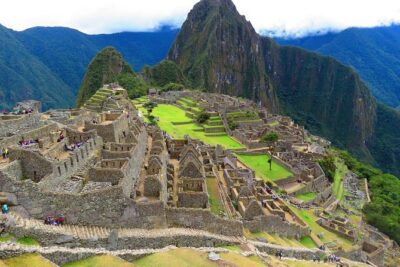
One early bus ride in Peru can change your whole trip, and this one starts with stunning Humantay Lagoon in the high Andes. You get a classic Salkantay-to-Machu Picchu route with dramatic mountain passes, cooler cloud-forest trails, and then a real guided walk through the Inca citadel at sunrise timing.
I especially like how much is handled for you: hotel pickup at 5:00 am, meals all included, mule support for your luggage, and the right mix of hiking plus transport on the longer legs. I also like the small-group feel (max 10 travelers) and the thoughtful touches like tea time in camp with snacks, plus guided explanations at Machu Picchu.
One caution: there’s a safety/health concern tied to what the operator advertises. A negative review claims the first aid kit and oxygen balloon were not available when needed, so you’ll want to confirm these items before you go, especially if you’re prone to altitude issues.
In This Review
- Key highlights at a glance
- Cusco pickup at 5:00 am, plus the one document you must not forget
- Mollepata breakfast and the Challacancha start at 3600 m
- Soraypampa, Laguna Humantay at 4200 m, and camp tea with sunset views
- The Salkantay Pass: your hardest day, your biggest views
- Wayraqmachai lunch, cloud forest descent, and the domes at Sahuayaco
- Coffee farm morning in Sahuayaco, then Intihuatana and the Urubamba River route
- Machu Picchu at 6:30 am: bus zigzags, a 2-hour guided tour, and photo time
- What the $590 price includes (and where the value really shows)
- Guide quality: why names like Gilber and Rene show up for a reason
- Health and safety: the one thing you should verify before you pay attention to anything else
- Weather can change everything (and that’s not a small detail)
- Who this trek fits best
- Should you book the Salkantay Trek to Machu Picchu in 4 days?
- FAQ
- What time is the Cusco pickup?
- Do I need my passport?
- What’s the hardest part of the trek?
- What kind of food and lodging are included?
- Is Machu Picchu admission included, and is there a guide?
- Is Huayna Picchu included?
Key highlights at a glance
- Humantay Lagoon at 4200 m: a short but high hike that pays off with big photo time.
- Salkantay Pass day: the toughest push, with a big payoff when the pass reveals the snow peaks.
- Cloud forest descent: the feel changes fast—more vegetation, warmer air, and a different kind of trekking.
- Dome lodging at Sahuayaco: a memorable night in luxury wood-and-glass sky domes after a hard day.
- Intihuatana stop en route to Aguas Calientes: an Inca sundial site breaks up the walking day.
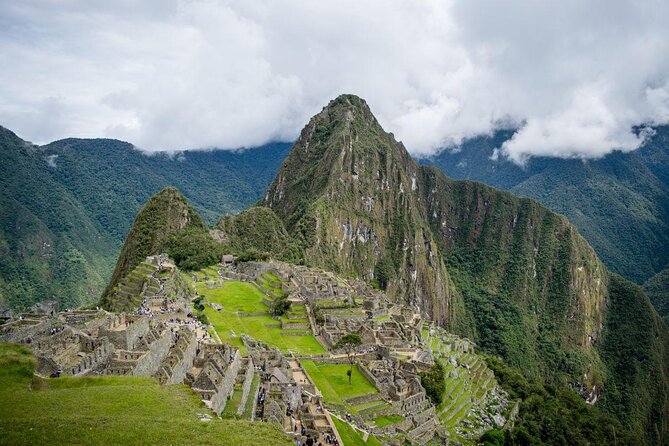
- Guided Machu Picchu tour (about 2 hours): you don’t just enter the ruins, you learn what you’re seeing.
Cusco pickup at 5:00 am, plus the one document you must not forget
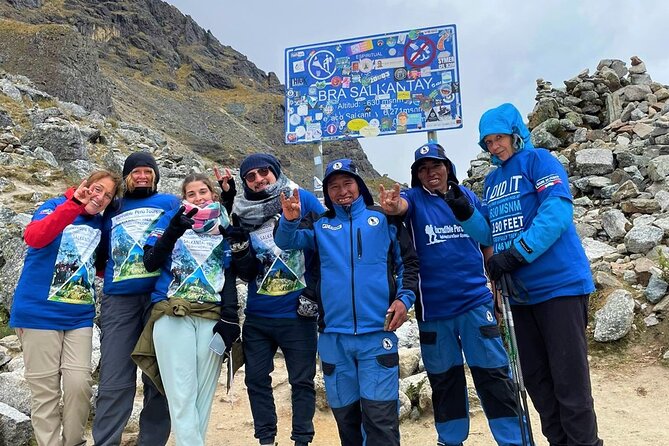
This trip begins in Cusco before the sun is up. You’re picked up from your hotel at 5:00 am by private transport with your guide and cook, so plan to be ready the night before. If you’re staying outside the city center, the operator also mentions pickup from hotels in the Sacred Valley.
Bring your original passport. You’ll need it at control points along the route, and missing it can turn a smooth morning into a stressful delay.
The group size is small, capped at about 10 travelers, which usually means you get a more human pace and fewer people to manage during photo stops and transitions. It’s not a party trek; it’s a serious foot-and-ferry plan designed to reach Machu Picchu on schedule.
You can also read our reviews of more hiking tours in Cusco
Mollepata breakfast and the Challacancha start at 3600 m
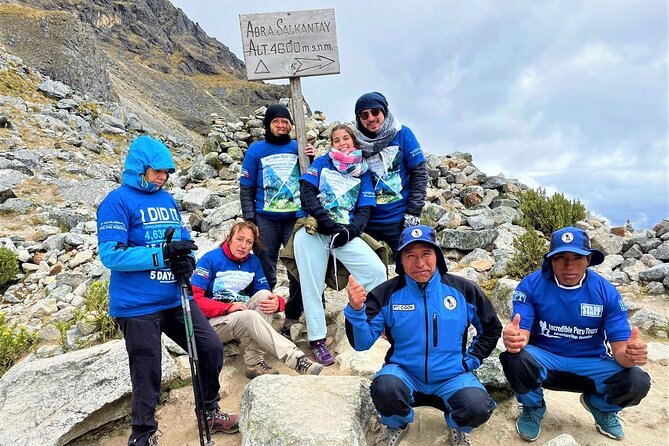
After leaving Cusco, you transfer about two hours to Mollepata. You get a one-hour break and your first breakfast at a local restaurant, plus views along the way of snowy peaks and valleys with colorful scenery.
Then you ride to Challacancha (about 3600 m), your walking start. This is where trekking becomes real because the altitude hits you fast—your breathing changes, and you’ll want to go easy for the first hour.
From here, the morning trek is around 10 km (about three hours) to Soraypampa. The route runs along a stony path, with clean, cold water in an old channel alongside the trail. It’s the kind of detail that makes the walk feel less like moving through “nothing” and more like you’re traveling through an inhabited landscape.
A practical note: your luggage is managed for you. The tour states they’ll carry up to 7 kg / 15 pounds for you using mules, so you carry a small day pack with water. That’s a huge comfort win for your shoulders on Day 2.
Soraypampa, Laguna Humantay at 4200 m, and camp tea with sunset views
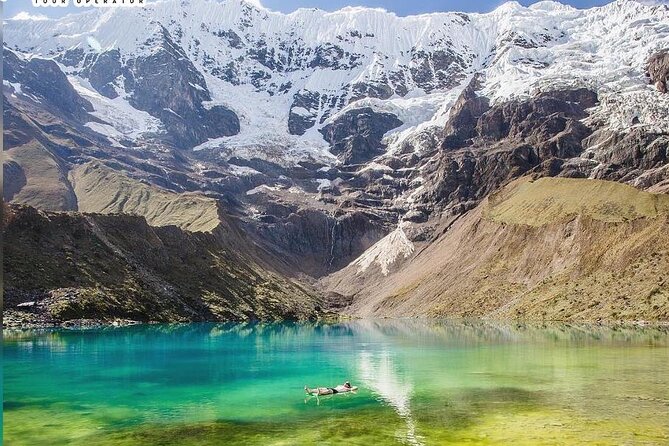
Day 1 finishes with two stand-out moments: camp arrival in Soraypampa and the hike up to Laguna Humantay (4200 m).
After reaching Soraypampa around 5:30 pm, you get tea time—hot coffee or tea, popcorn, and cookies. Then you watch the sunset over the snowy peaks. If skies are clear, this is one of those “why did I ever think this was too far?” moments.
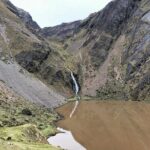
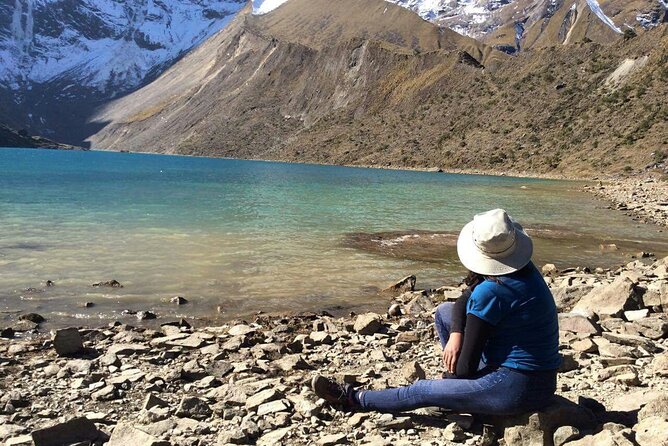
In the afternoon, you walk up to Laguna Humantay. The uphill push is about 1.5 hours, and you’re there at a high altitude where photos can look almost unreal—especially if the weather cooperates. The tour also schedules enough time at the lagoon so you’re not rushed through pictures and back out immediately.
At night, dinner is included, and the tour mentions the option to look up at stars and constellations. Even if you think star gazing won’t be your thing, being at elevation with reduced light pollution often changes that.
The Salkantay Pass: your hardest day, your biggest views
This is the “go slow and stay steady” day. You wake around 5:00 am to coca tea, then breakfast before the climb. The tour frames Day 2 as the hardest day, and the schedule supports that: you’re working uphill toward the highest point.
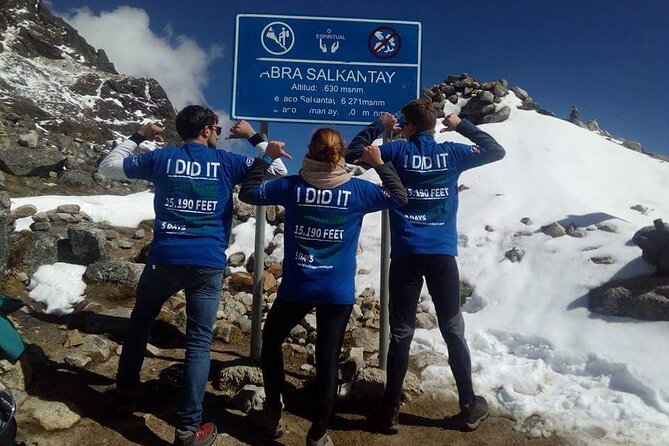
You hike for about 3 hours to Pampa Salkantay (around 4200 m). From there, you keep climbing for roughly 2 more hours until you reach Salkantay Pass at about 4630 m. Expect your legs to feel it, but also expect big, clean mountain views if weather is on your side.
Once you reach the pass, you get a rest and time for photos. The tour specifically highlights views of Nevado Salkantay plus other snowy peaks, and it also mentions a cloud-forest feel in the lower valleys. That matters because you’re not just “going up and down.” You’re moving through different ecological zones, and the trail keeps changing character.
One more thing to consider: altitude is the silent challenge here. The pass is high, and the distance is less forgiving if you start too fast. Hydrate, keep your pace calm, and tell your guide if you feel off. This is also where your confidence in health and safety support matters most.
Wayraqmachai lunch, cloud forest descent, and the domes at Sahuayaco
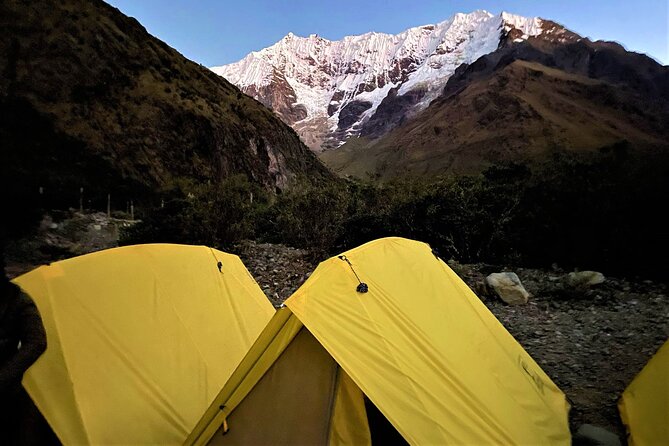
After the pass, the day turns into a descent. You move toward Wayraqmachai, arriving around 1:30 pm, then have lunch before continuing down through the High Forest / cloud forest area. The tour notes the vegetation and native plants, and that conditions are usually warm and temperate in this zone.
You then reach Colpapampa around 4:00 pm. From there, a vehicle meets you for about 1 hour, taking you to the Eco Domes Majestic Sky Domes in the Sahuayaco area, arriving around 5:00 pm.
If you want a change from the typical “basic trek camp” vibe, this is it. After settling in, you get tea time with hot chocolate, coffee, cookies, and popcorn, then dinner. The dome setup isn’t just a novelty; it’s a real recovery benefit. After a high, hard day on the trail, you’ll appreciate a warm, comfortable place to reset before the next walking stretch.
You can also read our reviews of more tours and experiences in Cusco
Coffee farm morning in Sahuayaco, then Intihuatana and the Urubamba River route
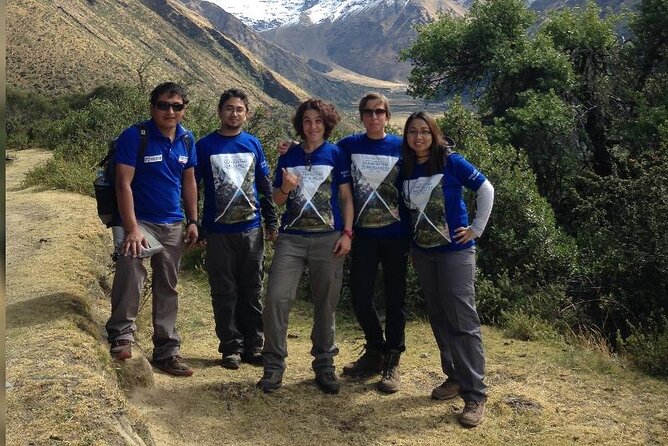
Day 3 begins with a lighter feel: a morning walk around Sahuayaco and a visit to local plantations. The tour lists bananas, avocados, oranges, medicinal plants, and coffee. If you like understanding how people survive in the highlands, this part adds grounding.
It also includes a chance to visit a local coffee farm where you can taste freshly prepared coffee made from roasted and ground beans. This is a rare break from pure trekking scenery and gives you something to talk about later besides altitude and blisters.
After a return to the lodge around 11:00 am, the plan shifts toward Hydroelectric Power Plant around 2:30 pm. From there, you hike toward Aguas Calientes, with a slight climb early on and then a route that follows flat sections along train tracks and close to the Urubamba River.
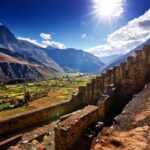
On the way, you visit Intihuatana, described as an ancient Inca sundial carved into natural rock. You’ll also get views toward Huayna Picchu and Machu Picchu from the route, which is a cool way to start connecting the dots before you actually see the citadel.
The walk to Aguas Calientes takes about 3 hours, and you arrive around 5:30 pm. Dinner is included at a tourist restaurant, and your guide gives important info for the next day’s Machu Picchu visit so you’re not scrambling at the wrong time. You’re also encouraged to sleep early because you’ll leave Aguas Calientes very early for the sunrise-ish entrance.
Machu Picchu at 6:30 am: bus zigzags, a 2-hour guided tour, and photo time
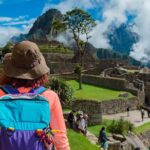
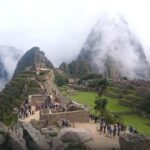
On Day 4, you leave your hotel at about 5:30 am. You walk to the bus station, then ascend by tourist bus for about 30 minutes along a zigzag path to Machu Picchu. Arrival is around 6:30 am at 2400 m.
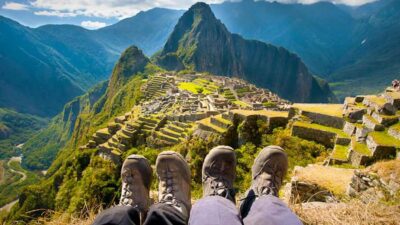
This timing is why Salkantay is popular as an alternative route: you get to stand in front of Machu Picchu early enough that the site feels more vivid and less crowded. The tour includes a guided tour of roughly 2 hours with a professional guide who covers history and key places.
After the guided portion, you get free time. This is when you can slow down and take photos, walk around on your own, and focus on the sections that grabbed you during the explanations.
The tour also mentions a possibility to climb Huayna Picchu depending on availability. If that’s a must-do for you, it’s worth asking how availability is handled in your exact booking and what time window you’d be expected to join.
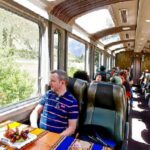
In the afternoon, you take the tourist bus down, then switch to the train for the return leg. You arrive in Ollantaytambo around 7:40 pm, then transfer back to Cusco by bus arriving around 10:00 pm. The tour can also drop you at hotels in the Sacred Valley if you prefer.
What the $590 price includes (and where the value really shows)
At $590 per person for about four days, this is not a “cheap trek,” but it’s also not a bare-bones setup. The value comes from combining several expensive logistics in one package: guide services, major entrance tickets, transport segments, meals, and lodging.
Included items that matter in real life:
- Professional English-speaking guide plus a cook and kitchen assistant.
- Entrance tickets for the Salkantay route, Humantay Lagoon, and the Inca Citadel of Machu Picchu.
- Food all-inclusive: 4 breakfasts, 4 lunches, and 3 dinners, plus vegetarian/vegan/special diet meals.
- Lodging for 3 nights: Soraypampa, then sky domes at Sahuayaco, then a private-bath hotel room in Aguas Calientes.
- Transport pieces: Cusco to the start point, vehicle from Colpapampa to the dome lodge, and the return bus to Cusco.
- Hop-on hop-off bus tickets between Aguas Calientes and Machu Picchu.
- Train ticket from Aguas Calientes to Ollantaytambo.
When you compare this to planning everything yourself, the cost starts to make sense. You pay for fewer decisions, fewer ticket headaches, and a working system for meal timing and baggage movement.
Guide quality: why names like Gilber and Rene show up for a reason
The trek lives or dies by the guide, and this operator uses professional guides and cooks to keep everything moving. In the better experiences, the guide named Gilber is praised for being very knowledgeable, with long conversations that go beyond surface facts.
Another name that stands out is Rene, who is credited with making the activity possible for all participants—even with the physical demand. That’s exactly what you want on a tough day: someone who can pace a group and keep you from overreaching.
There’s also a mixed note involving the guide Herbert. In one negative review, Herbert is described as great personally, while the company’s side of things (health/safety and communication) is criticized. That tells me you should judge the people on the ground, but also verify the systems they rely on.
Health and safety: the one thing you should verify before you pay attention to anything else
A key criticism ties to what’s supposed to be carried: the itinerary lists a first aid kit and an emergency oxygen balloon carried by the guide. One unhappy experience claims those items were not present when needed, and the traveler had to pay out of pocket for emergency help lowering elevation by taxi.
I can’t promise how your trip will run. But I can tell you what you should do: ask the operator directly, in writing if possible, whether the first aid kit and oxygen balloon are definitely carried on your specific departure. Also ask who administers it and when it would be used.
Even with perfect support, altitude can still hit you. So come prepared with your own basics: your preferred blister care, any personal meds you normally rely on, and a water plan you can stick to.
Weather can change everything (and that’s not a small detail)
This trek requires good weather. The operator notes that if it’s canceled due to poor weather, you’ll be offered a different date or a full refund.
Because you’re dealing with high passes and exposed trail segments, weather risk is real on the Salkantay route. If your trip timing is fixed, consider building in buffer days in Cusco so you can handle a reschedule.
Who this trek fits best
This is best for you if:
- You’re comfortable with a moderate physical fitness level and can handle a hard ascent day.
- You want a guided Machu Picchu experience without trying to stitch together multiple independent providers.
- You like variety: lagoon views, high pass air, then cloud forest and coffee-farm culture.
It’s less ideal if:
- You hate early mornings (5:00 am pickup and then another early start into Machu Picchu).
- You’re worried about medical uncertainty and you can’t spare time to follow up on safety equipment.
Should you book the Salkantay Trek to Machu Picchu in 4 days?
If you want the Salkantay route and you like structured support, I think this itinerary is a solid value—especially because it bundles tickets, meals, lodging, and the Machu Picchu guided visit into one plan. The dome lodging at Sahuayaco and the mix of altitude trekking plus Urubamba river walking make it feel like more than just a means to an end.
But book with eyes open. Before you go, confirm the first aid kit and oxygen balloon claim, and double-check communication timing so you’re not guessing about pickup details days before departure. If you do that homework, you’ll likely get the best version of the trip: strong guiding, a smooth day-by-day rhythm, and that first early view of Machu Picchu that makes all the uphill feel worth it.
FAQ
What time is the Cusco pickup?
Pickup starts at 5:00 am from your hotel in Cusco (and also from hotels in the Sacred Valley).
Do I need my passport?
Yes. You’re told to carry your original passport, since it’s required at control points along the route.
What’s the hardest part of the trek?
The second trekking day is described as the hardest, with a long climb to the Salkantay Pass (about 4630 m).
What kind of food and lodging are included?
The tour includes 4 breakfasts, 4 lunches, and 3 dinners, plus 3 nights of accommodation: Soraypampa, sky domes at Sahuayaco, and a private-bath hotel room in Aguas Calientes.
Is Machu Picchu admission included, and is there a guide?
Yes. You get an entrance ticket to Machu Picchu and a guided tour of the Inca citadel (about 2 hours), plus free time afterward.
Is Huayna Picchu included?
The tour includes an entrance ticket to Huayna Picchu if available, depending on availability for your time slot.