REVIEW · MACHU PICCHU TOURS
2 Day Sacred Valley and Machu Picchu Guided Tour from Cusco
Book on Viator →Operated by Machu Picchu Peru Tours · Bookable on Viator
Some places hit you fast. This one does it with Sacred Valley views and Machu Picchu timing that actually works.
What I like most is that you get a structured, guided day through key Sacred Valley highlights, then a guided Machu Picchu visit the next morning without wasting time figuring out logistics. I also love the practical flow: pickup, comfortable transportation, included meals, an overnight in Aguas Calientes, and train back to Cusco.
The only real drawback to consider is the schedule. You’re up early and you’re moving between Cusco, the Sacred Valley circuit, Ollantaytambo, Aguas Calientes, and Machu Picchu in a tight 2-day window.
In This Review
- Key things to know before you go
- Early Cusco logistics: when the day really begins
- Sacred Valley morning with Q’orao, Taray, and Pisac
- Q’orao: textiles and ceramics
- Taray: viewpoint time for the valley
- Pisac: crafts, market energy, and archaeology
- Urubamba lunch and Ollantaytambo: where the logistics get real
- The evening link: train to Aguas Calientes and your hotel handoff
- Overnight base in Aguas Calientes: why included lodging helps
- Day 2 Machu Picchu: controls, a 2-hour guided route, then freedom
- Free time after the guide
- The return cycle: train at 19:00 and arrival in Cusco by 22:00
- Price and logistics: what you’re paying for at $679
- Guides, small group size, and why it changes the feel
- Possible drawback: a tight pace and a timed Machu Picchu window
- Who should book this tour, and who might prefer something else
- Book it if you:
- Consider a different style if you:
- Quick practical tips so it feels smoother
- Should you book this Sacred Valley and Machu Picchu guided tour?
- FAQ
- What time does pickup start from Cusco?
- Is the Machu Picchu entrance ticket included?
- Is the BTC (Sacred Valley Tourist Ticket) included?
- Where do we sleep, and is lodging included?
- How many people are in the group?
- What if the weather is bad?
Key things to know before you go
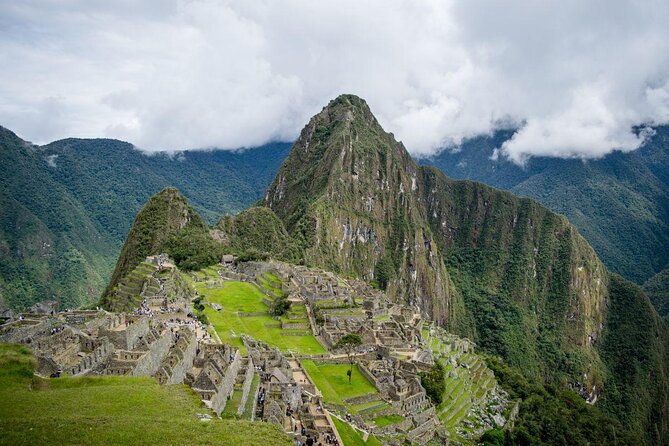
- Small-group format: maximum 12 travelers, so questions don’t get lost in the crowd.
- Early starts are part of the deal: Sacred Valley pickup begins around 6:30 am in central Cusco.
- Guided Machu Picchu first, then explore: a 2-hour guided tour followed by free time on your own.
- Overnight in Aguas Calientes is included: one night plus meals (breakfast and lunch) makes the trip feel less rushed.
- Machu Picchu access is built in: bus to the site and the entrance ticket are included, not something you scramble for.
- One payment you should plan for separately: the BTC (130 Soles) for the Sacred Valley is not included.
Early Cusco logistics: when the day really begins
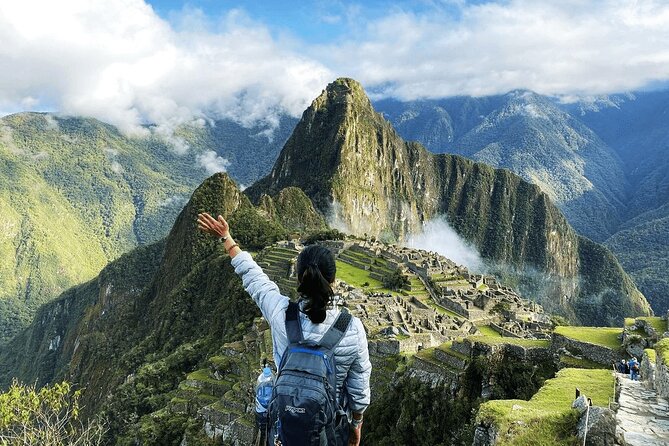
This is a 2-day itinerary designed to maximize two of Peru’s biggest highlights without requiring you to coordinate trains, bus schedules, and timed entries on your own.
Your official start time is listed as 4:00 am, and hotel pickup for the Sacred Valley portion is scheduled at 6:30 am for hotels located within Cusco’s historic center. That early push matters because it sets you up for better light, fewer last-minute ticket worries, and a smoother entry day.
The tour also ends back in Cusco at Plaza San Francisco around 22:00, so you’ll be back in the city the same night after Machu Picchu.
You can also read our reviews of more guided tours in Cusco
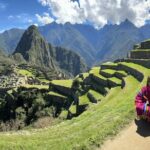
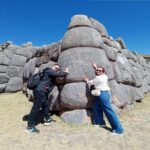
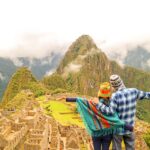
Sacred Valley morning with Q’orao, Taray, and Pisac
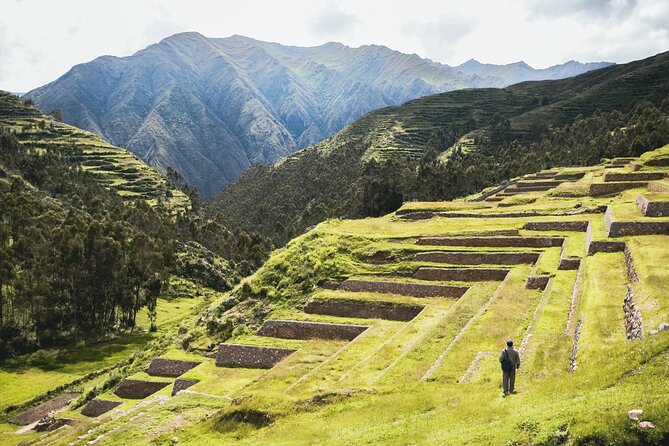
The Sacred Valley portion starts with a Cusco pickup and a scenic drive through smaller Andean communities. It’s not just driving time. The stops are chosen to give you variety: crafts, viewpoints, and an archaeological/market town vibe.
Q’orao: textiles and ceramics
One of the first culture stops is Q’orao, where you can appreciate textile art and ceramics. This is the kind of stop that’s worth slowing down for, because it gives you something tangible to look for later when you see Inca-era patterns and modern Andean craftsmanship across the region.
If you like learning how design and daily life connect, this is a good early anchor before the larger ruins and viewpoints.
Taray: viewpoint time for the valley
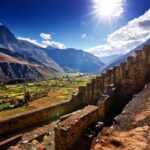
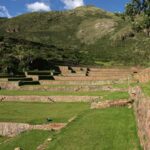
Next comes Taray, which works as a viewpoint for the entire Sacred Valley. Even if you’re not the type to photograph constantly, you’ll want this moment to get oriented. You start to understand why the Sacred Valley mattered and how the geography supports agriculture.
A practical note: viewpoint stops are time-sensitive. Wear layers and be ready to move when the group moves.
Pisac: crafts, market energy, and archaeology
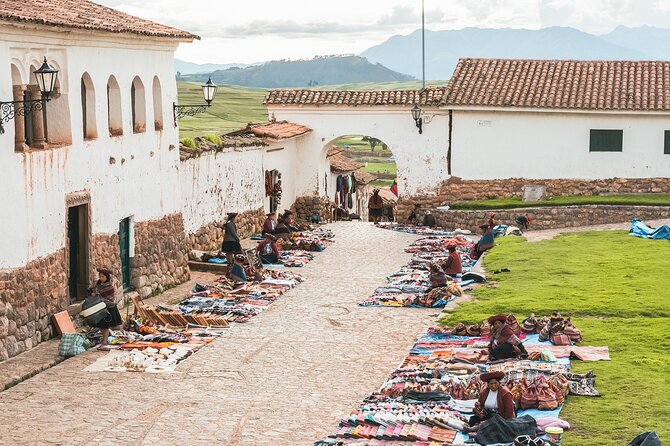
Then you reach Pisac, a classic Andean village known for handicrafts, markets, and archaeological remains. This is where the day gets lively. You can browse handicraft fairs, check out typical markets, and still see the historical sites rather than treating it like a quick photo stop.
What makes Pisac especially valuable in a guided format is interpretation. A guide can point out what you’re looking at and why it’s positioned where it is.
You can also read our reviews of more tours and experiences in Cusco


Urubamba lunch and Ollantaytambo: where the logistics get real
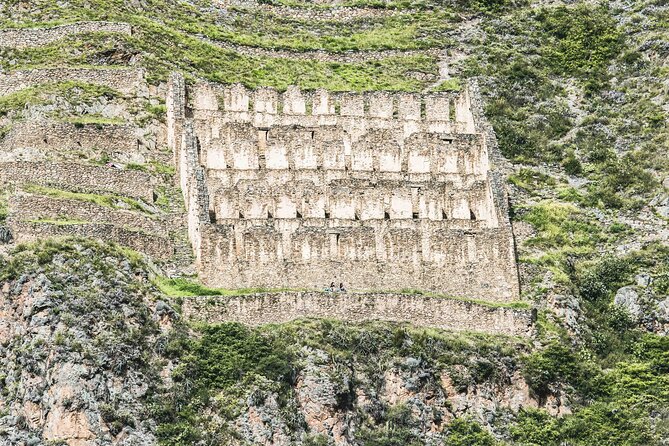
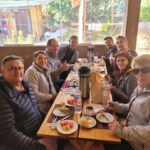
By the time you reach Urubamba, you’ll have earned a proper break. The tour includes a buffet lunch here, which is a big deal on a day like this because you don’t have to hunt for food between stops.
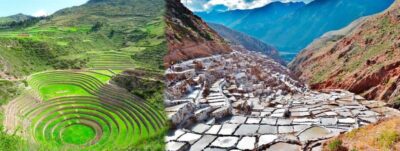
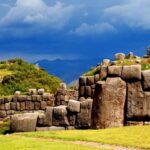
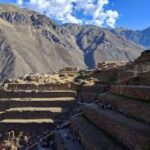
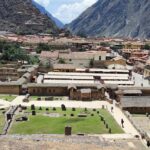
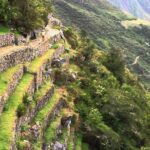
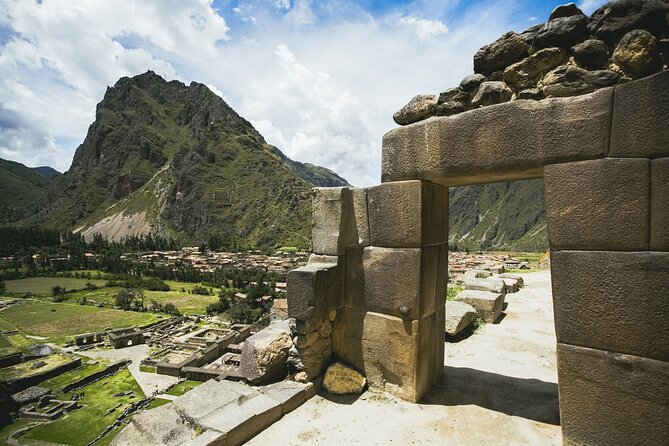
After lunch, you head toward Ollantaytambo, described as an agricultural, administrative, social, religious, and military center from the Tahuantinsuyo era. The core appeal is the mix of temples, terraces, and irrigation canals—a reminder that the Incas weren’t only building monuments. They were managing water and space with intent.
You’re also timing your arrival around the train transfer to Aguas Calientes later that night. That’s why this stop feels different from a standalone sightseeing afternoon: it’s both history and a moving part of your Machu Picchu plan.
The evening link: train to Aguas Calientes and your hotel handoff
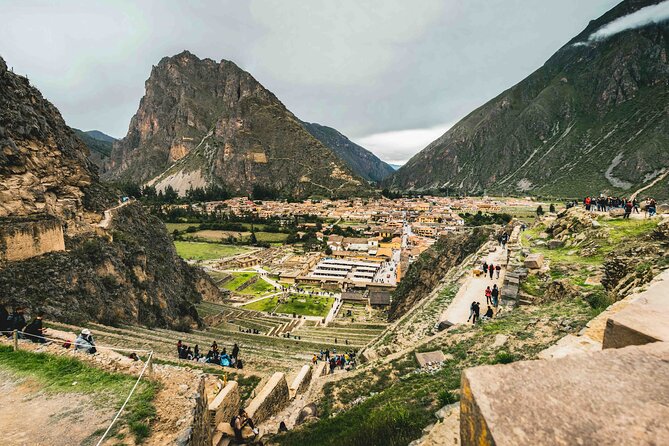
Day 1 pivots hard into travel mode.
At 19:00, you go to Ollantaytambo train station and board the train to Aguas Calientes. You’ll arrive around 20:40. Once you step off the train, a hotel transfer is waiting for you with a sign that lists your names, followed by transport to your lodging.
Around 21:30, your guide returns to share details for the next day. I like this timing because it gives you a calm, last check right when you’re settled, not when you’re already in motion.
Overnight base in Aguas Calientes: why included lodging helps
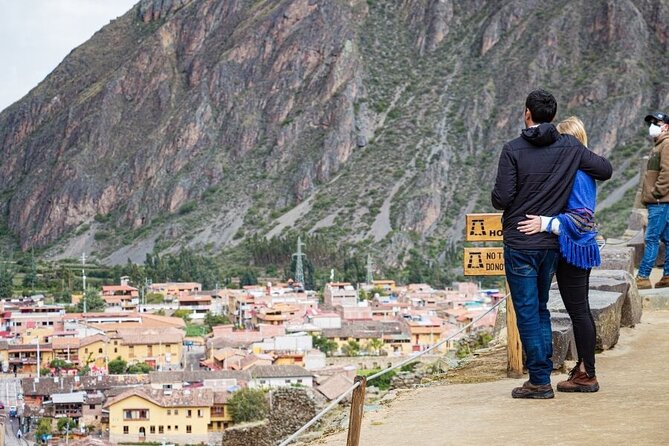
Your one-night accommodation in Aguas Calientes is included, which is one of the smartest value pieces of this tour. Machu Picchu schedules can force you into expensive, last-minute hotel hunts, especially if you’re trying to coordinate multiple bookings.
Having the hotel arranged means you can focus on sleep and next-day logistics. You’re also in the right place geographically: the morning bus and entrance process is much more straightforward when you’re already near the site.
If you get motion sickness easily, the key is to plan how you’ll rest. The day includes plenty of car time plus train time, so build a low-effort evening: eat, reset, and keep tomorrow’s layers ready.
Day 2 Machu Picchu: controls, a 2-hour guided route, then freedom
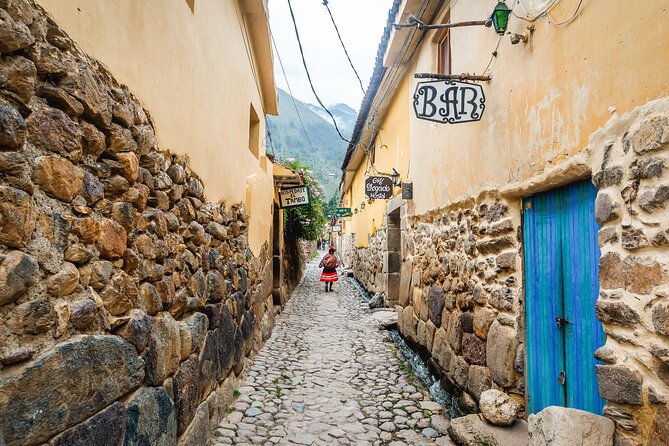
The Machu Picchu morning starts with a hotel pickup around 06:30. From there, you head to the bus station, then up to the Inca citadel.
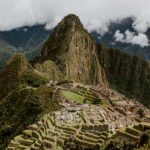
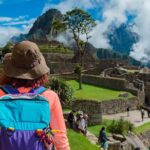
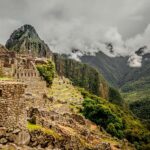
Once you reach Machu Picchu and pass the controls, you start with a guided tour lasting about 2 hours. This portion matters because Machu Picchu can feel like a collection of stone when you don’t know what to look for. With a guide, you get context quickly: how the complex is laid out and what different areas likely meant.
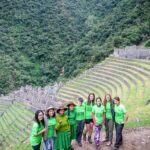
Guides featured with this tour include people like Alex, Jorge, and Jessica Sotero—and in the experience reports, what stands out is the passion in the explanations and their helpfulness when you want photos.
Free time after the guide
After the guided portion, you get a few hours to visit on your own. I like this balance. The guide helps you get oriented, then your free time lets you slow down where you personally care most: viewpoints, photo angles, or just walking the paths without stopping for narration.
This tour then sends you back to Aguas Calientes at 13:00 for free time for lunch and exploring the town. That break is important. You’ve already done the big concentration of effort, so lunch and decompression help you enjoy the rest of the afternoon instead of rushing.
The return cycle: train at 19:00 and arrival in Cusco by 22:00
Your departure from Aguas Calientes is set for 18:30, when you’re waiting at the station. The train leaves at 19:00 and arrives at Ollantaytambo around 20:45, with the train journey listed as 1 hour and 40 minutes.
Then comes the last leg: a minivan transfer back to Cusco. The drive is about 1 hour and 45 minutes, and the tour ends at Plaza San Francisco in Cusco at 22:00.
This matters if you’re planning dinner or catching a later connection after returning. With a tour that ends in the central area, you’re not left stranded at the edge of town.
Price and logistics: what you’re paying for at $679
At $679 per person, the headline price can look steep until you break down what’s included.
This tour covers:
- Breakfast and lunch
- Transport throughout the Sacred Valley and transfers
- A local guide
- Bus ticket to Machu Picchu and entrance ticket to Machu Picchu
- One night accommodation in Aguas Calientes
- Train ticket (tourist class)
What’s not included:
- Food other than the mentioned meals
- Accommodation in Cusco
- BTC (Tourist Ticket – Sacred Valley), 130 Soles
For me, the value comes from how much coordination is removed. Instead of buying multiple components separately—train, bus, entry, and lodging—you get a single package that handles the timing. You still pay the Sacred Valley BTC separately, but the biggest unknowns are reduced.
If you already have Cusco lodging and you’re comfortable planning other travel costs, this can be a straightforward win: you pay for structure, and you get fewer moving pieces during a high-demand trip.
Guides, small group size, and why it changes the feel
This tour runs with a maximum group size of 12 travelers. In plain terms, that number makes the day easier to manage. Questions are more likely to get answered, you’re less likely to get dropped into a rushed herd, and the guide can adjust when someone needs a slower pace.
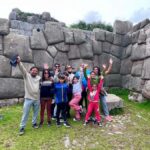
In the experience notes tied to this tour, guides like Alex and Jorge are singled out for explanations that feel enthusiastic and clear. Another guide named Jessica Sotero is praised for being attentive and even helping people with family photo moments—small touches that matter when your time at Machu Picchu is limited.
If you want more “learn as you walk” guidance instead of a quick drive-by, the guide-led format here is one of the best parts.
Possible drawback: a tight pace and a timed Machu Picchu window
The downside of doing this in just 2 days is simple: you move fast. Early pickups, a long Sacred Valley day, an overnight, then a Machu Picchu morning with a 2-hour guided tour and later free time.
That can work great if you want one strong, efficient trip. If you prefer slow travel, long museum time, or lingering at ruins without a schedule, you might find the pace demanding.
Also, Machu Picchu plans depend on the weather. This experience requires good weather, and if it’s canceled due to poor conditions, you’ll be offered a different date or a full refund.
Who should book this tour, and who might prefer something else
Book it if you:
- Want a ready-made plan from Cusco to Machu Picchu without juggling train and ticket details
- Like guided interpretation, especially for big sites like Machu Picchu and Ollantaytambo
- Prefer small-group energy (up to 12) over large buses
- Have limited time in the region and still want both Sacred Valley and Machu Picchu
Consider a different style if you:
- Want to spend more days in the Sacred Valley or in Cusco itself
- Dislike early starts and long travel blocks
- Prefer fully independent pacing once you arrive
Quick practical tips so it feels smoother
Here are the things that tend to matter most for this exact kind of itinerary.
- Plan for layers. You’ll move from Cusco morning chill to warmer valley areas and back to cooler early Machu Picchu hours.
- Keep your documents accessible. You’ll pass controls at Machu Picchu, and the day is timed.
- Budget the BTC separately. The Sacred Valley BTC (130 Soles) is not included, so carry enough cash.
- Treat the Aguas Calientes evening as prep time. Your guide meets you around 21:30 to brief the next day, so get sleep and keep next-day clothes ready.
- Think about photos during free time. The guided portion is great for understanding; the extra hours after give you space for your personal angles.
Should you book this Sacred Valley and Machu Picchu guided tour?
I’d book it if you want a clean, efficient path through Peru’s two big draws with minimal stress. The inclusion of Machu Picchu access (bus + entrance), train to Aguas Calientes, one night lodging, plus breakfast and lunch makes it easier to compare value than many “half-included” tours.
I’d skip it if you want a slower pace or you’re the type who likes to wander without a schedule. In that case, the early mornings and timed Machu Picchu rhythm may feel too structured for your style.
FAQ
What time does pickup start from Cusco?
The tour has an official start time of 4:00 am. For hotels in Cusco’s historic center, hotel pickup for the Sacred Valley portion is scheduled around 6:30 am.
Is the Machu Picchu entrance ticket included?
Yes. The entrance ticket to Machu Picchu is included, along with the bus ticket to reach the site.
Is the BTC (Sacred Valley Tourist Ticket) included?
No. The BTC (Tourist Ticket – Sacred Valley) is not included and costs 130 Soles.
Where do we sleep, and is lodging included?
You’ll get one night accommodation in Aguas Calientes, and breakfast is included for the next day. Cusco accommodation is not included.
How many people are in the group?
The tour has a maximum of 12 travelers.
What if the weather is bad?
This experience requires good weather. If it’s canceled due to poor weather, you’ll be offered a different date or a full refund.
If you want, tell me your travel month and your Machu Picchu ticket style (bus timing preference if you know it). I can help you judge whether this 2-day pace fits your trip.