REVIEW · ATV & QUAD BIKE TOURS
Sacred Valley: Maras & Moray by Quad Bike from Cusco
Book on GetYourGuide →Operated by Peru Andes Top · Bookable on GetYourGuide
Cusco’s Sacred Valley gets loud fast. This quad-bike day keeps it fun without turning into an all-day slog, pairing Moray’s terraces with outside-only salt mine views from the Urubamba region.
I really like the format: a van ride out, a quick ATV practice session, then real time on four wheels with mountain scenery built into the travel. The best part is that you get two big “Sacred Valley hits” in one go without needing a private driver.
What I like most: the timing works. You spend a meaningful chunk on the ATV (with instruction up front), then you still have time to pause for photos at the salt pans and look properly at Moray. I also appreciate how safety is handled from the start, and how guides often help with pictures, so you’re not just fighting your own camera while the dust hits.
One thing to consider: this is a dusty dirt-road ride. You’ll want old clothes, and if you’re expecting trails only, you might be surprised by the road mix. Also, entrance tickets are not included, so plan for extra costs once you arrive (cash helps).
In This Review
- Key highlights worth getting excited about
- Quad Bikes in the Sacred Valley: what this 6-hour adventure really delivers
- From Cusco to Cruz Pata: van time, altitude reality, and ATV practice
- Moray Terraces by ATV: seeing crop experimentation up close
- Maras salt mines from the outside: viewpoints, peaks, and salt shopping
- Price and logistics: value, tickets, and what can catch you off guard
- What to wear and pack so you enjoy the ride (not just survive it)
- Safety, guide style, and how the single vs double ATV choice plays out
- Who this Sacred Valley quad-bike tour is for
- Should you book this quad bike tour?
- FAQ
- How long is the Sacred Valley: Maras & Moray quad bike tour from Cusco?
- Is hotel pickup included from Cusco?
- Do I need tickets for Moray and the salt mines?
- Will I drive the ATV at the Maras salt mines?
- What should I bring for the ride?
- Is this tour suitable for everyone?
Key highlights worth getting excited about
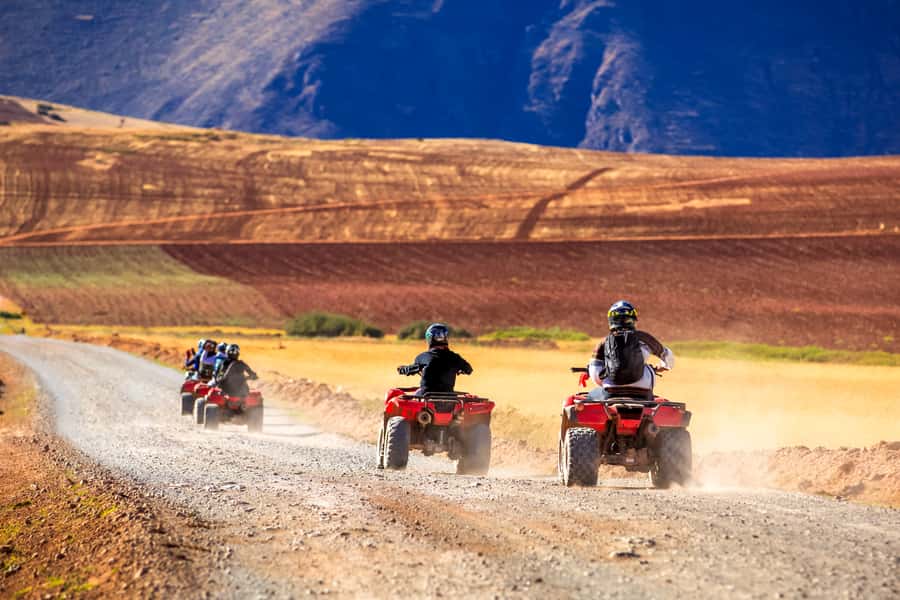
- ATV training before you ride, so first-timers aren’t thrown straight into it
- Moray agricultural terraces, seen up close as part of the Sacred Valley story
- Urubamba Mountain views, including the peaks of Verónica and Chicón
- Maras salt mines outside-only, with a viewpoint plus time to shop salt products
- Guides who help with photos, mentioned by name in multiple guides (Joel, Carlos, Frank, and others)
Quad Bikes in the Sacred Valley: what this 6-hour adventure really delivers
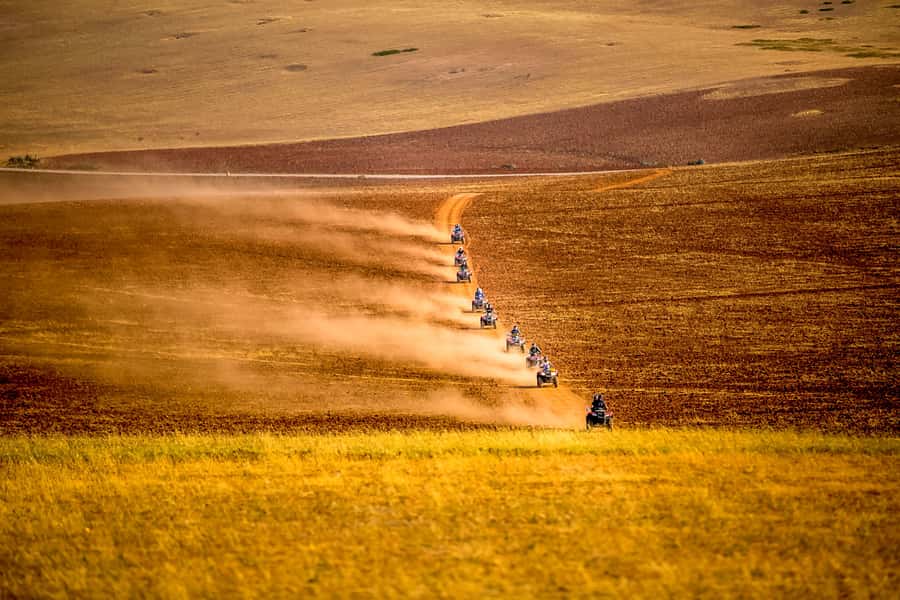
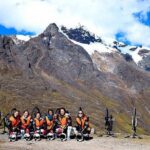
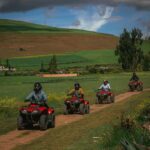
A quad-bike tour from Cusco has one job: turn transit into an experience. This one does it well because the drive isn’t just a way to get to sights. The van brings you to the starting community (Cruz Pata in the Sacred Valley), then you’re trained and riding relatively quickly, with the Urubamba Mountains visible along the route.
The day is built around two places that feel very different. Moray is all about human engineering: terraces designed to test and adapt crops. Maras salt mines feel like a landscape of tiny, repeating geometry, famous for the story of salt harvesting. And you still end the day back in Cusco on a different route, which helps you feel like you saw more than just a single corridor.
At around six hours total, it’s also a sweet spot if you’re trying to do something active without burning your entire day. One of the most common frustrations in Cusco tours is doing a lot of sitting and then rushing the good parts. Here, the ATV time is the backbone, and the sights get their own breathing room.
If the quad ride is your main goal, you’ll likely come away happy. If your main goal is a long, slow archaeological visit at Moray, you’ll want to be aware that the stop isn’t designed to be exhaustive.
You can also read our reviews of more cycling tours in Cusco
From Cusco to Cruz Pata: van time, altitude reality, and ATV practice
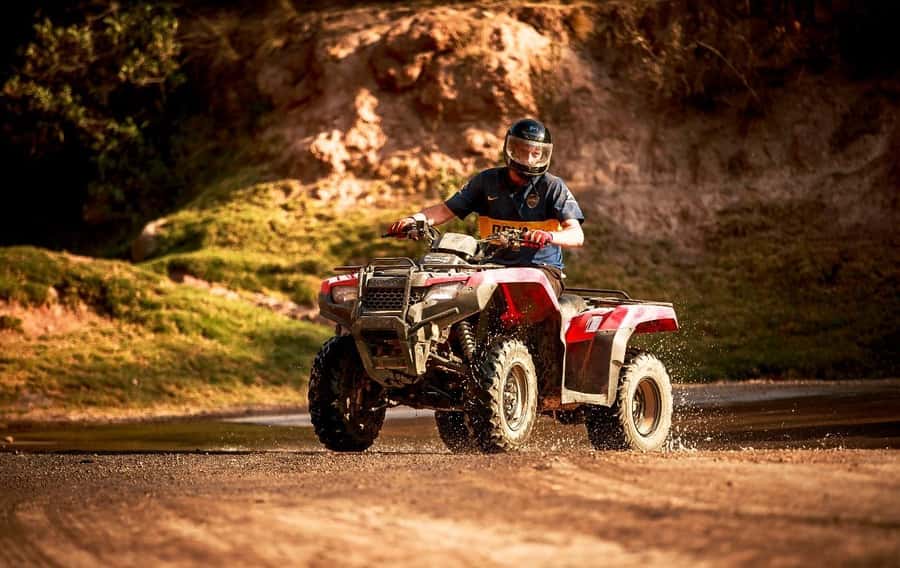
You leave Cusco by tourist van for about an hour, heading into the Sacred Valley area near Cruz Pata. That van segment matters more than it sounds. It’s your buffer for getting organized: you get time to settle in, use the bathroom if needed, and mentally switch from Cusco city rhythm to “outdoors in the high Andes” rhythm.
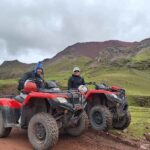
Then comes the part that makes the tour feel welcoming even if you’ve never ridden before: around 15 minutes of ATV training. That training phase is your chance to learn the basics at a pace that makes sense. It’s also where you learn the rules that keep the group together. One practical note from the wider experience: this is not a phone-at-100 km/h situation, and the instructions are explicit about safe riding behavior.
You also have a “ride readiness” checklist built into the tour style. Wear long pants, pack sunscreen and sunglasses, and bring rain gear because the Andes can change fast. The dust is real on these dirt roads, and people recommend old clothes because you’ll likely come out looking like you’ve been helping a very small construction crew.
Moray Terraces by ATV: seeing crop experimentation up close
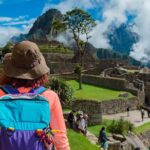
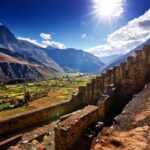
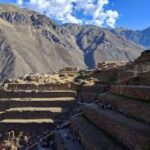
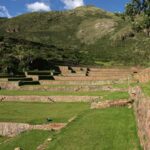
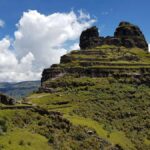
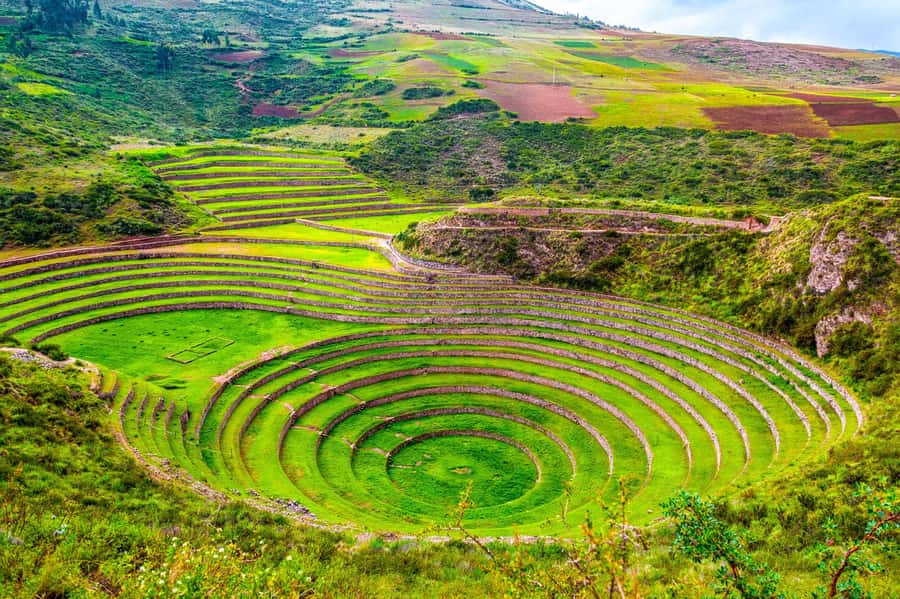
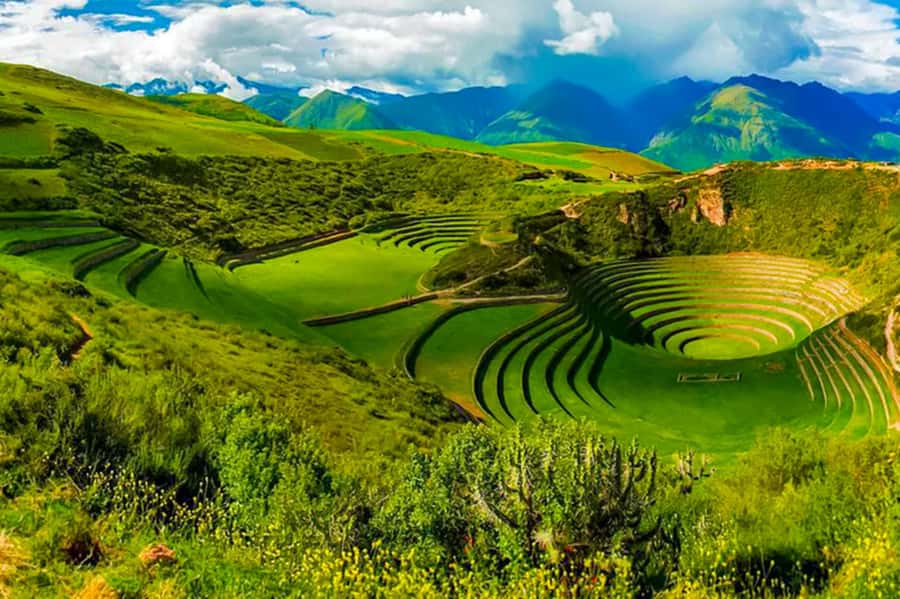
Moray is why people say yes to this tour. The terraces are an agricultural experiment carved into the hillside, designed to create different microclimates. Standing and looking at the remains, you start to get why the Incas treated farming like advanced science, not just tradition.
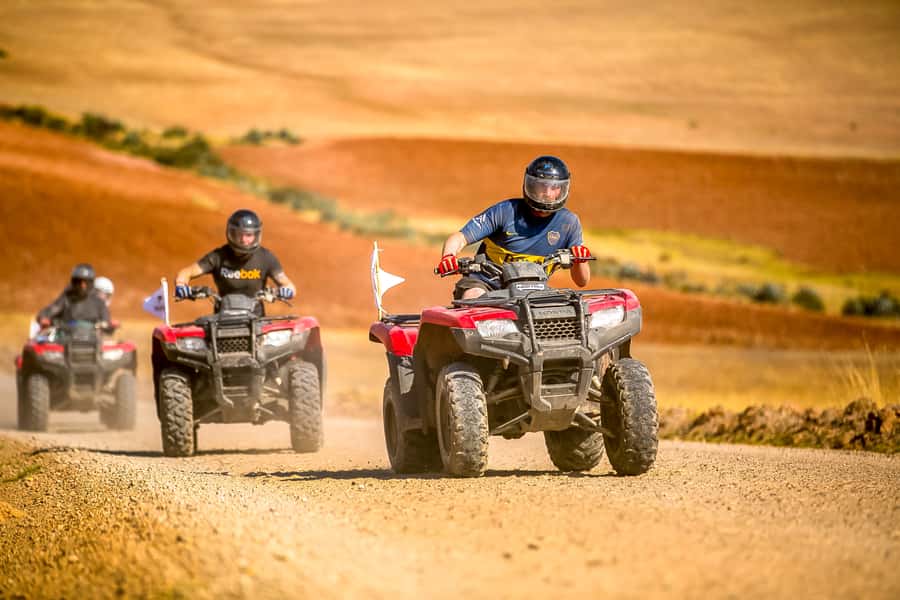
On this tour, you drive roughly 1.5 hours by ATV route to Moray from the Cruz Pata area. That matters because it turns Moray into more than a quick photo stop. You’re already warmed up physically and mentally when you arrive, and the scenery keeps you engaged while the group transitions from “learning to ride” to “arriving at a major site.”
What you’re likely to feel at Moray:
- the terraces visually step down in a way that makes the design feel intentional
- the explanations from guides connect the terrace shape with crop adaptation ideas
- you can linger for photos, but you’re not here for a slow, museum-style visit
One drawback to flag: the Moray viewing time can feel short if you’re hoping to explore the site thoroughly or go down and look at more of the area in detail. If you’re the type who likes to wander, take your time, and read every sign, you may wish the stop were longer.
Still, the ATV approach changes the experience. You don’t arrive feeling like you were delivered. You arrive feeling like you traveled through the Sacred Valley landscape with your own wheels humming.
Maras salt mines from the outside: viewpoints, peaks, and salt shopping
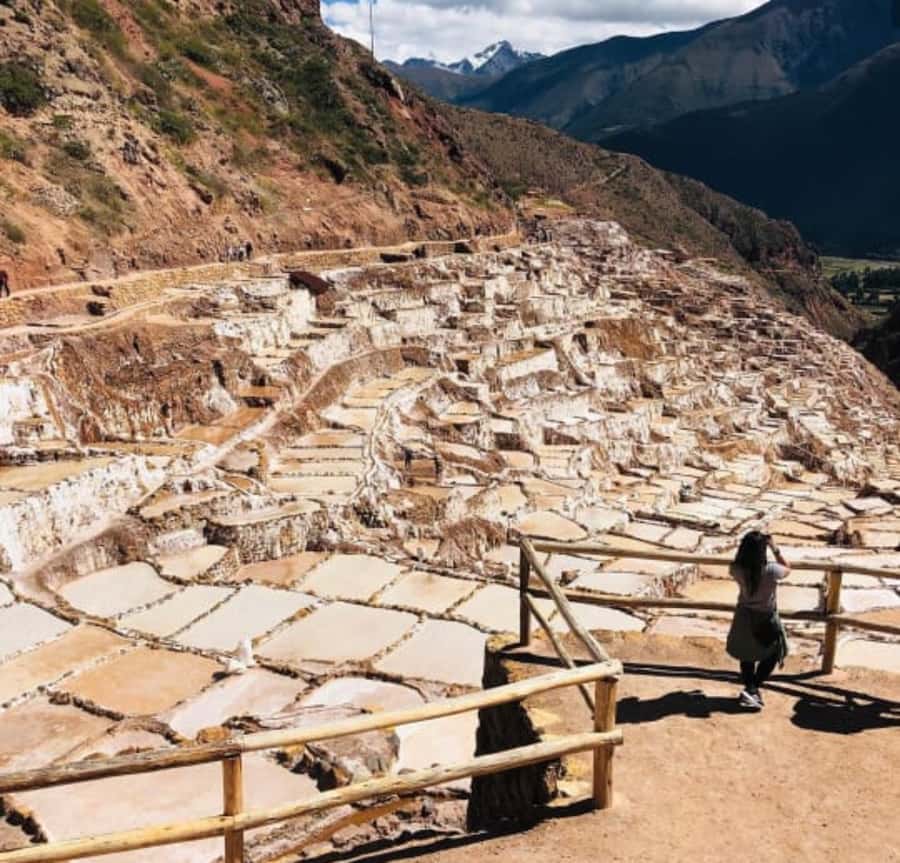
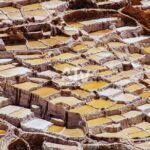
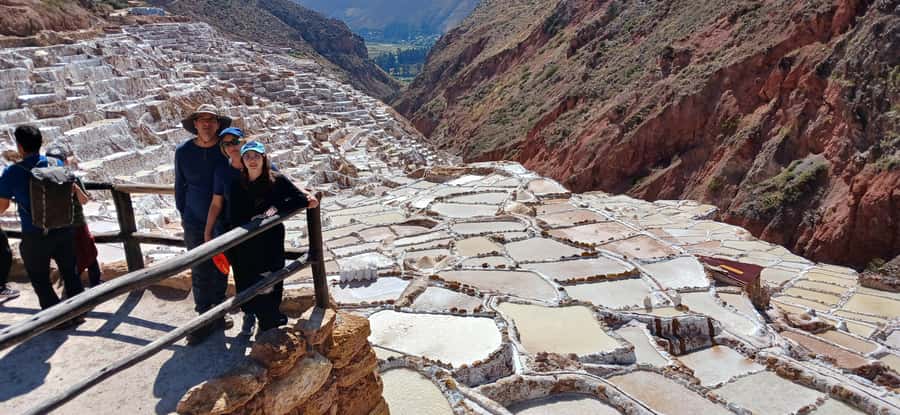
Maras salt mines are famous, and the viewpoint angle is part of the magic. This tour doesn’t allow ATVs to go all the way to the mines, so you see them from the outside. That’s actually a good compromise: you avoid messy logistics and you keep the riding portion safer and more controlled.
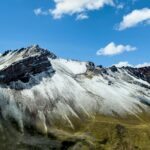
As you go toward Maras, the tour offers breathtaking views of the Urubamba Mountain range. You’re also looking toward peaks mentioned on the route, including Verónica and Chicón. Those views help explain why this area is so photogenic even beyond the salt pans themselves.
At the historic salt mines, you get time at a viewpoint for photos. You also have a chance to buy products made from the salt found there. This is one of those stops where the souvenir isn’t just random. If you’re buying salt-based items, this is the source area, and the browsing time feels like part of the experience rather than a hard sales push.
Two practical considerations:
- People recommend bringing cash for entrances and for anything you want to buy
- Some visitors find the salt mine stop especially good when timing lines up with softer light, because photos can look much better near sunset
If you’re expecting to drive right onto the mine grounds, adjust your expectations now. You’re here for the outside views, not an ATV “through the salt flats” moment.
Price and logistics: value, tickets, and what can catch you off guard
The headline price is about $39 per person for a roughly 6-hour guided quad-bike day. For Cusco, that’s strong value if you treat ATV time as the main event. You’re paying for transportation, a guide, safety gear, and the ride itself, not just a ticket to Moray or a short bus outing.
The catch is simple: tickets are not included. You should budget around 85 soles per person for attractions. Reviews also note that Moray may cost around 70 soles and the Maras salt pans around 10 soles, depending on how the sites are charged during your visit. Either way, set aside cash so you’re not stuck hunting for an ATM while the group moves on.
What else affects your “real” total cost:
- The choice between single-rider and double-rider ATVs (if single, you drive; if double, one person drives and the other rides)
- Optional photos and souvenirs at Maras
On the logistics side, pickup is included from your hotel in Cusco’s historic center. If your hotel isn’t accessible by vehicle, you’ll meet at the closest pickup point. That’s normal in older neighborhoods, but it means you should confirm your exact meeting location ahead of time.
One more thing I’d take seriously: one review raised that insurance might not be included in the way you’d expect, and that in the event of a crash, you could be responsible for damage. This isn’t something to panic about, but it is worth checking in the details before you ride, especially if you’re bringing expensive gear.
You can also read our reviews of more tours and experiences in Cusco
What to wear and pack so you enjoy the ride (not just survive it)
This is one of those tours where packing changes your whole day. The quad roads are dusty, and you’ll likely get dirty. Plan for that.
Bring:
- Passport or ID card
- Comfortable shoes (closed-toe and stable)
- Sunglasses and a sun hat
- Sunscreen
- Rain gear (yes, even in dry season plans)
- Long pants
- A daypack for essentials
Wear:
- old clothes you don’t mind getting dusty
- layers, because the Andes can feel different by time of day
A small but useful tip: if you have a GoPro or want video, consider bringing it. Guides are also known for helping with photos and even making videos look good using your phone, which can be a lifesaver when you’re riding and don’t want to stop constantly.
Safety, guide style, and how the single vs double ATV choice plays out
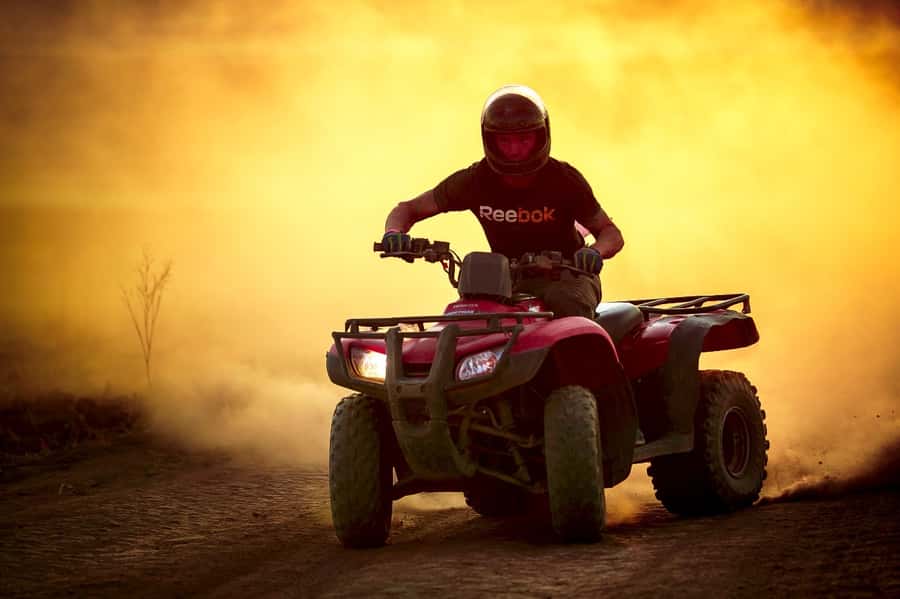
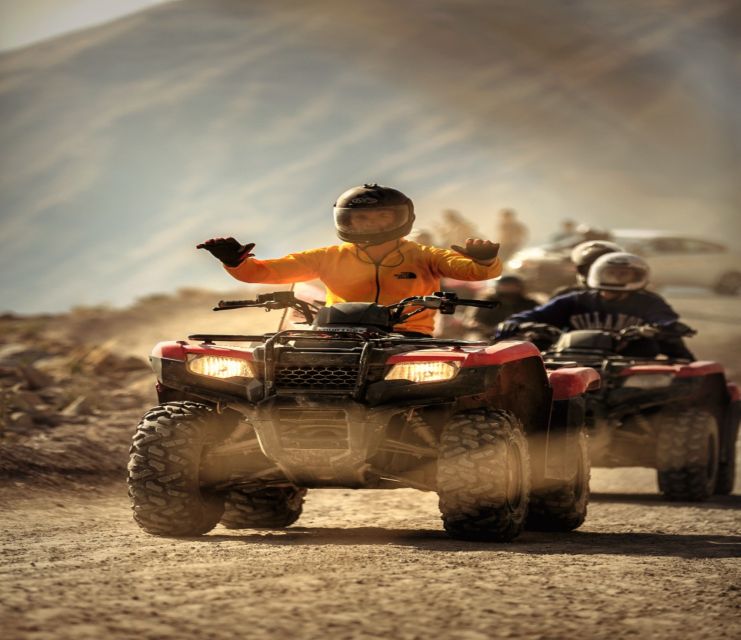
Safety gear is included, and the tour includes instruction before you set off. People repeatedly mention that guides focus on safe riding and make first-timers comfortable. Names that came up often in guide mentions include Joel, Carlos, Frank, and Willy, along with other instructors. The consistent theme is that you don’t feel left alone once you’re on the ATV.
Single vs double rider matters because it changes your time comfort:
- Single-rider option: you drive your own ATV
- Double-rider option: two people share one ATV, with one person driving and the other enjoying the ride
If you want the adrenaline and control, choose single. If you’re more nervous and want to ride while someone else does the driving, the double setup can be less stressful.
You should also know the mines part is outside-only for safety reasons. You’re not going to be driving your ATV right up to the salt pans, so the experience stays guided and view-based rather than risky.
Who this Sacred Valley quad-bike tour is for
I’d point you toward this tour if you want:
- a guided ATV experience with real scenic payoff
- a solid mix of Sacred Valley culture (Moray) and iconic “Peru must-see” visuals (Maras)
- a time-efficient adventure day that still feels like you visited meaningful places
It may not fit if:
- you’re pregnant, have back problems, or have mobility limitations
- you use a wheelchair
- you’re traveling with pets (not allowed)
- you’re expecting a calm, minimal-activity day
If your travel style is “I want to feel the place,” this checks that box. If your style is “I want a slow, detailed site visit with minimal dust,” you might want a different plan.
Should you book this quad bike tour?
If you’re balancing time in Cusco with the desire for an unforgettable active day, I think this is a smart booking. The price-to-experience ratio is strong because you’re getting transportation, a guide, safety gear, ATV riding time, and two major Sacred Valley stops—Moray and Maras—all in about six hours.
Book it if:
- you’re excited to drive or ride an ATV with instruction
- you want mountain views plus iconic salt mine visuals
- you can handle dust and dirt-road riding
Skip or reconsider if:
- you need long time at Moray to explore extensively
- you’re sensitive to rougher surfaces or you have physical limitations
- you want everything fully included, because you’ll still need to budget for attraction tickets
FAQ
How long is the Sacred Valley: Maras & Moray quad bike tour from Cusco?
The tour lasts about 6 hours.
Is hotel pickup included from Cusco?
Yes. Pickup is included from hotels in the historic center of Cusco. If your hotel can’t be reached by vehicle, you’ll be given the nearest meeting point.
Do I need tickets for Moray and the salt mines?
Yes. Tickets are not included, and they are listed at about 85 soles per person.
Will I drive the ATV at the Maras salt mines?
No. For safety, passengers will see the salt mines from the outside only.
What should I bring for the ride?
Bring your passport or ID, comfortable shoes, sunglasses, sun hat, sunscreen, rain gear, long pants, and a daypack.
Is this tour suitable for everyone?
It is not suitable for children under 2 years, pregnant women, people with back problems, people with mobility impairments, or wheelchair users. Pets are also not allowed.