REVIEW · SACSAYHUAMAN & INCA RUINS
Cusco City Sightseeing and Sacsayhuaman Archeological Park Tour
Book on Viator →Operated by VIPAC Travel · Bookable on Viator
Cusco’s best angles come with context. I like the small-group feel (max 15) and the easygoing pacing from stop to stop, plus the comfort of an air-conditioned vehicle when you’re climbing out of warm Cusco streets. One thing to plan for: if you choose the option without tickets, you may need to buy admission on-site, and the cathedral has strict dress rules (no shorts) and no photos inside.
This is a practical half-day way to connect Inca engineering with the Spanish-era Cusco you’ll see afterward. If you’re doing just one “orientation” tour on an acclimatization day, it helps you get your bearings fast and turns random ruins into a readable story.
In This Review
- Key Highlights I Think You’ll Care About
- How This Tour Threads Inca Cusco and Colonial Cusco Together
- Sacsayhuaman: The Stones That Make You Stop Talking
- Qenqo, Puca Pucara, and Tambomachay: Ritual, Defense, and Water
- Qenqo: A ceremonial altar and sacred space
- Puca Pucara: An outpost with a military angle
- Tambomachay: Aqueducts and water worship
- The Temple of the Sun (Qorikancha): Gold Legend Meets Today’s Reality
- Plaza de Armas and Cusco Cathedral: Where Art and Architecture Do the Talking
- Cathedral rules you must follow
- Price and Logistics: Is $79 a Good Deal?
- Hotel pickup reality check
- Duration in real life
- Who Should Book This Tour (and Who Might Want a Different One)
- My Bottom Line: Should You Book It?
- FAQ
- Does this tour include entrance fees?
- How long is the tour?
- Is the vehicle air-conditioned?
- Is the guide Spanish-English bilingual?
- Can I wear shorts in the cathedral?
- Is hotel pickup included?
Key Highlights I Think You’ll Care About
- Max 15 people, not a cattle car: You get more guide attention and quicker answers when you ask about stonework, symbols, and how the Incas managed difficult terrain.
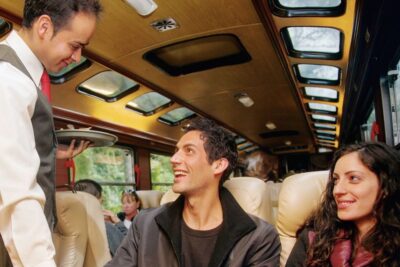
- Air-conditioned transport for the climbs: Cusco heat can surprise you, so having cooled comfort between sites is a real quality-of-life upgrade.
- UNESCO Sacsayhuaman plus several nearby Inca sites: You’re not just “checking one box”; you’ll see multiple complexes with different purposes.
- Inca ritual, defense, and water worship in one loop: Qenqo, Puca Pucara, and Tambomachay each highlight a different side of Inca life.
- Colonial Cusco finishes the story: Plaza de Armas stroll time and Cusco Cathedral bring you from Inca stone to Gothic and Baroque church art.
- Guides who tell with energy: People mention guides like Rommel, Niko, Julio, Alain, and Yuber for clear explanations and storytelling that makes the sights stick.
How This Tour Threads Inca Cusco and Colonial Cusco Together
This isn’t just a list of famous stops. It’s built like a storyline: start high above the city at Sacsayhuaman, then move through other Inca sites that show how the empire thought about power, ritual, defense, and water. After that, you come down into central Cusco for the Spanish-era layers—especially Cusco Cathedral and Qorikancha.
That sequencing matters. Cusco’s history feels less confusing when you first see how the Incas organized sacred and political space around the city, and only then meet the colonial buildings that replaced, reused, and reframed that earlier presence.
The tour runs about 3 hours 30 minutes, though it can feel longer if the group needs more time at viewpoints or if weather throws a curveball. In Cusco, plan for shifting conditions—rain can pop up, then sun returns quickly—so bring layers and expect some time outdoors.
You can also read our reviews of more city tours in Cusco
Sacsayhuaman: The Stones That Make You Stop Talking
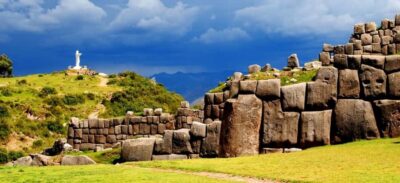
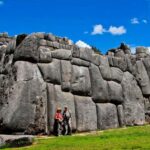
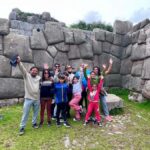
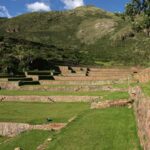
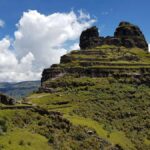
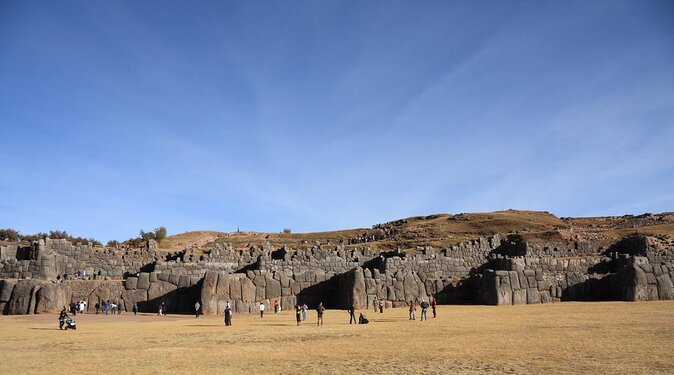
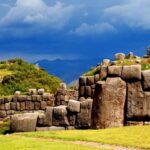
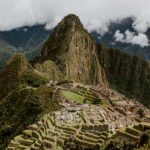
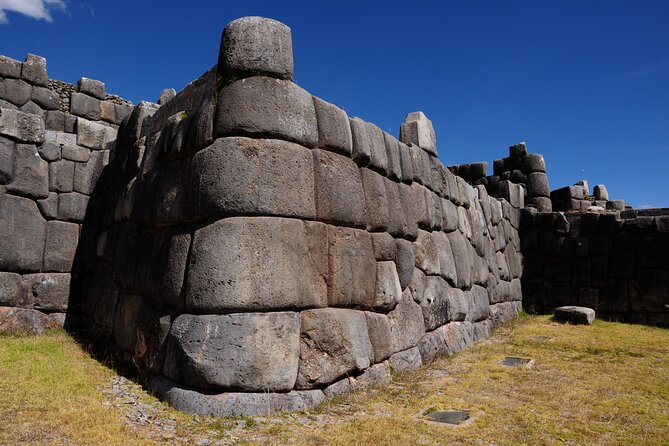
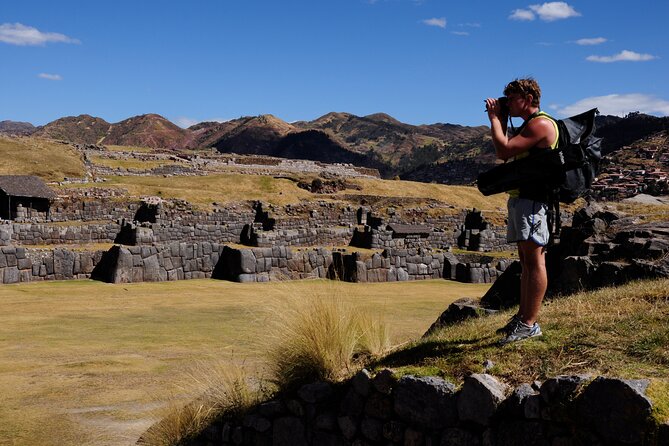
Sacsayhuaman sits on a hill north of Cusco, and the views over the city are part of the payoff. But the main show is the stonework: this UNESCO-listed archaeological park is famous for massive blocks (up to about 13 feet / 4 meters tall) fitted tightly together. Standing near the walls, you instantly understand why people call it fortress-like.
What I like most is that the site isn’t explained as vague “Inca mystery.” You’ll get guided context about how the stones were placed so soundly and why the complex carries symbolism—especially carvings linked to condors, pumas, and snakes, which reflect Inca beliefs about different worlds.
You’ll walk around the park with your guide rather than rushing through it from one photo angle to the next. That’s important here. Sacsayhuaman rewards slow looking: different stone shapes show the scale of the work, and you can see how the structure was meant to impress from multiple directions.
Practical note: wear shoes with solid grip. Cusco ruins and pathways can be uneven, and you’ll be moving around on a hillside.
Qenqo, Puca Pucara, and Tambomachay: Ritual, Defense, and Water
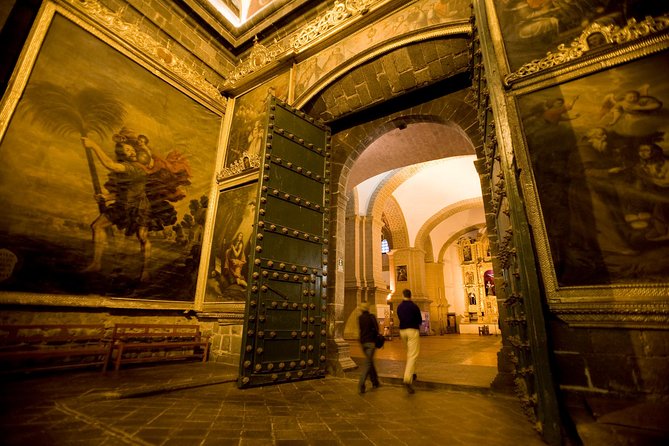
After Sacsayhuaman, the tour shifts from a “monumental walls” vibe to a mix of specific functions.
Qenqo: A ceremonial altar and sacred space
Qenqo is where you’ll see a ceremonial altar and what’s described as a sacred temple area. Even if you don’t know Quechua or Inca terms, a good guide helps you notice how the place is laid out for meaning—stone forming the stage for ritual.
Puca Pucara: An outpost with a military angle
Next is Puca Pucara, which the tour frames as former military ruins. If you want the Incas to feel more than artistic—more like organizers with strategy—this stop delivers. The mood is more rugged and “defensive,” and it helps balance the more spiritual feeling of Qenqo.
Tambomachay: Aqueducts and water worship
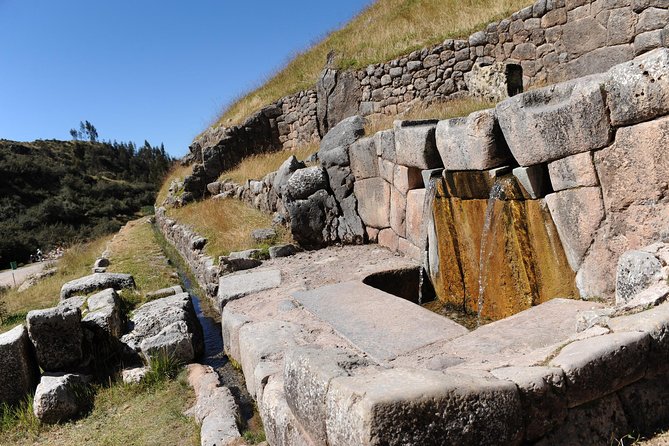
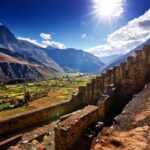
Tambomachay is the stop that often surprises people. Instead of focusing only on temples and carvings, you’ll see aqueducts, channels, and stone structures tied to water worship and ritual. The tour description even suggests a spa-resort angle for wealthy Incas, which gives you a tangible way to picture why water mattered so much.
Together, these stops make the Inca world feel practical. Sacred places weren’t random. They were tied to governance, belief, survival, and the way water sustained both daily life and ceremony.
Weather tip: these stops involve time outdoors between viewpoints. Bring a light rain layer just in case, and plan for changing temperatures.
The Temple of the Sun (Qorikancha): Gold Legend Meets Today’s Reality
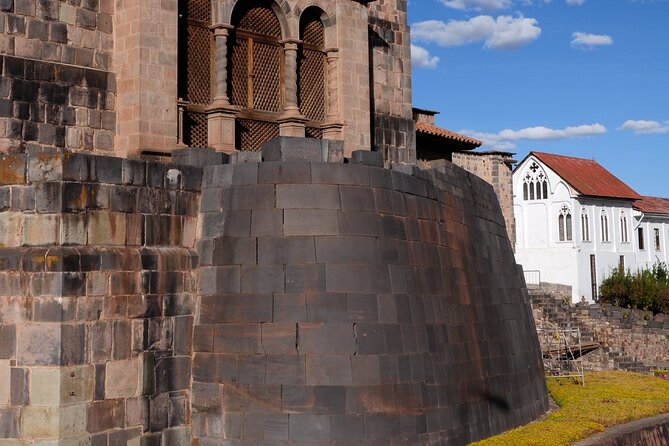
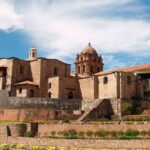
Returning toward central Cusco, you’ll visit Qorikancha, known as the Temple of the Sun. The tour also points out that the Santo Domingo Convent was built over it. That “over the old, build the new” story is one of Cusco’s most important themes.
There’s also a legend that the original temple was completely gold plated—something that supposedly shocked the conquerors when they first arrived. Whether you take the story literally or as symbolic, it’s a useful way to grasp the temple’s reputation and status.
What I like about covering Qorikancha on this same day is that it gives you a bridge. You go from seeing monumental Inca stone engineering on the hill, to then seeing how the colonial era reused, covered, and reshaped those earlier sacred spaces.
If you’ve only got one day and you want the Cusco story in one compact route, this stop earns its place.
Plaza de Armas and Cusco Cathedral: Where Art and Architecture Do the Talking
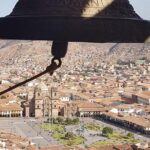
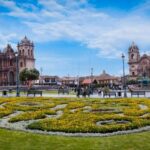
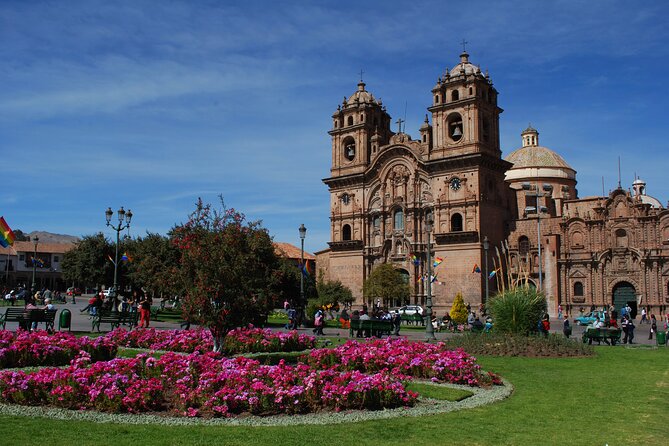
Back in the center, you’ll stroll the Plaza de Armas. It’s lively in the practical sense—people moving through the heart of town, shops, chatter, and the feeling that you’re in the middle of something historic.
The tour includes time for Cusco Cathedral and also notes the presence of the Church of the Society of Jesus nearby. Inside the cathedral, you’ll admire colorful stained glass and colonial-era paintings along with grand Gothic architecture.
A highlight is the revered artwork called the Senor de los Temblores. The tour description notes it as the oldest surviving painting in Cusco, which gives it extra weight once you’re actually standing in the space.
Cathedral rules you must follow
Two key constraints can catch people off guard:
- Don’t wear shorts inside religious sites.
- Photos are forbidden in the cathedral.
If you’re traveling with kids or you like quick casual outfits, plan your clothes before you arrive. It’s not worth scrambling for something at the last second in a city where shops can take time to find.
Price and Logistics: Is $79 a Good Deal?
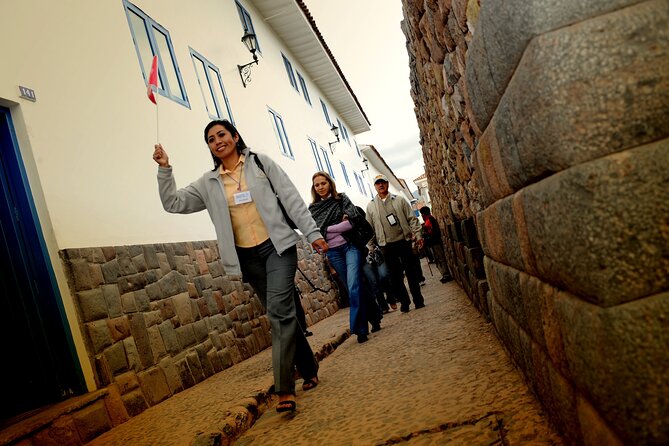
At $79 per person for about 3.5 hours, this tour can be solid value—especially because it bundles a lot of the Cusco “starter set” into one guided route. You’re getting:
- air-conditioned round-trip transport,
- a bilingual Spanish/English guide,
- hotel pickup and drop-off, and
- admission tickets depending on the option you choose.
Here’s the main value question: did you pick the tickets-included option?
The tour information makes it clear there are two purchase options—with and without entrance fees included. If you chose without tickets, you should expect to pay admissions on-site. One guest reported being asked for an additional 290 soles on the day. I can’t tell you the exact price for your dates, but the takeaway is clear: confirm your option before you go, so there are no surprises mid-tour.
Hotel pickup reality check
Pickup is included, but there’s also a note that some hotels are in areas where vehicle access isn’t permitted. So even though pickup is promised, the practical version might involve meeting at a reachable spot close to your hotel.
If you hate uncertainty, send a quick message the day before to confirm the pickup point.
Duration in real life
The itinerary says about 3 hours 30 minutes. In Cusco, time can stretch if weather shifts, if walking pace slows, or if the group needs more time in key areas like Sacsayhuaman or the cathedral. Plan for a slightly longer afternoon rather than counting on a perfectly tight schedule.
Who Should Book This Tour (and Who Might Want a Different One)
This works best for you if:
- you want an efficient orientation to Cusco,
- you prefer a guide to connect the dots between Inca symbolism and later colonial art,
- you like small groups (max 15) and a paced route with multiple stops.
It’s also a good match for an acclimatization day. The route keeps you active without requiring a full-day expedition into the Sacred Valley.
If you’re looking for one ultra-scientific explanation of earthquake-resistant engineering only, you might find this more interpretive than technical. The tour is clearly built around historical and cultural context across multiple sites.
And if you’re very photo-focused in the cathedral, you’ll need to accept the no-photo rule there.
My Bottom Line: Should You Book It?
Yes—if you treat it as a guided “Cusco foundations” tour. The mix of Sacsayhuaman plus Qenqo, Puca Pucara, Tambomachay, then Qorikancha and Cusco Cathedral gives you a full arc: Inca power and belief, then colonial Cusco art and architecture.
Before you book, do two quick checks:
- Choose the option that matches how you want to handle entrances (tickets included vs buy on arrival).
- Pack for cathedral rules and changing weather: avoid shorts, and bring something that works if rain shows up.
If you get a guide with strong storytelling energy—people have named Rommel, Niko, Julio, Alain, and Yuber as examples of guides who bring the sites to life—this tour can be the one you’ll remember when you later visit other Inca landmarks.
FAQ
Does this tour include entrance fees?
It depends on the option you choose. There are two purchase options: one with tickets included and one without tickets included, and the without-tickets option may require you to buy admission on-site.
How long is the tour?
The duration is about 3 hours 30 minutes (approx.).
Is the vehicle air-conditioned?
Yes. The tour includes an air-conditioned vehicle.
Is the guide Spanish-English bilingual?
Yes. The guide provides live bilingual service in Spanish and English.
Can I wear shorts in the cathedral?
No. You are not allowed to enter religious sites wearing shorts.
Is hotel pickup included?
Yes, hotel pickup and drop-off are included, but there can be limitations if your hotel is in an area where the vehicle can’t access directly.