REVIEW · HIKING & TREKKING
Salkantay Trek To Machu Picchu 5 Days And 4 Nights
Book on Viator →Operated by Action Peru Treks · Bookable on Viator
One pass, then Machu Picchu. This 5-day Salkantay trek pairs small-group hiking with bilingual guides, camping gear, and a well-timed arrival at the UNESCO site.
I like that you’re not juggling logistics: pickups, horses for gear, and a pre-departure briefing take the stress off. I also like the camping comfort level, with tents plus mattress-and-pillow bedding, and a coffee plantation stop that breaks up the hiking rhythm.
One key consideration: day 2 pushes you up toward a high 15,252 ft pass, so plan for altitude and go with a pace you can sustain.
In This Review
- Key highlights to focus on
- Why This Trek Works for Real Life (Not Just a Photo)
- Altitude and Pace: What You Should Plan For on Day 2
- Day 1: Cusco Pickup, Mollepata Breakfast, and Humantay Lake
- Day 2: Salkantay Pass, an Inca Offering Moment, and Colpapampa Camping
- Day 3: Rainforest Steps, a Santa Teresa River Route, and Coffee at Lucmabamba
- Day 4: Llactapata Ruins, First Distant Machu Picchu Views, and the Train to Aguas Calientes
- Day 5: Machu Picchu Walking Tour, Optional Huayna Picchu, and Back to Cusco
- What’s Included: Camping Comforts, Meals, Water, Guides, and Gear Support
- Meals, Coffee, and the Big Deal About Not Cooking While Trekking
- Price and Value: Is $690 Fair for 5 Days to Machu Picchu?
- The Crew and the Small-Group Advantage (Why Guides Matter Here)
- Who Should Book This Salkantay-to-Machu Picchu Trek?
- Should You Book This Trek?
- FAQ
- What time does the trek start?
- Is hotel pickup included?
- What camping gear is included, and is a sleeping bag provided?
- Are meals included during the trek?
- Is Machu Picchu admission included, and what about the bus?
- How much can my personal luggage weigh?
- Can I cancel for a full refund?
Key highlights to focus on
- Small-group feel (max 16 travelers) keeps the attention hands-on.
- Camping that’s set up for you: dining/kitchen tents, toilet tent, hot water for washing.
- Support system on the trail with bilingual guides, wranglers, horses, and even emergency provisions.
- Coffee plantation tour at camp on day 3, right after a rainforest day.
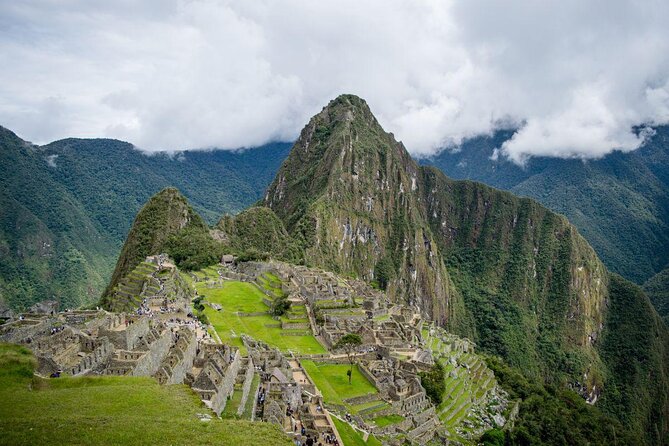
- A real Machu Picchu day: guided walking tour, plus optional Huayna Picchu if you want the extra hike.
Why This Trek Works for Real Life (Not Just a Photo)
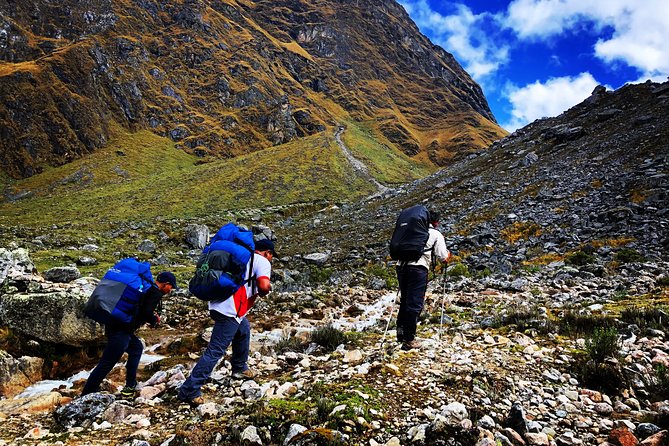
This is the kind of trek that makes sense when you want adventure but also want a plan that runs on schedule. You start early in Cusco, hike deep into the Andes, sleep in camps with real camp infrastructure, then finish with a guided visit to Machu Picchu. If you’ve ever pictured what a fully supported Salkantay trek should feel like, this fits that idea.
The value is in the structure. Your support team handles the heavy lifting (literally), meals are planned daily, and your camp basics are included. That frees you to focus on pacing, enjoying the route, and soaking up the views—without spending your vacation time arguing with paperwork or figuring out how to get to the next trailhead.
Still, remember: this is a true trek. Even with strong support, the highest day sits at major altitude, and the schedule starts before the sun every morning.
You can also read our reviews of more hiking tours in Cusco
Altitude and Pace: What You Should Plan For on Day 2
The Salkantay trek’s signature moment is the pass day. You’ll start with breakfast, then hike uphill for about an hour toward the Salkantay pass at 15,252 ft. From the top, you’ll keep moving downhill, with lunch at Huayrac and then continue to camp by the evening.
What matters for your body: day 2 is long (about 8 hours of hiking). The effort isn’t just about distance; it’s about how altitude affects your breathing and stamina on the climb and the first descent. If you’re coming from lower elevations, take acclimatization seriously and keep your exertion controlled—especially on that initial push up.
Also note the structure of the days. Day 1 is a big first taste (including Humantay Lake), day 2 is the hardest rhythm, day 3 eases into more gentle hiking, and day 4 brings a climb again before the train jump. That means you’ll want to treat day 2 as the day you pace, not the day you “test yourself.”
Day 1: Cusco Pickup, Mollepata Breakfast, and Humantay Lake
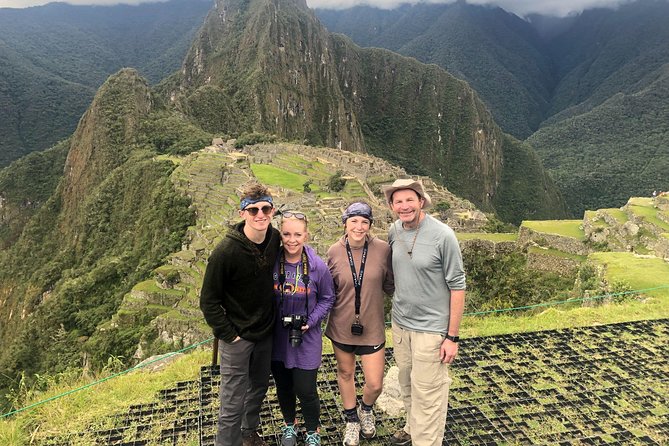
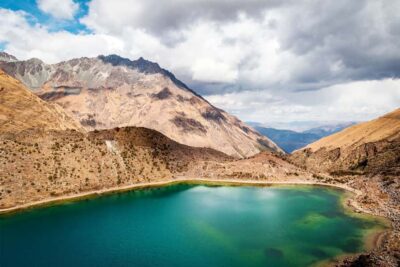
Day 1 begins with a very early start, with pickup from your hotel and a drive that totals about 3 hours to Mollepata. From there, you’ll have breakfast at a local house, then continue by road for about 1 hour 45 minutes to Soraypampa, where you officially meet the support team and begin the trek.
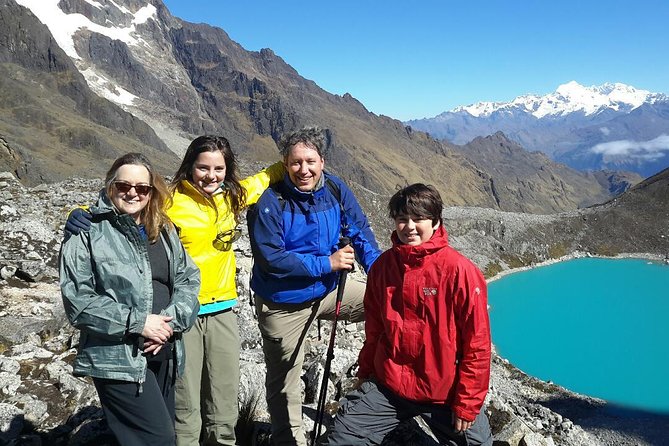
Soraypampa sits at 12,467 ft, and it’s where things start to feel real: you’ll connect with the wranglers and staff, plus you’ll see how your equipment will be moved (loaded onto horses). Then you’ll hike to Humantay Lake for about a 2-hour excursion.
What I like about this day is the order of operations. You get a scenic road introduction to the Salkantay and Humantay mountains before you hit the first trail effort. Humantay Lake also works as a payoff early on—one of those “yes, I’m really here” moments before the harder days.
A small practical note: day 1 still counts as a full hiking day (around 6 hours total), so don’t treat it as a casual warm-up. It’s a gentle start compared to day 2, but you’ll be walking.
Day 2: Salkantay Pass, an Inca Offering Moment, and Colpapampa Camping
If day 1 sets the stage, day 2 is the main character. After breakfast, you hike uphill about 1 hour to the Salkantay pass at 15,252 ft. At the top, you’ll make an offering to Salkantay and hear about Inca culture and why the spot is venerated. That stops the day from feeling like a pure fitness challenge—it adds meaning to the climb.
Then comes the transition: a 2-hour downhill hike to Huayrac at 12,464 ft for lunch. After that, you keep descending for about 4 hours until you reach camp at Colpapampa (around 10,170 ft).
This is the part of the trek where you’ll feel the altitude and the steepness the most, even if you’re in good shape. I recommend you stay conservative on the pass ascent—short steps, steady breathing, and no sprinting. The payoff is that you finish the day with the relief of dropping in elevation and reaching camp.
Day 3: Rainforest Steps, a Santa Teresa River Route, and Coffee at Lucmabamba
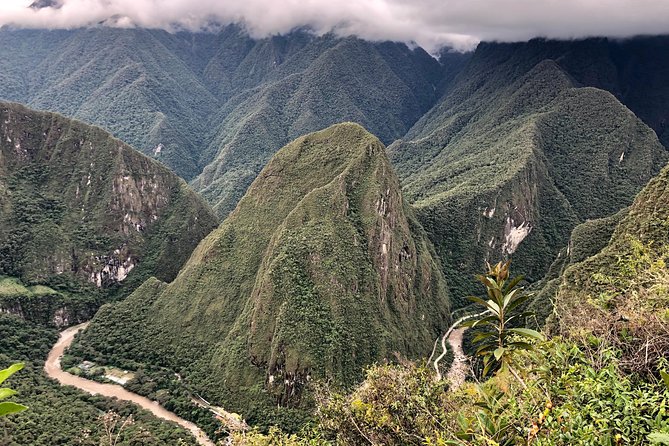
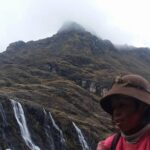
Day 3 feels more human. You’ll have breakfast, then hike about 6 hours on gentler up-and-down segments. The route goes through rainforest terrain along the path of the Santa Teresa river, and you’ll pass a waterfall along the way.
You’ll reach Lucmabamba around noon, where you camp for the night. After lunch, you’ll head into an afternoon coffee plantation tour at the plantation adjacent to camp.
This is a smart pacing break. After the altitude work of day 2, day 3 gives your legs time to move without constant steep pressure. The rainforest setting also changes the feel of the trek—less “high mountain” and more “ecosystem walk,” with water, plants, and shaded stretches.
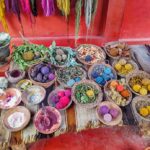
The coffee tour is more than a fun extra. It gives you a cultural and agricultural perspective on the region, right at the point where you’ve got the mental energy to pay attention.
You can also read our reviews of more tours and experiences in Cusco
Day 4: Llactapata Ruins, First Distant Machu Picchu Views, and the Train to Aguas Calientes
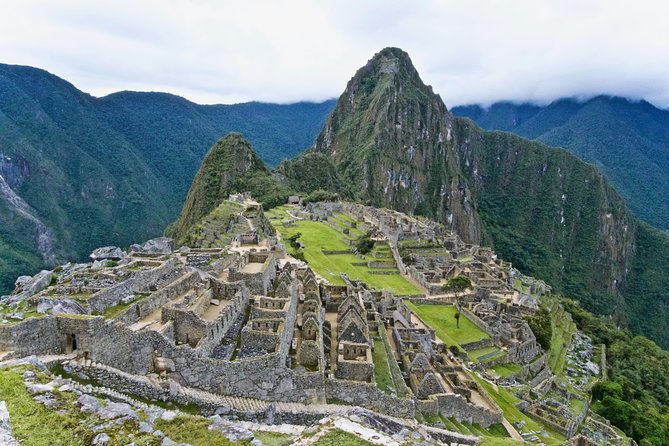
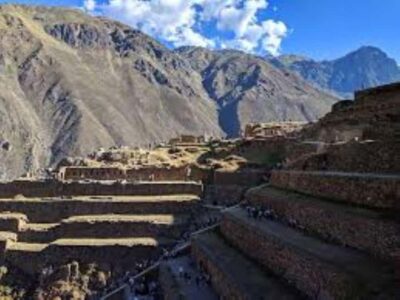
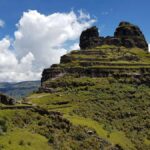
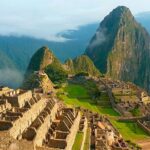
Day 4 starts early with breakfast, then you climb for about 3.5 hours through rainforest to the Llactapata ruin (around 8,856 ft). There’s a thorough tour there, and this is where you get your first far-off view of Machu Picchu.
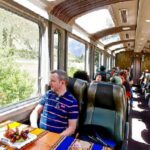
Then you descend about 2.5 hours to Hydro, where you’ll have lunch. At 3:00 pm, you board the train to Aguas Calientes, check into your hotel on arrival, and dinner is at a restaurant.
The structure matters on this day. You’re still hiking before the train, but the Ruins stop gives you a mental target before you reach the famous destination. Getting a distant view of Machu Picchu from Llactapata helps your brain register what you’re aiming toward, instead of arriving and only reacting to the crowds and the spectacle.
Practical note: the train and hotel night are a real comfort upgrade after three nights of trekking camps. You’ll also want to be mindful of your energy here. You’ll likely be excited, but tomorrow is your guided Machu Picchu day.
Day 5: Machu Picchu Walking Tour, Optional Huayna Picchu, and Back to Cusco
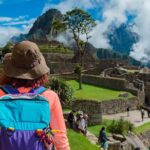
You start with breakfast at the Aguas Calientes hotel, then take the bus up to Machu Picchu. Once you arrive, you’ll get a 2-hour walking tour of the site.
If you elected to climb Huayna Picchu (not included in the package), you begin that hike at 10:00 am. If you’re not climbing it, you’ll have time at Machu Picchu before heading back to Aguas Calientes.
After Machu Picchu time, you’ll board the train from Aguas Calientes to either Ollantaytambo or Poroy. From there, you travel by private van back to Cusco.
Two helpful points for your planning:
- The Huayna Picchu option is a separate decision and comes with extra cost and timing. If you want it, build your day around that 10:00 am start.
- You should budget energy for walking at Machu Picchu itself. This isn’t just “look and go.” You’ll still be moving.
What’s Included: Camping Comforts, Meals, Water, Guides, and Gear Support
This tour is strongly “supported trek” in the real sense. You get a bilingual English-speaking guide and pre-departure briefing (1 or 2 days before), plus hotel pickup on day 1 and transport to Soraypampa.
On the camp side, you receive:
- Four-person tents for each two persons
- Mattress and pillow
- Kitchen tent and dining tent with tables and chairs
- Toilet tent with a portable toilet
- Hot water for washing
- Daily boiled and cold water to fill water bottles
You also get emergency and practical safety items: an emergency oxygen bottle and medical kit, plus an emergency horse if needed. The team also includes expert chefs and assistant chef, along with wranglers and horses to carry camp equipment (tents, chairs, tables, and food).
For your personal load, there’s a system:
- A duffle bag is provided for your personal belongings
- There’s a horse to carry up to 8 kg of your stuff
- You’ll also have the listed option for a sleeping bag rental if you don’t have one (sleeping bag is not included)
One thing to watch: hiking poles are recommended and can be rented from the company, but you’ll want to decide in advance instead of scrambling last minute.
Meals, Coffee, and the Big Deal About Not Cooking While Trekking
Food is included throughout, with the day count matching the trek rhythm:
- Breakfast (5), lunch (4), dinner (4)
This matters because on a trek like this, meals are not just fuel—they’re a schedule anchor. When meals are planned and served, you’re less likely to under-eat, and you can pace more intelligently. It also saves energy because you’re not spending your limited downtime cooking or sourcing food on the trail.
There’s also a coffee plantation tour on day 3. That’s a fun break, but it also gives your day a “story.” You’ll walk through rainforest, camp at Lucmabamba, then shift from hiking mode to a cultural/agricultural visit.
Price and Value: Is $690 Fair for 5 Days to Machu Picchu?
At $690 per person, you’re paying for a lot that’s not usually “cheap” when you add it up yourself: bilingual guidance, pre-briefing, hotel pickup and transport to the trailhead, full camping infrastructure, and meals.
The bigger value pieces are:
- Camp comfort items (tents, mattresses, pillows, toilet setup)
- Wranglers and horses for camp and equipment
- Aguas Calientes lodging on night 4 (double occupancy)
- Train logistics from Aguas Calientes to the Cusco region
- Private transport back to Cusco
- Coffee plantation tour
What’s not included can affect your total:
- Sleeping bag (though rental is offered)
- Tips for the crew
- Hiking poles (rental available)
- Round trip bus ticket to Machu Picchu
- Day 5 lunch in Aguas Calientes
- Optional Huayna Picchu
So is it worth it? In practice, it’s best value if you want the heavy lifting handled: you want to hike, not manage logistics. If you already have gear, you’re comfortable cooking or joining DIY planning, and you’ll carefully manage Machu Picchu transport costs, you might compare alternatives. But if you value structure and camp comfort, this price lines up with what you’re getting.
The Crew and the Small-Group Advantage (Why Guides Matter Here)
This trek is run by Action Peru Treks, and the guide team shows up in feedback with names like Christian, Eddie/Edy, and Ericsson. Christian especially comes up in the feedback as a standout: the kind of guide who keeps the day moving while also sharing history and nature details.
What I like about having a bilingual guide on this route is simple: you don’t need to translate your own trail experience. The day includes an offering at the pass and tours at Llactapata and Machu Picchu. Those stops become more than checkboxes because you understand what you’re seeing.
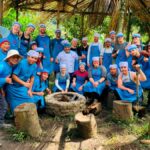
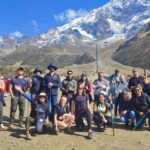
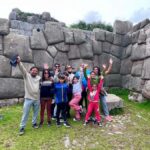
Small-group size (max 16) also changes how the trek feels. Your guide can adjust attention, pace, and explanations without needing a megaphone for everyone. That matters when you’re at altitude and people are moving at different comfort levels.
Who Should Book This Salkantay-to-Machu Picchu Trek?
This works best for you if:
- You’re aiming for a supported trek with camping comforts and meals
- You want an organized arrival at Machu Picchu rather than winging the logistics
- You have moderate fitness and can handle a high pass day
It may not be the right fit if you strongly dislike early starts (meeting time is 4:30 am) or if you’re uncertain about altitude. Even with oxygen and medical support, the pass climb at 15,252 ft is still a physical ask.
If you’re a first-time trekker, go in with respect for day 2. If you’ve done altitude hiking before, you’ll still find it demanding, but you’ll understand how to manage it.
Should You Book This Trek?
Book it if you want a serious hike to Machu Picchu with real support: camping setup, trained staff, clear pacing across five days, and guided stops that add meaning to the route. The combination of camping comforts, meals, and the train/hotel structure makes the overall experience feel less chaotic than trying to string everything together on your own.
Think twice if you’re missing a basic trekking kit (especially a sleeping bag) or if you can’t commit to the long day 2 effort at high altitude. Also budget for what’s not included, like the Machu Picchu bus ticket and optional Huayna Picchu.
FAQ
What time does the trek start?
The meeting time is listed as 4:30 am.
Is hotel pickup included?
Yes. You’ll be picked up from your hotel and transported to Soraypampa on day 1.
What camping gear is included, and is a sleeping bag provided?
Tents, mattresses, and pillows are included, along with a kitchen tent and a dining tent. A sleeping bag is not included, but it can be rented from the tour operator.
Are meals included during the trek?
Yes. Breakfast (5), lunch (4), and dinner (4) are included in the package.
Is Machu Picchu admission included, and what about the bus?
The Machu Picchu admission is listed as included for the Machu Picchu day, but the round trip bus ticket to Machu Picchu is not included.
How much can my personal luggage weigh?
A horse is provided to carry up to 8 kg of your personal belongings, and you’ll use a duffle bag to pack them.
Can I cancel for a full refund?
Yes. You can cancel up to 24 hours in advance for a full refund. Canceling within 24 hours does not get a refund.