REVIEW · HIKING & TREKKING
Ausangate Trek 5 Days
Book on Viator →Operated by Vidal Expeditions · Bookable on Viator
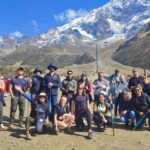
Five days to feel Peru at 5,000 meters. This Ausangate Trek circles Apu Ausangate, with long views, glacial lagoons, and brief moments that feel spiritual instead of scenic-only. It is also a small-group trek (max 10), so the pace and attention feel human.
I also love that the trip is built around comfort after exertion: all-inclusive meals keep you fueled, and you get real breaks like the hot springs on the route. One drawback to weigh up: you start very early (5:00 am), and the trek climbs to high passes where cold, altitude, and breathlessness are part of the deal.
If you like hard days with good support, plus culture that shows up naturally, this is a strong pick for Cusco. If you want something gentle or you hate early starts, you might find it too much.
In This Review
- Key points worth knowing before you go
- Why the Ausangate Trek feels different around Cusco
- Day 1: Tinke, Rondoca, and Upis hot springs at camp altitude
- Day 2: Arapa Pass to Apacheta Pass and two shades of turquoise lakes
- Day 3: Palomani Pass ceremony and the highest point of the trek
- Day 4: Pacchanta Valley lagoons, one pass, and hot springs at the end
- Day 5: Local food ceremony, weaving lessons, and back to Cusco by bus
- Meals, horses, and camp support that keep the trek sane
- Price and Logistics: what $660 actually buys you
- Who should book this Ausangate Trek, and who should think twice
- Should you book the Ausangate Trek with Vidal Expeditions?
- FAQ
- What time does the trek start in Cusco?
- How long is the Ausangate trek?
- What group size should I expect?
- Are meals included?
- What is not included in the price?
- Will there be hot springs during the trek?
- What is the highest pass on this trek?
- What happens if weather is bad or I need to cancel?
Key points worth knowing before you go
- Max 10 travelers means you get a calmer trek and more personal guide time.
- Coca tea wake-ups plus steady meals make long altitude days more manageable.
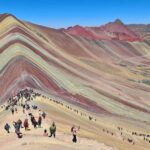
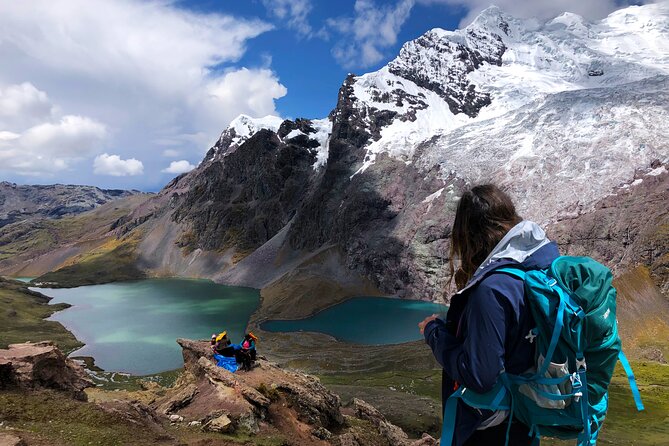
- Two big photo days: Puqa Q’ocha lakes and turquoise views around Ausangate.
- Ceremonies for Apu Ausangate and local food traditions add meaning beyond the scenery.
- Hot springs twice (Upis and Pacchanta) are your reward for the climbs.
Why the Ausangate Trek feels different around Cusco
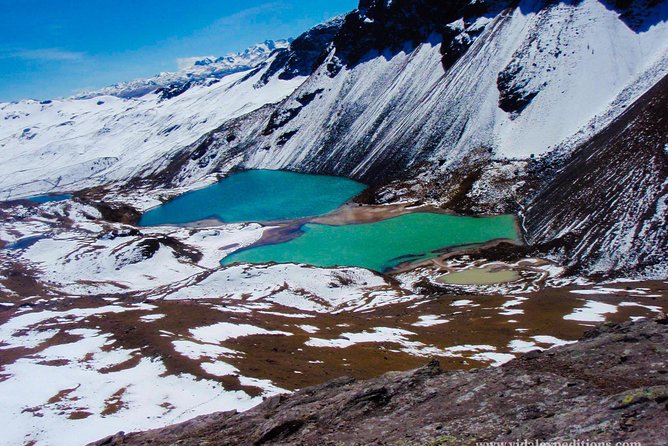
The Ausangate region is big, cold, and remote in the best way. Instead of repeating the same highlights everyone posts, you spend days circling a sacred mountain and moving through high valleys with lagunas that shift from green to turquoise to deep blue.
The other thing I like is how culture is woven into the trek, not bolted on. There are ceremony moments tied to Apu Ausangate, plus a final day with a local family sharing food prep and weaving techniques. It turns the hike into a story you can actually follow.
Finally, the crew support matters here. With a guide plus a camp kitchen team and horses carrying gear, the trek feels like work you can handle, not survival mode.
You can also read our reviews of more hiking tours in Cusco
Day 1: Tinke, Rondoca, and Upis hot springs at camp altitude
Day 1 starts early in Cusco. Your guide meets you at 5:00 am and transfers you by private transportation to Tinke. There is a quick stop where you can grab last-minute items, and you can even take breakfast before the trek truly begins.
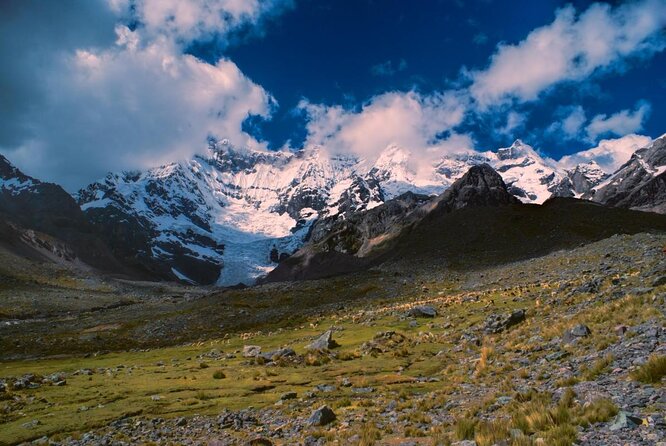
From Tinke you continue to Rondoca, where you meet the trekking team (including the cook and the horse driver). Then the first hike is about 2 hours, and you will gradually earn that first big payoff: lunch along the way with your first strong view of Apu Ausangate.
After lunch you keep walking until your first campsite near the village of Upis. This is not a full-day push. The plan is more like: hike a bit, adjust to altitude, then reset your body. Once you arrive, you can soak in the Upis hot springs and sip coca tea while your legs cool down.
- Hiking time: roughly 3–4 hours
- Distance: about 8 km
- Altitude: around 3800–4200 m
- Camp: about 4200 m
Practical note: even if the day feels short, altitude is still doing altitude things. Take it slow at the start of the hike, and don’t treat Day 1 like a normal workout.
Day 2: Arapa Pass to Apacheta Pass and two shades of turquoise lakes
Day 2 is a longer altitude day, and it has the kind of scenery that makes you forget your legs for a few minutes. The day begins with a wake-up of hot coca tea, then breakfast, then you start hiking right away.
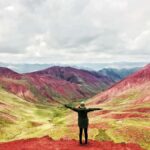
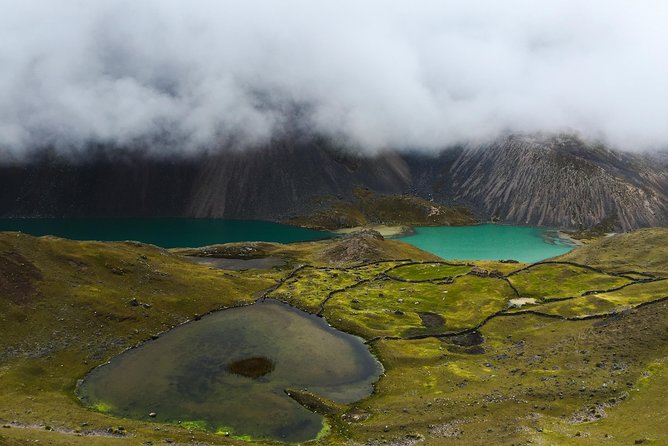
The big moment in the morning is crossing the Arapa Pass (4,850 m). It takes effort, but your guide sets the rhythm. After the pass, you drop down through a valley and pass Puqa Q’ocha, a green lake, before reaching Jatun Puqa Q’ocha, the one that turns reliably turquoise in the right light.
Lunch happens right at the lake edge. This is where you can pause for photos and just stare, because the Ausangate area has a way of looking different every few minutes. Then you hike again, ascending the second pass of the day: Apacheta (4,980 m).
From Apacheta, you get a view over a turquoise lagoon fed by Ausangate’s melting snow. After that, it is a descent toward Ausangate Qocha, with the day ending at your second campsite.
- Hiking time: about 7 hours
- Distance: about 12 km
- Altitude range: about 4200–4930 m
- Camp: around 4630 m
In the reviews I’ve read, this is where the guide’s pacing and encouragement really show. People often name guides like Chino (sometimes listed as Urbano) and praise how they keep you moving with confidence rather than panic.
Day 3: Palomani Pass ceremony and the highest point of the trek
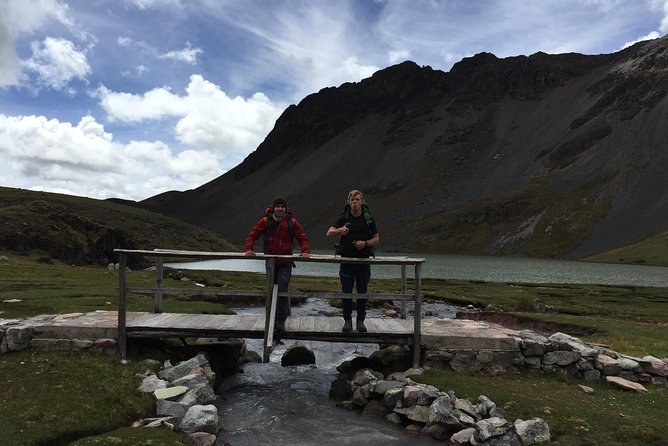
If Day 2 is about reaching the turquoise, Day 3 is about reaching higher. After breakfast, you ascend to Palomani Pass (5,200 m)—the highest pass on this trek route.
It takes about 2 hours to hike up to the pass. Here your guide performs a ceremony for Apu Ausangate, and this is one of those moments that changes the whole feel of the trip. Instead of treating the mountain like a backdrop, you get a chance to understand it as something local people relate to with respect.
Then you descend for about an hour to lunch in Uchuy Phinaya. After lunch, the afternoon hike continues for a couple of hours until you reach the next campsite.
- Hiking time: about 6–7 hours
- Distance: about 13 km
- Altitude range: roughly 4600–5200 m
- Camp: around 4500 m
This is also a good day to keep your expectations realistic. At 5,200 m, your breathing will be loud in your head. You do not need speed; you need consistency.
Day 4: Pacchanta Valley lagoons, one pass, and hot springs at the end
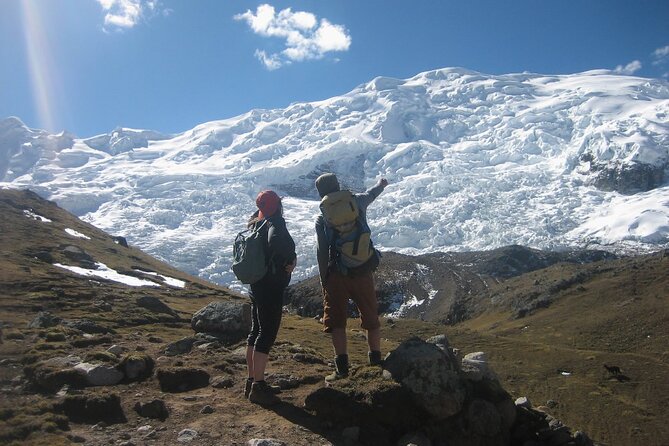
Day 4 is a lighter-feeling day in structure because there is only one pass to cross. But the scenery keeps stacking up: deep blue lagoons and glacial-colored water in alpine valleys.
The plan is to take your time, enjoy the views of Ausangate from a new angle, and look out over the Pacchanta Valley. If you are brave and the conditions feel safe, the route even includes the option of jumping into the cold water for a quick shock. Most people treat it like a short dare, not a long swim.
Your goal is the hot springs of Pacchanta. This is where the day earns its ending: soak, loosen up, and watch the mountain hang above you while the cold air does its thing.
- Hiking time: about 6 hours
- Distance: about 15 km
- Camp: around 4300 m (descending)
Even if you feel good, keep an eye on your energy here. The long days add up, and the best move is to save your enthusiasm for the soak.
You can also read our reviews of more tours and experiences in Cusco
Day 5: Local food ceremony, weaving lessons, and back to Cusco by bus
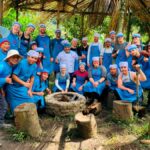
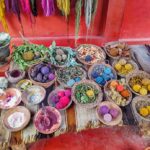
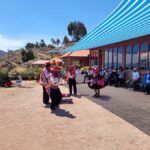
Day 5 starts after you complete the hike around Ausangate Mountain. There is time for breakfast, then a more cultural finish: a ceremony with a local family where you learn about their traditions through local food preparation and weaving techniques.
This is not just watching from a distance. It is the kind of stop that helps you connect the dots between what you saw on the mountain and how people live in the Andes, including the skills passed through generations.
After the ceremony, you take a bus back to Cusco. The drive is about 3 hours.
Day 5 feels like closure: you get the warmth of people and food, then you return to town with your legs tired and your head full.
Meals, horses, and camp support that keep the trek sane
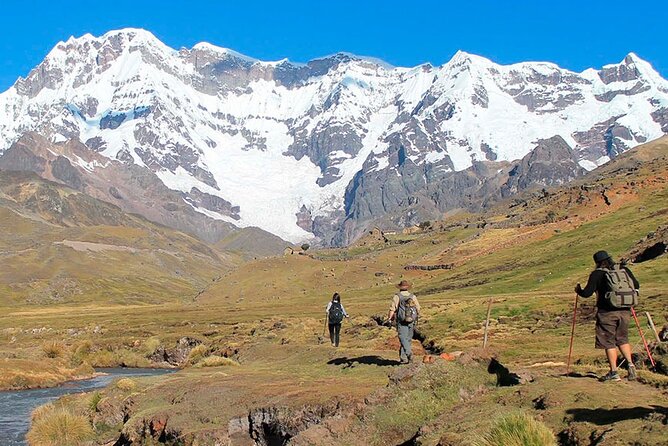
The biggest practical win here is that the trek is set up like a full-service expedition. You get:
- Camping equipment included
- Horses for equipment (so you carry less)
- Meals throughout the trek: breakfast (4), lunch (5), dinner (4)
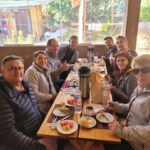
In the reviews, names keep coming up: cooks like Benigno (and sometimes listed as Beni), assistant cook Euden, plus horse driver Angel. People also talk about the food variety and how hot meals show up when you need them. After cold days at altitude, hot and filling matters more than people think.
One thing you should know before you go: a sleeping bag is not included. In cold Andes nights, you should pack the warmest mountain sleeping gear you have. In the feedback I saw, trekkers specifically warned that the evenings can be just as cold as high-altitude treks elsewhere.
So the best approach is simple:
- bring a proper warm sleeping bag
- layer up for camp, not just for walking
- treat cocoa tea and soups as part of your altitude plan, not just comfort
Price and Logistics: what $660 actually buys you
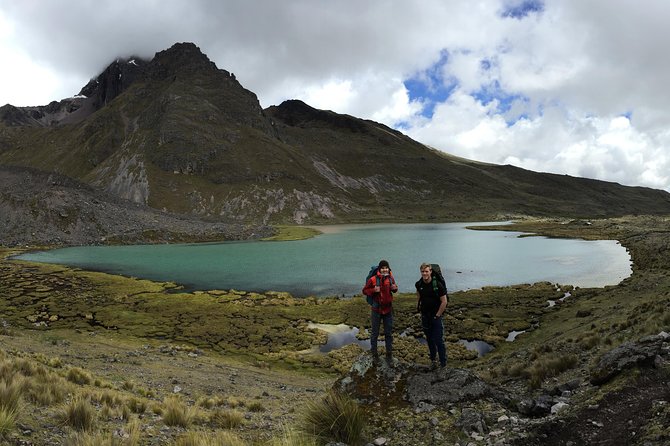
At $660 per person, this trek is not the cheapest option out there. But it also is not just a guide and a map.
Your money covers a lot that adds up fast:
- All meals across multiple days
- Camping equipment
- Horses for equipment
- A team that handles camp setup and the day-to-day mountain pace
- A small-group format (max 10), which usually improves safety and flexibility
What is not included is also clear:
- Entrance fee (20 soles)
- Sleeping bag
When you total it up, the value comes from reducing the parts that turn treks stressful: hauling gear, managing meal logistics, and worrying about camp support. If you want the mountains without the admin headache, this pricing makes sense.
And if you are comparing to DIY, remember you still need guide services, camp setup, and safe route planning in remote terrain. This tour wraps that work into one package.
Who should book this Ausangate Trek, and who should think twice
This trek suits you best if:
- you have moderate physical fitness
- you like big altitude days and you can handle slow climbing
- you want more than photos, including ceremonies and local traditions
- you appreciate a supportive team and steady meals
Think twice if:
- you are sensitive to altitude or you know high passes are a problem for you
- you hate very early mornings (the 5:00 am start is real)
- you do not want cold nights and an emphasis on warm layering
Also, if your ideal trip is low-effort sightseeing, this is not that. This is hiking, with passes like Arapa, Apacheta, and Palomani. You should book it because you want the challenge, not to test yourself on a whim.
Should you book the Ausangate Trek with Vidal Expeditions?
If you want a high-altitude trek that feels more personal than the big-crowd circuit, I think you will like this one. The combination of small-group pacing, excellent camp support, and meaningful culture stops makes it feel complete.
Book it if:
- you want the Apu Ausangate experience with real ceremonies
- you plan to bring a warm sleeping bag
- you are okay with early starts and cold nights in exchange for unforgettable views
Skip it if your priority is an easy walk or warm-weather comfort. You are going to the high Andes. Dress like you mean it.
FAQ
What time does the trek start in Cusco?
Start time is 5:00 am.
How long is the Ausangate trek?
It runs for about 5 days.
What group size should I expect?
The tour has a maximum of 10 travelers.
Are meals included?
Yes. Breakfast is included (4 times), lunch is included (5 times), and dinner is included (4 times).
What is not included in the price?
Not included are the entrance fee (20 soles) and a sleeping bag.
Will there be hot springs during the trek?
Yes. You can soak in hot springs in Upis on Day 1 and at Pacchanta on Day 4.
What is the highest pass on this trek?
The highest pass is Palomani Pass (5,200 meters) on Day 3.
What happens if weather is bad or I need to cancel?
The experience requires good weather. If it is canceled due to poor weather, you will be offered a different date or a full refund. Cancellation is free up to 24 hours before the start time for a full refund.