REVIEW · HIKING & TREKKING
Classic Choquequirao Trek – 5 Days / 4 Nights
Book on Viator →Operated by Salkantay Trekking · Bookable on Viator
Choquequirao feels like an Inca secret. This 5-day trek drops you into the Apurímac Canyon world, then gives you a real full-day visit to ruins that many people never reach. I love the way the trip balances hard hiking with camp comfort and strong team support.
One possible drawback: the route is challenging, and you’ll need a real fitness base (plus altitude respect).
I also like how the day-by-day pacing gives you meaningful moments, not just mileage. You start early, you get big views (Salkantay and Humantay are in the mix), and you end days with good meals, warm tea time, and set-up camp so you’re not wrestling gear. If you’re counting on easy walking, you might feel beat up here—this trek asks for effort every day.
In This Review
- Key Highlights You’ll Feel Fast
- Why Choquequirao Feels Worth the Work
- Money Matters: What $735 Buys You on This Trek
- The Trek Rhythm: Long Days, Big Changes in Elevation
- Day 1: Cachora Glaciers, Capuliyoc Mule Power, and Warm Chiquisca
- Day 2: Playa Rosalinas Low Point and the Push to Marampata
- Day 3: A Full Day to Explore Choquequirao Like It Matters
- Day 4: Rosalina River Cooling Off and a Home Visit in Chiquisca
- Day 5: Capuliyoc Farewell, Saywite Monolith, and Hot Springs at Cconoc
- Camp Comfort That Actually Helps on Hard Days
- Views, Wildlife, and When to Stop for Photos
- What to Pack (Because Sleeping Bag and Poles Aren’t Included)
- Who This Trek Fits Best (and Who Should Rethink It)
- Quick Booking Check: Weather and Your Cusco Acclimatization
- Should You Book the Classic Choquequirao Trek?
- FAQ
- What time does the trek start from Cusco?
- Is camping included in the price?
- Are meals included during the trek?
- Do I need to bring a sleeping bag or trekking poles?
- Is the group small, and do porters carry equipment?
- How much hiking should I expect each day?
- What safety and emergency support is included?
- What happens if weather is poor?
Key Highlights You’ll Feel Fast
- Early starts that dodge harsher sun and heat
- Small-group vibe (up to 10, with a stated max of 12) that stays manageable on narrow trails
- Porter support and luggage transport, with your personal carry kept limited
- A whole day at Choquequirao, including a guided tour and time to rest with a picnic lunch
- Safety and comms built in: walkie-talkies, emergency satellite phones, first aid kit, and oxygen supply
Why Choquequirao Feels Worth the Work
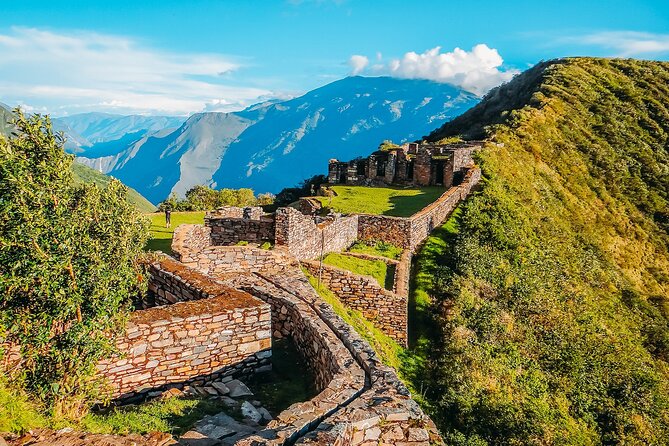
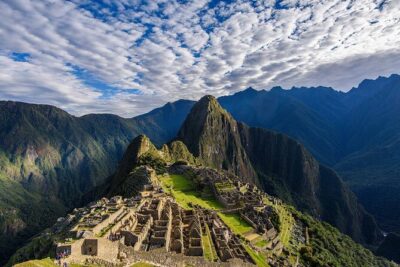
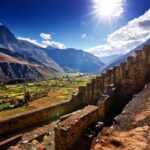
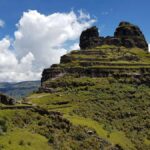
Choquequirao is the kind of place that rewards patience. It sits high in the mountains near one of the region’s deepest canyons, and it feels quieter and more remote than the famous headline sites. The tour also frames the scale well: Choquequirao is described as even larger than Machu Picchu, with only a portion visible at a time.
What you get isn’t just a quick pass through stone walls. Day 3 is built for learning and absorbing: your guide walks you through plazas, temples, and agricultural terraces—the kind of Inca engineering that makes you stop and stare. I like that the experience includes time to rest and eat before you go back out again.
And yes, the setting is dramatic. Expect long canyon views, Andean mountain backdrops, and the chance to see wildlife like condors if luck is on your side.
You can also read our reviews of more hiking tours in Cusco
Money Matters: What $735 Buys You on This Trek
At $735 per person for 5 days, you’re not paying for a bare-bones hike. You’re paying for a full moving base camp: licensed bilingual guide, all transfers, camping accommodation and equipment, cooks, dining setup, and porters to carry equipment. You also get transportation of personal belongings (within limits), plus water, tea time, and daily snacks along the trail.
Look at what’s explicitly included: the Choquequirao site entrance, group safety gear (including emergency oxygen supply and satellite phones), and meals (5 breakfasts, 5 lunches, 4 dinners). There’s also practical comfort included like inflatable mattresses and a rain poncho.
What’s not included is the hiking gear that backpackers usually bring themselves—your sleeping bag and trekking poles. For many people, that trade is fair. If you’re already a “pack it and go” traveler, you may spend less separately. If you’re not, you should budget to rent or buy those missing items.
The Trek Rhythm: Long Days, Big Changes in Elevation
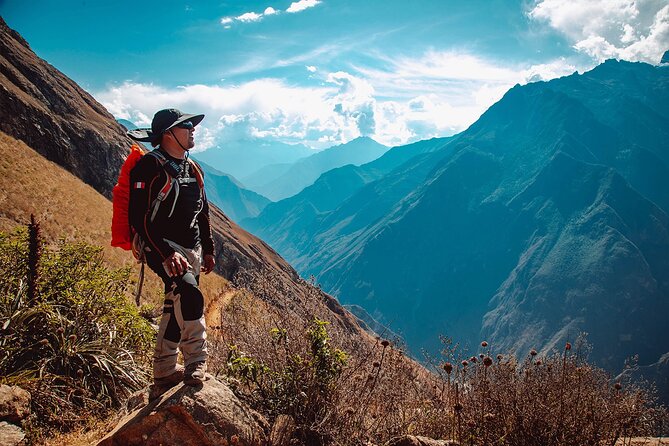
This is a challenging trek, and you should plan for long walking days with uphill and downhill sections. The itinerary includes a mix of steep descents and climbs, plus a low point at Playa Rosalinas that sets up a tougher effort afterward.
A practical way to think about it: you’ll be hiking early, then spending the day descending, climbing, and repositioning camp. Even when the schedule looks short on paper, the terrain and altitude slow you down.
Altitude matters here. The tour recommends arriving in Cusco at least 2 days before your start date so you can adjust. Do that. If you show up exhausted and under-acclimated, you’ll feel it fast when the trail turns steep.
Day 1: Cachora Glaciers, Capuliyoc Mule Power, and Warm Chiquisca
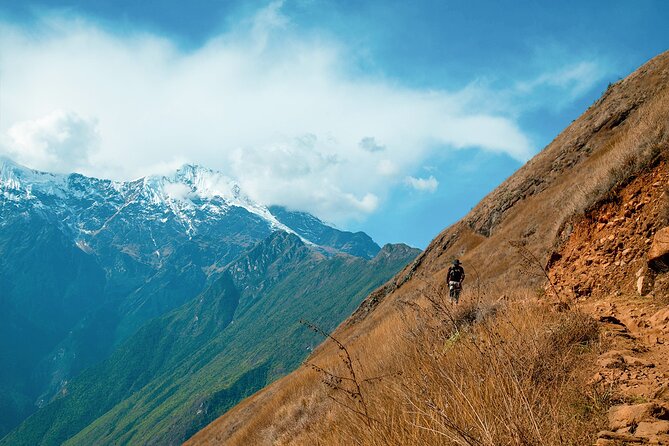
Day 1 starts early—hotel pickup around 4:30 a.m., with a meeting time listed at 4:00 a.m. The goal is smart: get moving before the day gets intense and set your body up for the long descent ahead.
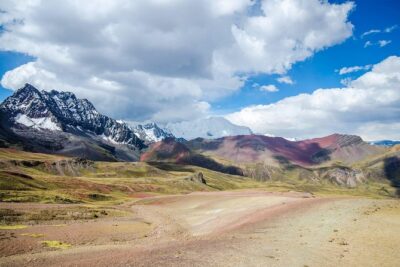
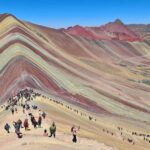
You travel by private transport to Cachora, where you’ll get views of the Salkantay and Humantay glaciers. It’s a great “right, this is real Peru” moment because you can immediately see the Andes scale you’re stepping into.
Then comes Capuliyoc and the team that makes your life easier: cooks and muleteers meet you here, and they take care of carrying your luggage. After breakfast, the big hiking moment begins with a long descent to Chiquisca (about 3 hours). The trail threads through the Apurímac Valley with mountains like Padreyoc and Qoriwayrachina in view.
If you’re lucky, condors may ride the air above the valley. You finish the day at warm Chiquisca camp—arid mountains around you, dinner served, and rest.
What to watch for: your legs will feel the descent more than you expect. Use early-day pacing, not ego pacing.
Day 2: Playa Rosalinas Low Point and the Push to Marampata
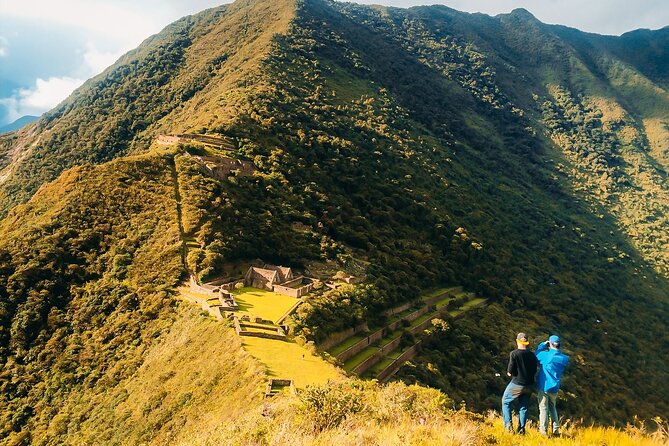
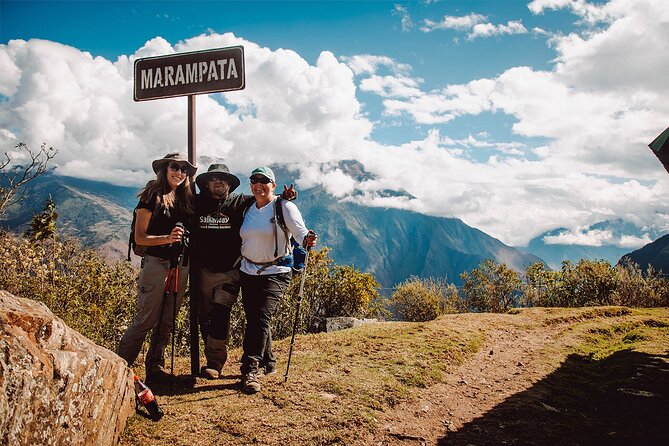
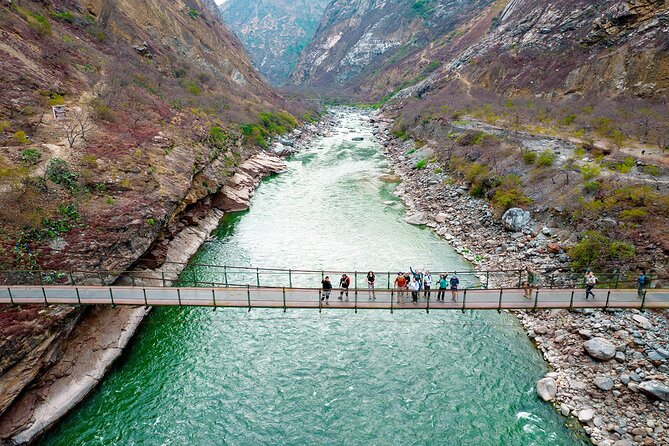
Day 2 starts with continuing the climb toward Marampata, but first you drop down again. You move from Chiquisca to Marampata, then later in the day you take a steep descent to Playa Rosalina, the lowest point in the valley.
Cross the footbridge, and you’re in the part of the trek that many people feel in their calves and lungs: the challenging segment begins after you reach Rosalina. This is the day where the day’s ups and downs feel like they keep stacking.
You’ll have lunch in Santa Rosa, then continue about 3 more hours zigzagging uphill to reach the Marampata camp. Late afternoon brings orange mountain light and Apurímac Valley views. At nightfall, you get that classic mountain payoff: a strong starry sky.
Practical tip: keep water consumption steady. The itinerary includes water and snacks on trail, but you still need to drink consistently when you’re working hard.
You can also read our reviews of more tours and experiences in Cusco
Day 3: A Full Day to Explore Choquequirao Like It Matters
Day 3 is the heart of the experience. After breakfast, you head to Choquequirao, with the day giving you time to explore the Inca citadel and its surrounding features.
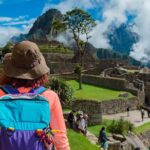
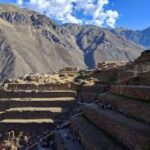
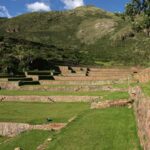
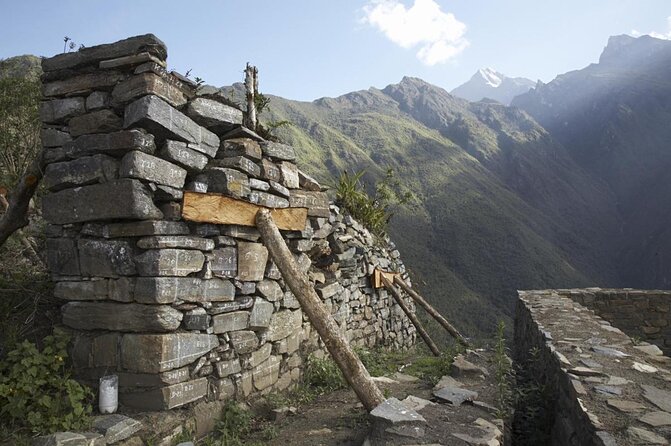
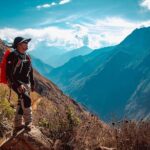
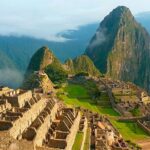
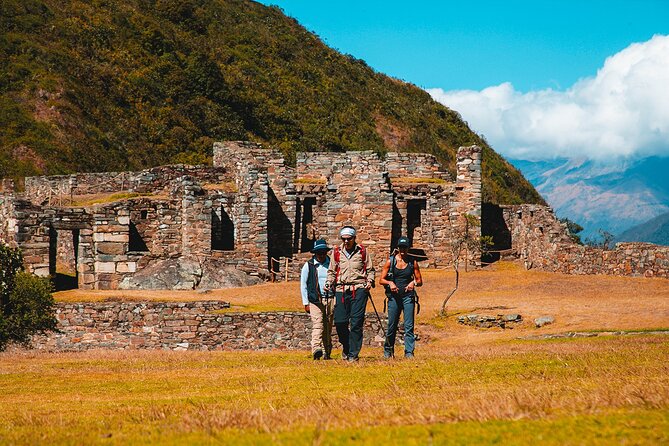
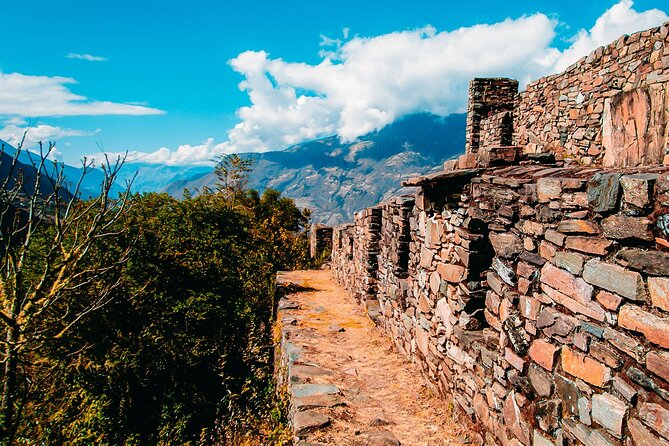
The tour gives you a guided walkthrough of Choquequirao at about 3,050 m. You’ll learn about architecture and history, and you’ll see plazas, temples, and terraces that show how the Incas shaped agriculture into a mountain advantage.
Here’s a detail worth holding onto: the site is hidden among mountains, and it’s estimated that only about 40% of the site is visible. That doesn’t mean you’ll feel like you missed things—it means the place is bigger and more spread out than a quick photo stop would show.
You’ll rest during a picnic lunch, then return to Marampata camp for dinner and sleep. This structure matters. You get the main site attention without turning it into an endurance test.
The vibe you’re aiming for: slow down. The walking isn’t the whole point. Choquequirao is about seeing how Inca power worked in stone and farming lines.
Day 4: Rosalina River Cooling Off and a Home Visit in Chiquisca
Day 4 brings the emotional rhythm: farewell, then back down the canyon path, then forward again.
You start with a return walk from Choquequirao, taking one last view of the canyon from Marampata. Then you hike about 2 hours to Santa Rosa through lush vegetation, where you’ll have lunch.
After that, you head to Playa Rosalinas and get a chance to cool off in the cold waters of the Apurímac River before ascending toward Chiquisca. It’s one of those “my body needed this even if my brain complains” moments.
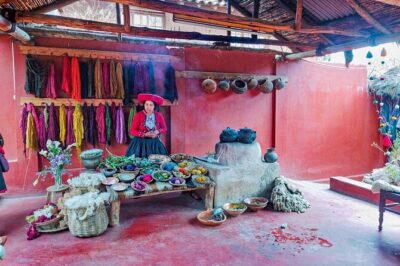
When you reach Chiquisca, you’re welcomed into a local family’s home. This is a big cultural difference from pure camping: you can learn more about Andean customs and the community’s connection to Pachamama. Dinner with that kind of context can make the trek feel deeper than scenery and stairs.
Then you sleep at the campsite again, ready for an early finish on Day 5.
Day 5: Capuliyoc Farewell, Saywite Monolith, and Hot Springs at Cconoc
On your last day, you start early again to avoid harsh sun. You’ll hike about 2 hours, then continue roughly 4 hours to Capuliyoc where you say goodbye to the hiking team.
From there, you travel by private transport to the Saywite Monolith, a sacred site valued by the Incas, with more than 200 carved figures. It’s a different kind of “Inca art” experience than what you saw at Choquequirao.
After Saywite, you head to hot springs at Baños Termales de Cconoc before lunch. This is a smart ending: your feet will thank you. Then you return to Cusco, arriving around 6:00 p.m. with a transfer to your accommodation.
Camp Comfort That Actually Helps on Hard Days
The camping setup is one of the biggest value drivers. You’ll have 3 nights in high-quality tents for 2 people, plus cook equipment, dining tent, and chairs. Porters carry all camping equipment, and your personal duffle bag is carried by porters too (up to 5 Kg / 11 lb).
You also get practical “sleeping out” items: inflatable mattress, bag cover, and rain poncho. Hygiene products like a small towel and soap are included, and there’s a portable travel toilet.
You still need to bring what’s missing: your sleeping bag and trekking poles. But once you have those covered, the camp side becomes much more manageable. You’re hiking all day; you shouldn’t spend your evening wrestling gear.
Views, Wildlife, and When to Stop for Photos
The itinerary builds in scenic moments at logical times. Cachora is morning light with glacier views. Chiquisca and Marampata sit in clear view corridors over the Apurímac Valley and surrounding mountains.
The guide support also matters for wildlife and photo moments. The trail notes the possibility of condors flying overhead, especially around valley views. Don’t chase them. Just pause when you see circling birds and let your eyes adjust.
For sunsets, Day 2 is your best bet: the itinerary specifically points to late afternoon color over the canyon. That’s when a short stop gives you big payoff.
What to Pack (Because Sleeping Bag and Poles Aren’t Included)
From the info provided, you’ll want to handle these gaps before you arrive:
- Sleeping bag (required)
- Trekking poles (recommended by the fact they’re listed as not included)
Everything else is handled for you on the trail: water, tea time, daily snacks, and your food. The tour also includes extras like rain poncho and an emergency first aid kit plus oxygen supply.
Your clothing should focus on layers. Early mornings start cool, and walking heats you up, then the air turns again as you descend and camp. You might want gloves or a warm hat depending on how you personally feel in cold mountain air.
Who This Trek Fits Best (and Who Should Rethink It)
You’ll love this trek if you want:
- a serious hiking adventure with strong structure
- real time at Choquequirao
- camping logistics handled by porters and a cook team
- a small-group feel without feeling like you’re on your own
You may want to rethink it if you’re not comfortable with a challenging trek or if you’re coming off recent health issues. The tour explicitly asks for a strong physical fitness level, and you should take that seriously.
Also consider the altitude plan. The trek is in a high setting, and the recommendation to arrive in Cusco 2 days early exists for a reason.
Quick Booking Check: Weather and Your Cusco Acclimatization
This experience requires good weather. If it’s canceled due to poor weather, you’ll be offered a different date or a full refund. Good planning means you’re not booking the trek as a one-day “casual add-on” to your Peru schedule.
Do the Cusco prep too. Arrive early enough to adjust to altitude so you can enjoy the hardest hiking days instead of simply surviving them.
Should You Book the Classic Choquequirao Trek?
If you want a trek that combines serious effort with meaningful archaeology, this is a strong choice. The full day at Choquequirao, plus the cultural home welcome in Chiquisca, makes the trip feel more complete than a straight hike.
If you’re organized, fit, and altitude-ready, you’ll probably come back with that rare mix: sore legs and a calm, satisfied mind. Just be honest about your ability to handle steep descents and climbs, and you’ll be set up to enjoy the canyon views, condor chances, and those terrace-lined Inca ruins.
FAQ
What time does the trek start from Cusco?
The meeting time is 4:00 a.m., with pickup from your hotel around 4:30 a.m.
Is camping included in the price?
Yes. You get camping accommodation and equipment for 3 nights in high-quality tents for 2 people, plus inflatable mattress and camping-related items.
Are meals included during the trek?
Yes. Breakfast is included for 5 days, lunch for 5 days, and dinner for 4 days. Water, tea time, and daily snacks are also included on the trail.
Do I need to bring a sleeping bag or trekking poles?
Yes. Sleeping bag and trekking poles are not included, so you’ll need to bring or arrange them yourself.
Is the group small, and do porters carry equipment?
It’s a small-group tour, listed as up to 10 people, with a maximum of 12. Porters carry all camping equipment, and your personal belongings are transported; you also receive a duffle bag allowance up to 5 Kg / 11 lb carried by porters.
How much hiking should I expect each day?
The itinerary includes long hiking days with both descents and climbs, including sections that last several hours and a full day hiking around Choquequirao. The trek is described as challenging, so plan for sustained walking and steep terrain.
What safety and emergency support is included?
You’ll have walkie-talkies and emergency satellite phones, plus a first aid kit and an oxygen supply.
What happens if weather is poor?
This experience requires good weather. If it’s canceled due to poor weather, you’ll be offered a different date or a full refund.