REVIEW · HIKING & TREKKING
Ultimate Lares Trek & Inca Trail 5 days
Book on Viator →Operated by TreXperience · Bookable on Viator
Your Machu Picchu comes quietly, not crowded. This 5-day route uses the quieter Lares trail to reach UNESCO-listed Machu Picchu with a calmer feel, plus a real reset at the thermo-medicinal hot springs and nights in remote villages. Guides such as Manolo and Sara bring the history and culture to life in plain English, not a lecture.
I also love how much the experience cares about your day-to-day comfort: morning tea, well-timed breaks, and a food setup that people rave about for good reason. The big consideration is the altitude and effort: Day 2 goes up to 4700 m / 15,354 ft and lasts a full day, so you’ll want moderate fitness and realistic expectations.
In This Review
- Key highlights worth booking
- Lares to Machu Picchu: the quieter route logic
- Day 1: Sacred Valley market, hot springs, and the Kiswarani climb
- Day 2 to Condor Pass: the high day and the tech-free village
- Day 3: Huaran descent, Salineras, and Ollantaytambo’s living Inca streets
- Day 4: train to km 104, Chachabamba, and the Sun Gate entrance
- Day 5: early buses, Machu Picchu tour, and optional Huayna Picchu or Montaña
- Food and the team: why this trek feels different in camp
- Price and value: what $980 really buys you
- Packing, pace, and altitude: what you should prepare for
- Who this trek fits best (and who might want an easier version)
- Should you book the Ultimate Lares Trek & Inca Trail 5 days?
- FAQ
- What time does the tour start?
- How difficult is the trek?
- What is the highest altitude you’ll reach?
- Do I camp or stay in hotels?
- Are meals included?
- Is luggage carried for you?
- Are Machu Picchu entrance tickets included?
- How long is the guided time at Machu Picchu on the final day?
- What’s the maximum group size?
- What happens if weather is bad?
Key highlights worth booking
- Lares instead of the usual crowds: a quieter approach that still lands you at Machu Picchu
- Hot springs on Day 1: bones and muscles get a head start before the trekking
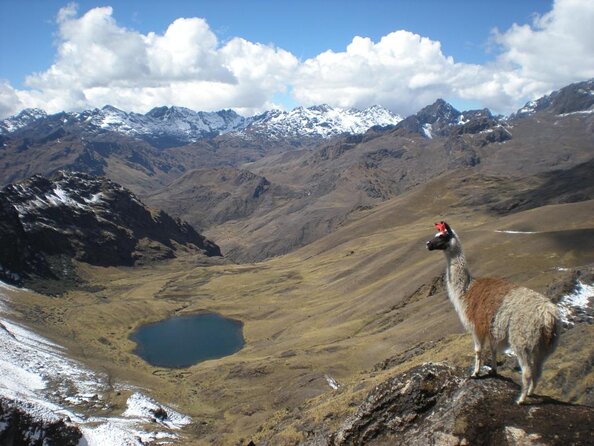
- Condor Pass day: high effort, big views, and a strong sense of achievement
- Cancha Cancha, Quechua-only: a village cut off from modern tech
- Train + Sun Gate timing: you arrive at Machu Picchu while it’s almost empty
- Horse-carried duffles (up to 7 kg): less weight on your back for the long days
Lares to Machu Picchu: the quieter route logic
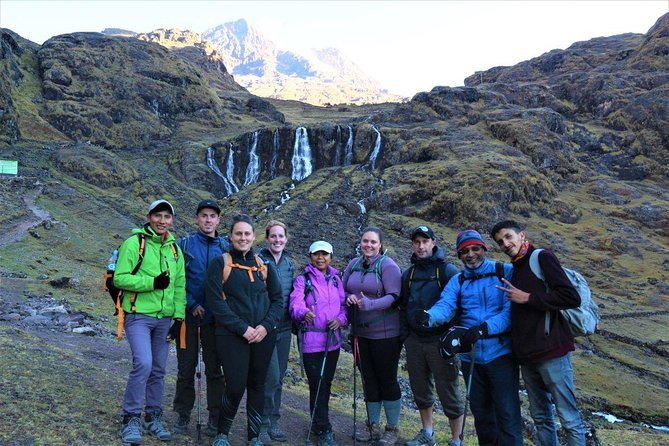
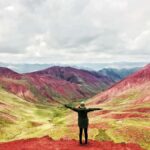
This trip is designed around one simple idea: get the Machu Picchu moment without spending your hike fighting a bottleneck of day-trippers. The Lares route is less famous, so the trail feels more like you’re walking through real Andean life—small farming communities, high passes, and broad valley views—before the classic Machu Picchu finale.
What also helps is the way the days are paced. You start with an easy warm-up day that includes the medicinal baths, then you have one “work day” that pushes altitude on Day 2. After that, you transition from trekking to sightseeing (Salineras and Ollantaytambo), and then you shift into a more classic Inca Trail rhythm on Day 4.
The balance matters for your enjoyment. If you’re the type who likes quiet mornings and doesn’t need constant photo stops, you’ll feel the difference. If you’re worried about crowds more than altitude, this route is a smart match.
You can also read our reviews of more hiking tours in Cusco
Day 1: Sacred Valley market, hot springs, and the Kiswarani climb
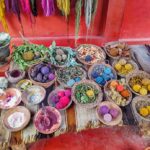
You start early. The tour lists a 4:30 am start time, and then on Day 1 you’re picked up from your hotel around 5:30 am for the drive into the Sacred Valley. There’s even time for a quick local market stop before you head to the Lares thermo-medicinal baths.
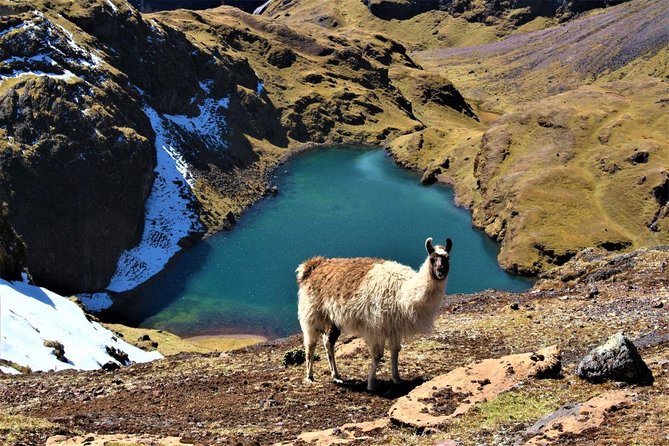
This is a surprisingly good way to begin. The baths have pools at different temperatures, so you can choose how you want to loosen up. After soaking, you grab breakfast and start a 2-hour uphill trek toward Kiswarani village. You’ll lunch there, then continue with another 2-hour walk to your campsite on a blue lake at about 3750 m.
The campsite setup is part of the appeal. Tents are already ready, and you get hot tea when you arrive. Then you’re in the right place for quiet stuff: relaxing, stargazing, and learning about Inca astronomy while the sky gets dark. That combination—effort, recovery, and a little wonder—sets the tone for the whole trek.
One small note to consider: your Day 1 altitude isn’t the hard day, but you still start feeling the thin air. Take it slow on the first climb and save your energy for later.
Day 2 to Condor Pass: the high day and the tech-free village
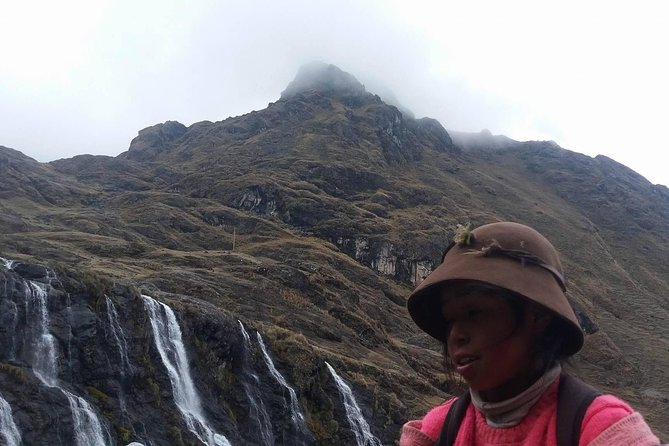
Day 2 is the one you plan your fitness around. After waking with coffee or cocoa tea, you eat breakfast and start a 4-hour uphill hike to Condor Pass (4700 m). At the summit, you get time to explore before beginning a 3-hour descent.
This is the day with the most strain listed: about 16 km and roughly 7 hours on the trail. You don’t just “climb and go.” You’re also learning how to move efficiently at altitude: steady pace, short rests, and not sprinting just because you’re excited.
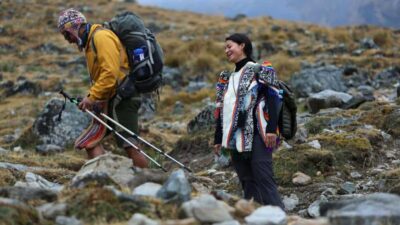
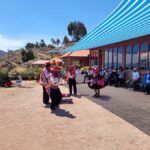
Then you land somewhere very different from Cusco. Your campsite is at Cancha Cancha (3750 m)—described as the only village in the Lares Valley that is completely isolated from modern technology. That includes no electricity, no internet, no computers, and no cellphone service. The language you hear is Quechua, and the pace of life feels older than the rest of the world.
By evening, the chef team has dinner ready, and the social time is less about busyness and more about sharing the day’s effort. It’s also a great place to understand what you’re walking through: people are still living a traditional routine, not putting on a show for tourists.
If you’re prone to altitude headaches or you tend to push too hard early, this is where you adjust. Slow and steady wins.
Day 3: Huaran descent, Salineras, and Ollantaytambo’s living Inca streets
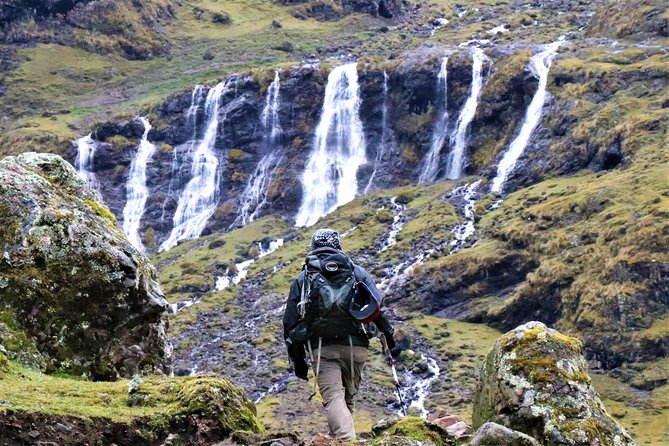
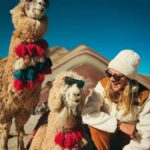
On Day 3, you wake up in the mountains and then start with easier walking: a 4-hour downhill trek. The experience description says you begin in a village surrounded by llamas and alpacas, then continue down to Huaran (2700 m), where your trek concludes.
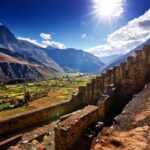
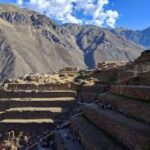
From Huaran, you shift into transport—there’s a private bus to Salineras and Ollantaytambo. Salineras gives you a chance to see the salt formations, while Ollantaytambo is where the day gets more historic and more human. You explore the ancient streets and especially the water channel that’s been in use since Inca times.
Dinner is in a local restaurant in Ollantaytambo, and you sleep in a 3-star hotel there. This hotel night is not a “bonus.” It’s your chance to reset your body before the Machu Picchu push.
Why I like this day: it connects the dots. You don’t go from “camp in the mountains” to “famous ruins” without a bridge. You get daily-life archaeology—the kind that still affects where people walk, farm, and gather.
Day 4: train to km 104, Chachabamba, and the Sun Gate entrance
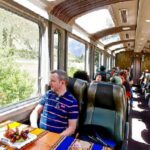
Day 4 blends the trekking world with the classic Inca Trail lead-in. You start from your hotel around 6:00 am, walk to the train station, then take a 1 hour 30 minute train ride along the Urubamba River from Ollantaytambo to km 104 at Chachabamba.
Then the hiking resumes. Your first stop is Chachabamba, an Inca ruin you explore before hiking onward for about 4 hours to Wiñay Huayna. At Wiñay Huayna, you get a packed lunch and refreshments.
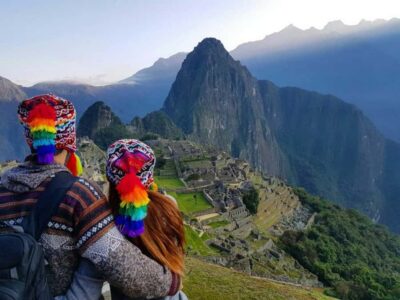
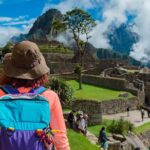
After that, you keep going to the Sun Gate for your first glimpse of Machu Picchu—described as “the place that never gets old,” then you walk downhill about 1 hour into the city itself. The key detail here is timing: you arrive in the afternoon, giving you a shot at experiencing Machu Picchu when it’s almost empty.
That matters more than people think. If you hate shoulder-to-shoulder viewing, this schedule helps. You get space to breathe and take in the setting before the crowds fully settle in.
After exploring, you ride the bus down to Aguas Calientes, dinner is included, and you sleep in another 3-star hotel.
You can also read our reviews of more tours and experiences in Cusco
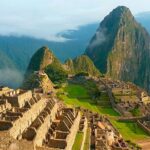
Day 5: early buses, Machu Picchu tour, and optional Huayna Picchu or Montaña
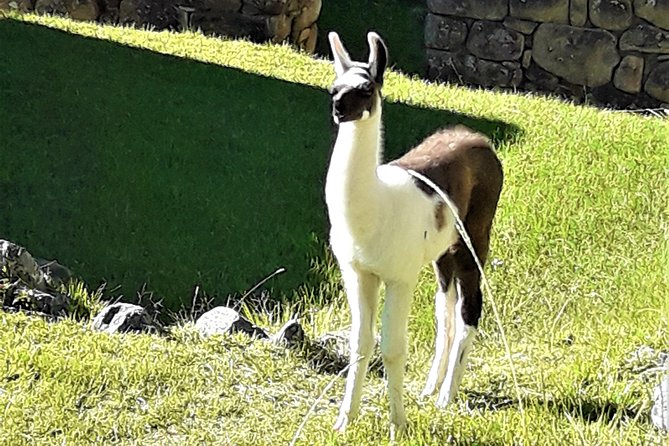
Final day starts very early in the hotel. You eat breakfast, then take early buses up to the citadel. The schedule notes that on a clear day, you can watch sunrise over Machu Picchu. Even if the weather doesn’t cooperate perfectly, the early start is still the smart move because you’re entering before the bulk of the day.
Your guide takes you on a 2 to 3 hour guided tour, then you’re free to explore on your own or take on a side climb. If you want Huayna Picchu or Montaña, the tour warns you to book those tickets far in advance. Those entrance add-ons are not included, but the base Machu Picchu visit is handled as part of the tour.
After your time in the citadel, the guide shows you how to take the bus back to Aguas Calientes for lunch, which is not included. Then you take the Panoramic train and bus back to Cusco, and the TreXperience team meets you off the train to return you safely to your hotel.
This day is intense in a different way. It’s not long trekking legs, but you’re still stacking big moments into one schedule. Build in patience for buses and lines, and consider leaving extra time for the viewpoint you care about most.
Food and the team: why this trek feels different in camp
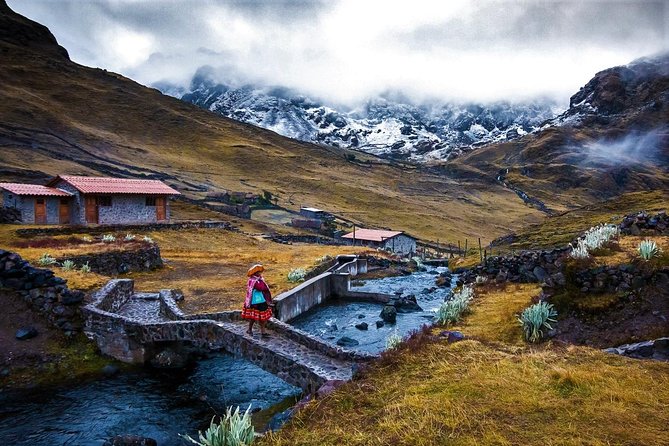
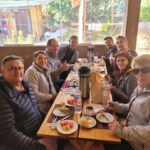
On trekking trips, the food is often either great… or surprisingly basic. Here, the standard is repeatedly described as excellent and plentiful. In the teams I saw highlighted, chefs like Augusto and Oscar (with assistants such as Paulino or Beto) are cooking in a way that keeps energy steady across long days. People also mention that meals change each day instead of turning into the same carb plate with different sauces.
A few details that stand out as “this is how they operate”:
- You get hot tea early in the morning, and camps are ready when you arrive.
- Desserts happen. There are stories of a cake made even while trekking in camp conditions, which tells you they’re not treating food like a chore.
- The food portion sizes are described as big enough that you don’t feel hungry mid-day.
Then there’s the support system. Horsemen like Toribio, L’andros, and Gregorio handle equipment and keep the operation moving over long distances. That matters because the trek includes a practical promise: a duffle bag up to 7 kilos for personal stuff is carried by horse, so your back load can stay more manageable.
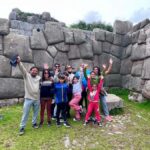
If you’re a solo traveler or traveling with family, the team approach also seems to reduce stress. Guides such as Elias, Sara, and Manolo are described as encouraging and supportive when the trek starts to feel hard.
Price and value: what $980 really buys you
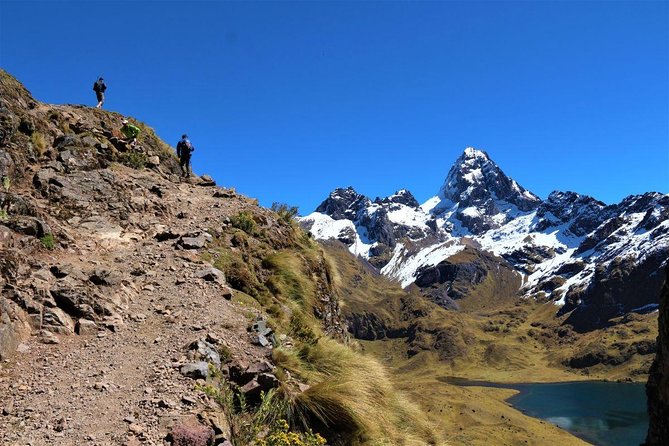
At $980 per person, this isn’t a budget-only hike. But when you look at what’s wrapped into the price, it starts to make sense.
Included elements that add up fast:
- Round-trip transport during the trek and transfers tied to the route
- All meals: 5 breakfasts, 4 lunches, 4 dinners
- 2 nights camping with comfortable equipment
- 2 nights in 3-star hotels in Ollantaytambo and Aguas Calientes
- A staffed crew: guides, chefs, porters, and horse support
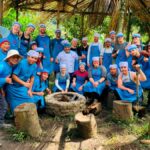
- The pachamanca cooking demonstration
- Admission tickets are listed as included for the stops you visit, with the note that optional Machu Picchu climbs (Huayna Picchu or Montaña) cost extra
What’s not included (and you should budget for):
- Optional entrance tickets for Machu Picchu Montaña or Waynapicchu (book ahead if you want them)
- Lunch on Day 5 in Aguas Calientes
- Optional gear like trekking poles or sleeping bag/mattress (the operator can guide you)
So the value argument isn’t just “you get Machu Picchu.” It’s that you’re paying for a full moving system: logistics, meals, camps, and local guidance. If you tried to DIY even part of this route, you’d spend plenty and still lose the smooth transitions that let you focus on the trail.
Packing, pace, and altitude: what you should prepare for
You’ll do well if you treat this like a working trek, not a casual stroll. Day 1 is listed as easy (about 9 km / 5.5 miles, around 4 hours). Day 2 flips to moderate to challenging with the longest hiking time. Your highest point is Condor Pass at 4700 m.
That means your pacing strategy should be boring on purpose:
- Start slower than you think you need on Day 2.
- Drink water regularly, even if you don’t feel thirsty.
- Keep your breathing steady on the uphill sections.
Your legs will be doing the talking, but your back will thank you for the 7 kg duffle plan. Still, you should pack for early mornings. The schedule has you up at dawn and moving quickly.
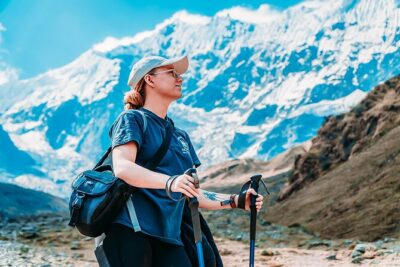
If you need gear support, the tour offers guidance for optional items like trekking poles and sleeping bag/mattress. If you already have good trekking poles, bring them. If not, ask ahead.
Also plan your expectations about sleeping: you’re camping two nights, then switching to hotels. That blend is part comfort, part adventure.
Who this trek fits best (and who might want an easier version)
This trip is a great match if you:
- Want Machu Picchu without the biggest crowd pressure you’d feel on the most popular routes
- Like quieter village moments, including a Quechua-only, tech-free stop at Cancha Cancha
- Are comfortable with one tough altitude day and want it paired with recovery and sightseeing
- Care about food quality and want a crew that takes camp seriously
It may be less ideal if you:
- Struggle with altitude and know you get headaches or feel wiped at high elevation
- Want a purely light hike every day
- Have knee or ankle issues that make long uphill/downhill days uncomfortable (Day 2 has a long push and a big descent)
If you’re traveling with teens or you’re fit but not a hardcore trekker, you’ll likely find it manageable with the right pace. The guiding style described in the field adds confidence, especially when the uphill starts to feel stubborn.
Should you book the Ultimate Lares Trek & Inca Trail 5 days?
I’d book this if you want Machu Picchu with a calmer build-up: hot springs, remote villages, and a high pass day, then a Sun Gate arrival that helps you see the citadel when it’s less packed. The $980 price feels fair when you factor in the hotel nights, camping gear, meals, transfers, and a real crew.
Before you commit, be honest about two things: your comfort with altitude and your ability to hike 7-hour days on Day 2. Also decide early if you want Huayna Picchu or Montaña, because you’ll need tickets booked well ahead.
If you’re flexible, a weather disruption can turn into a different date or full refund, depending on the situation. Either way, this is one of those Peru trips where the journey to Machu Picchu feels like a major part of the reward, not just the warm-up act.
FAQ
What time does the tour start?
The start time is listed as 4:30 am. On Day 1, you’ll also be picked up from your hotel around 5:30 am.
How difficult is the trek?
Day 1 is labeled easy (about 4 hours). Day 2 is labeled moderate to challenging (about 7 hours). The tour also notes you should have a moderate physical fitness level.
What is the highest altitude you’ll reach?
The highest altitude listed is 4700 m / 15,354 ft on Day 2 at Condor Pass.
Do I camp or stay in hotels?
You camp for 2 nights in the mountains with comfortable equipment. You stay in 3-star hotels for 2 nights in Ollantaytambo and Aguas Calientes.
Are meals included?
Yes. The tour includes 5 breakfasts, 4 lunches, and 4 dinners.
Is luggage carried for you?
You get a duffle bag up to 7 kilos for your personal stuff that is carried by horse.
Are Machu Picchu entrance tickets included?
Admission tickets are listed as included for the itinerary stops. Tickets for Machu Picchu Montaña or Waynapicchu are optional, and you should book them ahead of time if you want to climb.
How long is the guided time at Machu Picchu on the final day?
Your guide provides 2 to 3 hours at Machu Picchu before you have time to explore on your own.
What’s the maximum group size?
The tour lists a maximum of 12 travelers.
What happens if weather is bad?
The trek requires good weather. If it’s canceled due to poor weather, you’ll be offered a different date or a full refund.