REVIEW · INCA TRAIL TREKS
Cusco : Sacred Valley & Inca Trail to Machu Picchu 3 days
Book on Viator →Operated by TreXperience · Bookable on Viator
Three days, one big wow. This Cusco package strings together the Short Inca Trail and an early Machu Picchu morning, plus Sacred Valley sites like Pisac, Moray, and Salinas. I like the tight pacing (big sights, not wasted time) and the guided focus at Machu Picchu with included circuits 1 & 3. One thing to watch: the itinerary is smooth on paper, but you should double-check logistics and hotel quality before you trust everything will match the description.
What makes this work for real travelers is the rhythm. You’ll move from Cusco to the Sacred Valley, take the train to Km 104, hike with a picnic lunch, and then return to Aguas Calientes for dinner and rest before sunrise entry. If you’re in for structured days and a bit of prep (especially for altitude and weather), you’ll likely find it’s excellent value for what you get.
In This Review
- Key highlights you’ll feel on the ground
- What you’re really paying for in 3 days (and why it can be worth it)
- Day 1 in the Sacred Valley: Pisac terraces, Moray circles, and Salinas salt ponds
- Cusco to a quick animal and culture stop (Manos de la Comunidad)
- Mirador Taray: a viewpoint that sets the geography
- Pisac archaeological site: terraces and Inca engineering
- Moray: the circular agricultural laboratory
- Salinas de Maras: salt ponds still harvested by local families
- Ollantaytambo: a living Inca town for your night
- Day 2: Km 104 registration, Chachabamba, Wiñay Wayna, and the Sun Gate reveal
- Train along the Urubamba River to Km 104
- Km 104: registration, breakfast, and the bridge
- Chachabamba: sacred water and carved stone
- Wiñay Wayna: terraces, waterfalls, and the included picnic lunch
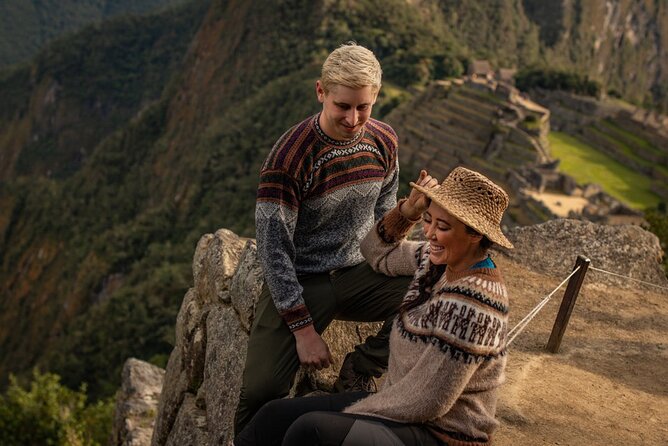
- Sun Gate: the classic Machu Picchu first look
- Afternoon entry zone: guided walk and the less-crowded timing
- Evening in Aguas Calientes: dinner and a sleep buffer
- Day 3: Sunrise at Machu Picchu, guided circuits 1 & 3, then Vistadome back
- Machu Picchu at sunrise: peace before most people arrive
- Back down for lunch, then train to Ollantaytambo
- Guides can make or break this trip: what to look for in your team
- Price and logistics: the parts that need your attention
- What I recommend you do before you go
- Who should book this tour, and who should think twice
- Should you book this Cusco: Sacred Valley & Inca Trail to Machu Picchu 3 days tour?
- FAQ
- What time does the tour start in Cusco?
- How long is the Cusco Sacred Valley and Inca Trail to Machu Picchu tour?
- What Machu Picchu entry is included?
- Is Machu Picchu Mountain or Waynapicchu included?
- What meals are included?
- What fitness level do I need?
- How big is the group?
Key highlights you’ll feel on the ground
- Km 104 to Wiñay Wayna: Chachabamba stops, then a scenic climb to Wiñay Wayna with a picnic lunch from the trekking chefs
- Sun Gate first view: You hike in, then get the classic Machu Picchu reveal from the Sun Gate route
- Machu Picchu circuits 1 & 3 with a guided walk: 2–3 hours through the main terraces and ceremonial areas
- Train comfort, not just buses: Expedition train outbound and Vistadome panoramic train back
- Day 1 Sacred Valley trio: Pisac terraces, Moray circular agricultural terraces, and Salinas de Maras salt ponds
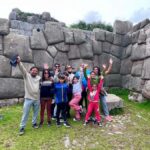
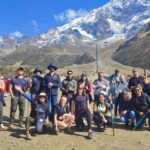
- Small group size (max 16): Easier to manage pace, questions, and small problems during the days
What you’re really paying for in 3 days (and why it can be worth it)
At $817 per person, you’re buying a stack of “infrastructure,” not just sightseeing. This is the kind of trip where the big costs are often the ones people underestimate: train tickets (Expedition to Km 104 and Vistadome back), Machu Picchu circuit entry, Inca Trail access, shuttle/bus tickets inside Machu Picchu, and guided time at both the Sacred Valley and Machu Picchu.
The included items matter because they remove decision fatigue. You don’t have to piece together:
- how to reach Km 104,
- how to time your Machu Picchu visit (including early arrival),
- or which entrance circuits you’ll use once you’re there.
The other value is the structure. With limited time in Peru, this schedule squeezes in both the “before Machu Picchu” story (Sacred Valley sites) and the “arrive on foot” experience (Short Inca Trail). If you want Machu Picchu to feel earned, not rushed, that combination is the whole point.
You can also read our reviews of more tours and experiences in Cusco

Day 1 in the Sacred Valley: Pisac terraces, Moray circles, and Salinas salt ponds
Your day begins in Cusco with pickup around 7:00 a.m., then you head into the Sacred Valley. The timing is helpful. You get moving early, and you avoid spending your daylight stuck in Cusco traffic or slow starts.
Cusco to a quick animal and culture stop (Manos de la Comunidad)
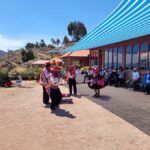
One of the first breaks is at an Alpaca Center (Manos de la Comunidad). You can feed and interact with llamas, alpacas, and vicuñas, then learn how Andean wool has been used for centuries. It’s not a long stop, but it gives context fast: this region’s history isn’t just stones—it’s also fiber, farming, and daily life that supported communities long before tourism.
Practical tip: bring a small layer even if it seems warm in Cusco. This area can cool quickly, and you’ll be outdoors for terraces and viewpoints later.
Mirador Taray: a viewpoint that sets the geography
Next comes Mirador Taray for wide views over the valley and the Urubamba River. This matters because when you later see Pisac and Ollantaytambo, you’ll understand why Inca builders chose these places—routes, water, and defensive sightlines.
Pisac archaeological site: terraces and Inca engineering
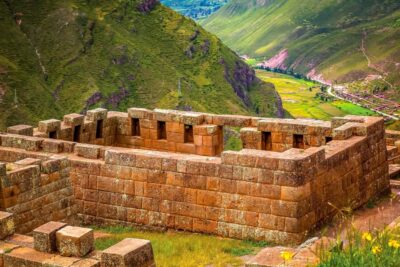
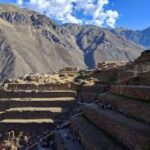
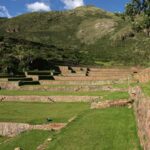
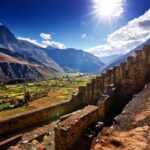
Pisac is where the Sacred Valley shifts from scenery into history you can walk through. You’ll explore the hillside terraces, ceremonial temples, and features that include tunnels. You also get big views over the Valley, which helps you connect the engineering to the setting.
One note: the visit is about an hour. That’s enough to appreciate the main features, but not enough to be a “deep researcher.” If you love reading every stone inscription, you might want extra time later in your trip.
Moray: the circular agricultural laboratory
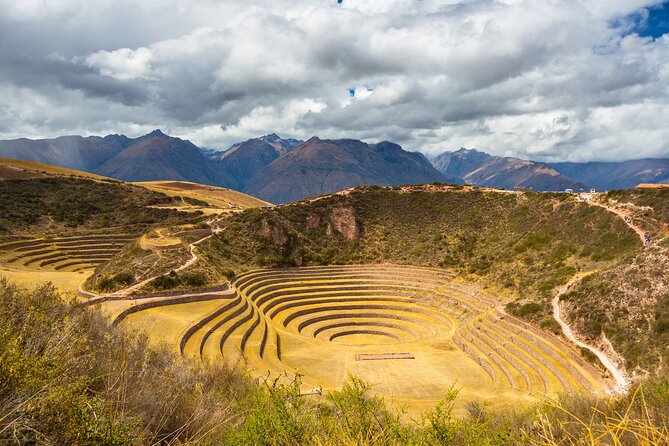
After lunch, you head to Moray, described as an ancient agricultural laboratory. The circular terraces are the star here. The idea is simple and fascinating: these terraces were designed for crop experimentation, turning differences in temperature and conditions into a living experiment.
The draw for many people is that Moray looks geometric and almost unreal, like a planned set. It’s a reminder that the Inca didn’t just build monuments—they ran systems.
Salinas de Maras: salt ponds still harvested by local families
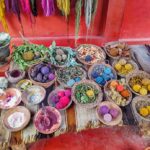
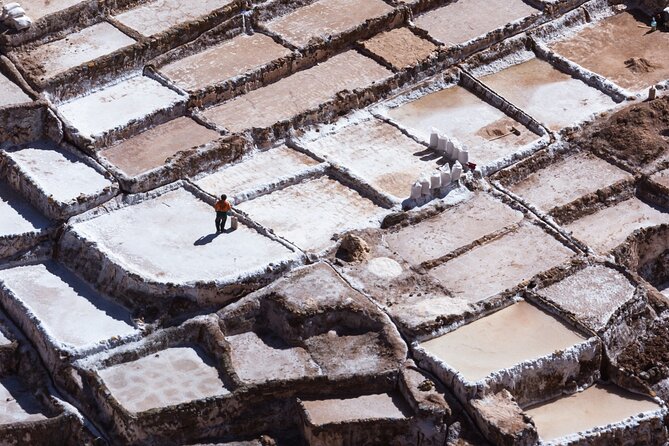
Then you visit Salinas de Maras, a patchwork of salt ponds where local families harvest salt by hand using traditional methods. What you’ll notice is how “working” it still feels. You’re not just sightseeing; you’re seeing ongoing livelihoods.
Ollantaytambo: a living Inca town for your night
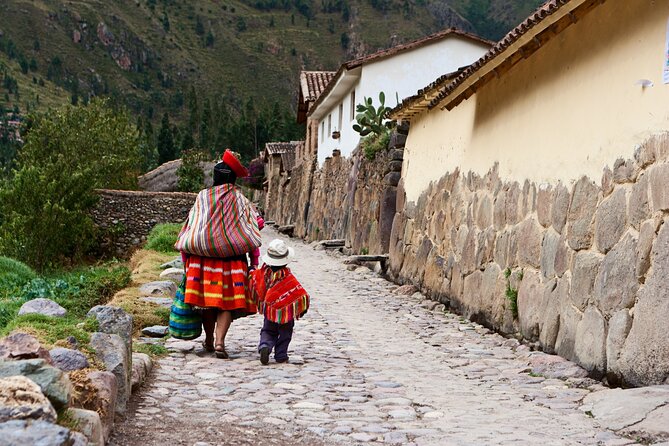
You finish Day 1 with a guided stop at Ollantaytambo, including time to explore narrow streets and stone canals. It’s the right place to sleep before the trail because it feels grounded and real—plus it sets you up for the next day’s train logistics.
You’ll spend the night in Ollantaytambo in a hotel listed as 2-star for this package, though quality can vary in practice. (More on what I’d watch for in the logistics section.)
Day 2: Km 104 registration, Chachabamba, Wiñay Wayna, and the Sun Gate reveal
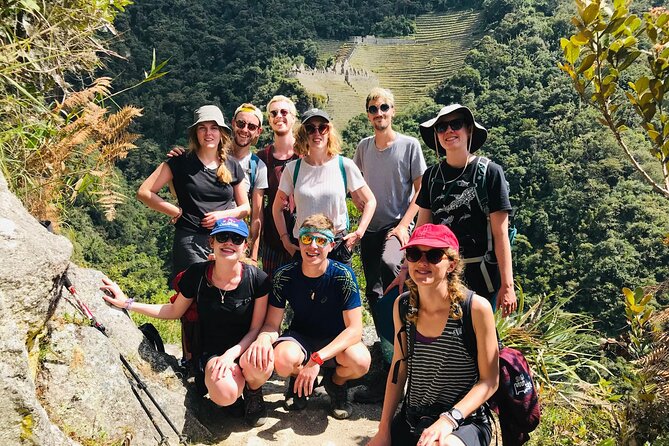
Day 2 is the “turning point” day—train, registration, then the hike that leads to your first major Machu Picchu view.
Train along the Urubamba River to Km 104
After pickup from your hotel, you’ll drive about 10 minutes to the station. Then you board a train that runs along the Urubamba River. The scenery changes from rugged highland terrain into greener cloud-forest-like areas as you move through the valley.
This is a real win if you don’t love long bus rides. The train gives you views without exhausting your legs before the hike.
Km 104: registration, breakfast, and the bridge
At Km 104 Station, you’ll disembark and complete registration. You’ll also have a hearty breakfast before the trail begins. A suspension bridge crosses the Urubamba River before you go through the checkpoint—this is one of those moments where you feel the trip shift into “official trail time.”
Chachabamba: sacred water and carved stone
Your first stop is Chachabamba, described with carved stone structures and water channels used for honoring sacred water. It’s a good early lesson: even the smaller trail stops have meaning beyond the view.
Wiñay Wayna: terraces, waterfalls, and the included picnic lunch
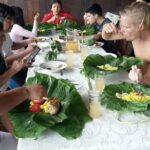
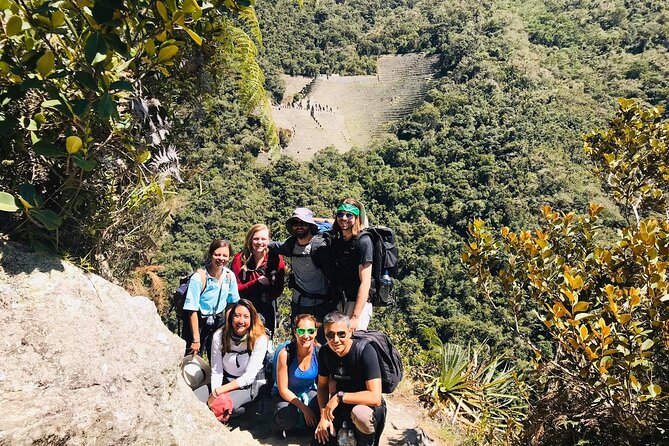
Then comes Wiñay Wayna, a major Inca site with temples, aqueducts, agricultural terraces, and waterfalls. You’ll get a freshly prepared picnic lunch crafted by your trekking chefs.
This lunch matters more than it sounds. Eating well during the hike makes the rest of the day easier. Also, a picnic lunch is often far better than trying to figure out food at the wrong time and wrong place.
Sun Gate: the classic Machu Picchu first look
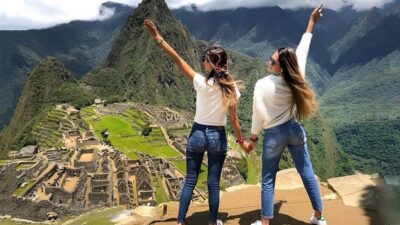
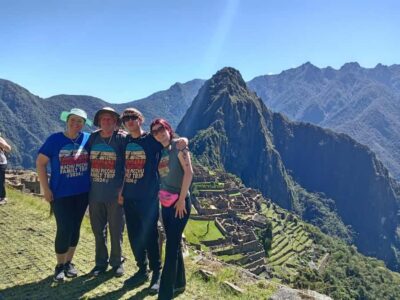
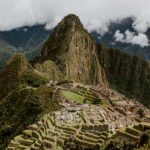
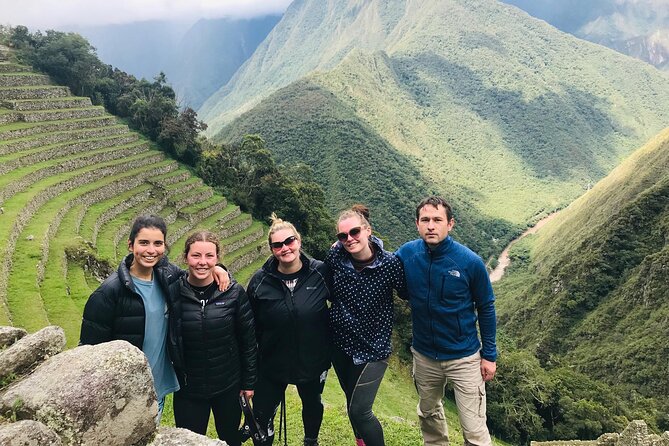
The hike continues along an ancient stone path that climbs steadily. You’ll arrive at the Sun Gate—the original entrance route—where you’ll see Machu Picchu for the first time in a way that feels earned, not just “pulled up by shuttle.”
Afternoon entry zone: guided walk and the less-crowded timing
After that, you walk down toward the upper terraces for afternoon photos in golden light with fewer visitors. Then you move into the Historic Sanctuary of Machu Picchu with an included entry and guided portion.
Your Day 2 time inside is shorter than Day 3, but it’s designed to give you momentum: you see the site, you learn the main structures, and you still have the evening to rest.
Evening in Aguas Calientes: dinner and a sleep buffer
As evening approaches, you take the shuttle bus down to Aguas Calientes, have dinner at a local restaurant, and stay at a 3-star hotel for the night.
If you’re altitude-sensitive, this is your breathing room day. The next morning you’ll go early to Machu Picchu, so sleep quality is not a luxury—it’s part of the success of the trip.
Day 3: Sunrise at Machu Picchu, guided circuits 1 & 3, then Vistadome back
Day 3 starts early at Aguas Calientes. The plan is to catch one of the first buses up to Machu Picchu so you arrive before sunrise. That timing is huge. It’s when the site feels calm and not like a nonstop photo line.
Machu Picchu at sunrise: peace before most people arrive
You enter as the sun rises and enjoy a quieter atmosphere. Then your expert guide leads a walking tour through the most remarkable parts of the site, including temples, ceremonial plazas, and terraces carved into the mountain.
The guided portion is listed as 2–3 hours, with included entry for the selected circuits (1 & 3). This is one of the best ways to understand Machu Picchu, because a good guide helps you see patterns: how plazas relate to temples, how terraces fit the slope, and why certain sightlines matter.
Back down for lunch, then train to Ollantaytambo
After your time in the sanctuary, you return to Aguas Calientes by bus. Lunch is up to you at leisure here—your included meals cover breakfast and (elsewhere) lunch, but not every meal on Day 3.
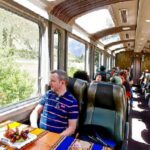
In the afternoon, you board the Vistadome panoramic train with large windows for a comfortable ride through the Andes back to Ollantaytambo. Then you get a private transfer back to Cusco.
This return plan is a smart finish. You get views after the big effort, and you’re not stuck doing another exhausting bus crawl right away.
Guides can make or break this trip: what to look for in your team
One of the strongest parts of this experience is the human side—your guides. In the best version of this tour, you’ll feel their pride in the places you’re walking through, and you’ll get clear explanations instead of a checklist.
For Machu Picchu Days 2 and 3, guides may include people like Miguel and Edwar (names provided from a real departure). The standout quality is how they handle issues on the spot—heavy rain, a member struggling with pace, transport problems, and luggage details. That “problem-solving under pressure” is exactly what you want on a trail-based trip.
What to do as a traveler:
- Ask questions early on each day. If your guide is relaxed, you’ll get better answers later.
- Tell them your limits clearly before you start hiking. For a moderate-fitness route, small adjustments can save your trip from turning into a slog.
Price and logistics: the parts that need your attention
Here’s the balanced truth. The sightseeing components are strong, and the guide talent can be excellent. But logistics are the weak link in this package type, and this operator’s execution is not always flawless.
Based on issues that have shown up on this itinerary, I’d be ready for the following:
- Permits and dates can change if there are administrative problems tied to Machu Picchu access. If that happens, you may be offered other dates and you might not have an easy swap option.
- Paperwork handoffs can fail. Passport photo files and updates don’t always reach the right person in time.
- Communication numbers can be entered wrong, which means updates might come late.
- A physical briefing might not happen when expected, or it might happen later than you were told—like the night before or in the evening on Day 1.
Then there’s lodging. Some hotels can land below the advertised standard in a way that affects comfort. Examples that have been flagged include:
- A pre-trail Ollantaytambo hotel feeling more like basic 2-star comfort, with no heating and cold rooms at night.
- An Aguas Calientes hotel where hot water was not consistent after long walking days.
None of this ruins the itinerary. But it can change how you feel at 6:00 a.m. on Day 3.
What I recommend you do before you go
You can reduce risk fast with simple steps:
- Keep digital copies of anything the agency asks for, including passport photo files.
- Confirm your contact number clearly (and test whether you receive messages).
- Ask for a written recap of hotel names and meal inclusions so there’s no confusion when you arrive.
- Pack for cold mornings and wet conditions since the route is weather-dependent. Even if you don’t think you need it, bring a light rain layer and a warm top.
This is the kind of tour where your attitude matters. If you stay flexible and proactive, the positives will carry you.
Who should book this tour, and who should think twice
This fits best if you:
- Want a 3-day plan that includes both Sacred Valley highlights and the Short Inca Trail experience.
- Like being guided and prefer a structured schedule over “DIY wandering.”
- Are comfortable with moderate physical fitness, since you’ll hike parts of the trail and climb to viewpoints.
You might think twice if you:
- Need consistent, high-comfort hotels every night. This package can use basic accommodations in practice.
- Get stressed by last-minute changes and paperwork gaps. Trail trips rely on many moving pieces, and you’ll want to be calm if something shifts.
If you’re a first-time Cusco visitor who wants Machu Picchu without building a complex itinerary, this can be a very efficient way to do it.
Should you book this Cusco: Sacred Valley & Inca Trail to Machu Picchu 3 days tour?
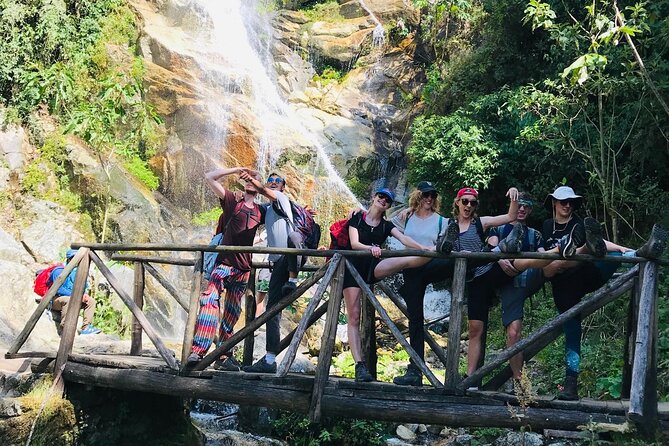
I’d book it if your top priority is doing the classic sights in a short window—and especially if Machu Picchu sunrise and the Sun Gate reveal matter to you. The included train ride, guided time, and access to circuits 1 & 3 make it good value on paper.
I’d hesitate only if you’re the type who hates uncertainty about lodging comfort or you don’t want to handle small administrative checks yourself. This tour rewards travelers who prepare a little and communicate clearly.
If you do book: confirm hotels and meal inclusions in writing, double-check your contact details, and pack for early mornings and possible rain. Then you’ll be free to enjoy the main event—Sacred Valley history on Day 1, the trail build-up on Day 2, and Machu Picchu when the site is at its calmest on Day 3.
FAQ
What time does the tour start in Cusco?
Pickup in Cusco starts around 7:00 a.m. on Day 1.
How long is the Cusco Sacred Valley and Inca Trail to Machu Picchu tour?
It’s listed as 3 days (approximately).
What Machu Picchu entry is included?
You get entrance tickets for Machu Picchu with Circuits 1 & 3 included, plus 03 bus tickets for rides within the Machu Picchu complex.
Is Machu Picchu Mountain or Waynapicchu included?
Those add-on entrances are not mandatory and not included in the package. If you want them, they must be booked ahead of time.
What meals are included?
The tour includes breakfast (2), lunch (2), and dinner (included). Other meals in Aguas Calientes are optional.
What fitness level do I need?
The tour is recommended for travelers with moderate physical fitness.
How big is the group?
The group size has a maximum of 16 travelers.