REVIEW · HIKING & TREKKING
Machu Picchu: 5-Day Salkantay Trek with Panoramic Train
Book on GetYourGuide →Operated by TreXperience · Bookable on GetYourGuide
Salkantay delivers a serious payoff. This 5-day trek pairs Humantay Lake’s turquoise views with a real cultural day (Pachamanca and coffee) and ends at Machu Picchu sunrise, with comfortable sleep setups along the way and a scenic train ride home. I especially like how the trip handles the altitude and daily logistics for you, and I also love that you spend a night at Llactapata, so Machu Picchu feels closer than a last-minute bus ride.
One thing to keep in mind: this is still a high-elevation trek. You’ll be at elevations around 4,150 m to 4,630 m, so plan for altitude seriously, even if you’re fit.
In This Review
- Key highlights worth planning around
- Salkantay plus Machu Picchu: why this route feels more personal
- Day 1: Cusco to Humantay Lake and glamping at 4,150 m
- Day 2: Salkantay Pass (4,630 m) and the cloud forest descent
- Day 3: Pachamanca, coffee farms, and Llactapata’s Machu Picchu reveal
- Day 4: From hydroelectric station hikes to Aguas Calientes hot springs
- Day 5: Sunrise Machu Picchu tour, then Vistadome or 360° back to Cusco
- Food, gear, and campsite comfort that actually matter
- Price and value: what $655 really covers (and what you should budget for)
- Fitness, altitude, and who this trek suits best
- Packing rules and tips that keep Machu Picchu day painless
- Should you book this Salkantay trek with panoramic train?
- FAQ
- What is the duration of the trek?
- Where does the trip start, and what time is pickup?
- How big is the group?
- What train do I take back to Cusco?
- What kind of lodging do you use during the trek?
- Are meals included?
- What safety equipment is provided?
- Do I need a sleeping bag or inflatable mattress?
- Can I hike Huayna Picchu or Machu Picchu Mountain?
- What should I bring for Machu Picchu and the trek?
Key highlights worth planning around
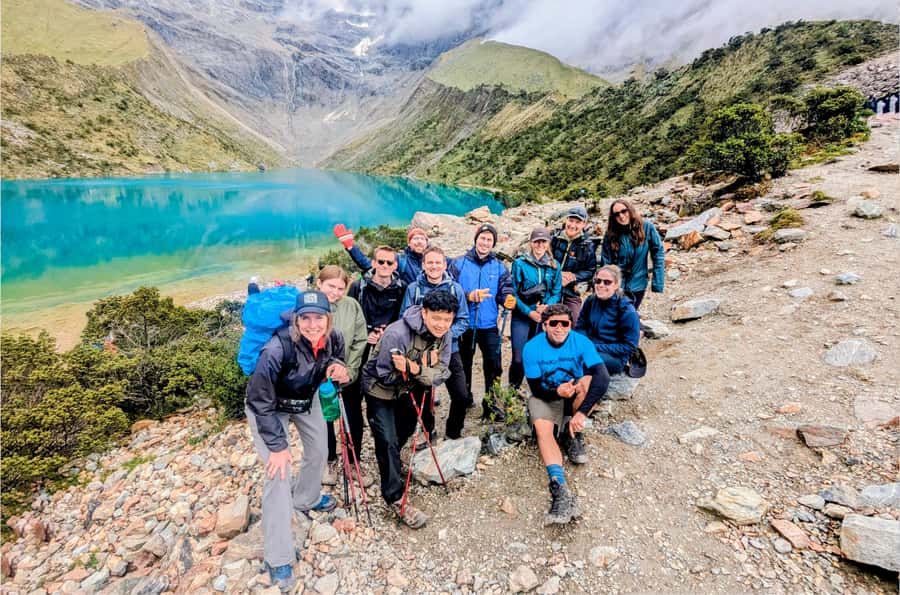
- Salkantay Pass at 4,630 m with long descents through changing ecosystems
- Humantay Lake at 4,200 m, bright enough to feel unreal
- Glamping plus hut camping, with gear like a sleeping pad, pillow, and rain poncho included
- Llactapata camp with the citadel in view before the big morning
- Pachamanca and a coffee farm tasting that adds meaning beyond the miles
- Panoramic Vistadome or 360° train back to Cusco, after exploring Aguas Calientes and hot springs
Salkantay plus Machu Picchu: why this route feels more personal
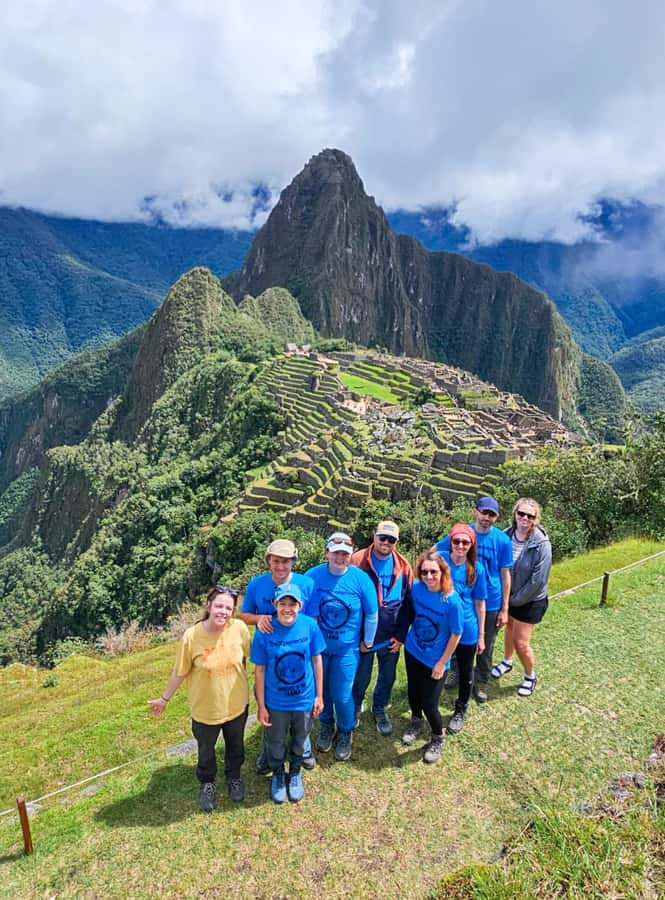
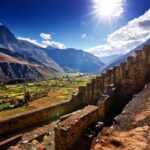
If you like your big Peru moments with a human pace, this trek hits the sweet spot. You’re not just chasing a single postcard. You get glacier views, cloud forest walking, local food, and multiple chances to see Machu Picchu before you officially tour it.
A classic Machu Picchu day can feel like a sprint. Here, the days build. By the time you camp near Llactapata, Machu Picchu shifts from distant goal to daily reality. One of the best small details: the schedule is organized so you can take in views without feeling like you’re always last-second rushing for transport.
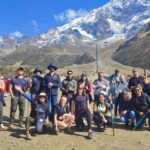
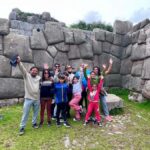
The vibe is also set by the small group size (max 16). That matters on a trek. It’s easier to keep water flowing, get help with pace, and still have room for stops and photos.
You can also read our reviews of more hiking tours in Cusco
Day 1: Cusco to Humantay Lake and glamping at 4,150 m
Your day starts early, with pickup around 4:30 a.m. from your Cusco hotel or Airbnb near the historic center. Then comes about a three-hour scenic drive to the trail area near Mollepata. This early start is not a random choice; it helps you get the best chance for clearer views on Humantay and reduces the odds of arriving at higher elevations later in the day when conditions can shift.
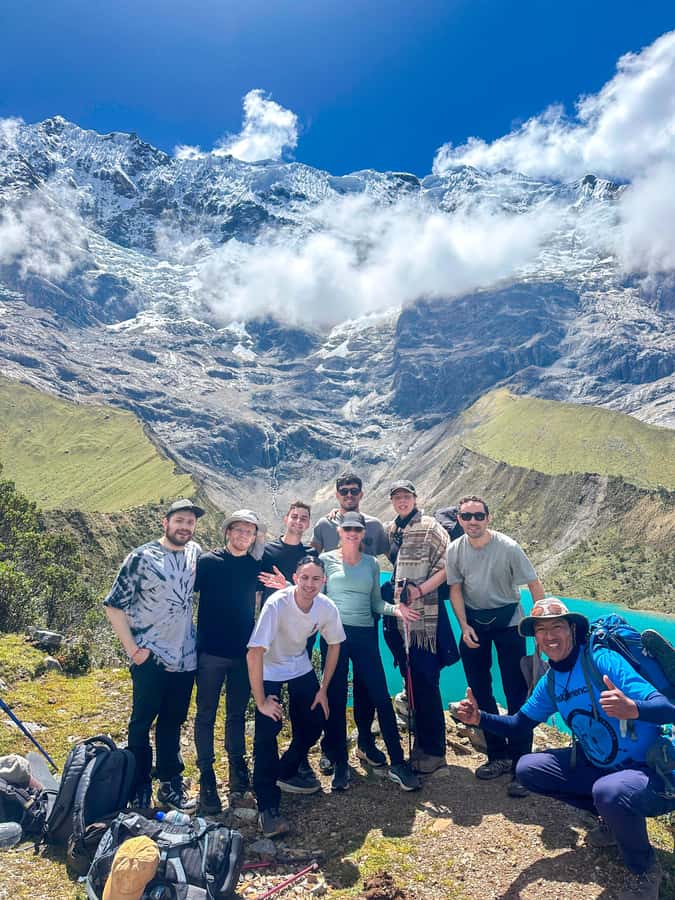
From the trailhead, you hike about three hours to Humantay Lake (4,200 m). The lake is described as turquoise, and that color is exactly why people talk about it. It’s also a good altitude “hello.” You’ll feel it right away, but the pacing is set with breaks and meals planned.
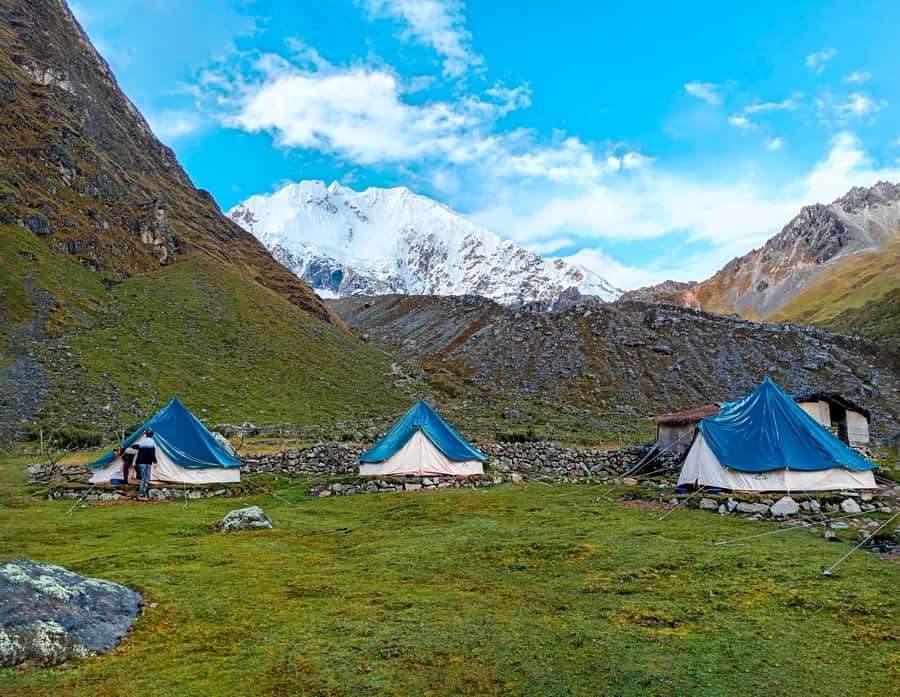
After lunch and a descent to Soraypampa, you continue a gentler climb of about two hours to Salkantay Glamp Campsite (4,150 m). Dinner is warm, and the night sky is part of the deal—one guide-led group experience highlights the mountain standing over camp and the stars once the hike settles down. You’re sleeping up high, so plan on cold. That’s normal here.
Day 2: Salkantay Pass (4,630 m) and the cloud forest descent
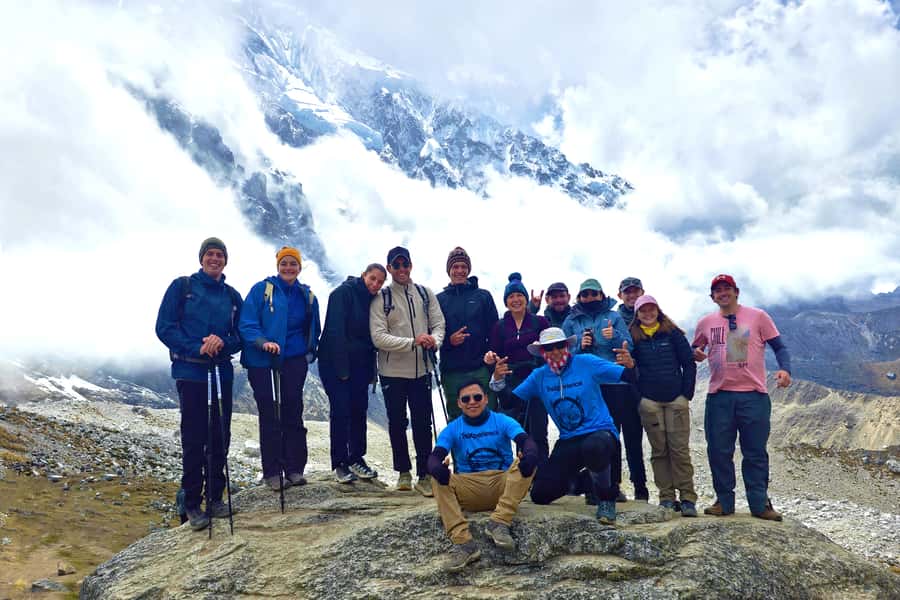
Day 2 is where you earn the story. You start with a hot drink—coffee or coca tea—and then you hike up to Salkantay Pass at 4,630 m, the highest point on this trek. At altitude, your goal isn’t speed. Your goal is steady effort, taking breaks before you feel crushed.
You’ll stop at a nearby glacial lake (part of the pass-area scenery), then begin a long descent. The descent matters because it’s not just legs going downhill—it’s ecosystems shifting. After lunch at Wayracmachay, the trail moves from highlands toward cloud forest, where air feels different and the walking turns greener and more textured.
By evening, you reach Collpapampa (2,770 m) and sleep in comfortable Andean huts. This is a big practical win. Huts mean you’re not doing everything the hard way. And since your gear includes a sleeping pad, pillow, and a rain poncho, you’re not hunting for essentials in a hurry.
Safety features are also part of the setup: there’s a first-aid kit, oxygen tank, and satellite phone on the trek. You still feel altitude, but you’re not alone with it.
Day 3: Pachamanca, coffee farms, and Llactapata’s Machu Picchu reveal
Day 3 is the day that changes the trek from physical to meaningful.
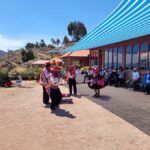
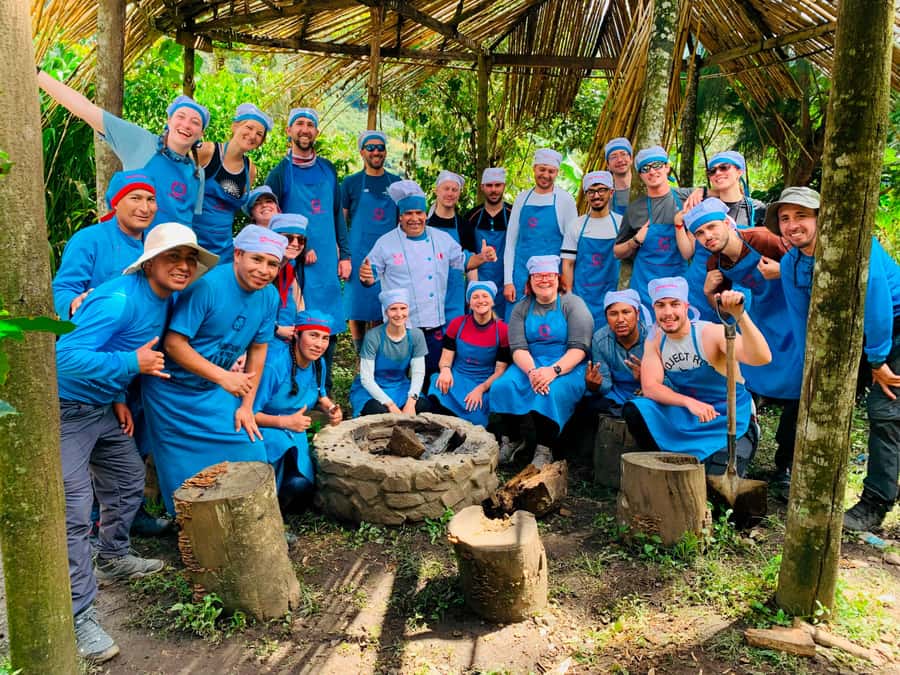
First, you walk scenic trails with bridges, waterfalls, and plantations. You reach Lucmabamba (2,000 m), where you get a traditional Pachamanca barbecue. This is one of the most memorable “what Peru tastes like” experiences on the route because it’s not a performance meal—you’re eating a cooking tradition tied to place and routine.
Then you visit local coffee farms and taste freshly brewed coffee. This isn’t just about coffee as a drink. It’s about the way communities work with altitude and climate to grow crops, and how that connects to daily life around Cusco and the wider region.
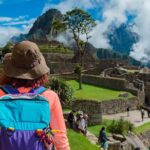
In the afternoon, you follow Inca Trail segments for about three hours to Llactapata (2,750 m). The payoff is in the name of the moment: you get your first stunning view of Machu Picchu from the campsite. One of the best hints from past participants: it can feel surprisingly emotional to see the citadel while you’re still on the trail routine.
You camp here, and the citadel stays in view long enough that it doesn’t feel like a one-time event. More like a finale you’ve already earned.
Day 4: From hydroelectric station hikes to Aguas Calientes hot springs
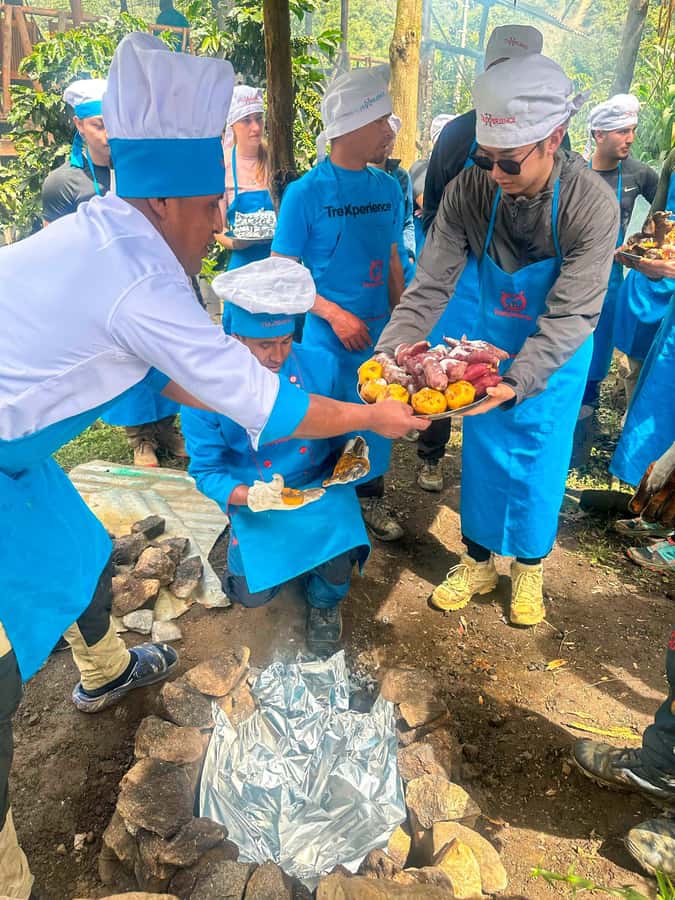
Morning at Llactapata starts with Machu Picchu still visible and a freshly brewed coffee, which is a nice reset before you start moving again.
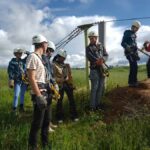
Then you descend for about two hours to the hydroelectric station. You’ll have a final brunch with your team there—important because Day 4 can feel like a long slog if you don’t eat on schedule. After that, you hike roughly three hours along the railway and Urubamba River toward Aguas Calientes.
Along the way, there’s a stop at the Mandor Botanical Gardens, known for birdlife and orchids. If you’re worried the trek is only rocks and stairs, this break gives your eyes something to do besides altitude and direction.
In Aguas Calientes, you check into a 3-star hotel. The evening is flexible: you can explore town or use the hot springs. Either way, you’ll want that downtime. Tomorrow is Machu Picchu day, and you’ll appreciate having a warm bed and a place to reset.
Dinner is included, too, and one of the strong praises from groups is how solid the food is here—often better than what they found in town.
You can also read our reviews of more tours and experiences in Cusco
Day 5: Sunrise Machu Picchu tour, then Vistadome or 360° back to Cusco
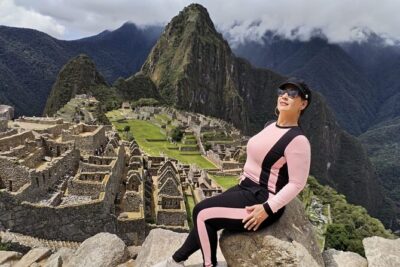
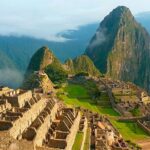
This is the big morning. You take an early bus to Machu Picchu for a sunrise viewing. The exact experience depends on weather and your timing, but the goal is consistent: catch the citadel when light hits it clean.
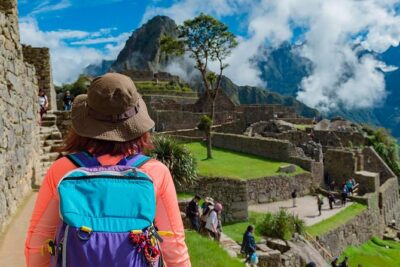
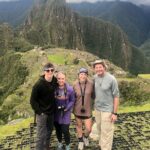
You’ll get a guided tour of the citadel (about 2–3 hours), then time to explore on your own. There are optional hikes—Huayna Picchu and Machu Picchu Mountain—but passes must be booked in advance, and they’re not included in the base package.
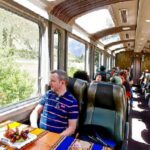
After your Machu Picchu time, you head back to Aguas Calientes for lunch and then board the Panoramic Vistadome or 360° train to Ollantaytambo. A private van returns you to Cusco, arriving around 7:30 p.m.
If you’re wondering what to do with the train ride: treat it like the emotional cooldown. You’ve gone from high pass to forest to ruins. The train gives you a softer landing after all that effort.
Food, gear, and campsite comfort that actually matter
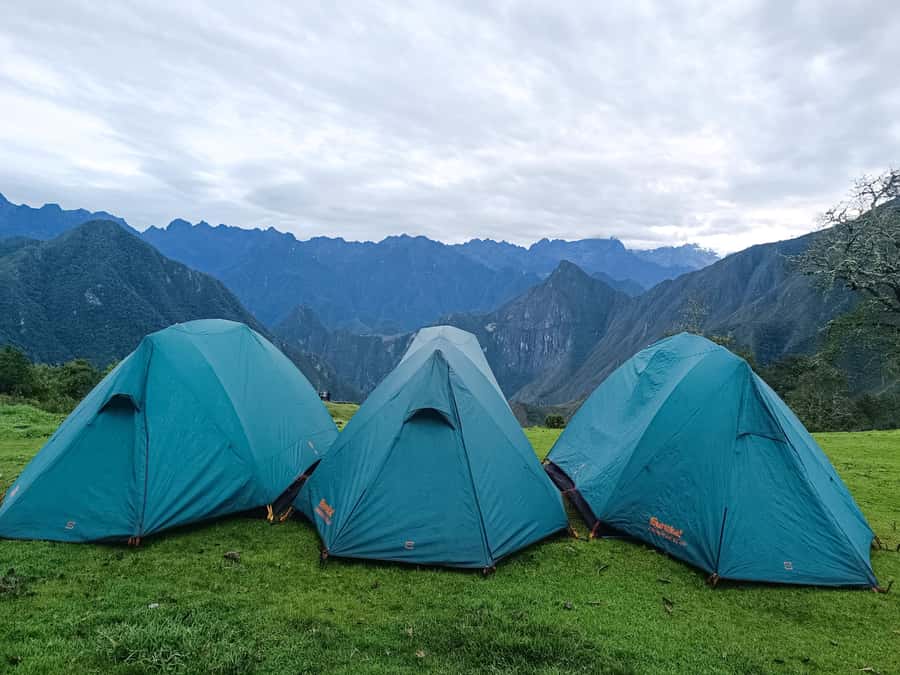
What I like most about this trek is that the comfort details aren’t fluff. They’re built around how trekking feels at altitude.
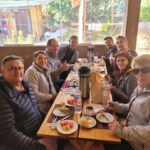
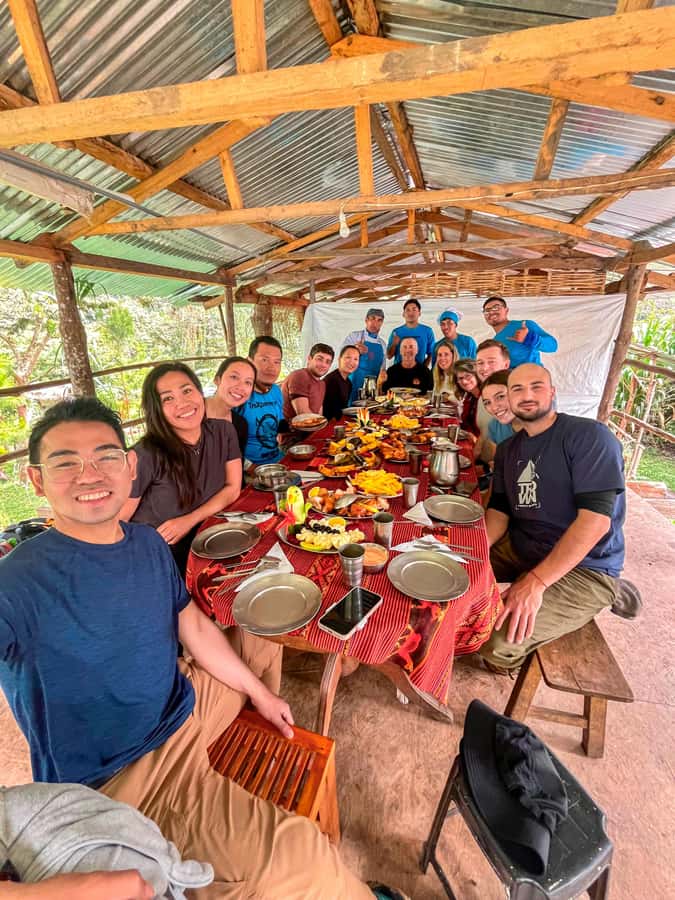
You’ll have experienced chefs and a steady rhythm of included meals: 4 breakfasts, 3 lunches, and 3 dinners, plus water and daily snacks. The praise here is consistent: meals are filling and often tastier than what people expected during the trekking days.
Gear is also practical. You’re provided with a sleeping pad, pillow, rain poncho, and hand towels. There’s a duffle bag (up to 7 kg / 11 lb) and muleteers to carry camping gear. That means you can keep your personal pack lighter, which makes the big climbs less punishing.
What’s not included: a sleeping bag, inflatable mattress, and trekking poles. Those can be rented, so if you freeze easily, consider renting what you need instead of guessing.
Your safety setup is clearly planned: satellite phone, first-aid kit, and oxygen tank. It doesn’t remove altitude risk, but it’s reassuring when you know help is available.
Price and value: what $655 really covers (and what you should budget for)
At $655 per person for 5 days, this isn’t a bargain deal in the backpacker sense. But it’s also not overpriced for what it bundles.
You’re paying for real logistics: Cusco pickup/drop-off, entrance tickets for Machu Picchu and the trek, guides, a small-group format, campsite/lodging (including glamping and camping nights), and the return train (Vistadome or 360°). You’re also getting the Pachamanca cooking experience and coffee farm tasting. That cuts down on add-on costs that can pop up when you travel independently.
What to watch: Huayna Picchu and Machu Picchu Mountain passes aren’t included, and you need to book them in advance. Also, you’ll need personal spending money. One practical note from past participants: bring cash in Peru.
Bottom line: if you want Machu Picchu without turning the trip into a second job of tickets, trains, and trekking coordination, the value is strong.
Fitness, altitude, and who this trek suits best
This is a trek, not a walking tour. You’ll be climbing to major altitudes, including Salkantay Pass at 4,630 m. The highest part of your day might feel slow even when you’re fit—because altitude is the main boss.
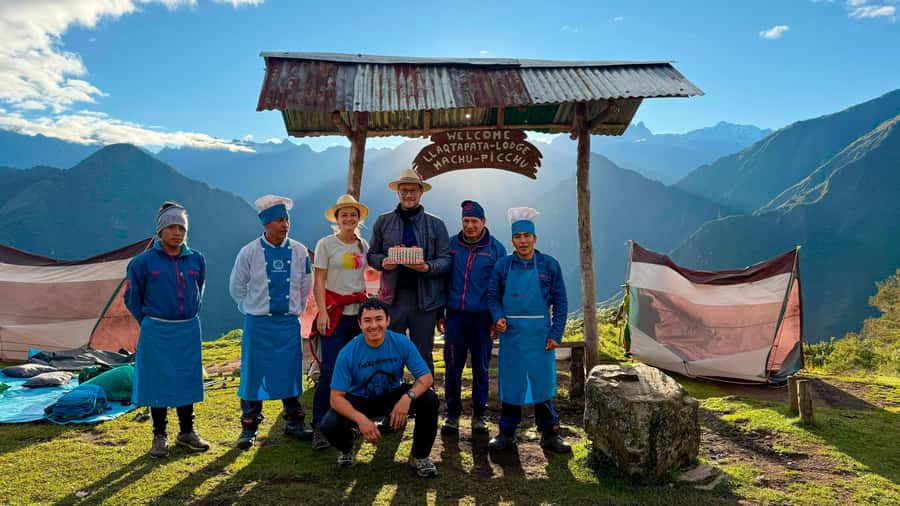
The good news: pacing and support are built in. Guides are paired with crews and chefs, and multiple groups praised guides like Cesar Augusta and Jose for pushing encouragement without turning the hike into a forced march. One guide name that also stands out from feedback is Roger, with teams focused on making sure you catch the bus even when travel chaos hits.
Still, this isn’t for everyone. It’s listed as not suitable for pregnant women, people with back problems, mobility impairments, wheelchair users, and people with heart problems. And you’ll want to think hard if you’re prone to altitude sickness.
A useful real-world tip from group experience: some people used acetazolamide (commonly known as Diamox) and said it helped on the first challenging day. That’s not a substitute for medical advice, but it’s a signal that you should discuss altitude options with a clinician before you go.
Packing rules and tips that keep Machu Picchu day painless
Machu Picchu has rules that can catch you off guard. Here’s what you should plan around:
- Bring your passport (required for booking details).
- Keep your main backpack no larger than 25L, since larger bags can’t go into Machu Picchu.
- Bring a lightweight backpack (up to 25L), comfortable hiking shoes, and layers for sun and cold.
- Pack rain gear. Even if your forecast looks good, weather shifts at altitude.
- Bring sunscreen, sunglasses, and an insect repellent.
You’ll also want small personal basics: toiletries, tissues or hand sanitizer, personal medication, band-aids, and ideally a head torch. The trek includes lots of included items, but the small stuff is still on you.
Should you book this Salkantay trek with panoramic train?
Book it if you want Machu Picchu with real buildup—Humantay Lake, Salkantay Pass, Pachamanca, coffee farming, and a night at Llactapata where the citadel shows up before the official sunrise.
Skip (or ask hard questions first) if you’re not confident with altitude or you fall into the listed non-suitable categories like heart problems or mobility impairments. Also be aware that the hike is demanding enough that group pace management may feel different for some people; one note suggested that support can be tricky if group members split for different activities. In a small group that’s usually manageable, but it’s worth knowing.
If your priority is value through included logistics and you want a guided, culturally grounded trek with strong food and a smooth train ride back, this one makes a lot of sense.
FAQ
What is the duration of the trek?
It’s a 5-day experience.
Where does the trip start, and what time is pickup?
Pickup is around 4:30 a.m. from your Cusco hotel or Airbnb near the historic center.
How big is the group?
The group is limited to 16 participants.
What train do I take back to Cusco?
You return by a panoramic Vistadome or 360° train to Ollantaytambo, then a private van takes you back to Cusco (arrival around 7:30 p.m.).
What kind of lodging do you use during the trek?
You get 1 night glamping on the Salkantay trek, 2 nights camping (including Llactapata), and 1 night in a 3-star hotel in Aguas Calientes.
Are meals included?
Yes. The package includes 4 breakfasts, 3 lunches, and 3 dinners, plus water and daily snacks.
What safety equipment is provided?
There’s a satellite phone, first-aid kit, and oxygen tank, plus a safety briefing and a professional guide.
Do I need a sleeping bag or inflatable mattress?
They are not included, but you can rent a sleeping bag, inflatable mattress, and trekking poles.
Can I hike Huayna Picchu or Machu Picchu Mountain?
You can, but passes must be booked in advance, and they are not included.
What should I bring for Machu Picchu and the trek?
You’ll need your passport, comfortable hiking shoes, sun hat/sunglasses, sunscreen, rain gear, and appropriate warm layers. Bring a lightweight backpack no larger than 25L, since bigger bags can’t be taken into Machu Picchu.