REVIEW · MANU JUNGLE TOURS
From Cusco: Manu National Park 3 Day Tour
Book on GetYourGuide →Operated by XPLORA AMERICA · Bookable on GetYourGuide
Manu turns Peru into a living classroom. From Cusco, this 3-day trip blends Andean culture with Amazon wildlife, and I love the small-group limit and punctual pickup.
The best lessons are about birds, like the Andean cock-of-the-rock courtship ritual, and the unforgettable morning parrot clay lick. One possible drawback: planning can feel a bit loose at times, so you may want to ask for clear times early and keep a simple checklist.
In This Review
- Key highlights for your Manu 3-day trip
- Cusco to Manu: Why this 3-day format feels practical
- Day 1: Lupaca tombs, Paucartambo culture museum, and cloud-forest bird time
- Day 2: Coca plantation, rescue center, and kayaking the Alto Madre de Dios
- Day 3: Parrot clay lick by speedboat, then back to Cusco
- The guide and small group size: where the learning really comes from
- Price and logistics: does $370 feel like good value
- What to bring (and what not to): your comfort kit for Manu
- Who this tour fits best (and who should skip it)
- Should you book this Manu National Park 3-day tour from Cusco?
- FAQ
- What is included in the $370 per person price?
- What meals are included, and what are not?
- Is kayaking part of the tour?
- How big is the group?
- Are vegetarian meals available?
- What identification do I need?
- What should I bring for this tour?
Key highlights for your Manu 3-day trip
- Andean cock-of-the-rock courtship ritual in the cloud forest, with a guide who explains what you’re seeing
- Coca plantation and wildlife rescue center stops that add context beyond just wildlife spotting
- Kayaking on the Alto Madre de Dios River with chances for birds like herons, vultures, and cormorants
- Swamp safari-style walk for toucans, woodpeckers, and parrots, plus caiman searching
- Speedboat visit to the parrot clay lick, where multiple parrot species gather to eat clay for minerals
- Small group (up to 17) helps you stay close to the action without feeling herded
Cusco to Manu: Why this 3-day format feels practical
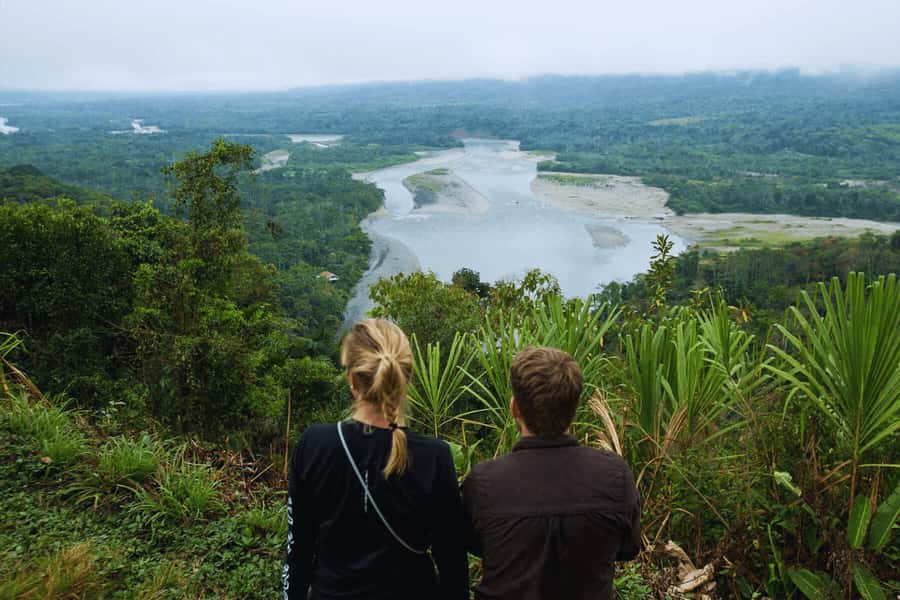
This trip works because it layers ecosystems instead of rushing them. You start in the Cusco region, then head into valleys on the way to Manu, and you finish with river-focused wildlife moments.
You’ll also get the timing that wildlife trips need. Early starts on Day 2 and Day 3 aren’t just for show; birds and animals tend to be more active when the day is still cool and quiet. If you’re the type who hates empty time, this schedule keeps you moving.
You can also read our reviews of more tours and experiences in Cusco
Day 1: Lupaca tombs, Paucartambo culture museum, and cloud-forest bird time
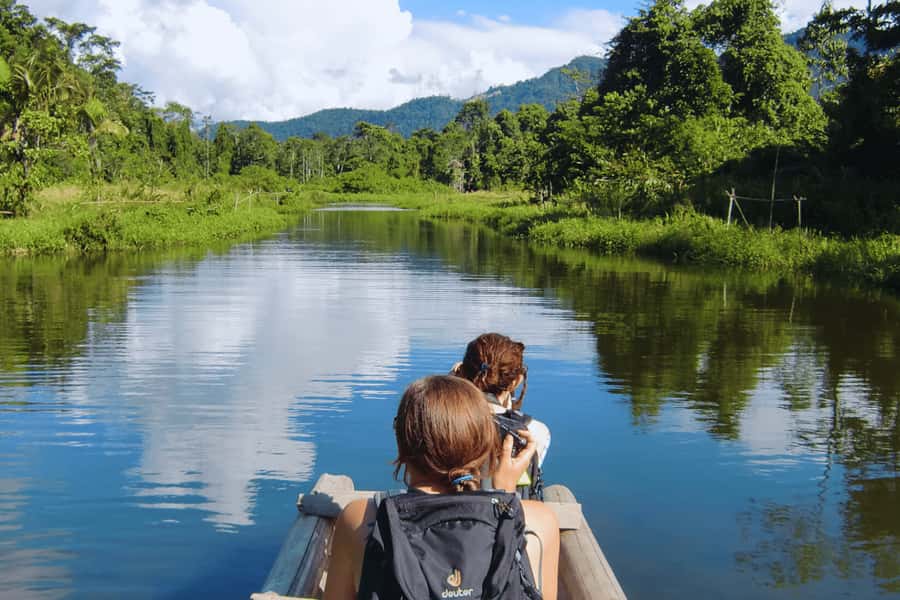
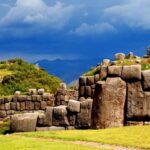
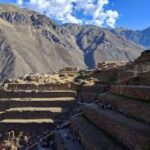
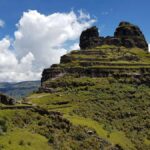
Day 1 begins with travel through valleys between the Andes and the towns along the route toward Manu National Park. You’ll stop at the pre-Inca tombs of the Lupaca culture, which is a strong reminder that this region isn’t only about nature—it has deep human history too.
Next comes Paucartambo, a colonial town. You’ll visit its museum, which helps set the cultural context before the trip shifts fully into the cloud forest.
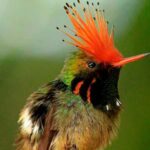
Lunch and wildlife time come in the middle of the cloud forest. This is where you can spot native fauna such as the Andean bear and the Andean cock-of-the-rock. The bird focus isn’t random: your guide talks about the Peruvian national bird and the cock-of-the-rock courtship ritual—exactly the kind of detail that turns a quick sighting into a story you’ll remember.
You’ll also notice plant life up close, with orchids, bromeliads, and ferns mentioned as part of what your guide points out. Cloud forests can feel like a wall of green from far away, but close up you start seeing patterns—different textures, different heights, and plants that cling to life in specific micro-conditions.
One practical note for Day 1: you’ll likely arrive at your hostel after a long day of transport and stops. Pack for comfort—this isn’t a minimalist excursion, it’s a full day that asks you to stay ready for walking and changing weather.
Day 2: Coca plantation, rescue center, and kayaking the Alto Madre de Dios
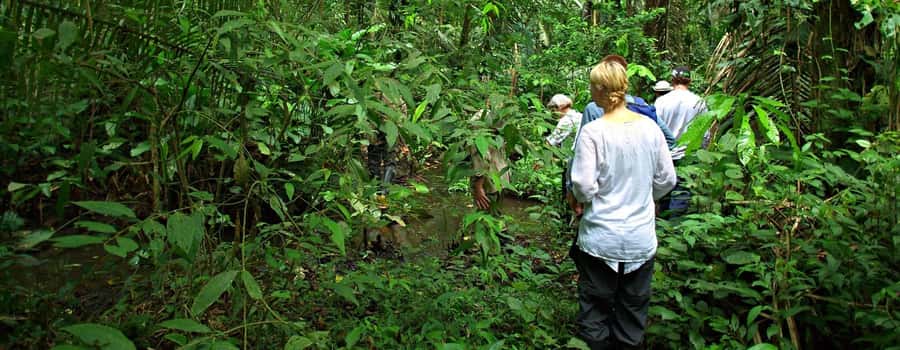
Day 2 starts with breakfast very early, followed by a forest stroll to check out fauna. This is one of those “right place, right time” moments. Even if wildlife activity is slower, you’ll still be learning the sounds and cues your guide watches for.
Then you head into a more human-and-nature story with a visit to a coca plantation and a wildlife rescue center. These stops matter because they broaden your understanding of the region. You get a look at how plants and people intersect, and you see the kind of work being done when animals need help.
After that, you continue to Atalaya on the banks of the Alto Madre de Dios River. This is where the trip turns into true river country.
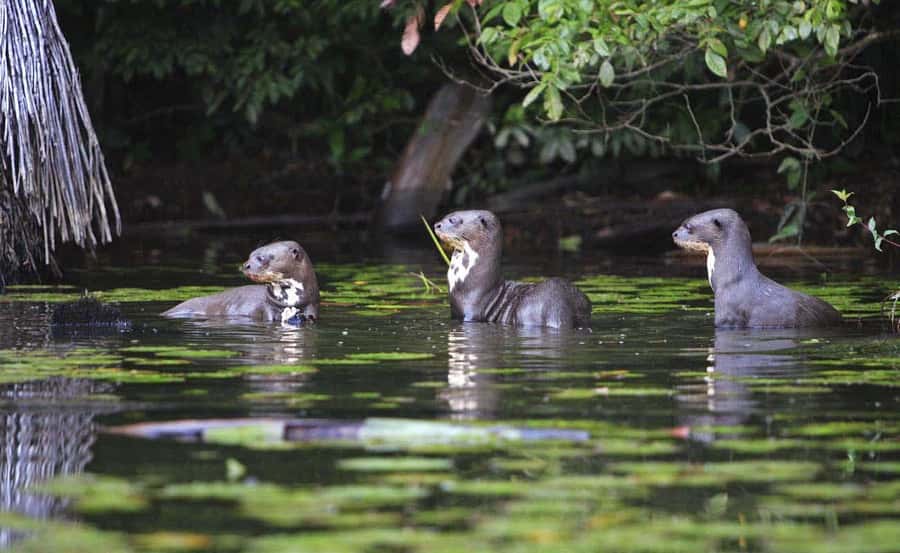
You’ll do a 1-hour kayaking activity, with chances to spot birds such as herons, vultures, and cormorants. Kayaking here isn’t just scenic; it keeps you slow enough to notice movement and silhouettes. If you like birding, this is a good window for it.
Once you’re back at the hostel, there’s free time to dip in the river and grab lunch. That reset is useful. Day 2 isn’t just water time—you’ll also head to a swamp where toucans, woodpeckers, and parrots reside.
The day ends with caiman searching. Whether you see caimans or not depends on conditions, but the effort is part of the experience. Go in expecting a quiet kind of watching: patience, stillness, and quick scans rather than constant action.
Fitness reality check: you’ll be combining early mornings, walking, and boat time. If you have back or heart concerns, this is the day where your limits matter most.
Day 3: Parrot clay lick by speedboat, then back to Cusco
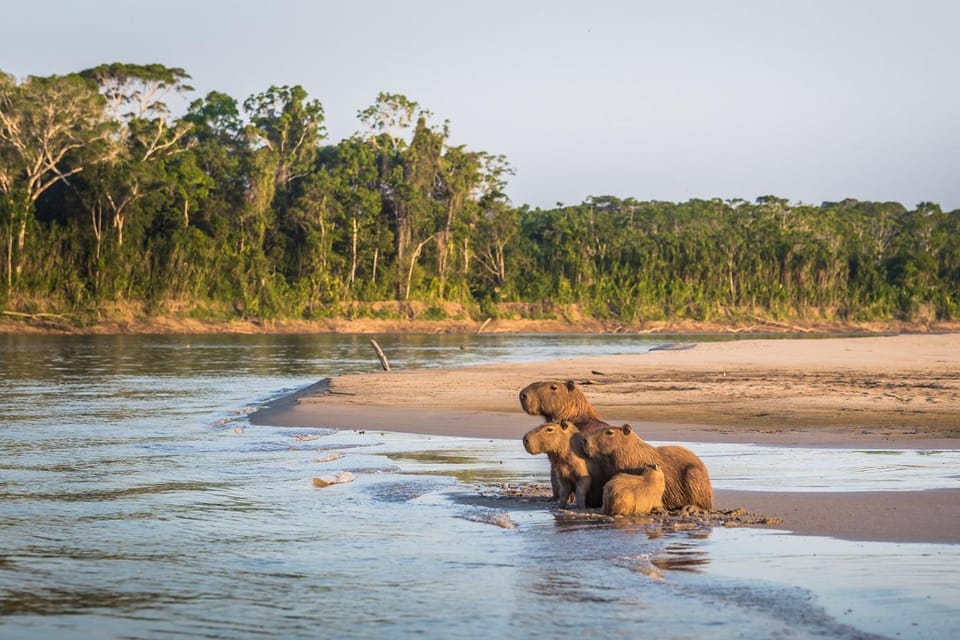
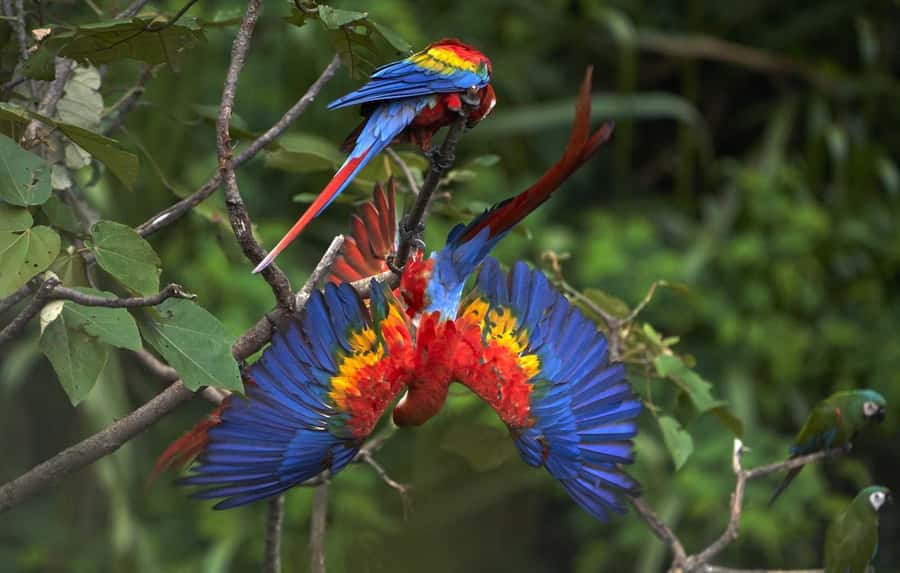
Day 3 starts early again, with a speedboat ride toward a parrot clay lick. This is a clay wall on the riverbanks where different parrot species gather to eat clay.
The key detail your guide shares here is why the clay matters. It’s full of minerals, and the birds use it to help digestion and rid themselves of toxins. It sounds like a quirky bird ritual—because it is—but it’s also a survival strategy. When you connect the behavior to health, the sight feels less random and more meaningful.
After the clay lick experience, you’ll return to the hostel for breakfast. Then you head back on a speedboat to Puerto Atalaya, where a coach waits to bring you back to Cusco.
Lunch happens on the return drive, and you typically arrive in Cusco between 5:30 pm and 6:30 pm. That late-afternoon arrival is helpful if you want a clean ending to your trip without needing to find dinner plans far into the night.
The guide and small group size: where the learning really comes from
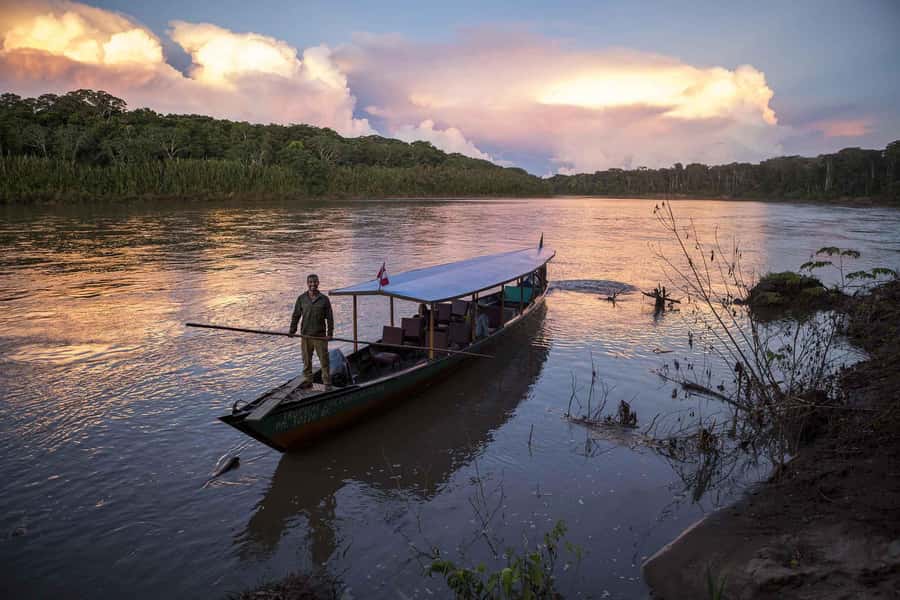
This is a small-group tour limited to 17 participants, and that’s a big deal in Manu. In a forest, distance matters. A small group helps you stay within guide-sight, especially when someone spots a bird, a track, or a plant cue.
Your guide is English-speaking (and the tour also runs in Spanish), and the best part isn’t only explaining species names. It’s the way you’re taught to read the forest—using medicinal plant knowledge, learning what different jungle sounds might mean, and understanding why preservation matters.
That said, one consideration from real-world experience: planning can sometimes feel unclear. In plain terms, that means you might want to ask early questions like what time meals and departures happen, and what order things are in that day. If you prefer a tight itinerary with zero uncertainty, you’ll feel better if you confirm your schedule at the start of each day.
Price and logistics: does $370 feel like good value
At $370 per person, you’re paying for more than a bus ride. This package includes hotel pickup and drop-off, transport by coach or minibus plus speedboat, an English-speaking guide, kayaking, and admission to Manu National Park. You also get 2 nights of accommodation and 2 breakfasts, 2 lunches, and 2 dinners, plus mineral water.
That inclusion list is the value engine. In this part of Peru, guided access plus park admission plus boat transport adds up fast if you try to piece it together yourself. Here, those costs are already rolled into one price.
What’s not included is also worth noting:
- Breakfast on the first day
- Dinner on the final day
- Drinks
So you should budget a little for snacks and beverages. The good news: the structure is set up so you’re not constantly hunting for meals after long travel blocks.
What to bring (and what not to): your comfort kit for Manu
The tour gives you a lot of nature time, which means your packing choices matter. Bring comfortable shoes for walking on uneven ground, plus a hat and sunscreen for brighter parts of the day.
You’ll want rain gear. Even if the weather looks fine in Cusco, rainforest conditions can shift quickly. Insect repellent is a must, and binoculars can help you turn quick sightings into better observations.
Pack swimwear because you have free time to dip in the river on Day 2. If you love photos, bring a camera and keep it protected from splash and drizzle.
Also bring water, and use a reusable water bottle. Plastic bottles aren’t allowed, and the tour specifically encourages reducing plastic use.
Not allowed during the experience:
- Smoking
- Plastic bottles
- Littering
- Feeding animals
- Touching plants
That last one is more important than it sounds. Plants and animals in this environment can be fragile, and wildlife behavior changes when people get too close.
Who this tour fits best (and who should skip it)
This is not an easy-going stroller pace. You’re doing early starts, forest walking, river time, and speedboat rides. It’s best for adults (and older kids, if you have one) who are comfortable with active days and sitting on boats for portions of the schedule.
It’s not suitable for:
- Children under 3 years
- Pregnant women
- People with back problems
- People with heart problems
- Wheelchair users
If you fall into one of those categories, it’s worth finding a different style of tour where your body can stay within safer limits.
Also remember that activities are subject to weather conditions. That doesn’t mean the trip is canceled out of the blue, but it does mean you should be mentally flexible about how intense or visible wildlife time can be.
Should you book this Manu National Park 3-day tour from Cusco?
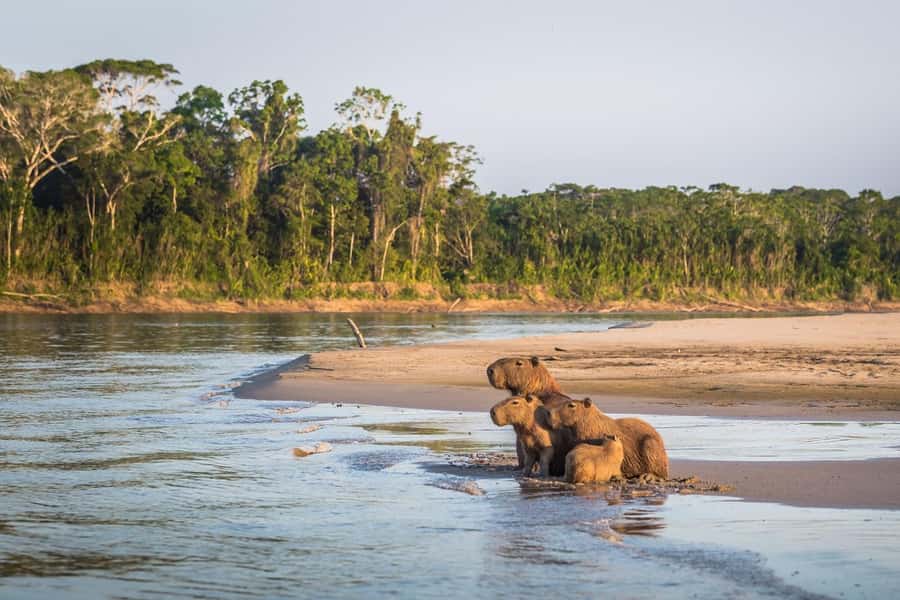
If you want a Manu experience that teaches as it goes, this is a strong option. The combination of culture stops (Lupaca tombs and Paucartambo), cloud-forest bird learning (including cock-of-the-rock courtship), and river wildlife moments (kayaking, caiman searching, and the parrot clay lick) gives you variety without feeling scattered.
I’d book it if you’re excited about birds, guided interpretation, and being outside for multiple days with real downtime built in (like river dipping and hostel breaks). The small group size also supports better wildlife viewing.
I’d pause and ask more questions before booking if you’re the type who needs a perfectly tight schedule every day or if cleanliness is a top priority. One departure experience noted planning ambiguity and an untidy area around the first overnight—small fixes can go a long way, but it’s fair to keep that in mind.
FAQ
What is included in the $370 per person price?
The tour price includes hotel pickup and drop-off, transport by coach or minibus and by speedboat, an English-speaking guide (also Spanish), kayaking, Manu National Park admission, 2 nights of accommodation, and mineral water. It also includes 2 breakfasts, 2 lunches, and 2 dinners.
What meals are included, and what are not?
Included meals are 2 breakfasts, 2 lunches, and 2 dinners. Not included are breakfast on the first day, dinner on the final day, and drinks.
Is kayaking part of the tour?
Yes. You’ll do a kayaking activity for about 1 hour, with opportunities to spot birds such as herons, vultures, and cormorants.
How big is the group?
The group is limited to 17 participants, which helps keep the experience more personal.
Are vegetarian meals available?
Vegetarian meal options are available.
What identification do I need?
You need a passport or an ID card.
What should I bring for this tour?
Bring comfortable shoes, a hat, swimwear, a camera, sunscreen, rain gear, insect repellent, and binoculars. You should also bring water and comfortable clothes.