REVIEW · CHINCHERO VILLAGE TOURS
Cusco:Chinchero,Moray & Salt Mines drop-off in Ollantaytambo
Book on GetYourGuide →Operated by Apu Ausangate Trek EIRL · Bookable on GetYourGuide
Inca life in one long day. This Cusco tour strings together Chinchero textiles, Moray agricultural terraces, and the Maras salt mines before dropping you in Ollantaytambo for your next step. It’s a practical way to see the Sacred Valley highlights without having to plan multiple connections.
I especially love the cultural stop in Chinchero, where you learn how traditional Inca-style weaving ties into Andean identity. I also like how Moray and Maras explain food and farming in a hands-on way, not just as ruins and rocks.
One possible drawback: you’ll want to budget extra for entry tickets (and expect a workout at Ollantaytambo’s fortress climb).
In This Review
- Key highlights worth your attention
- One-Way Sacred Valley to Ollantaytambo: What This Day Trip Really Solves
- Cusco Pick-Up to Chinchero: Inca Textiles Without the Museum Feeling
- Moray Terraces: How the Incas Tuned a Hill for Crops
- Maras Salt Mines: 5,000 Ponds and a Food-Preservation Lesson
- Urubamba Buffet Lunch: Fuel That Keeps the Pace Comfortable
- Ollantaytambo Fortress Climb: Timing Your Train After 15:30
- Price and Value Check for a $27 One-Day Sacred Valley Run
- Group vs Private: How Much Time You Actually Get at Each Stop
- What to Bring (and What to Skip) So the Day Feels Good
- Who This Tour Fits Best (and Who Might Prefer Something Else)
- Should You Book This Cusco to Ollantaytambo Sacred Valley Tour?
- FAQ
- How long is the tour?
- Where does the tour start?
- What time does the tour end in Ollantaytambo?
- Is the drop-off in Ollantaytambo included?
- Is return transportation to Cusco included?
- Are the entrance tickets included?
- Is lunch included?
- Are drinks included?
- What languages are the guides?
- Are drones allowed?
- What should I bring?
Key highlights worth your attention
- One-way drop-off in Ollantaytambo, handy if you’re heading onward by train
- Chinchero weaving focus plus time to browse alpaca goods
- Moray’s terraced “microclimates” story makes the site click fast
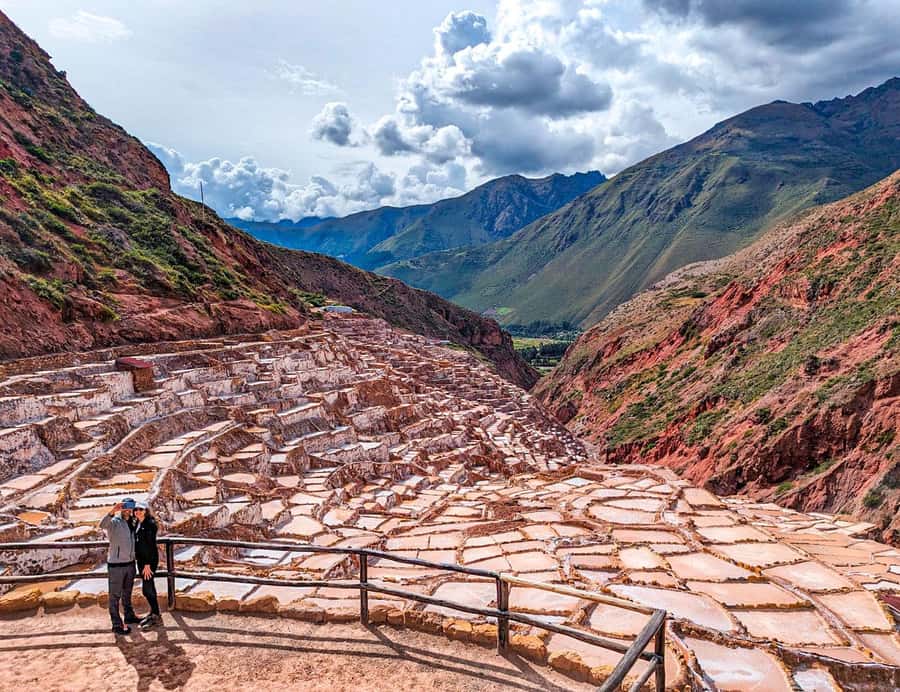
- Maras salt ponds (5,000+) show how Inca-era food preservation worked
- Urubamba buffet lunch that keeps the day moving
- Over 200 steps at Ollantaytambo—go steady and plan your train timing
One-Way Sacred Valley to Ollantaytambo: What This Day Trip Really Solves
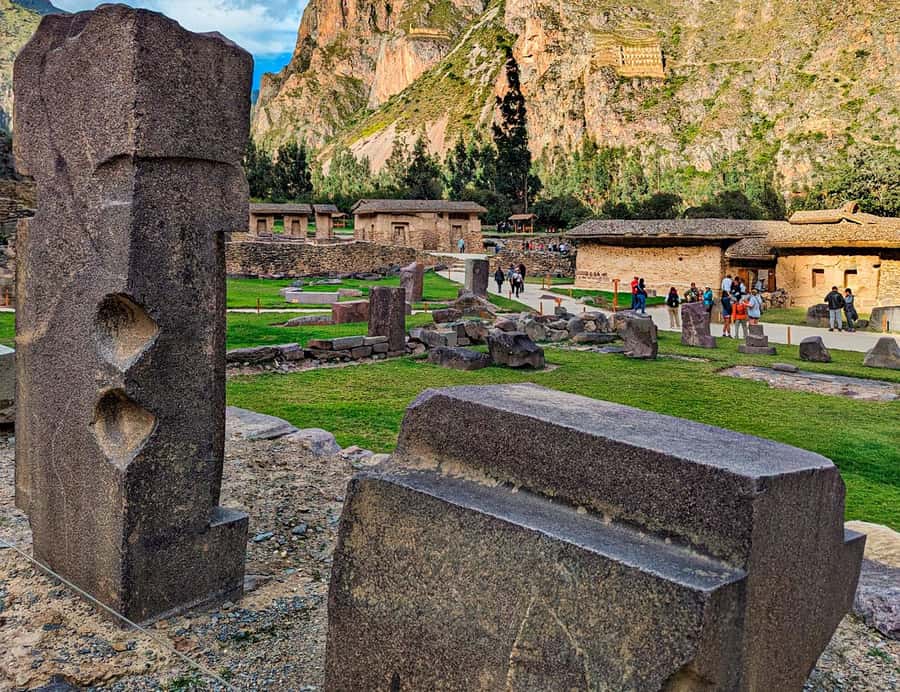
This is the kind of day trip that feels built for real travel days, not just sightseeing. You start in Cusco and end in Ollantaytambo, so you’re not stuck backtracking across the valley. If your next plan involves Machu Picchu, this format can save time and simplify logistics.
The big value is the stacking of three “you should see this” stops—Chinchero, Moray, Maras—plus the fortress at Ollantaytambo. Instead of choosing between culture, engineering, and scenery, you get all three in one pass. And yes, it’s packed, but it’s packed with purpose.
You can also read our reviews of more tours and experiences in Cusco.
Cusco Pick-Up to Chinchero: Inca Textiles Without the Museum Feeling
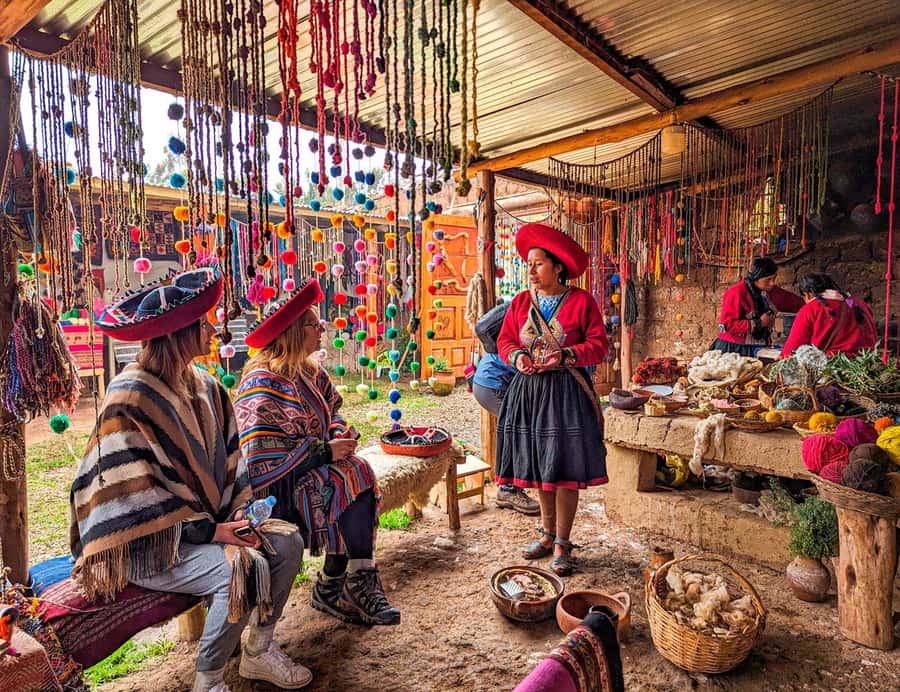
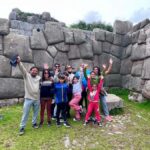
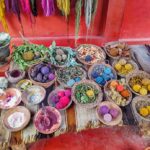
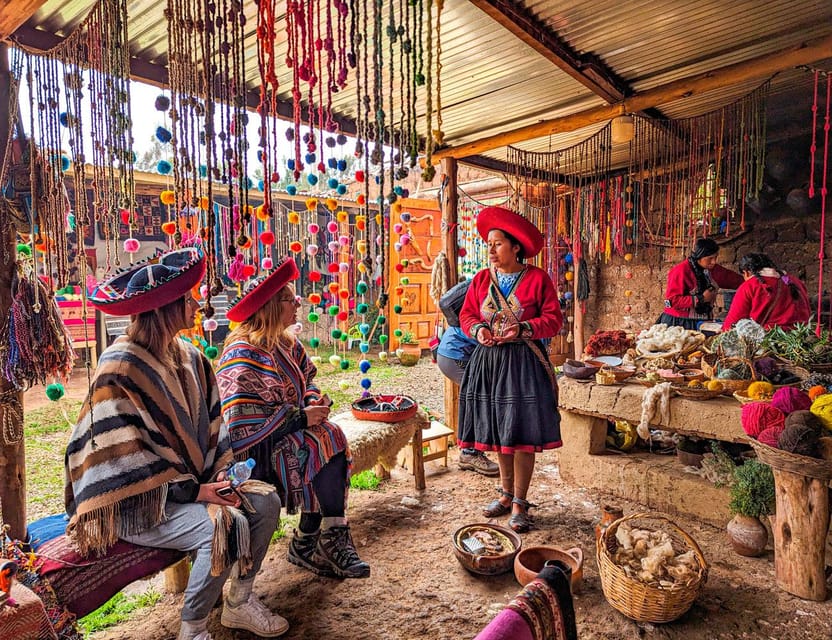
Your day starts with a hotel pickup in Cusco and a van ride into the Sacred Valley. Chinchero is where the tour slows down just enough to feel human. The visit is built around textile weaving traditions, including the use of techniques linked to Inca practices.
Here’s what makes Chinchero worth it for you: textiles aren’t treated like souvenirs in a store-window. You get a guided experience that explains why weaving matters—how it connects to community, identity, and daily life in the Andes. You’ll also have time for photos and a walk, plus shopping if you want to pick up scarves or alpaca goods.
A practical note: you’ll likely want cash for purchases and entrance tickets. The tour ticket for Chinchero, Moray, and Ollantaytambo is purchased at the first site, so don’t wait until the last stop to sort that out.
Moray Terraces: How the Incas Tuned a Hill for Crops
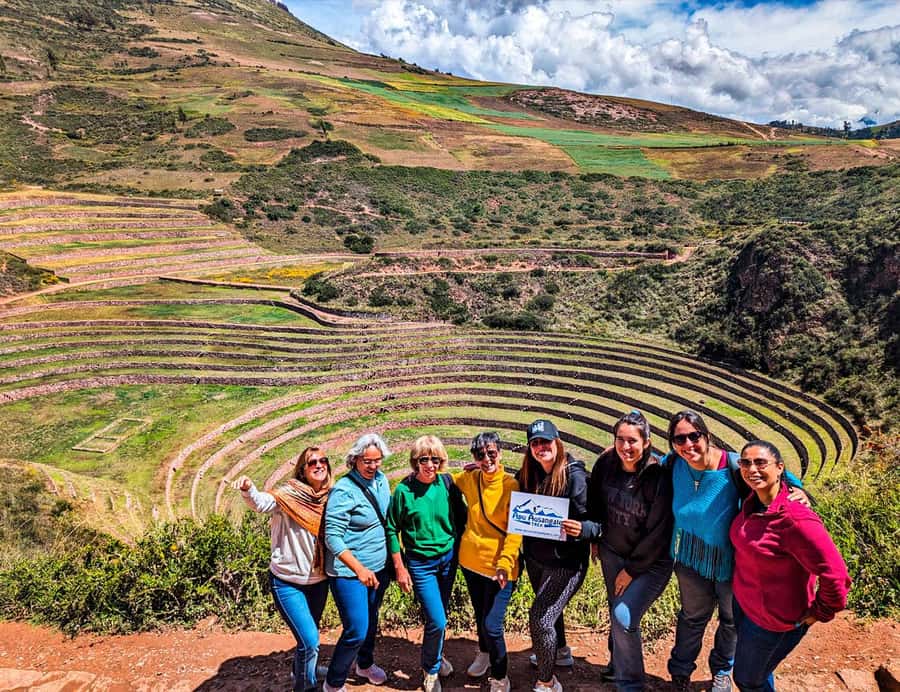
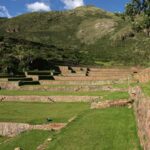
Moray is one of those sites where the explanation makes the architecture more interesting than you’d expect. These are circular terraced basins cut into the hillside. The point wasn’t decoration. The Incas built this kind of system to grow crops despite mountain conditions that aren’t ideal.
On this stop, you’ll get a photo moment, a guided visit, and time to walk around. The terrace shape helps tell a story about experimenting with microclimates—basically using the terrain to change growing conditions. Once you understand the logic, Moray stops feeling like random stone circles and starts feeling like clever agriculture.
One consideration: Moray is outdoors and exposed to sun. If you’re prone to getting overheated, bring sunscreen and water and pace yourself during the walk.
Maras Salt Mines: 5,000 Ponds and a Food-Preservation Lesson
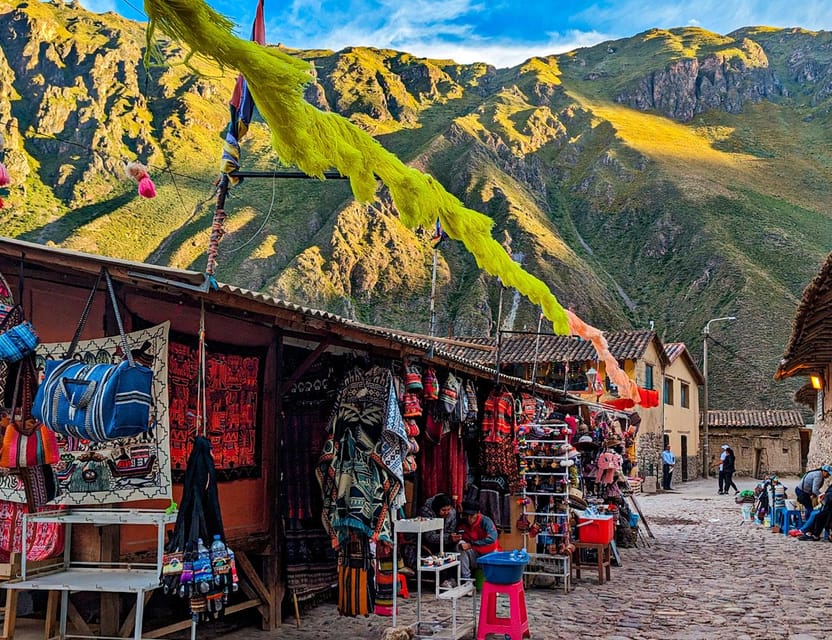
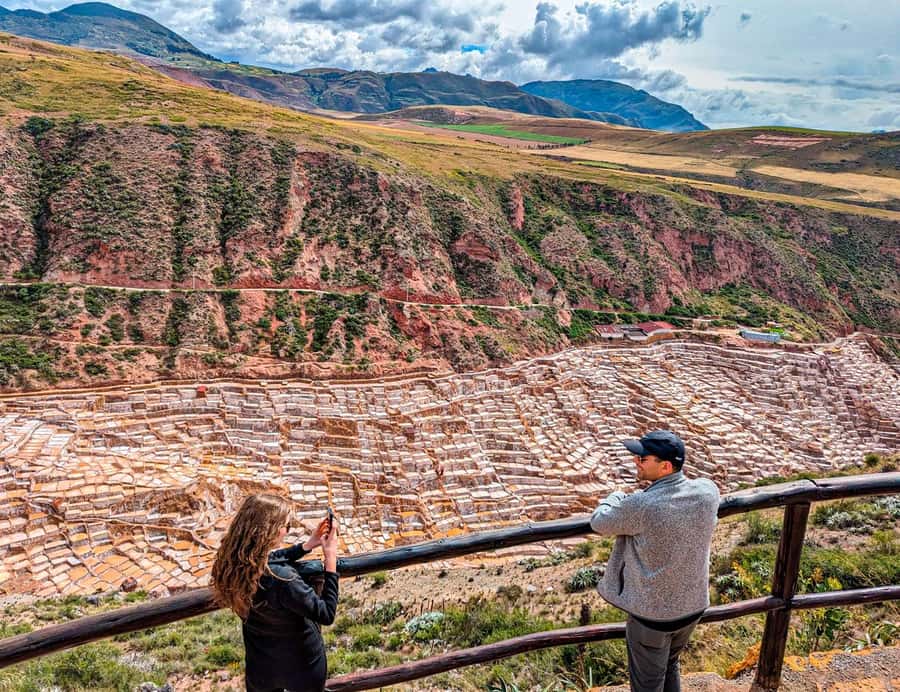
Right next to the Moray area, you’ll reach Maras and the famous salt ponds. The scale is what grabs you first—there are over 5,000 salt ponds. Then the guide’s explanation ties it back to how ancestors preserved food for long stretches.
The guided part matters here. Salt mines can sound like a one-note photo stop. But the point is the technique: salt production wasn’t just about flavor. It supported food storage, which mattered when fresh supplies weren’t guaranteed.
Expect a photo stop, guided visit, and a walk. There’s also shopping time afterward in Maras, which can be a nice break from constant movement. Wear shoes with decent grip; the routes can be uneven depending on the day.
Also: the salt mine entrance ticket is separate and must be purchased on site. Plan for that cost and keep cash handy.
Urubamba Buffet Lunch: Fuel That Keeps the Pace Comfortable
Lunch happens in Urubamba, the capital of the Sacred Valley of Urubamba. This stop is a buffet lunch (about 45 minutes), which is a smart choice in a day this packed. You’re not stuck waiting for a single dish and you can eat at a pace that fits your energy level.
You’ll get a break from driving and walking, and the meal helps you recharge before the bigger physical moment at Ollantaytambo. If you care about options, it’s worth knowing that the buffet has been described as offering vegetarian choices, so it’s not only meat-and-potatoes.
What I like for your decision-making: this lunch stop is timed to keep the afternoon from feeling rushed, even though the day is full. It’s not a long sit-down. It’s a solid refuel.
Ollantaytambo Fortress Climb: Timing Your Train After 15:30
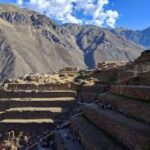
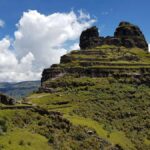
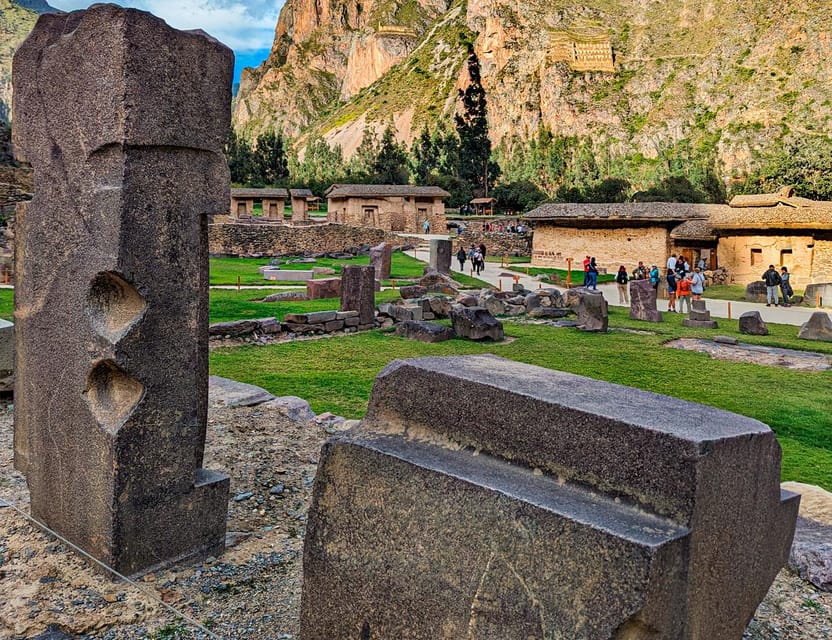
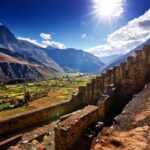
Ollantaytambo is the climax. You’ll arrive for photo stops and guided time, then climb over 200 steps to the top of the ancient terraced fortress that overlooks the town.
This isn’t just a view. During Incan times, the fortress area functioned as an important defensive location. Standing at the top, it’s easier to understand why this location mattered strategically. The terracing and stonework also help you connect the dots from the earlier theme of Inca engineering—agriculture systems below and defensive architecture above.
Now the logistics: the group tour typically ends around 15:30 in the Ollantaytambo main square or at the train station area. If you’re taking the train to Aguas Calientes or Machu Picchu, the practical advice is to book it after 16:00. If you’re cutting it close, you’ll feel rushed. If you arrive early, you’ll have time to breathe and line up your next steps.
Price and Value Check for a $27 One-Day Sacred Valley Run
At about $27 per person, this tour can be strong value, mainly because it bundles a lot of real travel work:
- hotel pickup in Cusco
- bilingual guide
- transportation between multiple sites
- buffet lunch in Urubamba
- drop-off in Ollantaytambo (useful if you’re continuing by train)
That said, the headline price isn’t the full cost. You still need to budget for:
- the 70 PEN ticket covering Chinchero, Moray, and Ollantaytambo
- the 20 PEN salt mine entrance ticket
- drinks (not included)
- and you won’t get return transport back to Cusco (this is meant as a one-way end)
So here’s the fair way to judge it for you: if you were planning to do Sacred Valley sites anyway and you also needed to get to Ollantaytambo, this is often cheaper than piecing together separate transport and guide time. If you’re not using the one-way drop-off, the value drops a lot because you’ll have to solve transport back to Cusco on your own.
Group vs Private: How Much Time You Actually Get at Each Stop
You can book private or small groups, and that affects pacing. In a group tour, timing is tighter. You’ll typically get set windows like a photo stop plus guided tour plus a short walk at each location.
With a private service, you usually gain breathing room. The schedule can run closer to your train time, and you may end back at your hotel instead of just the station/main square. That flexibility is most valuable if:
- your train departure is earlier than the standard cutoff
- you want extra time for shopping in Chinchero or Maras
- you prefer fewer “move, move, move” transitions
Also, a few guide names come up repeatedly in this kind of tour style—Julio, Felipe, John, Nora, Manuel, and Ricardo—and that usually hints at a consistent approach: clear explanations, attention to timing, and helpful switching between English and Spanish.
What to Bring (and What to Skip) So the Day Feels Good
This tour is outdoors for several parts, plus steps and walking. Bring the basics and you’ll enjoy it more:
- sunglasses
- sun hat
- camera
- sunscreen
- water
- cash (for tickets and shopping)
A couple of important rules:
- no drones
- no alcohol or drugs
And one comfort tip: for Ollantaytambo’s climb, choose footwear you trust on uneven ground. If your knees get cranky, go slow and take breaks at natural pauses during the climb.
Who This Tour Fits Best (and Who Might Prefer Something Else)
This is ideal if you want:
- a big overview of the Sacred Valley in one day
- a one-way transfer to Ollantaytambo
- guided context for textiles, agriculture, and salt production
- time-managed stops that still leave you some room to look around and shop
It’s less ideal if you want a slow, deep experience of just one or two sites. The day covers a lot, so you won’t linger for hours at any single location. You also need to be comfortable with walking segments and the 200+ steps at Ollantaytambo.
If you’re traveling as a couple, friends, or family, a small group often feels like the sweet spot. One review highlight vibe for many people is that the day feels well paced rather than chaotic.
Should You Book This Cusco to Ollantaytambo Sacred Valley Tour?
Yes—book it if you’re trying to do the Sacred Valley efficiently and you need the one-way drop-off in Ollantaytambo for your Machu Picchu plan. The mix of Chinchero textiles, Moray terraces, Maras salt mines, and the fortress climb gives you a strong sense of how Incas shaped daily life through food, farming, and built environments.
Skip or consider a different option if you:
- hate tight schedules
- need lots of rest time
- are worried about fitting the climb and a train connection after 15:30
- or you’re not benefiting from the Ollantaytambo end point
If you do book, show up ready for sun, carry cash for tickets, and plan your train for after 16:00 for peace of mind.
FAQ
How long is the tour?
It runs about 8 to 9 hours, depending on timing on the day.
Where does the tour start?
Pickup is from your hotel in Cusco.
What time does the tour end in Ollantaytambo?
For group service, it ends around 15:30 in the Ollantaytambo main square or near the train station.
Is the drop-off in Ollantaytambo included?
Yes. You’ll be dropped off at the train station or the main square in Ollantaytambo.
Is return transportation to Cusco included?
No. Return transportation to Cusco is not included.
Are the entrance tickets included?
Not fully. A partial tourist ticket for Chinchero, Moray & Ollantaytambo (70 PEN) is not included and is purchased at the first site. The salt mine entrance ticket (20 PEN) is also not included and is purchased on site.
Is lunch included?
Yes. A buffet lunch in Urubamba is included.
Are drinks included?
No. Drinks are not included.
What languages are the guides?
Guides are available in Spanish and English.
Are drones allowed?
No. Drones are not allowed.
What should I bring?
Bring sunglasses, a sun hat, camera, sunscreen, water, and cash.