REVIEW · SACRED VALLEY TOURS
Sacred Valley Vip Cusco
Book on GetYourGuide →Operated by Uyuni Experience EIRL · Bookable on GetYourGuide
One day, five Sacred Valley stops. This full-day circuit strings together big Inca engineering with Spanish-era touches, plus that unforgettable salt-mines view and a real handicraft shopping moment. I especially like Chinchero’s Inca wall construction and the colonial church side-by-side, because you can see layers of history without hunting for them.
My other favorite part is the sequence: Moray’s circular terraces leading into the 3,000+ salt wells at Maras, then finishing with Ollantaytambo and Pisac market time. The only real drawback to plan around is logistics and on-the-ground costs—make sure your pickup timing is clearly confirmed, and be ready that the Maras salt-well fee may not match what you see in an app.
You’ll start around 7:00am and roll back to Cusco about 7:00pm, traveling with a small group of up to 10 and a live guide who works in English and Spanish. Lunch is handled with a buffet stop in Urubamba, which helps keep the day from turning into pure snack mode.
In This Review
- Key things to know before you go
- How the day runs from 7:00am to Cusco around 7:00pm
- Chinchero: Inca walls, a colonial church, and a textile center
- Moray’s circular terraces: an Inca agricultural experiment
- Maras salt mines: over 3,000 wells and a working view of history
- Urubamba buffet lunch: your scheduled recharge before Ollantaytambo
- Pisac: slopes of Intihuatana, the indigenous market, and the archaeological park
- Price and value: what you get for your time with a small group
- Who this one-day Sacred Valley circuit is best for
- Should you book Sacred Valley Vip Cusco?
- FAQ
- What places does the Sacred Valley Vip Cusco tour include?
- How long is the Sacred Valley tour?
- What time does the tour start and when do I return to Cusco?
- Is there a live guide?
- How big is the group?
- Is lunch included?
- What languages are available for the tour?
- Is there free cancellation?
- Can I reserve now and pay later?
Key things to know before you go
- Five major stops in one day: Chinchero, Moray, Maras, Ollantaytambo, and Pisac.
- Real variety, not repeat scenery: terraces, salt wells, a living Inca city vibe, and a market for handicrafts.
- Small group size (10 max): easier questions, less crowd herding.
- Moray to Maras pacing: the agricultural “lab” idea makes the salt mines feel like part of a larger system.
- Buffet lunch in Urubamba: a practical break before Ollantaytambo and Pisac.
How the day runs from 7:00am to Cusco around 7:00pm
This is a classic “see the Sacred Valley hits fast” day. You’ll depart at 7:00am, then work through the circuit with the guide moving you between stops. Expect a steady schedule rather than long lingering time at every photo spot.
Why this format works: the Sacred Valley is spread out, so stacking all the major sites in one window saves you the hassle of planning separate days. The trade-off is pace. With a 12-hour day, your energy plan matters. I’d treat lunch as your anchor and accept that some segments will be more about seeing and learning than slow wandering.
The guide is live and speaks Spanish and English, which is a big deal here. You’ll get context for what you’re looking at—especially helpful at Moray and the archaeological area of Pisac, where it’s easy to stare at stones and miss the point.
You can also read our reviews of more tours and experiences in Cusco

Chinchero: Inca walls, a colonial church, and a textile center
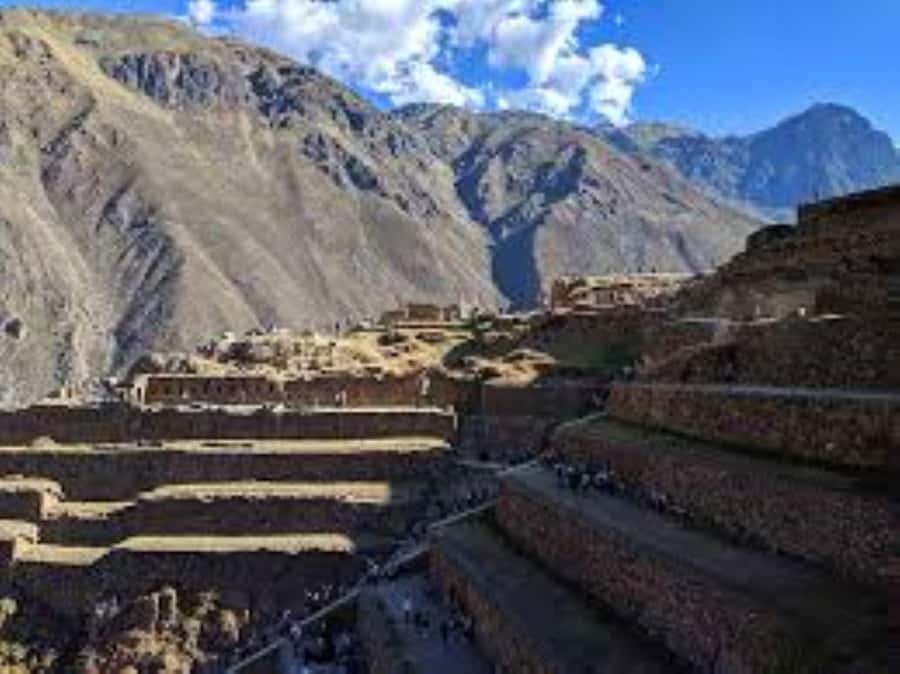
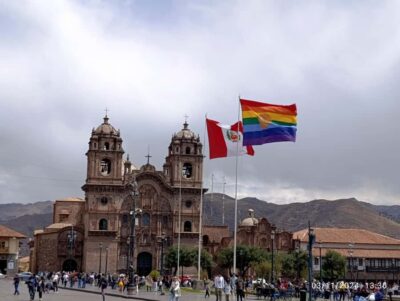
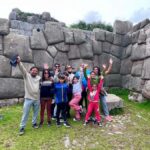
Chinchero is where the tour starts to feel like a time machine. You’ll see Inca wall constructions, and the visit also includes a historic colonial church. That mix isn’t just decorative—it helps explain how the region changed hands and how new power structures layered onto older building traditions.
What I like about starting here is that Chinchero gives you a visual baseline for later stops. Once you’ve seen Inca stonework here, you notice patterns more clearly as the day moves along.
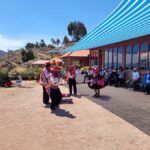
You’ll also stop at a textile center, which matters because the Sacred Valley isn’t only ruins. It’s still a working cultural landscape, and textiles are one of the most practical ways that culture stays visible. If you’re even mildly curious about weaving, dyes, and traditional patterns, this is where you’ll get a quick education without turning it into a lecture.
Practical tip: if you care about shopping, keep a little time awareness. Chinchero includes textiles, but Pisac is where the market-shopping energy peaks, so don’t let purchases at the first stop empty your budget or carry-load for later.
Moray’s circular terraces: an Inca agricultural experiment
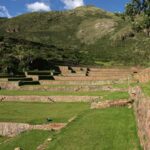
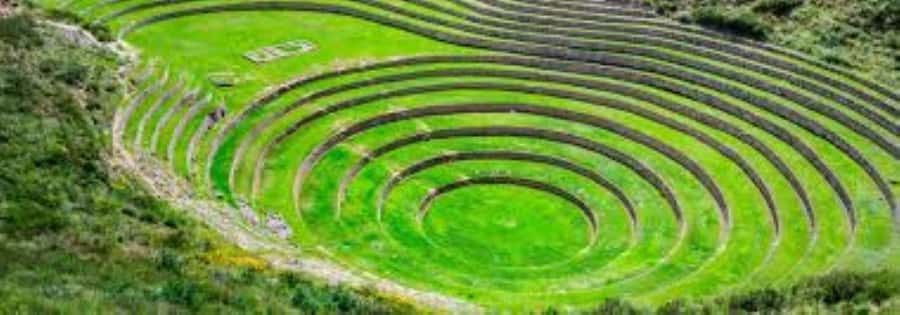
Next up is Moray, famous for its circular terraces. The key idea is that Moray isn’t just pretty geometry. It’s an agricultural site connected to Inca-era experimentation—terraces that create different conditions within the same overall location.
When I’m touring a site like this, I look for how the shape guides the function. Moray’s circles do exactly that. They’re visually striking, yes, but they also help you imagine how the Incas could test growing conditions and adapt crops. It’s one of those stops where a quick explanation turns the whole place from rocks into a system.
The terrain also creates great photo angles. You can usually capture the concentric shapes from different viewpoints as you move. Just remember: the best photos can come with extra steps, and this tour day already has plenty of moving parts.
The value here for your trip: Moray gives you a “why” behind Sacred Valley knowledge. When you later visit Maras, you’ll be thinking in terms of land use and resources, not just tourism scenery.
Maras salt mines: over 3,000 wells and a working view of history
Then the day shifts from terraces to salt—literally. You’ll descend to Maras to explore the salt mines, known for over 3,000 salt wells. Historically, these were used by the Incas, and seeing them in person helps you understand how resource extraction and farming systems could overlap.
What makes Maras special isn’t just scale. It’s the way the wells create a patchwork pattern over the hillside. Even if you don’t go deep into the science, the visual logic is obvious: lots of small units working together.
Two practical considerations for this stop:
- Bring small cash or confirm what you’ll need on arrival. Fees and on-site payment expectations can vary day to day, and it’s smart to be ready for the number you actually see, not the one you hoped for.
- Go in with the right pace. You’re there to explore, but the site layout encourages you to move along certain lines. That’s great for photos, just be mindful if you want more time in one section.
If you’re the type who likes learning by seeing how something works, Maras delivers. It’s not a “stand behind glass” kind of stop. It’s a living-looking landscape, even if the modern production rhythms differ from the Inca era.
Urubamba buffet lunch: your scheduled recharge before Ollantaytambo
After the salt mines, you’ll enjoy a buffet lunch in Urubamba. This is more than a break. It’s your built-in reset for a long day. If you’ve ever tried to “just snack” your way through the Sacred Valley, you’ll appreciate the structure.
A buffet also helps with flexibility. If one stop ran longer than expected—or you’re just hungrier than planned—you’re not stuck waiting for the next meal moment. It’s a practical inclusion that makes the day feel balanced rather than rushed.
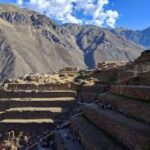
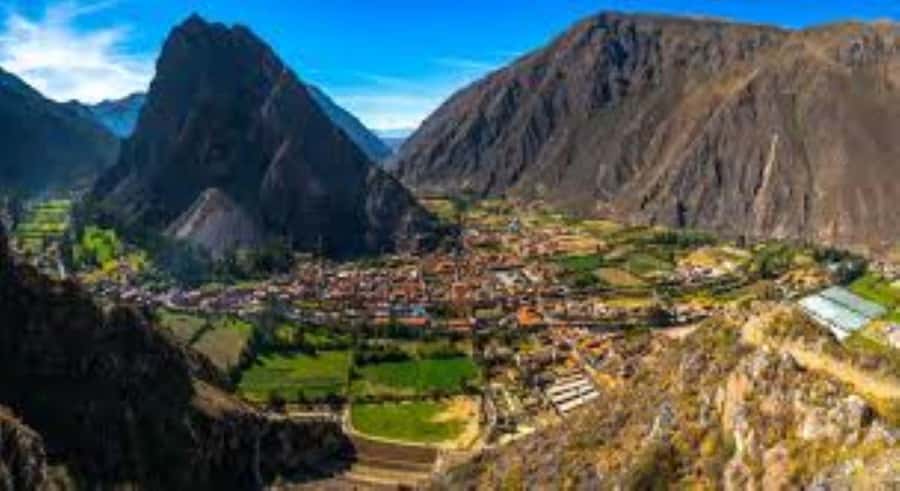
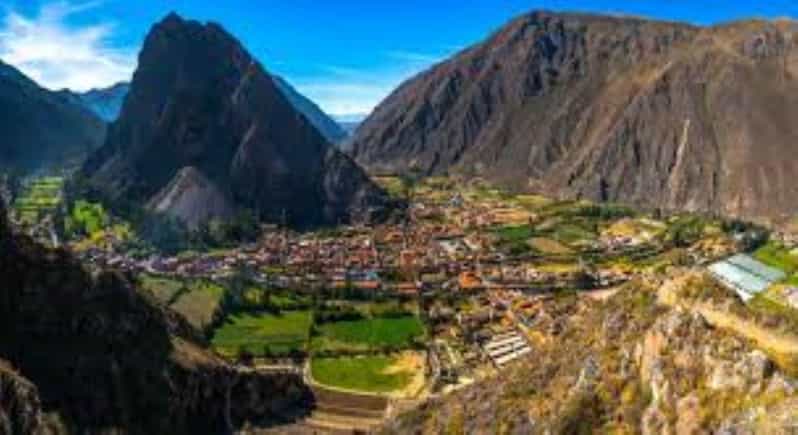
Then you continue to Ollantaytambo, known as The Last Living Inca City. That nickname matters because you’ll feel it as more than ruins. The town has an active, lived-in quality, and the archaeological presence connects to how the area is still arranged.
Why this stop clicks after Moray and Maras: you go from systems of land use (farming terraces, salt extraction) to a place where an Inca settlement shaped daily life. You’re moving from “how they managed resources” to “how they organized community.”

Pisac: slopes of Intihuatana, the indigenous market, and the archaeological park
Finally, the tour turns toward Pisac in two parts: market time and the archaeological park.
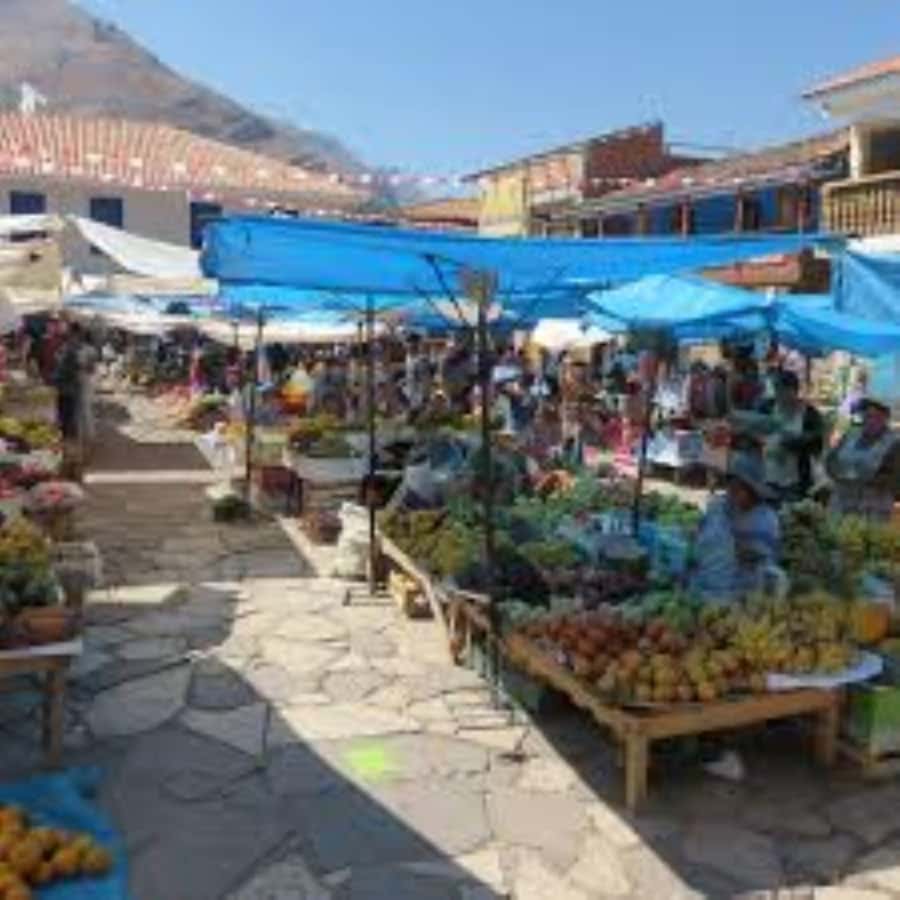
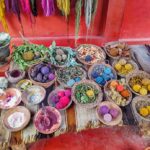
Pisac’s town sits on the slopes of Intihuatana hill, and the visit includes the indigenous market. This is where you’ll get the most direct chance to shop for handicrafts. If you want scarves, woven goods, small textiles, or locally made souvenirs, Pisac is the moment of payoff.
I like market stops on tours when they’re paired with an actual explanation. Here, the market isn’t just “walk around and buy.” It’s a chance to see how local craftsmanship stays central to everyday life.
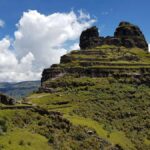
After that, you’ll tour the Archaeological Park of Pisac, with finely crafted Inca stone buildings. This is the “ruins plus meaning” portion. If Chinchero taught you about stonework basics, Pisac helps you see them at a larger, more structured site scale.
Practical tip for Pisac: if you’re shopping, keep your timing eyes open. Markets can swallow time fast, and you still need time for the stone structures afterward. If you’re a careful shopper, do one round for ideas first, then commit.
And when the day ends and you’re heading back to Cusco around 7:00pm, Pisac often feels like the final chapter. The market connects the old world to the present; the archaeological park anchors what you learned earlier.
Price and value: what you get for your time with a small group
Even without talking numbers, this tour has clear value logic. You’re paying for:
- Five major Sacred Valley stops in one day
- A live guide in English and Spanish
- Buffet lunch in Urubamba
- A small group limited to 10, which usually means you can ask questions and you’re less likely to be lost in a crowd
That combination matters if you’re on a tight schedule. If you only have a day to cover Chinchero, Moray, Maras, Ollantaytambo, and Pisac, this circuit is efficient. You’re not spending extra time transferring between half-day tours.
Still, treat two things as part of the value equation:
- On-the-ground costs at Maras: confirm what you’ll pay before you assume an app figure.
- Pickups and timing: if anything feels vague when you’re arranging the morning start, press for clarity. A smooth day depends on smooth handoffs.
In other words: the tour offers strong structure and variety, but it asks you to stay alert. That’s not a dealbreaker. It just helps you avoid tiny frustration.
Who this one-day Sacred Valley circuit is best for
This tour fits you if:
- You want a first big Sacred Valley overview without multiple days
- You enjoy mixing ruins, working landscapes, and a market
- You like having English/Spanish guiding for context at each stop
- You prefer a small group pace over a huge bus crowd
It might not fit you as well if you hate early starts or you want super slow time in one place. This is a full-day plan, and it’s designed to hit the highlights efficiently.
Also, it’s a good option for people who like practical learning. Moray and Maras are easier to appreciate when you connect them to how land and resources were managed, and the guide format makes that connection happen during the visit.
Should you book Sacred Valley Vip Cusco?
I’d book it if you want one strong day that covers the Sacred Valley’s headline sites with minimal planning headache. Chinchero’s Inca-plus-colonial contrast, Moray’s circular terrace logic, the scale of Maras’ salt wells, Ollantaytambo’s living-city feel, and Pisac’s market-and-archaeology combo give you a well-rounded day.
Just go in with two smart expectations: double-check pickup coordination, and confirm Maras salt-well fees on arrival so you’re not surprised. If you do that, you’ll end the day with a solid set of memories—and a clearer picture of how the Incas used land, not just how they built stone.
FAQ
What places does the Sacred Valley Vip Cusco tour include?
It covers Chinchero, Moray, Maras Salt Mines, Ollantaytambo, and Pisac, all in one full day.
How long is the Sacred Valley tour?
The duration is 12 hours.
What time does the tour start and when do I return to Cusco?
The tour starts at 7:00 am and you return to Cusco around 7:00 pm.
Is there a live guide?
Yes. The tour includes a live tour guide who speaks Spanish and English.
How big is the group?
It’s a small group limited to 10 participants.
Is lunch included?
Yes. You’ll enjoy a buffet lunch in Urubamba.
What languages are available for the tour?
Spanish and English.
Is there free cancellation?
Yes. You can cancel up to 24 hours in advance for a full refund.
Can I reserve now and pay later?
Yes. The tour offers a reserve now & pay later option.