REVIEW · LAKE TITICACA & PUNO TOURS
From Cusco: Puno and Uros Islands 2-Day Trip
Book on GetYourGuide →Operated by Peru Andes Top · Bookable on GetYourGuide
Two days on Lake Titicaca is a fast chapter. What makes this trip interesting is the mix of big Andean sights on the road from Cusco and then Uros and Taquile on the water. I like that it includes both the daytime bus connection and the overnight stay in Puno, so you do not have to piece things together. I also like the guided stops that hit places like Andahuaylillas and the Temple of Wiracocha God area. One consideration: the schedule is tight and there can be rough edges with how smooth the Puno pickup feels on arrival, so you should be ready to coordinate quickly if anything is off.
In plain terms, you start the first day with classic highland culture stops, then you end in Puno with time to wander at your own pace. Day two trades long driving for lake time: a speedboat ride to Uros, then the cruise toward Taquile with viewpoints and a local lunch stop.
This is a solid value option when you want a full Cusco-to-Puno experience in only two days, with transportation and at least one hotel night handled. If you dislike early starts, cold weather, and moving through several locations in one day, you might feel rushed here.
In This Review
- Key highlights worth your attention
- A two-day Cusco to Puno ride that actually fills the hours
- Day 1: Cusco to Puno with Andahuaylillas, Racchi, La Raya, and Pucará
- Andahuaylillas chapel stop
- Racchi and the Temple of the Wiracocha God area
- Lunch stop at La Raya
- Pucará Site Museum for archaeology context
- Day 2: Uros on reed islands, then Taquile by cruise and viewpoints
- Uros Islands: what you are really looking at
- Cruise to Taquile, then guided island touring
- Guides, pace, and how to judge the value of an action-packed plan
- Price and logistics: what $209 includes, and what you must budget
- What to pack for cold Andes mornings and windy lake time
- Practical tips for your Puno night and your Cusco return
- Should you book this Cusco to Puno and Uros and Taquile trip?
- FAQ
- How long is the trip from Cusco to Puno with Uros and Taquile?
- What is included for transportation?
- Do I get a hotel in Puno?
- Are meals included?
- Are entrance tickets included?
- Is there an extra terminal fee?
- Do I need to bring an ID?
- What languages do the guides speak?
- How do you get to the Uros Islands?
- What is the cancellation policy?
Key highlights worth your attention
- Andahuaylillas and the Wiracocha stop on the way to Puno, so you do not waste hours just on the bus
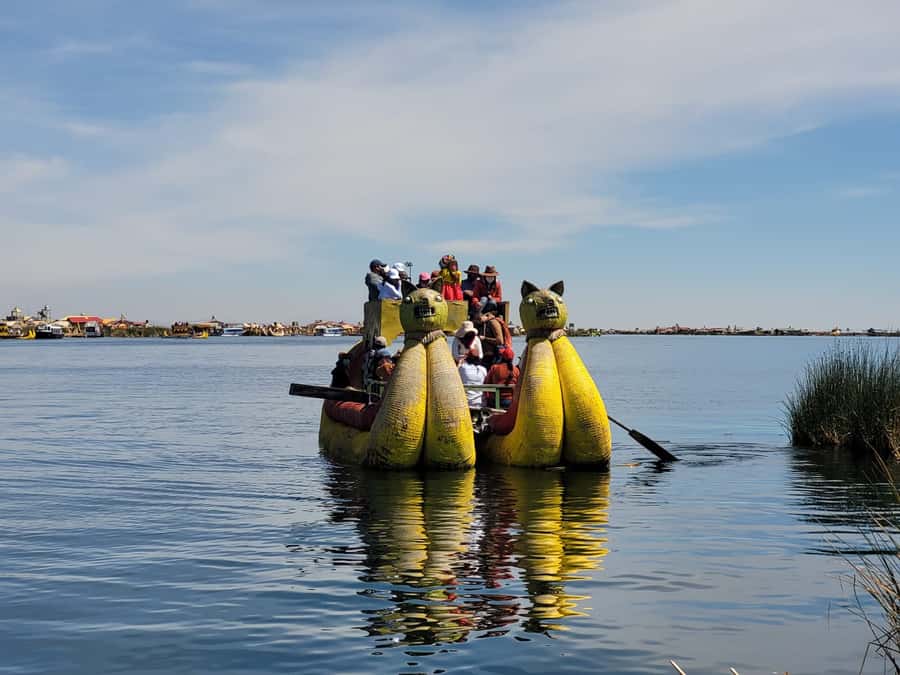
- Speedboat to Uros Islands, with a guided visit to reed-made floating islands
- Taquile viewpoints with a guided island tour, plus a local lunch break
- Pucará Site Museum stop, which adds context beyond postcard views
- Puno overnight + night bus back, so you gain time without managing separate tickets
A two-day Cusco to Puno ride that actually fills the hours
This trip is built for people who want momentum. You get a structured day one that strings together several major sites between Cusco and Puno, then day two focuses on Titicaca. The payoff is that by the time you reach Puno, you already understand more of what you are looking at. You are not only chasing scenery. You are seeing how Andean communities used these landscapes and routes.
The route also matters. Going from Cusco Region toward Puno is not a straight line, so the stops feel like a reason to be on the road rather than a time tax. You will pause at key cultural places, then later you will switch gears to lake travel.
If you are short on days, this is the kind of plan that gives you a lot per day. It is also the kind of plan that asks you to stay flexible: transport changes, a late afternoon arrival into Puno, and an evening night bus back to Cusco on day two.
You can also read our reviews of more tours and experiences in Cusco
Day 1: Cusco to Puno with Andahuaylillas, Racchi, La Raya, and Pucará
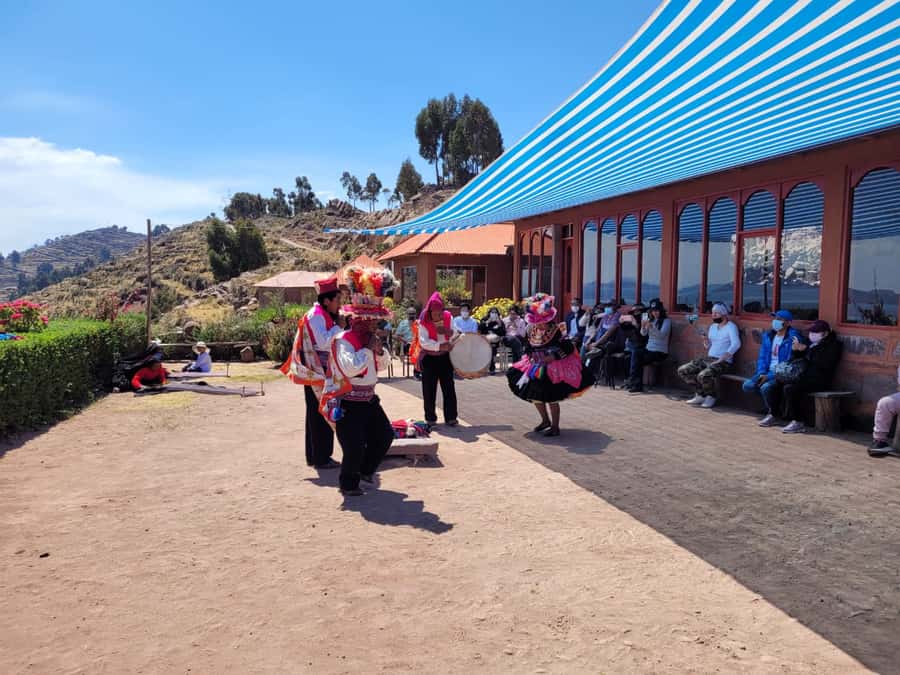
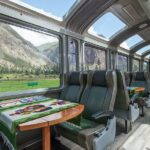
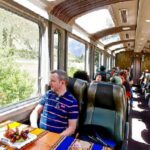
Day one starts with pickup from your hotel in central Cusco. You wait in the lobby about 10 minutes before the scheduled time, then you transfer to the bus station for the tourist bus to Puno. The big benefit here is that you are not figuring out how to get yourself onto the correct bus and timing it with your hotel check-out.
Once you are on the road, the trip earns its keep with several planned stops:
Andahuaylillas chapel stop
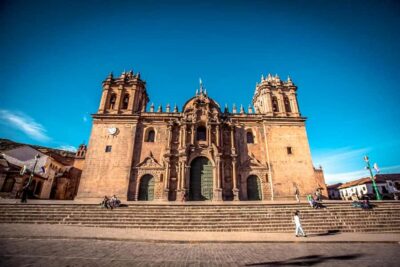
Andahuaylillas is one of those stops that can feel quick, but it is worth it because it gives you a strong introduction to local religious architecture. You will visit its beautiful chapel. Even with a short stop, it is the kind of place that makes the rest of the day feel more intentional, not just scenic.
Practical tip: bring layers and good walking shoes. Even if you do not spend long inside, you will likely step in and out for photos and viewing.
Racchi and the Temple of the Wiracocha God area
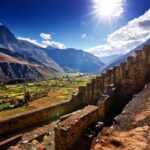
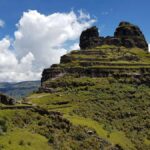
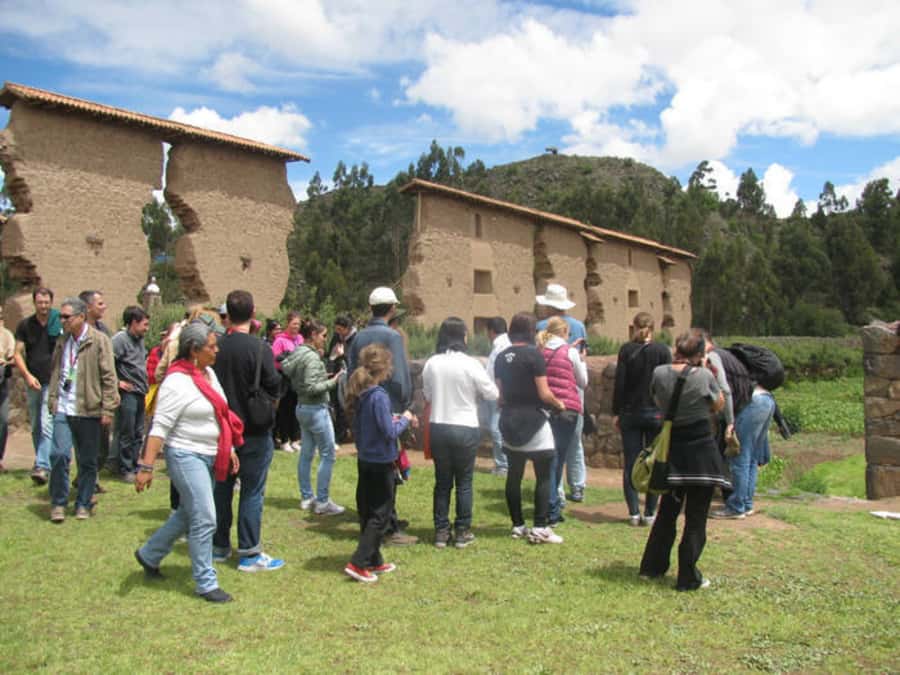
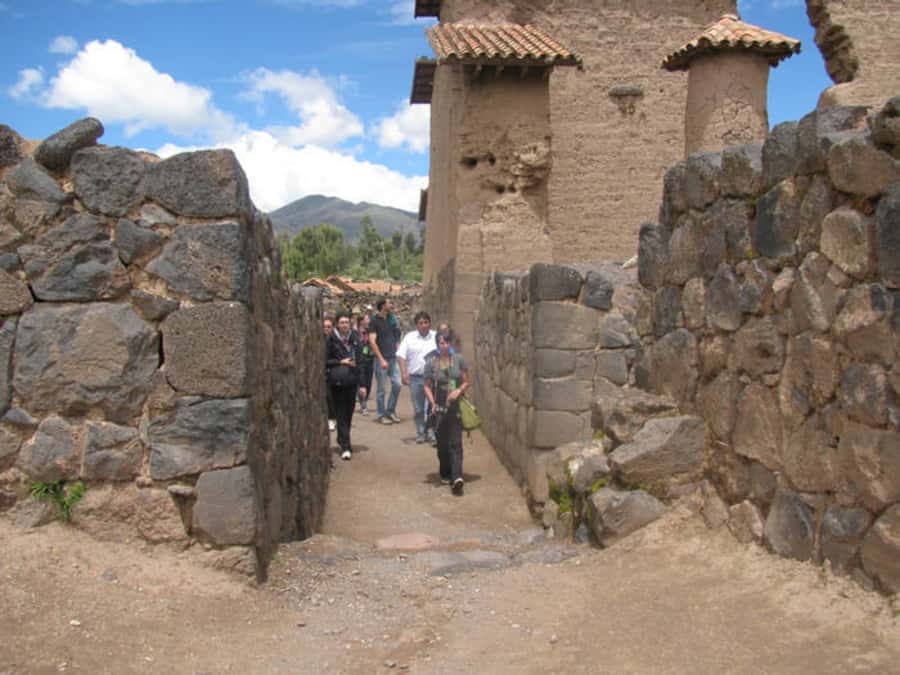
Next comes a pause in Racchi, where you encounter the Temple of the Wiracocha God. This is a powerful site to see during daylight because you can get a sense of the scale and setting. It also helps explain why people talk about this region as more than just a route between cities.
This stop adds cultural context to what you will later see in Puno and around Lake Titicaca. You are seeing a chain of Andean meaning across multiple locations.
Lunch stop at La Raya
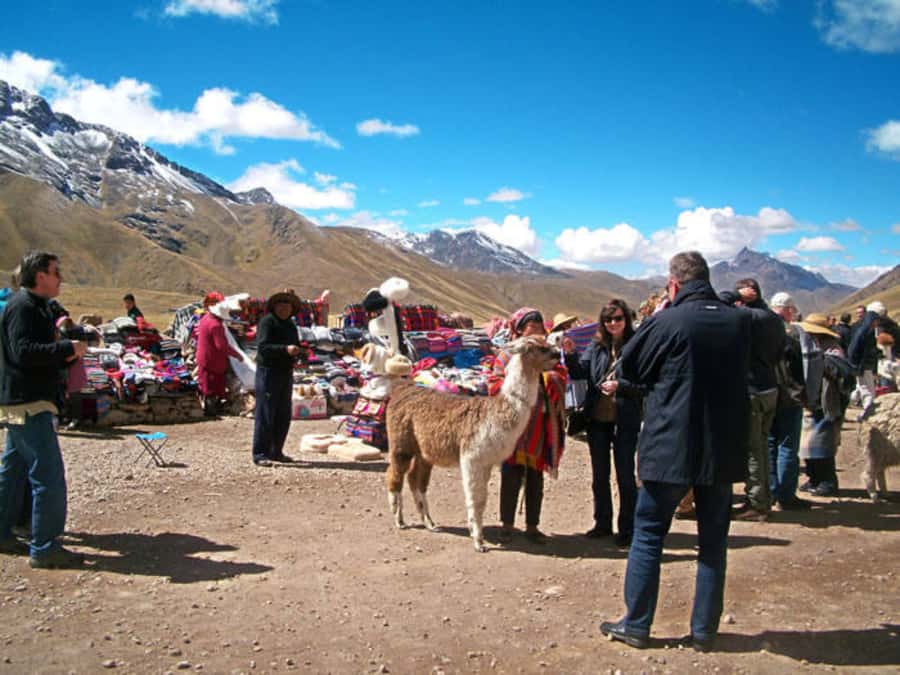
Lunch is built in around La Raya. The trip frames it as beautiful La Raya, and the key value is that you are not left hunting for food with an uncertain timeline. You get a lunch stop before continuing.
Because you are traveling at altitude, plan for cooler air and slower energy. Eat, drink water if you can, and do not try to sprint from stop to stop.
You can also read our reviews of more tours and experiences in Cusco


Pucará Site Museum for archaeology context
Before you reach Puno, you stop at the Pucará Site Museum. This is a good inclusion because it shifts the day from just walking around sites to understanding what you are seeing. Museums help you connect objects, place, and story, even when you only have a limited amount of time.
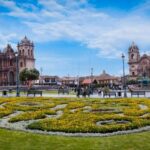
You arrive in Puno late afternoon, then you transfer from the bus station to your hotel. The evening is free, which is important. After a day of stops, you need room to reset, grab dinner on your own, and simply get your bearings.
One small thing to note: your hotel stay covers one night in Puno, and day two starts the next morning. If you are the type who likes early naps and early starts, you will still want to go to bed soon after dinner.
Day 2: Uros on reed islands, then Taquile by cruise and viewpoints
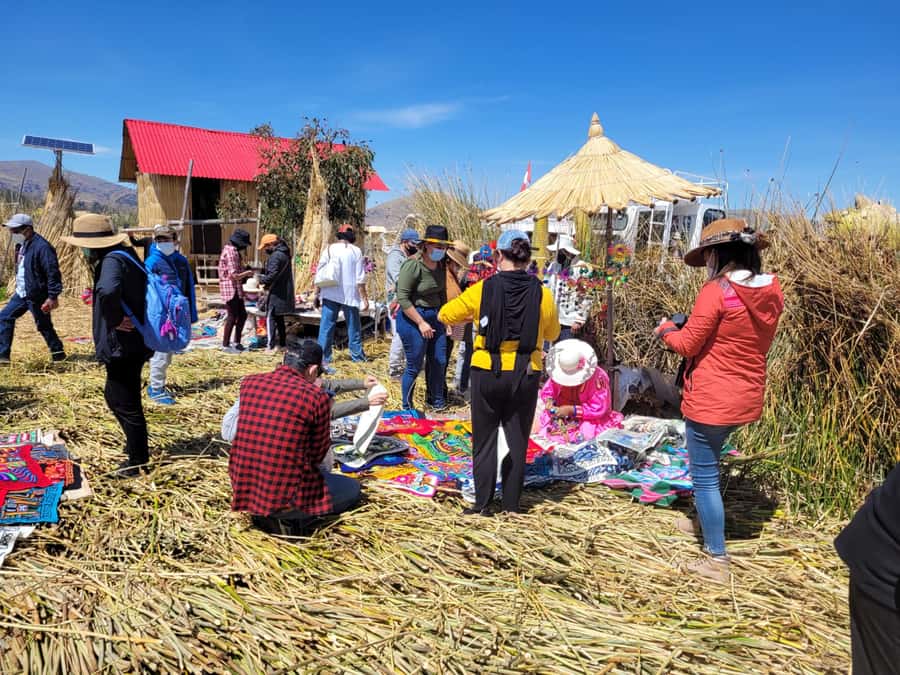
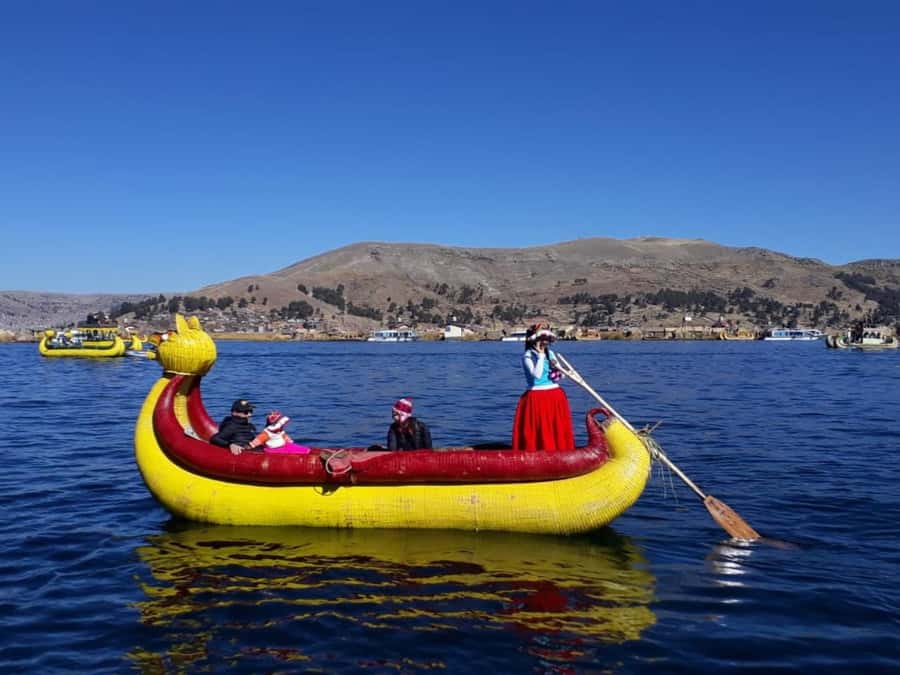
Day two begins with pickup and transport to the pier in Puno. Then you head out by speedboat to the Uros islands. This is a major highlight because speedboat lake travel adds energy right away. The experience centers on a guided tour of the famous floating islands made of reeds.
Uros Islands: what you are really looking at
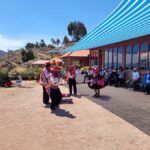
The Uros islands are known for their reed construction, and the guided visit is the point. The value is not just seeing floating platforms. It is understanding how the communities manage the reed environment and the life built around it.
Even if you have seen photos, you will likely notice the scale and movement more once you are on the water. This is also where warm layers matter. Winds off the lake can be surprisingly sharp.
Cruise to Taquile, then guided island touring
After Uros, the cruise continues to Taquile on the highest navigable lake in the world. This line is not just marketing. It sets the expectation that the water travel is part of the day, not a transfer.
On Taquile, you get a guided island tour and scenic viewpoints. Then you pause for lunch in a local restaurant. That lunch break matters because it keeps you fueled for whatever walking and viewpoint time the island day requires.
When you head back to Puno, the afternoon includes some free time to explore the city. Dinner is again own expense, and then you take the night bus back to Cusco.
The night bus timing is a big factor in how you plan your day. If you hate overnight travel, you might find day two long. If you handle it well, it is an efficient use of time.
Guides, pace, and how to judge the value of an action-packed plan
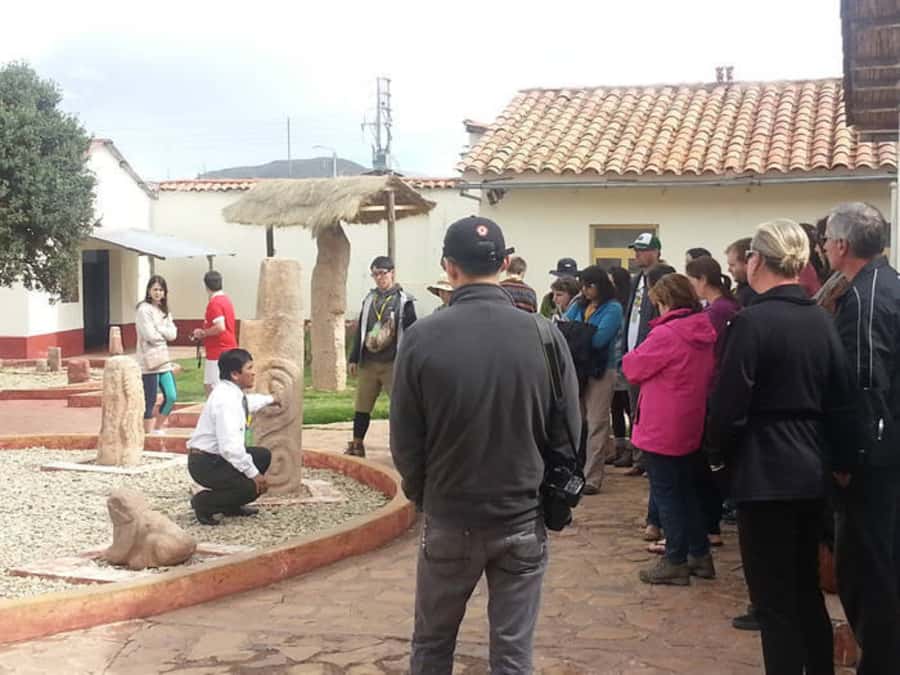
The tour runs with a live guide who speaks Spanish and English. That is a real benefit here because you are visiting multiple sites where context matters. Without guidance, you would likely spend a lot of time snapping photos and moving on. With a guide, you can connect what you see to why it matters.
That said, this is not a slow cultural stroll. It is a structured route with transport transitions, plus museum and chapel stops, plus lake excursions. You will spend time on buses and then switch to speedboat and cruise.
So how do you judge whether it fits you? I suggest looking at your tolerance for transitions:
- If you like checklists and seeing a lot in limited days, this format is your friend.
- If you want long unhurried stays, you may wish you had more time in each place.
One more reality check: I did see firsthand that arrival coordination in Puno can be a sticking point for some bookings. In at least one case, nobody waited for pickup on arrival, and the situation was sorted with help from a bus company. That does not mean it will happen to you, but it does mean you should treat pickup as something to confirm, not something to assume.
If you are traveling independently, take a screenshot of your exact pickup details and keep a phone number handy. Once you land in Puno late afternoon, ask where you should wait and what the meeting point looks like. That simple step can save you a lot of stress.
Price and logistics: what $209 includes, and what you must budget
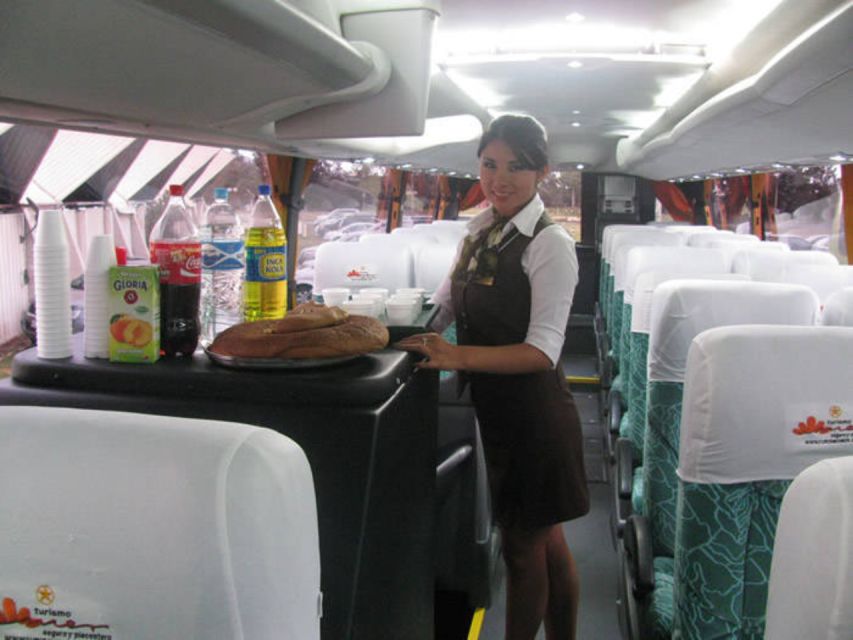
At $209 per person for two days, the value comes from what is bundled. You are not paying separately for transportation between cities, the Puno overnight, and the lake excursions. Included basics are:
- pickup and drop-off from central Cusco
- tourist bus ticket Cusco to Puno
- hotel accommodation for one night in Puno
- night bus ticket Puno to Cusco
- Uros and Taquile excursions with transport
- buffet lunch on the day that includes the Taquile segment
- breakfast buffet
- all transportation tied to the program
What is not included is where you need to think like a budget traveler:
- entrance tickets to the sites
- terminal use fee (about 1.50 soles)
- dinner and drinks
That separation is important. If you quickly assume everything is paid, you might feel surprised once you are on site. Entrance tickets vary by stop, so it is hard to predict the total precisely from the given info. Still, you can safely plan for extra cash for entrances and the small terminal fee, plus dinner.
Also remember the luggage rule: luggage or large bags are not allowed. That affects how you pack. If you have a big suitcase, you may have to adjust your luggage strategy to avoid headaches.
Overall, I think $209 works best when you want an all-in transport plan and one guided lake day without negotiating tickets yourself. If you already know how to travel independently between Cusco and Puno and you only want Uros or Taquile, you might find cheaper options. But for convenience plus structured guiding, this one makes sense.
What to pack for cold Andes mornings and windy lake time
This tour gives you a strong mix of climates. Cusco Region can feel chilly, and Puno is no warmer on lake days. So pack for comfort, not for looks.
Bring:
- passport or ID card
- comfortable shoes
- warm clothing
- sunglasses and a hat
- change of clothes
- camera and sunscreen
- cash
- face mask or protective covering
Also bring a backup layer specifically for the speedboat and cruise. Even when the sun is out, lake wind can cut through. If you have a windproof jacket, you will use it.
One more packing note: since large bags are not allowed, stick to a manageable day bag. Keep essentials easy to access so you are not constantly digging through during transfers.
Practical tips for your Puno night and your Cusco return
The late afternoon arrival in Puno on day one is useful because you can still get settled and walk around before dinner. On day two, you get more free time in Puno after returning from Taquile.
So treat Puno like a short base: shower, eat, and do a simple wander. You do not need to force a long sightseeing list. If the next day starts early with pickup to the pier, you will want energy.
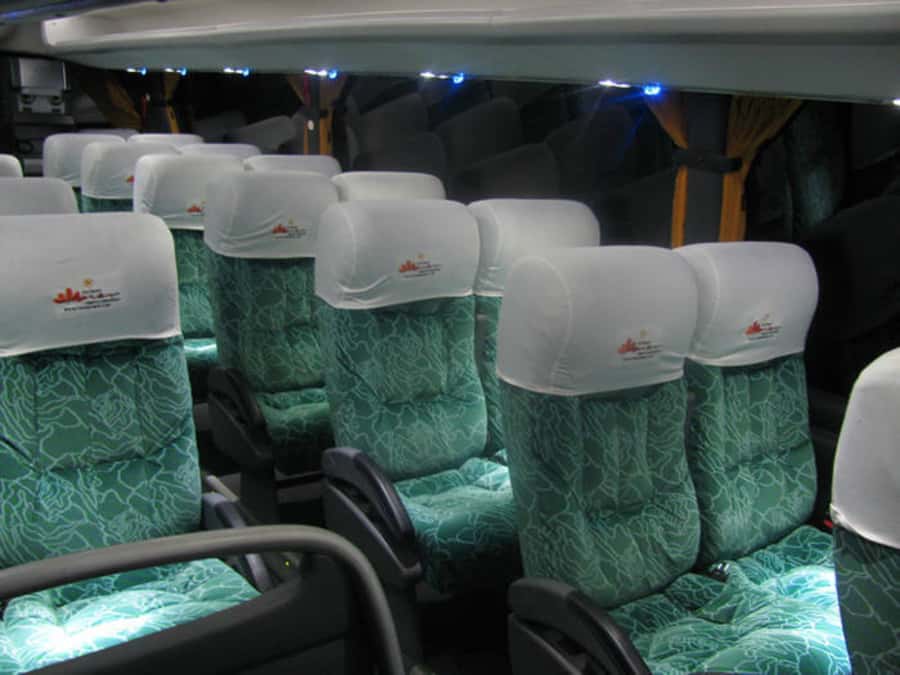
For the return, you take a night bus back to Cusco. That means your luggage and comfort planning matters. Keep the essentials you need during the bus ride accessible so you do not have to keep getting up.
If you are sensitive to travel discomfort, you might want to bring your own small comfort items in case the bus ride is not as cushy as you hope. This is not extra frills; it is how you protect the final day of your trip.
Should you book this Cusco to Puno and Uros and Taquile trip?
I would book this trip if you have only two days and you want a structured path from Cusco to Puno that includes major stops on the way, plus real lake experiences with speedboat time and guided island touring. It is a good fit for people who prefer guidance, dislike ticket logistics, and want at least one night in Puno handled for you.
I would think twice if you:
- dislike tight schedules and frequent transitions
- need a very smooth pickup experience every step of the way
- plan to travel with large luggage
- want a slower pace with more free time in each single location
If you do book, do two simple things: confirm your pickup meeting point in Puno in advance, and pack for cold wind. If you do that, this two-day route is one of the more efficient ways to connect Cusco with Lake Titicaca and the Uros-to-Taquile storyline.
FAQ
How long is the trip from Cusco to Puno with Uros and Taquile?
It lasts 2 days. Starting times depend on availability.
What is included for transportation?
All transportation is included, including pickup and drop-off from central Cusco, the tourist bus ticket Cusco to Puno, and the night bus ticket Puno to Cusco.
Do I get a hotel in Puno?
Yes. The price includes hotel accommodation for 1 night in Puno.
Are meals included?
Yes. You get a breakfast buffet and a buffet lunch. Dinner and drinks are not included.
Are entrance tickets included?
No. Entrance tickets to the sites are not included.
Is there an extra terminal fee?
Yes. A terminal use fee of about 1.50 soles is not included.
Do I need to bring an ID?
Yes. You should bring your passport or ID card.
What languages do the guides speak?
The live tour guide speaks Spanish and English.
How do you get to the Uros Islands?
You ride to the Uros Islands by speedboat and then take a guided tour of the reed floating islands.
What is the cancellation policy?
This activity is non-refundable.